Top Best Universities in Turkey:Global Recognition and Opportunities

Top Best Universities in Turkey:Global Recognition and Opportunities

Turkey has emerged as a compelling destination for higher education, attracting students from across the globe with its unique blend of Eastern and Western cultural influences. The nation's private university sector has grown remarkably over recent decades, establishing institutions known for academic rigor and modern facilities. These universities operate with substantial autonomy, allowing them to develop specialized programs and forge international partnerships. Many have earned recognition through global rankings and accreditation bodies, reflecting their commitment to quality education. Students find diverse opportunities across disciplines ranging from medicine and engineering to social sciences and fine arts. The vibrant urban environments of cities like Istanbul, Ankara, and Izmir provide dynamic backdrops for academic life. This educational landscape continues evolving with investments in research infrastructure and faculty development.

Academic Excellence and Global Recognition

Turkish private universities have strengthened their global presence through partnerships with European and North American institutions, enabling student exchanges and collaborative research. Their curricula blend international academic standards with local context, while programs in engineering and business often hold prestigious accreditations such as ABET and AACSB. Faculty members typically hold doctoral degrees from renowned universities and contribute actively to research. This dedication to quality has elevated these institutions in global rankings.

These universities prioritize research infrastructure addressing modern challenges. Atılım University features specialized labs in artificial intelligence and sustainable energy, while Yaşar University cultivates industry relationships that expand internship opportunities. Academic calendars follow the European semester system for seamless international integration, and libraries provide extensive digital resources for remote research. Language support services assist international students in adapting to Turkish academic life, with many programs delivered entirely in English.

🔗 Link to this section

Healthcare and Medical Education Leaders

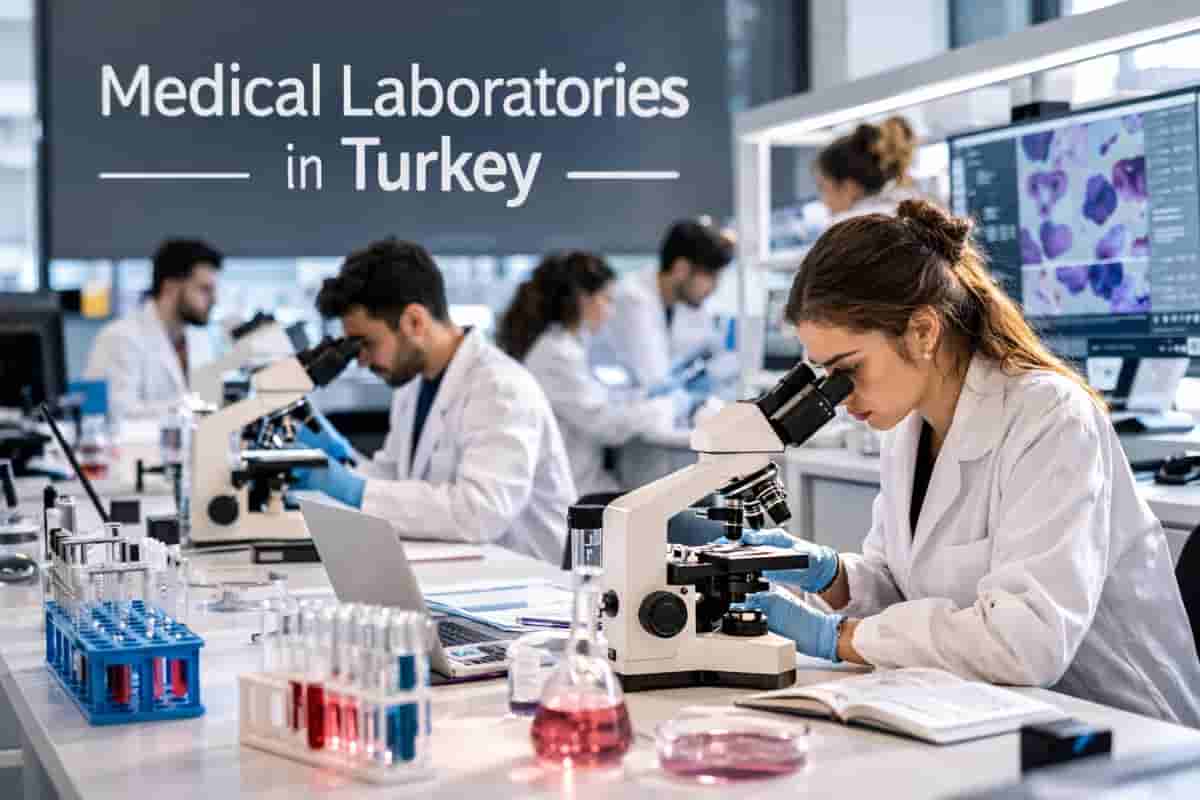
Turkey’s private universities offer high-quality medical education that blends academic rigor with hands-on clinical training. Institutions like Istanbul Medipol and Ankara Medipol integrate early hospital rotations and operate advanced simulation centers, allowing students to practice procedures safely before treating real patients. Faculty often work as both physicians and educators, ensuring curricula reflect current medical practices. The programs emphasize diagnostic proficiency alongside compassionate, patient-centered care, aligning with modern holistic healthcare principles.

Dental, pharmacy, and nursing programs at universities such as Başkent and Maltepe are also highly regarded for their practical training environments, featuring cutting-edge labs and imaging technology. Nursing students complete diverse clinical placements, building confidence across specialties. Many health science faculties engage in international research on public health and innovation, enhancing global relevance. Graduates are well-prepared for careers in Turkey and abroad, equipped with evidence-based knowledge and the adaptability needed to thrive in evolving healthcare landscapes.

🔗 Link to this section


🔄 Updated: Jan 30, 2026 02:34

Engineering and Technological Innovation

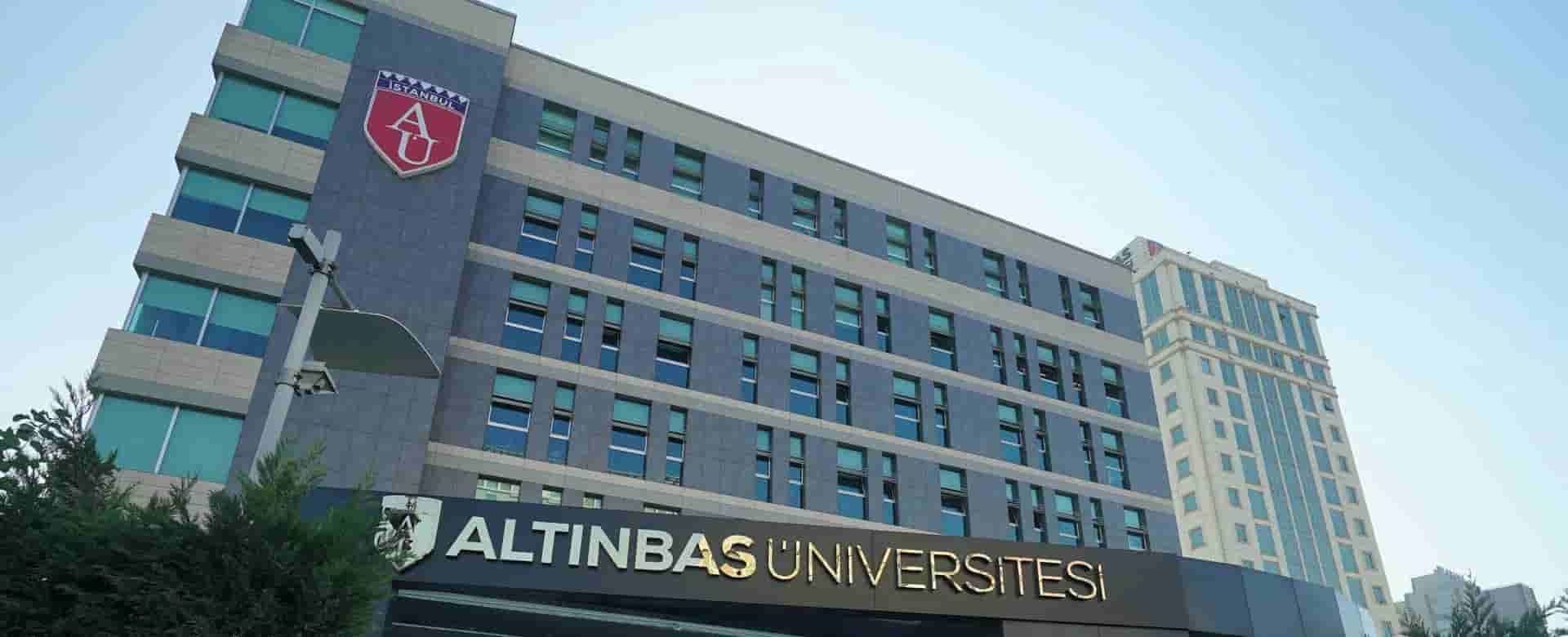
Private universities in Turkey offer robust engineering programs that balance theory with hands-on problem-solving. Institutions like Altinbas University provide specialized tracks in computer engineering and robotics, supported by maker spaces and labs equipped with industry-standard tools. Engineering curricula are often shaped in collaboration with industry advisory boards to ensure alignment with current market demands. This practical orientation helps students master core principles while developing job-ready technical competencies in fields such as data science and renewable energy.

Project-based learning is central to engineering education at universities like Istanbul Bilgi and Yaşar. Students regularly engage in competitions and capstone projects developed with tech companies, gaining real-world experience and professional connections. Research centers on campus explore emerging areas like smart cities, cybersecurity, and sustainable infrastructure, often involving students in funded innovation projects. Combined with entrepreneurship training, this approach nurtures engineers who can both operate within existing systems and create novel technological solutions.

🔗 Link to this section

Business and Economics Programs

Business programs at Turkish private universities blend theoretical knowledge with real-world application. Institutions like MEF University and Istanbul Aydın University maintain close ties with Turkey’s business community, integrating case studies, mandatory internships, and industry insights into their curricula. Specializations in digital marketing, fintech, and international trade reflect current market trends. Faculty often bring firsthand experience from consulting roles, ensuring classroom discussions remain relevant and dynamic.

Entrepreneurship is a key focus, supported by on-campus incubation centers that nurture student-led startups. Kadir Has University, for example, offers tailored programs in family business management,acknowledging Turkey’s strong SME sector. International business tracks include study trips to global commercial hubs, fostering skills in cross-cultural negotiation and supply chain management. By balancing analytical rigor with interpersonal development, these programs prepare graduates for leadership in corporations, startups, or public economic initiatives.

🔗 Link to this section


🔄 Updated: Jan 30, 2026 02:34

Campus Life and Student Experience

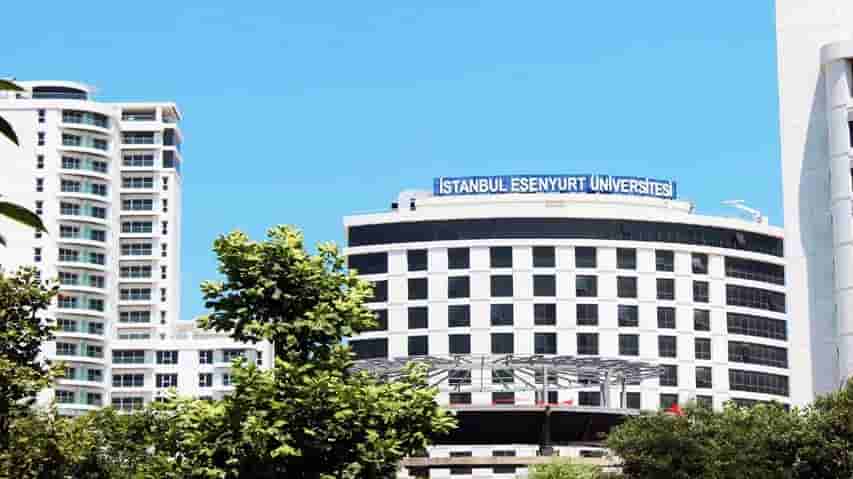
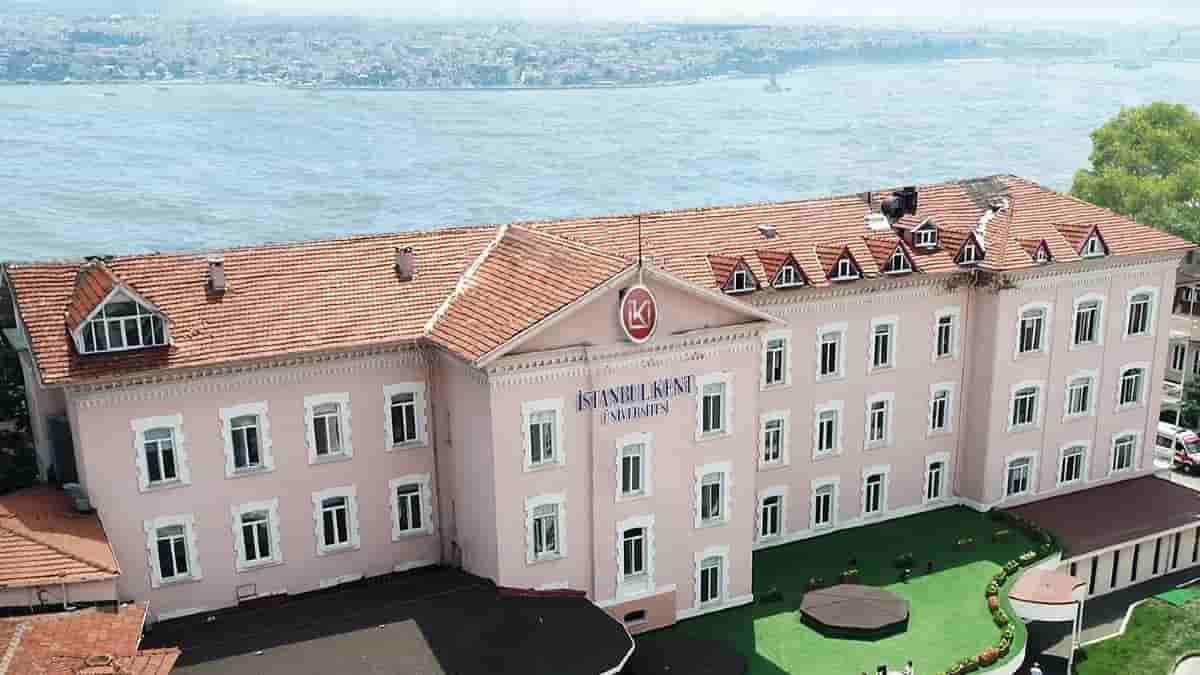
Turkish private universities cultivate dynamic campus communities that support both academic and personal growth. Modern facilities at institutions like Istanbul Kent and Istanbul Esenyurt Universities include sports complexes, art studios, and performance venues. A wide range of student clubs,from robotics to traditional music,foster engagement, while cultural festivals highlight Turkey’s heritage alongside global perspectives. On-campus housing encourages interaction among diverse students, helping international learners build connections and adjust comfortably to life in Turkey. Wellness and career readiness are also prioritized.

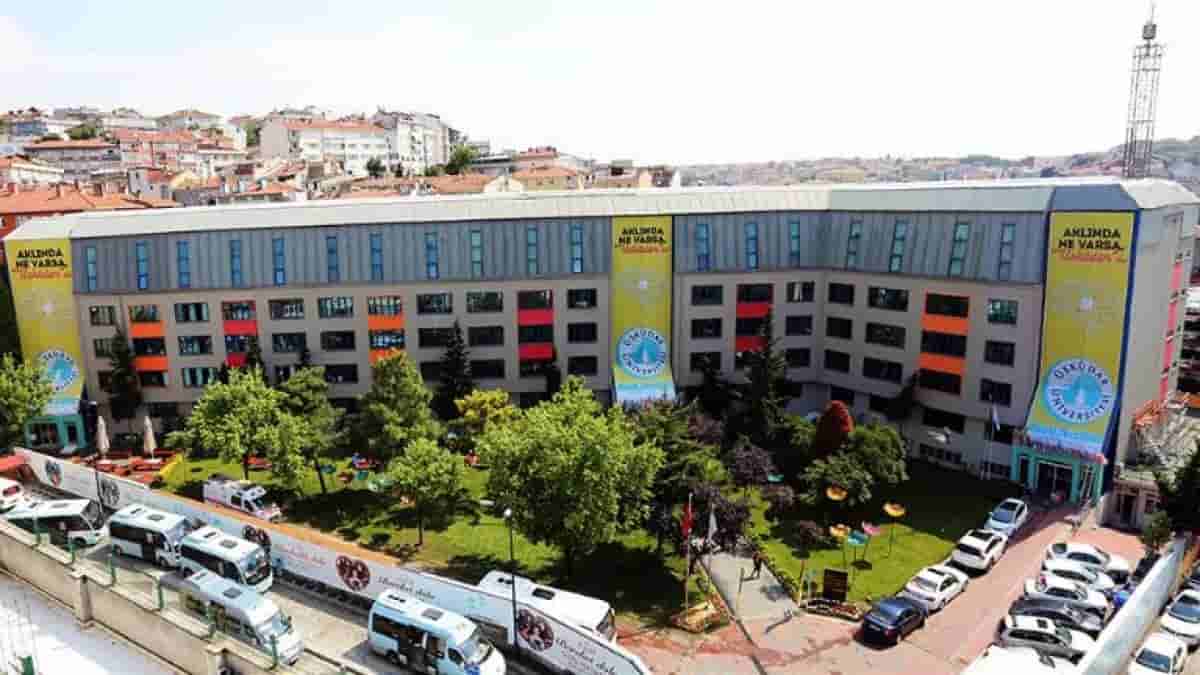
Universities offer counseling, fitness programs, and nutritional support, with Üsküdar University integrating mental health services directly into student care. Career centers provide ongoing assistance with internships, resumes, and interview prep, complemented by regular networking events with industry professionals. Most campuses’ urban locations grant easy access to cultural sites, job markets, and diverse lifestyles. This holistic environment nurtures well-rounded graduates ready for both professional success and personal fulfillment.

🔗 Link to this section

Research and Development Opportunities

Research culture thrives at Turkish private universities through interdisciplinary centers and institutes dedicated to focused inquiry. Institutions like Istanbul 29 Mayıs University lead in areas such as urban sustainability and cultural heritage, securing competitive funding from national and international sources. Graduate students collaborate closely with faculty on research projects, while undergraduates increasingly access summer fellowships and thesis opportunities,cultivating critical thinking and methodological skills early in their academic journeys. These universities actively engage in global research networks, with institutions like Atılım University participating in European Union frameworks that enable student mobility and joint publications.

Outputs span scientific articles, policy briefs, and technological prototypes, supported by technology transfer offices that bridge academia and industry. Annual symposiums showcase innovations to wider audiences, reinforcing an educational model where inquiry and creativity are central—graduating students not only with knowledge, but with the ability to generate new understanding through disciplined investigation.

🔗 Link to this section

Admission Process and Requirements

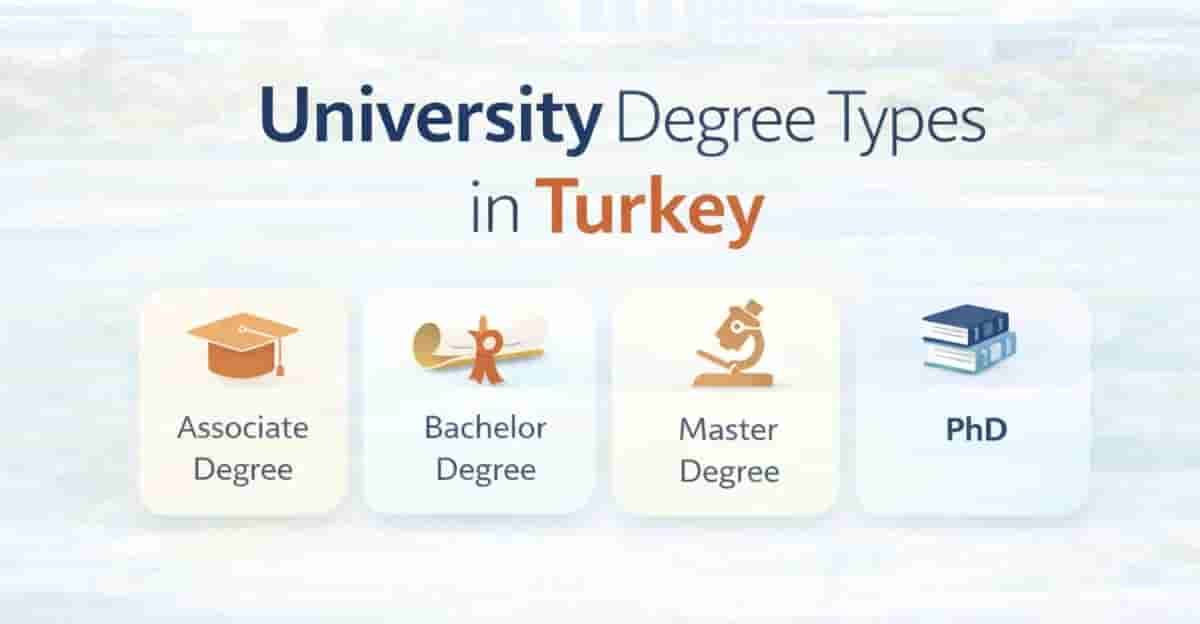
Admission to Turkish private universities follows structured procedures tailored to each program level. Associate and bachelor's applicants typically submit high school diplomas, transcripts, passport copies, and photographs, while master's candidates add bachelor's diplomas and transcripts. Doctoral applicants provide comprehensive academic records from both prior degrees. Universities review applications holistically, weighing academic performance alongside personal statements and recommendations when required. International students receive dedicated support to ensure their documentation aligns with Turkish higher education standards, streamlining the evaluation process. StudyLeo offers personalized, no-fee assistance to prospective students applying to private universities across Turkey.

Their advisors help prepare complete application packages, verify document authenticity, and ensure compliance with each institution's specific requirements. Throughout the process, applicants receive timely updates and guidance on next steps after admission decisions. By leveraging deep familiarity with university preferences and program criteria, StudyLeo matches students with institutions that align with their academic and career goals,transforming a potentially complex administrative journey into a smooth, focused experience.

🔗 Link to this section

Turkish private universities have developed comprehensive support systems specifically designed for international student success. Orientation programs introduce newcomers to campus resources, academic expectations, and cultural adjustment strategies during their first weeks. Dedicated international offices assist with residence permit applications, health insurance enrollment, and banking procedures essential for settling in Turkey. Turkish language courses are typically offered at multiple proficiency levels, helping international students engage more deeply with local communities. Many universities assign peer mentors who provide informal guidance during the transition period. These support structures recognize that academic achievement depends partly on students feeling secure and integrated within their new environment.

FAQs

Frequently Asked Questions and Answers

Do you like this article? Share this article

Blogs

Look out blogs and aware of the latest trends and updates

Popular Universities

Explore top universities offering quality education, modern facilities, and diverse academic opportunities for students worldwide