


FAQs
Frequently Asked Questions and Answers
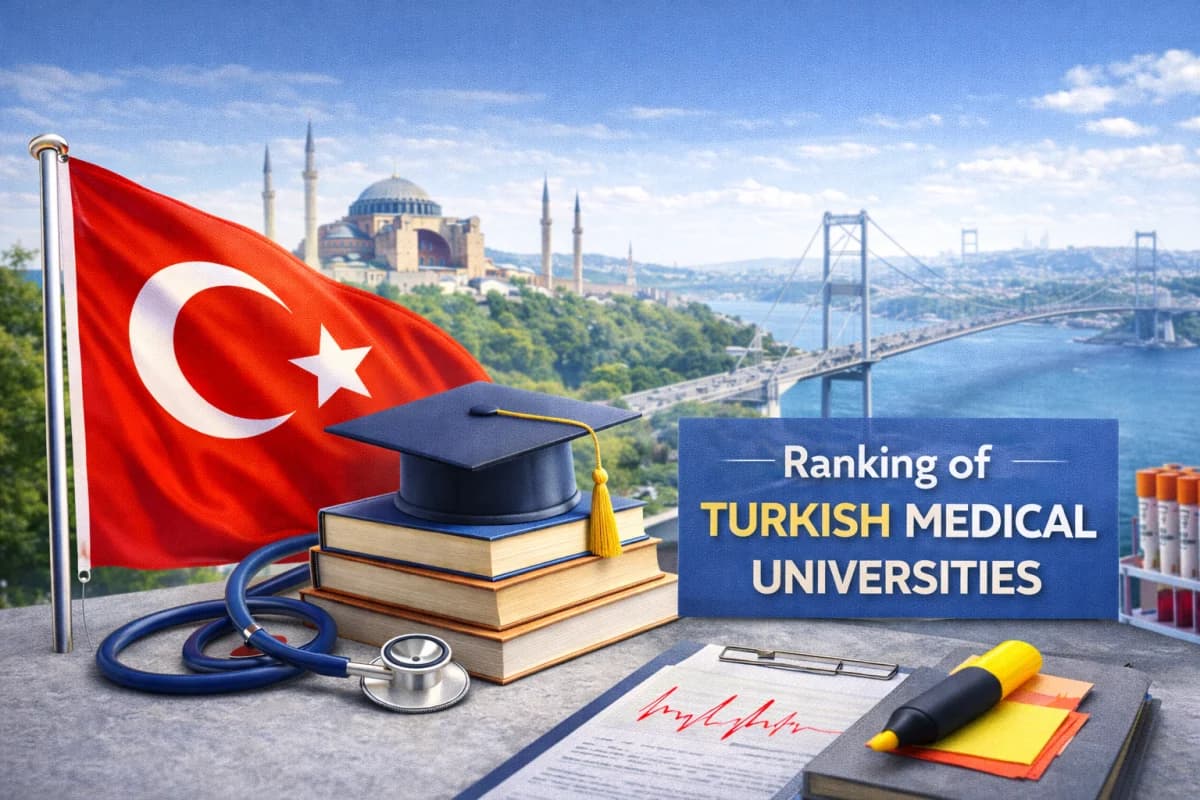
Turkey has over 60 medical schools, more than most European countries, yet reliable ranking information for international applicants remains scattered and inconsistent. Students often rely on informal sources or outdated lists that do not reflect current accreditation status or program quality. Understanding how Turkish medical universities are evaluated and which private institutions stand out is essential before making a six-year commitment. This guide provides a structured, decision-focused overview.
Turkish medical programs run six years and include clinical training from the third year onward
Private universities offer smaller class sizes and more accessible admission compared to state institutions
International recognition depends on accreditation status, not university prestige alone
Hospital affiliation and clinical training quality vary significantly between institutions
Program language directly affects your preparation timeline and overall study duration
Turkish medical schools are assessed through several layers: national accreditation by TEPDAD (the Medical Education Programs Evaluation and Accreditation Board), international recognition bodies, and global ranking systems such as QS and Times Higher Education. However, these rankings primarily reflect research output and do not always capture teaching quality or clinical training standards, which matter most for practicing physicians.
For international students, the more relevant metric is whether the degree is recognized in their home country. This requires checking both the university's accreditation status and whether Turkey's medical education system is accepted by your national medical board. These are two separate verifications and both are necessary.

Several private universities in Turkey have built strong medical faculties with accredited programs and affiliated teaching hospitals. Each has a distinct profile worth comparing:
Acıbadem University (Istanbul): Affiliated with the Acıbadem hospital network, one of Turkey's largest private healthcare groups. Strong clinical exposure from early years.
Medipol University (Istanbul): Has a large affiliated hospital complex and one of the highest international student enrollments among private medical schools.
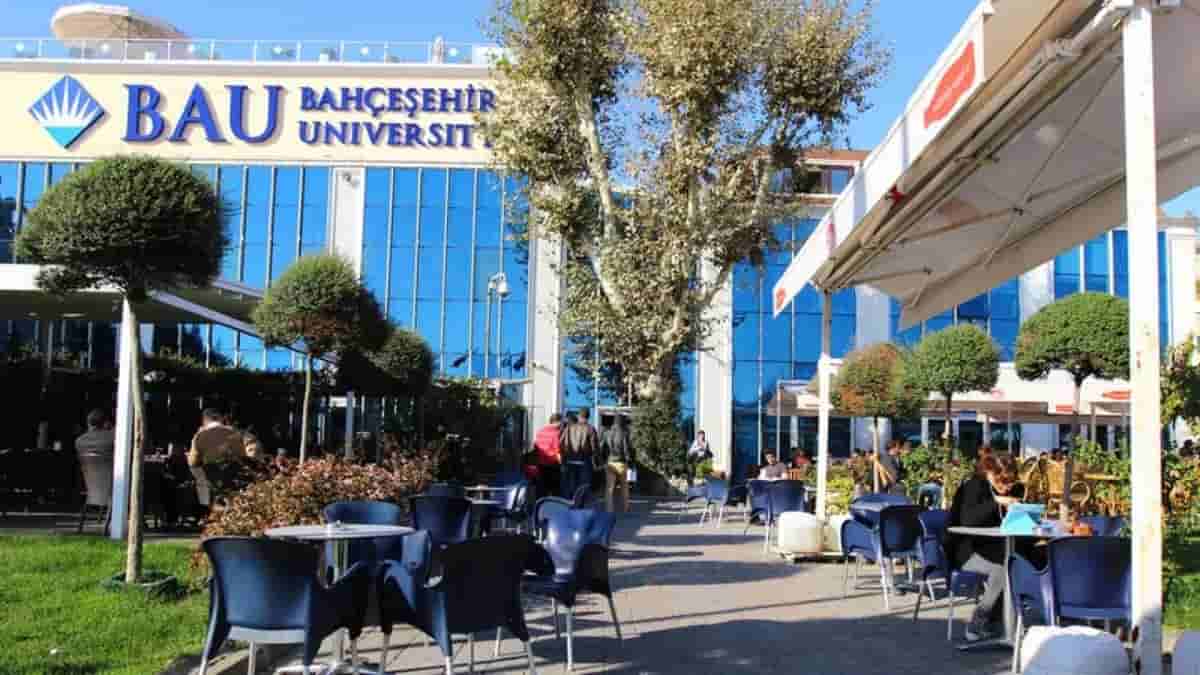
Bahçeşehir University (Istanbul): Known for its internationally oriented curriculum and partnerships with European institutions.
Başkent University (Ankara): One of the oldest and most established private medical schools in Turkey with a strong clinical training record.
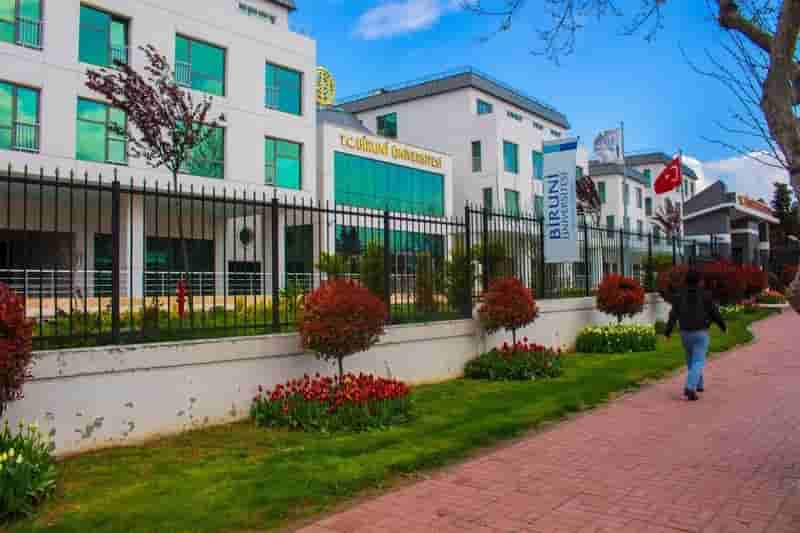
Biruni University (Istanbul): A newer institution with modern facilities and growing accreditation standing.
Lokman Hekim University (Ankara): Offers a focused medical program with its own affiliated hospital network.
Hospital affiliation is not a minor detail. It determines the volume and variety of clinical cases you will encounter during your training years, which directly shapes your competency as a graduate.
Most private medical universities in Turkey offer their medical programs in either Turkish or English, with some offering both tracks. English-medium programs are more common in medicine than in many other fields, which makes Turkey particularly attractive for international applicants who are not Turkish speakers.
If you are applying to a Turkish-medium program, a one-year Turkish language preparatory course is required before beginning the medical curriculum. This extends your total study period to seven years. English-medium applicants should verify the actual proportion of clinical training delivered in English, as hospital environments often operate primarily in Turkish regardless of the program language.
Global ranking systems evaluate universities on research output, citation counts, and international faculty ratios. None of these directly measure clinical training quality, teaching standards, or graduate licensing exam performance, which are the factors that matter most for a medical career.
For medical students specifically, these distinctions are worth keeping in mind:
Research rankings vs. teaching quality: A highly ranked university may have stronger research output but weaker undergraduate medical teaching than a lower-ranked institution with a dedicated clinical faculty.
National vs. international rankings: Turkish national evaluations based on TEPDAD accreditation and YÖK oversight are more relevant to medical program quality than global research indices.
Reputation vs. outcomes: The more useful question is what percentage of graduates pass international licensing exams and complete equivalency processes successfully.
Treating rankings as one data point among several, rather than the primary decision factor, leads to a more accurate and outcome-focused university comparison.

Comparing medical programs across these universities individually takes significant time and requires navigating multiple university websites with varying levels of English-language information. The StudyLeo platform allows you to filter medical programs based on your priorities, including location, language of instruction, and program structure.
The filter is available below this article and helps you identify suitable options without manual searching. You can also begin your application directly through the platform, which manages the entire process from first inquiry through enrollment.
A Turkish medical degree is recognized in many countries, but the process is not automatic. Graduates typically need to pass their home country's medical licensing examination and complete an equivalency process. Countries in the Middle East, Central Asia, and parts of Africa have well-established pathways for Turkish medical graduates.
TEPDAD accreditation is the primary quality marker for Turkish medical programs. Universities with full TEPDAD accreditation have undergone structured external evaluation of their curriculum, faculty, and clinical training facilities. Checking a university's current accreditation status, not just its general reputation, is a necessary step before enrolling.
Choosing based on rankings alone is one of the most common errors. Global university rankings measure research output, not clinical training quality or teaching standards. A university ranked lower overall may have a stronger medical faculty and better hospital affiliations than a higher-ranked institution.
Ignoring the language of clinical training is another frequent oversight. Even in English-medium programs, patient interactions and hospital rounds are often conducted in Turkish. Students who do not develop at least functional Turkish language skills during their studies face real disadvantages in clinical years.
Overlooking accreditation verification before applying is a costly mistake. A university's general reputation does not guarantee its medical program holds current TEPDAD accreditation. Always confirm accreditation status directly before submitting an application.
Choosing a medical university abroad is one of the most consequential academic decisions you will make. Turkey's private medical schools offer genuine quality, modern hospital affiliations, and accessible admission for international students, but the right choice depends on verified accreditation, clinical training depth, and a realistic assessment of the language environment. Approaching this decision with accurate information and clear priorities gives you the strongest foundation for a successful medical career.
Frequently Asked Questions and Answers
Look out blogs and aware of the latest trends and updates
Explore top universities offering quality education, modern facilities, and diverse academic opportunities for students worldwide






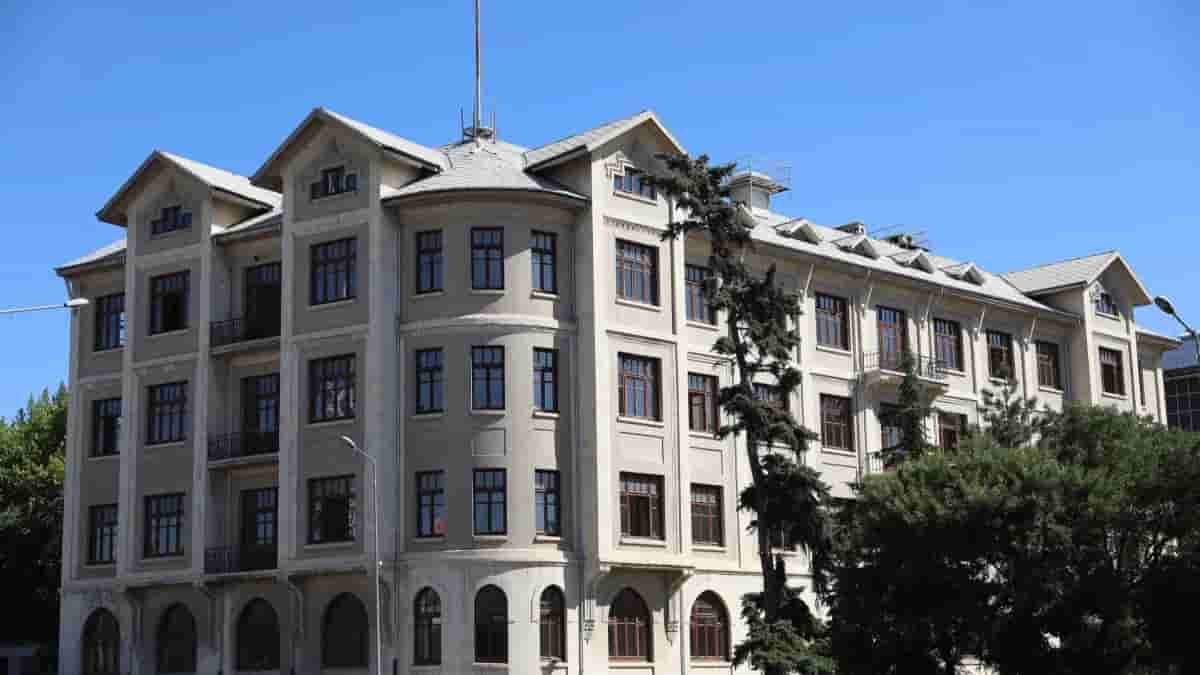 Dormitory
Ankara, Turkey
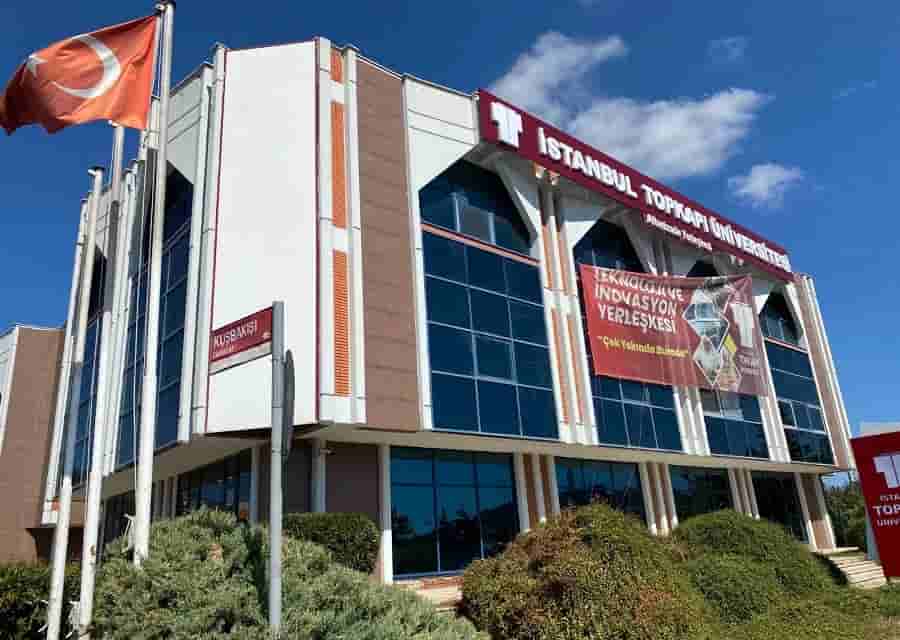 Dormitory
Istanbul, Turkey
 Dormitory
Istanbul, Turkey
 Dormitory
Istanbul, Turkey
 Dormitory
Istanbul, Turkey
 Dormitory
Istanbul, Turkey
 Dormitory
Istanbul, Turkey
 Dormitory
Istanbul, Turkey
 Dormitory
Istanbul, Turkey
 Dormitory
Istanbul, Turkey
 Dormitory
Istanbul, Turkey
 Dormitory
Istanbul, Turkey
 Dormitory
Istanbul, Turkey
 Dormitory
Istanbul, Turkey
 Dormitory
Istanbul, Turkey
 Dormitory
Istanbul, Turkey
 Dormitory
Antalya, Turkey
 Dormitory
Istanbul, Turkey
 Dormitory
Ankara, Turkey
 Dormitory
Istanbul, Turkey