FAQs
Frequently Asked Questions and Answers

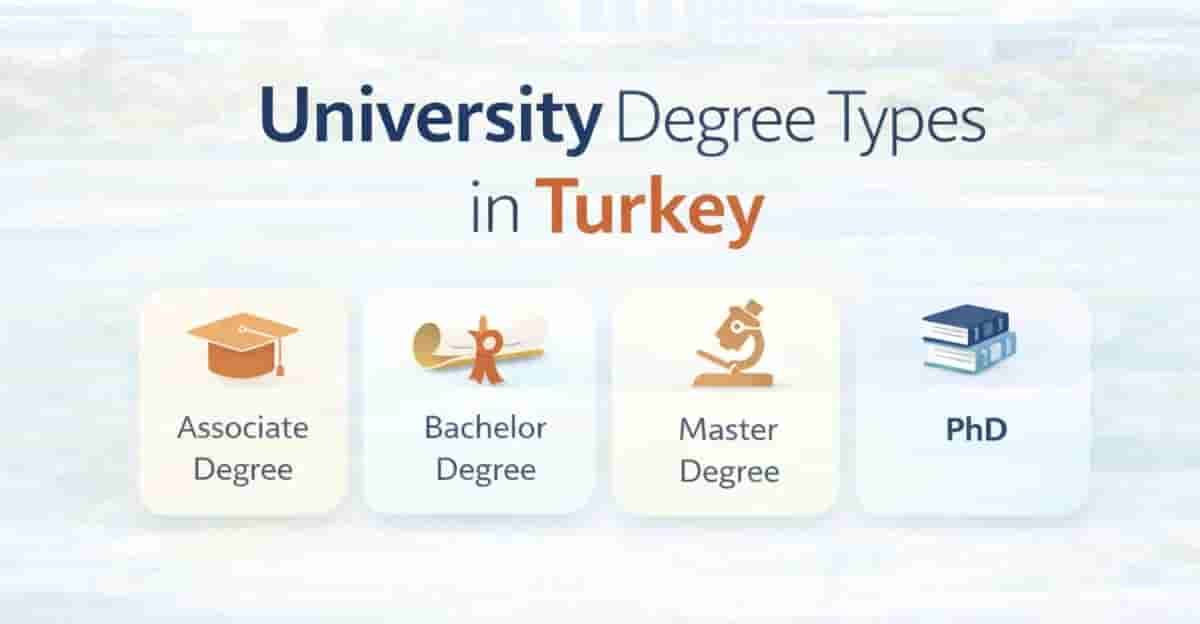
Degree types in Turkey define how students progress through the higher education system and how their qualifications are recognized internationally. Universities follow a structured academic model that includes associate, bachelor, master, and doctoral degrees. Each level serves a different purpose, from practical technical training to advanced research.
Students who understand these degree levels can compare programs more effectively and plan a clear academic path before applying to universities.
• Turkey uses a four level higher education degree structure
• Associate programs focus on practical training and technical careers
• Bachelor degrees form the main undergraduate academic pathway
• Master and doctoral programs provide specialization and research opportunities
• Degree level determines academic progression and career access

Associate degrees focus on career oriented education and technical skills. These programs usually last 2 years and are offered through vocational schools connected to universities.
Students study technical subjects combined with applied training that prepares them for specific industries.
Popular associate program fields include
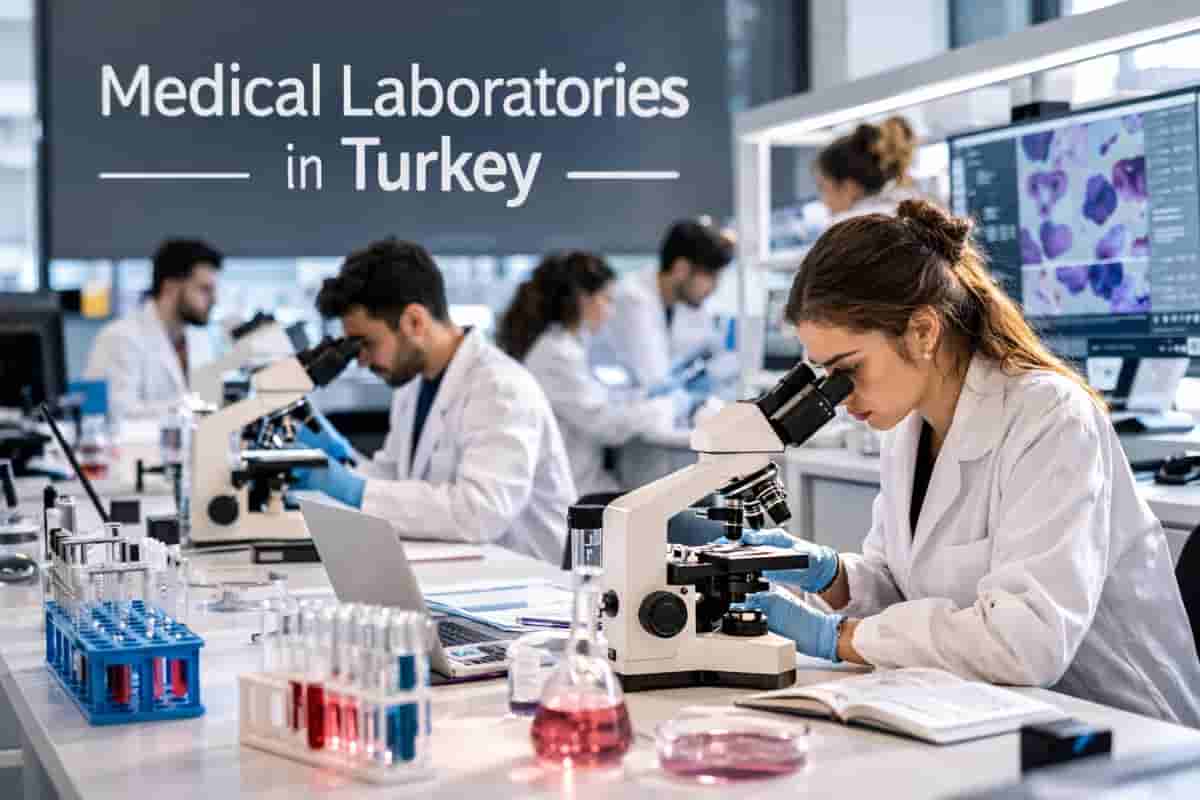
• Medical laboratory technology
• Computer programming
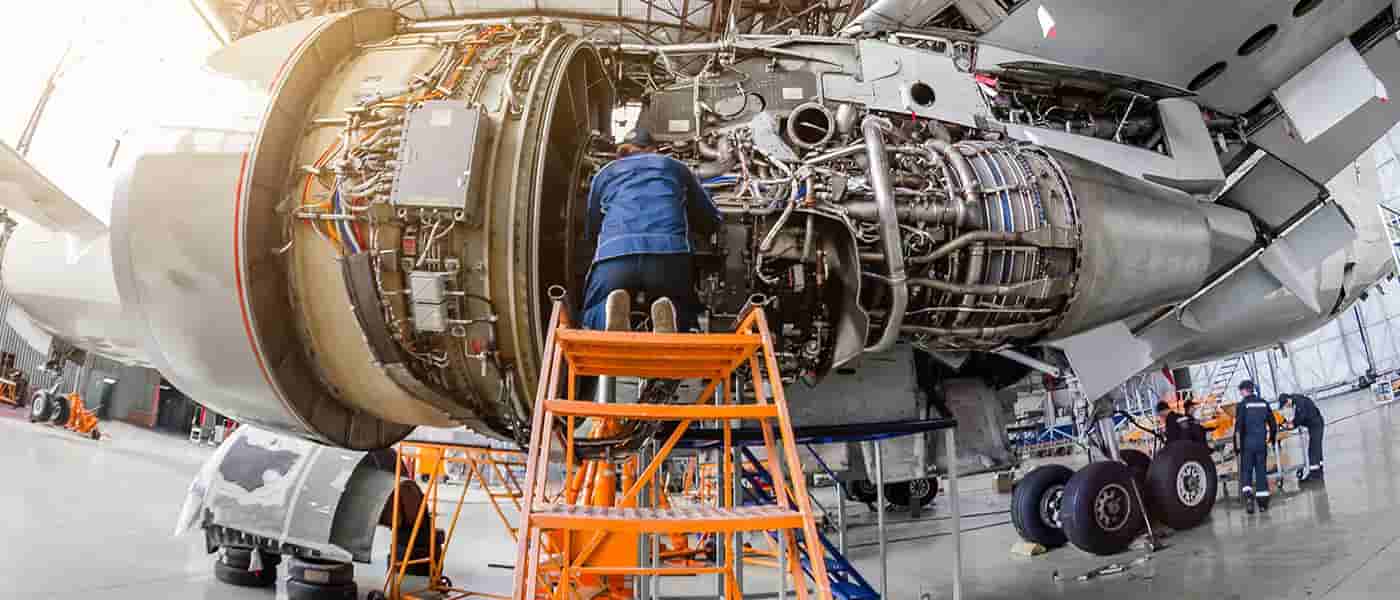
• Civil aviation services
• Tourism and hotel management
• Logistics and transportation
Many associate programs include internships, workshop training, or laboratory practice. This practical structure helps graduates enter the workforce quickly after graduation.
Students who complete an associate degree can also continue their education by transferring into bachelor programs in related fields.

Bachelor degree programs represent the standard undergraduate education level in Turkey. These programs usually last 4 years.
Some professional programs require longer study periods.
Examples include
• Medicine, usually 6 years
• Dentistry, usually 5 years
• Pharmacy, usually 5 years
• Veterinary medicine, usually 5 years
Bachelor programs combine theoretical education with practical learning.
Typical academic components include
• Core academic courses
• Laboratory work or applied training
• Semester projects
• Internship opportunities
• Graduation thesis or final project in some programs
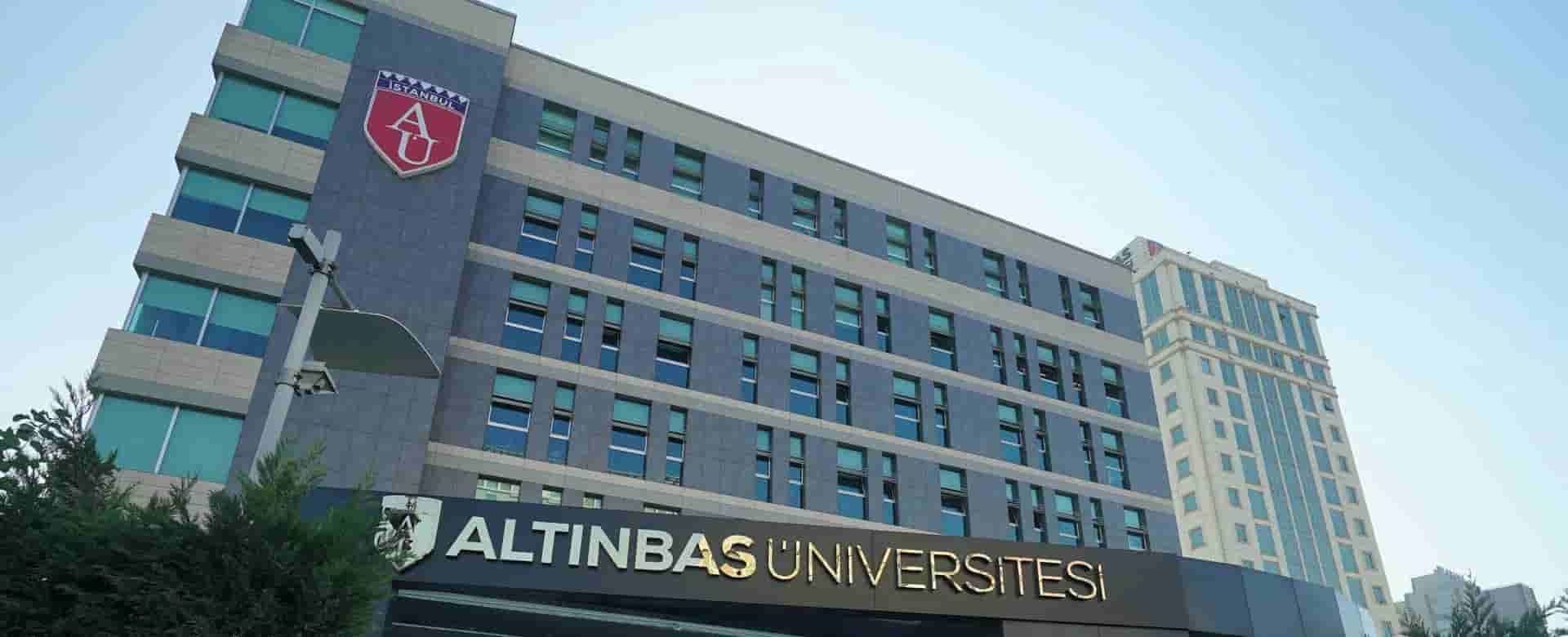
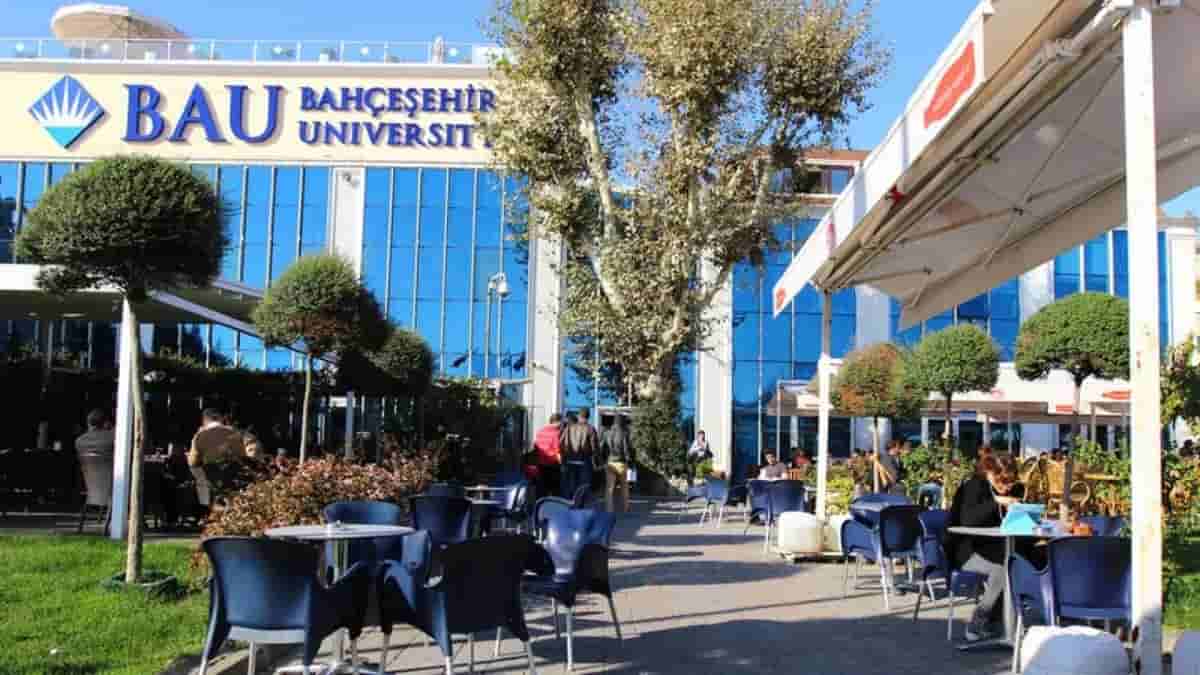
Universities such as Bahçeşehir University, Istanbul Medipol University, Yeditepe University, and Altınbaş University offer a wide range of bachelor programs across engineering, business, health sciences, architecture, and social sciences.

Master degrees provide advanced specialization after completing undergraduate education. Most programs take 2 years.
Master programs in Turkey are divided into two main formats.
Thesis master programs focus on research and academic development. Students conduct independent research under faculty supervision and complete a master's thesis.
Key characteristics include
• Research methodology courses
• Academic seminars
• Independent research project
• Master thesis defense
This type of program is typically required for students who plan to continue to PhD studies or academic careers.
Non thesis master programs focus on professional specialization rather than academic research.
Instead of a thesis, students complete
• Applied courses
• Case studies
• Professional projects
• Final project or practical assignment
These programs are designed for students who want to strengthen professional skills and advance in industry careers.

Doctoral degrees represent the highest level of academic education. PhD programs usually take 4 to 5 years depending on the research field and dissertation process.
A doctoral program normally includes two phases.
Students complete advanced academic courses related to their research field.
Typical elements include
• Doctoral seminars
• Research methodology courses
• Academic presentations
After completing coursework, students begin independent research.
This stage includes
• Conducting original research
• Publishing academic work
• Writing a doctoral dissertation
• Defending the thesis before an academic committee
PhD graduates often work in
• Universities and academic research
• Scientific research institutions
• Technology and innovation sectors
• Policy development and advanced consulting roles
Universities such as Bilkent University, Özyeğin University, and TOBB University of Economics and Technology provide strong doctoral research environments.
Degree programs in Turkey usually combine several academic components that strengthen professional preparation.
Typical learning elements include
• Theoretical lectures and seminars
• Laboratory work for technical disciplines
• Project based assignments
• Industry internships
• Graduation thesis or final research project
Engineering and health programs emphasize laboratory and clinical training. Business and social science programs often focus on case studies and analytical projects.
This structure allows students to apply academic knowledge in real professional contexts.
The Turkish higher education system allows students to move between degree levels depending on their academic goals.
Common academic progression path
• Associate degree followed by transfer into bachelor programs
• Bachelor degree followed by master specialization
• Master degree followed by doctoral research
Many international students begin with undergraduate programs and later continue into graduate education.
Choosing the correct degree type influences both academic progression and professional opportunities.
A well planned degree path helps students develop expertise gradually while keeping future options open.
Turkey offers a wide variety of academic programs across technical education, professional degrees, and research focused fields.
Students who align their degree choice with career goals build stronger academic foundations and more flexible professional paths.
Frequently Asked Questions and Answers
Look out blogs and aware of the latest trends and updates
Explore top universities offering quality education, modern facilities, and diverse academic opportunities for students worldwide




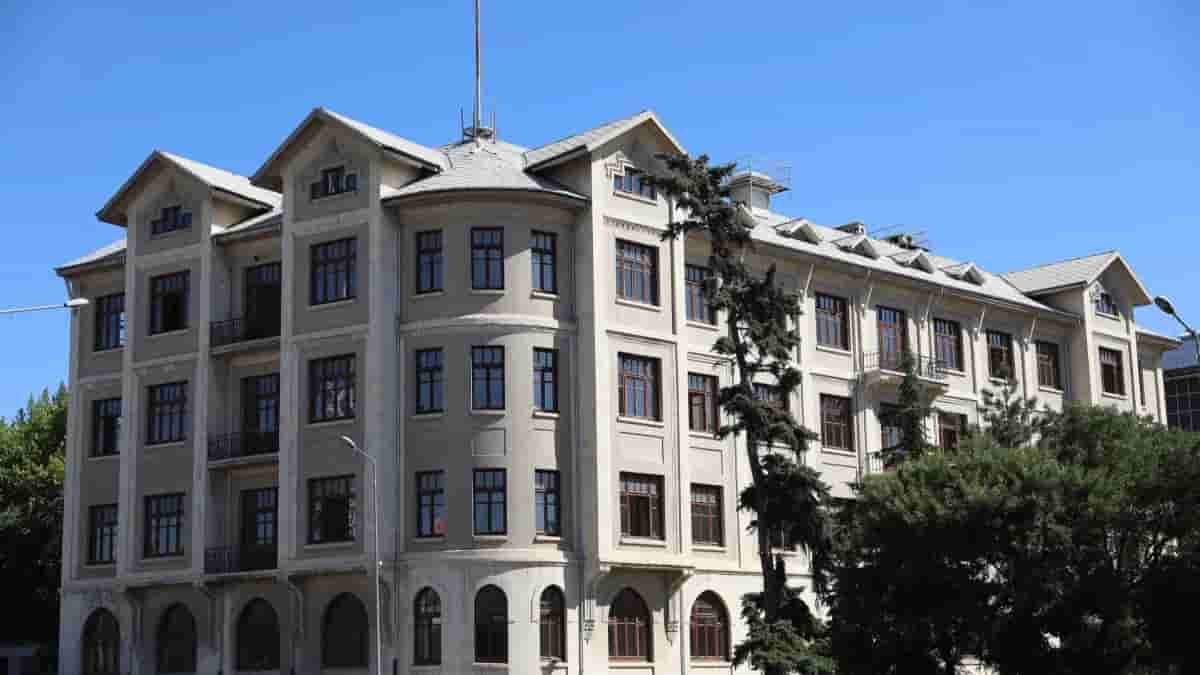 Dormitory
Ankara, Turkey
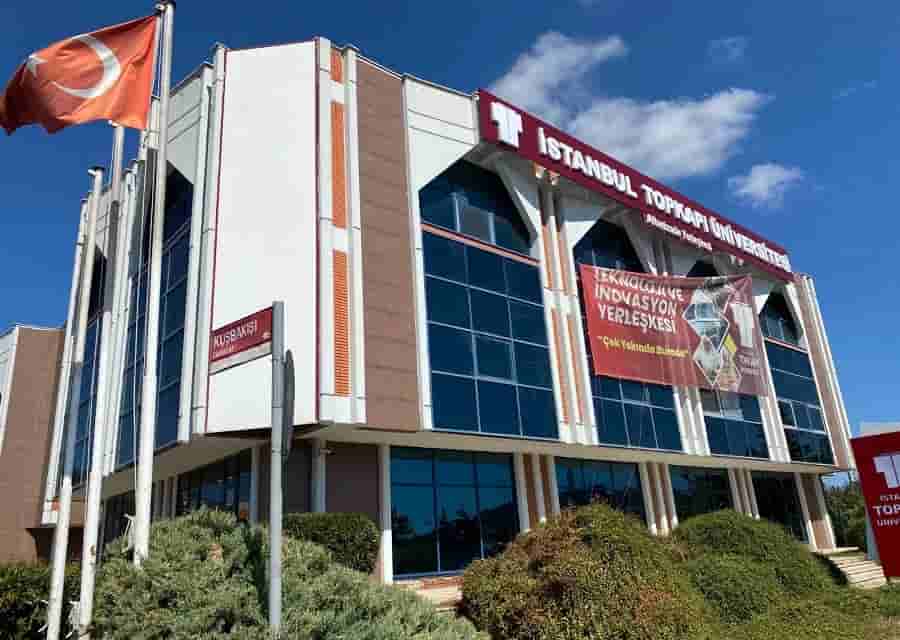 Dormitory
Istanbul, Turkey
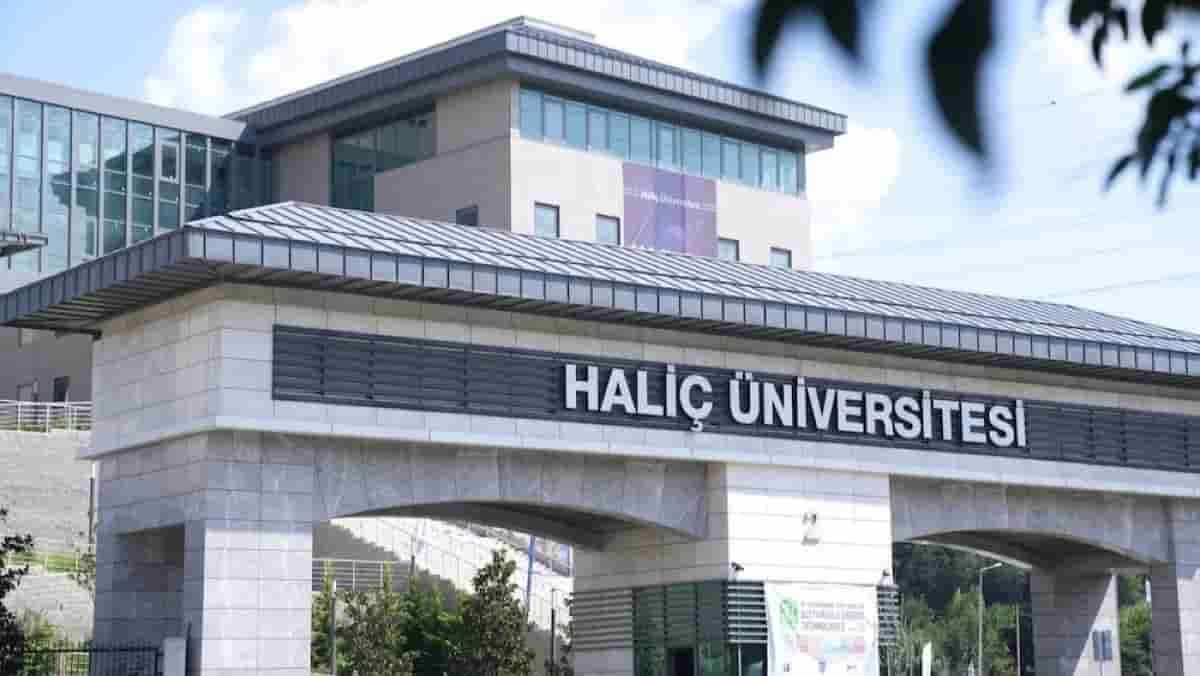 Dormitory
Istanbul, Turkey
 Dormitory
Istanbul, Turkey
 Dormitory
Istanbul, Turkey
 Dormitory
Istanbul, Turkey
 Dormitory
Istanbul, Turkey
 Dormitory
Istanbul, Turkey
 Dormitory
Istanbul, Turkey
 Dormitory
Istanbul, Turkey
 Dormitory
Istanbul, Turkey
 Dormitory
Istanbul, Turkey
 Dormitory
Istanbul, Turkey
 Dormitory
Istanbul, Turkey
 Dormitory
Istanbul, Turkey
 Dormitory
Istanbul, Turkey
 Dormitory
Antalya, Turkey
 Dormitory
Istanbul, Turkey
 Dormitory
Ankara, Turkey
 Dormitory
Istanbul, Turkey