


FAQs
Frequently Asked Questions and Answers
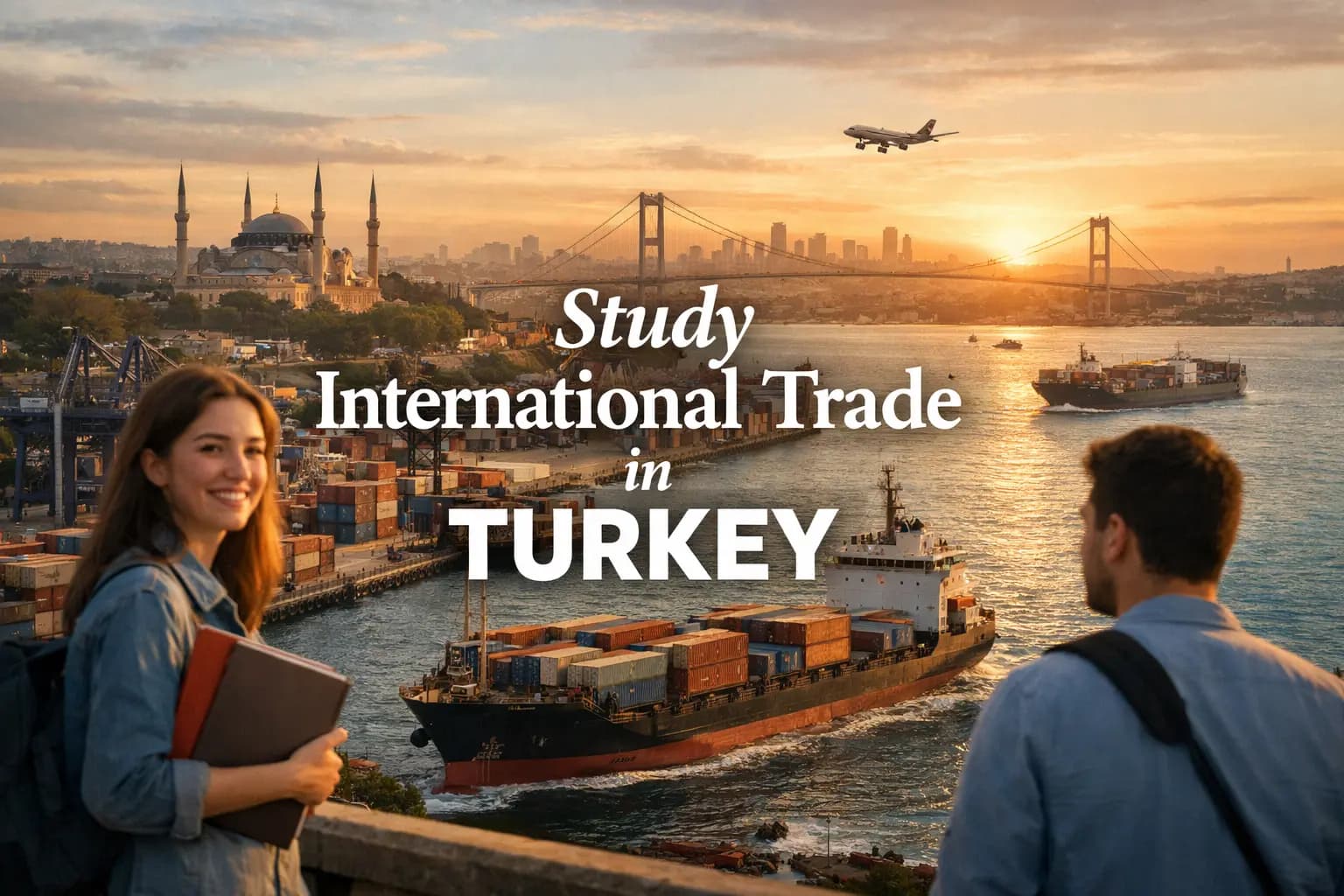
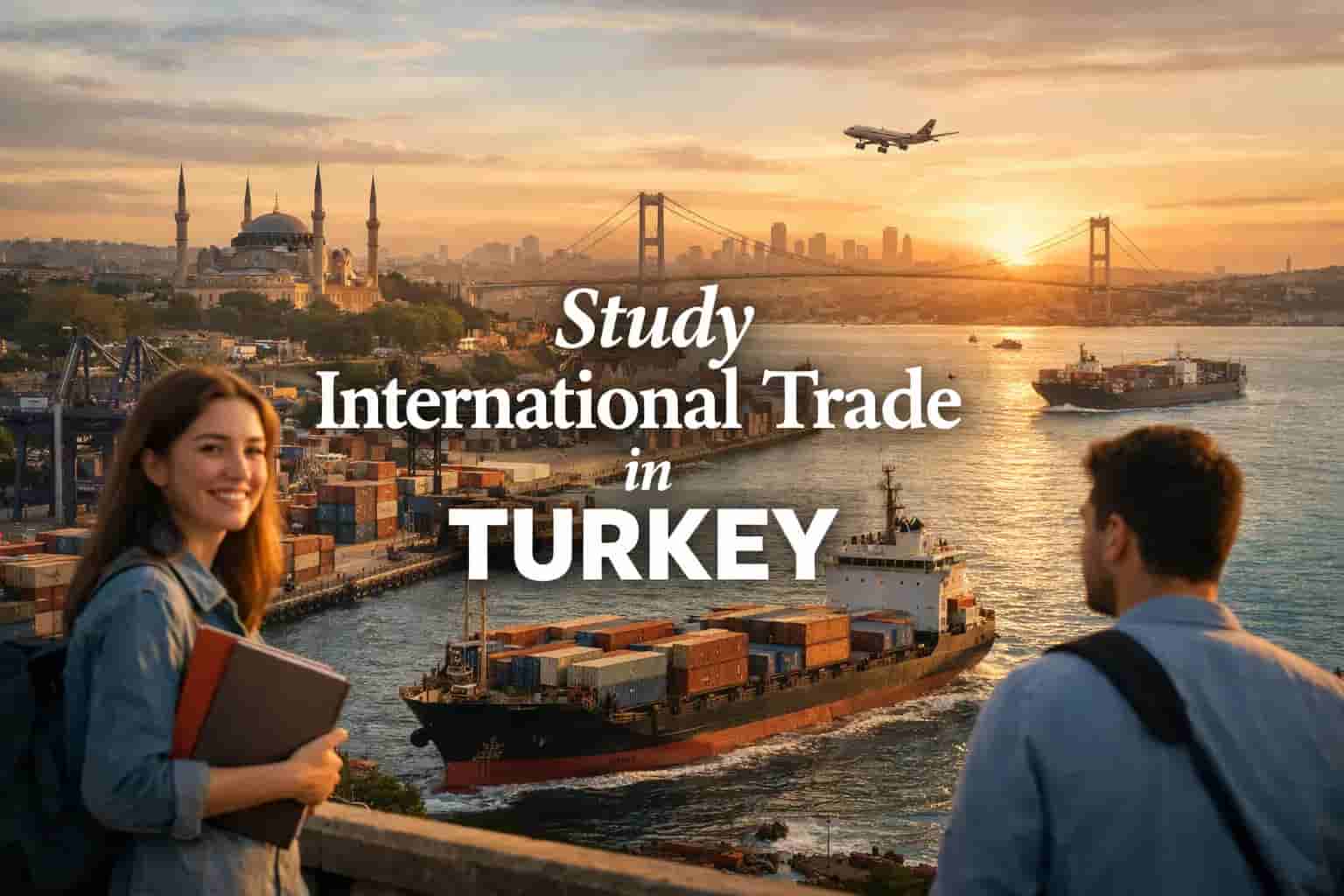
Global trade accounts for more than 50 percent of Turkey’s GDP, and the country’s geographic position between Europe, Asia, and the Middle East makes it a practical environment for studying international trade. Despite strong demand, information about program structure, admission expectations, and career outcomes is often fragmented across sources. Students need clear criteria to evaluate universities and align academic choices with long-term goals. The following overview provides structured, decision-oriented guidance.
International Trade programs in Turkey are typically offered as four-year bachelor’s degrees within faculties of economics, administrative sciences, or business. The curriculum usually includes microeconomics, macroeconomics, international economics, trade law, logistics management, customs procedures, financial management, and data analysis.
Many private universities emphasize applied learning through case studies, simulation projects, and internships. Students gain knowledge of global trade regulations, documentation processes, and cross-border operations. Some programs integrate digital trade, e-commerce strategy, and global supply chain management to reflect current market trends.
Turkey’s export-oriented economy provides a relevant academic environment. Students study in a market where manufacturing, logistics hubs, customs operations, and international contracts are part of daily business activity. This creates practical context for theoretical knowledge.
Private universities in major cities such as Istanbul and Ankara maintain partnerships with trade-focused companies. These connections often support internship opportunities and sector exposure. The combination of theory and industry proximity makes the field suitable for students who want business-oriented careers with international scope.

This program suits students interested in business strategy, global markets, negotiation processes, and supply chain operations. It is appropriate for those comfortable with analytical thinking, basic mathematics, and structured problem solving.
It may not suit students seeking highly technical engineering content or laboratory-based education. The focus is business and trade management rather than scientific research or medical training. Students should be prepared for coursework involving data analysis, economic models, and regulatory frameworks.
Several private universities in Turkey provide strong business faculties with International Trade or related programs:
Yeditepe University
Located in Istanbul, known for comprehensive business education and international student environment.
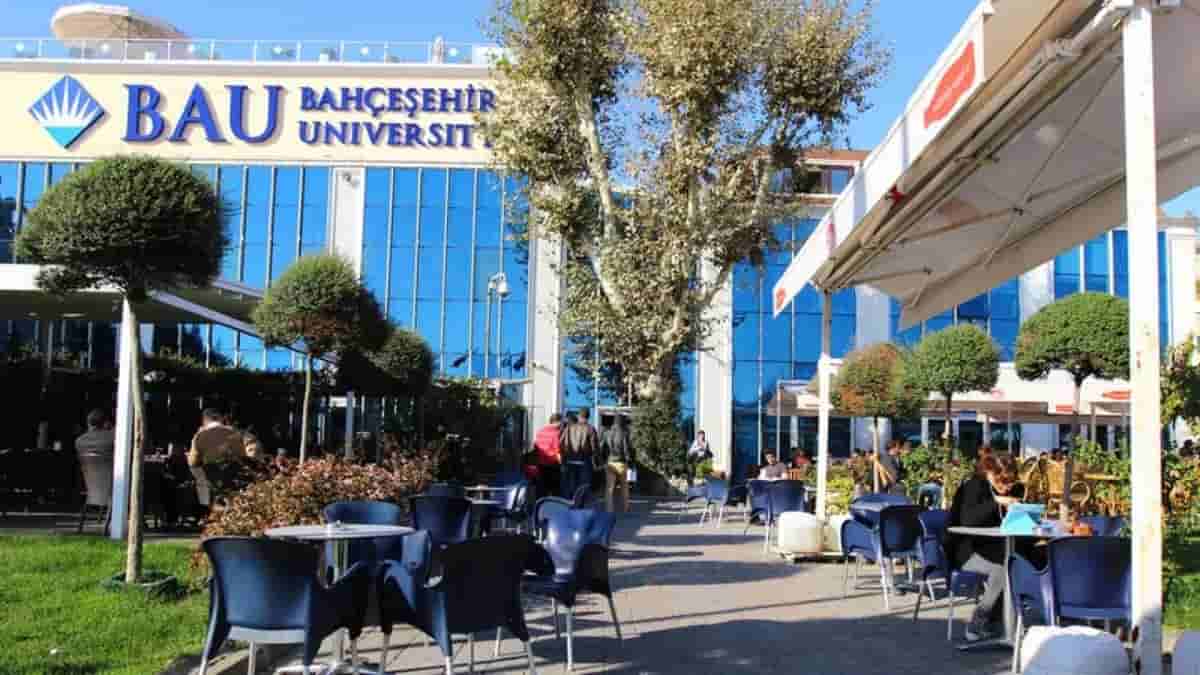
Bahçeşehir University
Offers globally oriented business programs with strong industry connections in Istanbul.
Istanbul Bilgi University
Recognized for applied education and business-focused curriculum.
Altınbaş University
Provides business and economics programs with practical learning components.
İzmir Ekonomi University
Focuses on economics and international business education in a trade-active city.
These universities integrate international trade principles within broader business administration structures, allowing students to specialize through elective courses.
Admission to private universities is generally based on document evaluation. Requirements typically include:
High school diploma or graduation certificate
Academic transcript
Passport copy
Passport-sized photo
Some universities may request additional documents depending on nationality or academic background. Competitive academic records improve acceptance chances, but many private institutions maintain flexible entry standards for international applicants.
Students applying for master’s programs in International Trade usually need a bachelor’s degree in business, economics, finance, or related fields, along with transcripts and diploma documentation.
Many programs are offered in English or Turkish. Students enrolling in English-taught programs should demonstrate sufficient language proficiency according to university policy. Those choosing Turkish-taught programs may need preparatory language study.
Language readiness is important for understanding trade terminology, contract structures, and economic analysis. Strong reading and writing skills are particularly valuable for documentation-heavy coursework.
Graduates can work in import export departments, logistics companies, freight forwarding firms, customs consultancy agencies, multinational corporations, and trading companies. Common roles include trade specialist, supply chain coordinator, export manager assistant, and procurement officer.
The program also supports careers in international market research, e-commerce operations, and business development. With experience, graduates may move into managerial positions or establish their own trading businesses. Practical internship experience significantly strengthens employment outcomes.

Students evaluating International Trade programs can use the Program Filter feature on the education platform to narrow options based on field, language of instruction, city, and study level. This helps compare relevant universities efficiently instead of reviewing each program manually.
The filter is located below this section and allows students to quickly identify suitable International Trade programs that match their academic profile and plans. After selecting a program, students can start the application directly through the platform. The platform manages the process from initial inquiry to enrollment support.
One common mistake is choosing a university without checking the curriculum structure. International Trade programs differ in focus, with some emphasizing logistics and others concentrating on finance or global economics. Reviewing course content prevents mismatch.
Another mistake is underestimating language readiness. Trade programs require strong academic communication skills, especially for written assignments and case analysis.
Students also sometimes delay document preparation. Late submission can affect admission timelines, so organizing required documents early is important.
For university selection and application, students should apply through the StudyLeo platform. StudyLeo manages the full process and provides structured guidance without requiring direct university applications.
Key advantages include free registration, free transfer support, and free visa assistance. StudyLeo works through direct partnerships with selected private universities, ensuring streamlined communication and coordinated procedures. This centralized system simplifies decision-making and application tracking.
Studying International Trade in Turkey is a strategic choice for students aiming to build careers in global business environments. The decision should be based on program content, university quality, language of instruction, and long-term career direction rather than short-term preferences. Careful evaluation ensures alignment between academic training and professional objectives.
Frequently Asked Questions and Answers
Look out blogs and aware of the latest trends and updates
Explore top universities offering quality education, modern facilities, and diverse academic opportunities for students worldwide





 Dormitory
Ankara, Turkey
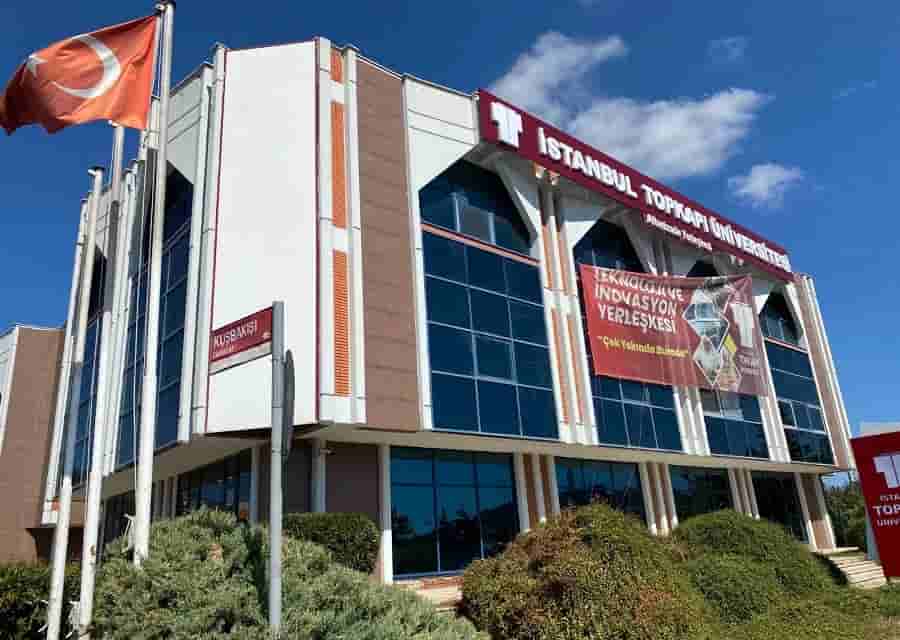 Dormitory
Istanbul, Turkey
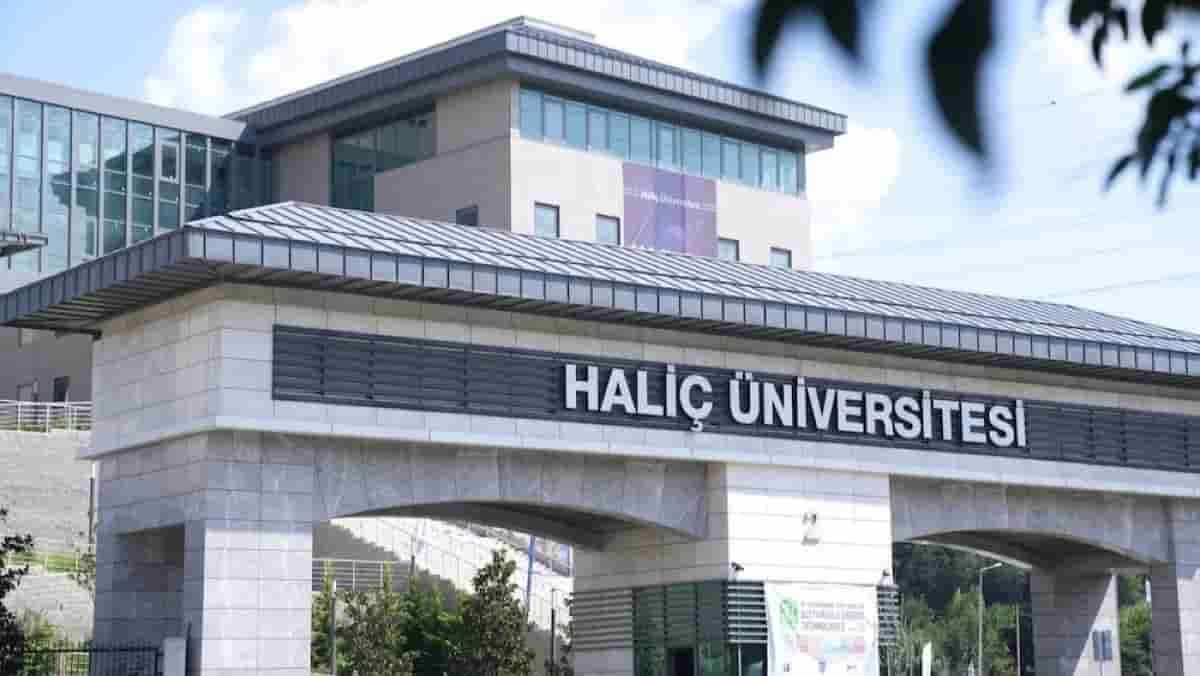 Dormitory
Istanbul, Turkey
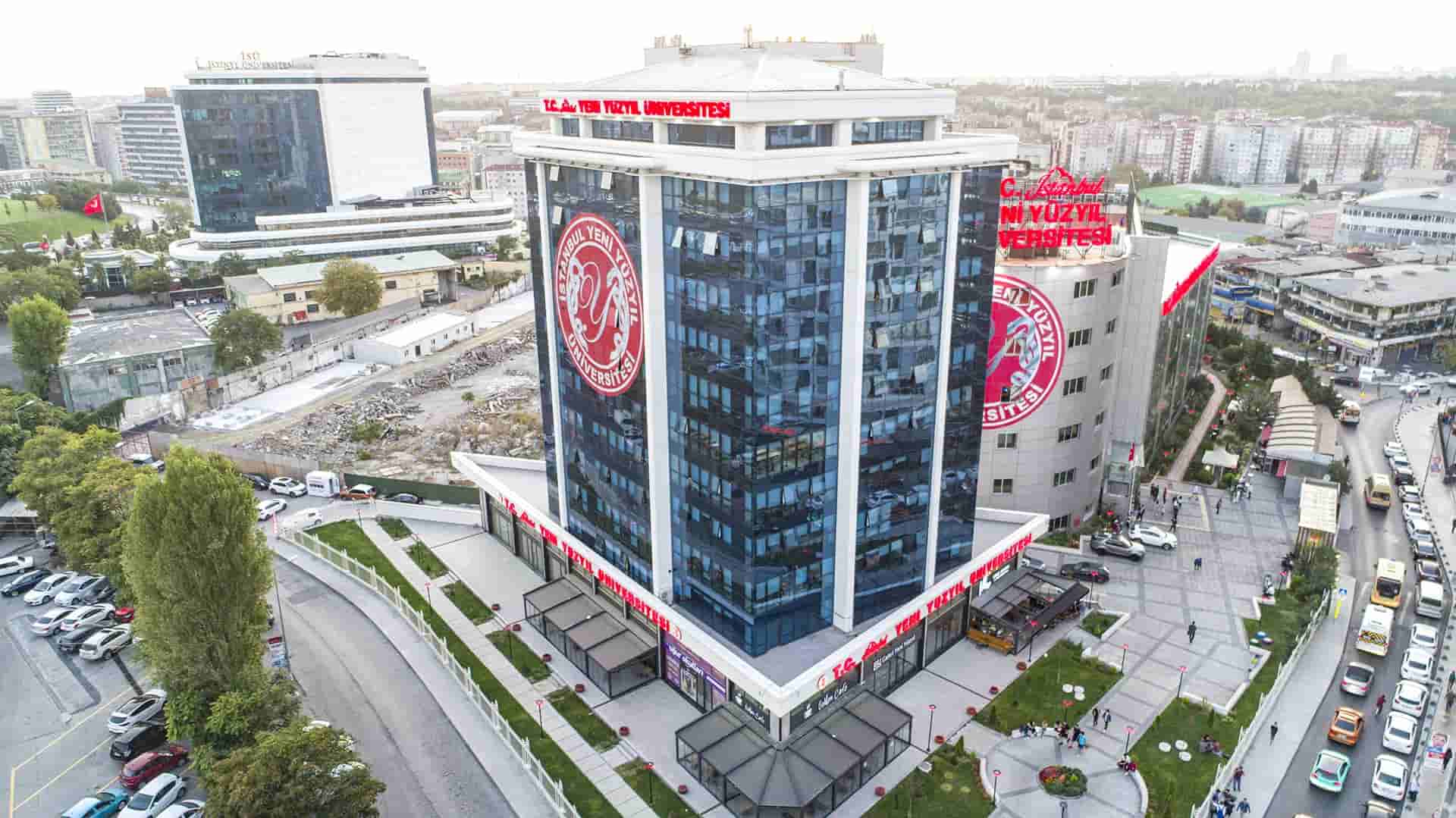 Dormitory
Istanbul, Turkey
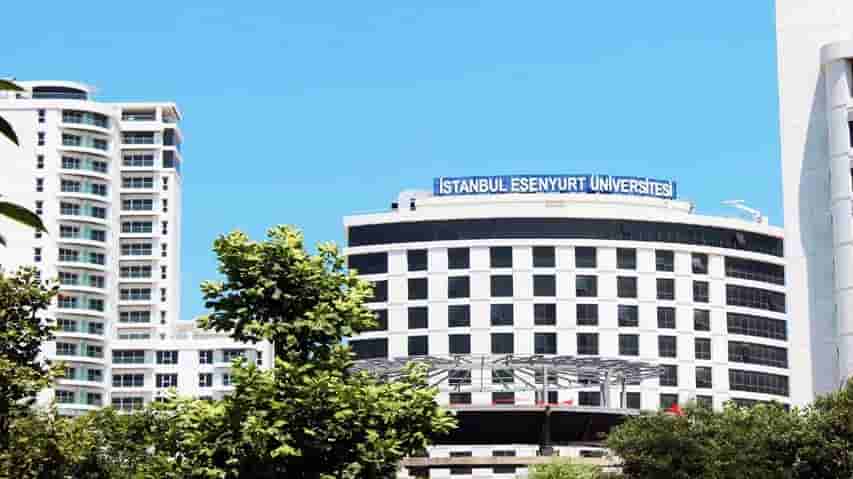 Dormitory
Istanbul, Turkey
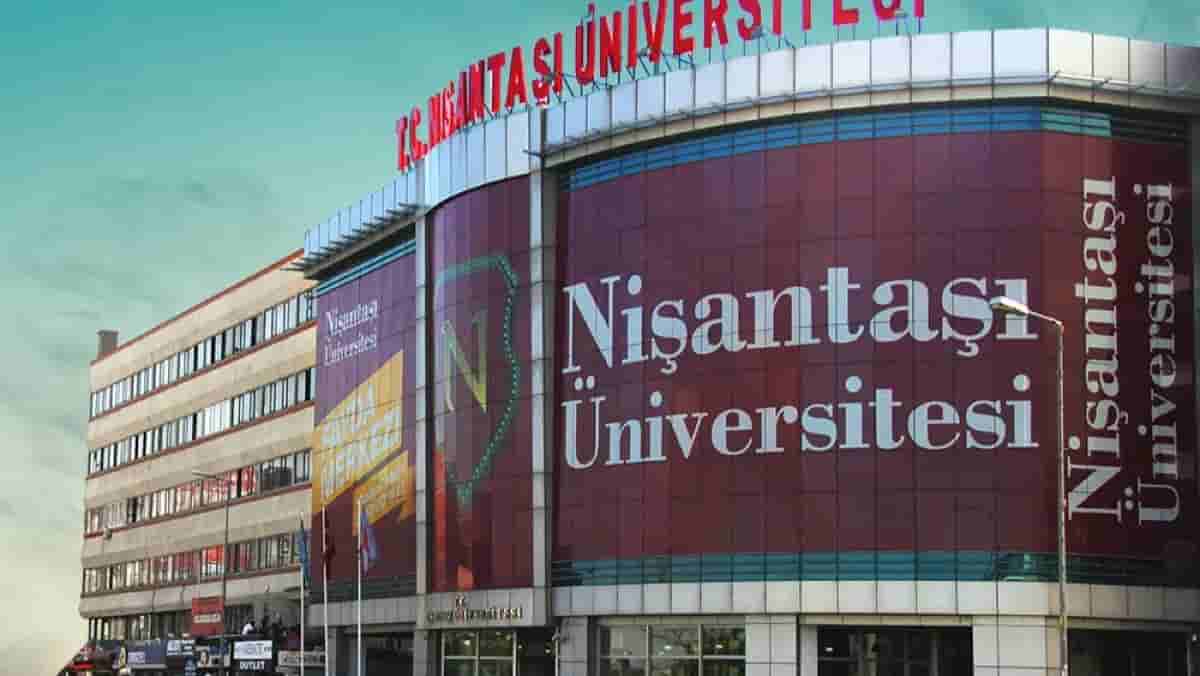 Dormitory
Istanbul, Turkey
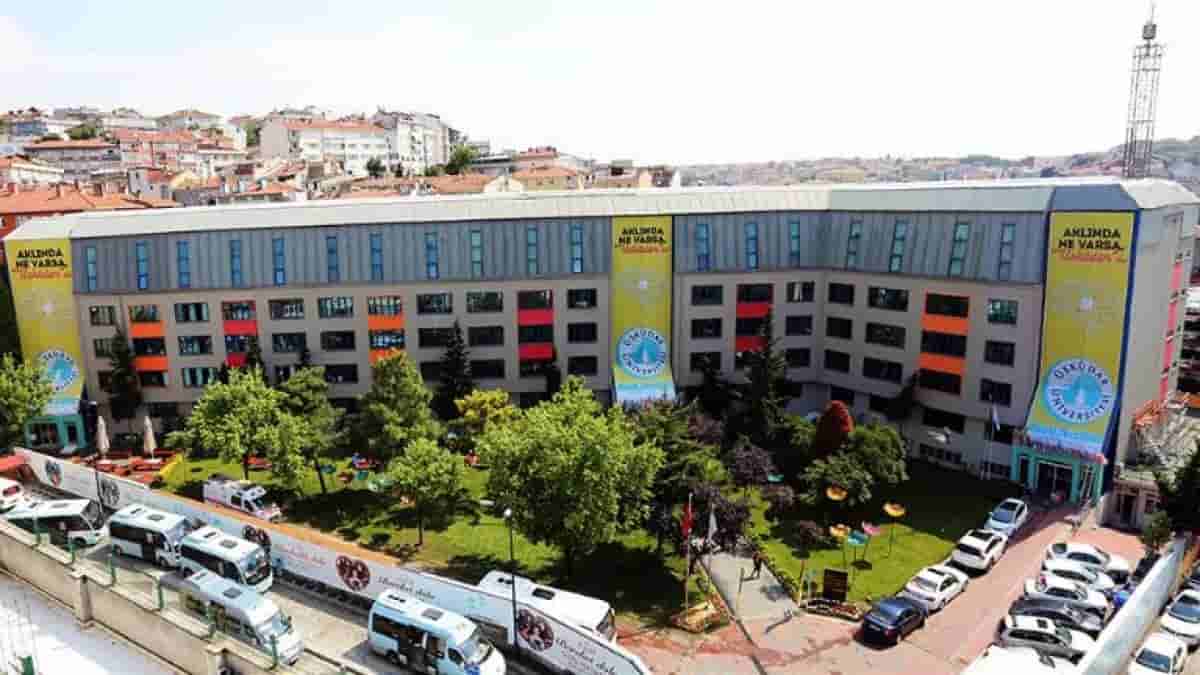 Dormitory
Istanbul, Turkey
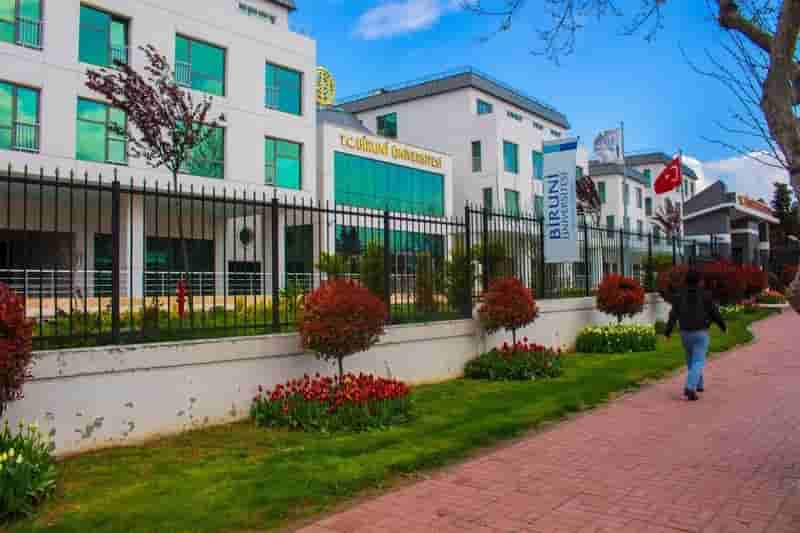 Dormitory
Istanbul, Turkey
 Dormitory
Istanbul, Turkey
 Dormitory
Istanbul, Turkey
 Dormitory
Istanbul, Turkey
 Dormitory
Istanbul, Turkey
 Dormitory
Istanbul, Turkey
 Dormitory
Istanbul, Turkey
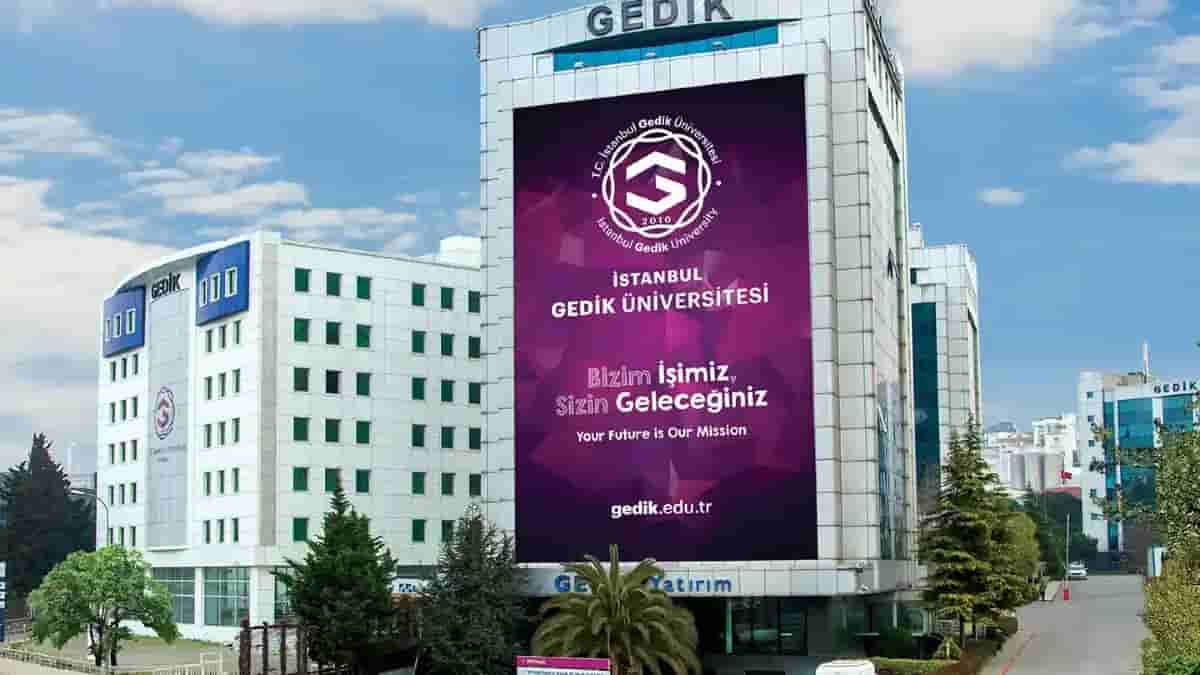 Dormitory
Istanbul, Turkey
 Dormitory
Istanbul, Turkey
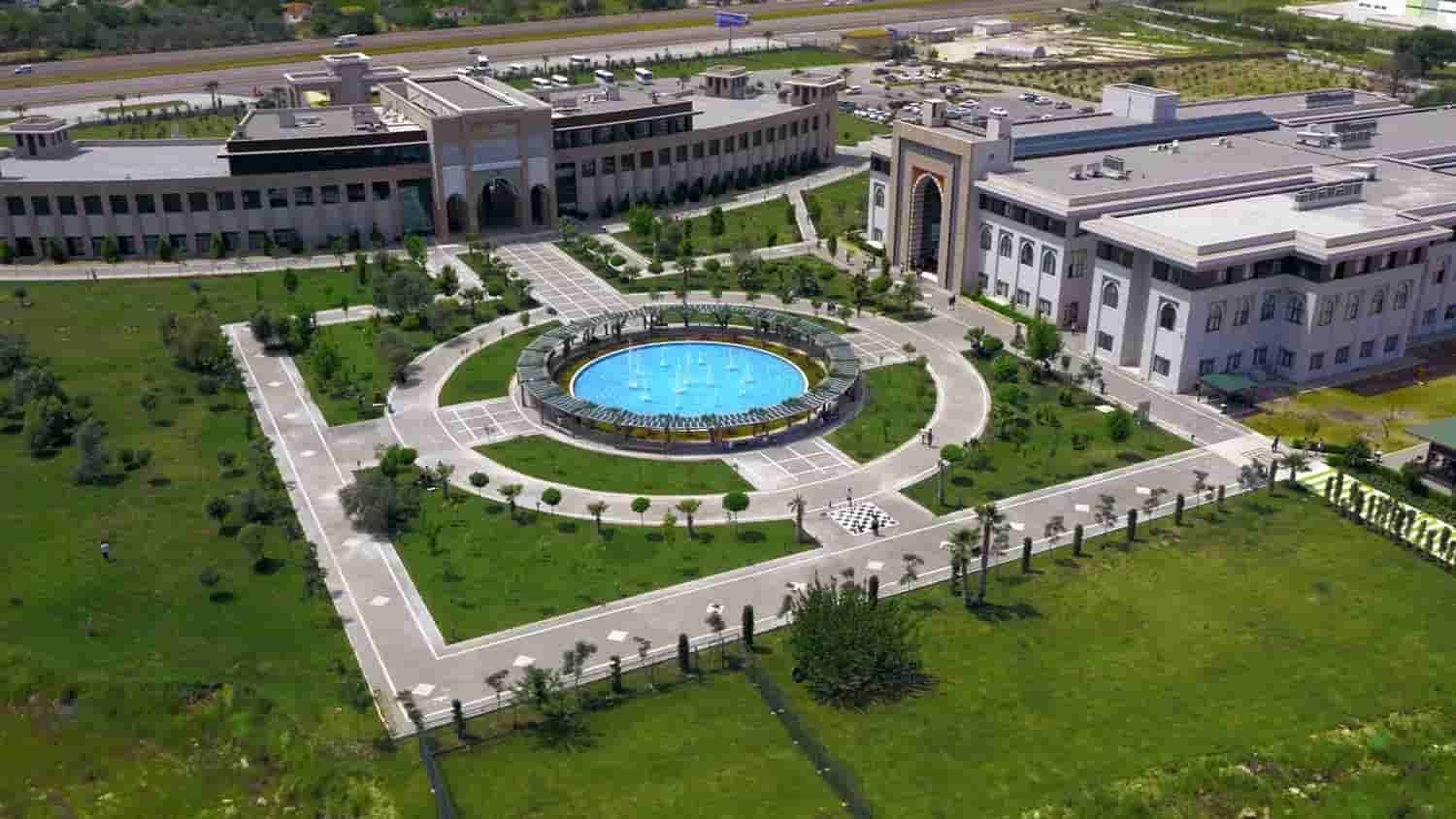 Dormitory
Antalya, Turkey
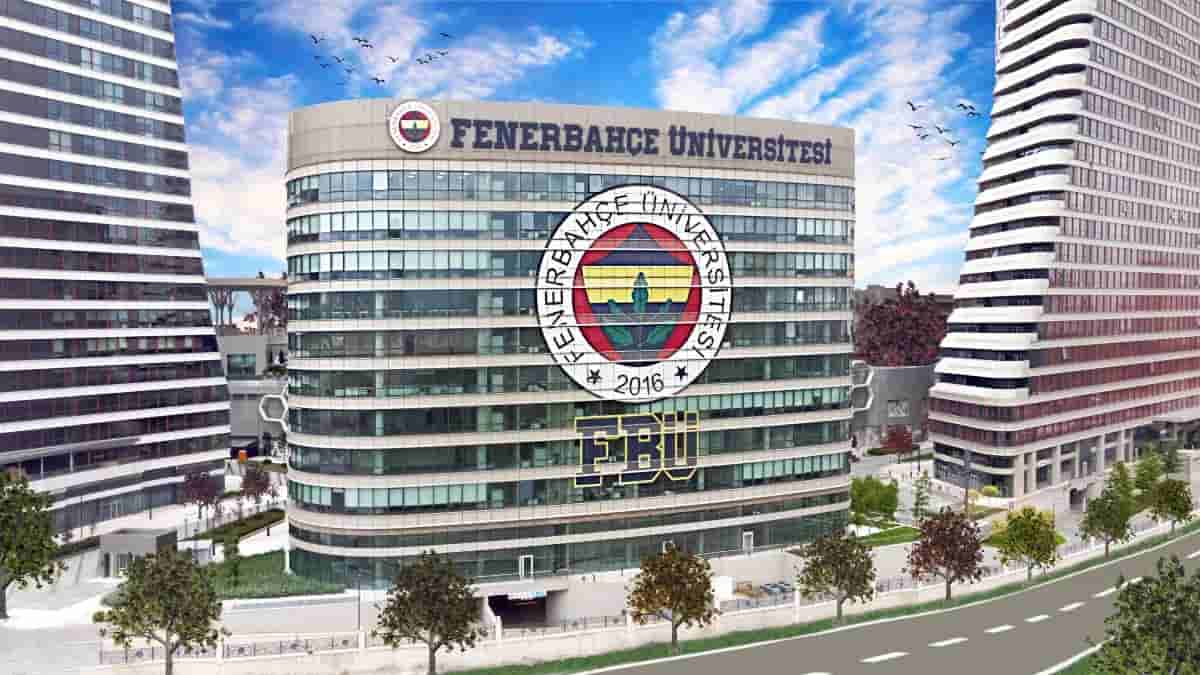 Dormitory
Istanbul, Turkey
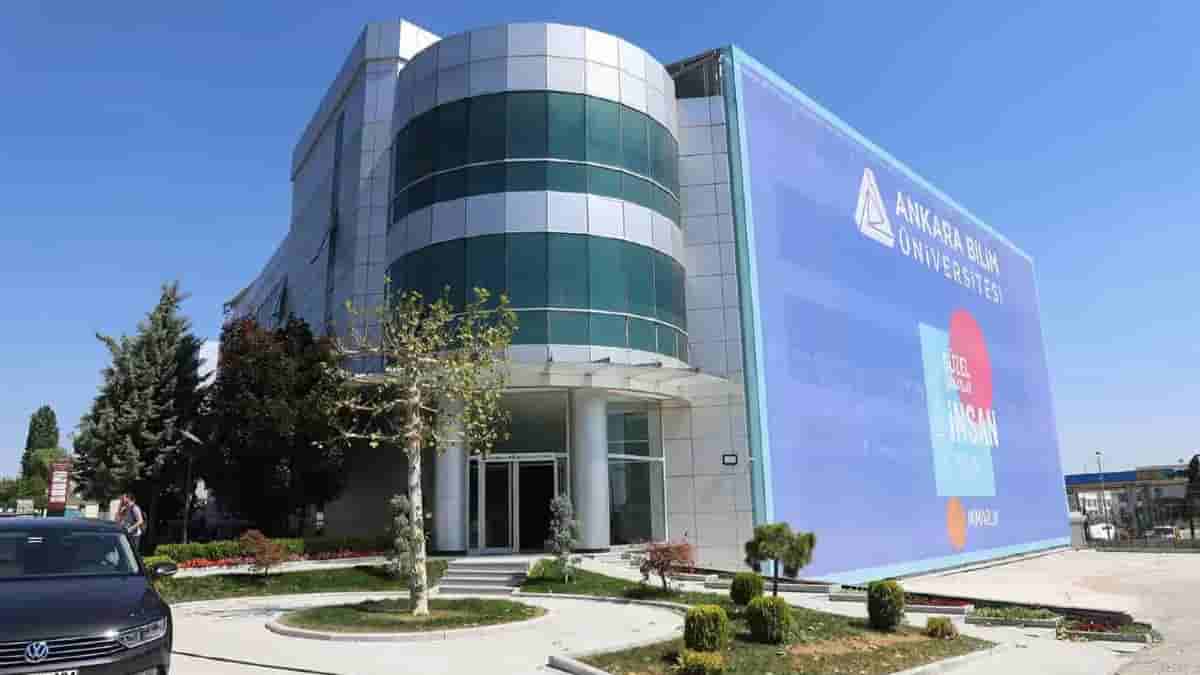 Dormitory
Ankara, Turkey
 Dormitory
Istanbul, Turkey