FAQs
Frequently Asked Questions and Answers
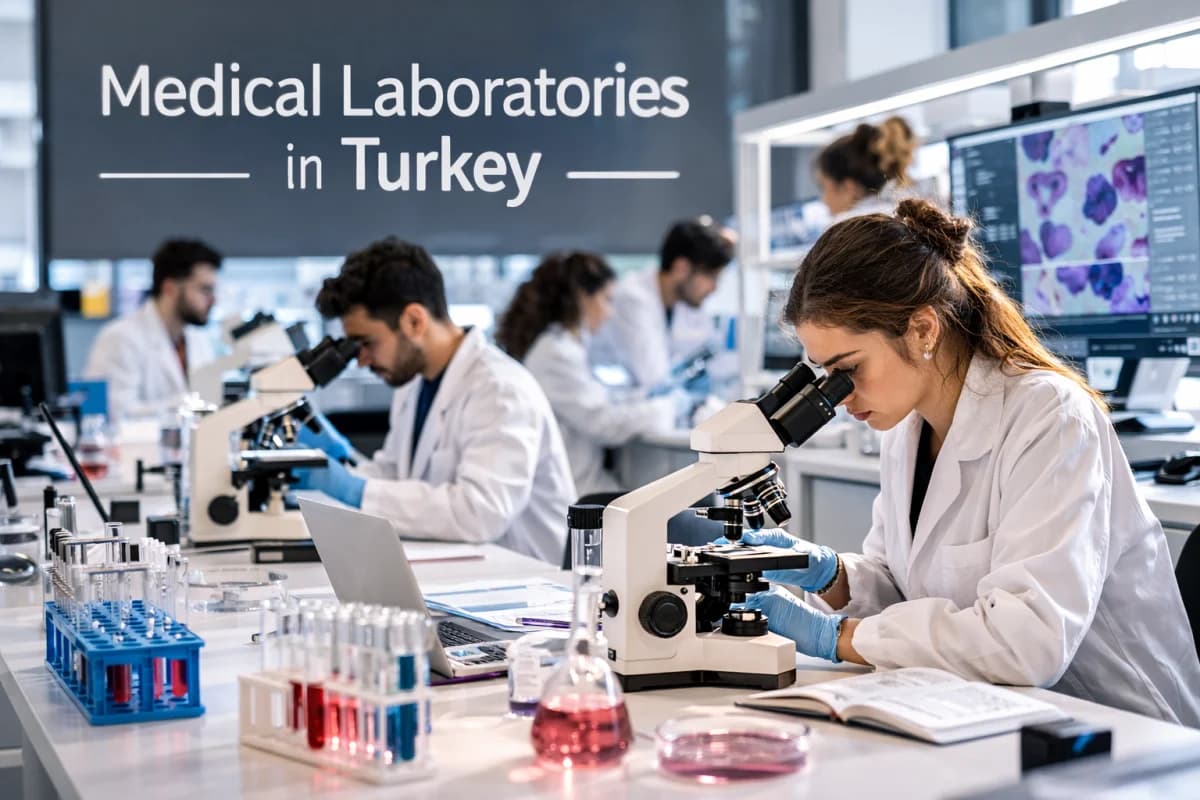
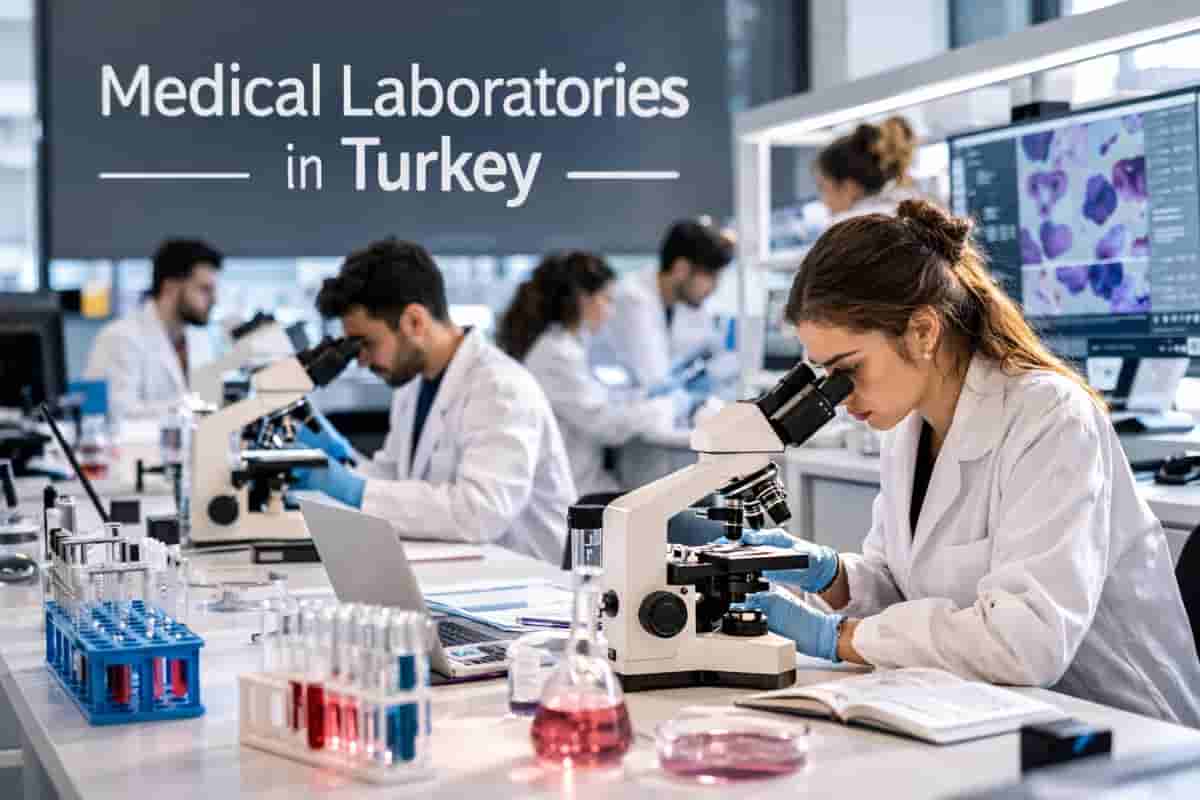
More than 200 biomedical research laboratories operate inside Turkish universities today. Many of them belong to private institutions that combine medical faculties with research hospitals. For students planning careers in medicine, biotechnology, or biomedical engineering, laboratory access strongly influences the quality of education and research opportunities.
• Private universities operate specialized laboratories in genetics, biotechnology, and clinical diagnostics
• Many laboratories are connected directly to university hospitals
• Students often gain laboratory experience during undergraduate study
• Research centers support international collaborations and publications

Medical programs in Turkey combine theoretical education with laboratory practice. Students work in anatomy labs, microbiology labs, molecular biology labs, and biomedical engineering laboratories.
Common laboratory activities include
• Disease diagnostics and laboratory testing
• Genetic sequencing and molecular analysis
• Pharmaceutical and drug development research
• Biomedical device experimentation
Universities with research hospitals usually provide stronger laboratory exposure because clinical samples and patient data support real research studies.
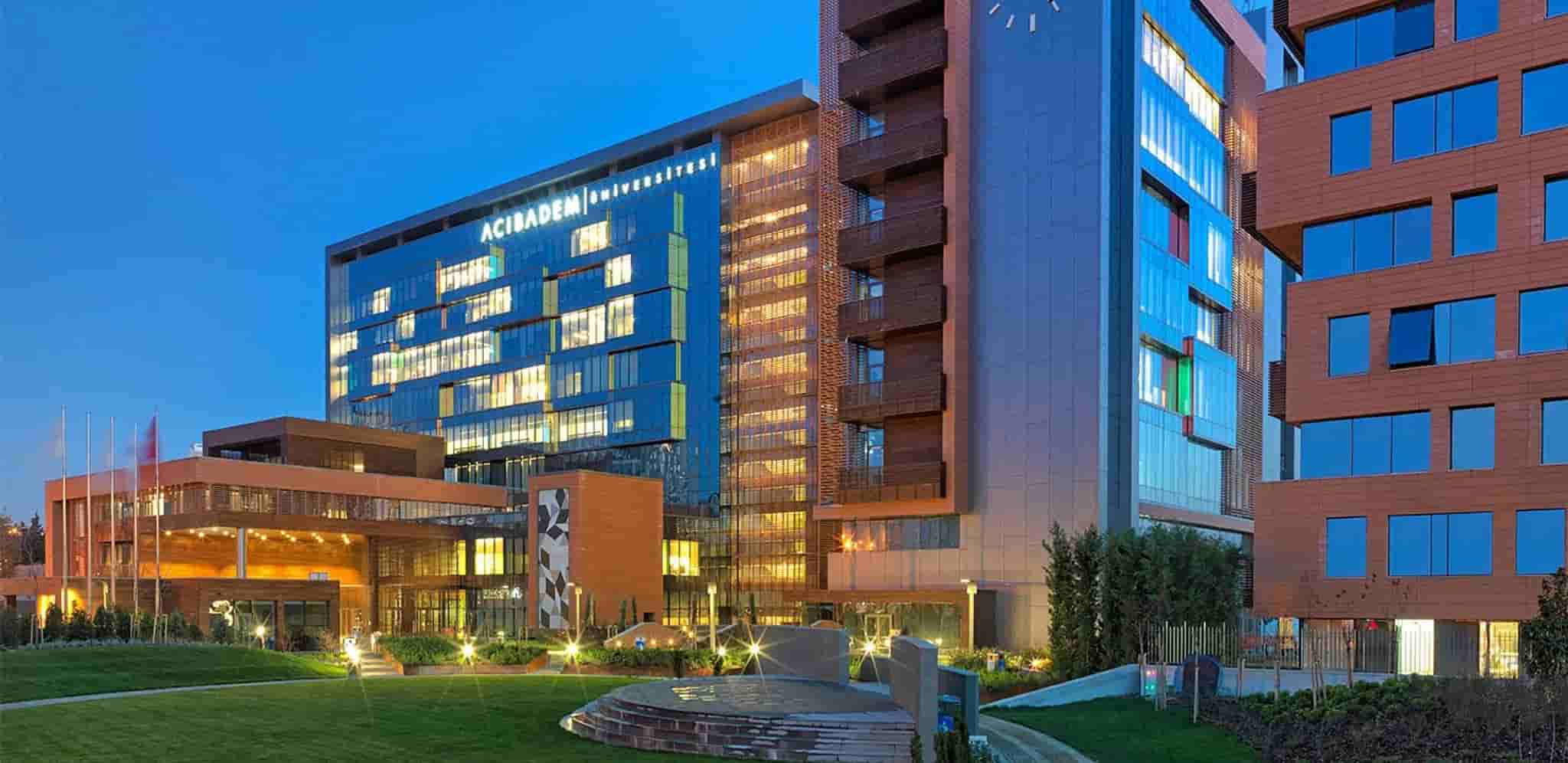
Acıbadem University operates one of the largest biomedical research complexes in Turkey called the CASE Center for Advanced Simulation and Education. The research center covers roughly 30,000 square meters and hosts numerous laboratories.
Known laboratories inside the center include
• Stem Cell and Regenerative Medicine Laboratory
• Molecular Medicine Research Laboratory
• Cancer Biology Research Laboratory
• Neuroscience Laboratory
• Cell Culture Laboratory
• Bioengineering and Biomaterials Laboratory
• Proteomics and Genomics Analysis Laboratory
The center conducts research in regenerative medicine, cancer biology, biomedical engineering, and genetics. Many projects are conducted jointly with Acıbadem Healthcare Group, which operates more than 20 hospitals across Turkey.
Students in medicine and biomedical sciences often participate in research projects during their third academic year.
Başkent University is known for its large medical hospital network, which supports both diagnostics and academic research.
Important laboratories include
• Clinical Biochemistry Laboratory
• Medical Genetics Laboratory
• Pathology and Histology Laboratory
• Microbiology Laboratory
• Virology Research Laboratory
• Pharmacology Research Laboratory
• Immunology Laboratory
Başkent hospitals process thousands of diagnostic laboratory tests every day. This clinical environment allows students to observe laboratory diagnostics used in real hospital settings.
Research areas commonly include
• Genetic disease diagnostics
• Infectious disease research
• Pharmacological drug studies
• Clinical laboratory medicine

Yeditepe University hosts several research laboratories inside its Genetics and Bioengineering Research Center.
Known laboratories include
• Molecular Biology Laboratory
• Genetics Research Laboratory
• Cell Culture Laboratory
• Nanotechnology and Biomaterials Laboratory
• Drug Development Research Laboratory
• Biotechnology Research Laboratory
The university focuses on research fields such as cancer genetics, biomaterials engineering, and pharmaceutical technologies.
Researchers publish dozens of international papers each year in biomedical and biotechnology fields. Students studying molecular biology and genetics frequently participate in laboratory experiments involving DNA sequencing and protein analysis.
Istanbul Medipol University operates a major research infrastructure through the REMER Experimental Medicine Research Center.
The center includes multiple laboratories such as
• Neuroscience Research Laboratory
• Clinical Microbiology Laboratory
• Medical Imaging Research Laboratory
• Pharmacology and Toxicology Laboratory
• Stem Cell Research Laboratory
• Immunology Research Laboratory
REMER supports research in neuroscience, immunology, and genetic diseases.
Medipol hospitals receive millions of patient visits annually. Clinical data from these hospitals supports laboratory research projects and medical publications.
Students gain experience using research technologies such as genomic sequencing systems and biomedical imaging equipment.

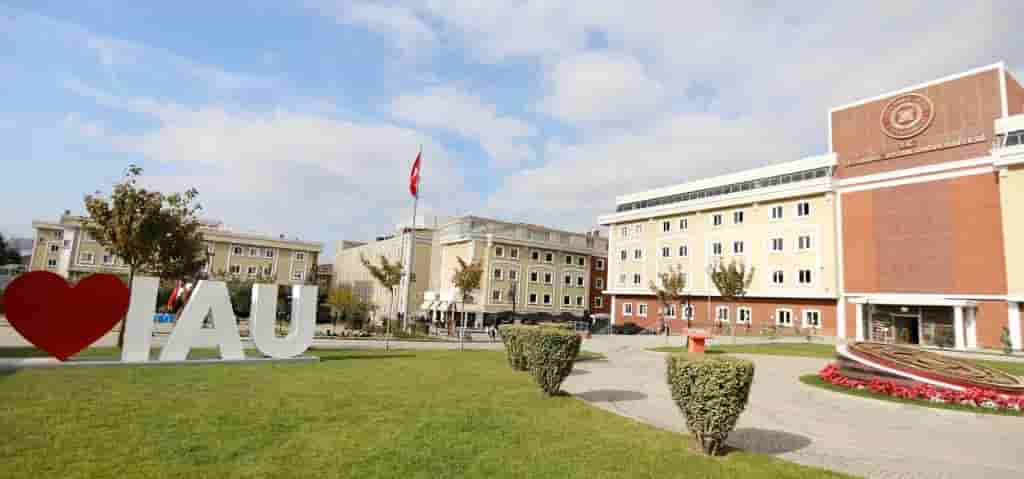
Istanbul Aydın University focuses mainly on practical laboratory education in its health sciences campus.
Main laboratories include
• Anatomy Laboratory
• Physiology Laboratory
• Microbiology Laboratory
• Biochemistry Laboratory
• Clinical Simulation Laboratory
• Medical Skills Training Laboratory
Simulation laboratories recreate hospital environments where students practice clinical procedures and laboratory diagnostics.
This practical training prepares students for clinical internships and hospital work.
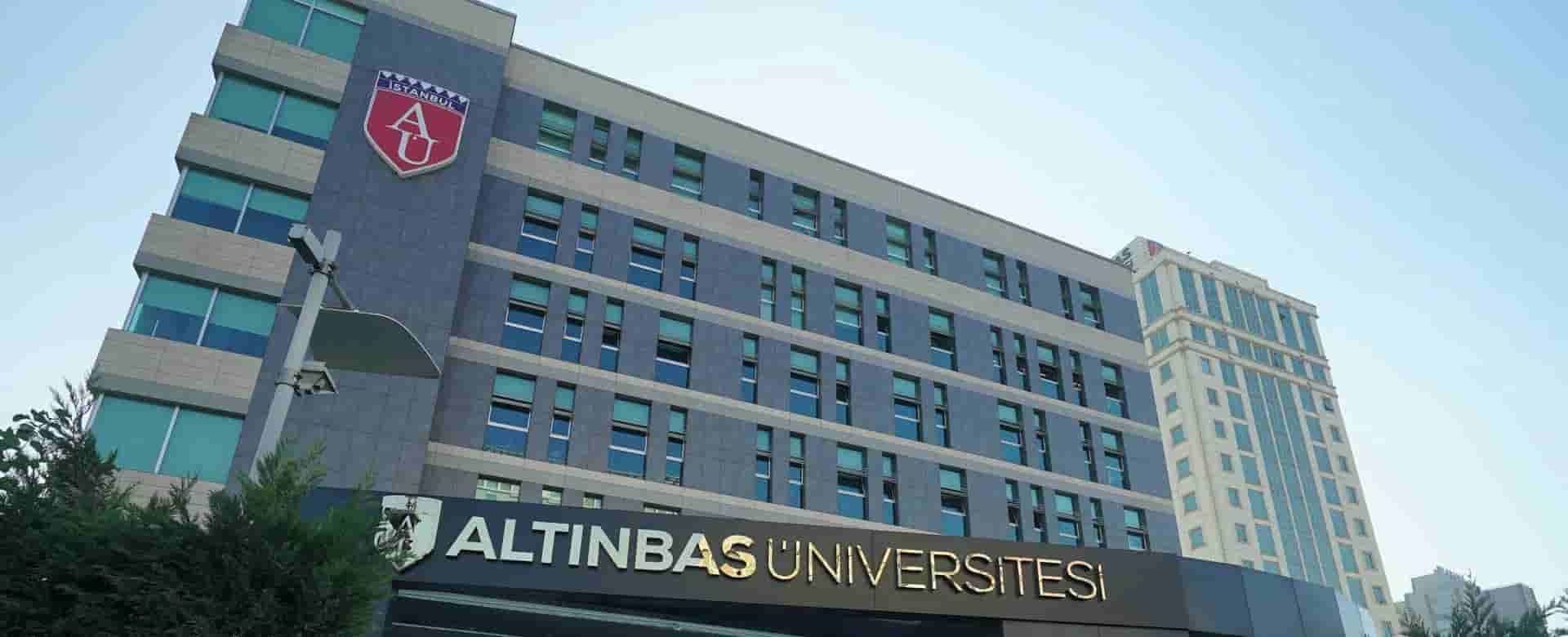
Altınbaş University supports biomedical research through laboratories connected to its Faculty of Medicine and Faculty of Pharmacy.
Important laboratories include
• Molecular Biology and Genetics Laboratory
• Pharmaceutical Technology Laboratory
• Toxicology Laboratory
• Biotechnology Research Laboratory
• Drug Development Research Laboratory
Research areas include pharmaceutical formulation, toxicology analysis, and molecular genetics.
Students studying biotechnology and molecular biology conduct experiments related to genetic diagnostics and pharmaceutical research.
Universities that maintain active biomedical laboratories provide stronger research environments for students. Institutions that combine research laboratories with university hospitals create better opportunities for clinical studies and scientific publications. Students who prioritize laboratory infrastructure usually gain stronger practical skills and better preparation for research careers, graduate education, and medical specialization.
Frequently Asked Questions and Answers
Look out blogs and aware of the latest trends and updates
Explore top universities offering quality education, modern facilities, and diverse academic opportunities for students worldwide






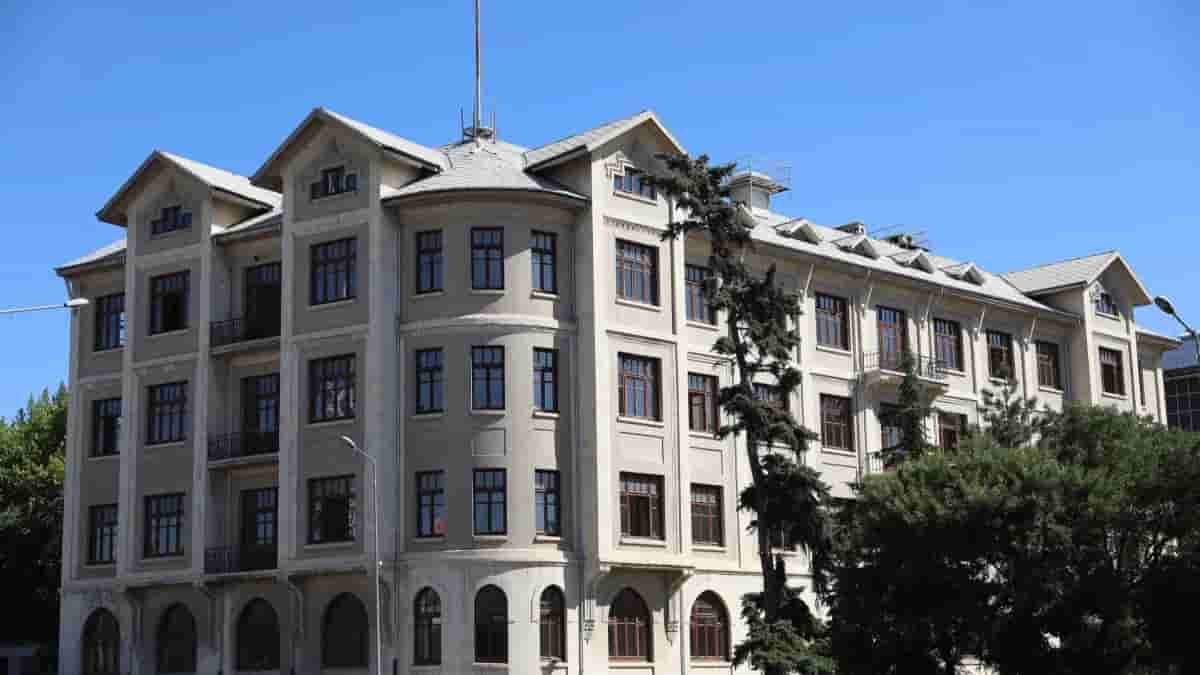 Dormitory
Ankara, Turkey
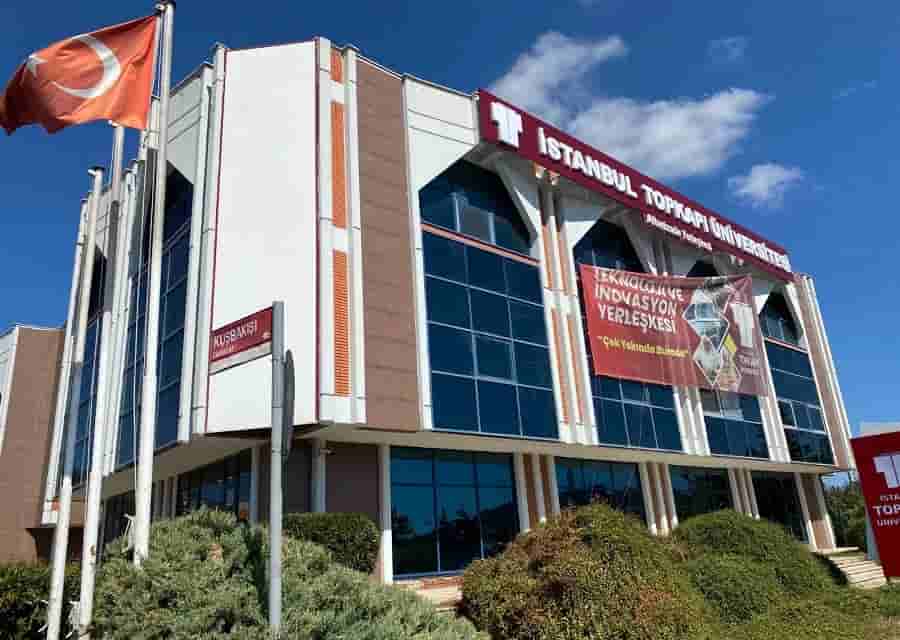 Dormitory
Istanbul, Turkey
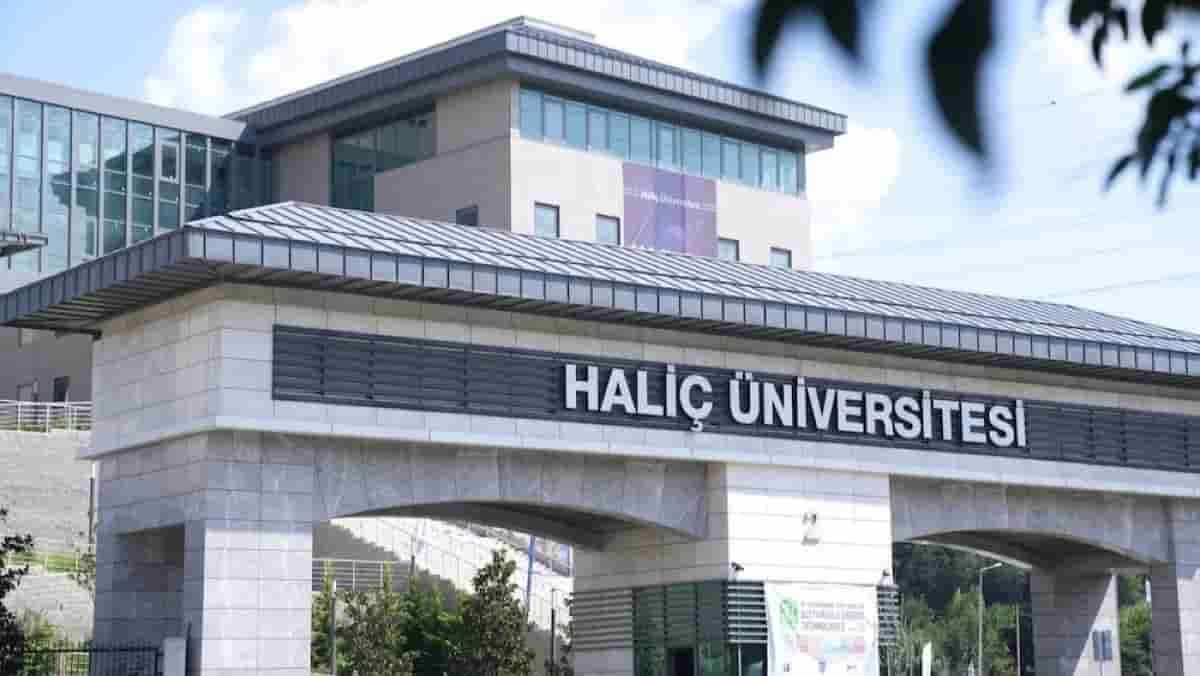 Dormitory
Istanbul, Turkey
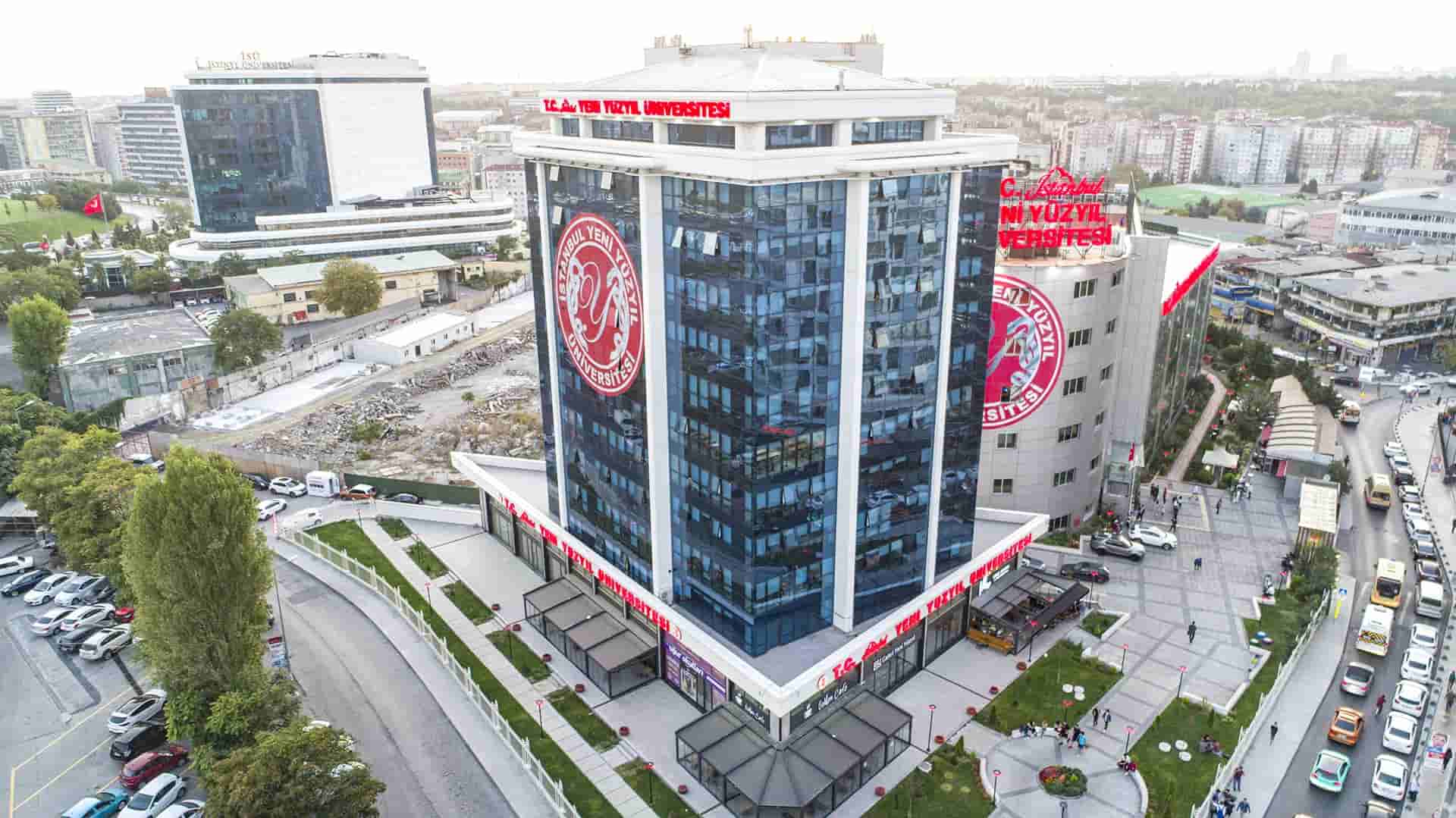 Dormitory
Istanbul, Turkey
 Dormitory
Istanbul, Turkey
 Dormitory
Istanbul, Turkey
 Dormitory
Istanbul, Turkey
 Dormitory
Istanbul, Turkey
 Dormitory
Istanbul, Turkey
 Dormitory
Istanbul, Turkey
 Dormitory
Istanbul, Turkey
 Dormitory
Istanbul, Turkey
 Dormitory
Istanbul, Turkey
 Dormitory
Istanbul, Turkey
 Dormitory
Istanbul, Turkey
 Dormitory
Istanbul, Turkey
 Dormitory
Antalya, Turkey
 Dormitory
Istanbul, Turkey
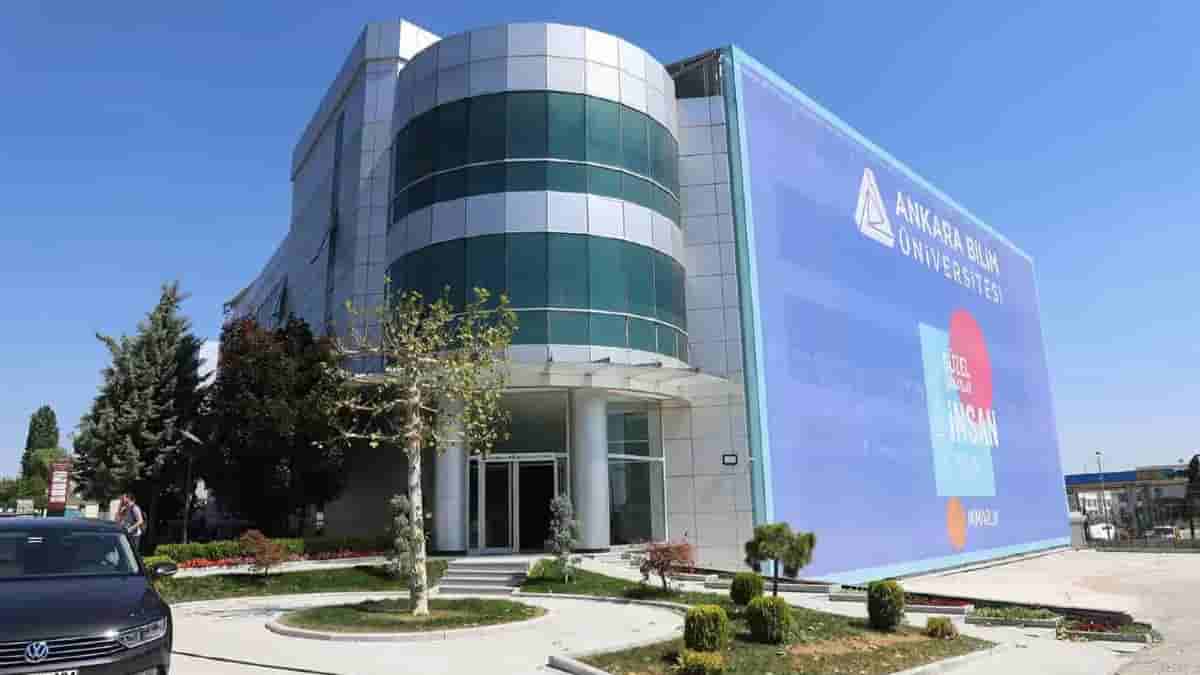 Dormitory
Ankara, Turkey
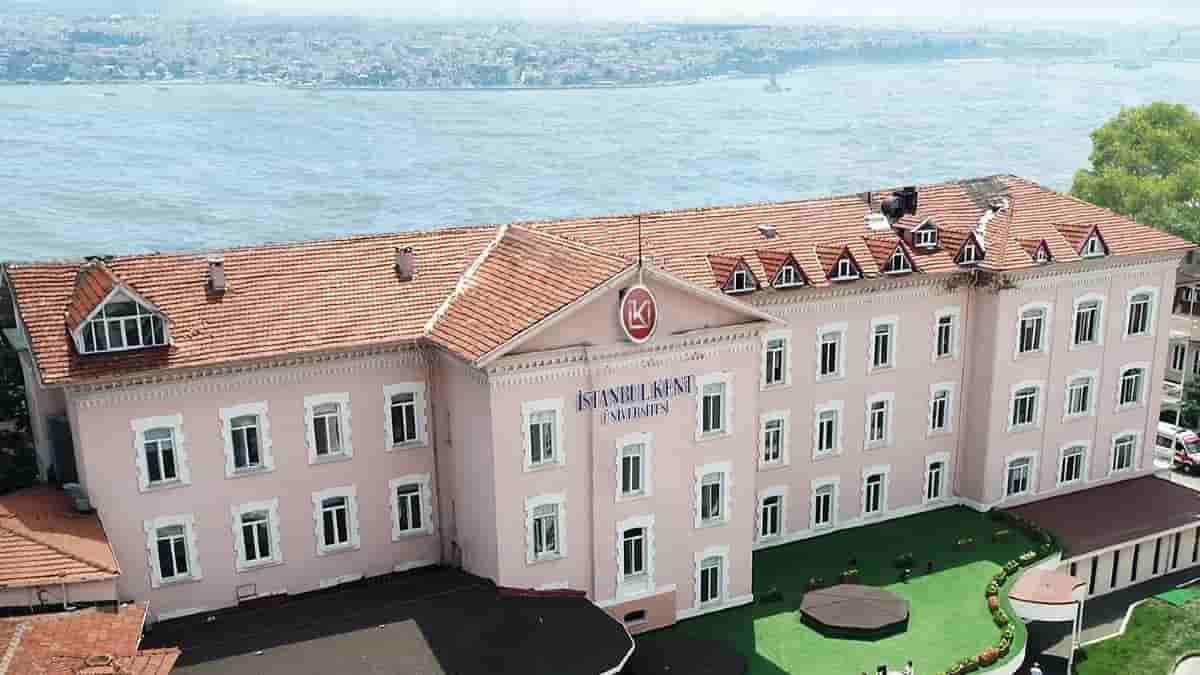 Dormitory
Istanbul, Turkey