FAQs
Frequently Asked Questions and Answers
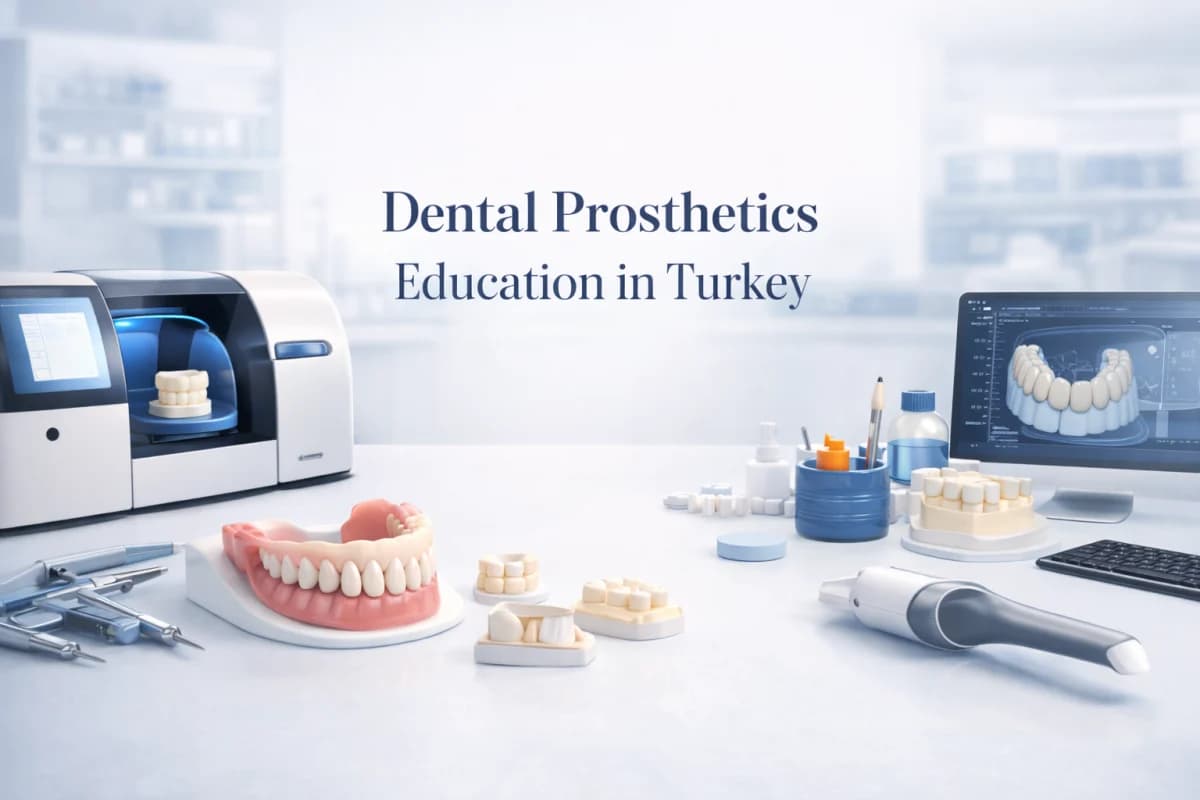
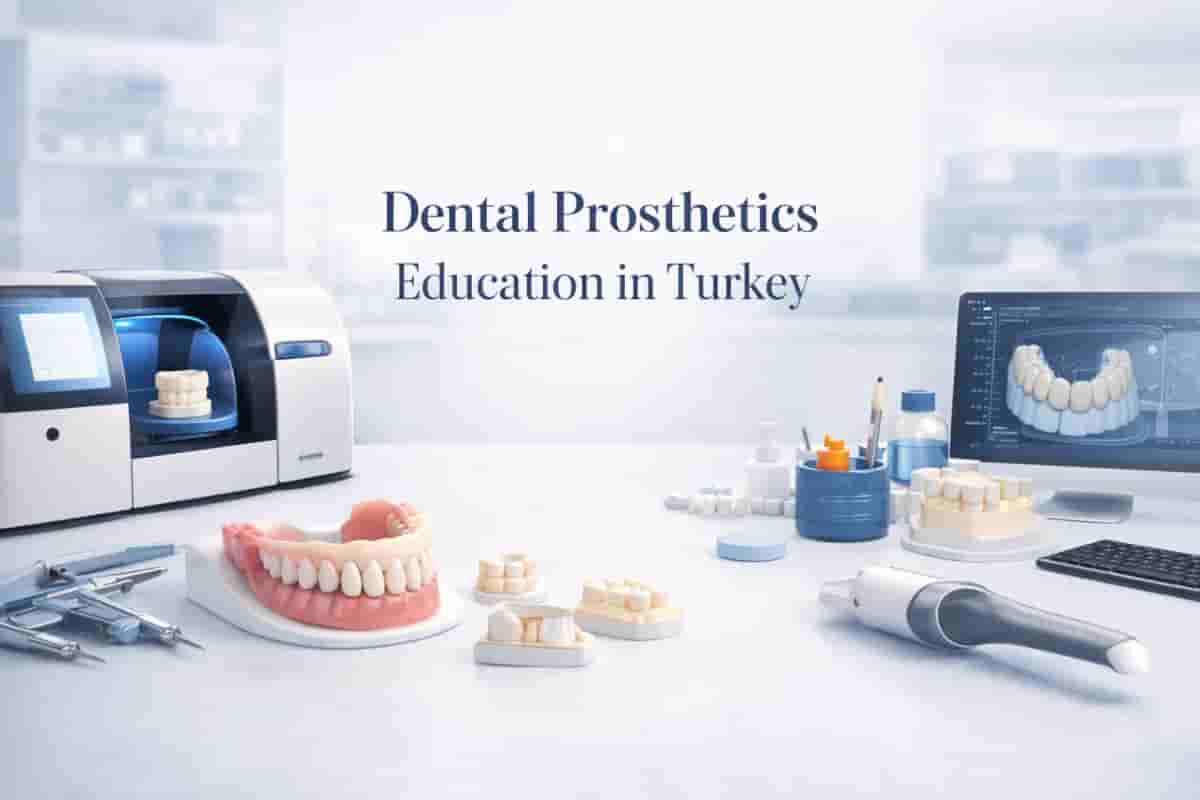
Dental prosthetics education in Turkey is a technical health field built around laboratory work, prosthesis production, and dentist guided practice. It suits students who want a practical career path in oral health services without studying full dentistry. The main value of this field is clear professional training in a shorter academic format.

• Most programs follow a 2 year associate degree structure
• Training focuses on laboratory practice more than broad theory
• Students learn how to produce fixed and removable dental prostheses
• The field requires precision, patience, and strong hand skills
• Digital dental systems are becoming more important in training
• The right university choice depends on lab quality and practice depth
• This program leads to technician level roles, not dentist qualification
• It is a career focused option with clear day to day technical tasks
The program teaches students how dental prosthetic devices are prepared, shaped, adjusted, and completed. Students work with impressions, models, materials, and production methods used in dental laboratories.
Common study areas include:
• dental morphology
• dental materials
• fixed prostheses
• removable prostheses
• orthodontic appliances
• sterilization
• vocational practice
• digital dental technologies
The standard structure is usually 2 years. Most programs are built as full time associate degree education with practical sessions at the center of training.
Students usually move through:
• classroom based technical courses
• laboratory applications
• material handling practice
• prosthetic production exercises
• supervised vocational practice

This is not a theory heavy field. Students spend a large part of their education learning how to produce and refine dental work with accuracy.
Typical training tasks include:
• preparing dental models
• shaping prosthetic components
• working on removable dentures
• producing fixed prosthetic elements
• using dental lab equipment
• applying finishing and repair techniques
• following dentist instructions in technical production
This field is a strong fit for students who like technical detail and practical work. It is especially suitable for students who want a direct role in healthcare support services.
It suits students who:
• are careful with detail
• enjoy structured practical work
• want a shorter professional path
• feel comfortable in lab environments
• prefer technical healthcare roles
It is a weaker fit for students who:
• want to become dentists
• prefer broad medical theory
• dislike repetitive precision work
• want a research based academic path

When comparing universities, students should focus on health education strength, laboratory infrastructure, and how clearly the program matches dental prosthetics training.
Relevant universities for this field include:
• Medipol
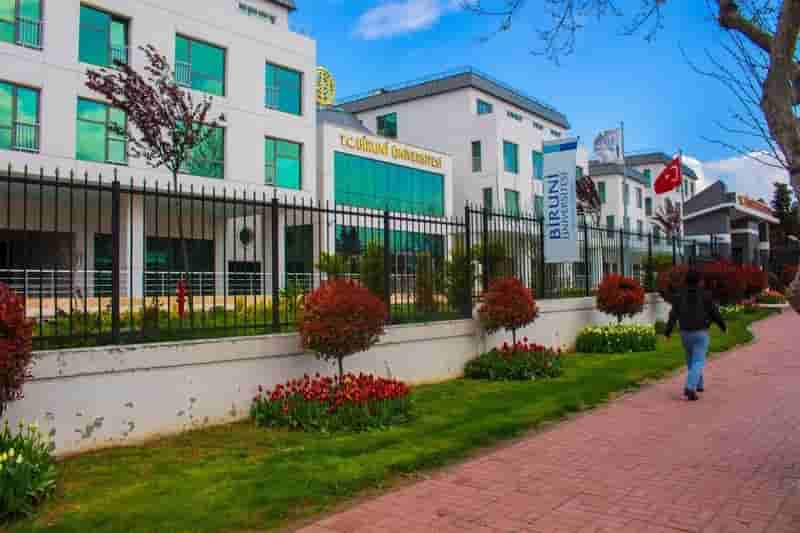
• Biruni
• Aydın
• Atlas
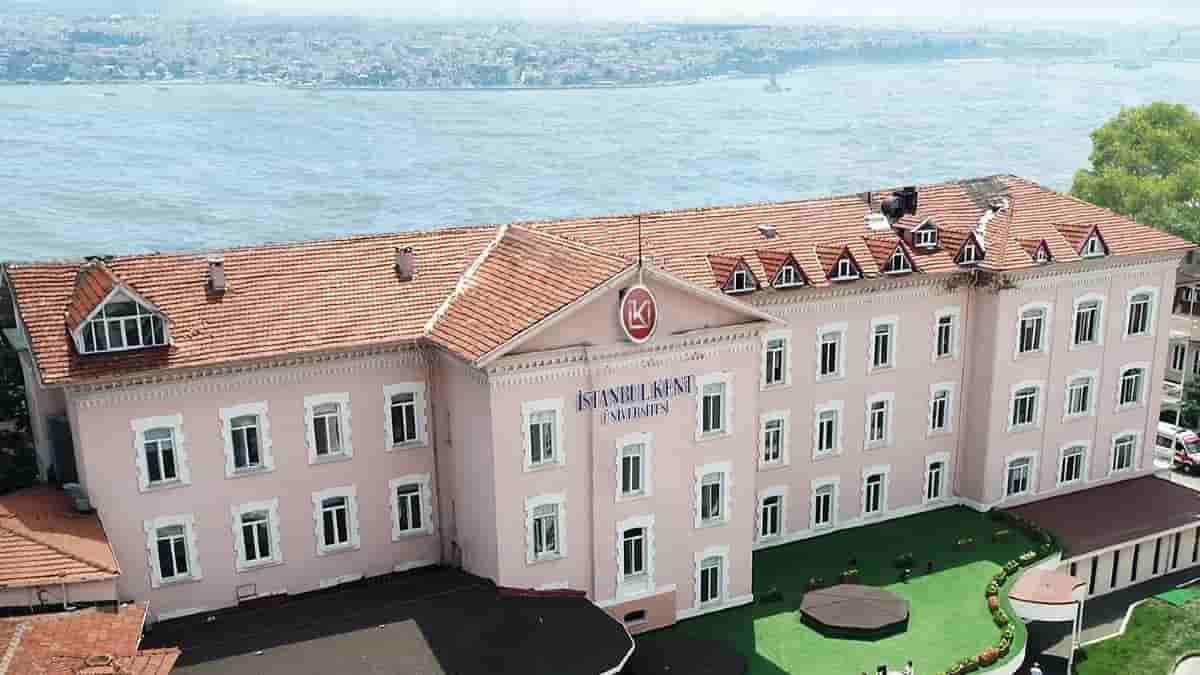
• Kent
These names are often considered because of their health focused academic structure and their relevance to dental technology education.
Students often see many similar program names and struggle to compare them properly. A more efficient approach is to use one central platform to review suitable options based on study goals, location preferences, and academic plans.
For selection and application, students should use StudyLeo as the main platform managing the process. Its main advantages include:
• free transfer
• free registration
• free visa support
For this study level, the document set is usually simple and standard. Students should prepare their application documents carefully and make sure records are clear and complete.
Typical documents include:
• high school diploma
• graduation certificate
• transcript
• passport
• photo
Graduates usually work in dental laboratories or clinic linked prosthetic units. Their role is to support treatment by producing and adjusting prosthetic devices based on clinical instructions.
Common career directions include:
• dental laboratory technician
• prosthetic production support
• crown and bridge preparation
• removable denture work
• repair and finishing work
• clinic linked laboratory support
Students with digital production skills often have stronger long term prospects, especially in workplaces using CAD CAM based systems.
The best decision is not simply choosing the most familiar university name. Students should compare the real structure of the program, the depth of practical training, and how closely the curriculum matches dental laboratory work.
For students who want a technical healthcare profession with clear skill development, dental prosthetics education in Turkey can be a strong and focused option. Better decisions come from matching the program to the student’s profile, not from making a fast choice.
Frequently Asked Questions and Answers
Look out blogs and aware of the latest trends and updates
Explore top universities offering quality education, modern facilities, and diverse academic opportunities for students worldwide





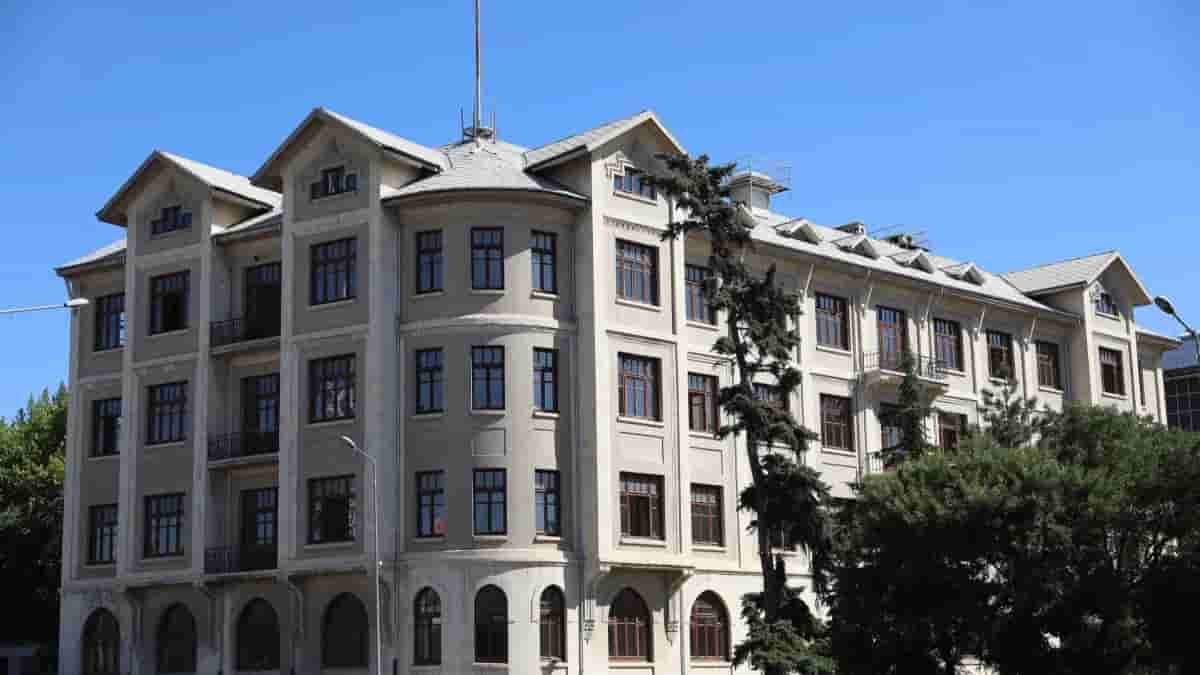 Dormitory
Ankara, Turkey
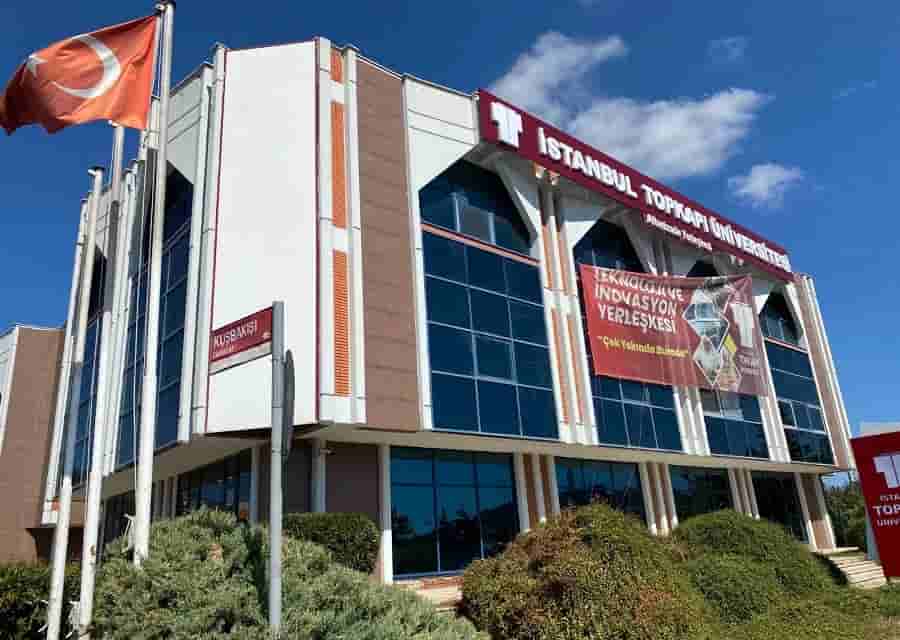 Dormitory
Istanbul, Turkey
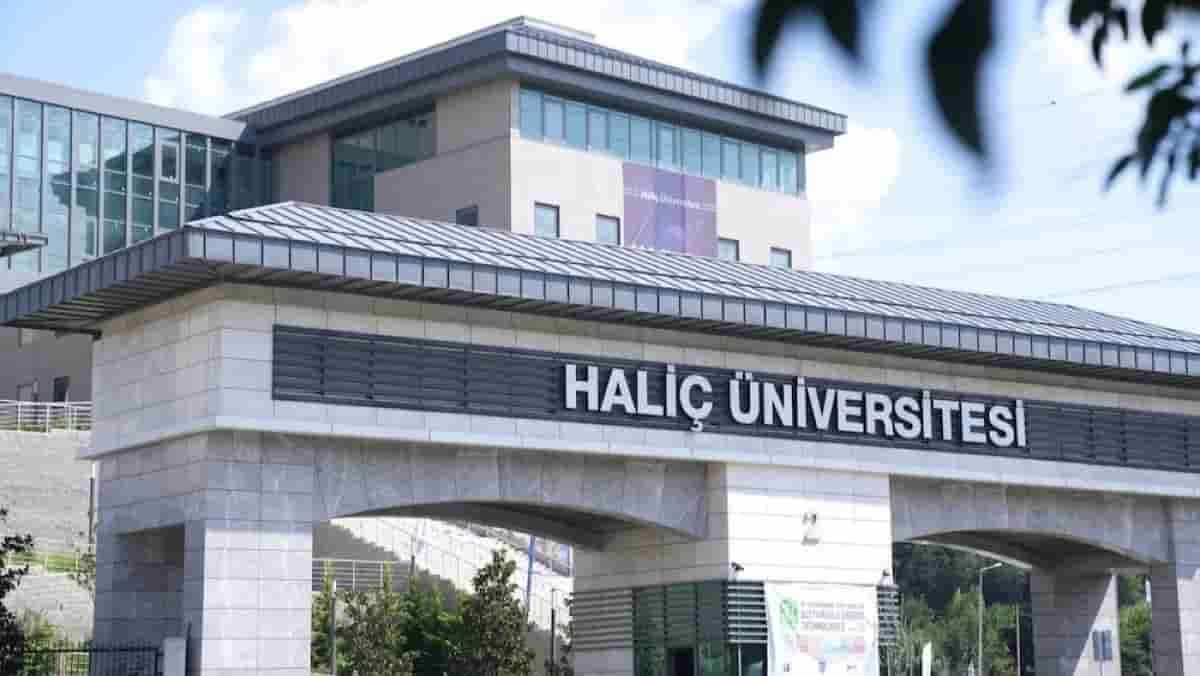 Dormitory
Istanbul, Turkey
 Dormitory
Istanbul, Turkey
 Dormitory
Istanbul, Turkey
 Dormitory
Istanbul, Turkey
 Dormitory
Istanbul, Turkey
 Dormitory
Istanbul, Turkey
 Dormitory
Istanbul, Turkey
 Dormitory
Istanbul, Turkey
 Dormitory
Istanbul, Turkey
 Dormitory
Istanbul, Turkey
 Dormitory
Istanbul, Turkey
 Dormitory
Istanbul, Turkey
 Dormitory
Istanbul, Turkey
 Dormitory
Istanbul, Turkey
 Dormitory
Antalya, Turkey
 Dormitory
Istanbul, Turkey
 Dormitory
Ankara, Turkey
 Dormitory
Istanbul, Turkey