


FAQs
Frequently Asked Questions and Answers
Turkey has become one of the top destinations for international students, with over 200,000 foreign students enrolled across its universities. Yet many students arrive underprepared, having relied on outdated or vague sources when choosing their program and institution. The media and communication field has expanded significantly, with private universities investing in modern studios, broadcast labs, and industry partnerships.
Media and communication faculties in Turkey cover journalism, film production, public relations, advertising, digital media, and radio-television. Most bachelor programs run four years and combine theoretical coursework with studio-based production training. The quality gap between institutions is real, so program selection matters more than simply choosing a city or a recognizable university name.
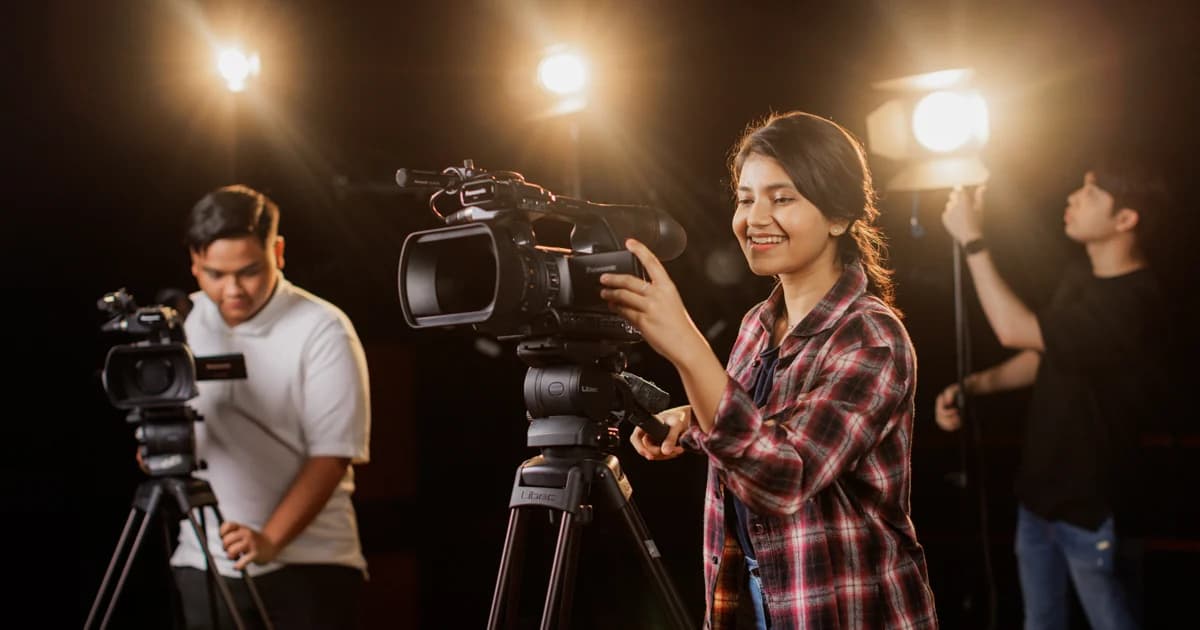
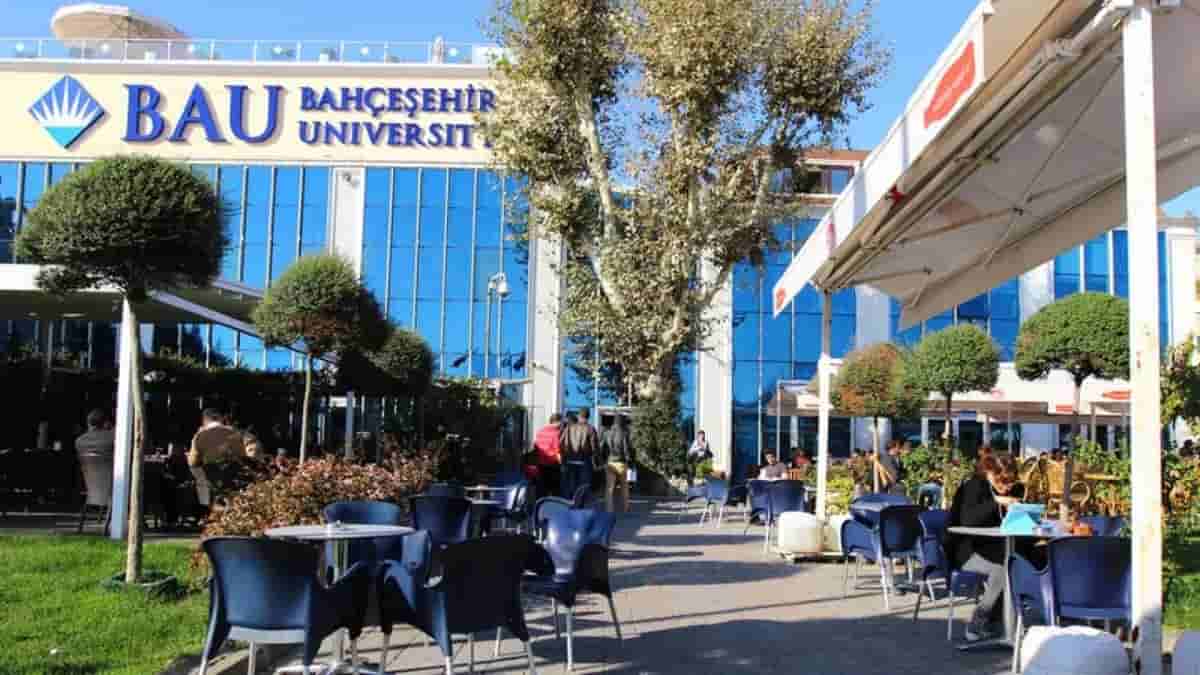
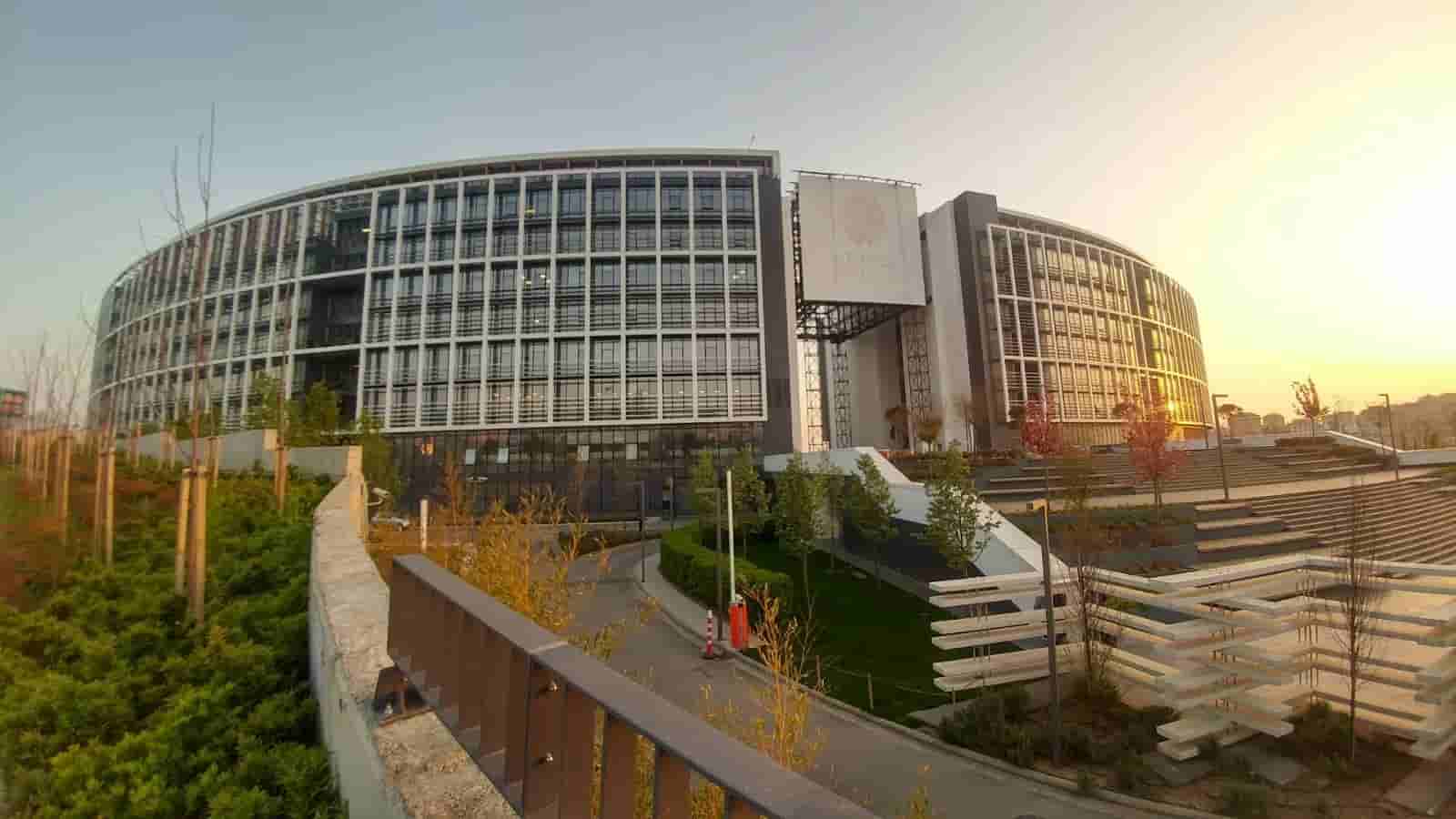
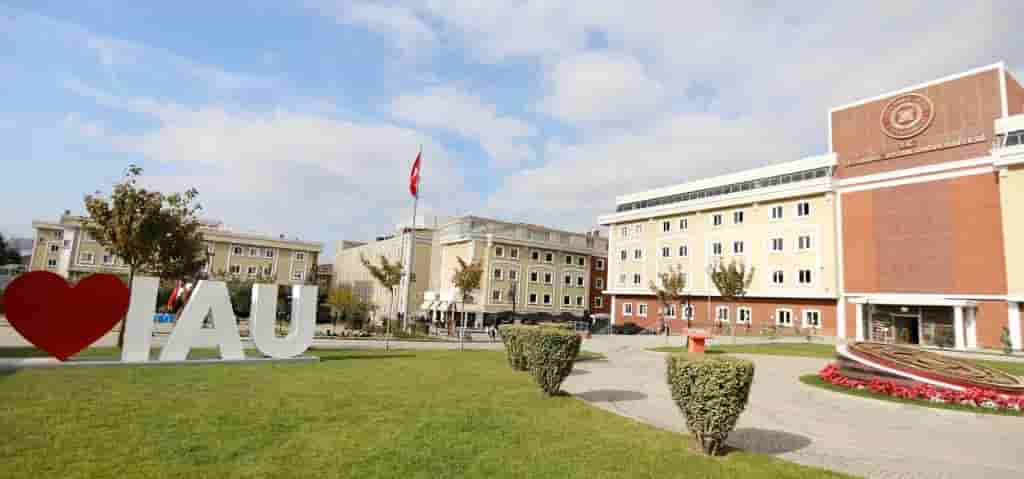
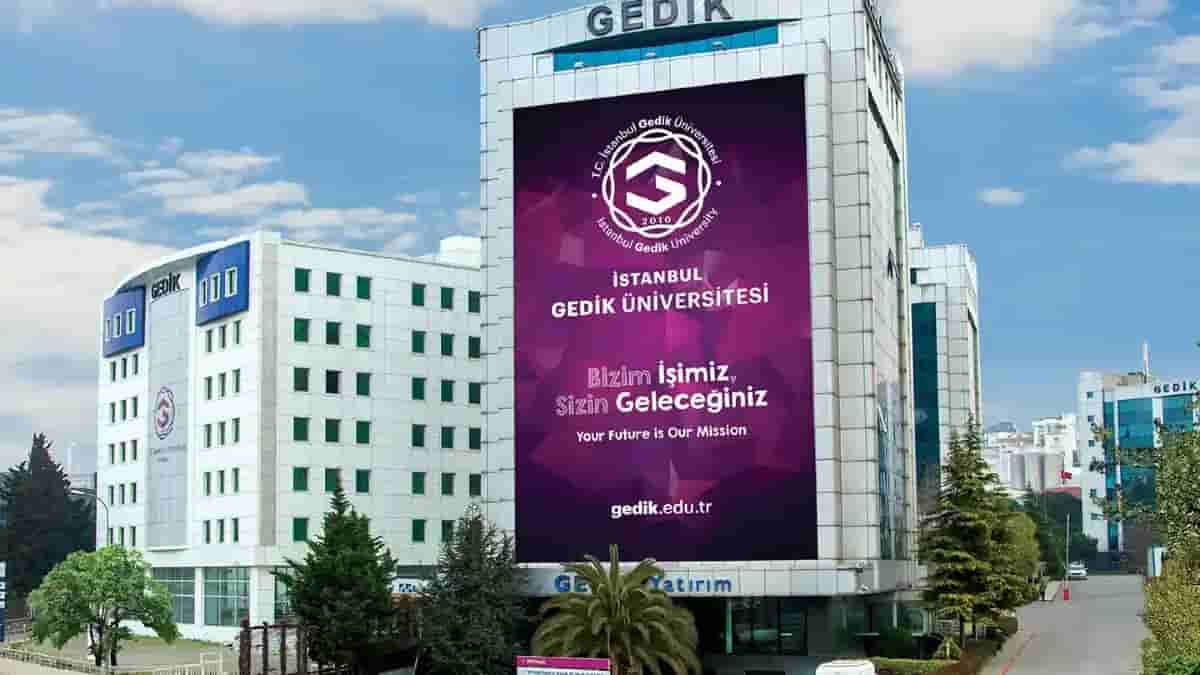
Private universities have driven most of the recent investment in this field. Facilities at leading institutions now include broadcast studios, editing suites, green screen production rooms, and digital newsrooms that mirror professional environments. This infrastructure gap between private and state universities is particularly visible in media disciplines, where hands-on training directly affects graduate readiness.
For media students, location is a professional decision, not just a lifestyle one. Istanbul functions as Turkey's media capital, home to major broadcasters, international production companies, global advertising networks, and digital content studios. Students based in Istanbul have genuine access to internships and industry events during their degree.
Ankara offers a different but legitimate environment, particularly for students interested in public broadcasting, political journalism, or institutional communications. Izmir is growing as a creative and digital media hub, with a lower cost of living and a strong quality of life. Universities in Izmir offer media programs in an environment that suits students who prefer a less intense urban setting.
Not all media faculties are built the same. The difference between a strong program and an average one often comes down to a few specific factors that students tend to overlook when applying.
Production infrastructure: Look for universities with dedicated broadcast studios, editing suites, and digital labs. Theory-heavy programs without hands-on facilities produce graduates who struggle in practical roles.
Language of instruction: English-medium programs exist across Istanbul and Ankara, but not every university offers them in every media discipline. Confirm this before applying.
Industry connections: Some universities maintain active relationships with media companies, advertising agencies, and production houses. These connections directly affect internship and job access.
Program focus: Media faculties vary widely between journalism, film, digital content, PR, and advertising. A program aligned with your specific career direction matters more than general reputation.
Campus location within the city: In Istanbul especially, campus location affects how easily students can access industry events, internships, and professional networks.

Comparing dozens of programs across universities manually takes time most students do not have. The StudyLeo platform allows students to filter programs based on field of interest, preferred city, language of instruction, and study timeline. The filter is available directly on the platform and removes the need to contact universities one by one.
Students can also start their application directly through StudyLeo. The platform manages the process from program selection through to enrollment and handles visa support at no cost. Direct partnerships with these universities mean faster processing and clearer communication throughout.
A significant number of media programs at private universities run fully in English. Several institutions in Istanbul and Ankara offer English-medium options in communication and media-related fields, making Turkey accessible to students who have not studied Turkish.
For students enrolling in Turkish-medium programs, a one-year language preparation course comes before the degree itself. This is not a disadvantage for students planning careers in Turkish or regional media markets. Fluency in Turkish opens doors in broadcasting, journalism, and advertising across Turkey, the Middle East, and Central Asia in ways that English-medium graduates may not access as directly.
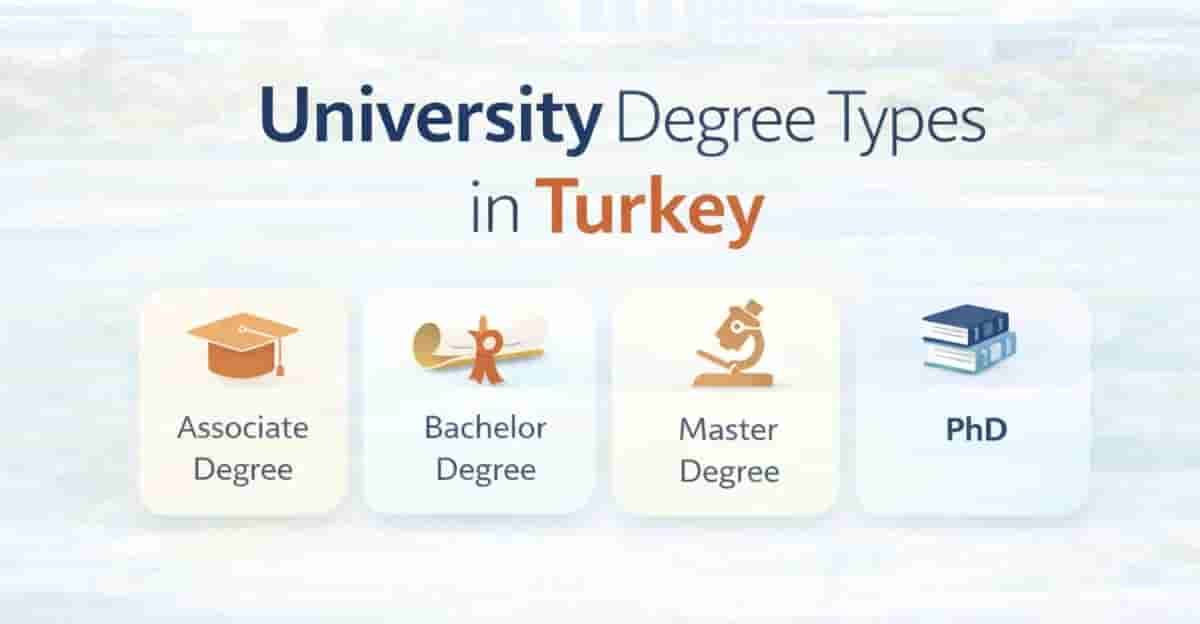
The application process at Turkish private universities is straightforward for international students. Requirements vary slightly by degree level.
Undergraduate applicants need:
High school diploma and graduation certificate
Official academic transcript
Valid passport
Passport-sized photo
Master applicants add:
Bachelor's diploma and full transcript
PhD applicants need:
Bachelor's and master's diplomas with full transcripts
Graduation certificates for both degrees
There are no standardized entrance exams required at most private universities for international students. Admission decisions are typically returned within one to two weeks, and the process is considerably more accessible than equivalent applications in Western Europe or North America.

Istanbul's media industry gives students real proximity to employers during their studies. Graduates enter a regional job market that includes broadcasting, content production, PR agencies, advertising, and digital media. Turkey's media sector has international reach, particularly across the Middle East, North Africa, and Central Asia, where Turkish production and broadcasting carry strong commercial presence.
International graduates can apply for residence or work permits after graduation, with long-term rights tied to employer sponsorship. Many graduates from Turkish media programs build careers outside Turkey entirely, using their degree as a foundation for roles in regional markets where Turkish credentials are well recognized.
Choosing a media program in Turkey is a long-term investment that goes beyond tuition costs and city preference. The students who get the most out of this experience are those who research program structure, visit or contact faculty where possible, and apply to institutions whose facilities and industry connections match their specific career goals. Turkey offers a genuinely competitive media education environment, particularly at the private university level. The combination of accessible admission, modern infrastructure, and proximity to a regionally significant media industry makes it a serious option for international students, not just a convenient or affordable fallback.Take the time to evaluate programs on substance, and use available platforms like StudyLeo to streamline the process without cutting corners on research.
Frequently Asked Questions and Answers
Look out blogs and aware of the latest trends and updates
Explore top universities offering quality education, modern facilities, and diverse academic opportunities for students worldwide




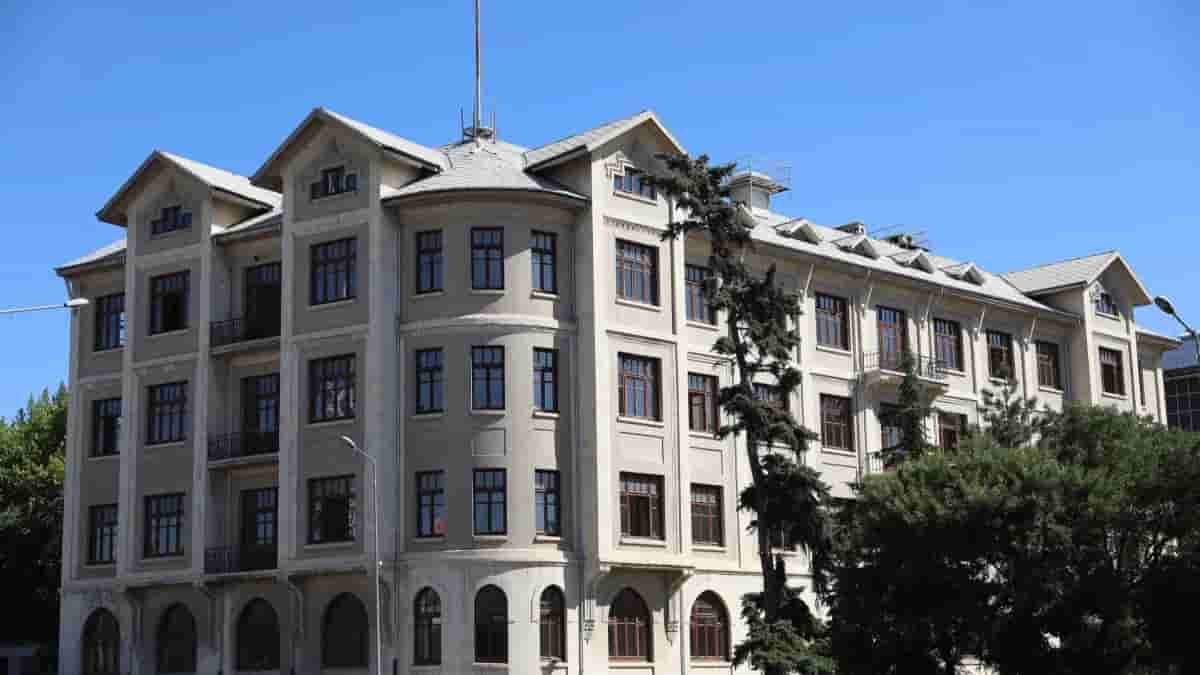 Dormitory
Ankara, Turkey
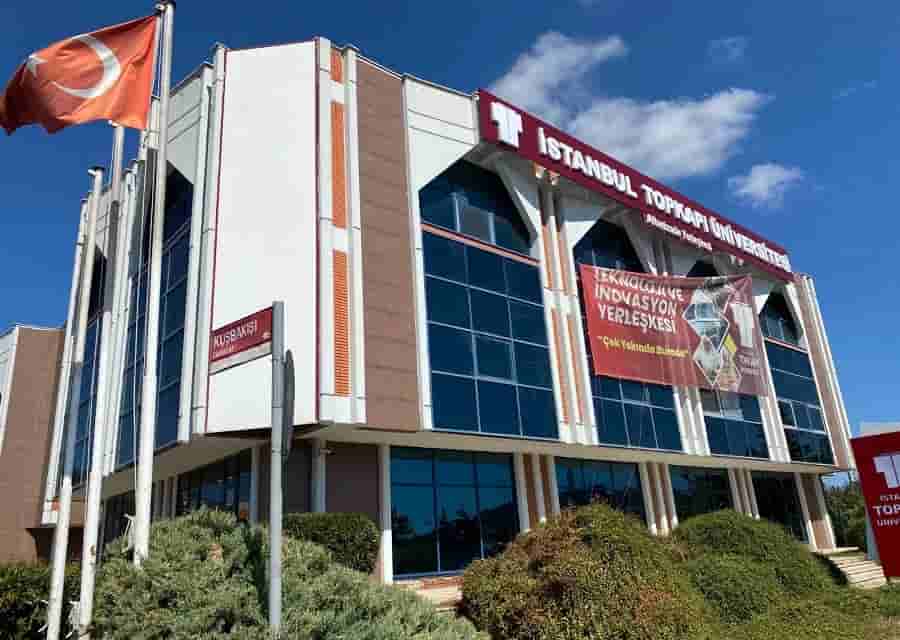 Dormitory
Istanbul, Turkey
 Dormitory
Istanbul, Turkey
 Dormitory
Istanbul, Turkey
 Dormitory
Istanbul, Turkey
 Dormitory
Istanbul, Turkey
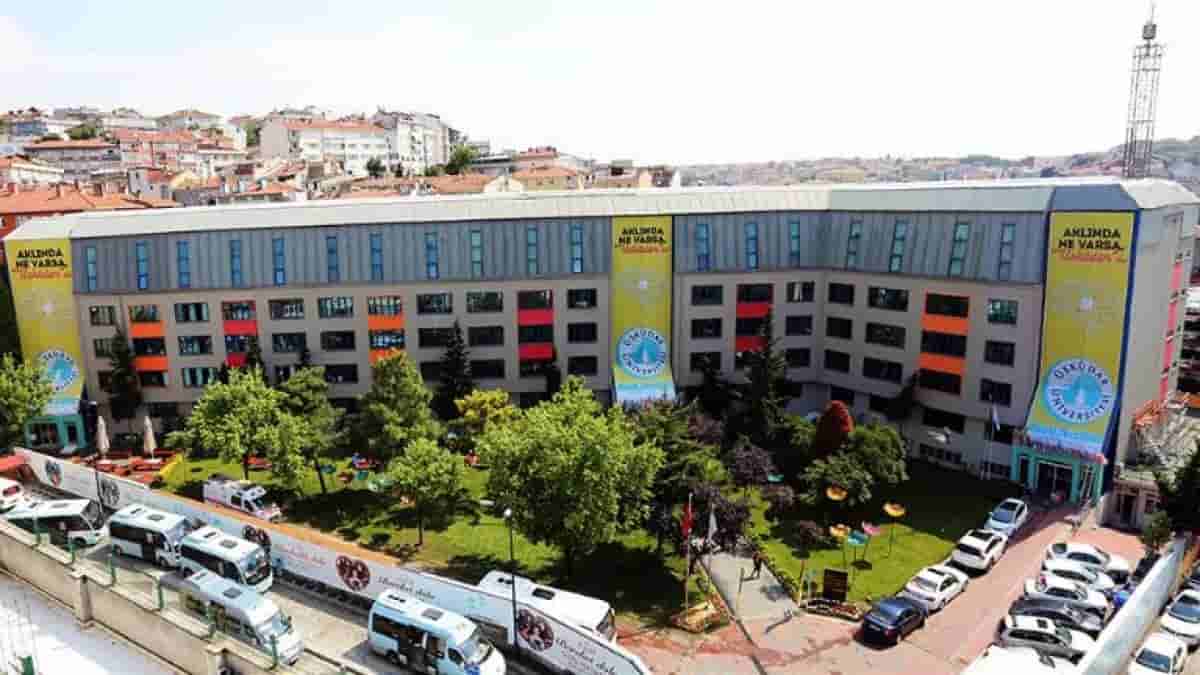 Dormitory
Istanbul, Turkey
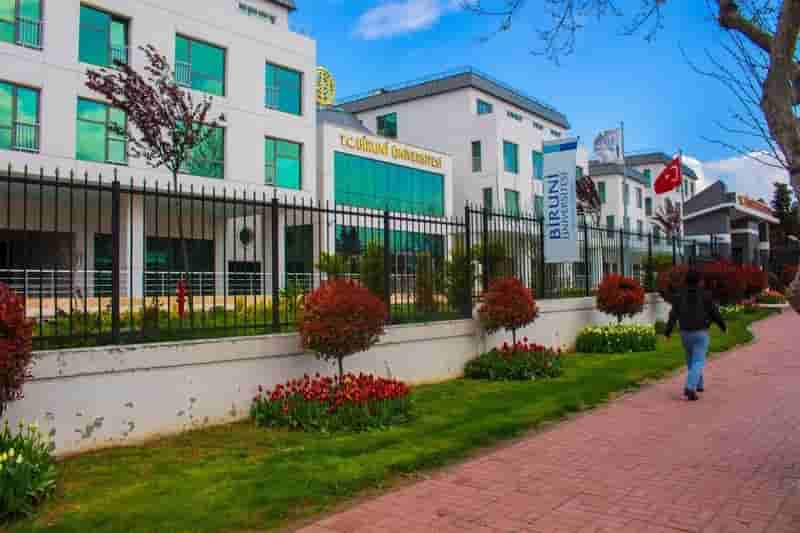 Dormitory
Istanbul, Turkey
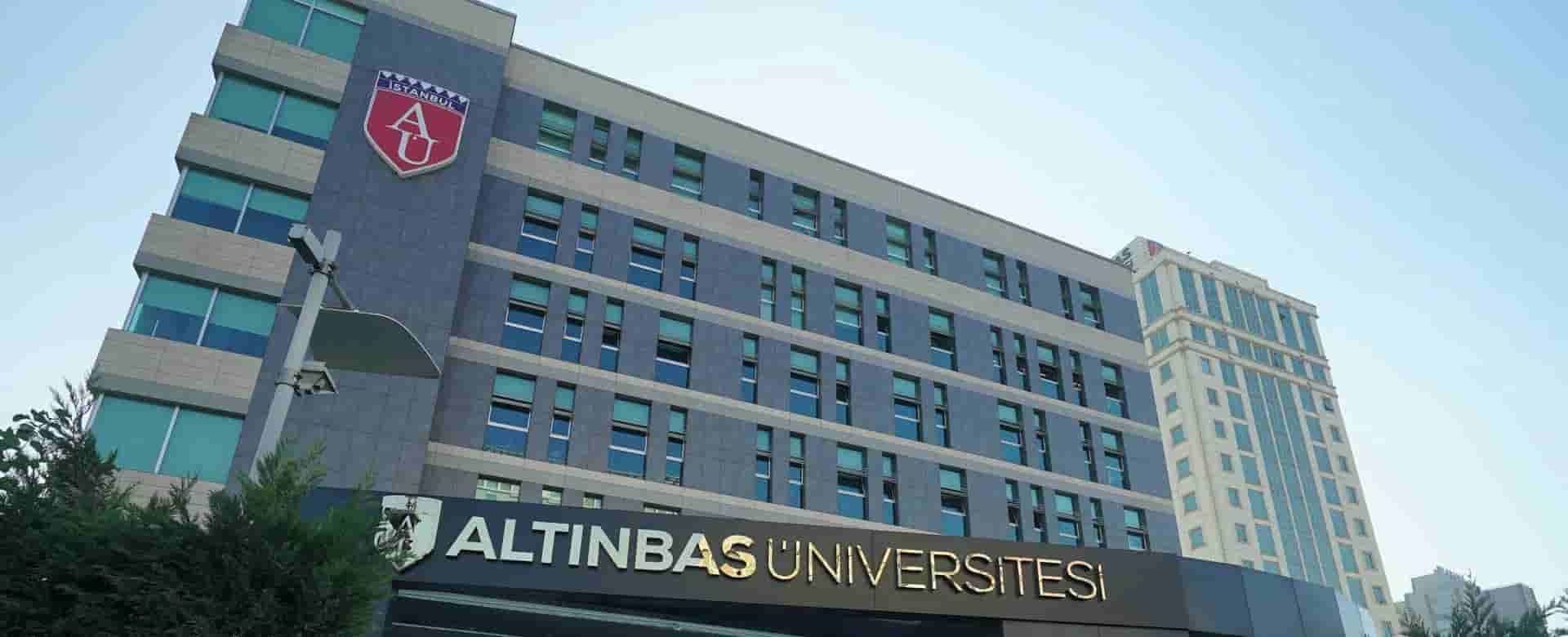 Dormitory
Istanbul, Turkey
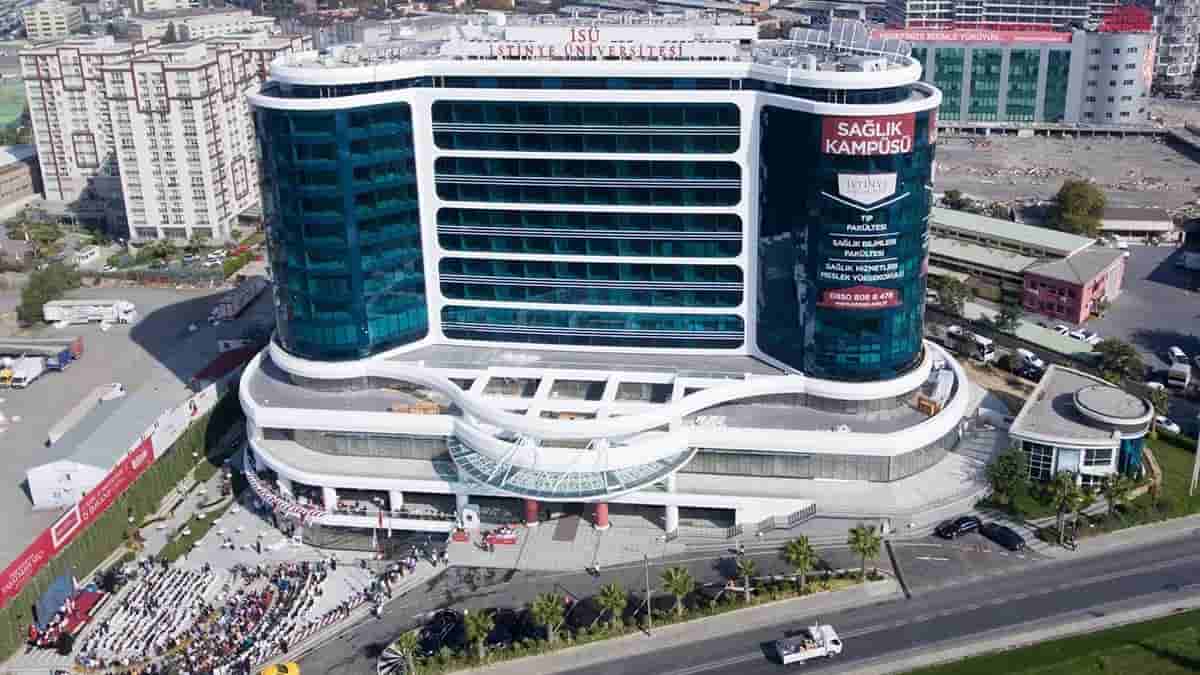 Dormitory
Istanbul, Turkey
 Dormitory
Istanbul, Turkey
 Dormitory
Istanbul, Turkey
 Dormitory
Istanbul, Turkey
 Dormitory
Istanbul, Turkey
 Dormitory
Istanbul, Turkey
 Dormitory
Istanbul, Turkey
 Dormitory
Antalya, Turkey
 Dormitory
Istanbul, Turkey
 Dormitory
Ankara, Turkey
 Dormitory
Istanbul, Turkey