
FAQs
Frequently Asked Questions and Answers

Medical education is a long term professional commitment shaped by institutional standards, clinical infrastructure, and regulatory alignment. Choosing the right country and university directly influences licensing pathways, specialization options, and long term career mobility.
Requirements for Studying Medicine in Turkey have gained attention because private universities have invested heavily in hospital integrated education models. Understanding these requirements means aligning documentation, language readiness, and academic preparation with a demanding medical faculty structure.
Admission is structured and document based
Faculty and hospital integration matter more than marketing claims
Language readiness determines academic performance
Administrative accuracy prevents delays
Long term planning is essential for medical careers
Turkey has positioned itself as a regional hub for medical education through hospital integrated faculties and internationally diverse campuses. Private institutions have invested in simulation labs, clinical partnerships, and multilingual education tracks.
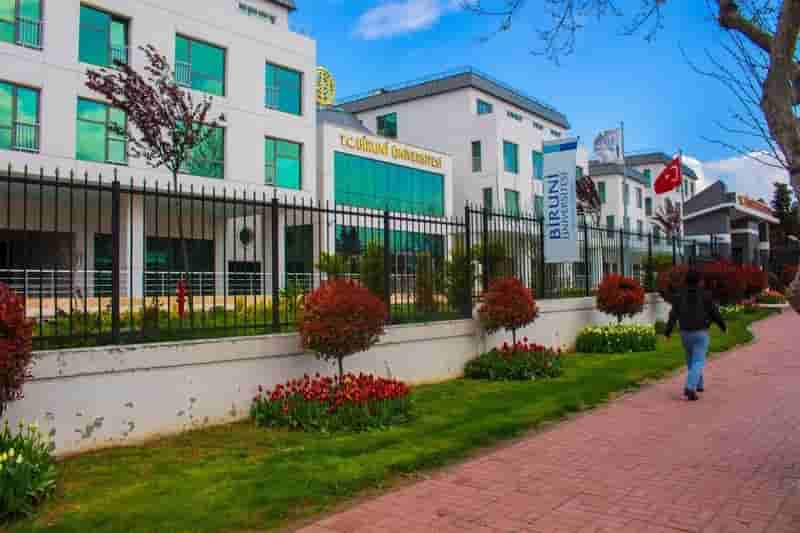
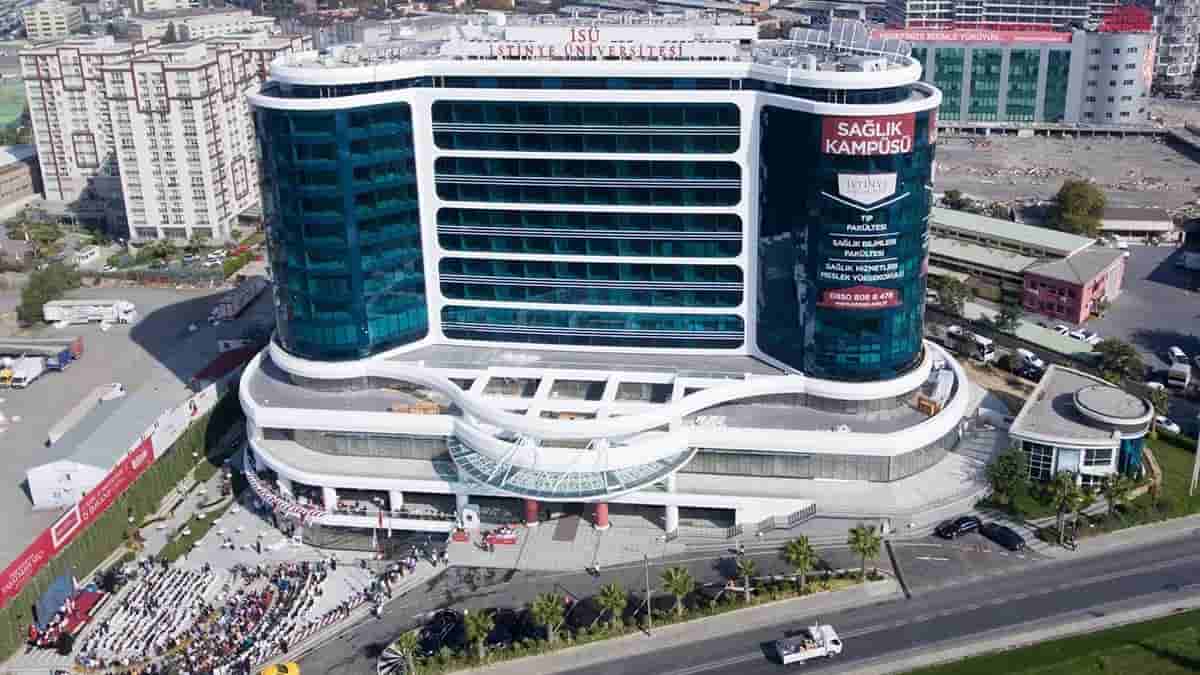
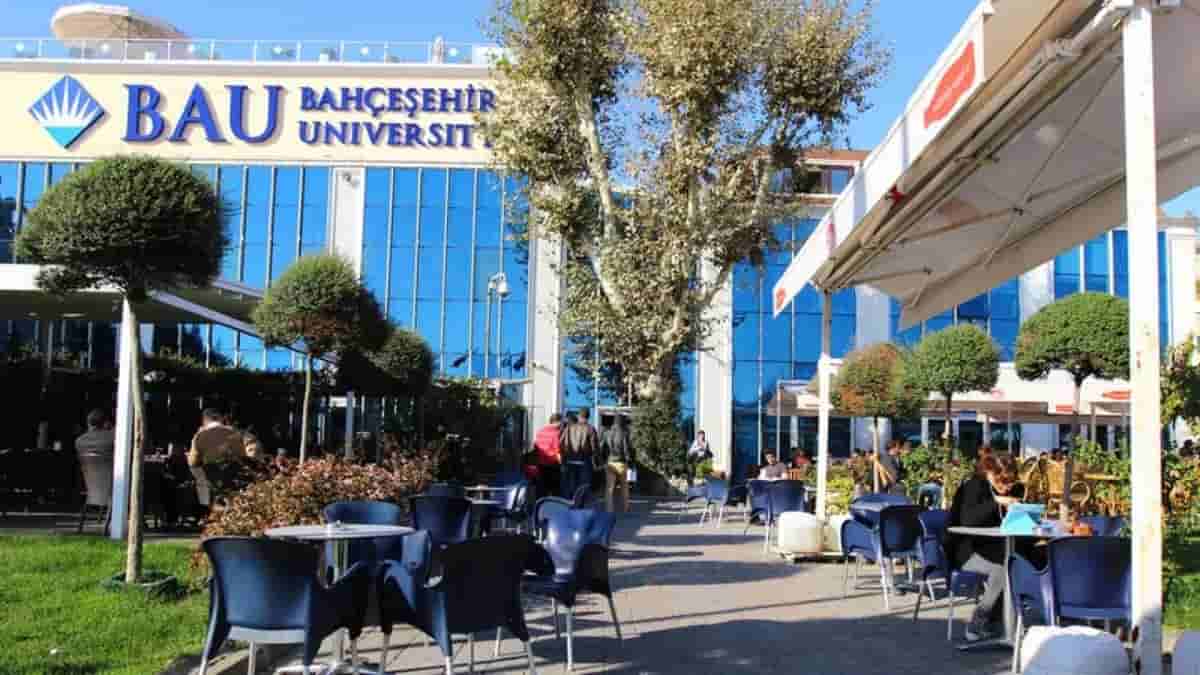
Universities such as Bahçeşehir University, Istanbul Medipol University, Biruni University, Bezmialem Vakif University, Uskudar University, and Istinye University are recognized for their medical faculties and clinical infrastructure. Institutions like Lokman Hekim University, Ankara Medipol University, and Demiroglu Bilim University focus strongly on health sciences.
Private universities in Turkey operate under national higher education regulations while maintaining institutional flexibility. This model creates consistency in documentation standards and admission procedures.
The system works because:
Requirements are clearly defined
Clinical training is embedded early
International student offices manage residency processes
Admission decisions align with faculty capacity
Compared to less standardized systems, this approach reduces ambiguity and administrative risk.
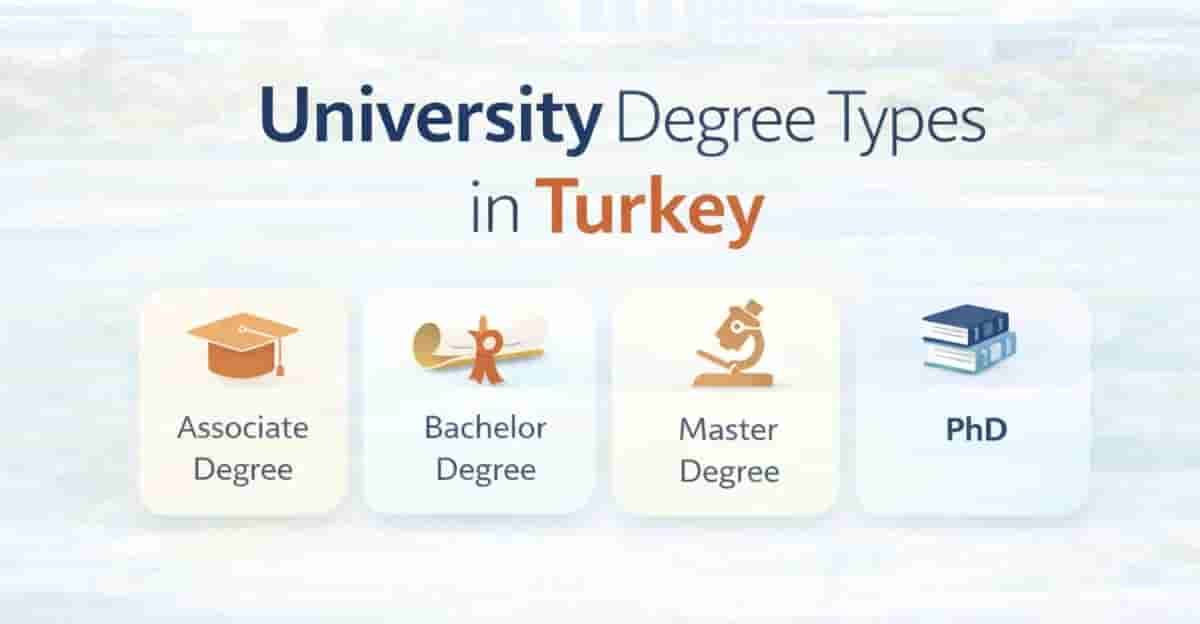
Medical programs fall under the Bachelor’s category for entry. Universities assess academic background, faculty compatibility, and documentation completeness.

Medicine is offered in Turkish or English depending on the institution. Universities such as Altinbas University, Istanbul Aydin University, and Yeditepe University provide English track options, while others emphasize Turkish instruction.
Strong language preparation is critical. Clinical communication and academic research require advanced comprehension. Students who prepare before arrival adapt faster and perform more confidently.
Living costs vary by city. Istanbul generally requires a higher monthly budget than Ankara or Antalya.
Students should plan for:
Accommodation
Food and transport
Health insurance and residency permits
Personal expenses
Underestimating living costs can create unnecessary financial pressure during an already demanding academic program.

Medical education is academically intensive. Laboratory work, clinical exposure, and theoretical study run simultaneously.
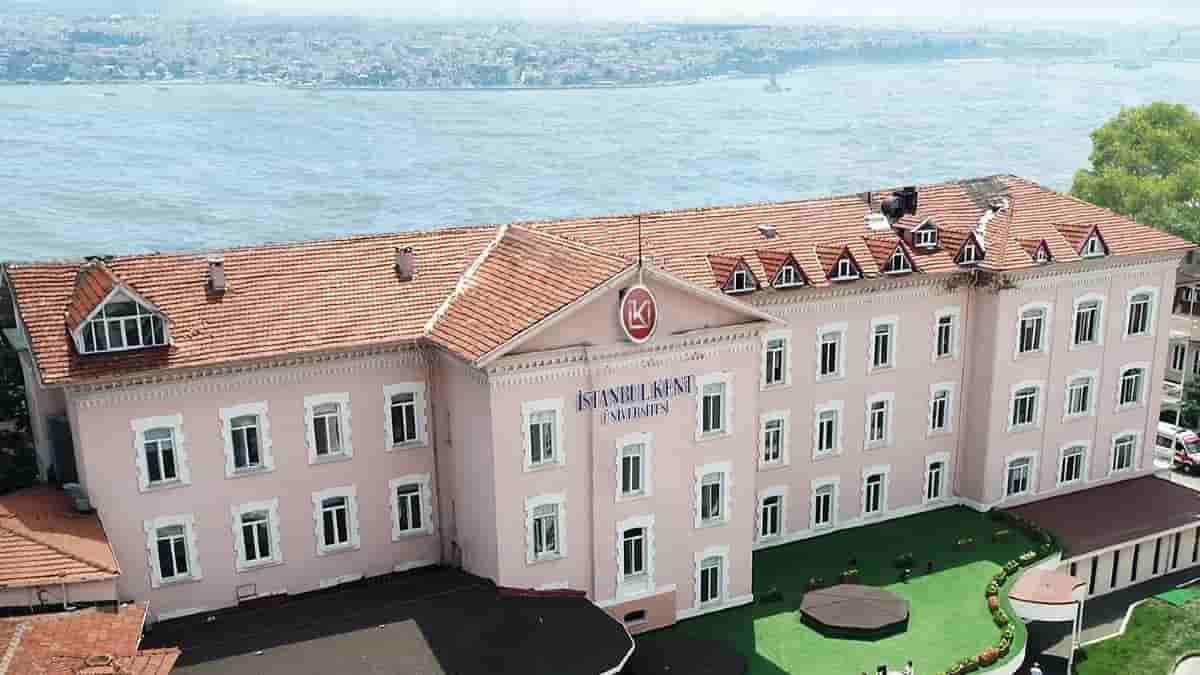
Universities such as Fenerbahce University, Istanbul Kent University, and Halic University provide structured campus environments that support student integration.
Adaptation challenges often include time management and language adjustment. Students who engage early in orientation activities integrate more smoothly.
Graduates from accredited private medical faculties can pursue clinical practice, specialization pathways, or research careers depending on long term plans.
Hospital affiliations during study years help build professional networks. Career outcomes depend largely on clinical exposure quality and language competence.
Choosing Based Only on Cost
Cost should not outweigh faculty strength and hospital infrastructure.
Ignoring Language or Academic Readiness
Insufficient preparation leads to academic stress and slower adaptation.
Relying on Unofficial Sources
Unverified information may cause incorrect submissions.
Missing Deadlines Medical faculties operate on fixed intake cycles.
Underestimating Living Expenses
Poor budgeting impacts academic focus.
The application channel matters as much as the university choice. Individual direct applications can lead to documentation errors or communication gaps.
Using StudyLeo provides:
Free transfer support
Free registration
Free visa support
Direct partnerships with private universities
A structured platform reduces administrative risk and improves coordination efficiency.

Phase 1: Research
Shortlist private universities with strong medical faculties.
Phase 2: Document Collection
Prepare certified academic and identity documents.
Phase 3: Application Submission
Submit complete documentation within official deadlines.
Phase 4: Admission Confirmation
Review acceptance details and finalize enrollment.
Phase 5: Relocation Planning
Arrange visa, accommodation, and financial preparation.
The medical field is competitive and structurally demanding. Admission requirements in Turkey are designed to maintain faculty standards and documentation integrity.
Requirements for Studying Medicine in Turkey function as a structured entry filter. Students who plan early, prepare thoroughly, and approach the process strategically reduce uncertainty and strengthen their academic trajectory.
If you want the process to stay clean and predictable, the safest approach is to work through StudyLeo. It helps you choose the right private medical faculty, prepares your file correctly, and coordinates the steps that usually cause delays, with free registration, free transfer support, and free visa support through direct university partnerships. When the goal is medicine, reducing preventable mistakes is not optional, it is part of smart planning.
Frequently Asked Questions and Answers
Look out blogs and aware of the latest trends and updates
Explore top universities offering quality education, modern facilities, and diverse academic opportunities for students worldwide




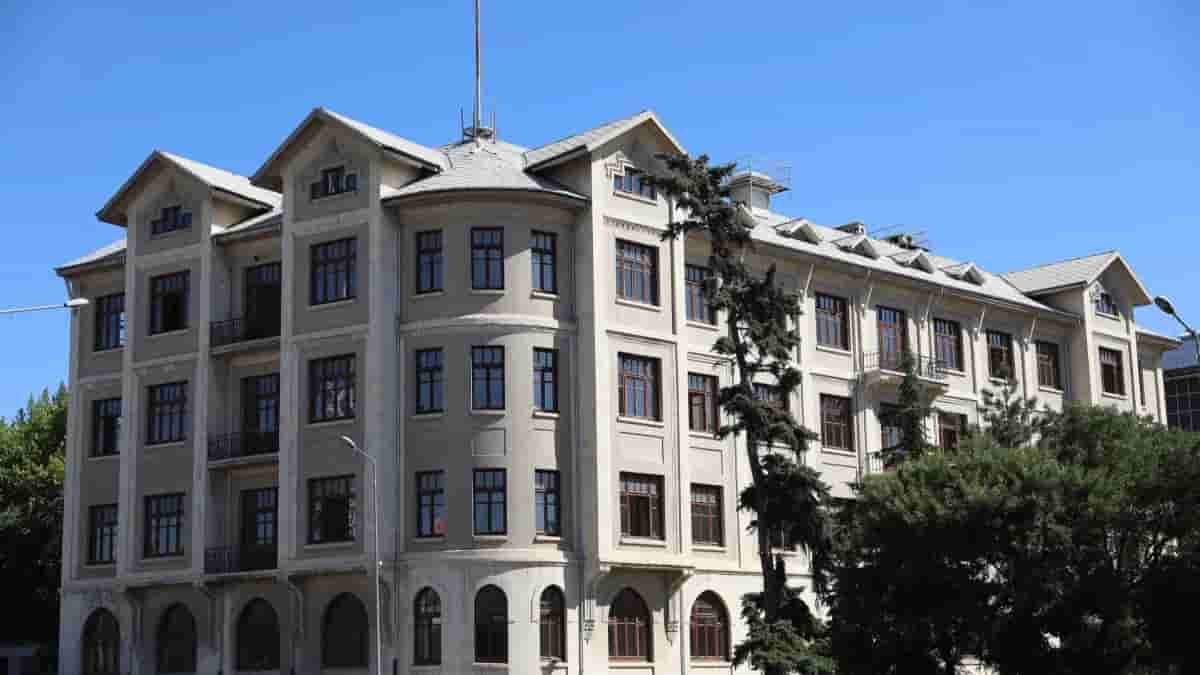 Dormitory
Ankara, Turkey
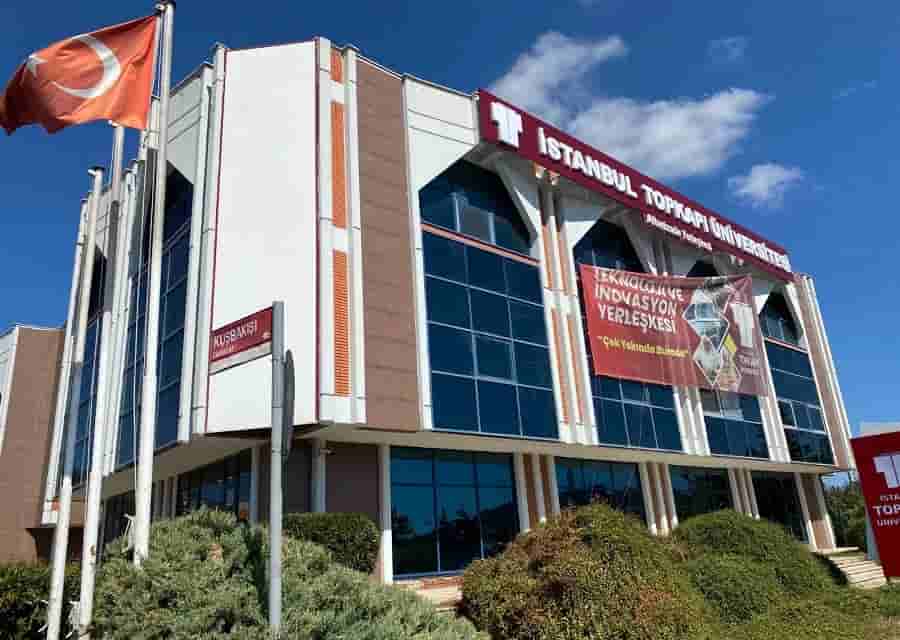 Dormitory
Istanbul, Turkey
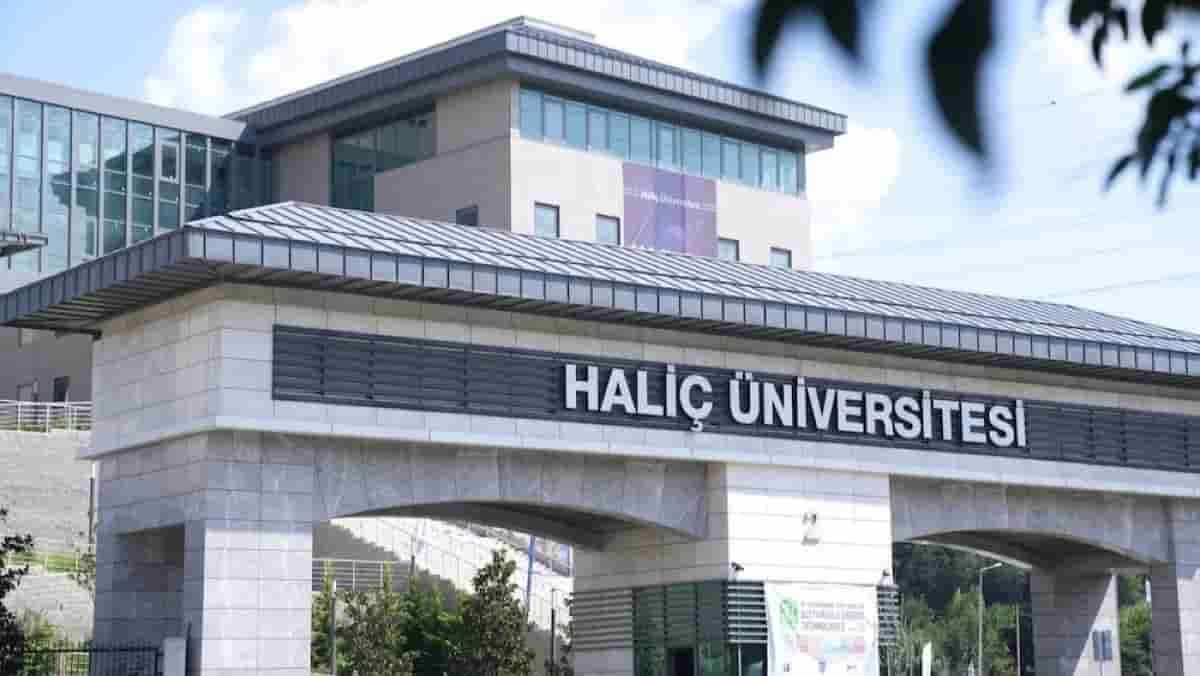 Dormitory
Istanbul, Turkey
 Dormitory
Istanbul, Turkey
 Dormitory
Istanbul, Turkey
 Dormitory
Istanbul, Turkey
 Dormitory
Istanbul, Turkey
 Dormitory
Istanbul, Turkey
 Dormitory
Istanbul, Turkey
 Dormitory
Istanbul, Turkey
 Dormitory
Istanbul, Turkey
 Dormitory
Istanbul, Turkey
 Dormitory
Istanbul, Turkey
 Dormitory
Istanbul, Turkey
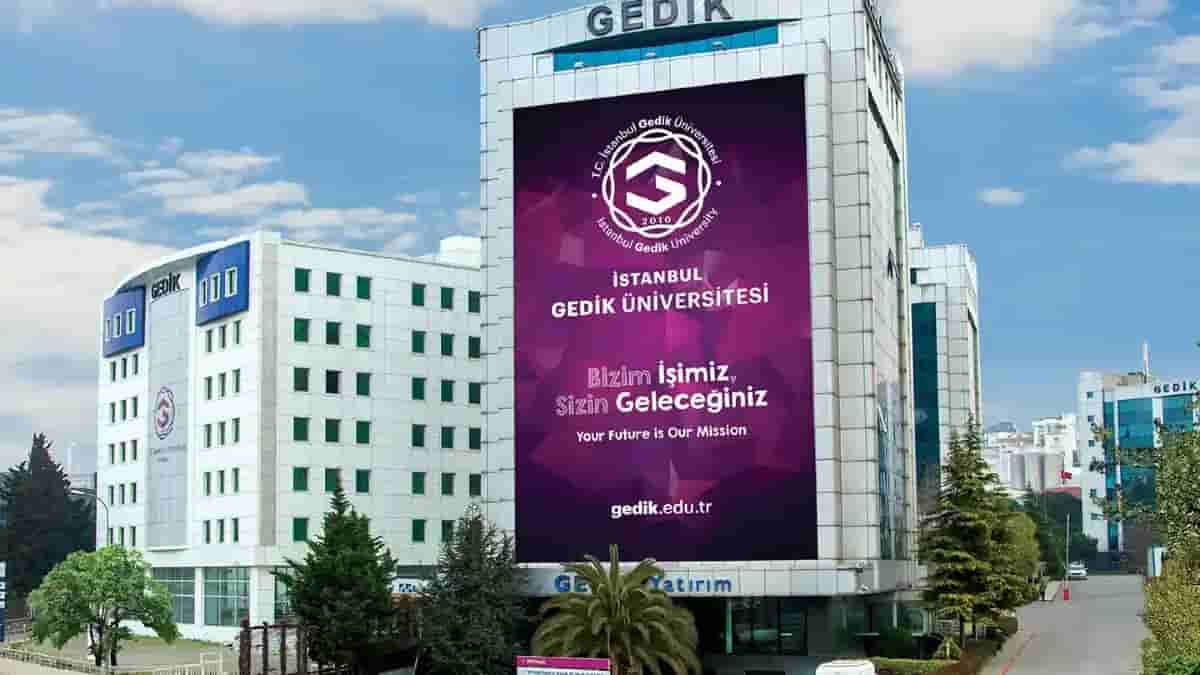 Dormitory
Istanbul, Turkey
 Dormitory
Istanbul, Turkey
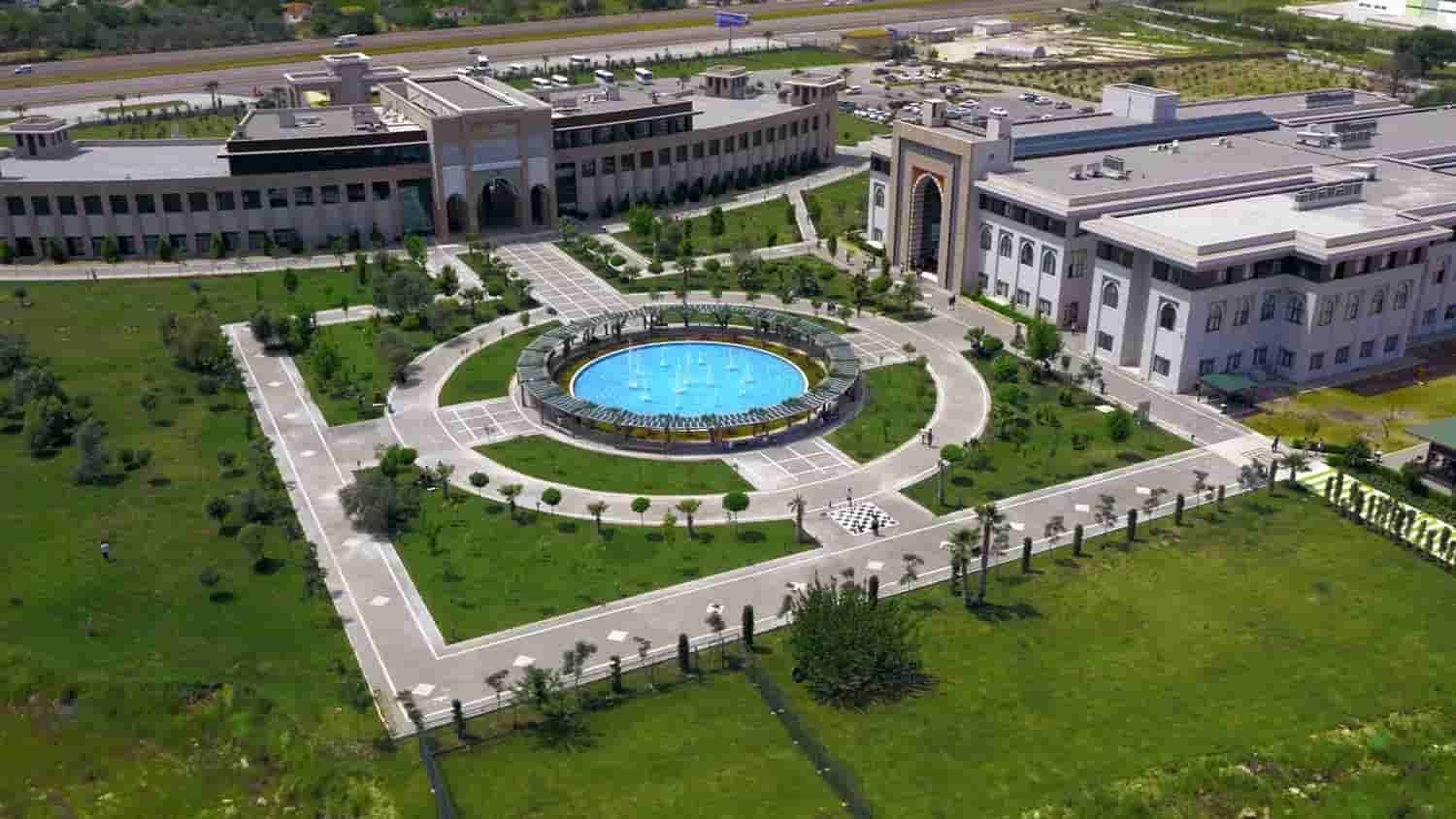 Dormitory
Antalya, Turkey
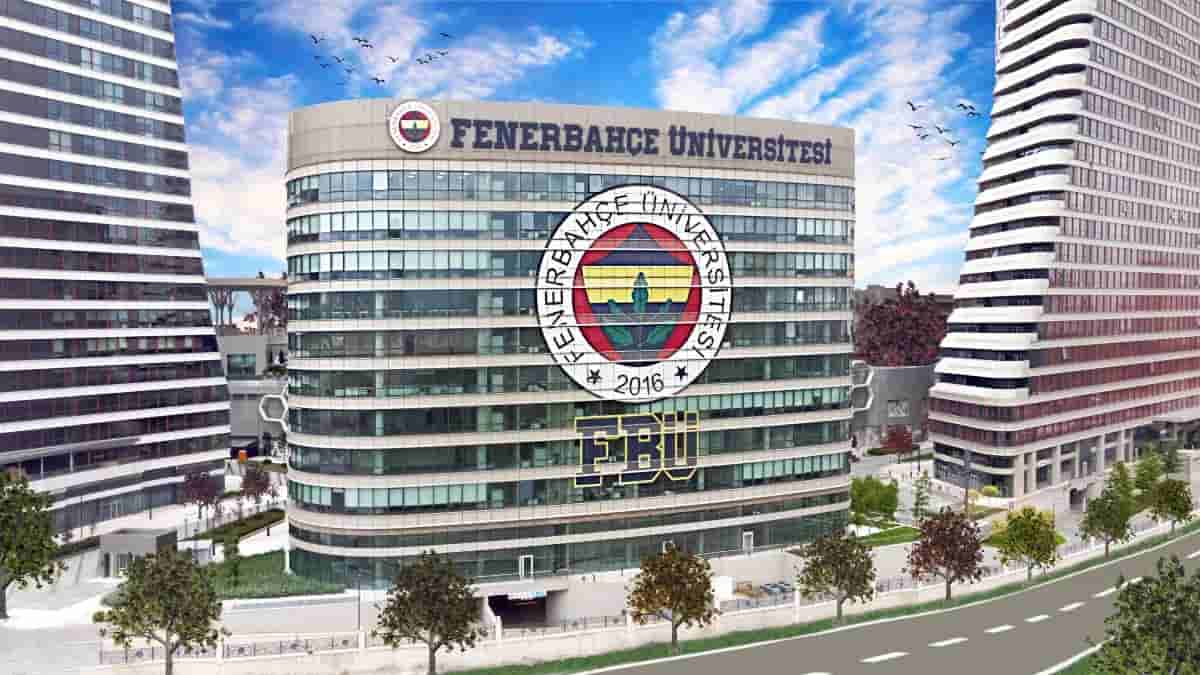 Dormitory
Istanbul, Turkey
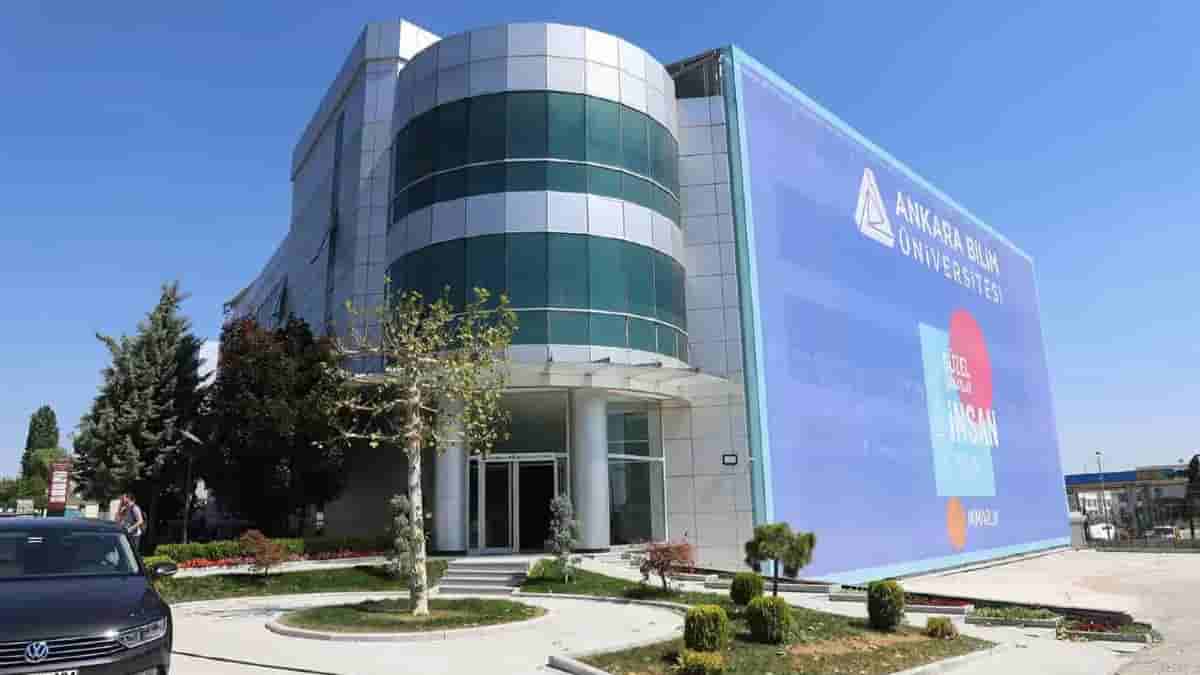 Dormitory
Ankara, Turkey
 Dormitory
Istanbul, Turkey