FAQs
Frequently Asked Questions and Answers

Theology major in Turkey is increasingly viewed as a strategic education choice rather than a cultural or travel experience. Students and families often encounter fragmented information, unclear admission pathways, and inconsistent guidance when researching this field. Without structured direction, it becomes difficult to assess academic standards, language expectations, and long term outcomes.
Theology programs in Turkey are academically structured and aligned with national higher education standards.
Tuition fees are generally moderate compared to Western Europe and North America.
Graduates can pursue careers in education, research, counseling, and religious institutions.
Clear documentation requirements simplify eligibility evaluation.
Proper language preparation directly influences academic performance and graduation outcomes.

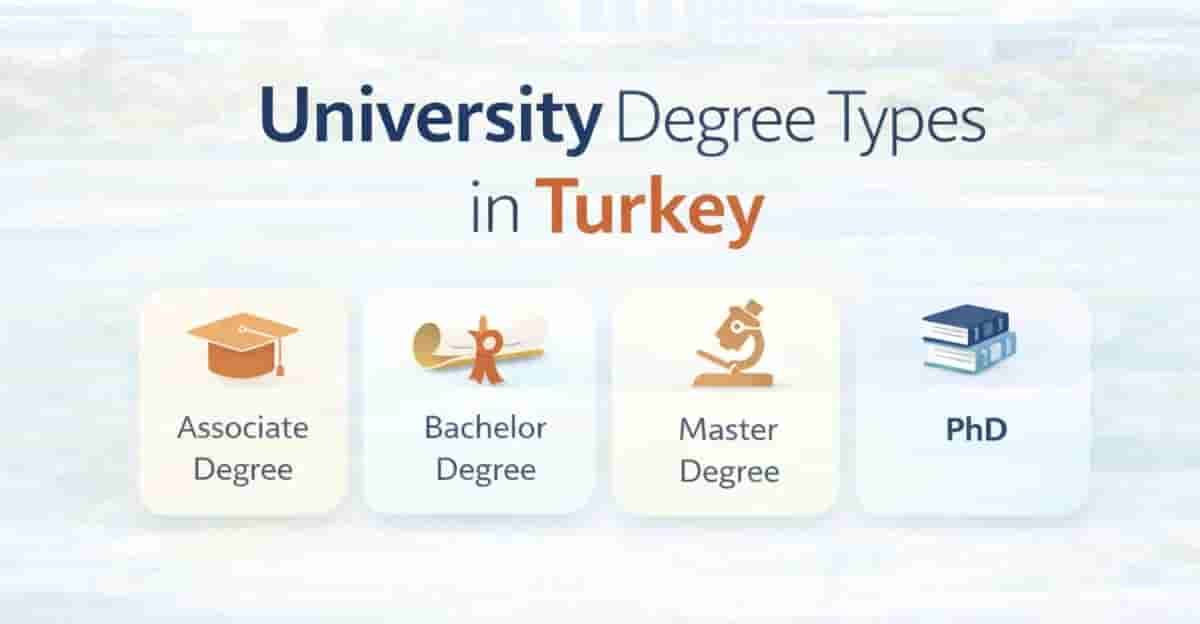
Theology programs operate under the national higher education framework regulated by the Council of Higher Education. Degrees are offered at associate, bachelor’s, master’s, and PhD levels with defined academic progression.
Bachelor’s programs typically span four years and include Quranic studies, Islamic jurisprudence, theology, philosophy of religion, and comparative religion. Graduate programs emphasize research methodology, specialization, and academic writing.
Turkey holds a historically significant position in Islamic scholarship, bridging classical traditions with contemporary academic frameworks. This combination attracts students seeking structured religious education within a modern university environment.
Theology in Turkey suits students committed to structured religious scholarship, academic discipline, and long term engagement with theological studies. It benefits those aiming for careers in education, religious leadership, counseling, or research.
It may not suit students seeking purely cultural exposure without academic rigor. Theology programs demand strong reading comprehension, analytical thinking, and sustained engagement with classical and modern texts.
Several institutions offer programs in theology, Islamic studies, or related social sciences. Universities such as İbn Haldun University, Fatih Sultan Mehmet Vakıf University, İstanbul Sabahattin Zaim University, and İstanbul 29 Mayıs University are recognized for their focus on religious and social sciences.
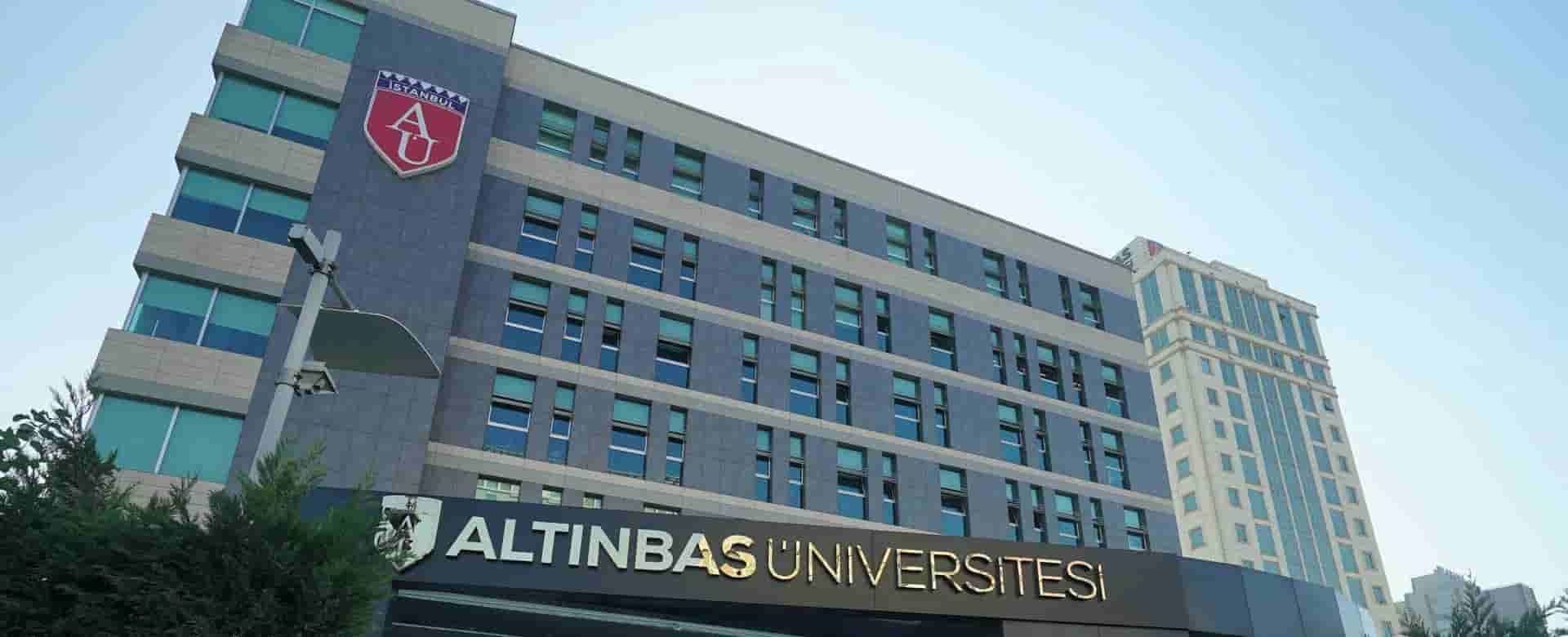
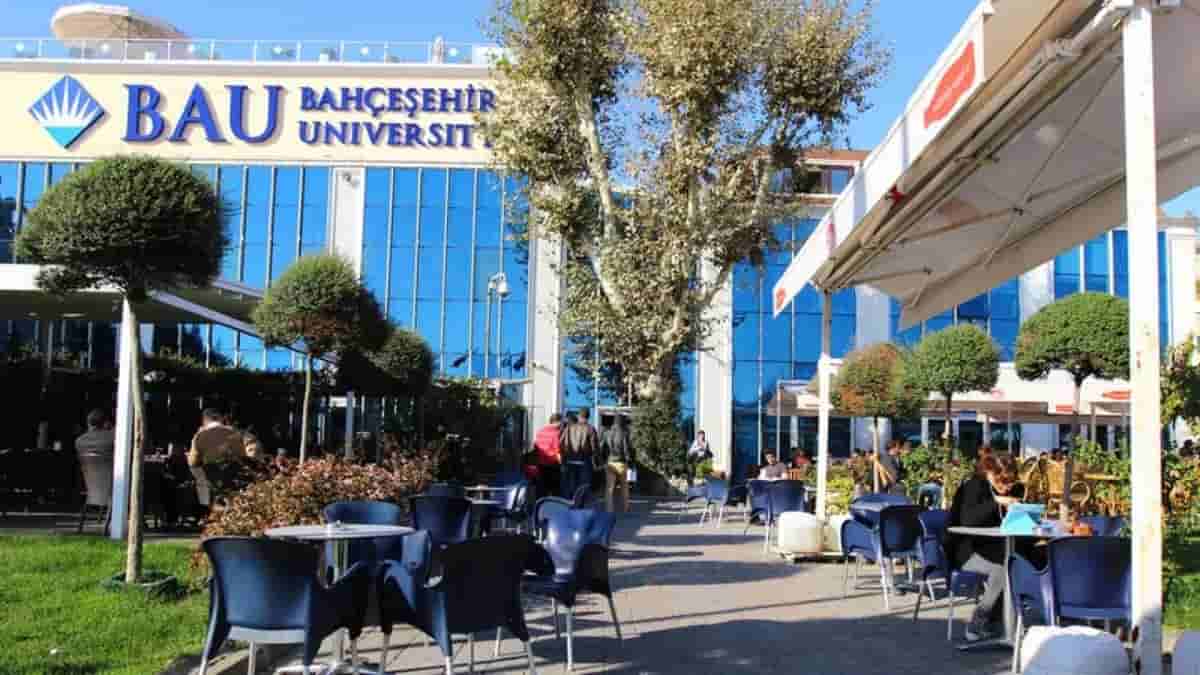
Other institutions including İstanbul Medipol University, Üsküdar University, Altınbaş University, and Bahçeşehir University offer interdisciplinary environments where theology connects with psychology, sociology, and education.
Many theology programs are delivered in Turkish, although some institutions provide partial English instruction. Students must realistically assess their proficiency before enrollment.
Language preparation should not be underestimated. Theology involves extensive textual analysis, classical terminology, and academic writing. Insufficient language skills significantly increase academic pressure.
Admission is document based and transparent. Students must present the required academic certificates corresponding to their intended degree level.
Below is a structured overview of required documents:

Tuition fees for theology programs generally range between 3,000 and 8,000 USD per year depending on the institution and degree level. Graduate programs may vary slightly based on specialization.
Living costs in cities such as Istanbul or Ankara typically range from 400 to 800 USD per month, including accommodation, transportation, and daily expenses. Budget planning should include residence permits and health insurance.
University campuses offer structured academic environments with access to libraries, research centers, and student clubs. Theology students often benefit from discussion groups and academic seminars.
Accommodation options include university dormitories and private housing. Cultural adaptation is generally smooth for students from Muslim majority countries, though academic expectations remain rigorous.

Graduates pursue careers in religious education, community leadership, academic research, counseling, and public service. Some continue with doctoral studies to enter academia.
Turkey allows international graduates to explore employment pathways within legal regulations. Career planning should begin during undergraduate years through internships and research involvement.
Choosing based only on cost can lead to academic mismatch. Students must evaluate curriculum depth and faculty specialization rather than focusing exclusively on lower tuition.
Ignoring language readiness creates avoidable academic stress. Strong linguistic preparation directly influences comprehension of theological texts.
Relying on unofficial sources often results in misinformation about requirements and timelines. Students should seek structured guidance from reliable platforms.
Missing deadlines delays enrollment cycles. Application timelines should be monitored carefully to avoid postponement.
Underestimating living expenses creates financial strain.
A realistic monthly budget must be calculated before arrival. Instead of navigating multiple university portals independently, students are advised to apply through the StudyLeo platform. StudyLeo offers free registration, free transfer support, and free visa assistance. Through direct partnerships with institutions, StudyLeo ensures structured application management without service fees.

Step one involves structured research on curriculum content and language of instruction. Students must align academic goals with program outcomes.
Step two focuses on document preparation. Diplomas, transcripts, passport copies, and photographs should be organized early to prevent last minute issues.
Step three includes financial planning and housing research. Students should calculate tuition obligations and monthly living expenses realistically.
Step four is submitting the application through StudyLeo, followed by admission confirmation and visa preparation. Early action increases placement flexibility.
Studying theology abroad is a long term academic commitment. It requires intellectual maturity, disciplined preparation, and financial planning. Turkey presents a strategic option when matched with the right student profile and structured guidance.
When decisions are made based on verified information and realistic expectations, theology major in Turkey becomes a stable academic pathway rather than an uncertain move. With proper preparation and professional support, students can build a meaningful educational foundation that supports long term academic and professional growth.
Frequently Asked Questions and Answers
Look out blogs and aware of the latest trends and updates
Explore top universities offering quality education, modern facilities, and diverse academic opportunities for students worldwide




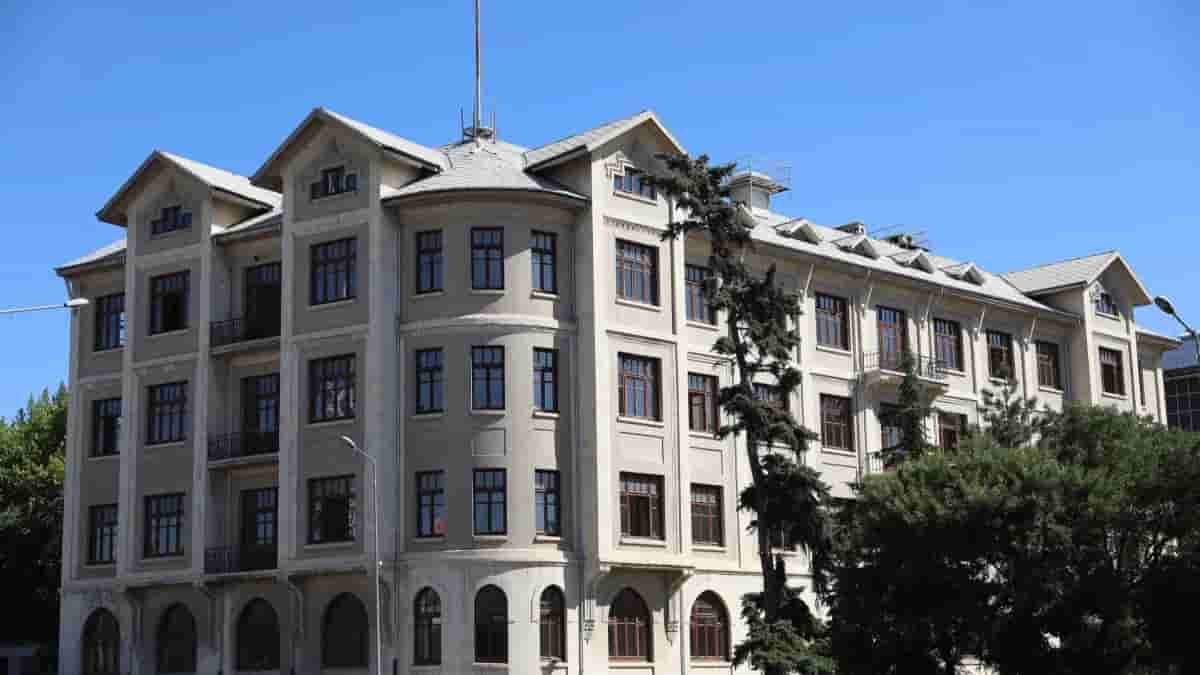 Dormitory
Ankara, Turkey
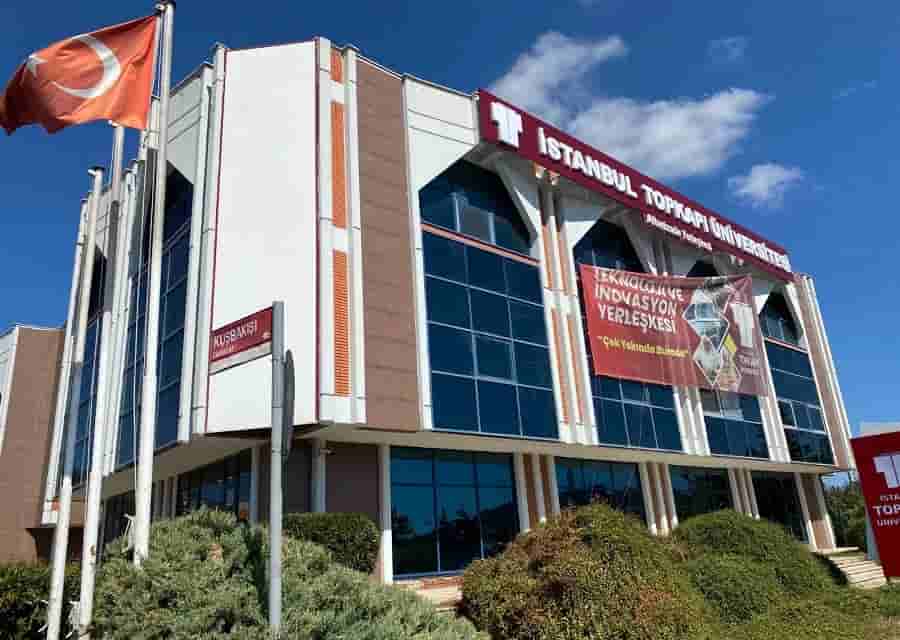 Dormitory
Istanbul, Turkey
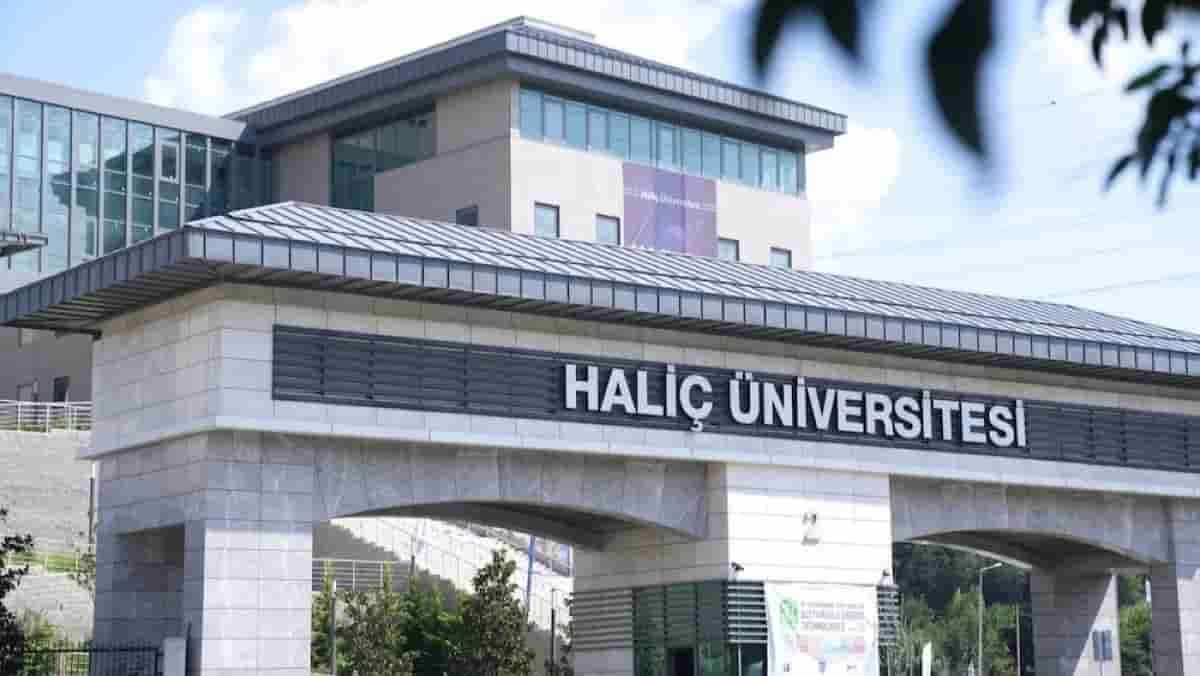 Dormitory
Istanbul, Turkey
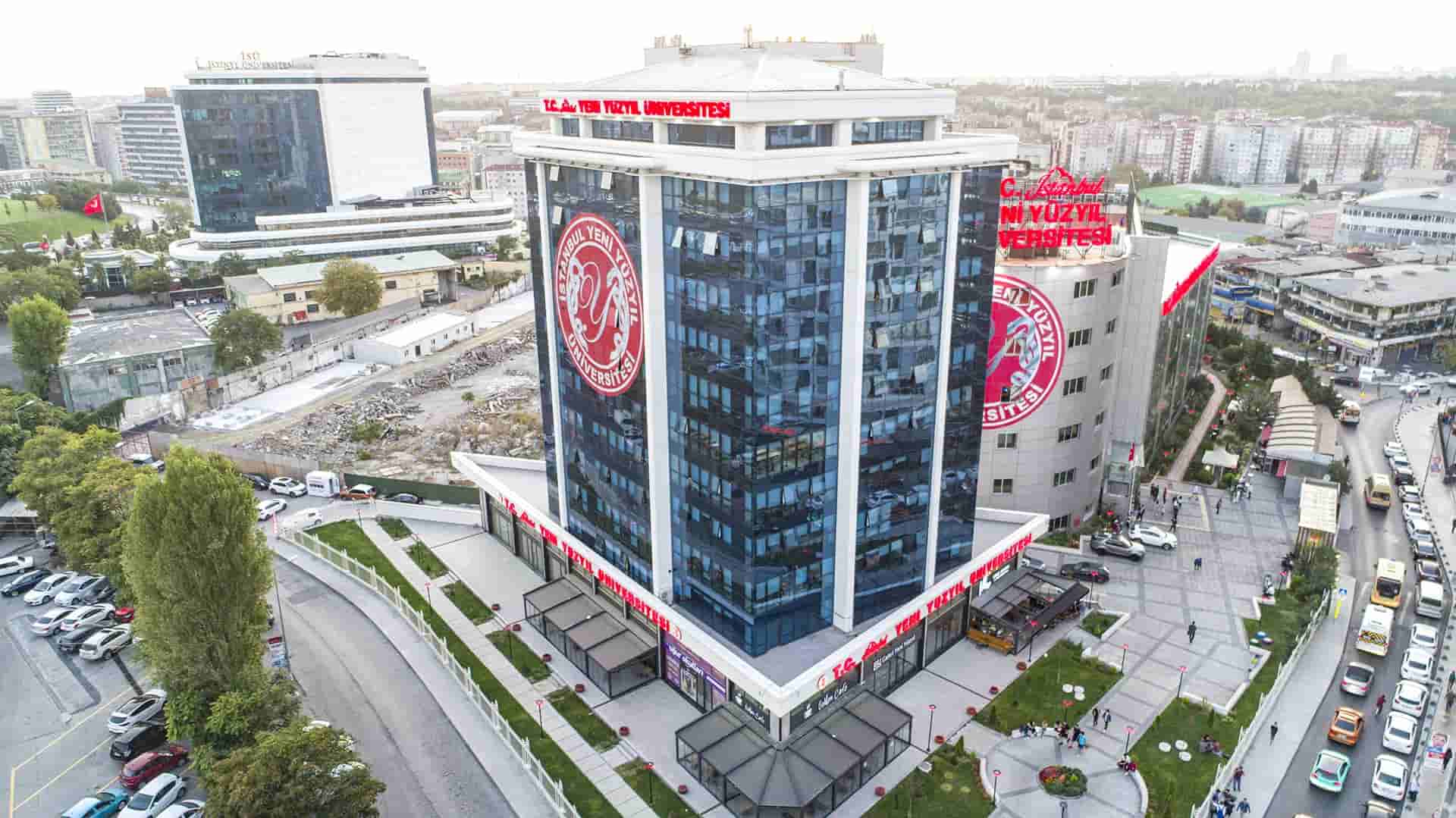 Dormitory
Istanbul, Turkey
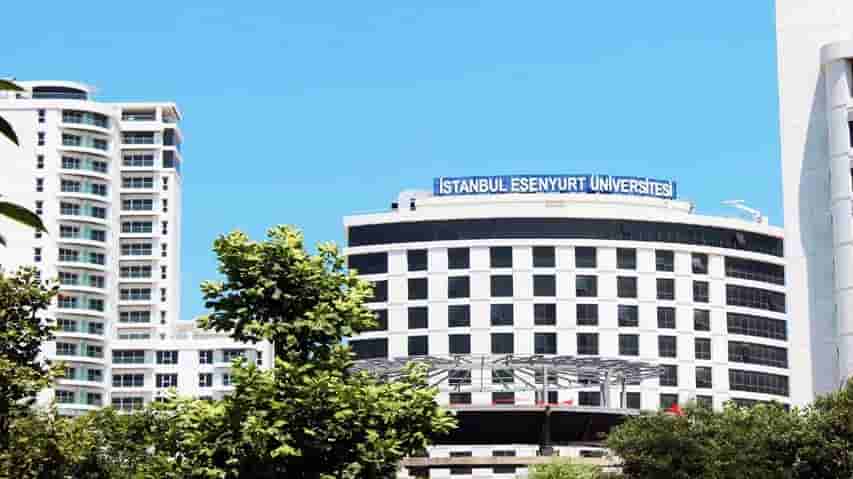 Dormitory
Istanbul, Turkey
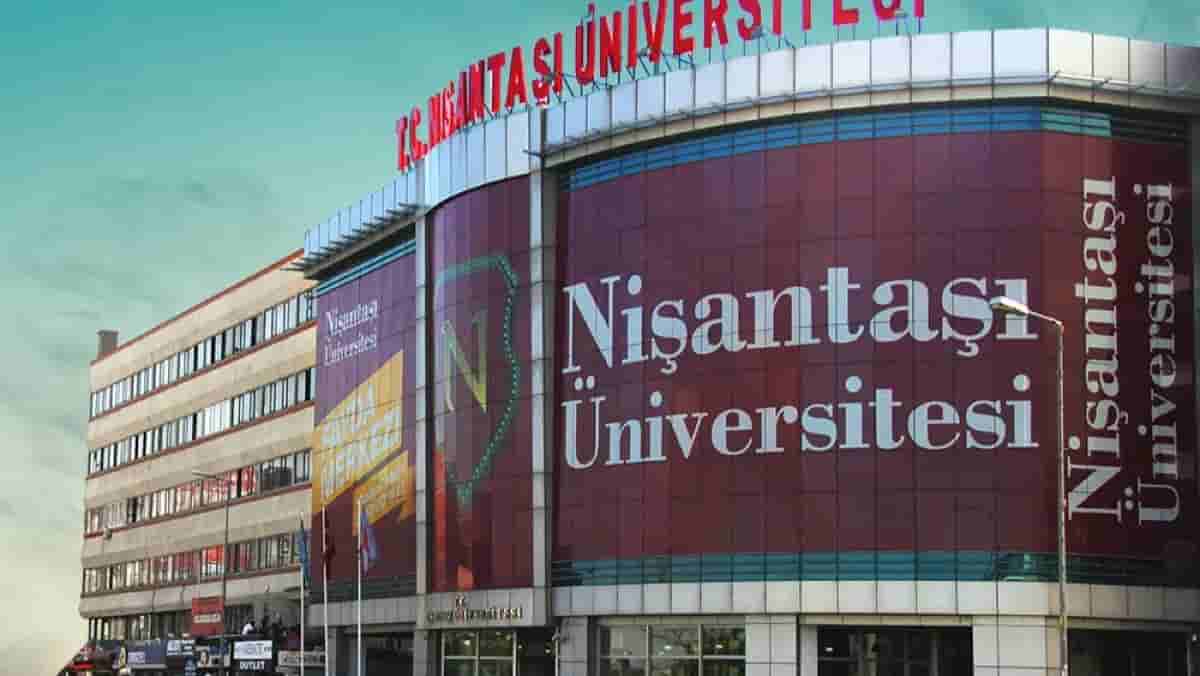 Dormitory
Istanbul, Turkey
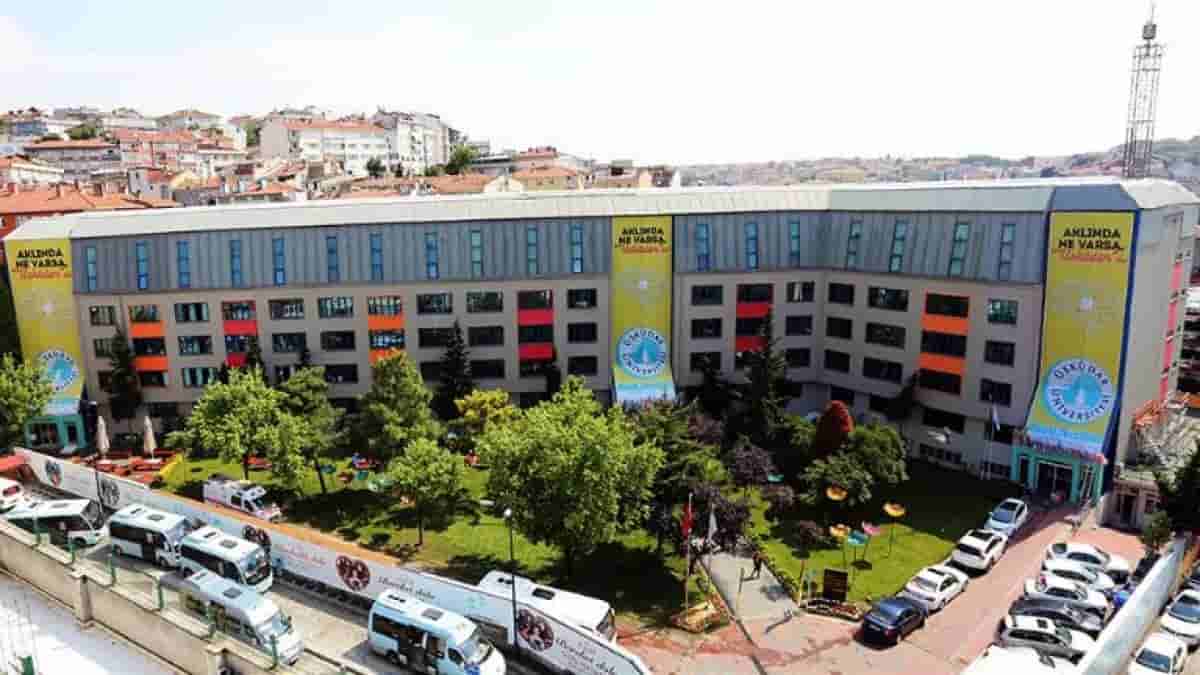 Dormitory
Istanbul, Turkey
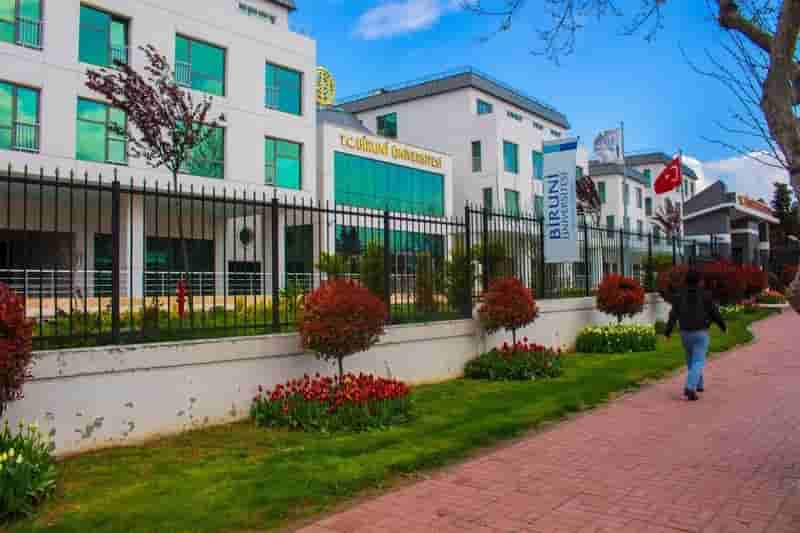 Dormitory
Istanbul, Turkey
 Dormitory
Istanbul, Turkey
 Dormitory
Istanbul, Turkey
 Dormitory
Istanbul, Turkey
 Dormitory
Istanbul, Turkey
 Dormitory
Istanbul, Turkey
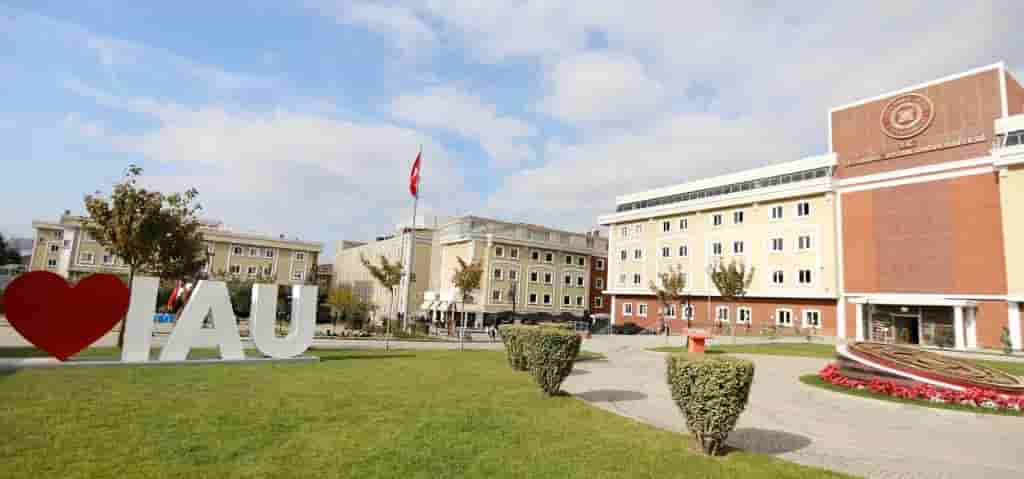 Dormitory
Istanbul, Turkey
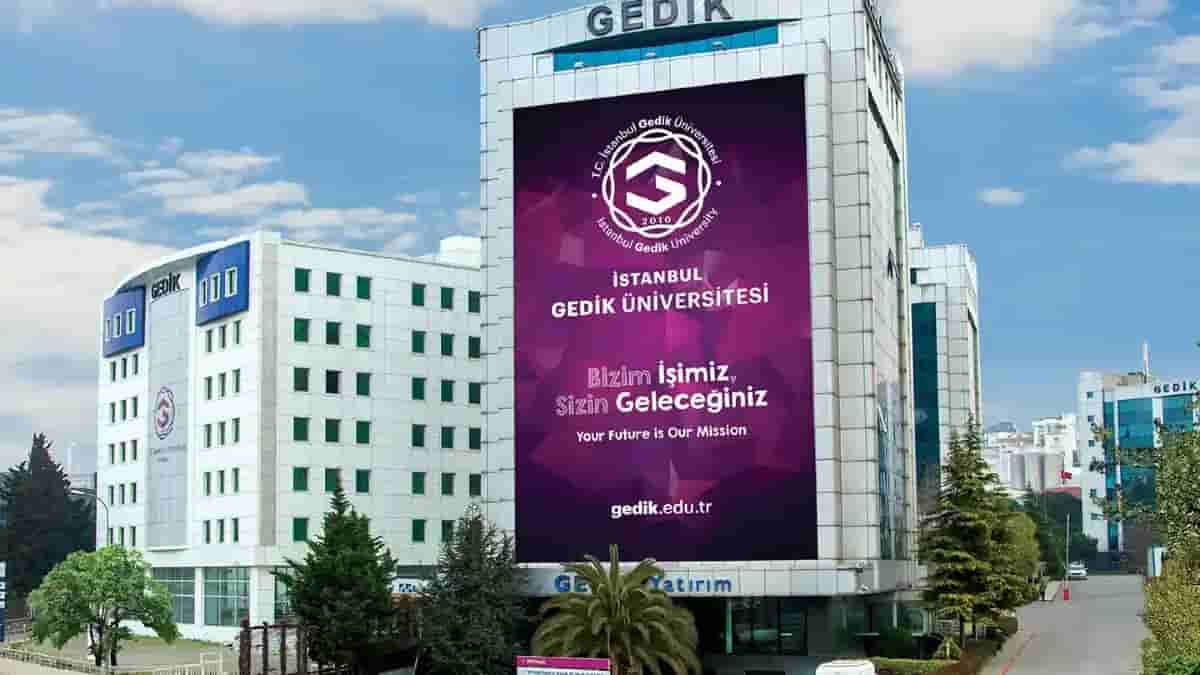 Dormitory
Istanbul, Turkey
 Dormitory
Istanbul, Turkey
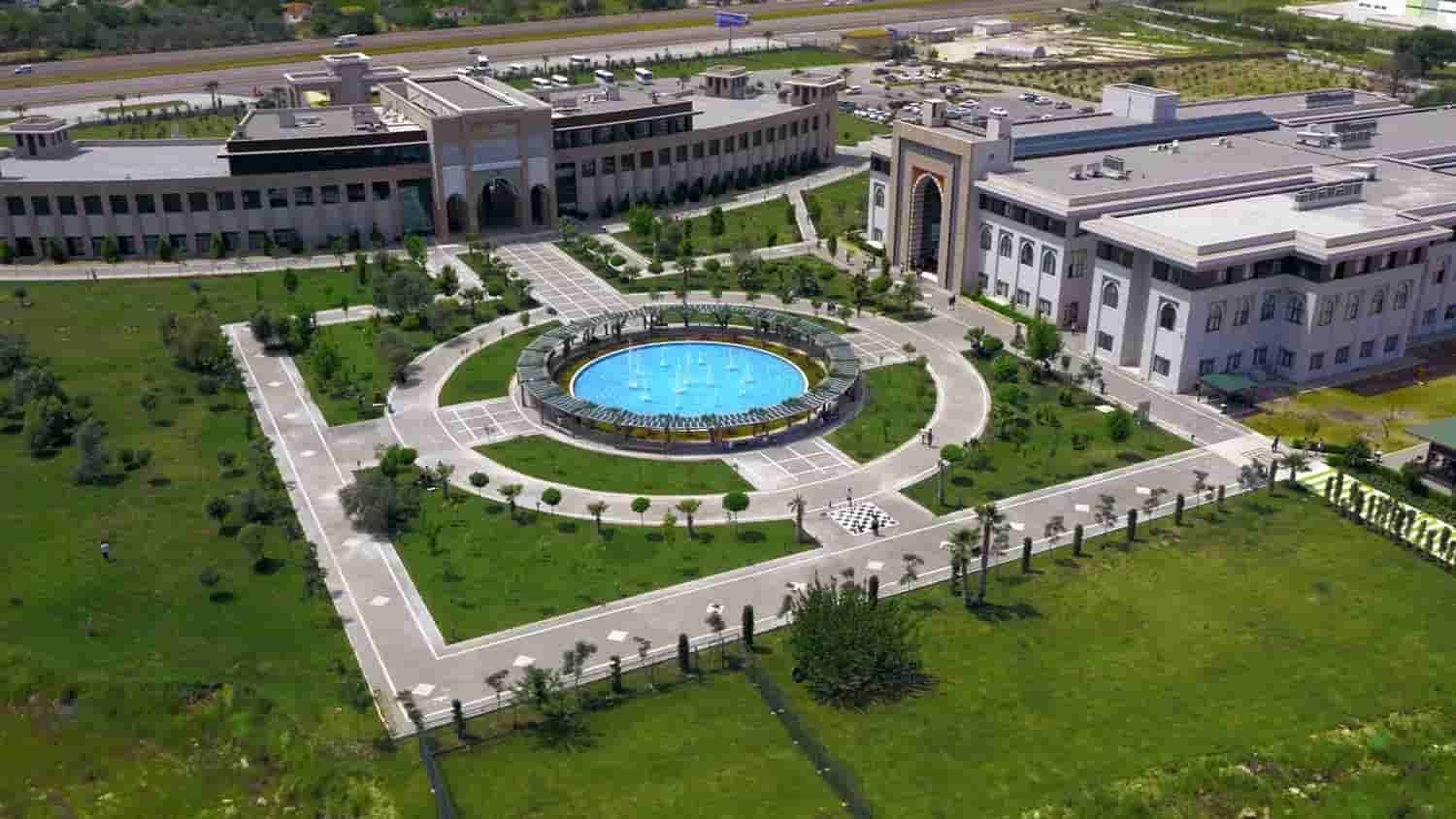 Dormitory
Antalya, Turkey
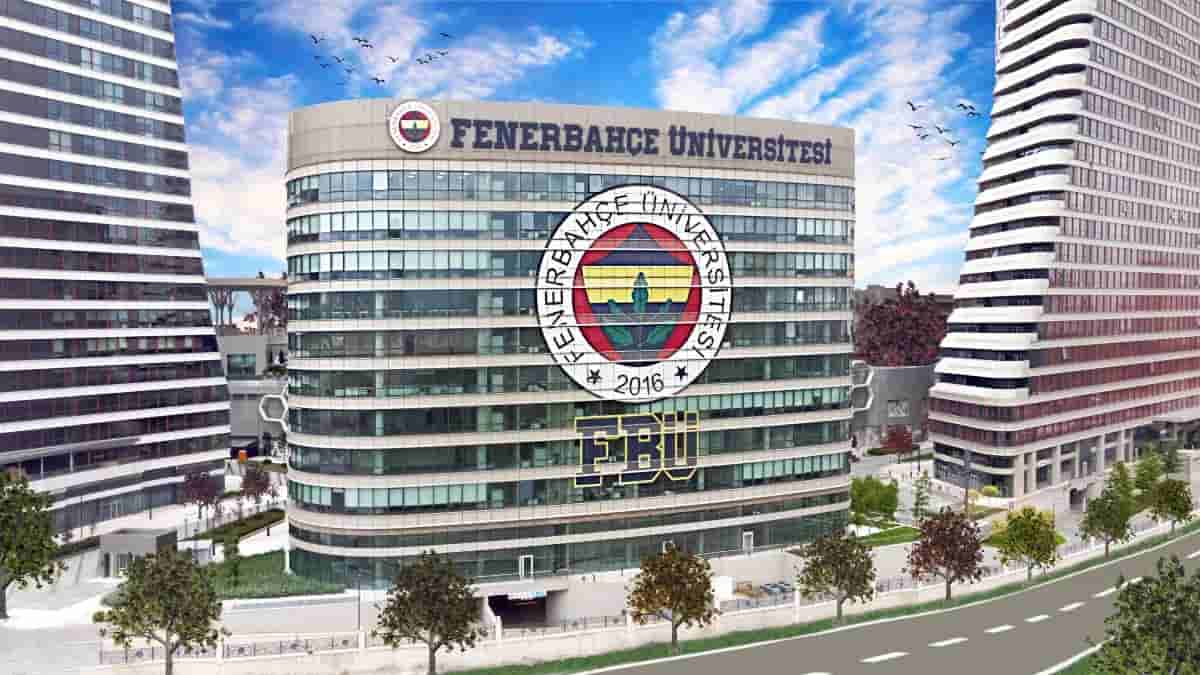 Dormitory
Istanbul, Turkey
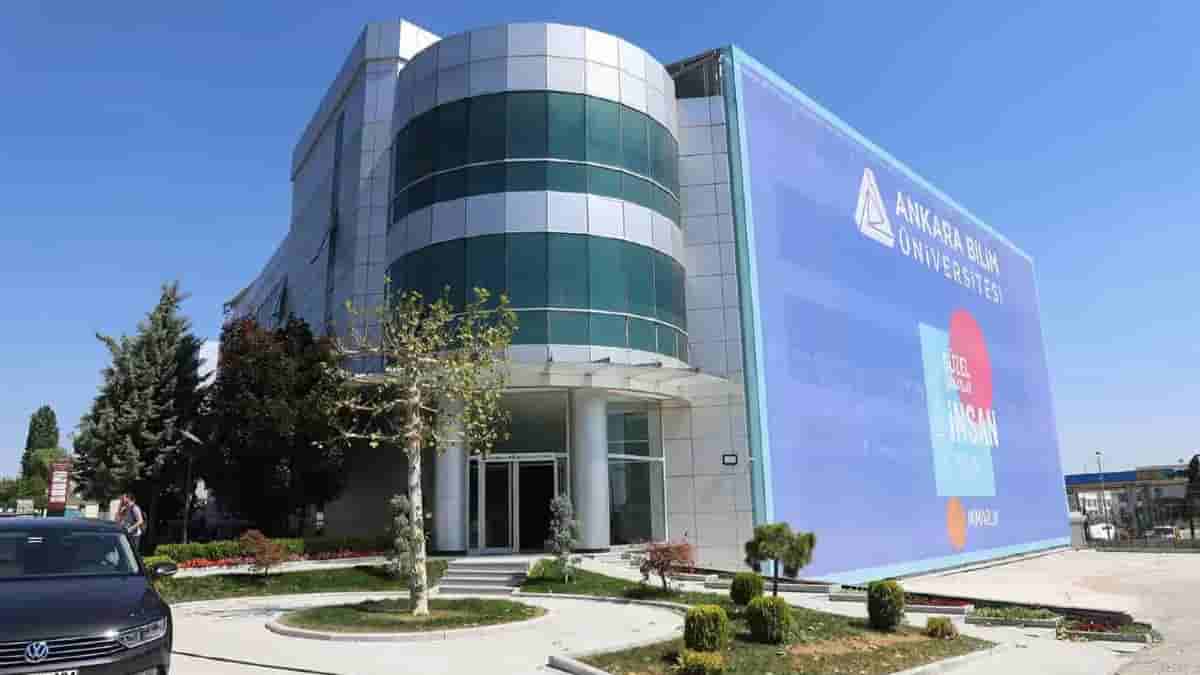 Dormitory
Ankara, Turkey
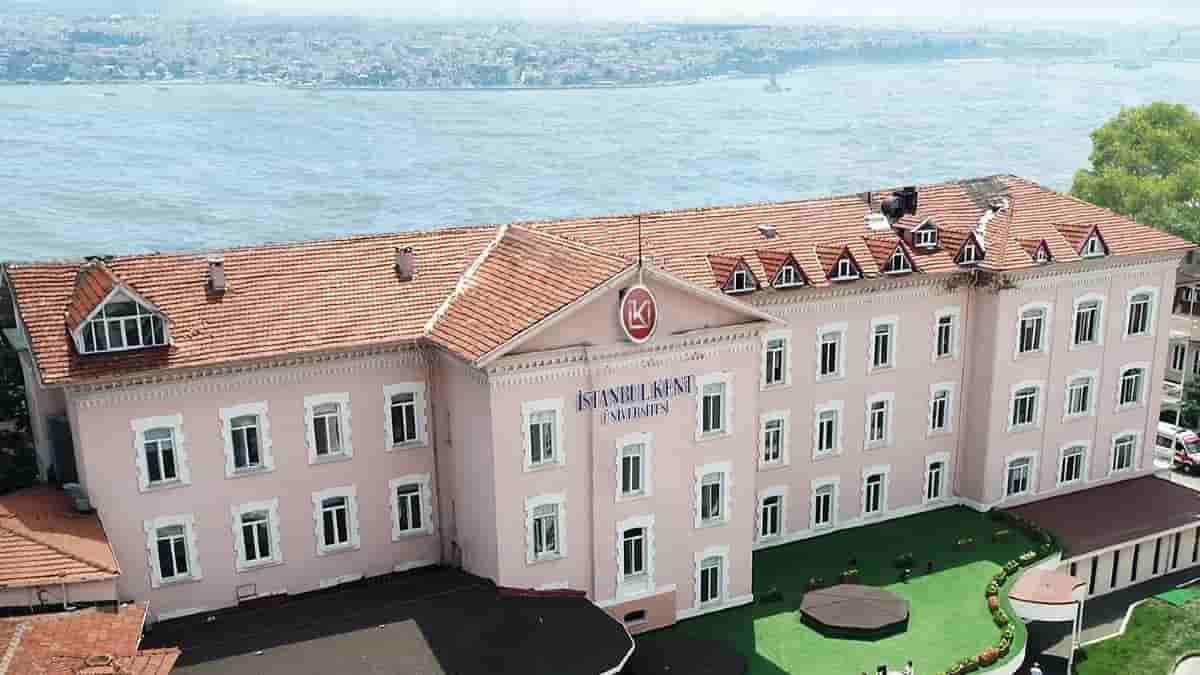 Dormitory
Istanbul, Turkey