FAQs
Frequently Asked Questions and Answers

Studying in Turkey is a career focused education choice that requires clear planning. Applicants should prepare documents, understand costs, and choose reliable application channels to match the system with their goals.
• Turkey’s private universities provide structured international admissions based mainly on document verification.
• Tuition and living costs remain moderate compared with many European destinations.
• Program quality varies by institution, making structured comparison essential before applying.
• Admission success depends more on preparation timing and documentation than on competitive filtering.
• Career outcomes improve significantly when students combine language skills with internships during study.
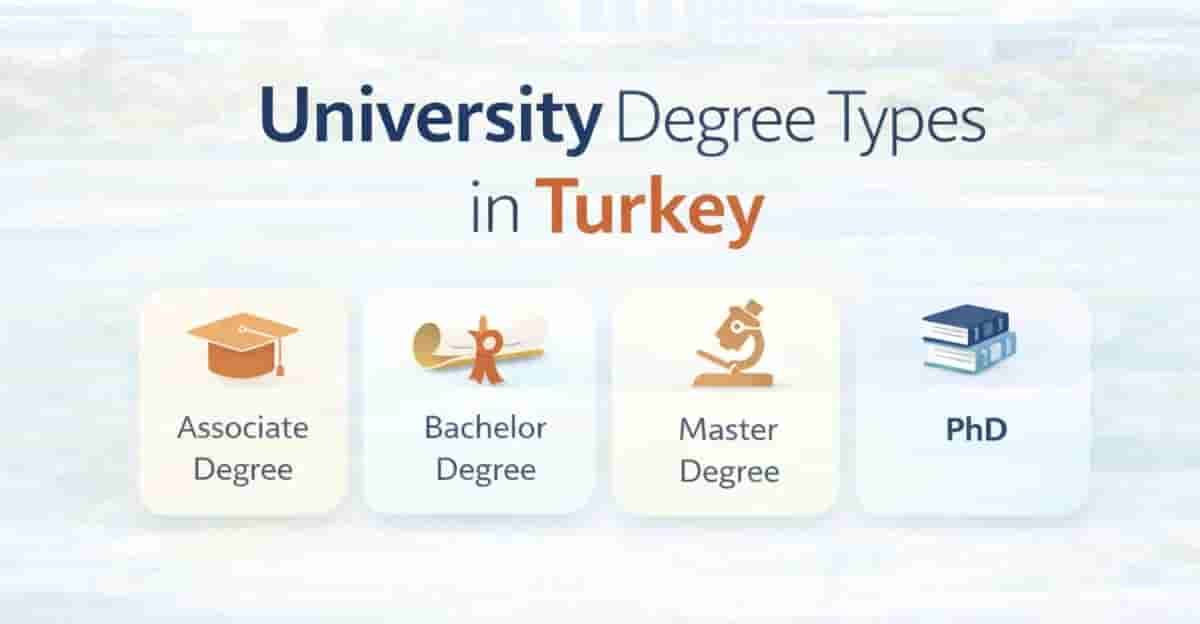
Turkey’s system includes associate, bachelor, master, and doctoral degrees aligned with European standards. International students usually apply to private universities, which offer flexible enrollment, applied programs, and clearer admission timelines. This pathway focuses on private institutions only.
Turkey offers a combination of accessible admission, diversified academic programs, and manageable living costs. Major cities such as Istanbul, Ankara, Izmir, and Antalya host international campuses with English medium programs and strong regional industry connections.
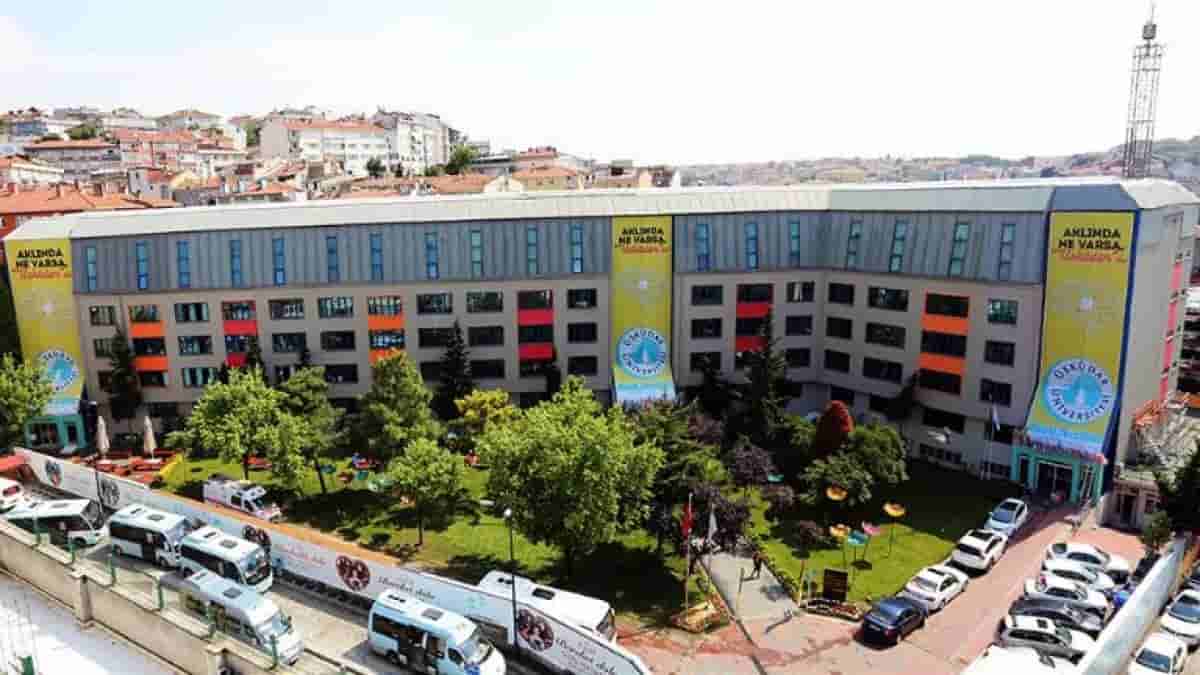
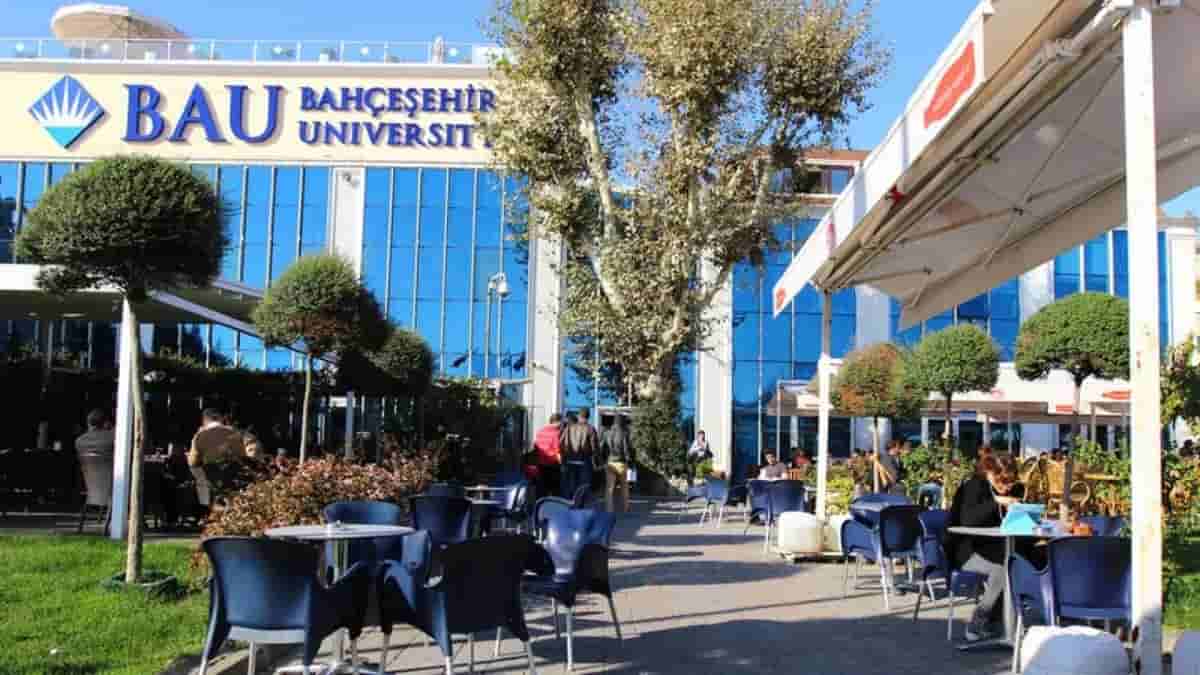
Students also choose Turkey because private universities provide predictable semester schedules, defined tuition structures, and international student support services. Institutions such as Bahcesehir University, Altinbas University, Istanbul Medipol University, Yeditepe University, Antalya Bilim University and Uskudar University represent examples of private universities that actively recruit international applicants and maintain structured admission systems.
Best suited for
• Students seeking practical degree programs with internship opportunities
• Applicants comfortable with moderate private university tuition levels
• Those ready for structured systems with attendance tracking and continuous assessment
• Students prepared to study academically in English
May not suit
• Students focused only on very low cost public education
• Applicants targeting highly selective research intensive universities
• Those preferring purely theoretical academic study
• Students unwilling to adapt to structured semester workloads
Private universities in Turkey generally evaluate applicants through academic documentation rather than competitive selection filters. Completed education records, transcripts, and identity verification form the core admission basis.
Required documents:
Associate
• High School Diploma
• Graduation Certificate
• Passport
• High School Transcript
• Photo Copy
Bachelor's
• High School Diploma
• Graduation Certificate
• Passport
• High School Transcript
• Photo Copy
Master's
• Graduation Certificate
• Bachelor’s Diploma
• Bachelor's Transcript
• Passport
• Photo Copy
PhD
• Bachelor's Diploma
• Bachelor's Transcript
• Master's Diploma
• Master's Transcript
• Graduation Certificate
• Passport
• Photo Copy
Students should prepare certified translations when documents are not issued in Turkish or English.
Many private universities offer English taught programs, but admission alone does not guarantee academic success. Students must be able to follow lectures, prepare structured written assignments, and complete presentations independently.
Applicants with limited English preparation should strengthen their academic language skills before enrollment. Turkish language knowledge is not always required for admission, but it becomes highly useful for internships, clinical placements, and part time employment.

Private university tuition typically falls within these approximate annual ranges:

Monthly living costs usually include:

Students living in shared apartments often reduce overall monthly spending compared with private housing.
Turkey provides a socially active student environment with diverse international communities. Private universities typically offer dormitories, orientation programs, and academic advising services. However, late housing decisions frequently lead to higher rental prices or limited dorm availability.
Students must also adjust to continuous coursework systems, attendance tracking, and regular project deadlines used by most private institutions. Early academic engagement and communication with faculty advisors significantly improve adaptation outcomes.

Graduates from Turkish private universities often enter sectors such as international trade, tourism management, healthcare administration, aviation services, logistics, engineering, and technology support industries. Internship participation during study strongly influences employment access.
Students planning international careers should verify degree recognition requirements in their intended employment country before enrollment. Strong English proficiency combined with applied academic experience significantly improves employability.
Choosing based only on cost
Low tuition does not indicate program strength. Students should evaluate faculty resources, internship networks, and graduate outcomes before selecting a university.
Ignoring language or academic readiness
Weak academic preparation leads to difficulty completing coursework and presentations. Students should build strong academic English before arrival.
Relying on unofficial sources
Unverified online advice often contains outdated admission requirements. Applicants should rely on structured institutional guidance.
Missing deadlines
Late document preparation reduces available program choices. Planning should begin at least six to nine months before enrollment.
Underestimating living expenses
Transport, housing deposits, and study materials increase total costs. Students should budget realistically rather than using minimum estimates.
Students should apply through the StudyLeo platform instead of submitting direct university applications. StudyLeo provides free transfer assistance, free registration handling, and free visa support. The platform works through direct partnerships with private universities, allowing faster document validation and structured admission processing.
Students should first choose their field and degree, then compare private universities by tuition and language. After selecting options, prepare documents, submit through an authorized platform, then arrange housing, finances, and visa. Begin about nine to twelve months before enrollment.
Studying in Turkey is a long term academic commitment shaping career and finances. Private universities offer structured admissions, moderate tuition, and applied programs. Success depends on preparation, correct applications, and realistic program choice, making Turkey a solid option for well prepared international students.
Frequently Asked Questions and Answers
Look out blogs and aware of the latest trends and updates
Explore top universities offering quality education, modern facilities, and diverse academic opportunities for students worldwide




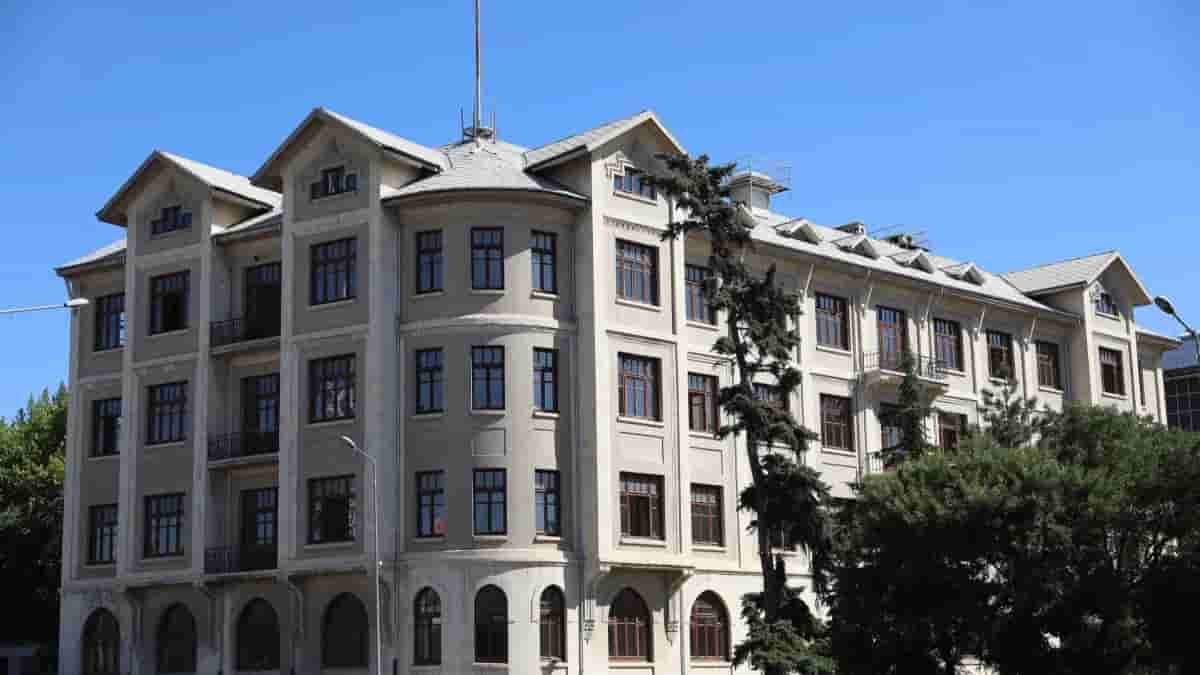 Dormitory
Ankara, Turkey
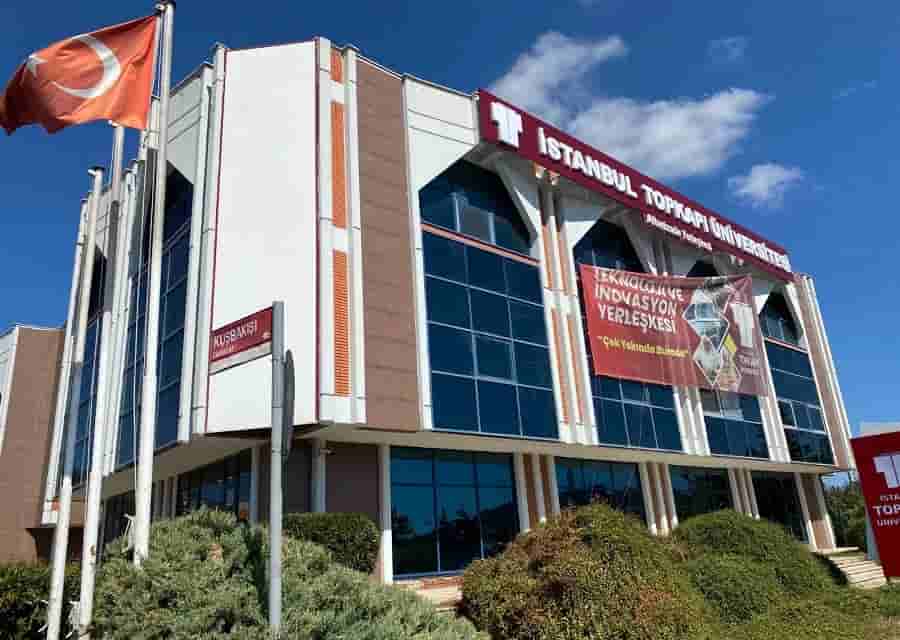 Dormitory
Istanbul, Turkey
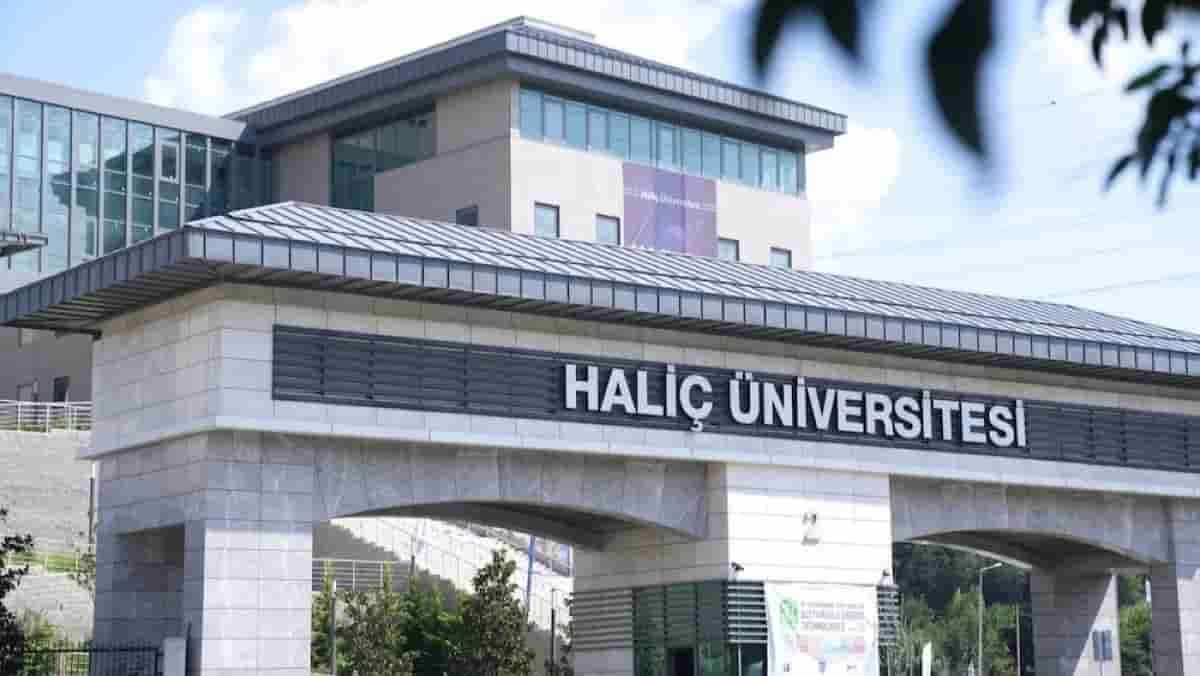 Dormitory
Istanbul, Turkey
 Dormitory
Istanbul, Turkey
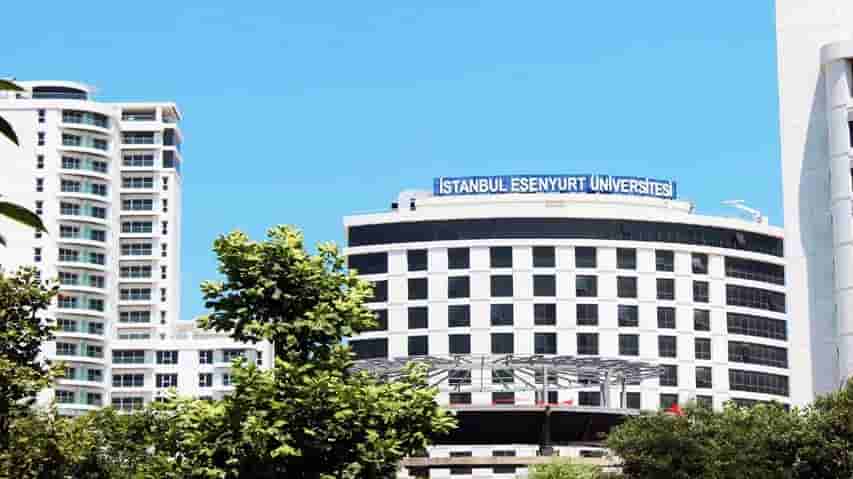 Dormitory
Istanbul, Turkey
 Dormitory
Istanbul, Turkey
 Dormitory
Istanbul, Turkey
 Dormitory
Istanbul, Turkey
 Dormitory
Istanbul, Turkey
 Dormitory
Istanbul, Turkey
 Dormitory
Istanbul, Turkey
 Dormitory
Istanbul, Turkey
 Dormitory
Istanbul, Turkey
 Dormitory
Istanbul, Turkey
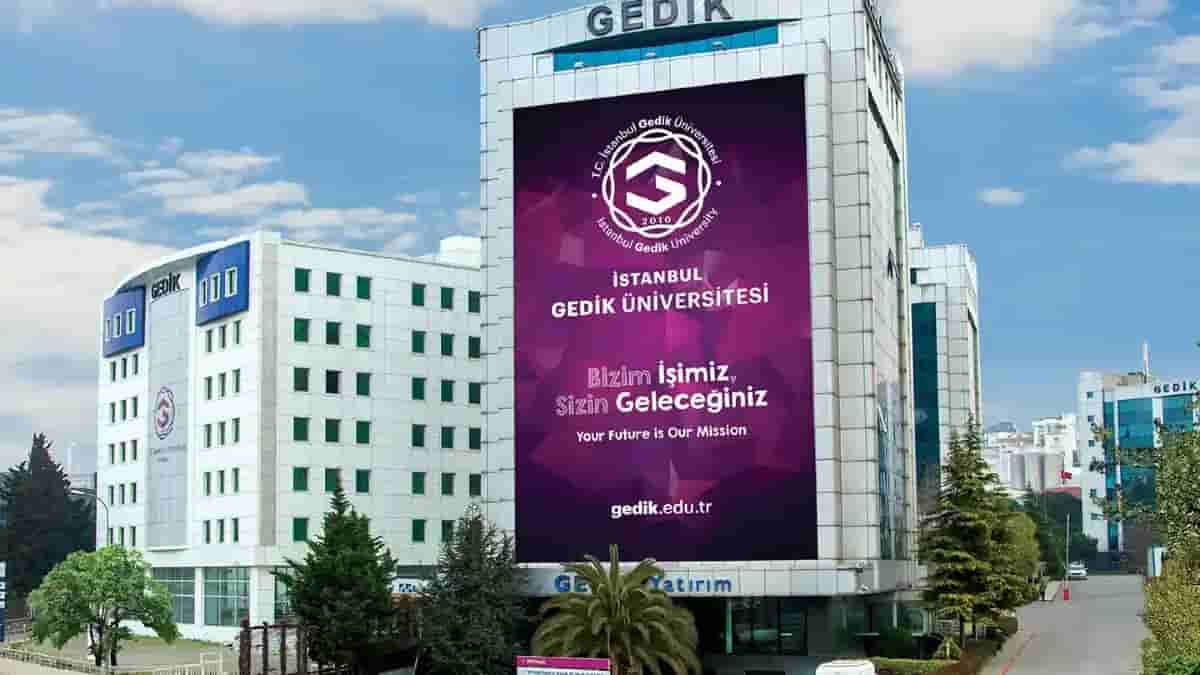 Dormitory
Istanbul, Turkey
 Dormitory
Istanbul, Turkey
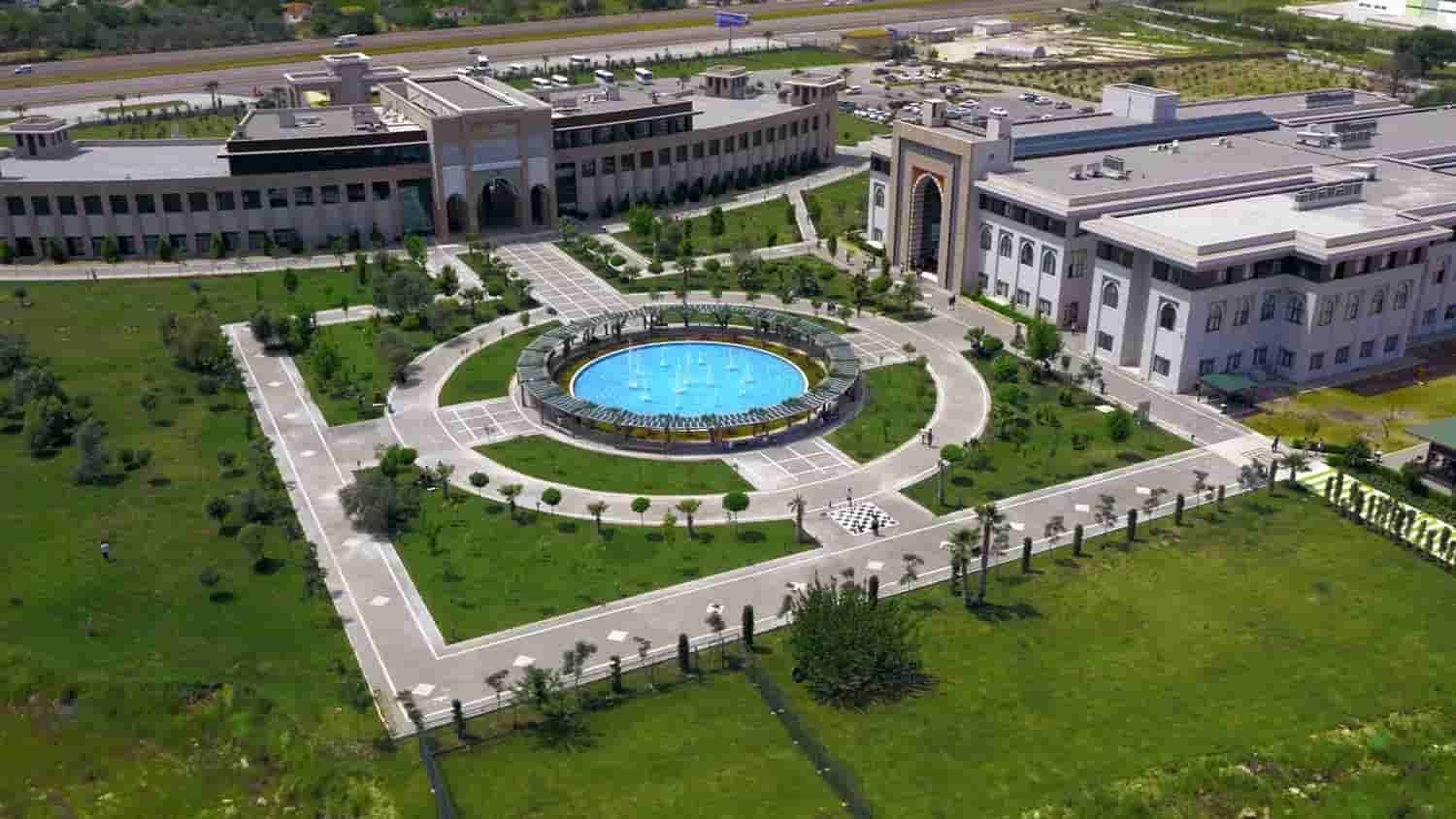 Dormitory
Antalya, Turkey
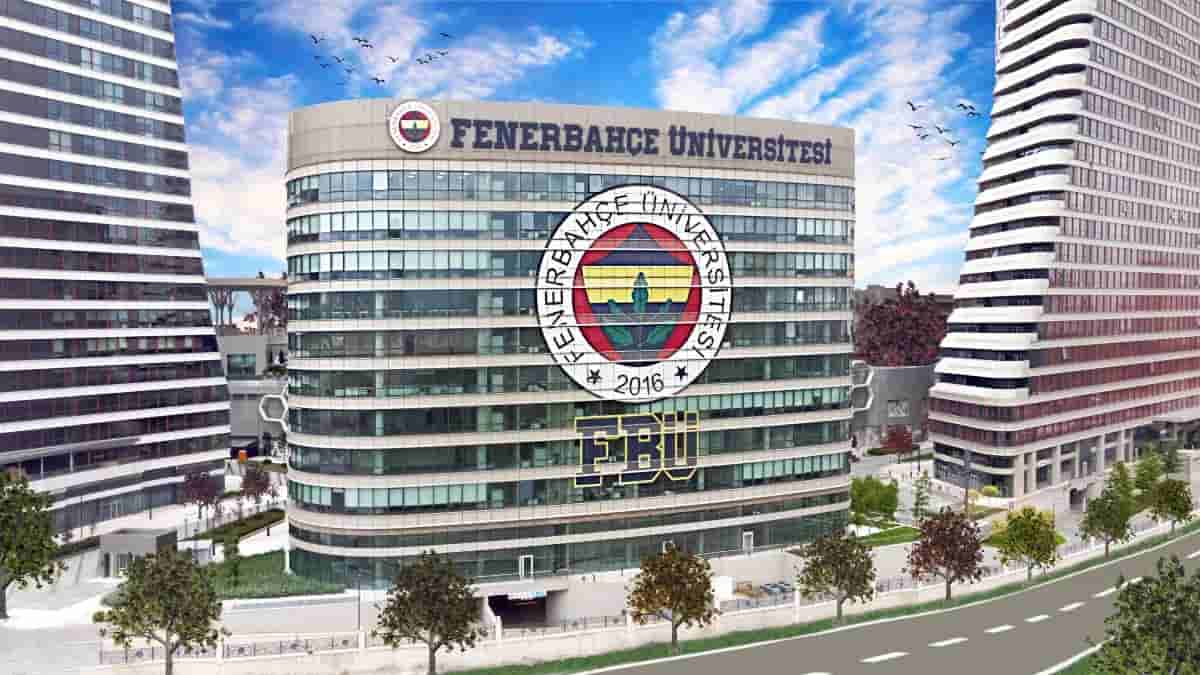 Dormitory
Istanbul, Turkey
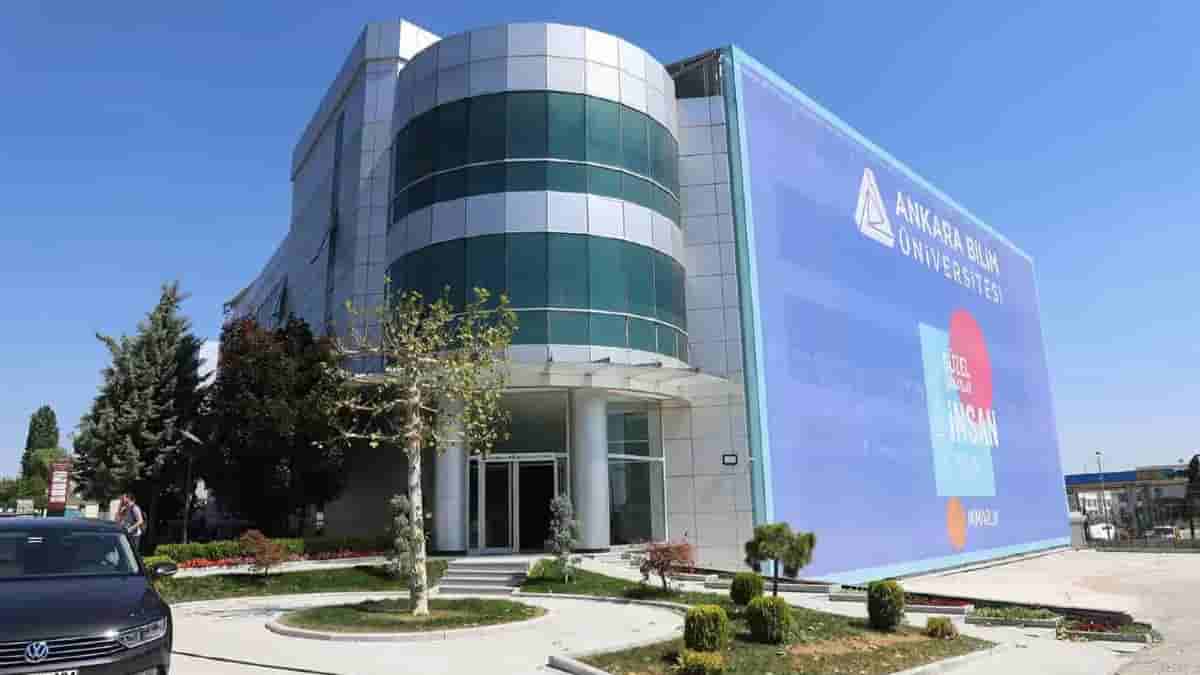 Dormitory
Ankara, Turkey
 Dormitory
Istanbul, Turkey