FAQs
Frequently Asked Questions and Answers

At some point, ambition becomes louder than comfort.
You start thinking about independence. Stability. Impact. You ask yourself: Will higher education really make a difference?
When exploring what are the advantages of higher education, the answer is not just about employment. It’s about transformation — intellectual, professional, and personal.

Higher education significantly expands professional opportunities.
Graduates often qualify for roles requiring analytical thinking, leadership potential, and specialized knowledge. Employers value structured academic training because it reflects discipline and long-term commitment.

The modern job market changes rapidly.
University environments train students to analyze trends, interpret data, and respond to change. Through case studies and project work, adaptability becomes a practiced skill.
In dynamic sectors, flexibility is a long-term advantage.
University reshapes identity.
Living independently, managing time, meeting deadlines, and working in teams build emotional maturity. Presentations and academic debates improve confidence and clarity.
Higher education pushes you beyond comfort zones — and growth happens there.

Modern campuses bring together diverse cultures and viewpoints.
Studying alongside international peers expands your understanding of global systems and social dynamics. You learn to collaborate across differences.
Global awareness increases both professional mobility and personal insight.
Your network shapes your future.
University introduces you to mentors, professors, alumni, and ambitious peers. These connections often turn into collaborations, partnerships, or career opportunities.
Professional relationships built early can influence decades of growth.

Leadership is practiced, not inherited.
Group assignments, academic competitions, and student initiatives create opportunities to take responsibility. Decision-making skills develop naturally in these environments.
Confidence grows when you learn to guide others.
Higher education institutions are centers of experimentation.
Students engage in research projects, innovation labs, and entrepreneurial initiatives. Exposure to structured inquiry strengthens creative thinking.
Innovation often begins in environments that encourage curiosity.

Career flexibility contributes to long-term security.
While outcomes depend on many factors, structured academic qualifications typically expand advancement options. Broader opportunities may lead to stronger professional consistency over time.
Stability is built gradually.

Two words: mental discipline.
Higher education trains students to question assumptions, evaluate evidence, and construct logical arguments. Research papers and case analysis sharpen reasoning.
In complex environments, critical thinking becomes a competitive edge.
Academic credentials signal expertise.
Employers and professional institutions recognize degrees as proof of structured learning. This recognition strengthens credibility in competitive markets.
Reputation supports opportunity.
Internships. Conferences. Exchange programs.
Universities provide structured access to professional environments that are often difficult to reach independently. Exposure to industry events builds readiness.
Experience enhances confidence.
Perhaps the most underestimated benefit. Higher education builds belief — belief in your analytical ability, your voice, and your capacity to solve complex problems.
Confidence becomes the silent advantage behind every professional milestone.
Turkey offers a wide selection of English-taught programs across multiple disciplines. Here are ten diverse examples:
These programs demonstrate how diverse and internationally oriented English-medium education in Turkey has become.

Higher education is more than a qualification.
It is a strategic decision that shapes how you think, how you lead, and how you adapt. From career acceleration to lifelong confidence, the advantages extend far beyond graduation day.
When asking what are the advantages of higher education, the real answer becomes clear: it builds capacity — intellectual, professional, and personal.
And in a rapidly evolving world, capacity is power.

Frequently Asked Questions and Answers
Look out blogs and aware of the latest trends and updates
Explore top universities offering quality education, modern facilities, and diverse academic opportunities for students worldwide



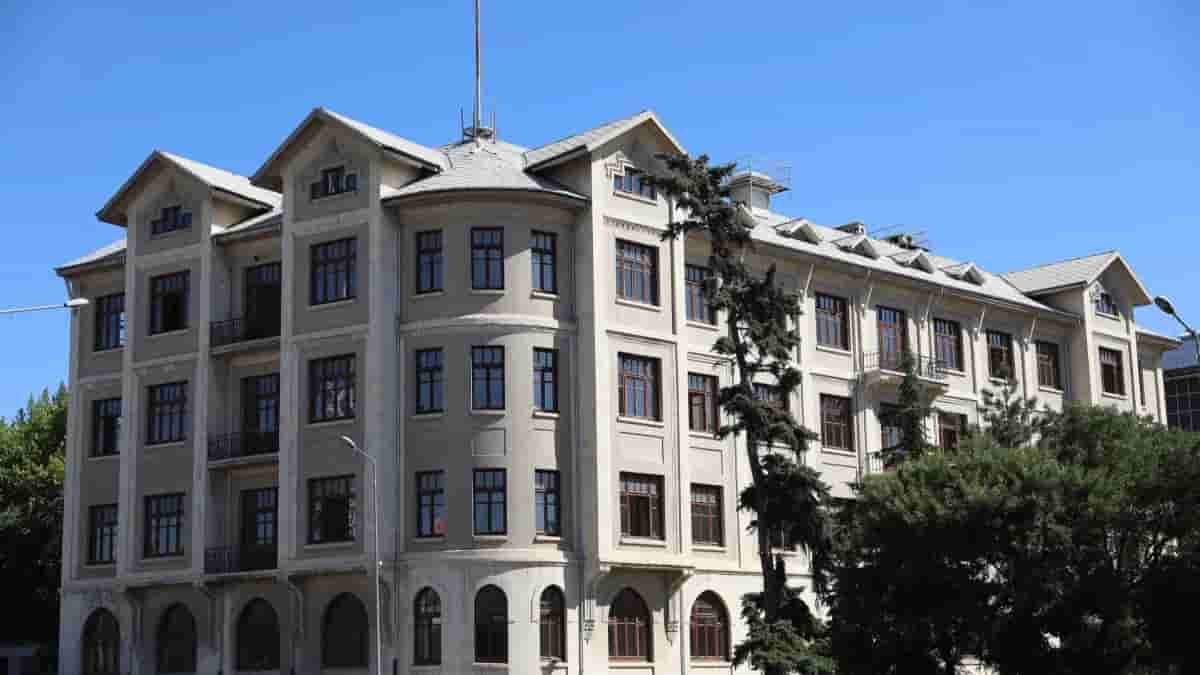 Dormitory
Ankara, Turkey
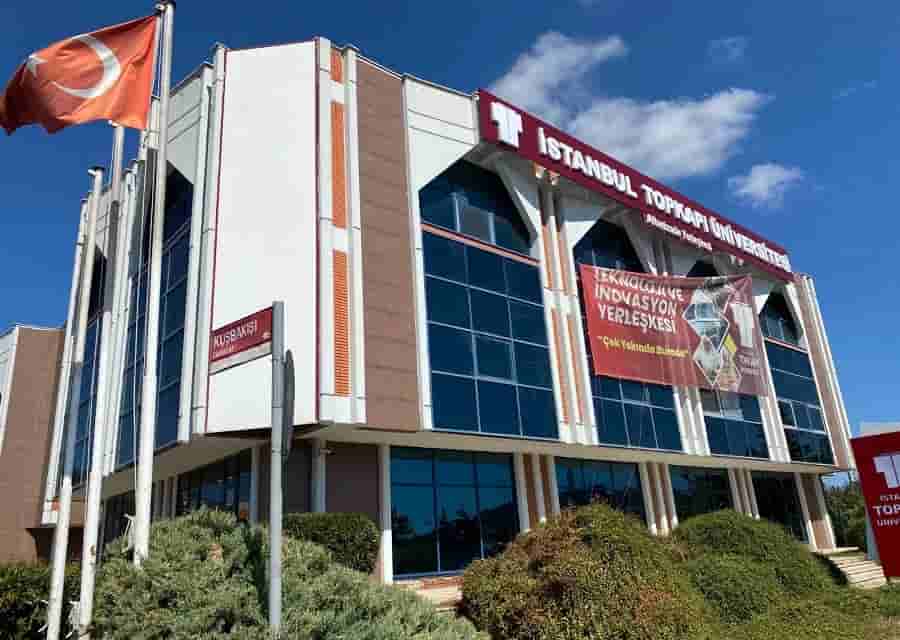 Dormitory
Istanbul, Turkey
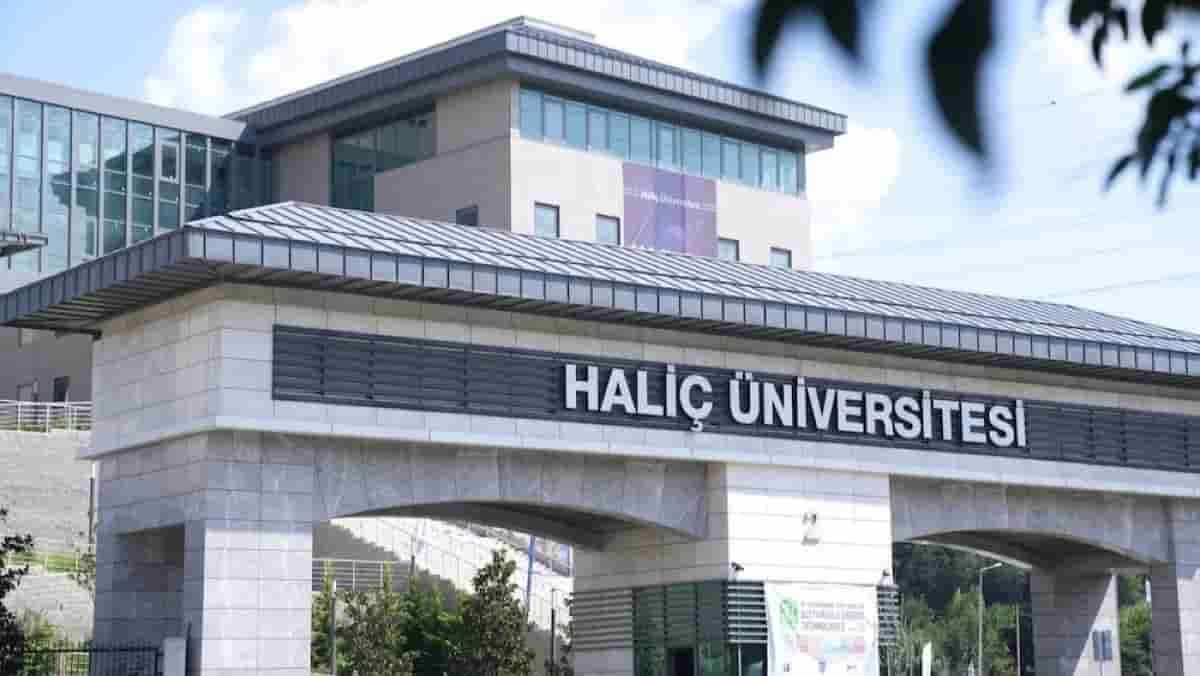 Dormitory
Istanbul, Turkey
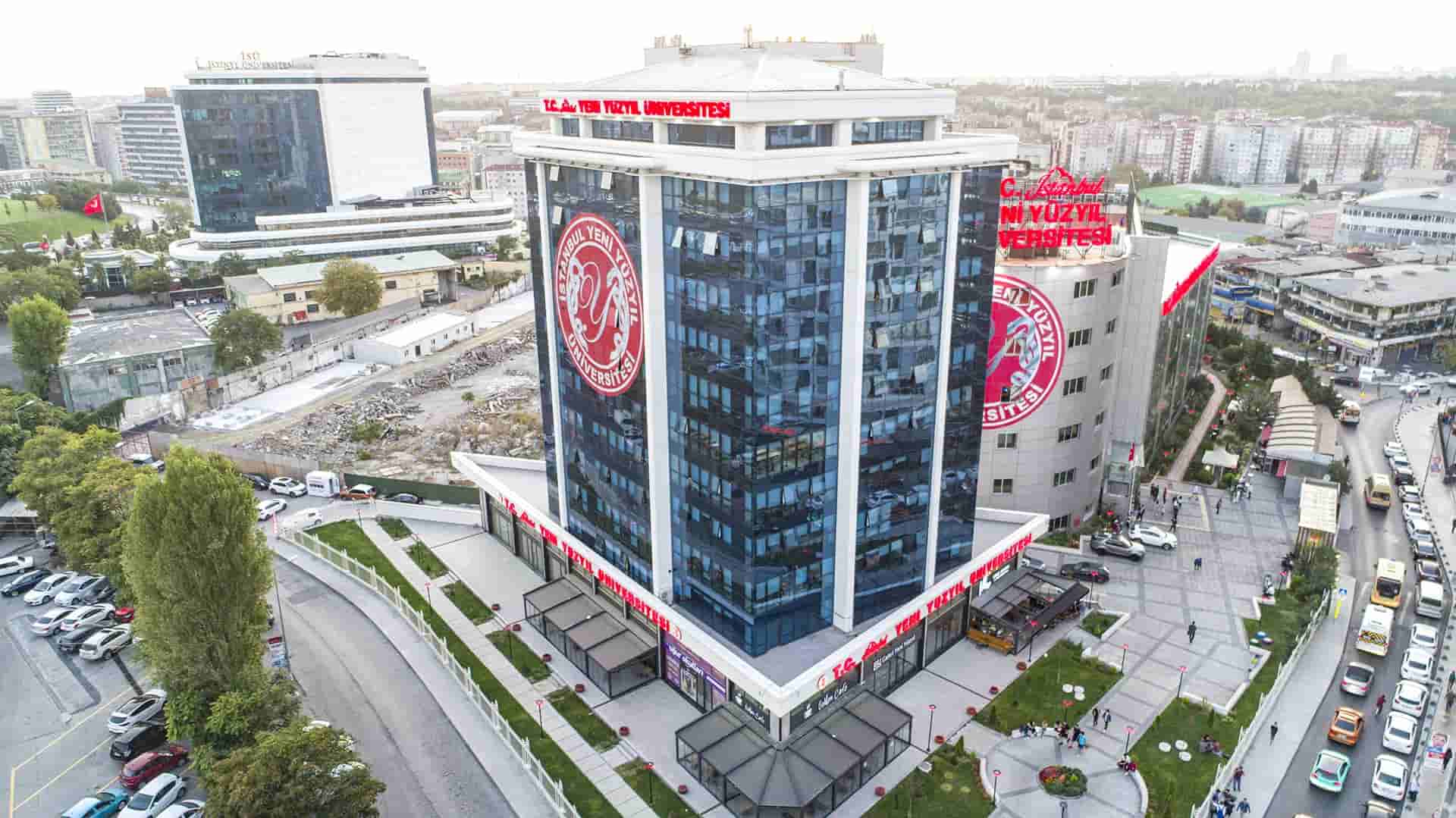 Dormitory
Istanbul, Turkey
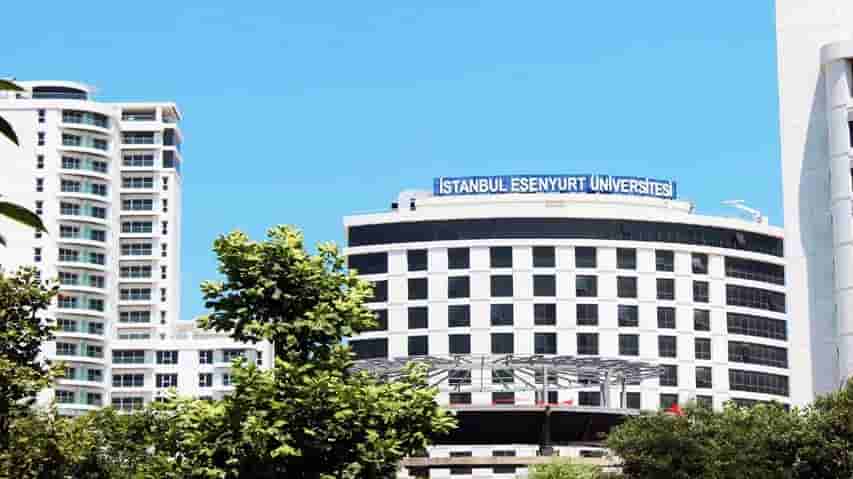 Dormitory
Istanbul, Turkey
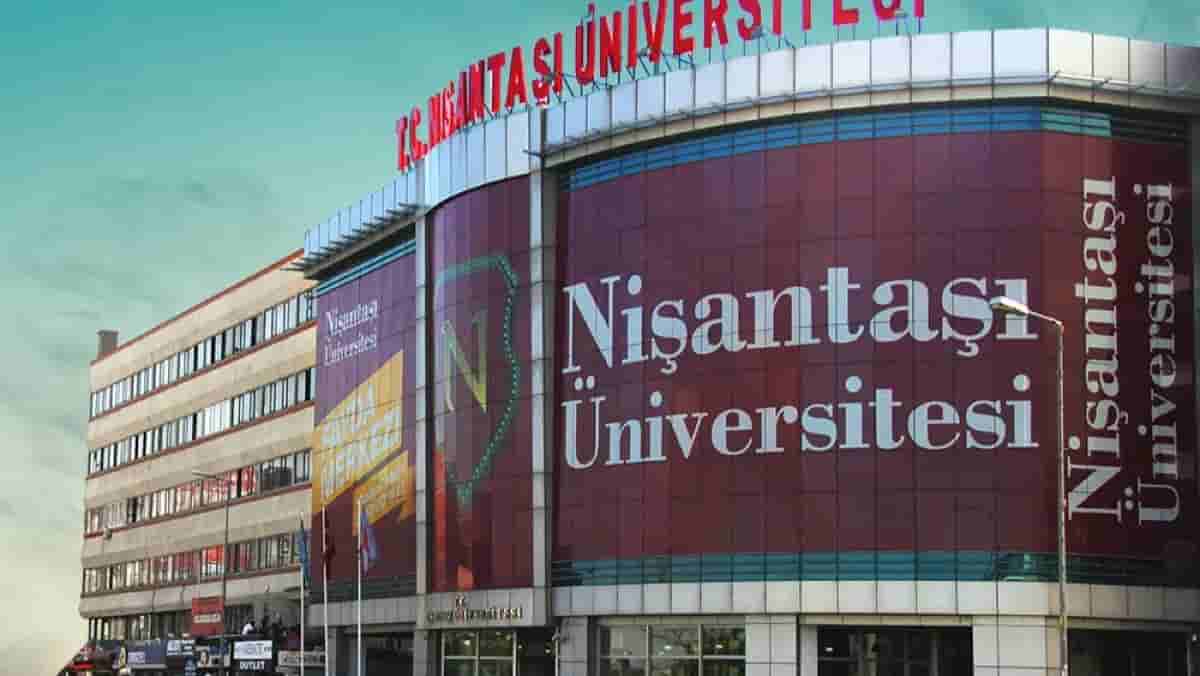 Dormitory
Istanbul, Turkey
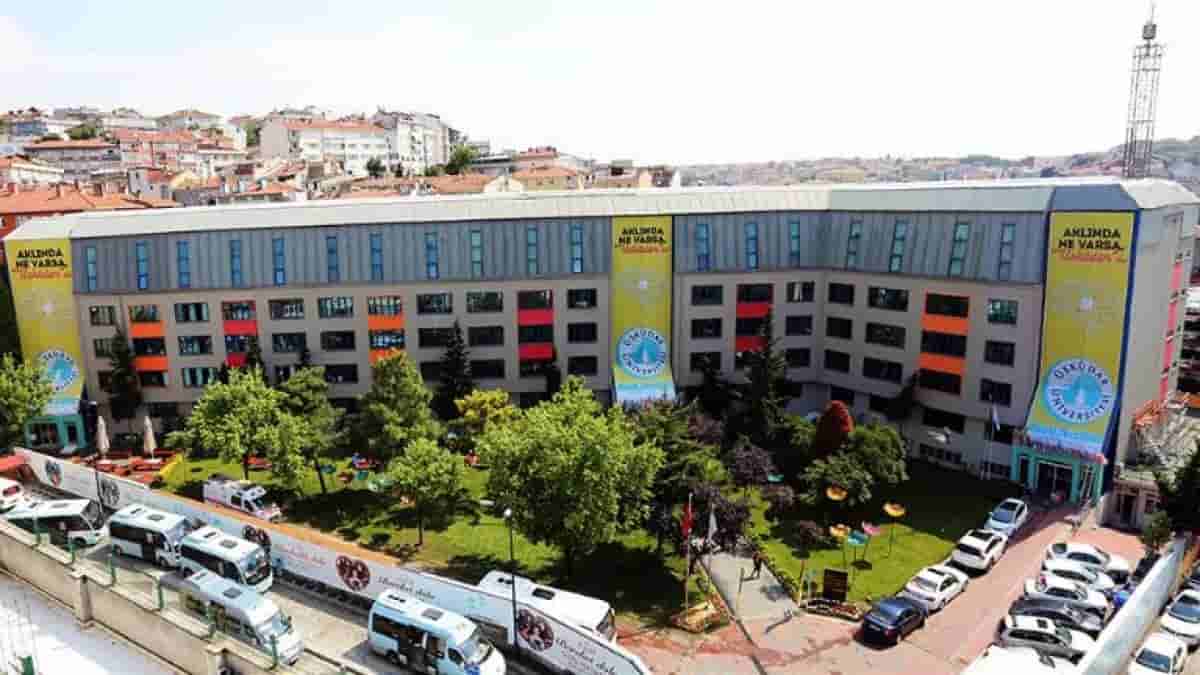 Dormitory
Istanbul, Turkey
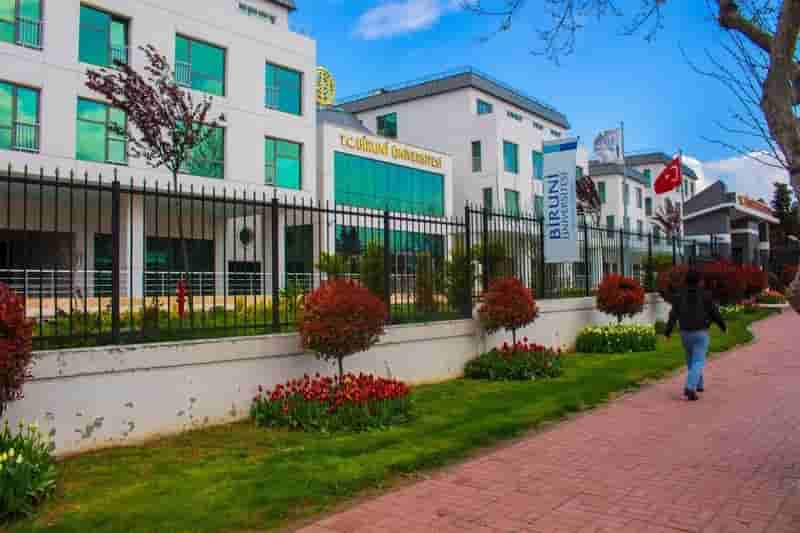 Dormitory
Istanbul, Turkey
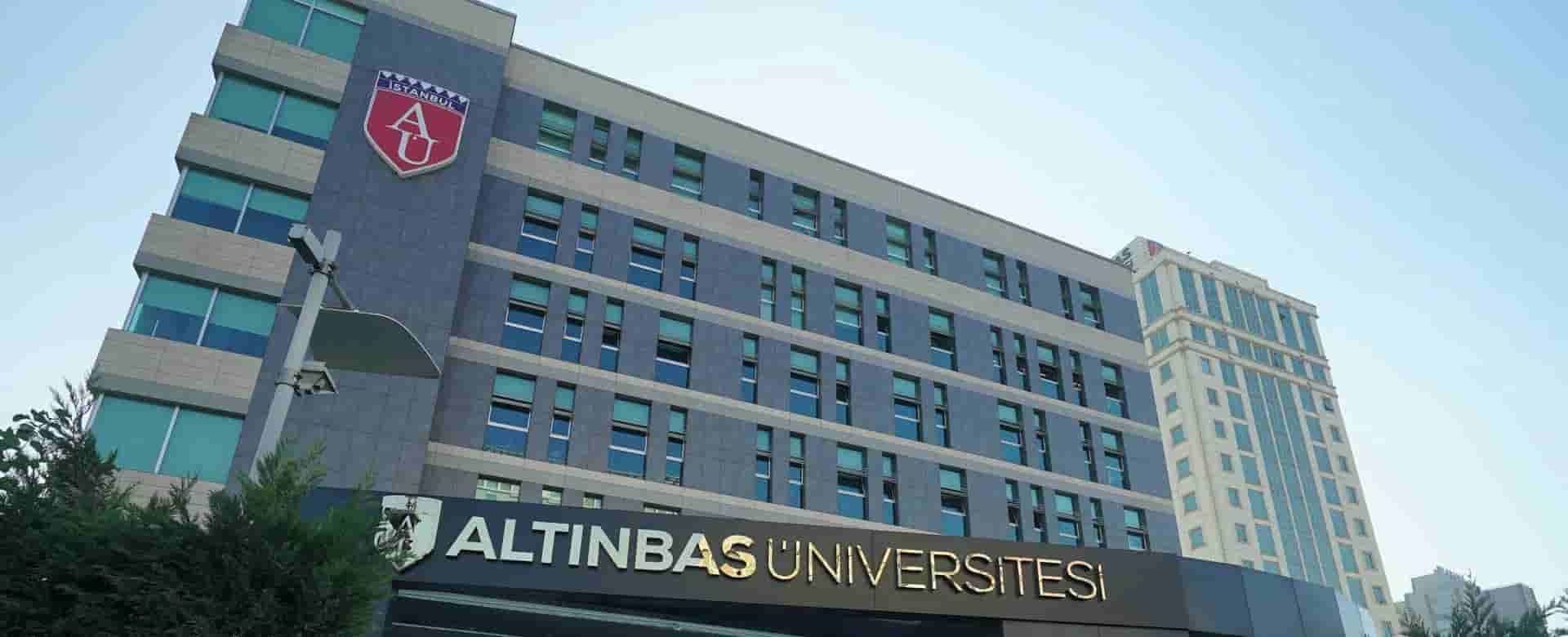 Dormitory
Istanbul, Turkey
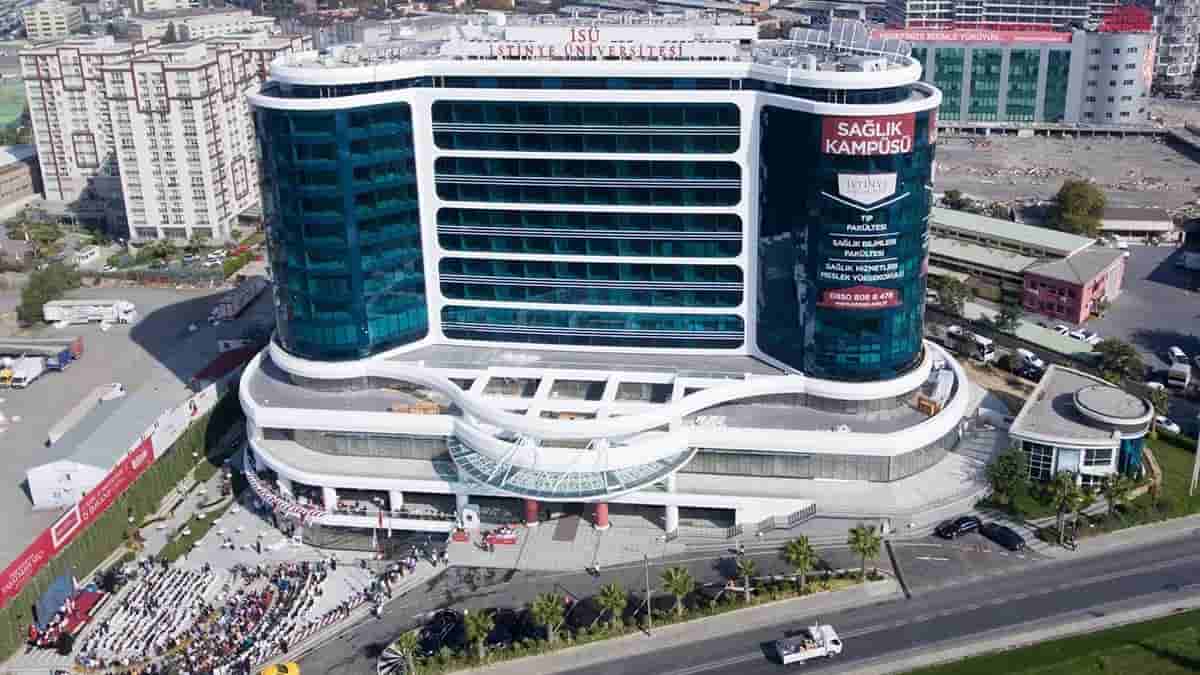 Dormitory
Istanbul, Turkey
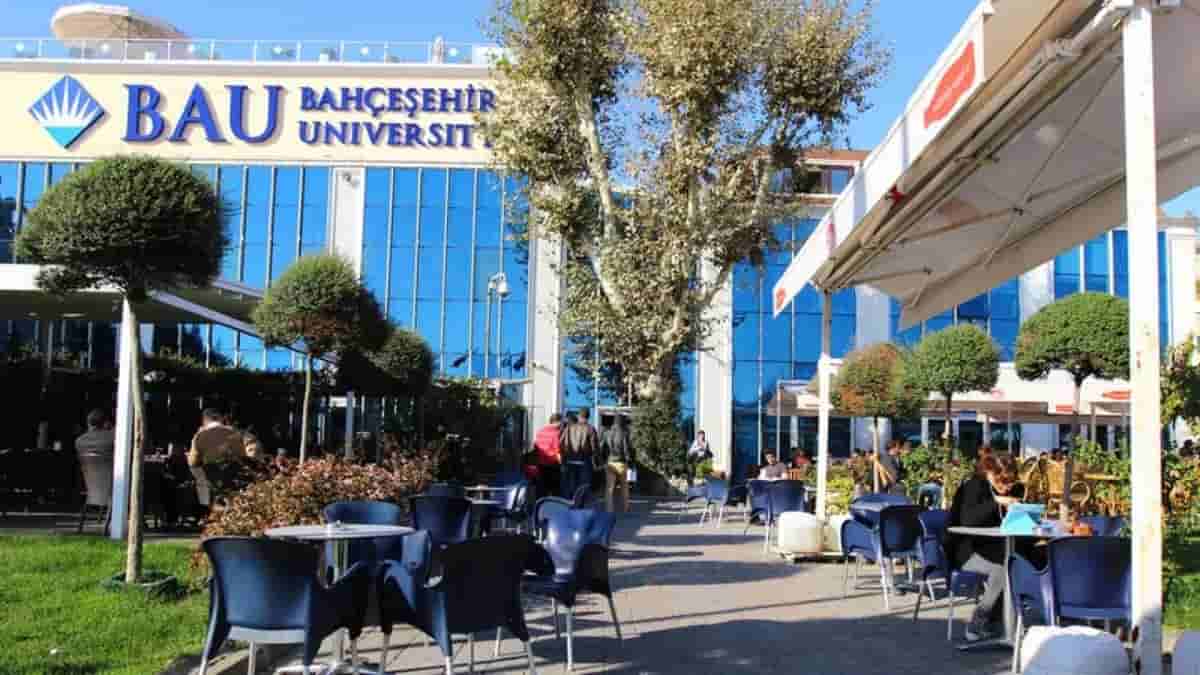 Dormitory
Istanbul, Turkey
 Dormitory
Istanbul, Turkey
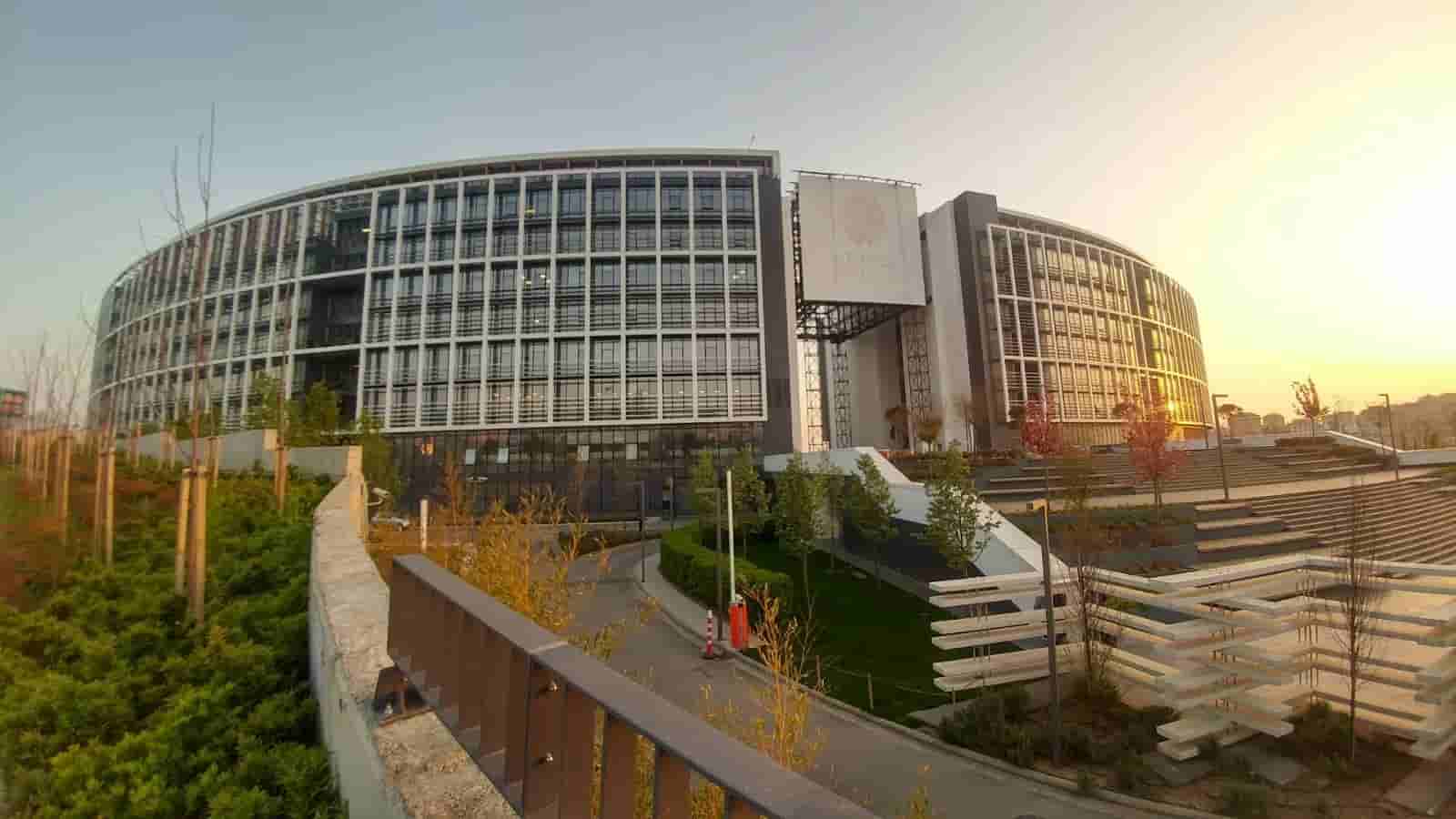 Dormitory
Istanbul, Turkey
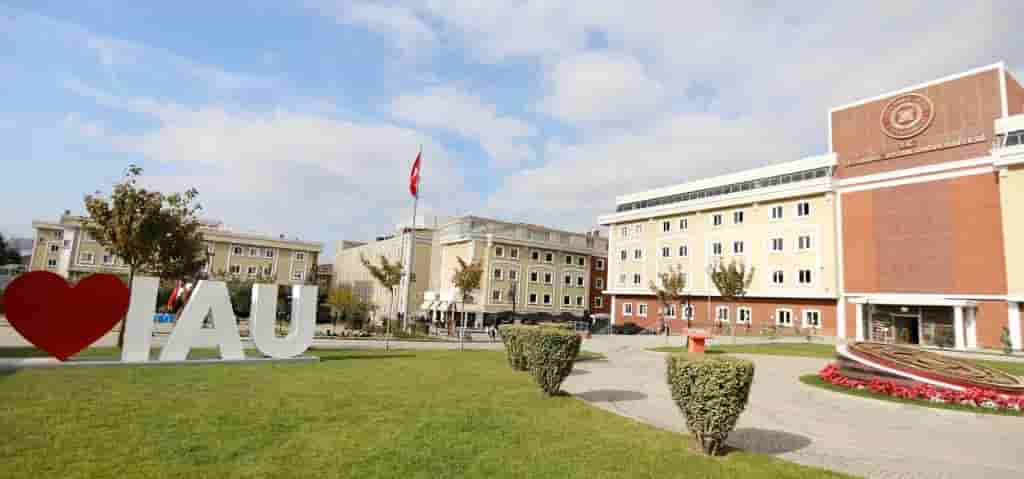 Dormitory
Istanbul, Turkey
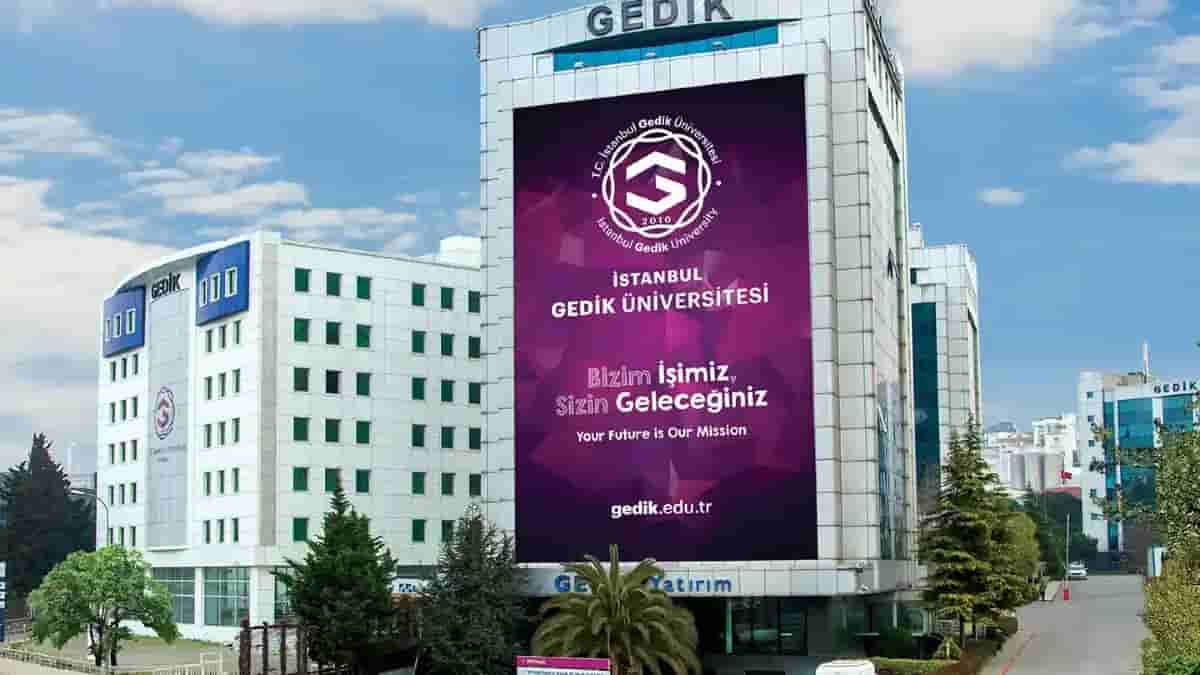 Dormitory
Istanbul, Turkey
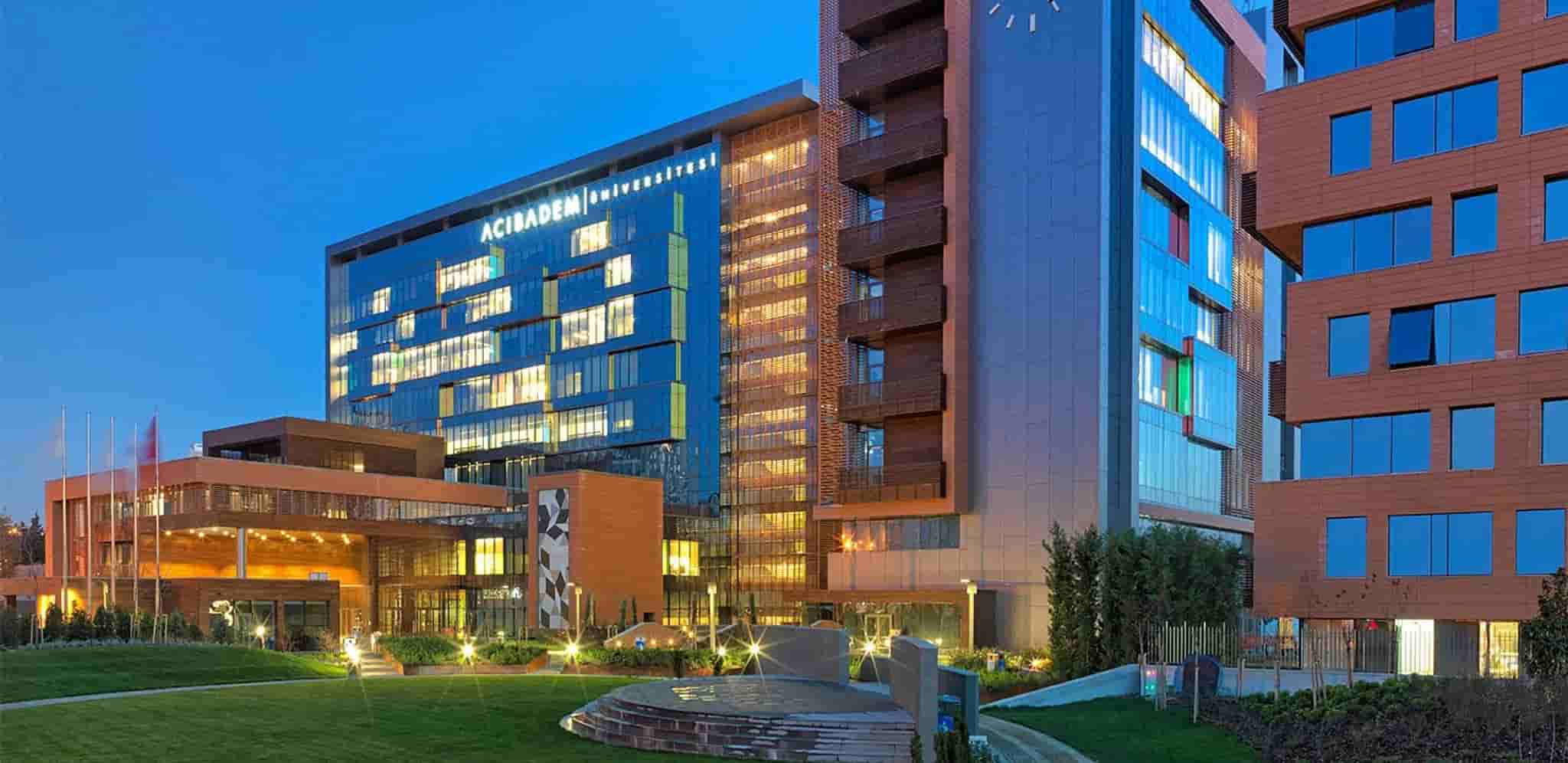 Dormitory
Istanbul, Turkey
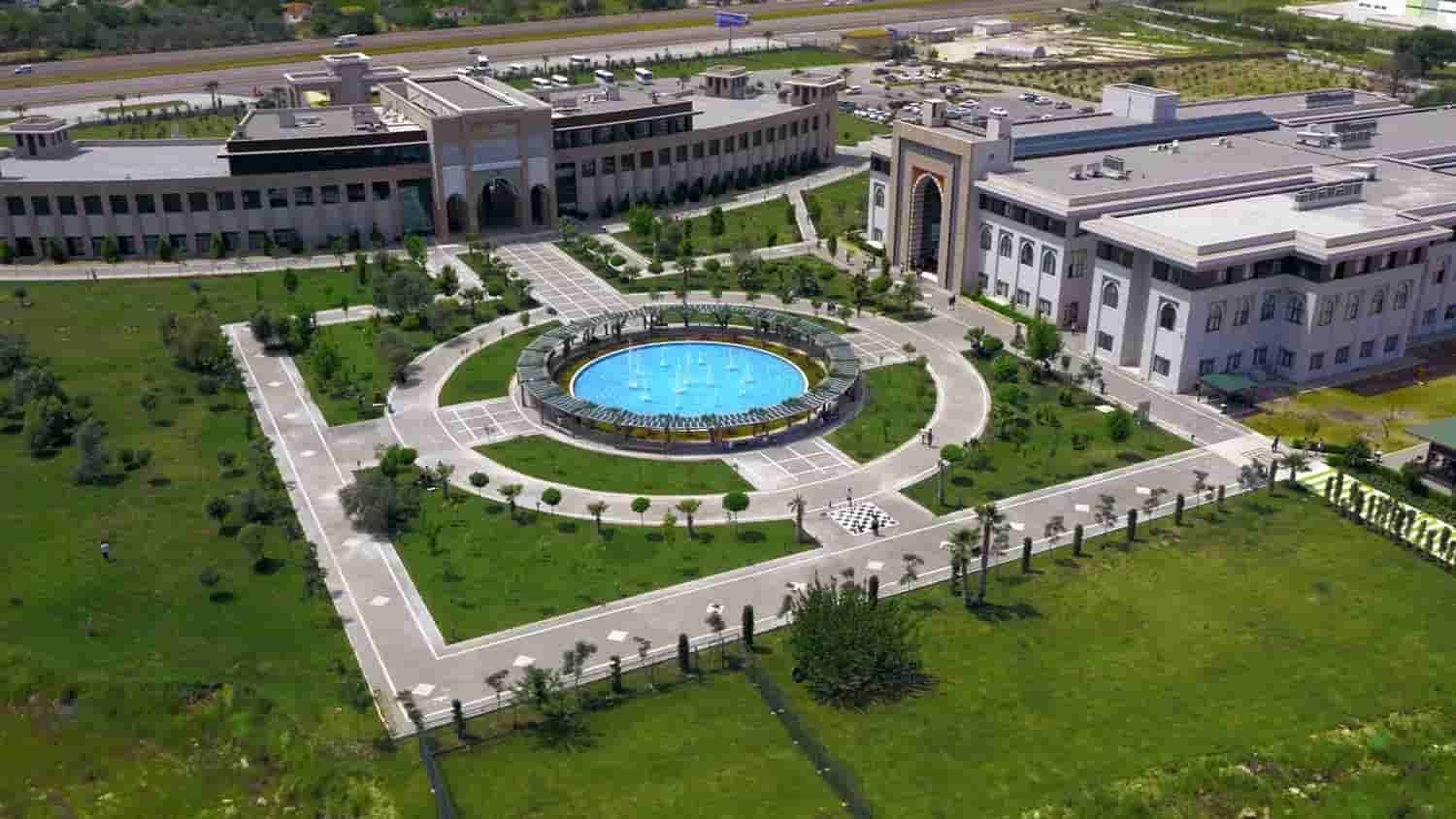 Dormitory
Antalya, Turkey
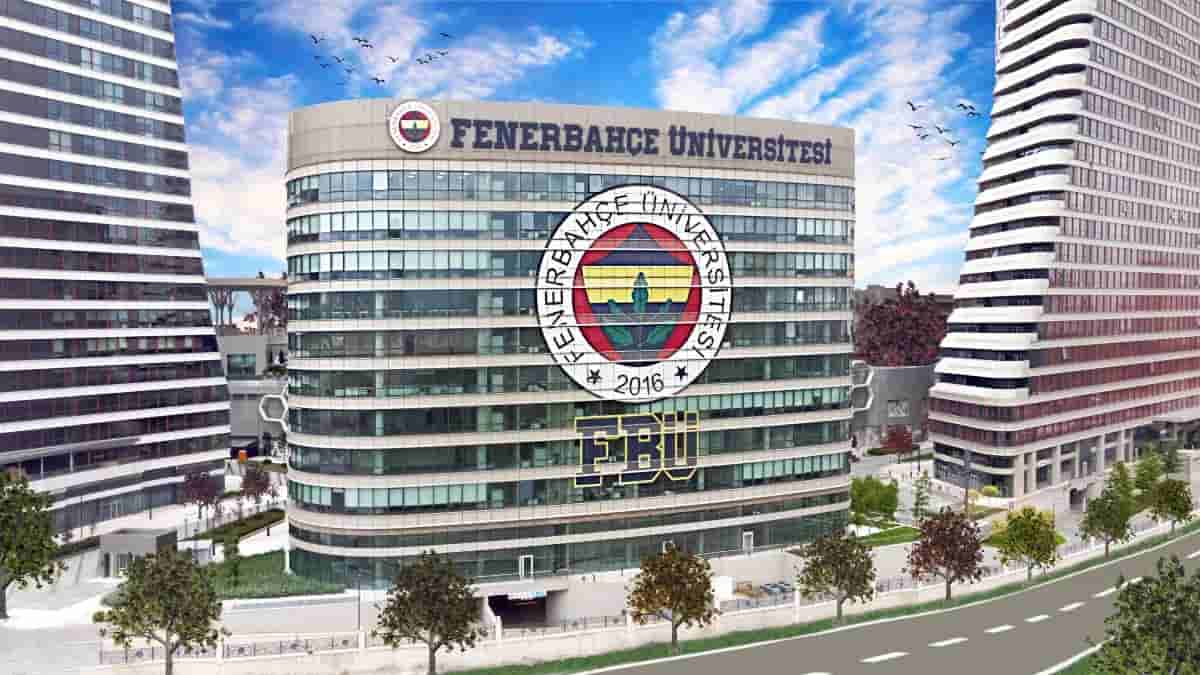 Dormitory
Istanbul, Turkey
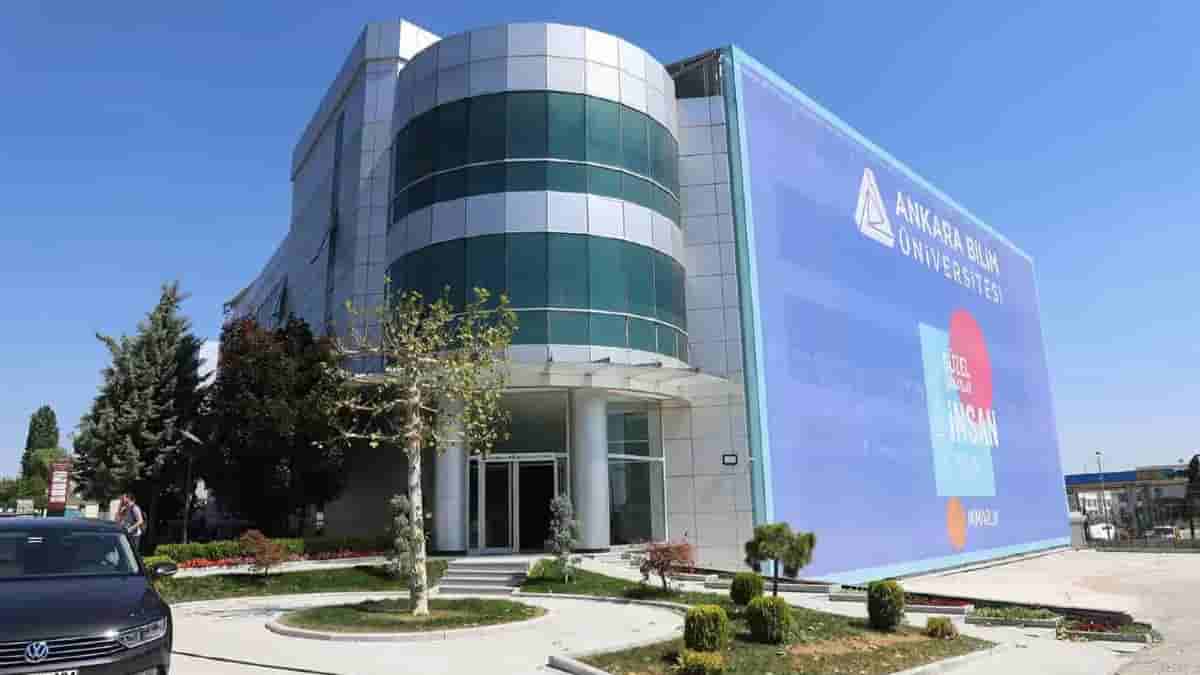 Dormitory
Ankara, Turkey
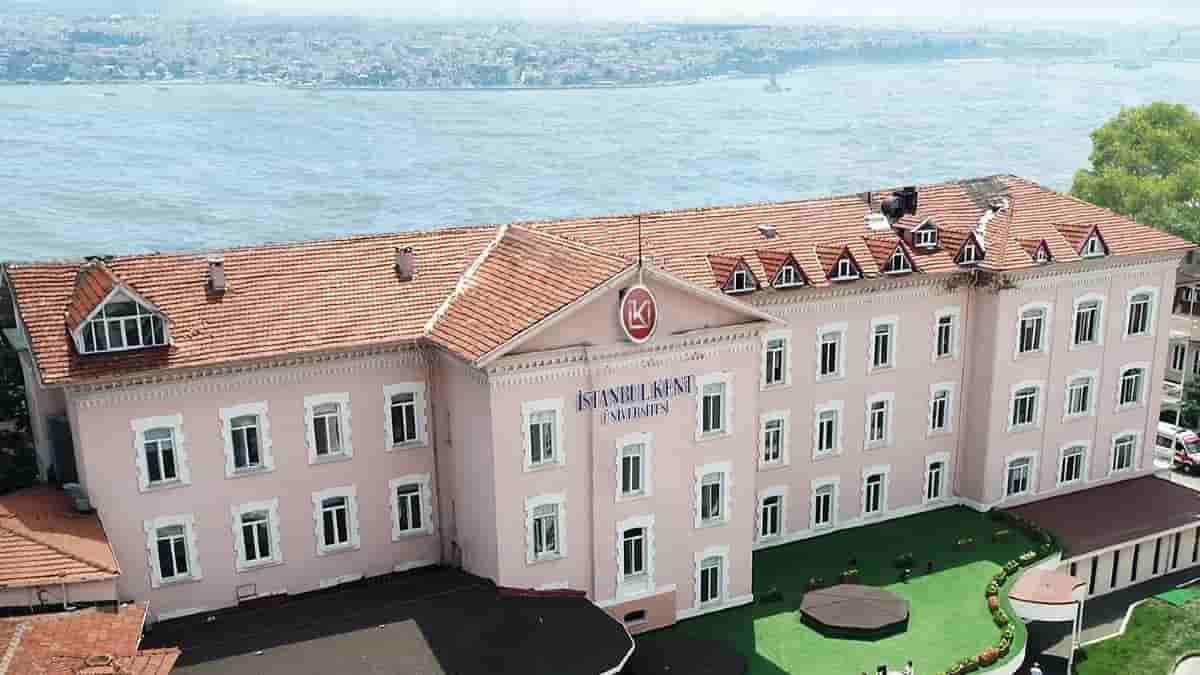 Dormitory
Istanbul, Turkey