FAQs
Frequently Asked Questions and Answers

Medical residency training in Turkey has become an increasingly attractive option for international medical graduates and local doctors alike. In recent years, Turkey has trained more than 150,000 practicing physicians, according to data frequently cited by the Ministry of Health, while cities such as Istanbul, Ankara, and Izmir host some of the region’s most advanced teaching hospitals. As a result, the country now stands at the crossroads of European, Asian, and Middle Eastern medical education traditions, offering a unique and competitive environment for postgraduate medical training.
Medical residency training in Turkey combines academic rigor with hands-on clinical exposure. Moreover, the Turkish healthcare system has undergone rapid modernization over the last two decades. Consequently, large integrated city hospitals, often compared to leading institutions in Europe, now play a central role in resident education. Furthermore, Turkey’s strategic location allows residents to treat a highly diverse patient population.
This exposure strengthens diagnostic skills and clinical decision-making. At the same time, tuition fees and living costs remain relatively affordable when compared with Western Europe or North America, which further increases global interest.
Before entering medical residency training in Turkey, students must complete a six-year medical degree (MD or equivalent). This program integrates pre-clinical sciences, clinical rotations, and a compulsory internship year. After graduation, candidates become eligible to apply for residency programs.
Although the structure is similar to European standards, Turkey places a strong emphasis on early clinical exposure. Therefore, graduates are usually well-prepared for the demands of residency training.
Medical residency training in Turkey is supervised jointly by the Ministry of Health and accredited universities. Teaching hospitals fall into two main categories: university hospitals and research & training hospitals. Both types actively participate in resident education, research, and public healthcare delivery.
As a result, residents benefit from standardized curricula while also gaining exposure to different institutional cultures.
Medical residency training in Turkey is open to both Turkish citizens and international graduates. However, admission pathways differ slightly. Turkish graduates must pass the Medical Specialty Examination (TUS), while international applicants usually follow a separate evaluation process.
Nevertheless, academic transcripts, clinical experience, and language proficiency remain essential for all candidates.
Most medical residency training in Turkey is conducted in Turkish. Therefore, international applicants are generally required to demonstrate Turkish language proficiency at an advanced level. In addition, some universities may conduct interviews or written assessments to evaluate clinical knowledge.
Although this may seem challenging at first, many international residents report that immersion in daily hospital life accelerates language acquisition.

Medical residency training in Turkey covers all major medical and surgical specialties. However, some fields attract higher demand due to career prospects and institutional strength.
Internal Medicine
General Surgery
Pediatrics
Obstetrics and Gynecology
Cardiology
These specialties are particularly competitive. Consequently, strong academic records and exam performance play a decisive role in placement.
The duration of medical residency training in Turkey varies depending on the specialty. In general, programs last between 3 and 6 years. Surgical fields typically require longer training, while some diagnostic specialties are shorter.
Residents usually work full-time and participate in night shifts, on-call duties, and academic activities. While the workload can be demanding, it mirrors international standards. Moreover, residents gradually gain autonomy under senior supervision, which strengthens clinical confidence.
Medical residency training in Turkey is often compared with programs in Europe and the United States. Although licensing systems differ, training quality is widely considered comparable in many core specialties.
Aspect | Turkey | Europe | United States |
|---|---|---|---|
Average Duration | 3–6 years | 4–6 years | 3–7 years |
Tuition Fees | Low or none | Low–moderate | High |
Language | Turkish | Local languages | English |
Patient Volume | Very high | Moderate | High |
Medical residency training in Turkey increasingly emphasizes research and publication. Residents are often required to complete a thesis or research project before graduation. Consequently, many residents publish in international journals or present at global conferences.
Some universities offering medical residency training in Turkey maintain partnerships with institutions in Europe and Asia. Therefore, residents may access short-term exchange programs or joint research initiatives, which further enhance their academic profile.
Residents in Turkey receive a monthly salary from the state or affiliated institutions. While modest by Western standards, this salary usually covers basic living expenses. Additionally, night shifts and extra duties may increase total income.
Living costs vary by city. Istanbul is more expensive, whereas Ankara and other regional cities are more affordable. Nevertheless, overall expenses remain lower than in many European capitals. As a result, medical residency training in Turkey remains financially accessible.
Graduates of medical residency training in Turkey may choose to work within the Turkish healthcare system, subject to licensing regulations. Public hospitals, private clinics, and university hospitals offer diverse career paths.
Medical residency training in Turkey is recognized in many countries. However, graduates planning to work abroad may need to pass additional exams or fulfill local licensing requirements. Even so, the strong clinical exposure gained in Turkey is often viewed positively by international employers.
The future of medical residency training in Turkey looks promising. Continuous investment in healthcare infrastructure, digital health technologies, and medical research is reshaping the training environment. Furthermore, Turkey’s ambition to become a regional medical hub suggests that residency programs will continue to expand and modernize.
As healthcare demands grow globally, Turkey’s role in training competent and adaptable specialists is expected to strengthen.

Medical residency training in Turkey offers a compelling combination of high clinical exposure, structured education, and affordability. While challenges exist, the overall experience prepares doctors for diverse medical environments and long-term career growth.
Frequently Asked Questions and Answers
Look out blogs and aware of the latest trends and updates
Explore top universities offering quality education, modern facilities, and diverse academic opportunities for students worldwide





 Dormitory
Ankara, Turkey
 Dormitory
Istanbul, Turkey
 Dormitory
Istanbul, Turkey
 Dormitory
Istanbul, Turkey
 Dormitory
Istanbul, Turkey
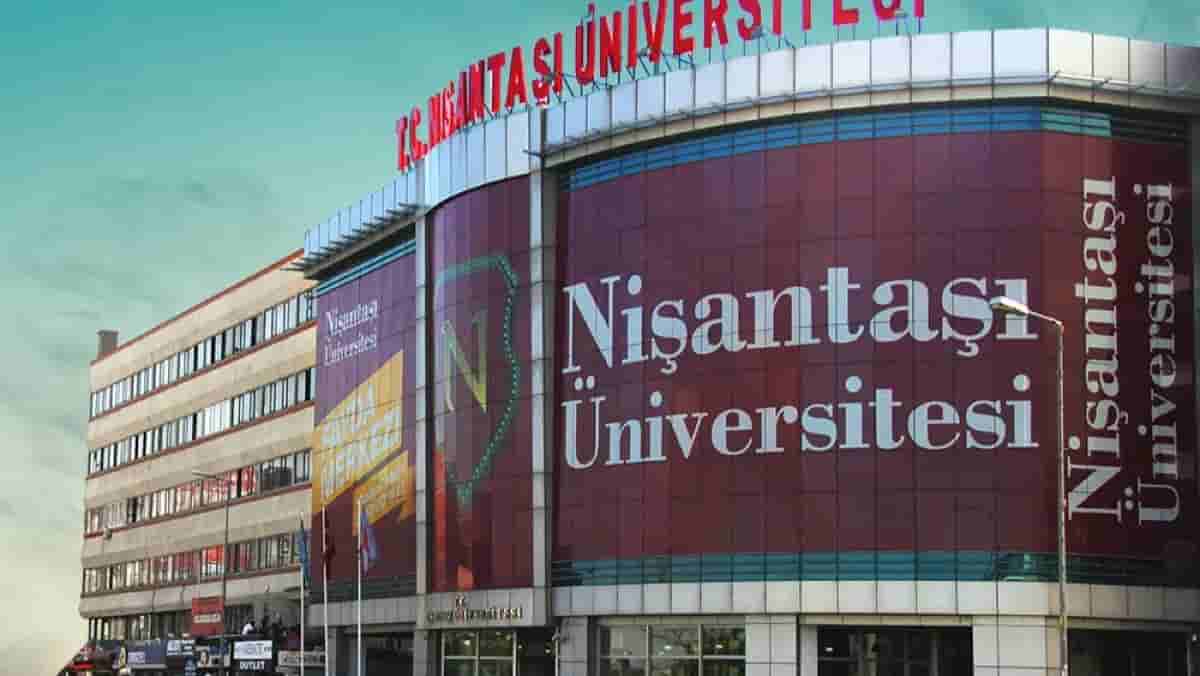 Dormitory
Istanbul, Turkey
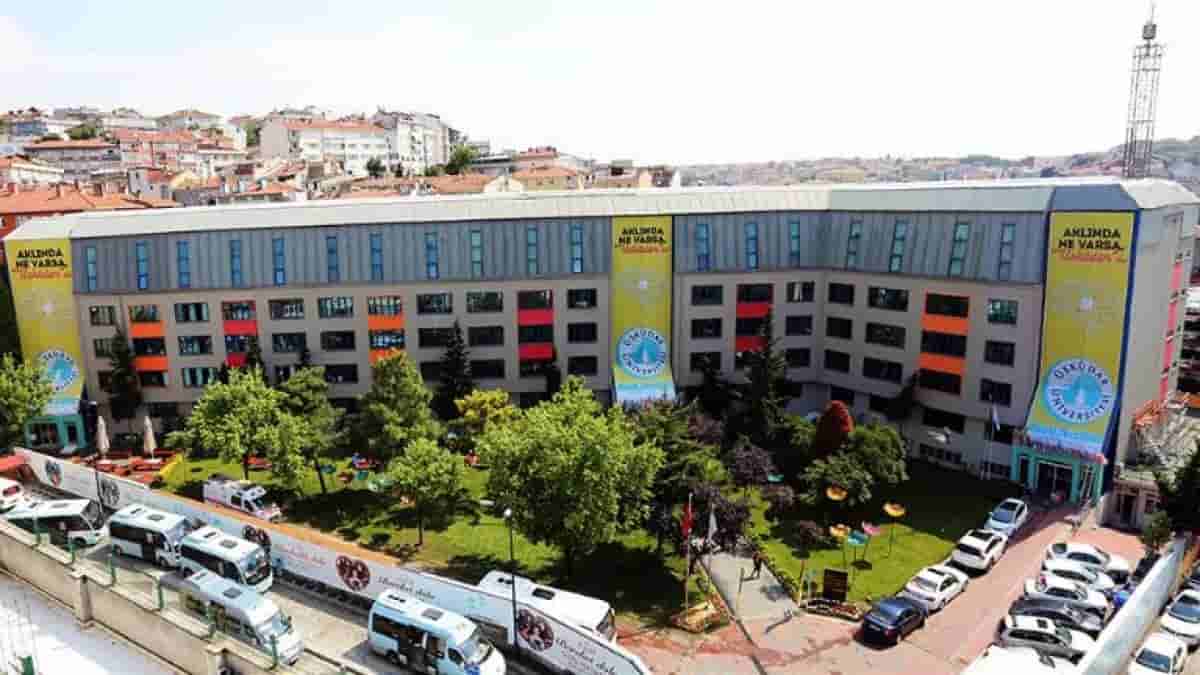 Dormitory
Istanbul, Turkey
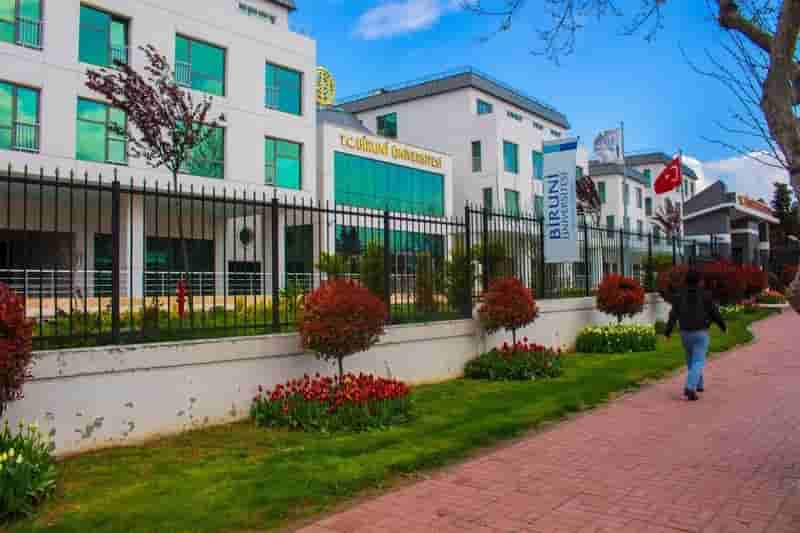 Dormitory
Istanbul, Turkey
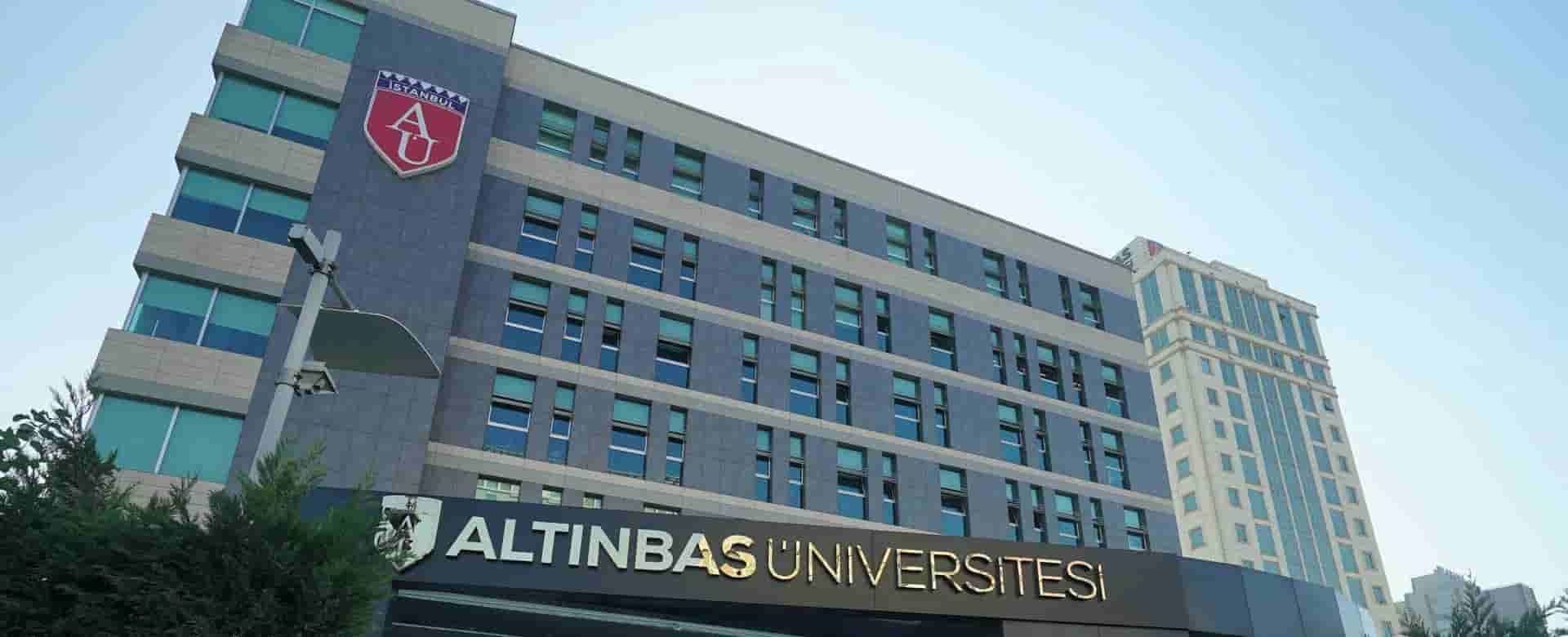 Dormitory
Istanbul, Turkey
 Dormitory
Istanbul, Turkey
 Dormitory
Istanbul, Turkey
 Dormitory
Istanbul, Turkey
 Dormitory
Istanbul, Turkey
 Dormitory
Istanbul, Turkey
 Dormitory
Istanbul, Turkey
 Dormitory
Istanbul, Turkey
 Dormitory
Antalya, Turkey
 Dormitory
Istanbul, Turkey
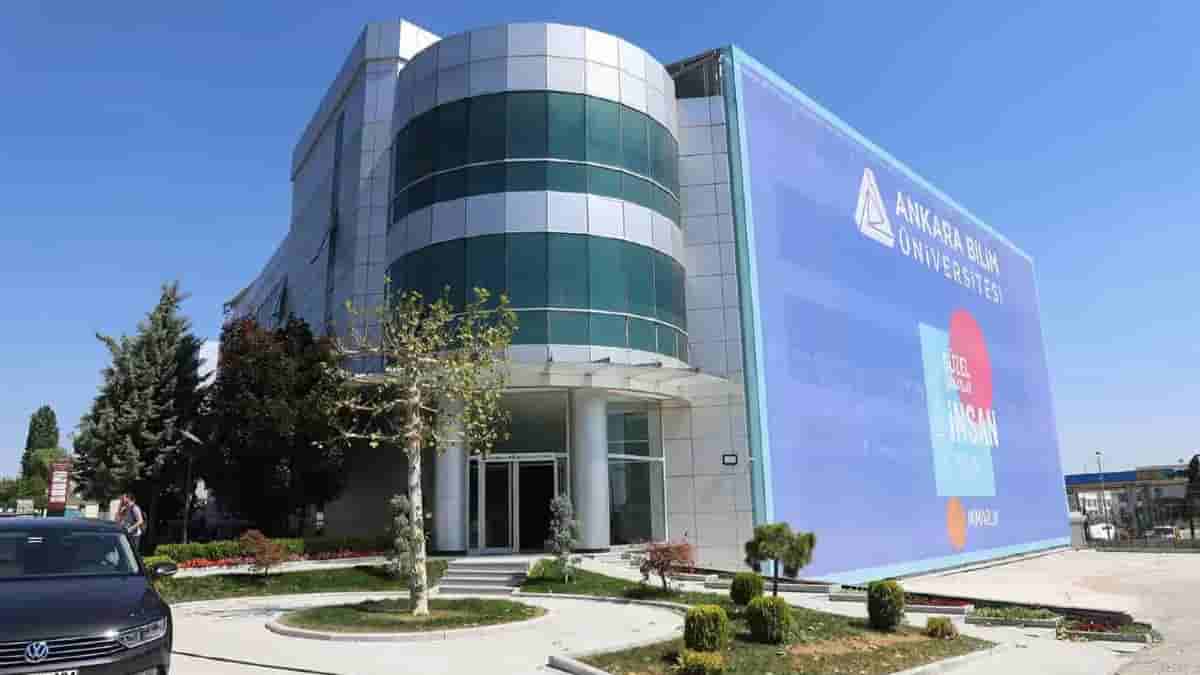 Dormitory
Ankara, Turkey
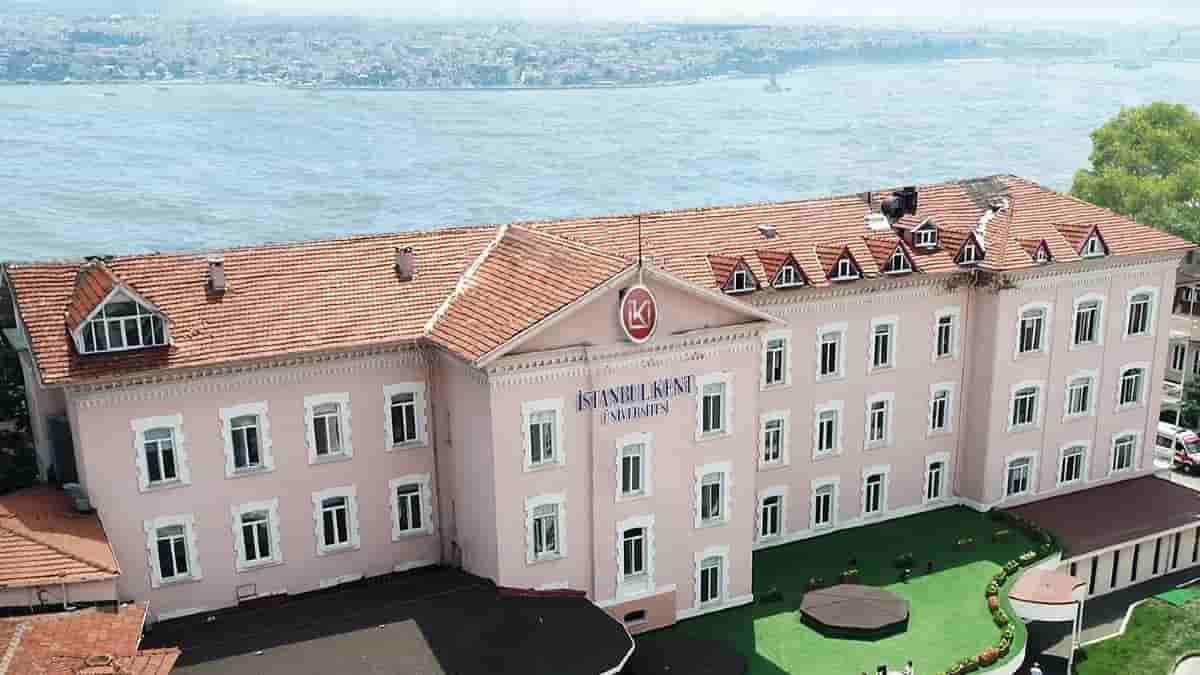 Dormitory
Istanbul, Turkey