
FAQs
Frequently Asked Questions and Answers

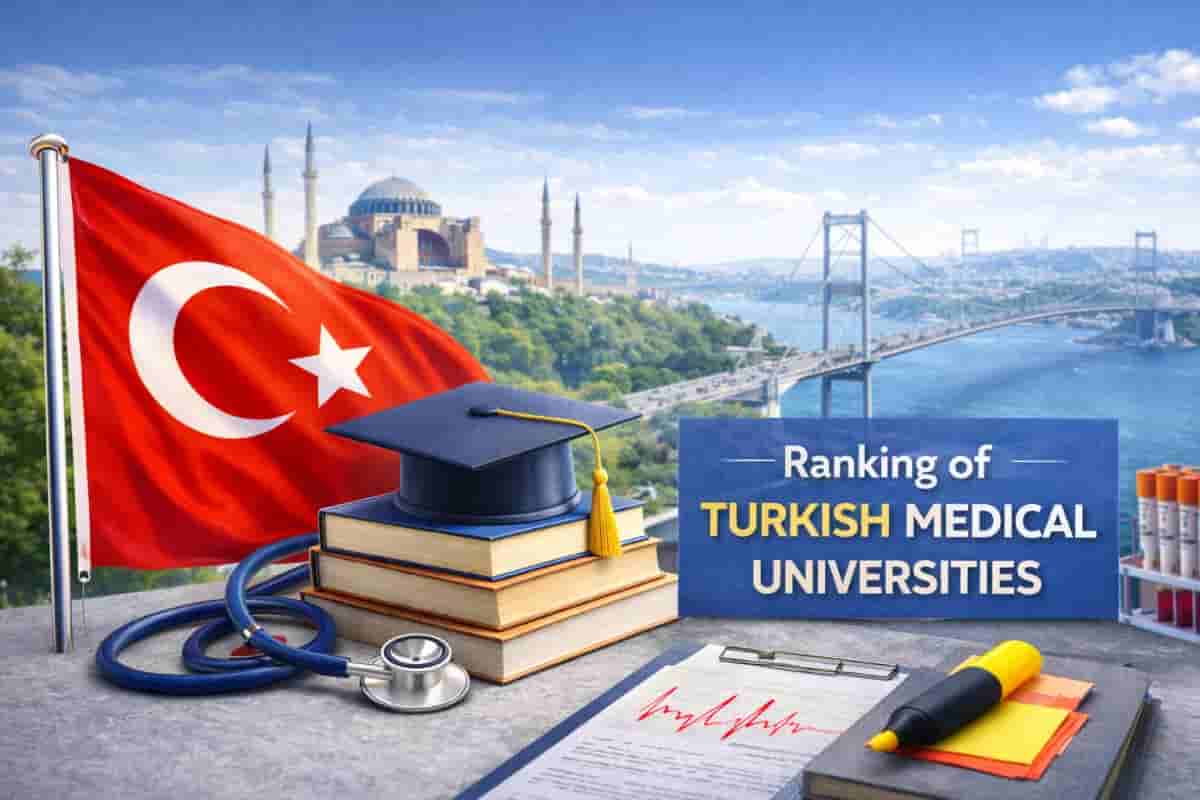
Medical studies in Turkey have gained sustained international attention due to the country’s expanding healthcare infrastructure, internationally aligned curricula and growing ecosystem of universities offering medical education. Positioned at the intersection of Europe, Asia, the Middle East, Turkey provides a unique academic environment that combines clinical exposure, modern facilities, and global relevance.
Medical education in Turkey follows a structured and internationally recognizable framework. Programs are typically six years in duration and integrate pre-clinical sciences, clinical sciences, and hospital-based practice.
Years 1–3 (Pre-clinical phase): Focus on foundational medical sciences such as anatomy, physiology, biochemistry, and pathology, supported by laboratory work.
Years 4–5 (Clinical phase): Students rotate through major medical departments, gaining supervised patient exposure.
Year 6 (Internship): Full-time clinical practice under professional supervision, preparing students for medical licensure pathways.

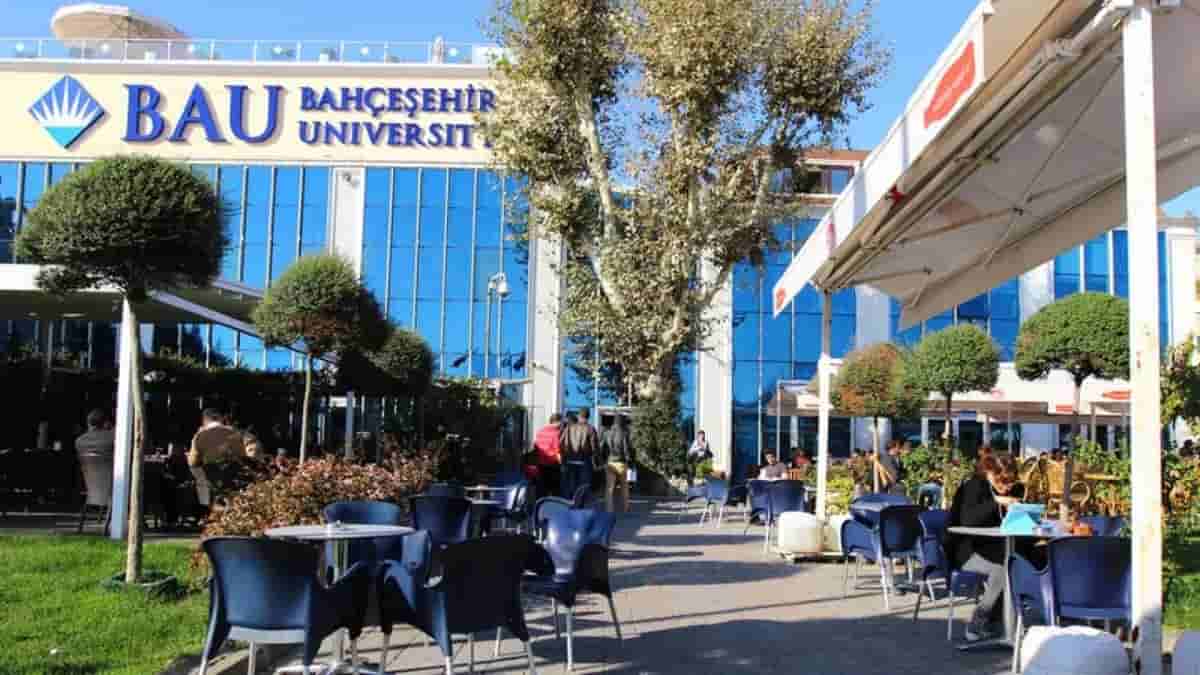
Institutions such as İstanbul Medipol University, Altınbaş University, Bahçeşehir University, Yeditepe University, Başkent University are frequently referenced for their structured clinical partnerships and hospital-integrated teaching models. The growing use of simulation centers, digital anatomy labs, and interdisciplinary teaching reflects a broader modernization trend.
Medical programs in Turkey are offered in Turkish and English, depending on the institution. English-taught programs attract international cohorts, creating multicultural learning environments that reflect real-world healthcare diversity.
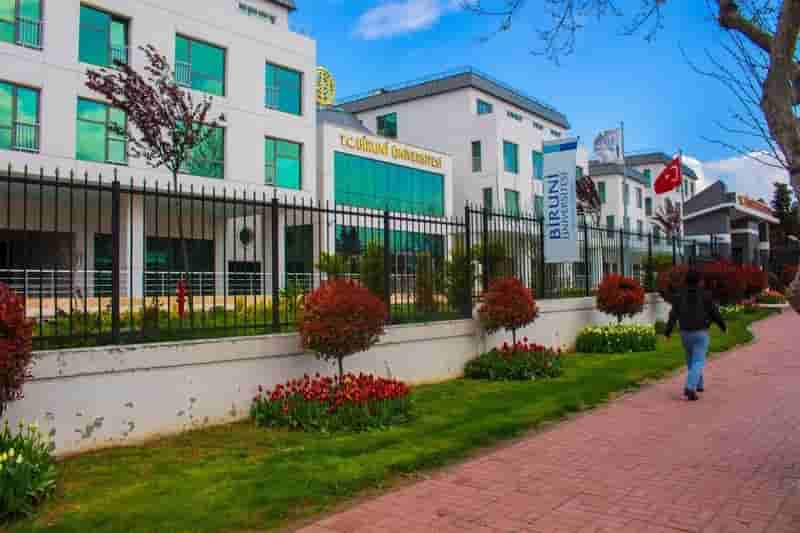
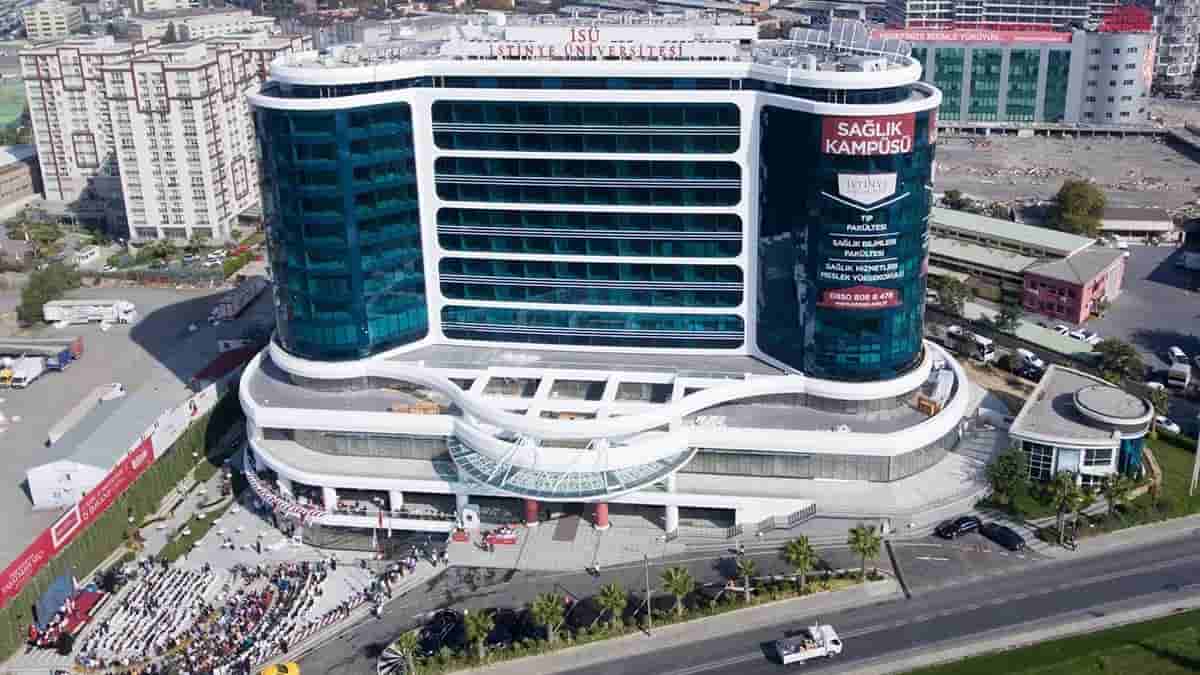
Universities such as İstinye University, Demiroğlu Bilim University, Biruni University emphasize integrated hospital learning environments, allowing students to observe healthcare systems from early stages of training.
Students gain exposure to high patient volumes across diverse medical cases, particularly in metropolitan areas such as Istanbul, Ankara, and Izmir. Institutions like Acıbadem Mehmet Ali Aydınlar University, Lokman Hekim University, Ankara Medipol University operate within advanced healthcare networks, enhancing clinical learning through modern diagnostic and treatment facilities.

Graduates of Turkish medical programs pursue diverse pathways, including clinical practice, postgraduate training, research, healthcare management. The structured internship year equips graduates with practical readiness, while international exposure supports global mobility.
Medical education in Turkey increasingly emphasizes transferable competencies such as clinical reasoning, ethical decision-making, and interdisciplinary collaboration skills essential for modern healthcare systems.
Why StudyLeo:
Direct partnerships with universities
Free registration
Free transfer support
Free visa support
Centralized guidance from application to enrollment

Choosing institutions without evaluating clinical exposure quality
Underestimating the importance of hospital affiliations
Relying on fragmented or unofficial application channels
Ignoring long-term career alignment when selecting a university
Judging living costs based solely on tuition comparisons
Avoiding these pitfalls requires structured guidance and verified institutional partnerships.
Medical studies in Turkey represent a structured, clinically integrated, and globally relevant educational pathway. The combination of standardized curricula, hospital-based training, and cost transparency makes Turkey a strategic destination for medical education. Future developments are likely to further strengthen digital learning, research integration, and international collaboration.
Frequently Asked Questions and Answers
Look out blogs and aware of the latest trends and updates
Explore top universities offering quality education, modern facilities, and diverse academic opportunities for students worldwide





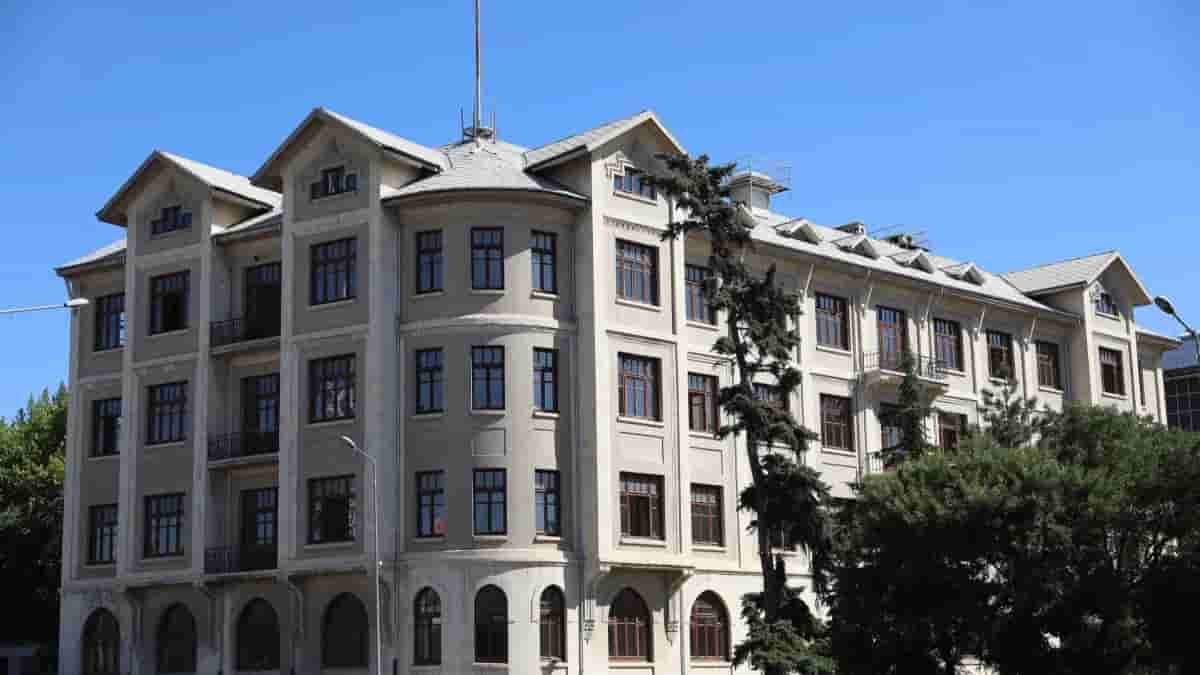 Dormitory
Ankara, Turkey
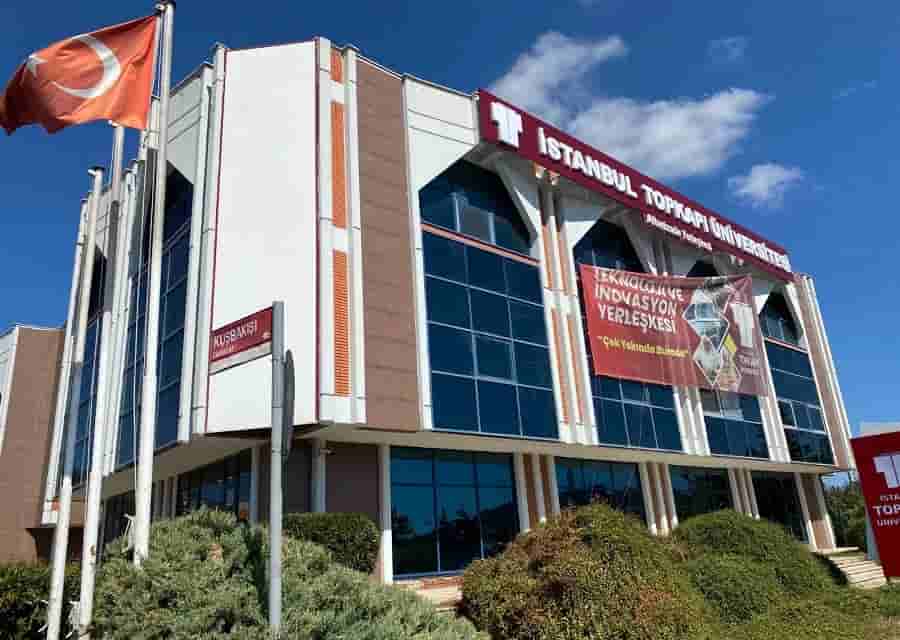 Dormitory
Istanbul, Turkey
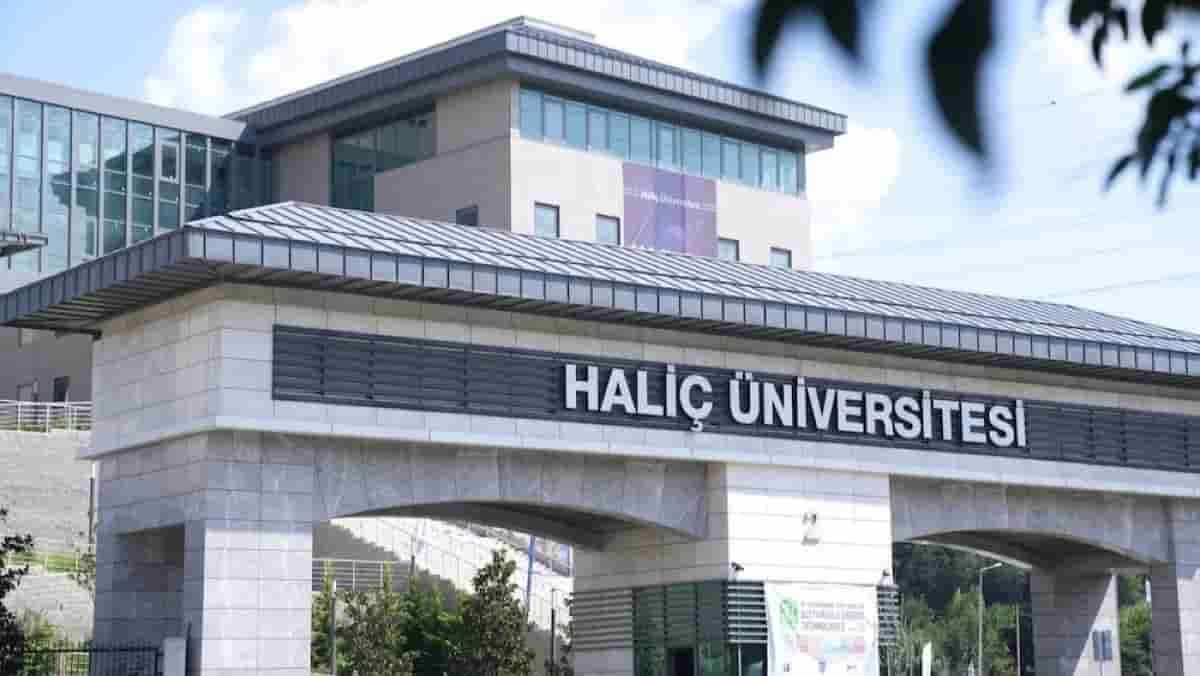 Dormitory
Istanbul, Turkey
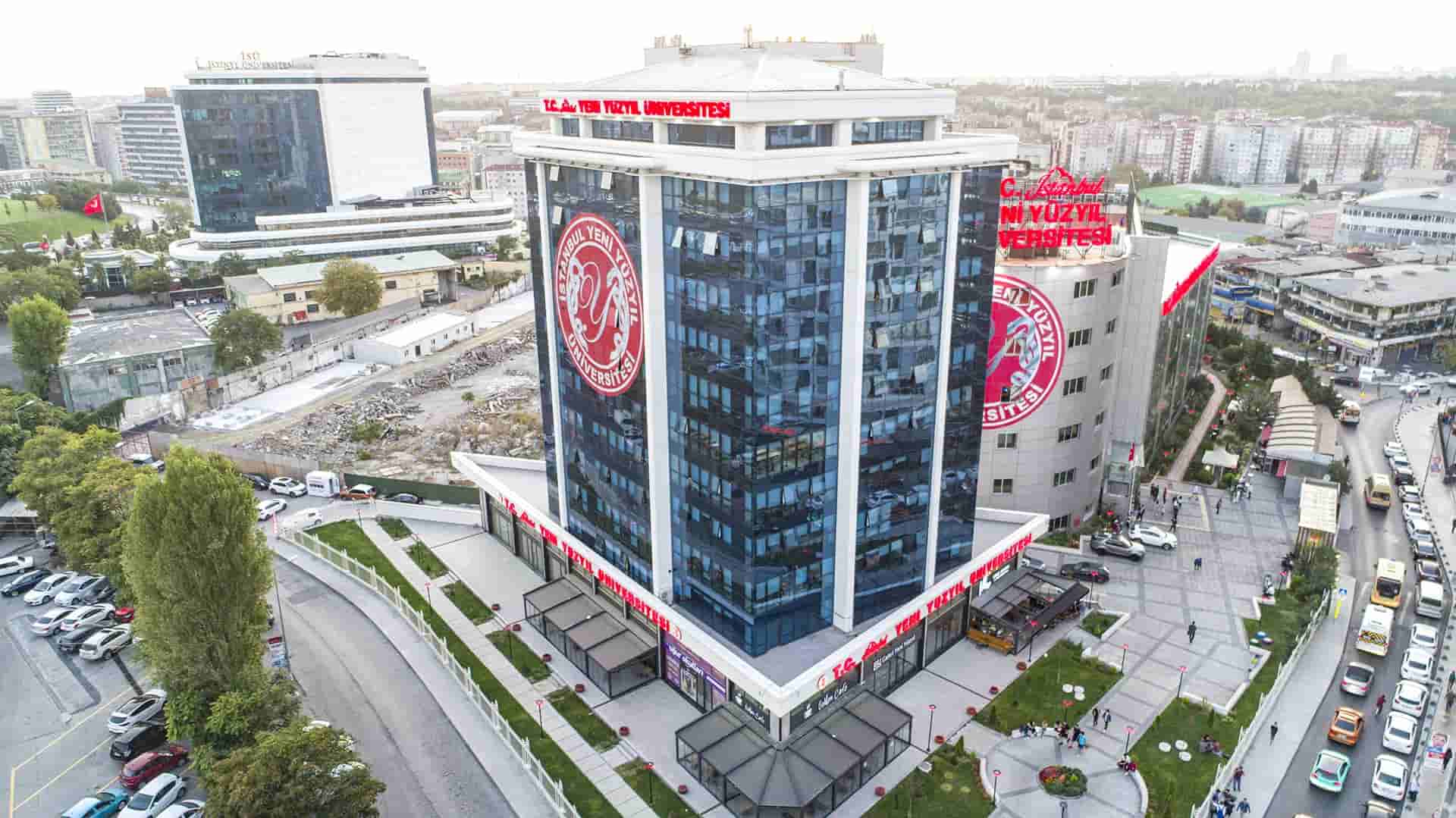 Dormitory
Istanbul, Turkey
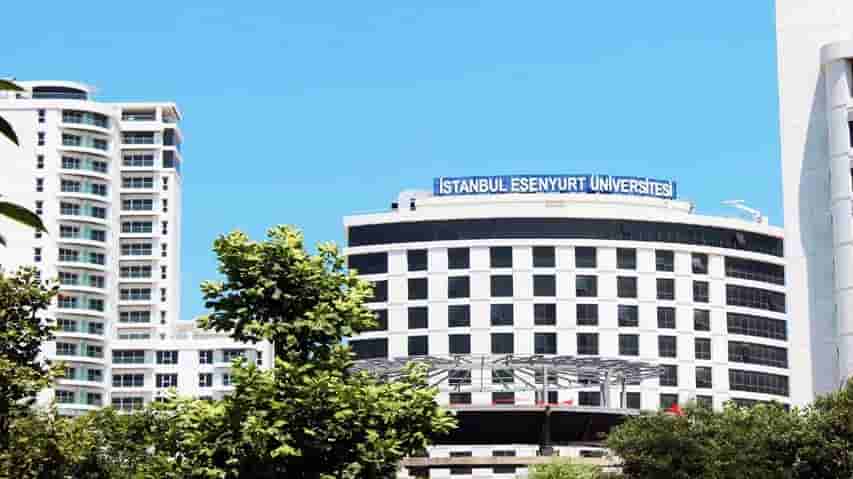 Dormitory
Istanbul, Turkey
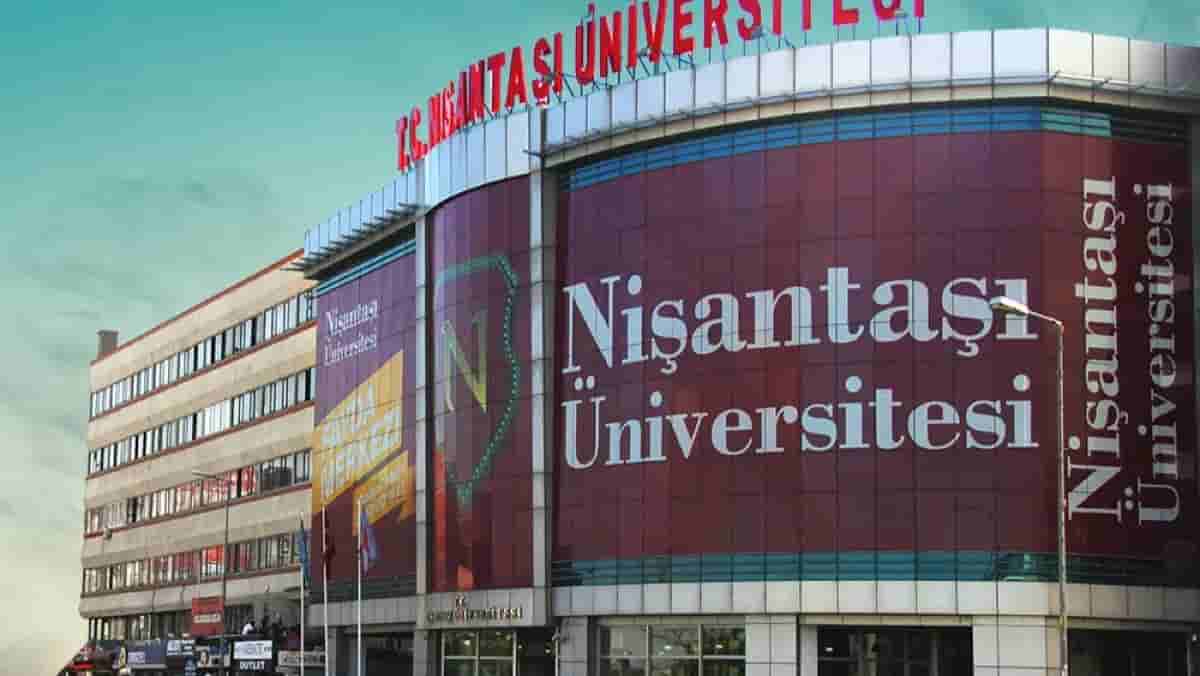 Dormitory
Istanbul, Turkey
 Dormitory
Istanbul, Turkey
 Dormitory
Istanbul, Turkey
 Dormitory
Istanbul, Turkey
 Dormitory
Istanbul, Turkey
 Dormitory
Istanbul, Turkey
 Dormitory
Istanbul, Turkey
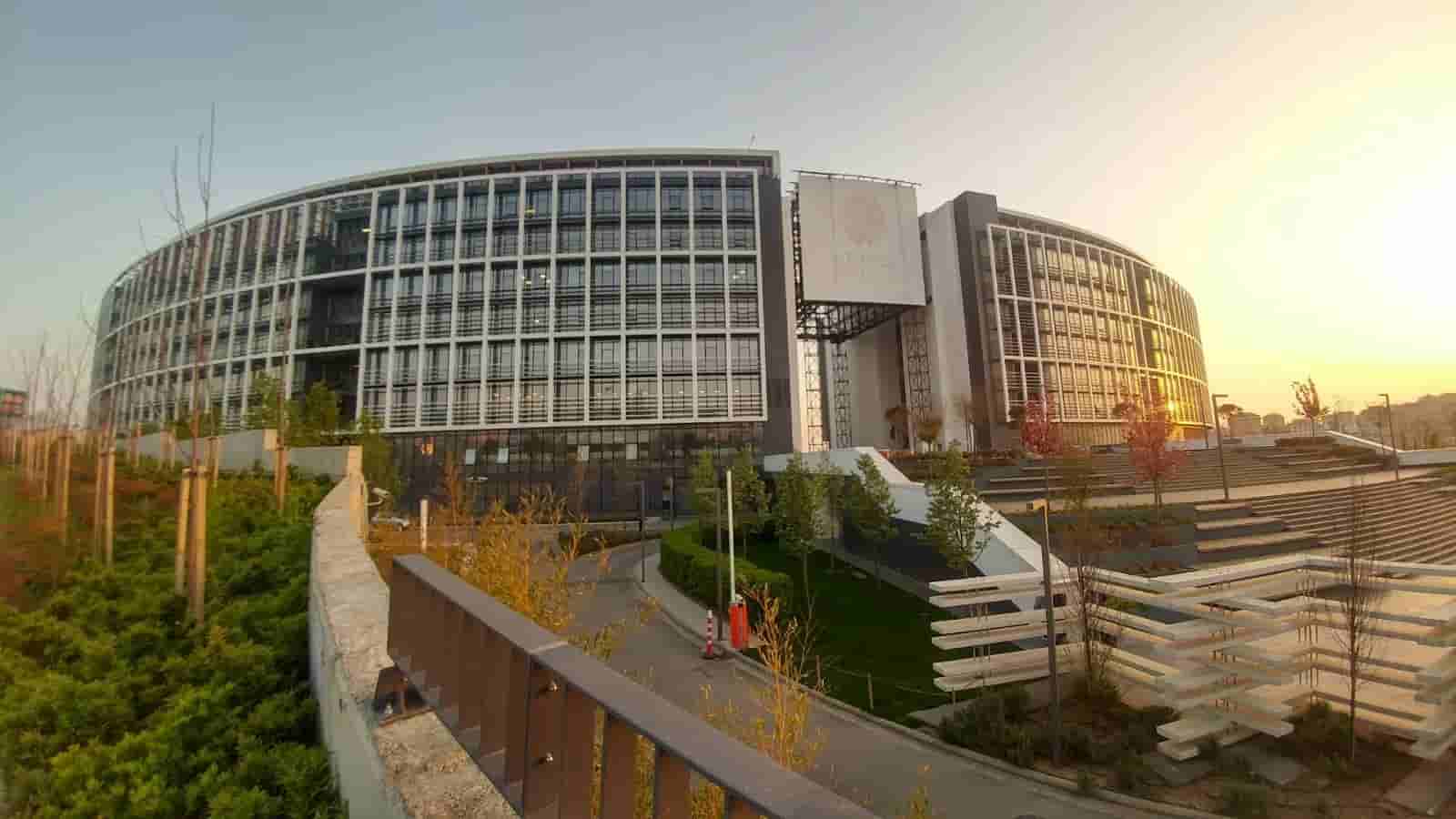 Dormitory
Istanbul, Turkey
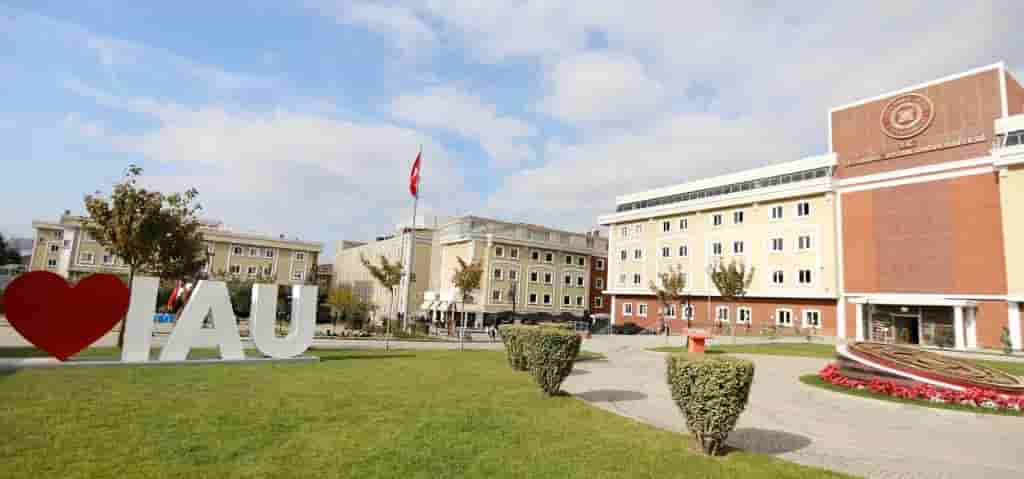 Dormitory
Istanbul, Turkey
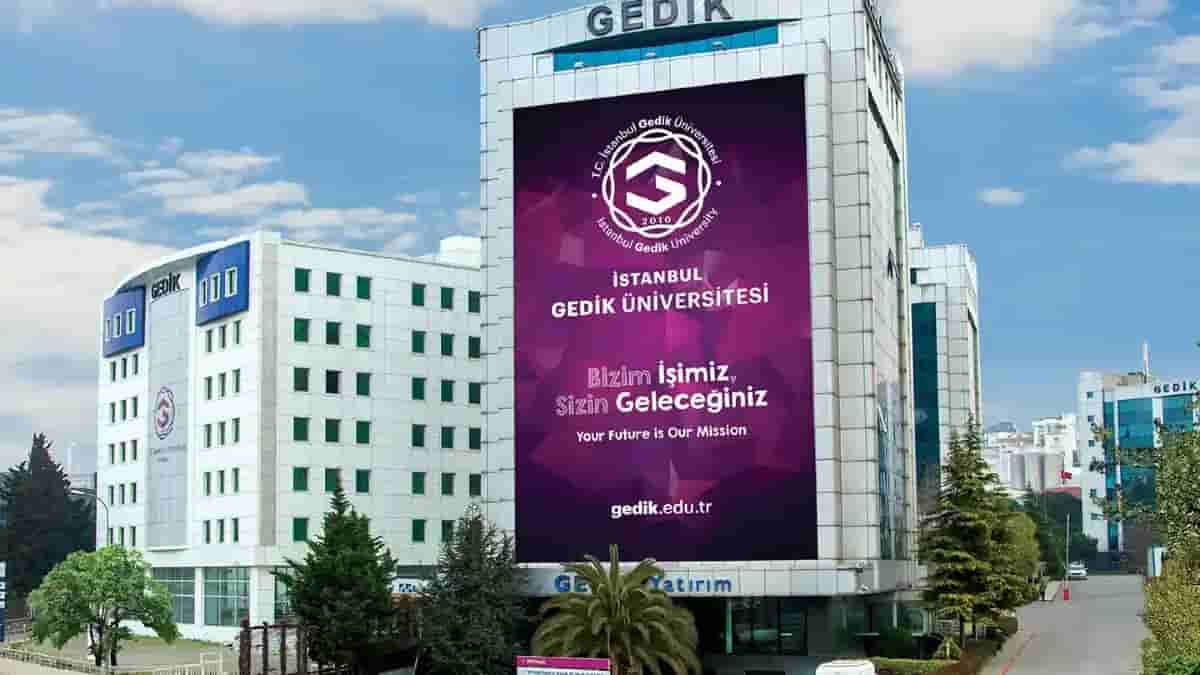 Dormitory
Istanbul, Turkey
 Dormitory
Istanbul, Turkey
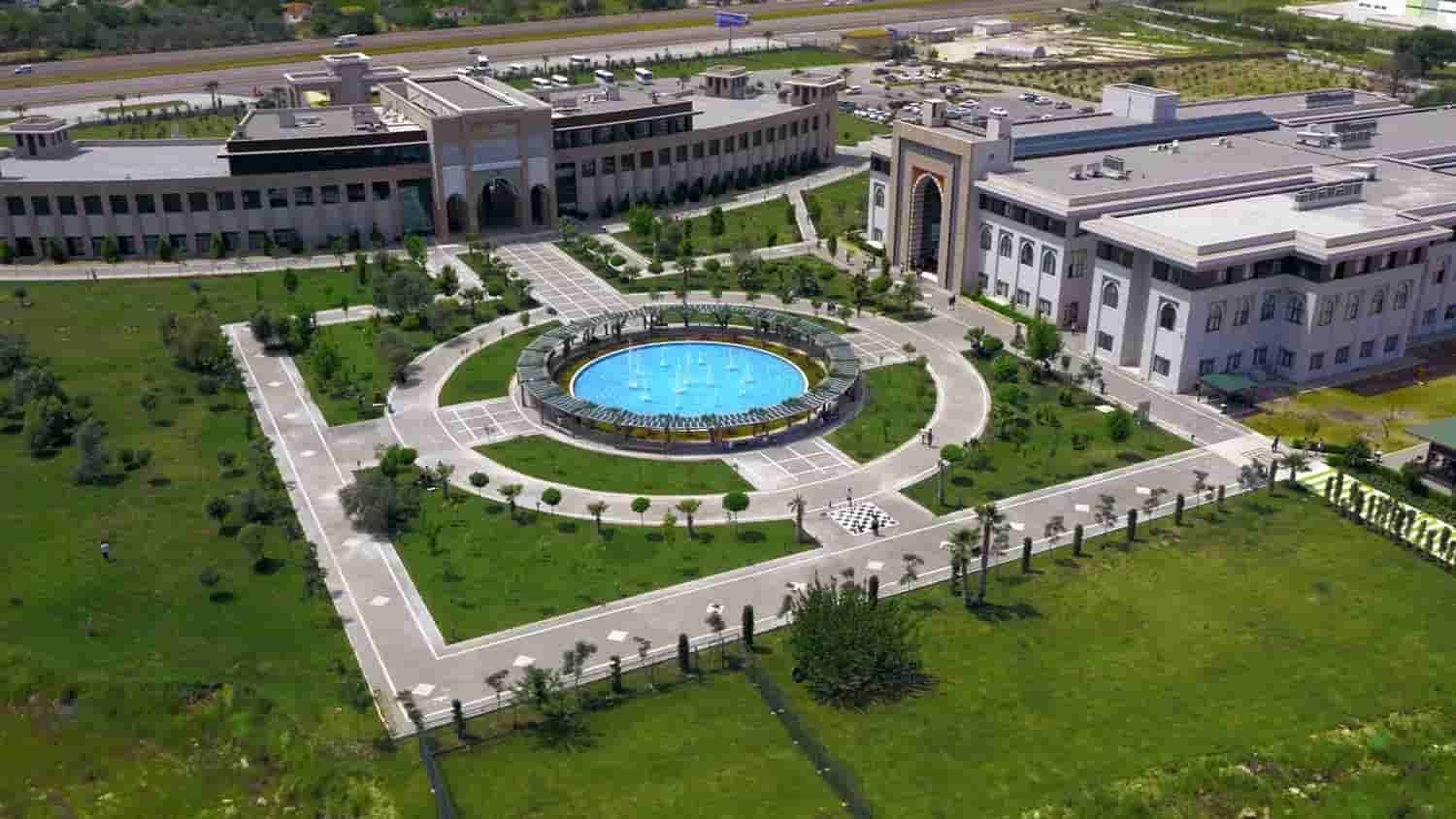 Dormitory
Antalya, Turkey
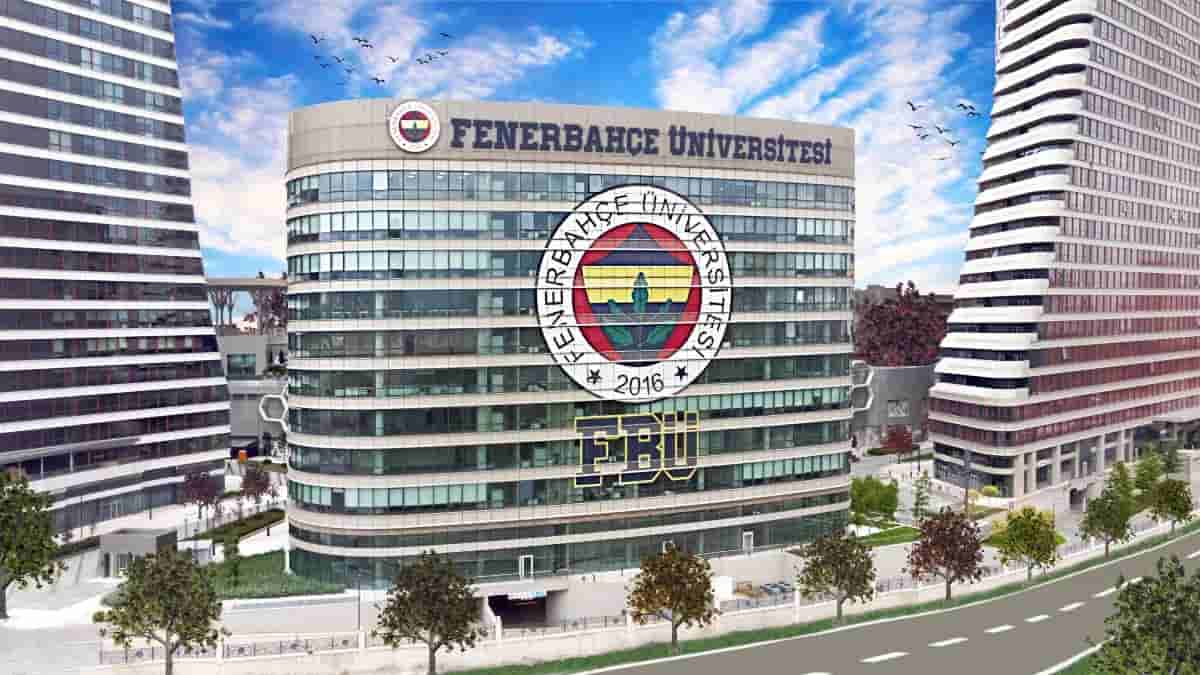 Dormitory
Istanbul, Turkey
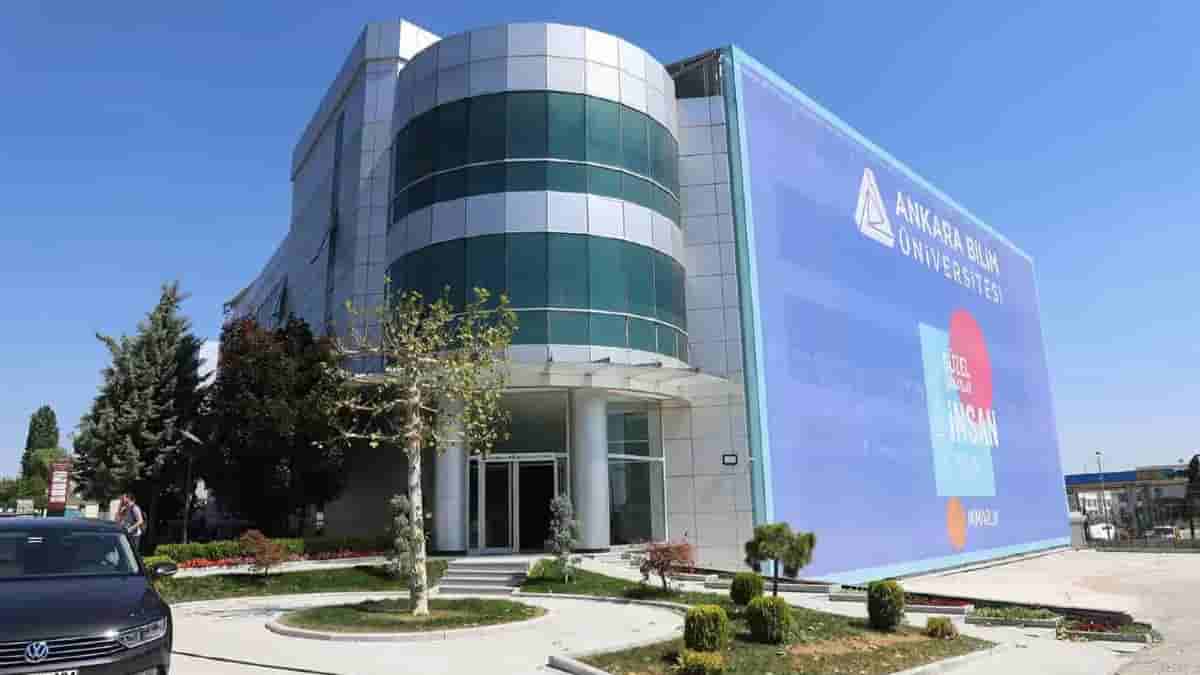 Dormitory
Ankara, Turkey
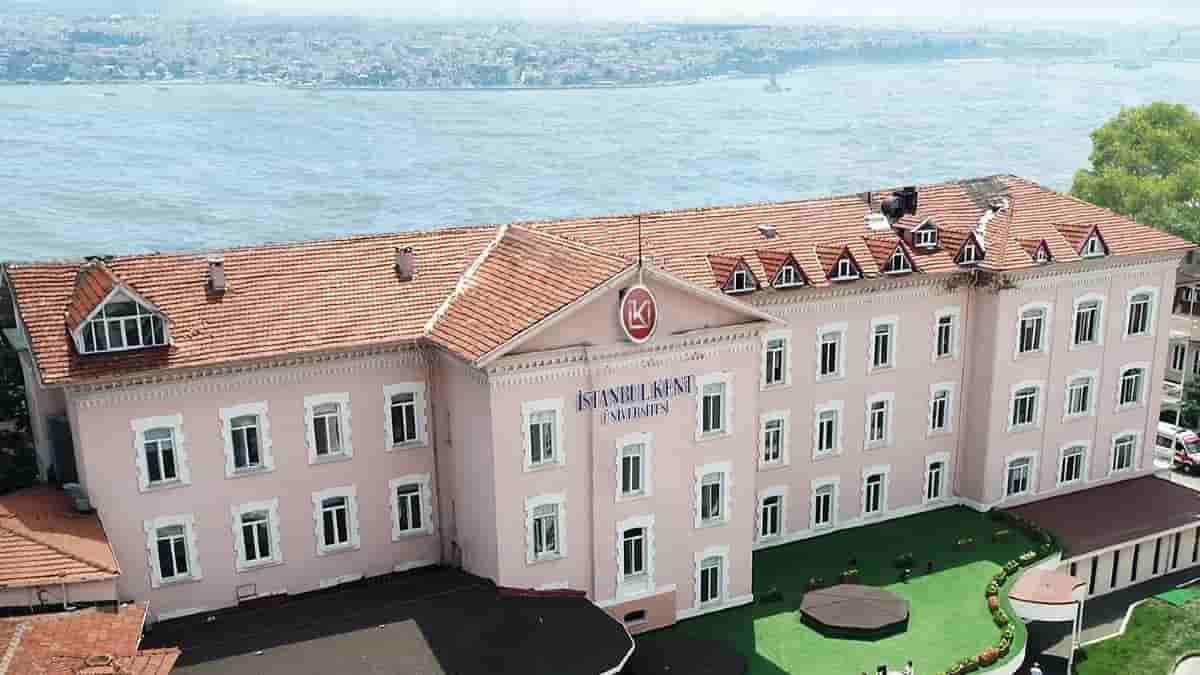 Dormitory
Istanbul, Turkey