

FAQs
Frequently Asked Questions and Answers

In recent years, studying in Turkey has become significantly more accessible for Azerbaijani students. One of the main reasons behind this accessibility is the recognition of Azerbaijan’s national exam results by several Turkish universities. Today, students can apply to prestigious Turkish institutions using their State Examination Center results without necessarily taking additional international exams.
This article provides a comprehensive guide to studying in Turkey with a DIM score, explaining the system, the application process, score requirements, preferred fields of study, and universities that recognize this pathway.

The Dövlət İmtahan Mərkəzi (DIM) is Azerbaijan’s centralized authority responsible for organizing national university entrance examinations and issuing secondary school diplomas. The system evaluates students based on standardized exams divided into four academic groups.
Over the past few years, cooperation protocols between DIM and several Turkish universities have allowed Azerbaijani students to apply using their national exam results. As a result, students may gain admission without sitting for additional international exams such as YÖS or SAT, depending on the university.
This development has made the admission process more transparent, competitive, and structured for Azerbaijani applicants.

For international students, Turkish universities typically recognize one or more of the following:
YÖS (Foreign Student Exam)
SAT I / SAT II
DIM (TQDK) results
High school diploma (Attestat)
However, requirements vary by institution.

Most Turkish state universities traditionally accept YÖS and SAT results. Nevertheless, some institutions also recognize DIM scores.
Certain universities may not require SAT but instead request a DIM score. On the other hand, some institutions may formally mention DIM recognition but not actively implement it in practice. Therefore, verifying each university’s official international admissions criteria is essential.
Examples of universities known to consider DIM scores include:
Ondokuz Mayıs University
Middle East Technical University
Ankara Yıldırım Beyazıt University
Koç University
Hacettepe University
Boğaziçi University
Each of these universities applies competitive evaluation standards. Therefore, score alone does not guarantee placement — quota availability and applicant ranking also play a decisive role.
Score expectations differ depending on department and university prestige.
Students scoring between 400–500 may gain admission to mid-level state universities or several private institutions. With proper department strategy, this score range can still lead to strong academic outcomes.
Students with 600+ scores are competitive for high-ranking universities and departments such as:
Medicine
Engineering
Economics
International Relations
Yet, even in this range, competition remains intense. For example, medicine programs often accept only a small percentage of applicants despite high average scores.
This means that choosing the correct university–department combination is just as important as the score itself.

Required documents generally include:
High School Diploma (Attestat)
DIM result certificate
Passport copy
Motivation letter
(Sometimes) recommendation letter
Incomplete or incorrectly translated documents may result in automatic rejection.
Most universities open international applications between June and August. However, deadlines differ and may close earlier once quotas are filled.
Applications are submitted via official university portals. Students can usually apply to multiple departments.
Strategic ordering of department preferences can increase acceptance probability — especially for competitive faculties.
Medicine
Medicine remains the most competitive field. Average DIM scores often reach 650 or higher.
Students frequently target institutions such as:
Hacettepe University
Ege University
Dokuz Eylül University
Medical education in Turkey lasts six years and combines theoretical study with clinical training and internship.
Engineering and Technology
Engineering — especially IT and Electrical Engineering — is highly demanded.
Top institutions in this field include:
Boğaziçi University
Yıldız Technical University
Istanbul Technical University
These universities provide advanced laboratories and research-focused environments.
Law, Psychology, and Business
Law programs focus on Turkish legal frameworks but may include comparative law components.
Psychology emphasizes research and clinical practice.
Business and Economics programs tend to have slightly higher acceptance rates compared to medical faculties.

Not having a DIM score does not mean losing the opportunity to study in Turkey.
Exam-Free Admission to Private Universities
One of the biggest opportunities is private university admission without any entrance exam.
Many Turkish private universities accept students based on:
High school diploma (Attestat)
Academic transcript
In most cases, no DIM, YÖS, or SAT exam is required. Admission decisions are based on academic performance and document evaluation.
This pathway is especially suitable for students who:
Did not take the DIM exam
Are not satisfied with their DIM score
Want a faster and more flexible admission process
However, choosing the right private university is extremely important. Tuition structures, language of instruction, accreditation status, and scholarship options vary significantly between institutions. Applying randomly can result in higher costs or limited academic benefits.
StudyLeo provides structured consultation for students who want to gain admission to private universities without any exam requirement. The process typically includes:
Personalized university selection
Department suitability analysis
Scholarship evaluation
Document preparation support
Application submission management
Instead of applying blindly, students receive a strategy tailored to their academic background and career goals.
Frequently Asked Questions and Answers
Look out blogs and aware of the latest trends and updates
Explore top universities offering quality education, modern facilities, and diverse academic opportunities for students worldwide






 Dormitory
Ankara, Turkey
 Dormitory
Istanbul, Turkey
 Dormitory
Istanbul, Turkey
 Dormitory
Istanbul, Turkey
 Dormitory
Istanbul, Turkey
 Dormitory
Istanbul, Turkey
 Dormitory
Istanbul, Turkey
 Dormitory
Istanbul, Turkey
 Dormitory
Istanbul, Turkey
 Dormitory
Istanbul, Turkey
 Dormitory
Istanbul, Turkey
 Dormitory
Istanbul, Turkey
 Dormitory
Istanbul, Turkey
 Dormitory
Istanbul, Turkey
 Dormitory
Istanbul, Turkey
 Dormitory
Istanbul, Turkey
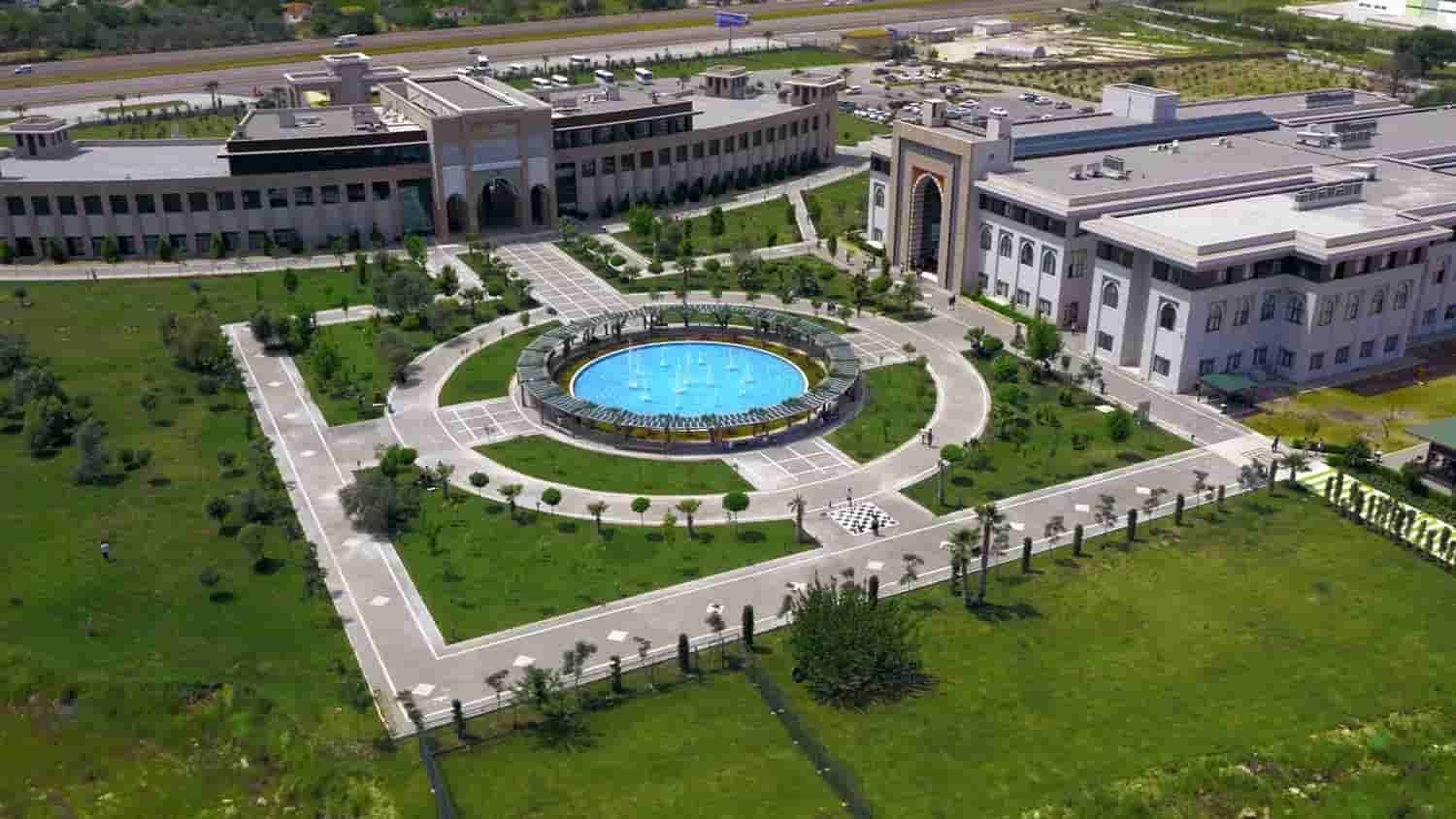 Dormitory
Antalya, Turkey
 Dormitory
Istanbul, Turkey
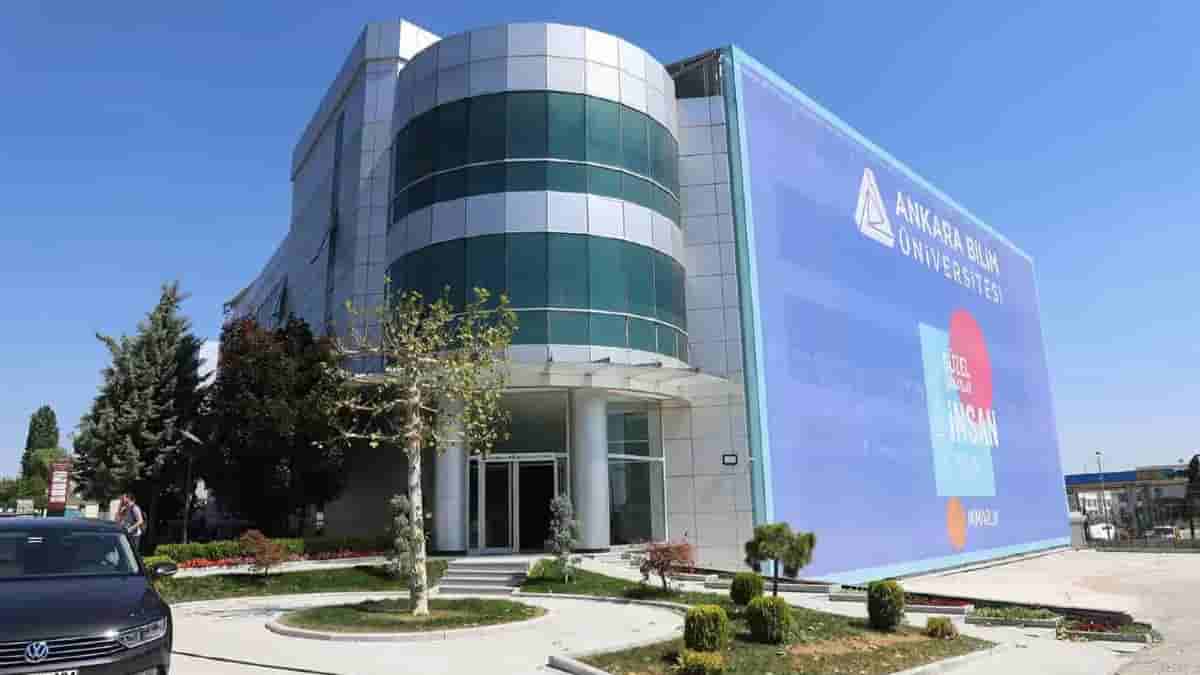 Dormitory
Ankara, Turkey
 Dormitory
Istanbul, Turkey