FAQs
Frequently Asked Questions and Answers

Turkish universities that accept high school diploma have become increasingly popular among international students. to UNESCO, more than 7 million students study outside their home countries each year, and Turkey has rapidly climbed into the list of top destinations.
Cities like Istanbul and Ankara now host globally recognized institutions that welcome students holding Turkish high school diplomas or equivalent qualifications.

Turkish universities that accept diploma are higher education institutions in Turkey that recognize international high school diplomas issued outside the Turkish education system. These diplomas may include national high school certificates, international curricula, or foreign secondary education qualifications. Universities evaluate applicants based on diploma equivalency, academic performance, and compliance with Turkish higher education regulations.
Importantly, both public and private universities fall under this category. While public universities tend to be more competitive, private institutions often offer flexible admission criteria. Consequently, students with varying academic backgrounds can find suitable options.
Turkish universities recognize international high school diplomas through structured equivalency evaluations aligned with global education standards. Since Turkey follows the Bologna Process, these diplomas are compatible with European higher education systems.
As a result, students can easily continue postgraduate studies abroad and benefit from stronger career opportunities in international and multinational environments.
Public universities in Turkey do accept international diplomas; however, they are often less flexible for international applicants. Admission competition is high, quotas are limited, and placement usually depends heavily on exam scores and GPA.
In addition, most programs at public institutions are taught in Turkish. As a result, students who are not fluent in the language may face an extra preparatory year, which can extend the overall study period. Therefore, while public universities may seem affordable, they are not always the most practical option for international students seeking smoother admission processes.
Private universities are generally more suitable and student-friendly for international applicants holding diplomas. These institutions offer flexible admission criteria, wider program choices in English, and faster evaluation timelines.
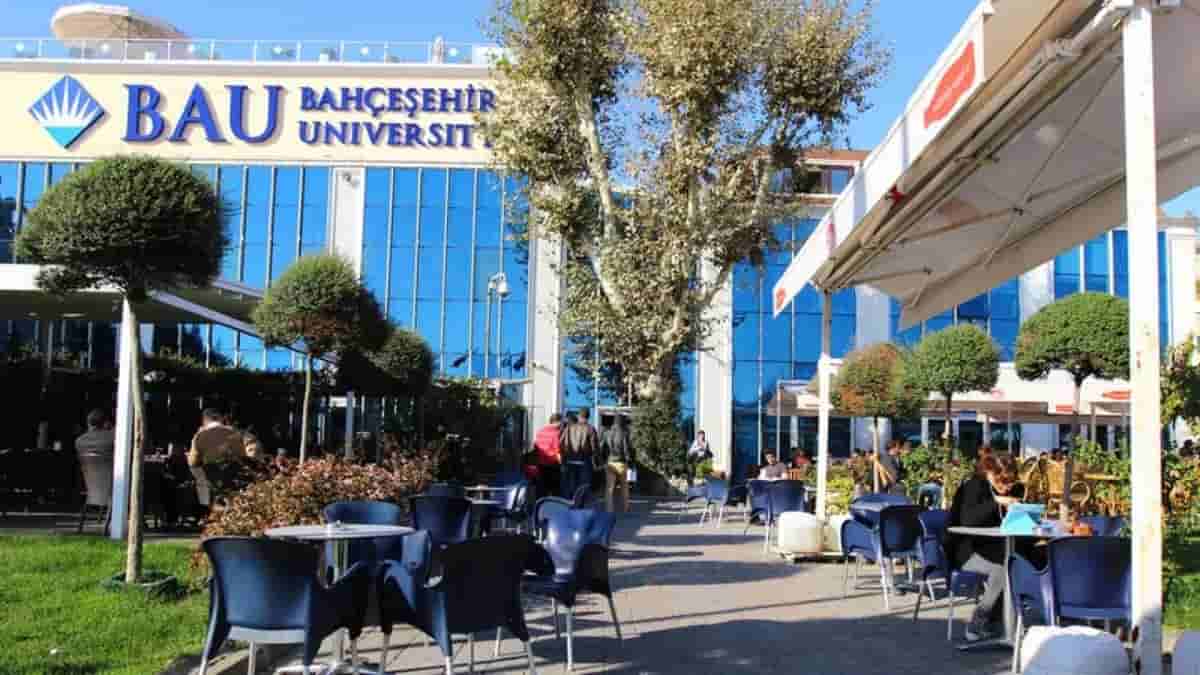
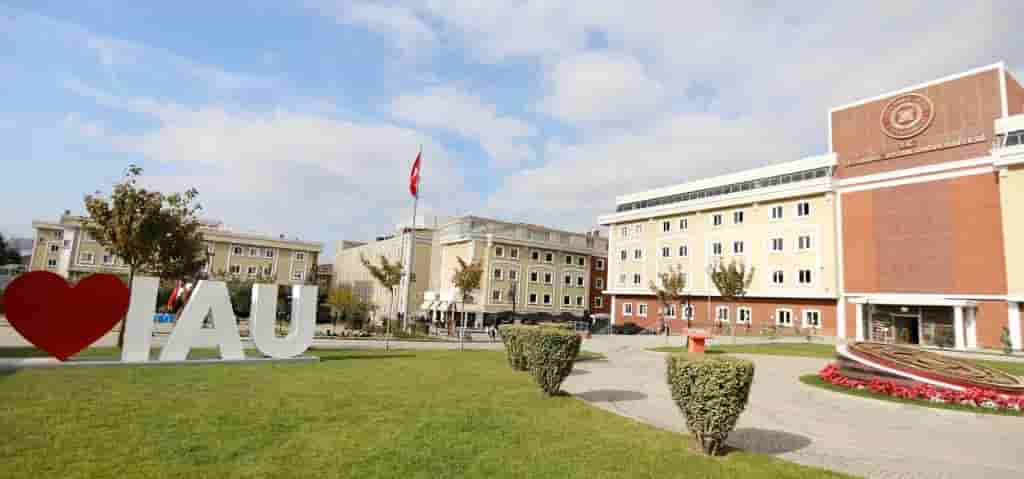
Universities such as Bahçeşehir University, Istanbul Aydin University, Bilkent University, and many mid-tier private institutions actively recruit international students. Moreover, private universities frequently provide scholarships, installment payment plans, and modern campus facilities, making them more accessible than commonly assumed.
Most importantly, private universities focus on holistic evaluation. Motivation letters, interviews, and academic potential often carry more weight than rigid exam rankings. Consequently, for many students, private universities represent a more realistic and efficient pathway into higher education in Turkey.
Most Turkish diploma-accepting universities evaluate applicants based on:
High school GPA
Diploma equivalency approval
Language proficiency (Turkish or English)
Entrance exam scores, if required
Although requirements vary, consistency in academic performance significantly improves acceptance chances. Additionally, early application often provides an advantage.

Certain disciplines consistently attract international students. These include medicine, engineering, business administration, and international relations. Notably, medical programs in Turkey have gained recognition due to modern hospitals and clinical training.
Engineering programs, particularly in civil, mechanical, and computer engineering, are also popular. As Turkey invests heavily in infrastructure and technology, these fields continue to grow.

In recent years, programs in data science, artificial intelligence, and renewable energy have expanded. Consequently, Turkish diploma-accepting universities are aligning themselves with global labor market trends.
This adaptability enhances graduate employability, both locally and internationally.
Feature | Public Universities | Private Universities |
|---|---|---|
Tuition Fees | Low | Mid-to-High |
Admission Flexibility | Limited | More Flexible |
Language Options | Mostly Turkish | More English Programs |
Scholarships | Limited | Widely Available |
Class Sizes | Large | Smaller |
As shown above, each option has distinct advantages. Therefore, students should align their choice with academic goals and financial capacity.
Studying in Turkey offers more than academic credentials. Students experience a culturally rich environment shaped by centuries of history. Moreover, Turkish universities increasingly collaborate with European and American institutions.
As a result, exchange programs and joint degrees are becoming more common. This global exposure significantly enriches the student experience.
Compared to Western Europe or North America, Turkey offers a favorable balance between cost and quality. Living expenses are moderate, while educational infrastructure remains competitive.
Consequently, Turkish diploma-accepting universities appeal to students seeking value without compromising academic standards.
Choosing among Turkish diploma-accepting universities requires evaluating several factors. Academic reputation, language of instruction, campus location, and career prospects all matter.
Additionally, students should review accreditation status and alumni outcomes. These indicators provide insight into long-term value.
Many students benefit from professional counseling during the application process. Guidance helps avoid documentation errors and missed deadlines.
Therefore, informed decision-making significantly increases success rates.
Turkey continues to invest heavily in higher education. New campuses, international partnerships, and digital learning initiatives are expanding rapidly. Turkish diploma-accepting universities are expected to gain even greater global visibility.
Moreover, as international student numbers rise annually, Turkey’s role in global education will likely strengthen further.

In summary, Turkish universities that accept diploma offer a compelling combination of academic quality, affordability, and international recognition. They serve as strong gateways for students seeking global education pathways while experiencing a unique cultural environment.
For personalized guidance and application support, students can contact StudyLeo to explore suitable university options and admission strategies.
Frequently Asked Questions and Answers
Look out blogs and aware of the latest trends and updates
Explore top universities offering quality education, modern facilities, and diverse academic opportunities for students worldwide





 Dormitory
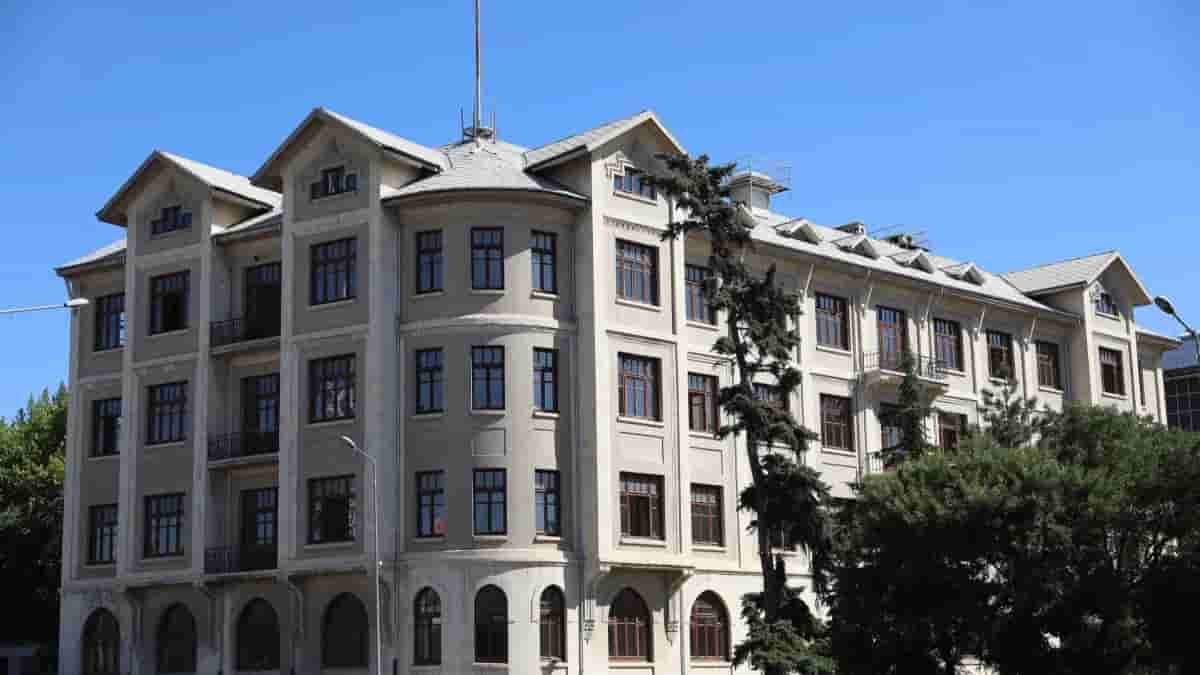
Ankara, Turkey
 Dormitory
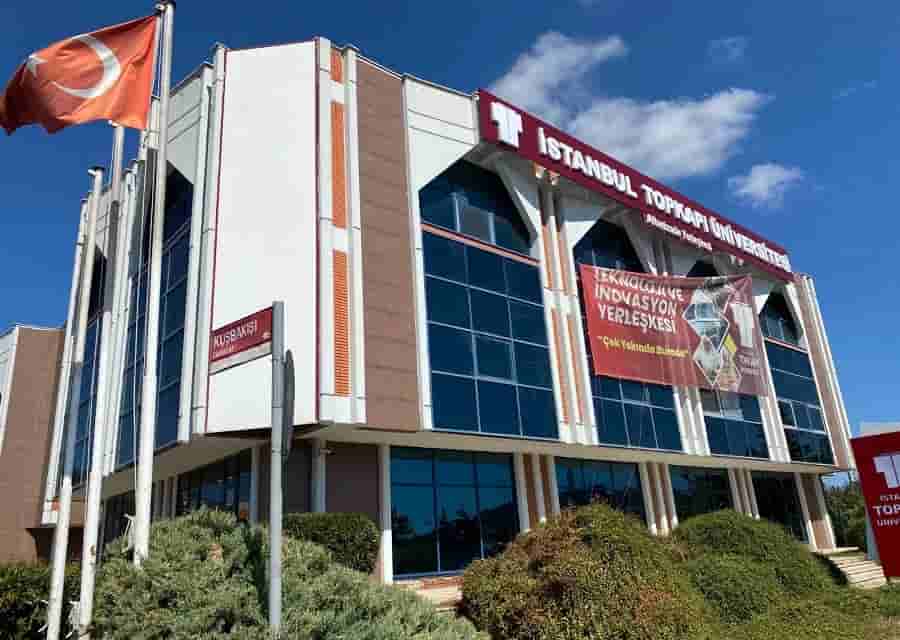
Istanbul, Turkey
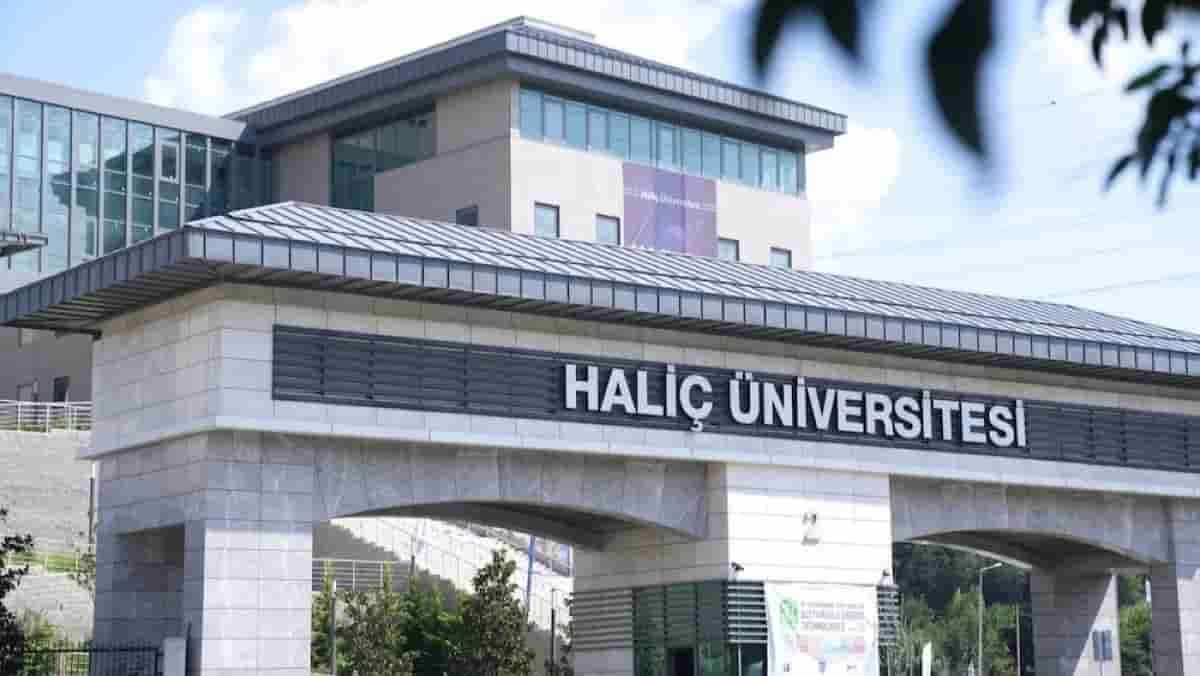 Dormitory
Istanbul, Turkey
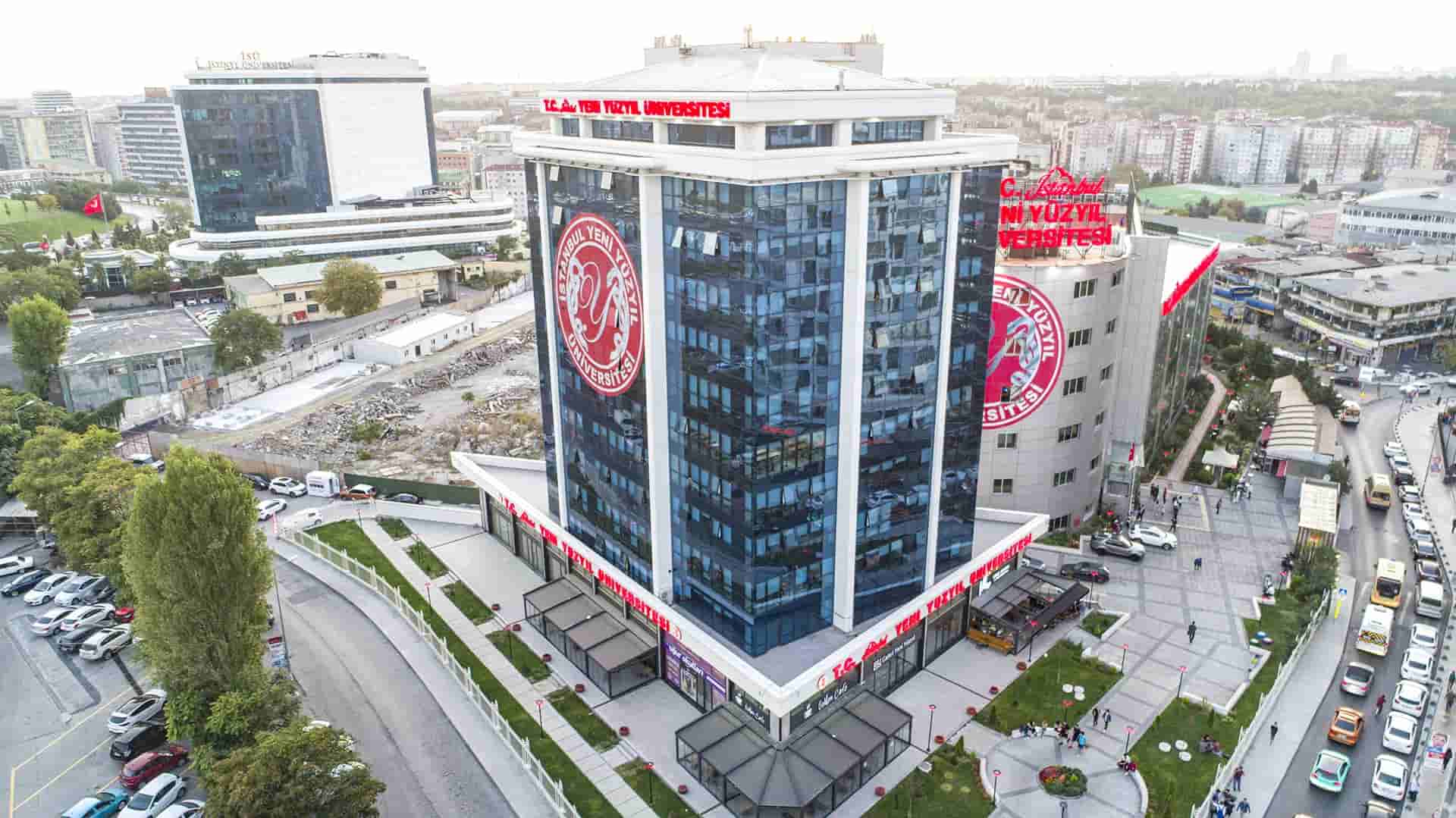 Dormitory
Istanbul, Turkey
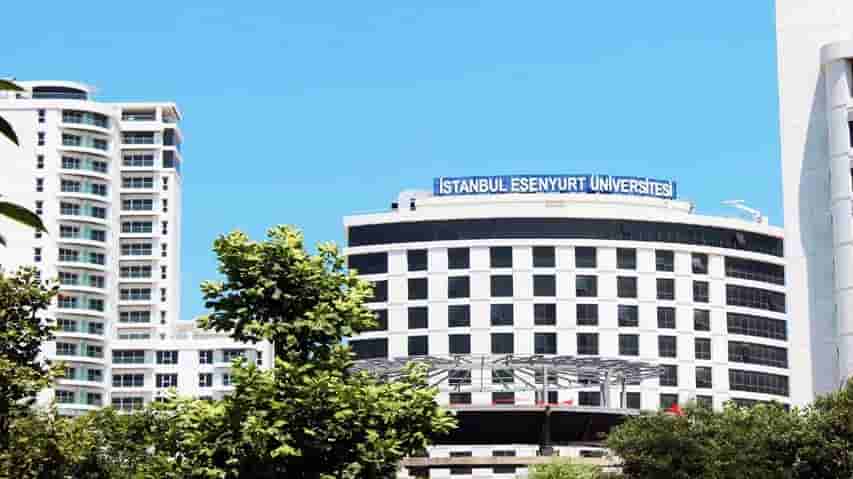 Dormitory
Istanbul, Turkey
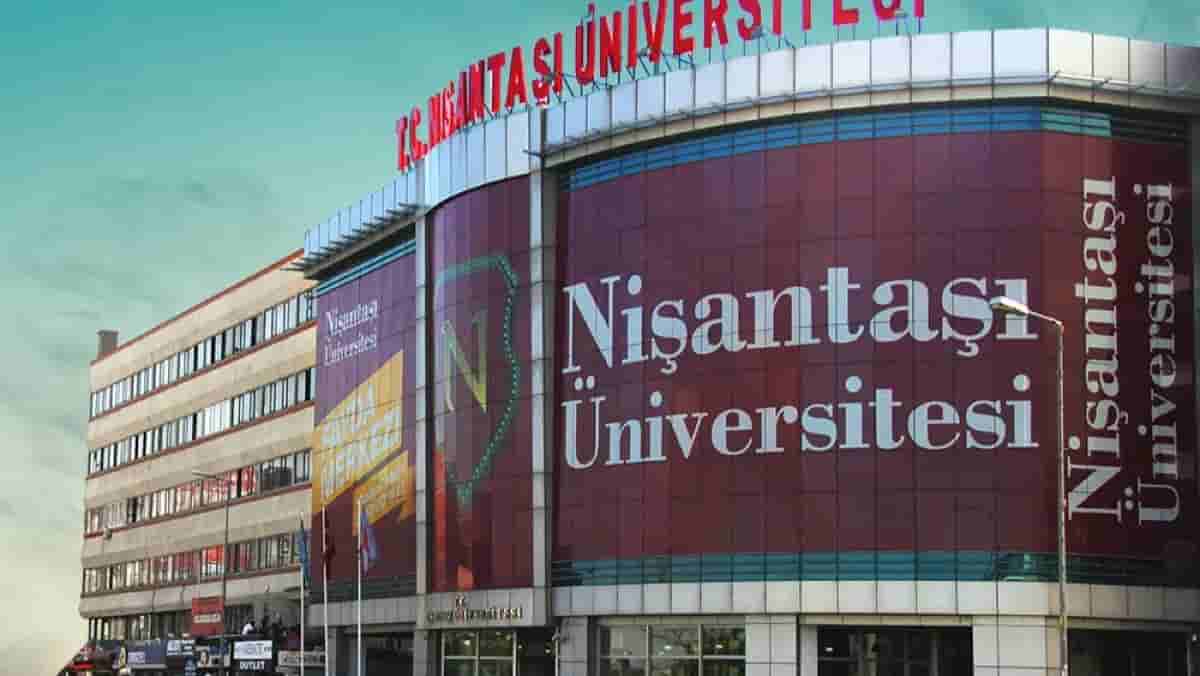 Dormitory
Istanbul, Turkey
 Dormitory
Istanbul, Turkey
 Dormitory
Istanbul, Turkey
 Dormitory
Istanbul, Turkey
 Dormitory
Istanbul, Turkey
 Dormitory
Istanbul, Turkey
 Dormitory
Istanbul, Turkey
 Dormitory
Istanbul, Turkey
 Dormitory
Istanbul, Turkey
 Dormitory
Istanbul, Turkey
 Dormitory
Istanbul, Turkey
 Dormitory
Antalya, Turkey
 Dormitory
Istanbul, Turkey
 Dormitory
Ankara, Turkey
 Dormitory
Istanbul, Turkey