
FAQs
Frequently Asked Questions and Answers
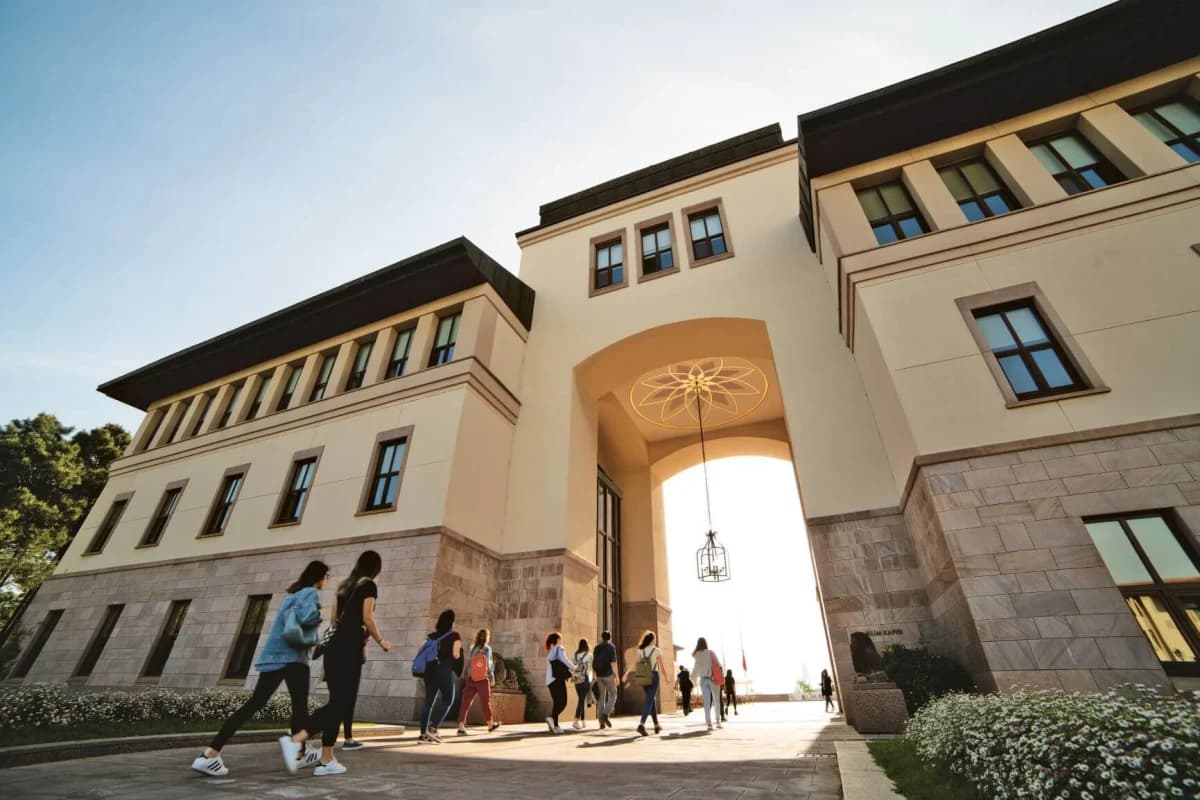
Turkish universities attract a growing number of international students who look for structured programs, predictable admissions, and degrees recognized across many countries. Families often compare several destinations but struggle to find clear and realistic information.
Fields like medicine, dentistry, engineering, business, psychology, and aviation management are widely available in English or bilingual formats. Universities such as Bahcesehir University, Istanbul Medipol University, Yeditepe University, Istinye University, and Altinbas University actively recruit international students and design services for them.
Private universities in Turkey operate under national higher education regulations and award associate, bachelor, master, and PhD degrees. Associate programs usually last two years, bachelor programs four years, medicine six years, and most master programs one to two years.

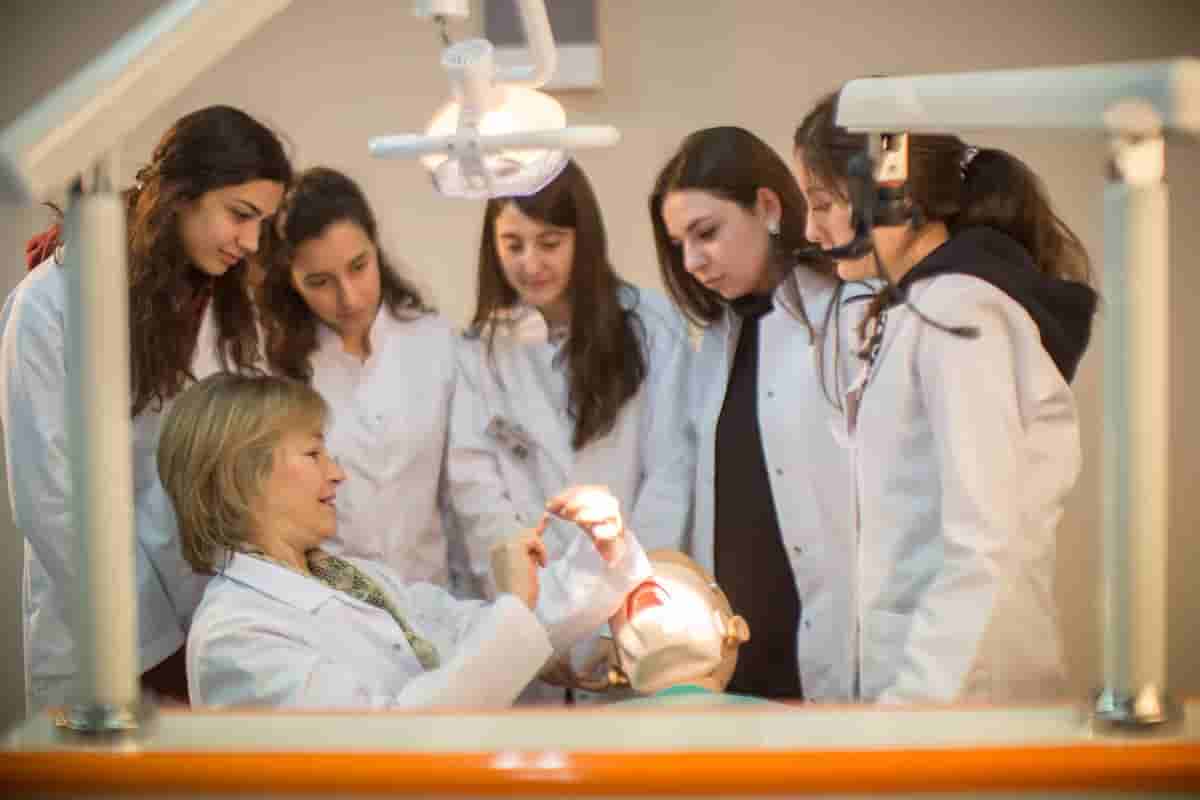
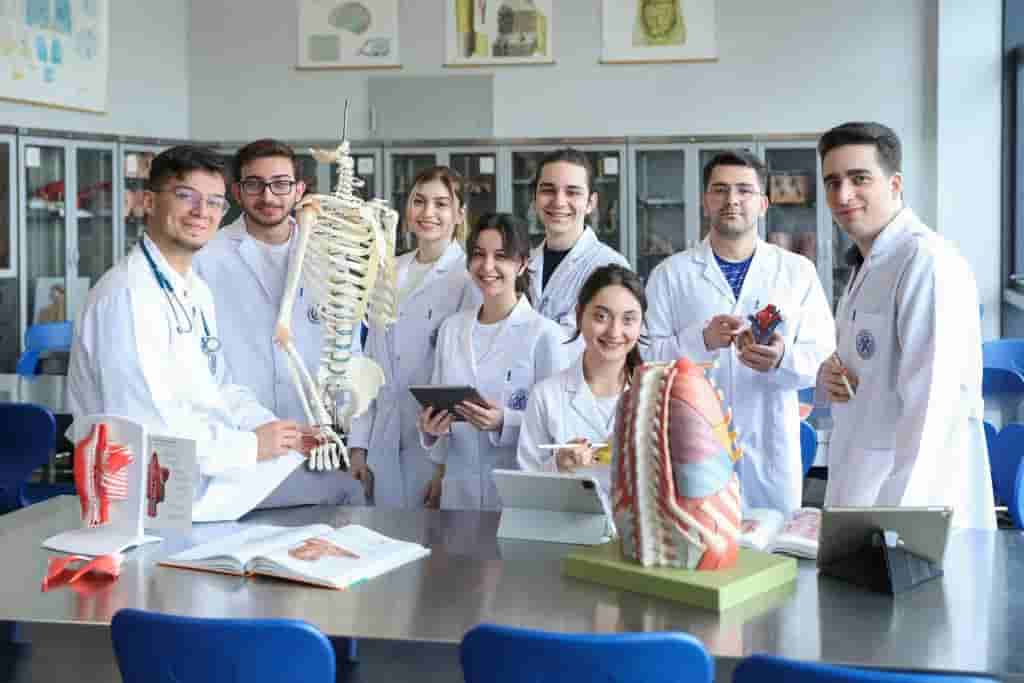
Popular fields include medicine, dentistry, engineering, psychology, and aviation management. Many offer industry partnerships and practical facilities that support hands on learning, internships, and applied projects that build real skills before graduation. University hospitals for health programs provide early clinical exposure, while business and engineering programs often connect with local and international companies to give students direct insight into workplace expectations and career pathways.
Admissions at many private universities focus on prior education and document verification rather than competitive entrance exams.

Many private universities offer programs in English, while others use Turkish or mixed instruction. For English programs, universities may request proof of proficiency or provide their own placement tests and preparatory years. Students without sufficient level often complete a language preparation year before starting the main curriculum. Preparation should include academic English, subject terminology, and everyday communication skills.Even in English programs, basic Turkish helps with daily life and internships.
Tuition varies by major. Non medical programs at private universities often range between 3000 and 6000 US dollars per year. Monthly living cost in Turkey for a student with a 400 to 800 USD budget. This range supports a modest student lifestyle with shared housing and planned spending. It usually covers rent, food, transport, and basic personal needs. Careful budgeting helps you stay comfortable within this level.

Choosing based only on cost leads to poor program fit and dissatisfaction.
Corrective guideline is to compare curriculum, language, and career outcomes, not just tuition.
Ignoring language or academic preparation creates delays and weak performance.
Corrective guideline is to assess level honestly and plan preparation.
StudyLeo manages application transfer, registration, and visa support free of charge. This structure reduces confusion from multiple channels and unofficial agents.

Degrees from recognized Turkish universities can be used for careers or further study in many countries, subject to local recognition rules. Graduates in fields like medicine, engineering, and business often pursue international pathways. Internship experience during study strengthens employability.
Studying abroad is a long term educational decision that shapes skills, networks, and career direction. Turkish universities offer a structured and accessible option when matched with the right student profile. Careful planning, verified information, and realistic budgeting protect families from avoidable risks.
Frequently Asked Questions and Answers
Look out blogs and aware of the latest trends and updates
Explore top universities offering quality education, modern facilities, and diverse academic opportunities for students worldwide





 Dormitory
Istanbul, Turkey
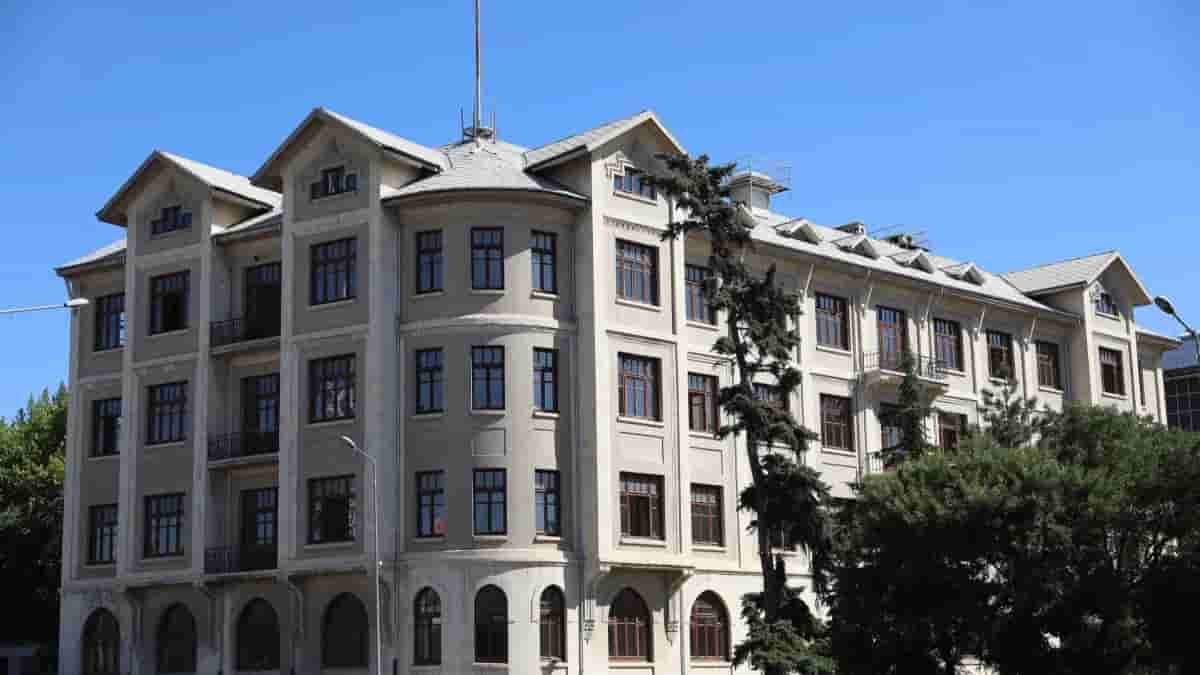 Dormitory
Ankara, Turkey
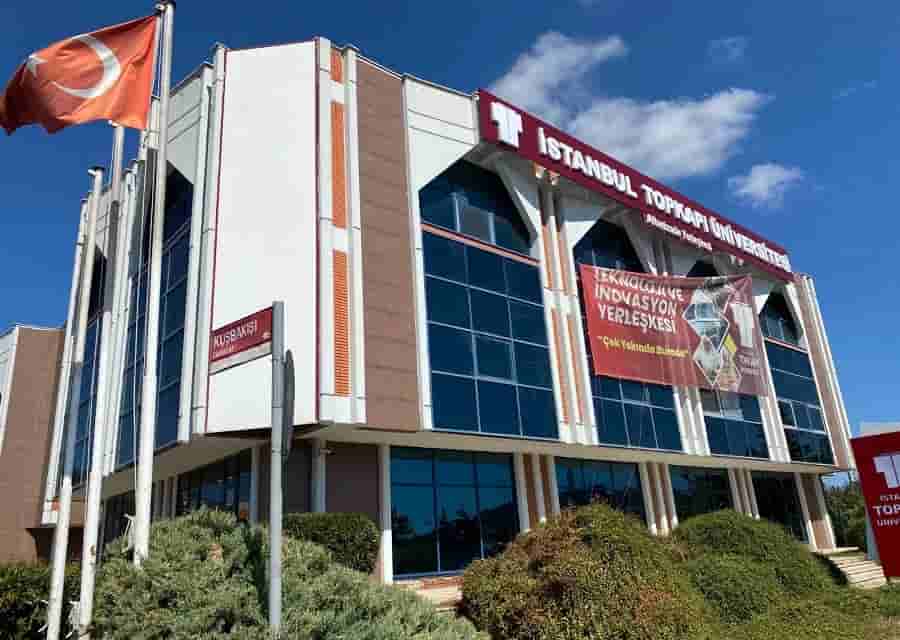 Dormitory
Istanbul, Turkey
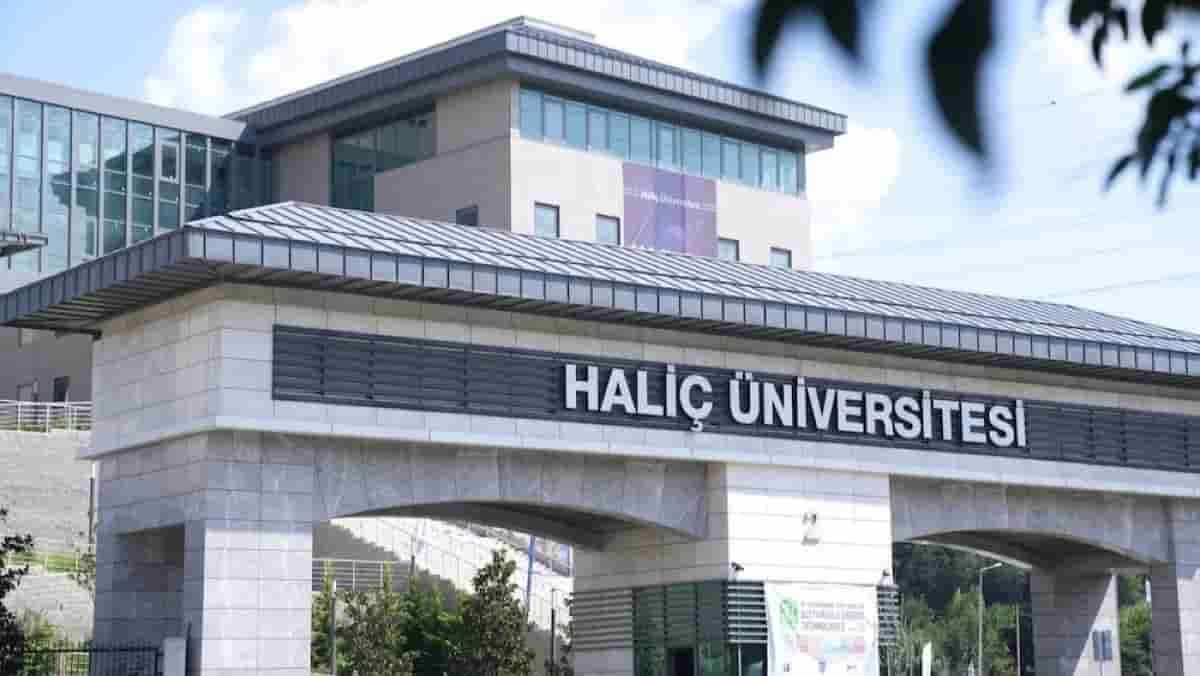 Dormitory
Istanbul, Turkey
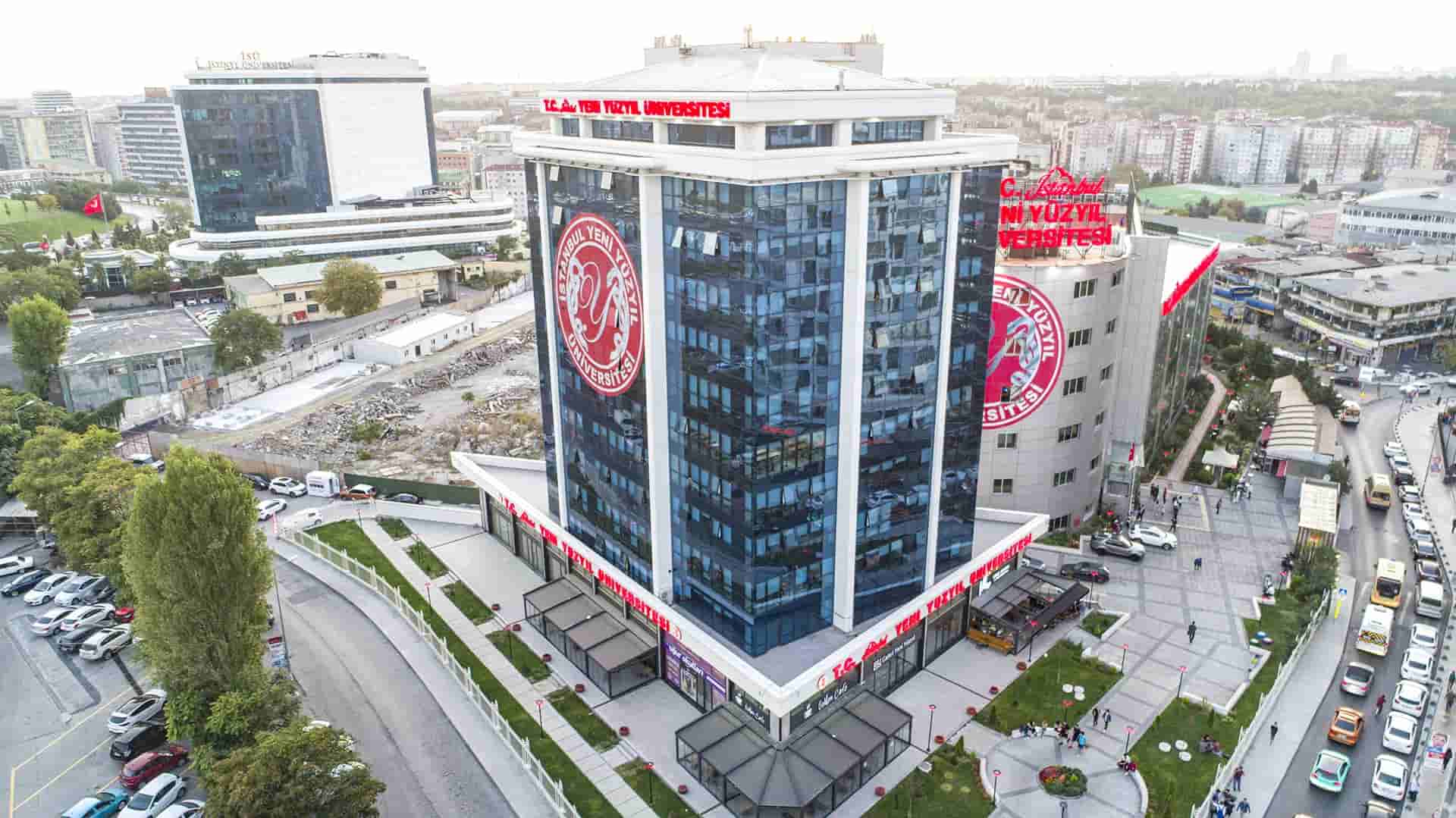 Dormitory
Istanbul, Turkey
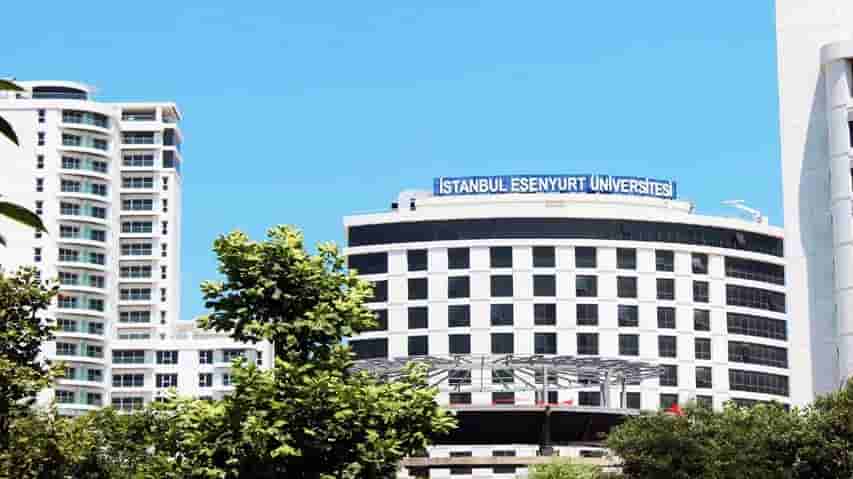 Dormitory
Istanbul, Turkey
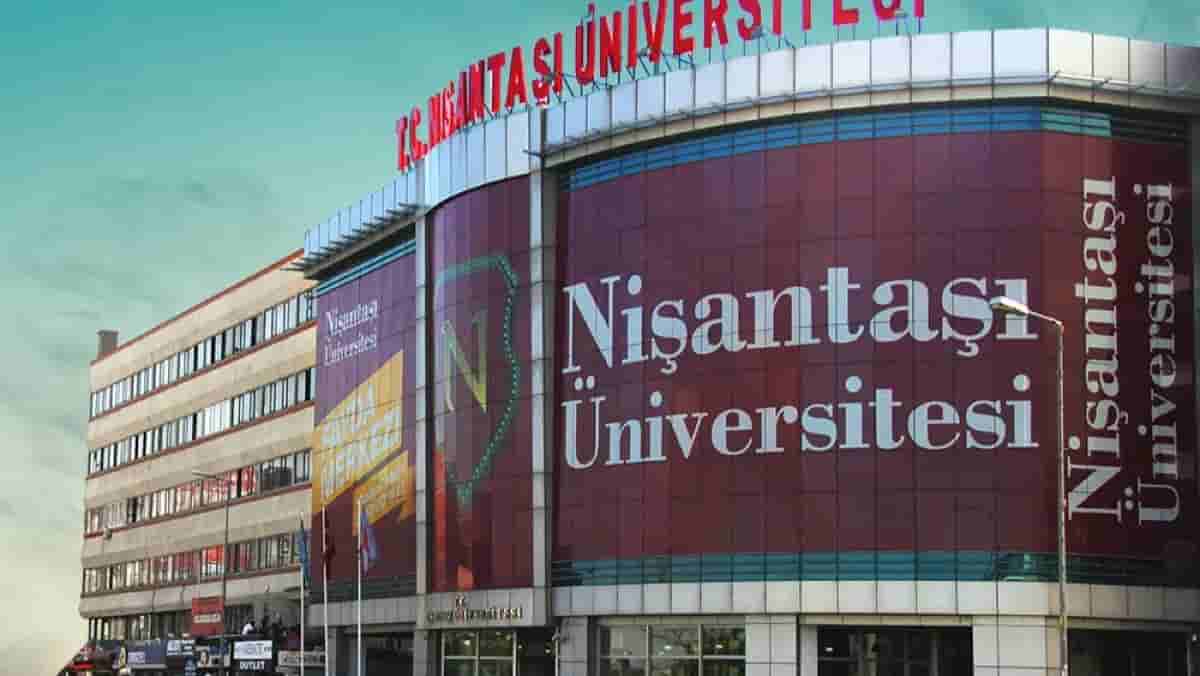 Dormitory
Istanbul, Turkey
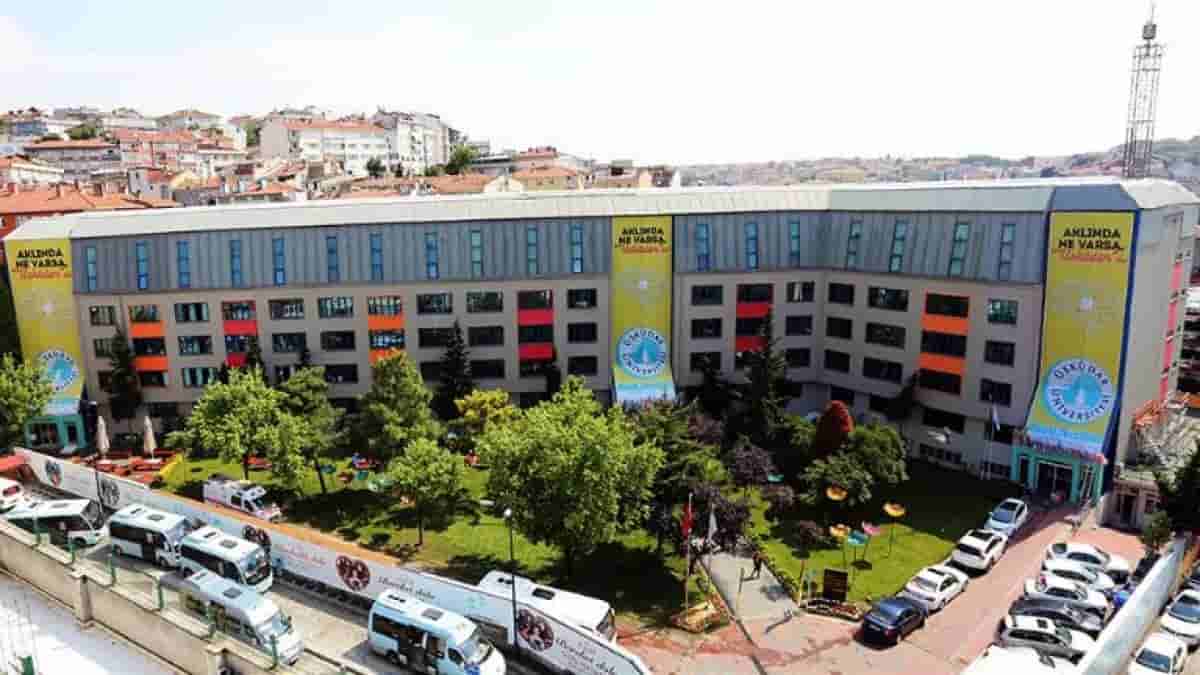 Dormitory
Istanbul, Turkey
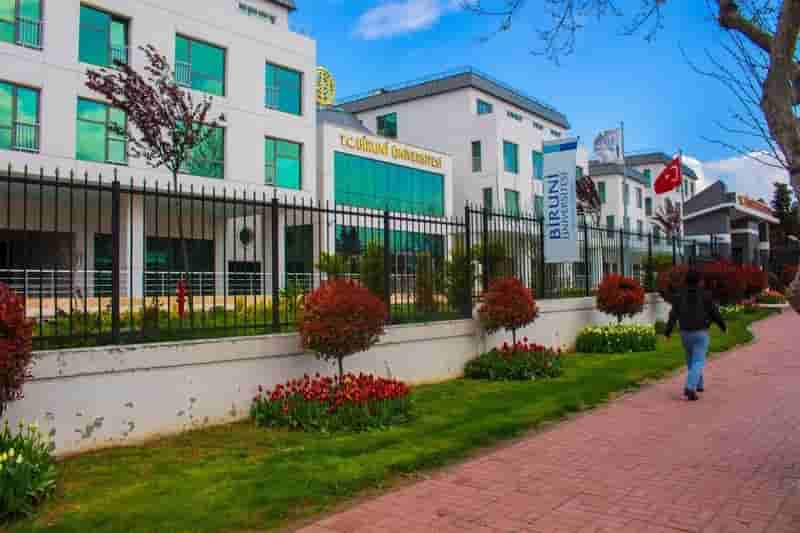 Dormitory
Istanbul, Turkey
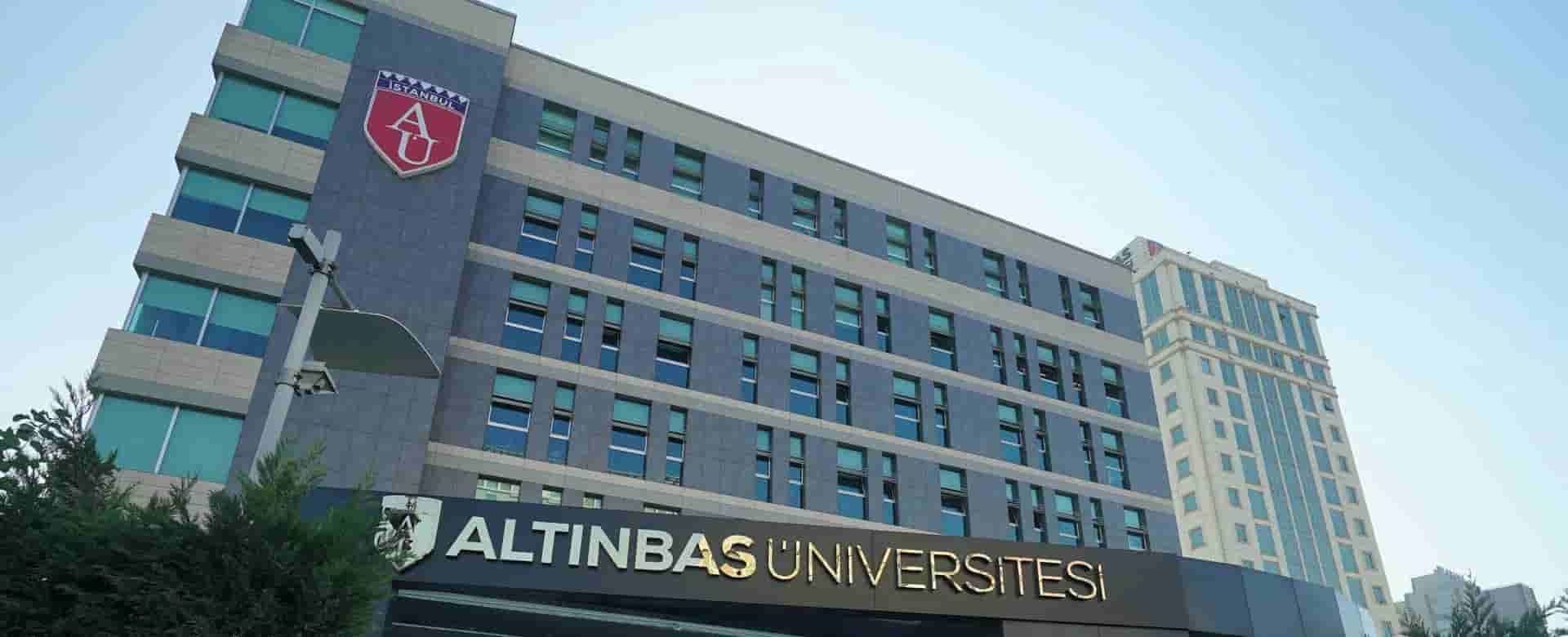 Dormitory
Istanbul, Turkey
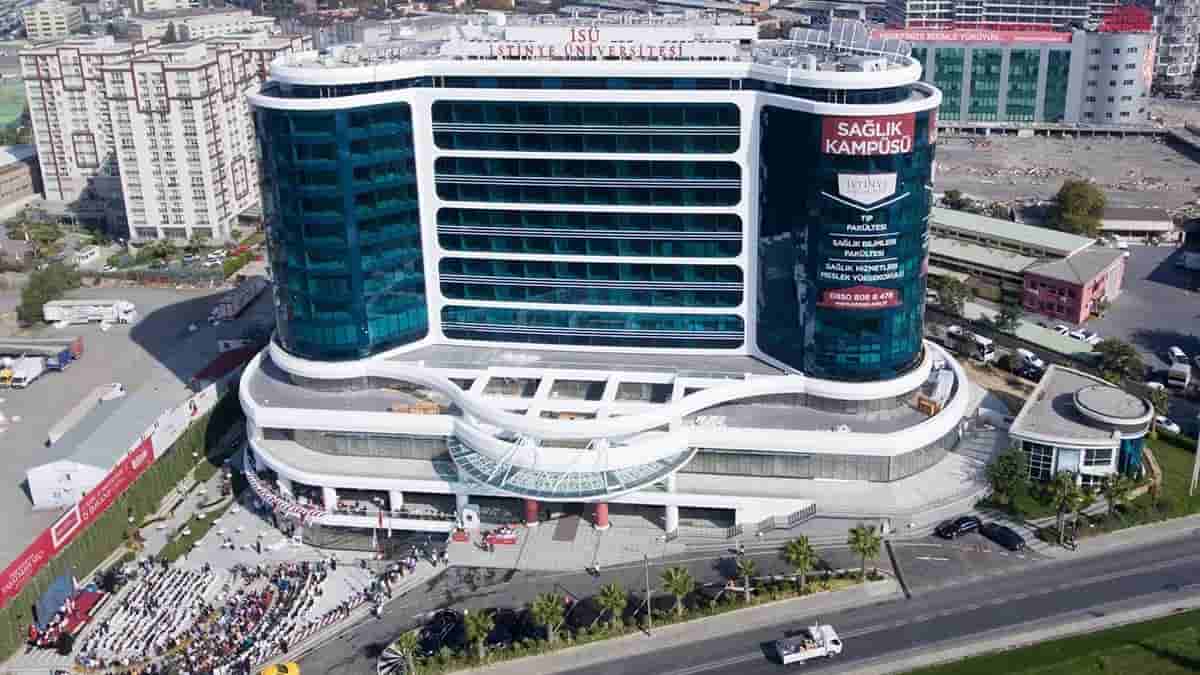 Dormitory
Istanbul, Turkey
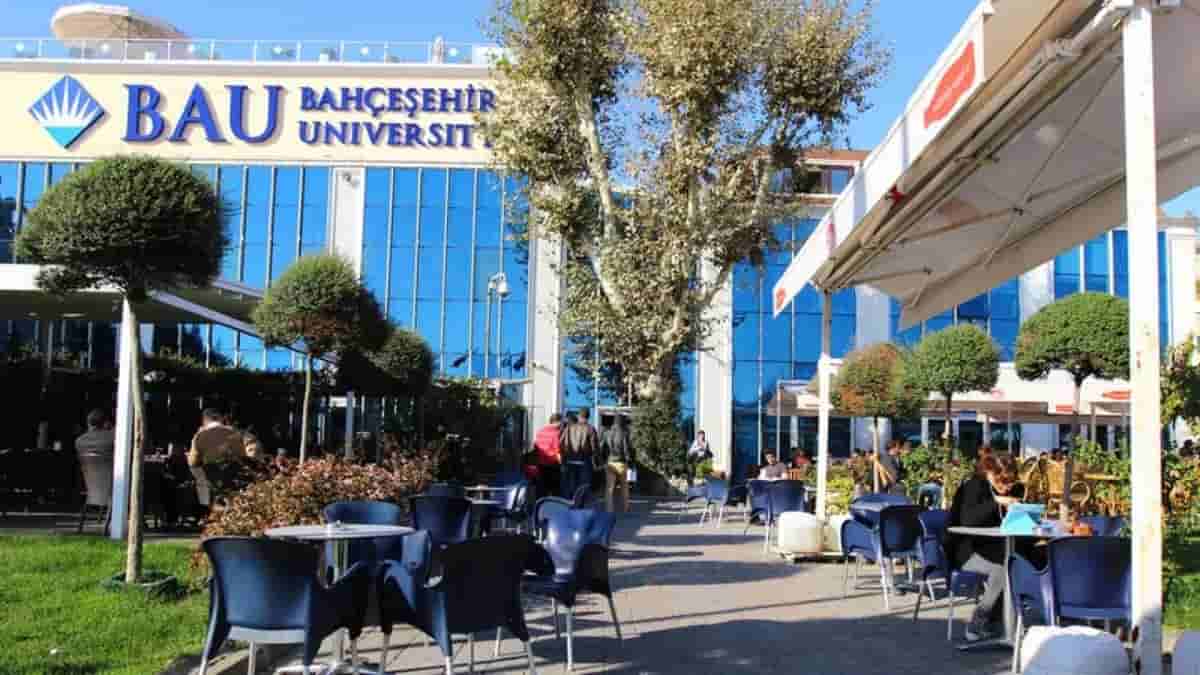 Dormitory
Istanbul, Turkey
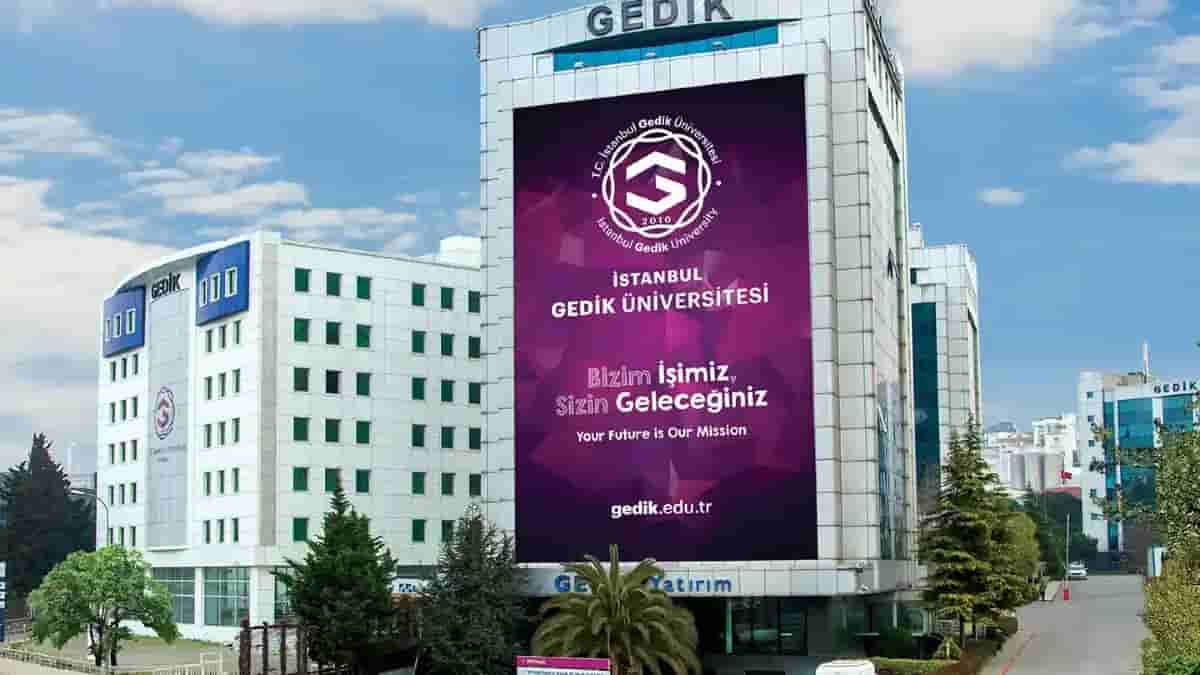 Dormitory
Istanbul, Turkey
 Dormitory
Istanbul, Turkey
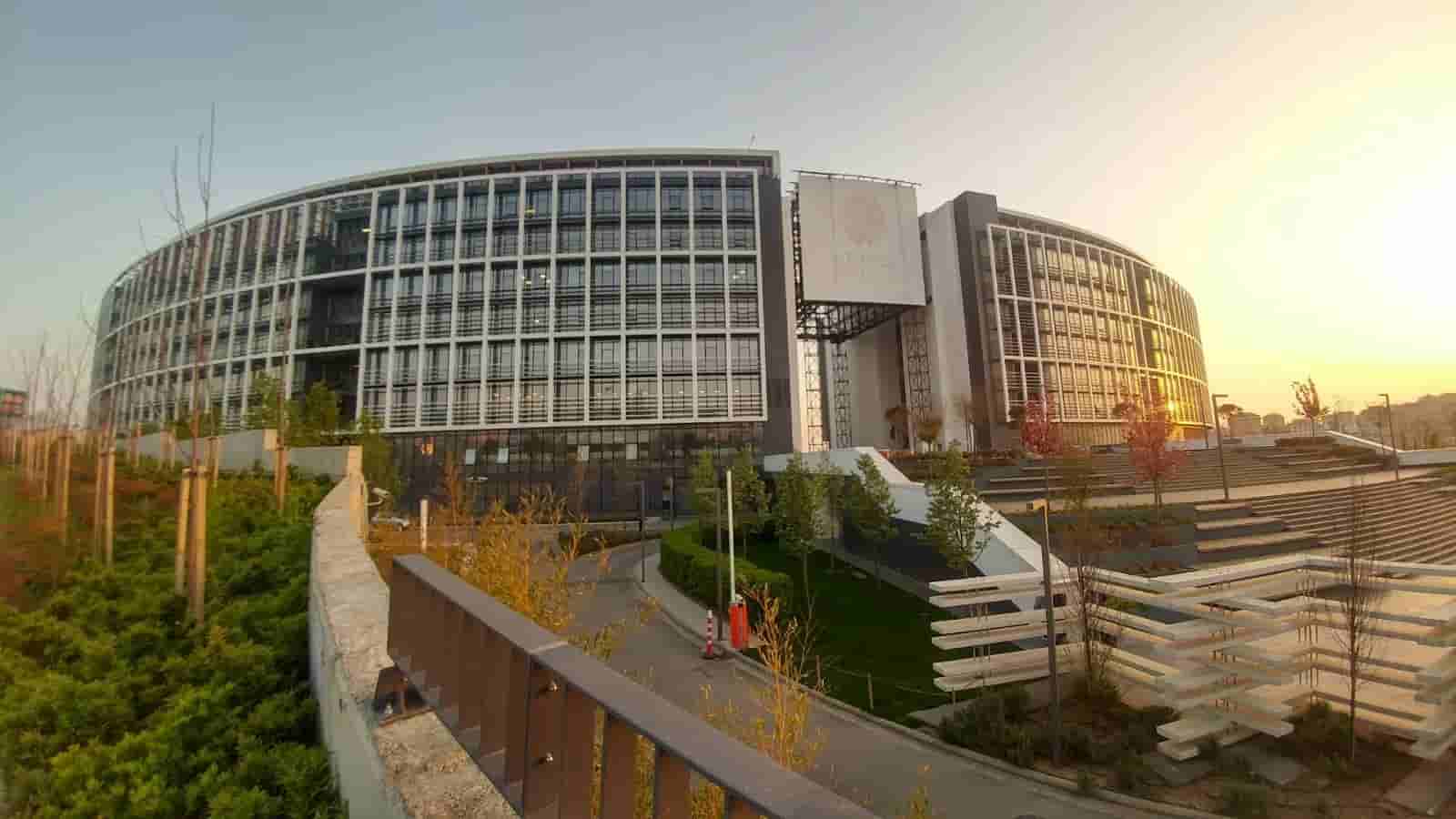 Dormitory
Istanbul, Turkey
 Dormitory
Istanbul, Turkey
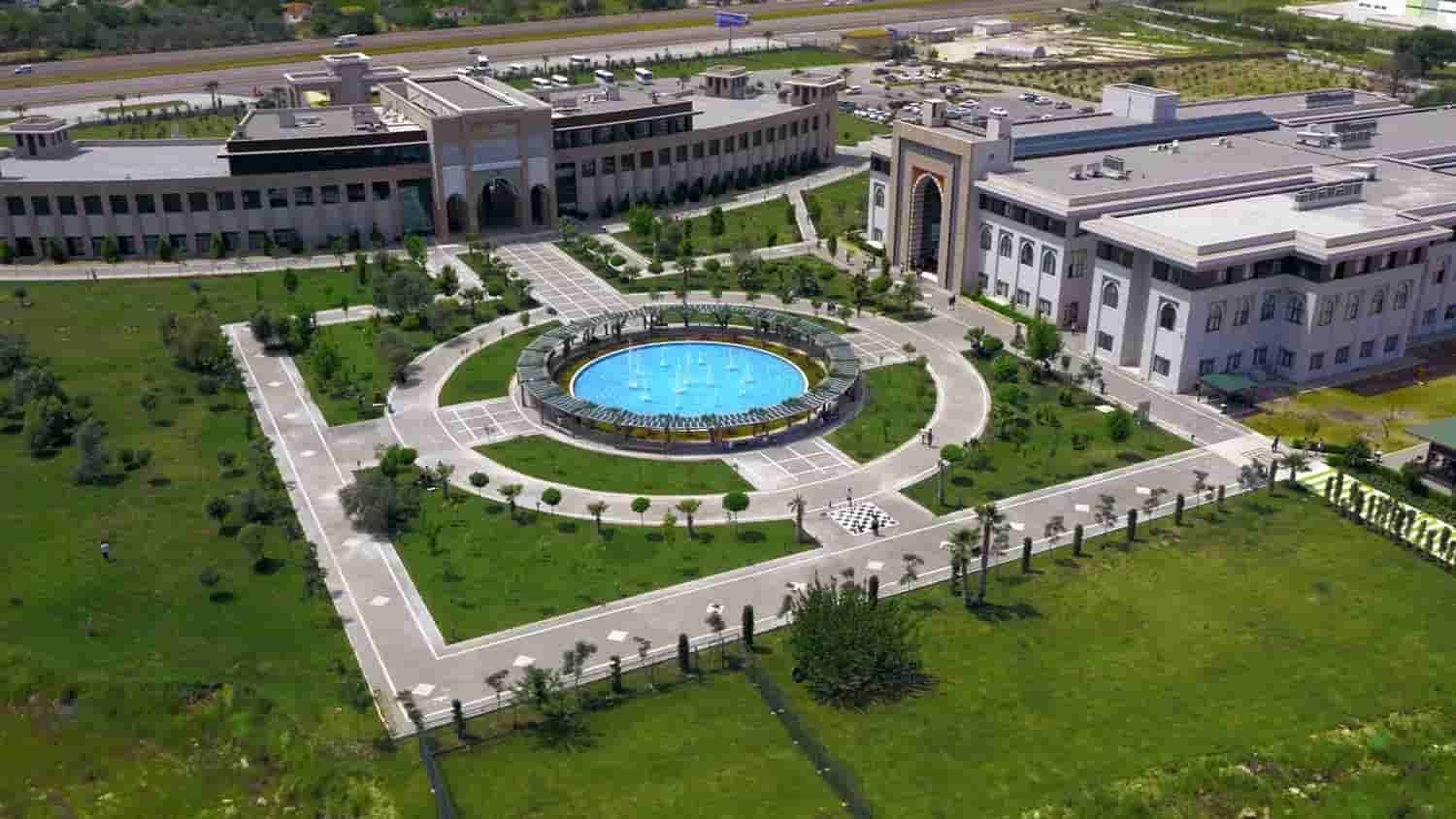 Dormitory
Antalya, Turkey
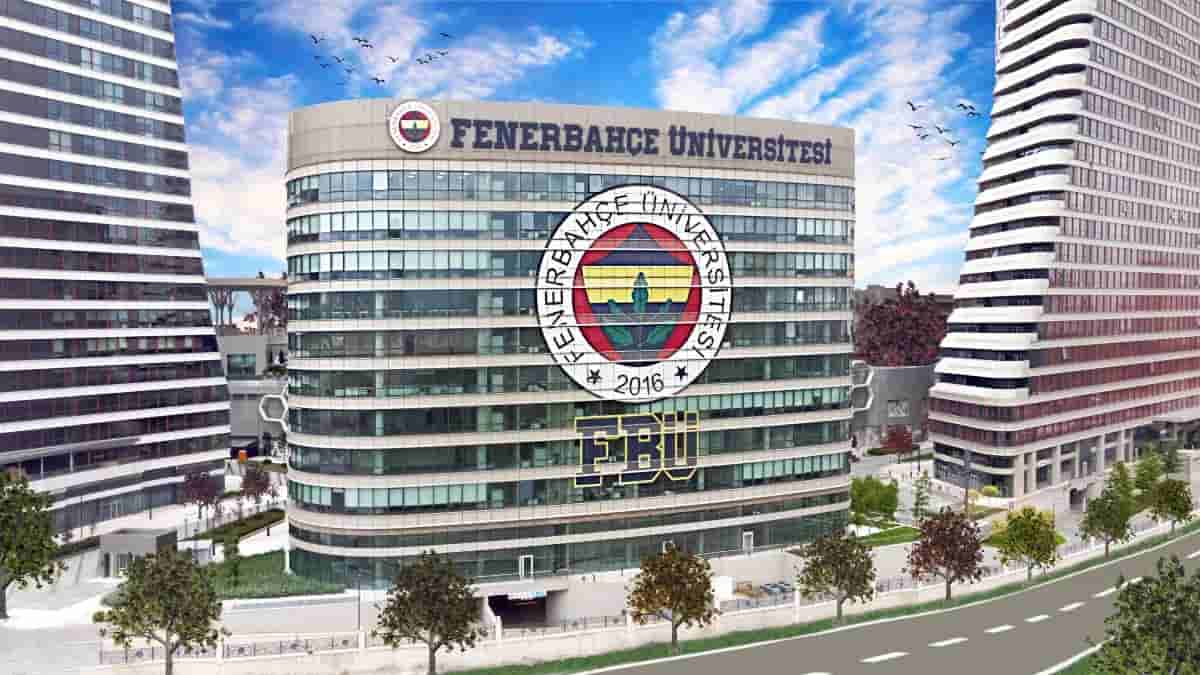 Dormitory
Istanbul, Turkey
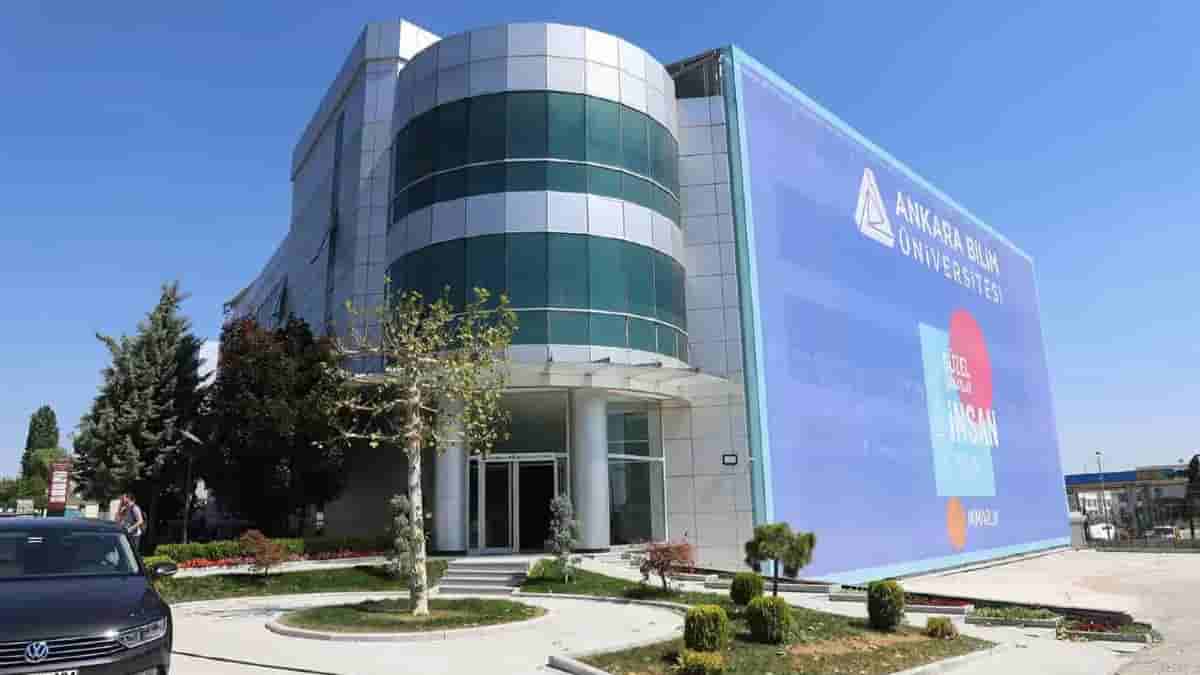 Dormitory
Ankara, Turkey
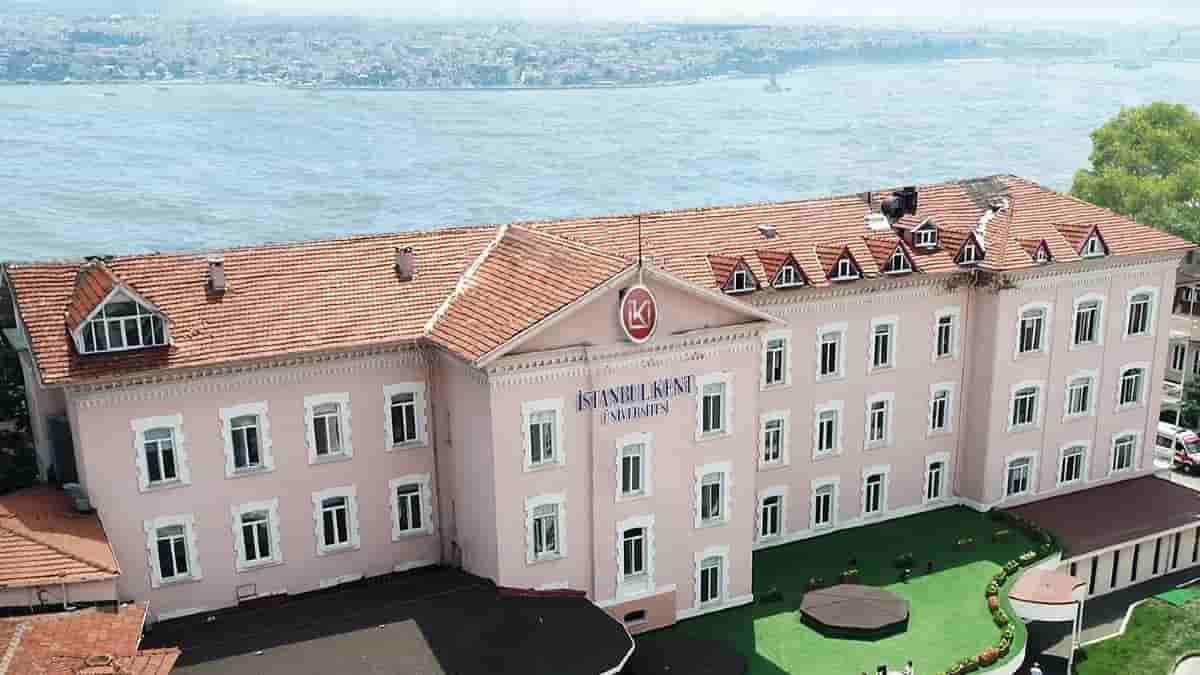 Dormitory
Istanbul, Turkey