FAQs
Frequently Asked Questions and Answers

Students exploring scientific fields in Turkey need clear admission steps, reliable information, and realistic budgeting. Private universities offer structured science degrees, modern labs, and English options, making Turkey a practical study destination when planned carefully.
• Private universities in Turkey offer structured science programs with modern labs and industry connected curricula
• Tuition ranges are predictable compared with many Western destinations, supporting long term budget planning
• Multiple English taught scientific programs reduce language barriers for international students
• Admission processes are documentation based and manageable with proper preparation
• Major cities provide strong internship ecosystems in health sciences, engineering, and applied research
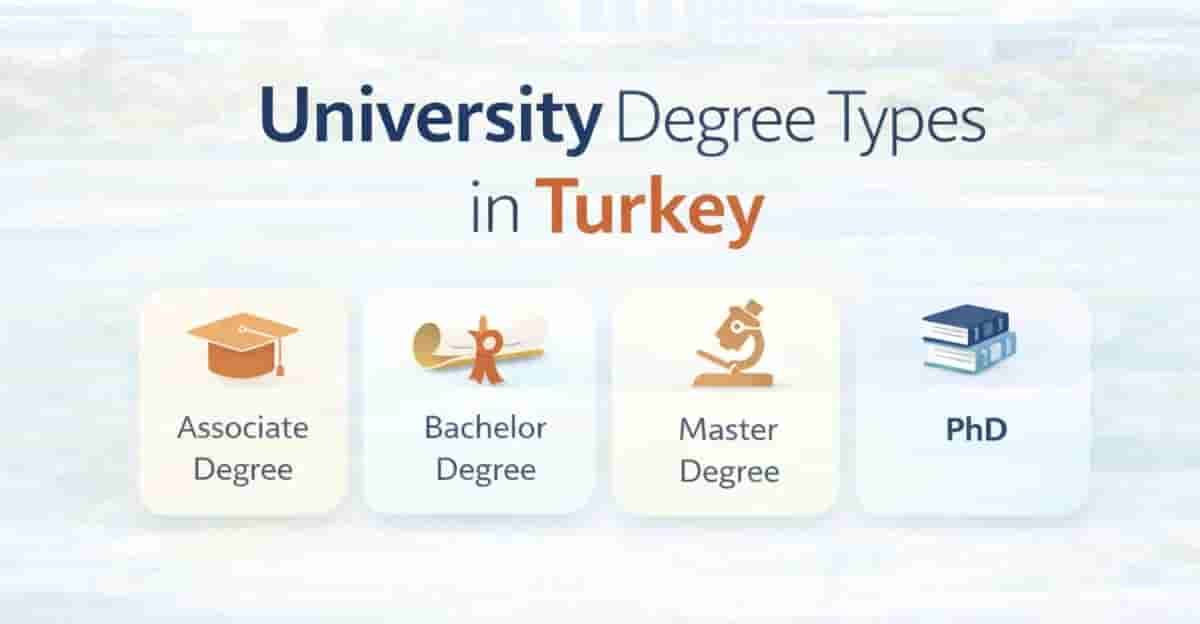
Turkey’s private universities offer science degrees from associate to PhD with semester systems, modern labs, internships, and strengths in engineering, health sciences, and data related fields.
Turkey attracts science students through strong facilities, practical training links, diverse English programs, and a documentation based admission process. Its location also supports international networking.
Best suited for students who:
• want structured science degrees with strong laboratory and practical training components
•prefer documentation based admission instead of complex competitive entry systems
• aim to study in English while gradually adapting to a Turkish speaking environment
• value internship opportunities linked to hospitals, research centers, or industry
• plan to build an international career using a regionally connected education hub
May not suit students who:
• expect immediate research funding or fully sponsored academic pathways
• prefer purely theoretical academic programs with minimal applied coursework
• are unwilling to live in large urban university cities
• are not prepared for intensive laboratory schedules and continuous coursework
• want highly flexible academic systems with frequent program switching options
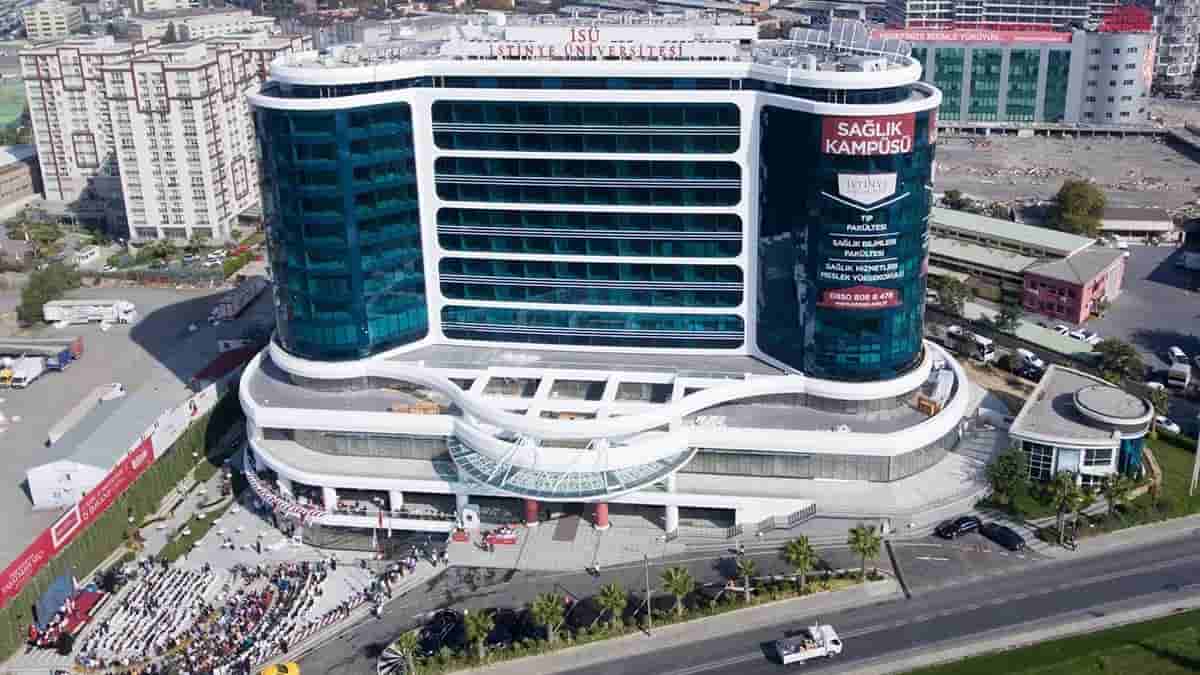
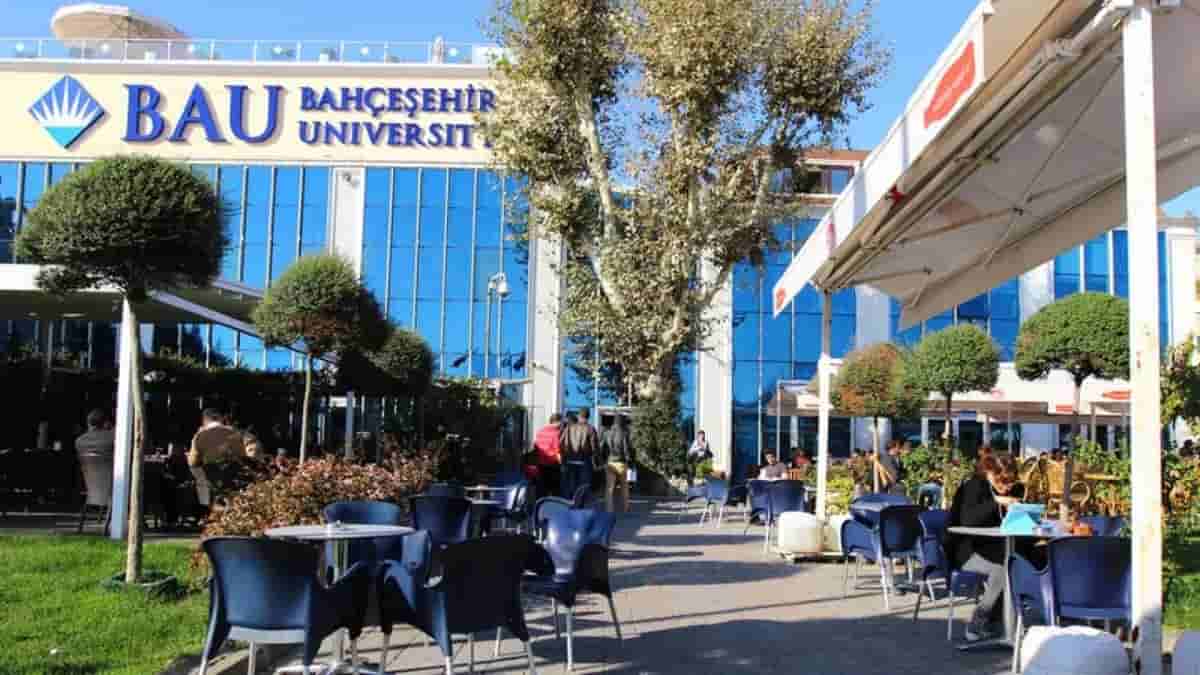
A large network of private universities in Turkey offers science focused degrees, including institutions such as Bahçeşehir, İstanbul Medipol, Altınbaş, Üsküdar, İstinye, Yeditepe, İstanbul Bilgi, and Özyeğin. Many other campuses in Istanbul, Ankara, Antalya, and Izmir also run specialized engineering, medical, and applied science faculties, so students should match their chosen field with each university’s lab capacity and industry partnerships.
International admission is primarily documentation based. Academic transcripts, diplomas, and identity verification form the core evaluation criteria.
Required Documents
Associate
• High School Diploma
• Graduation Certificate
• Passport
• High School Transcript
• Photo Copy
Bachelor's
• High School Diploma
• Graduation Certificate
• Passport
• High School Transcript
• Photo Copy
Master's
• Graduation Certificate
• Bachelor’s Diploma
• Bachelor's Transcript
• Passport
• Photo Copy
PhD
• Bachelor's Diploma
• Bachelor's Transcript
• Master's Diploma
• Master's Transcript
• Graduation Certificate
• Passport
• Photo Copy
Students should prepare notarized translations where required and ensure names match passport records exactly.
Many private universities offer scientific programs fully in English, while others operate bilingual tracks. Students entering English medium programs are expected to demonstrate academic level comprehension sufficient for laboratory safety instructions, technical reading, and report writing.

Annual tuition for scientific programs in private universities generally falls within these ranges:
Undergraduate science degrees: roughly 3,000 to 9,000 USD per year
Master’s programs: approximately 4,000 to 10,000 USD per year
Medical and specialized laboratory programs may exceed these ranges
Monthly living costs vary by city and lifestyle:
Accommodation: about 250 to 500 USD
Food: around 200 to 300 USD
Transport and daily expenses: about 100 to 150 USD
Major cities like Istanbul sit at the higher end, while smaller university towns remain lower.
Private universities support international students with housing, registration, and orientation. Accommodation includes dorms or rentals. Science programs can be intensive, and adaptation is usually easier in large international cities.
Graduates from science programs in Turkey commonly enter healthcare, engineering, technology, or research roles. University industry and hospital partnerships help students gain contacts and pursue international careers or further study.
Choosing based only on cost
Lower tuition does not always mean strong laboratory infrastructure. Verify faculty facilities and internship networks before deciding.
Ignoring language readiness
Scientific terminology demands advanced reading comprehension. Students should strengthen academic English early.
Relying on unofficial sources
Outdated blog posts or social media advice often misrepresent admission timelines. Always confirm through verified institutional partners.
Missing deadlines
Science faculties may close enrollment earlier due to laboratory capacity limits. Start document preparation months ahead.
Underestimating living expenses
Budget planning should include transport, lab materials, and insurance, not only rent.
Use the StudyLeo to centralize university applications through direct partner institutions. It includes free registration, free transfer between partner universities, full visa support, and document checks before submission, helping students choose suitable programs and reduce rejection risks.

12 months before enrollment
Identify scientific specialization and shortlist private universities with strong facilities.
10 months before enrollment
Prepare academic transcripts, passport validity, and graduation certificates.
8 months before enrollment
Submit documentation through an official partner platform and confirm program language.
6 months before enrollment
Secure admission confirmation and begin accommodation planning.
3 months before enrollment
Finalize travel preparation, residence documentation, and financial arrangements.
This sequence helps avoid rushed decisions and ensures proper visa processing time.
Studying scientific fields abroad is a long term education decision. Turkey is a strong option when the program, preparation, and career goals align, leading to smoother enrollment and flexible international opportunities.
Frequently Asked Questions and Answers
Look out blogs and aware of the latest trends and updates
Explore top universities offering quality education, modern facilities, and diverse academic opportunities for students worldwide




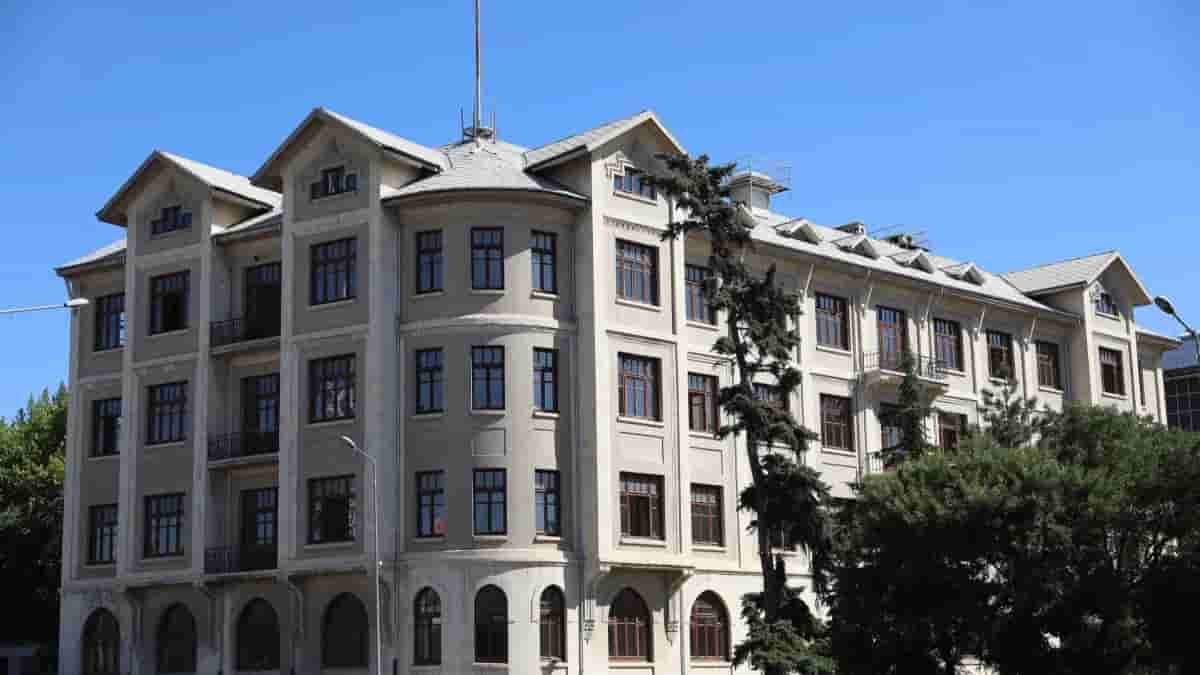 Dormitory
Ankara, Turkey
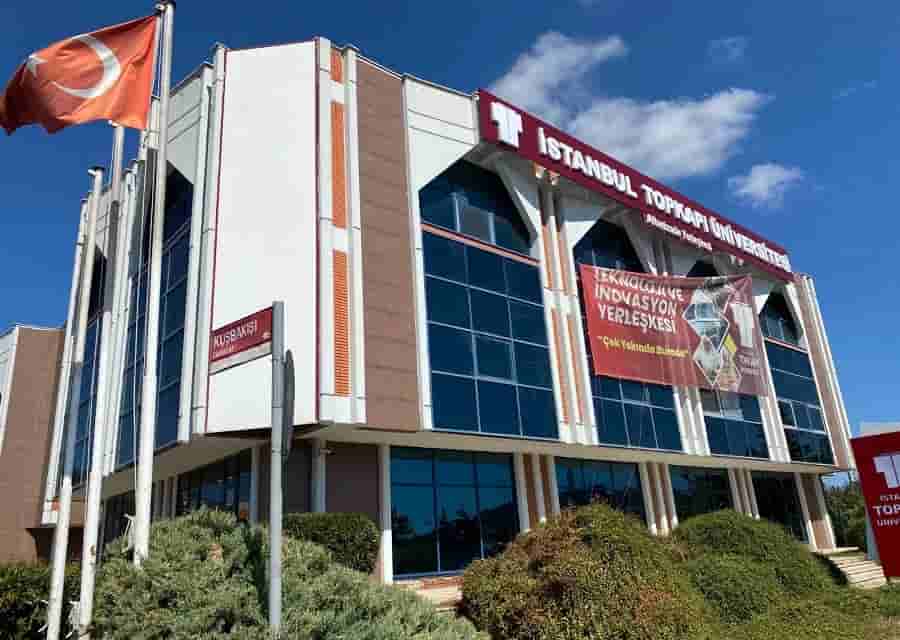 Dormitory
Istanbul, Turkey
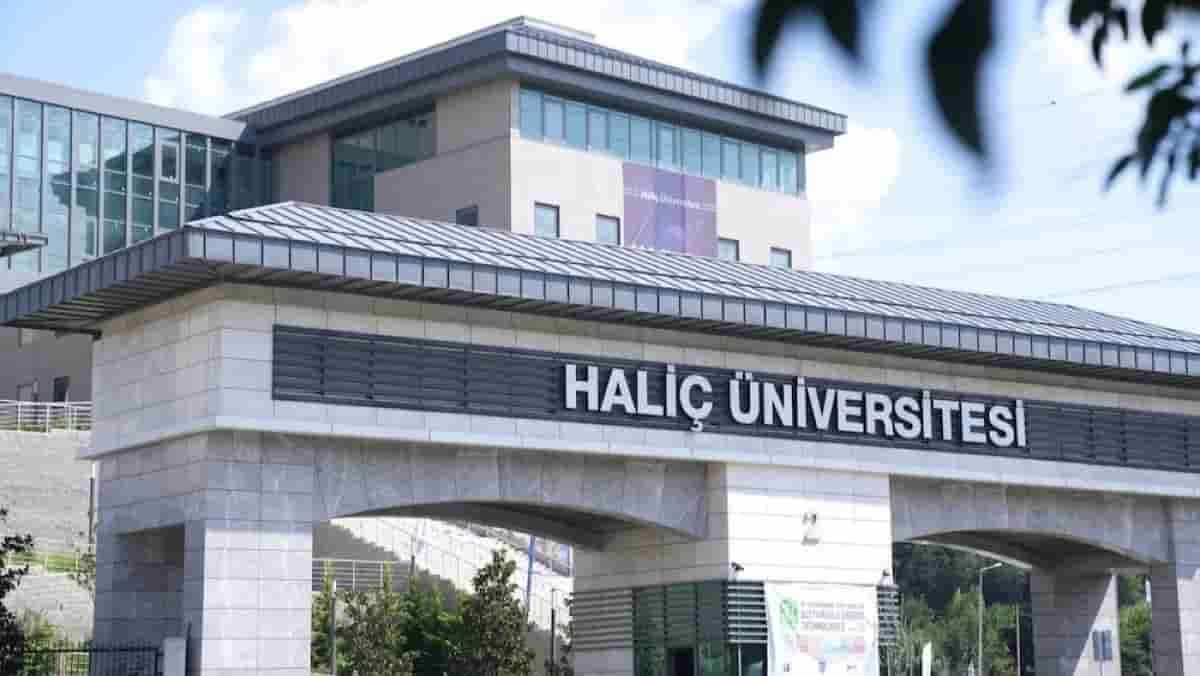 Dormitory
Istanbul, Turkey
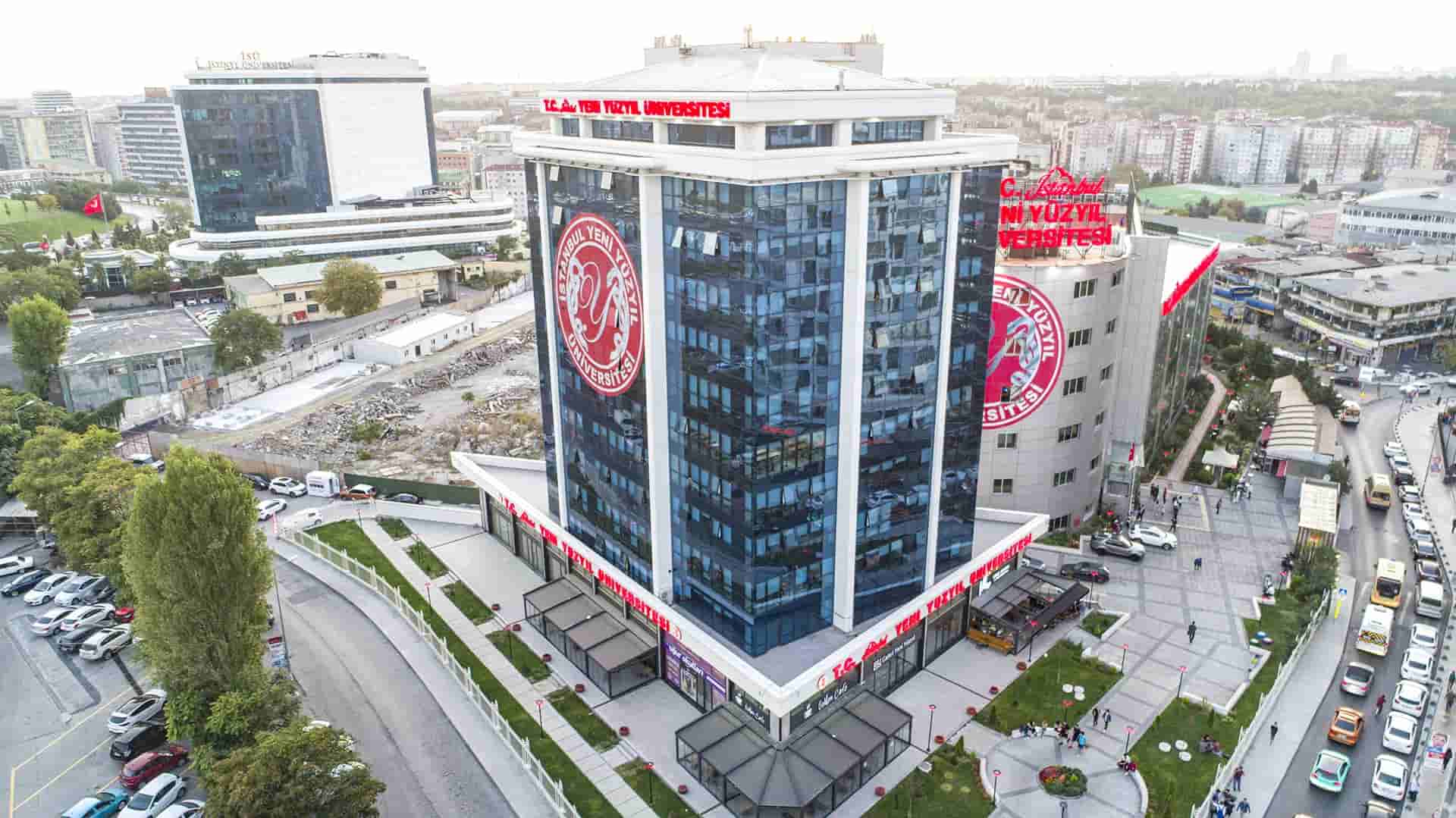 Dormitory
Istanbul, Turkey
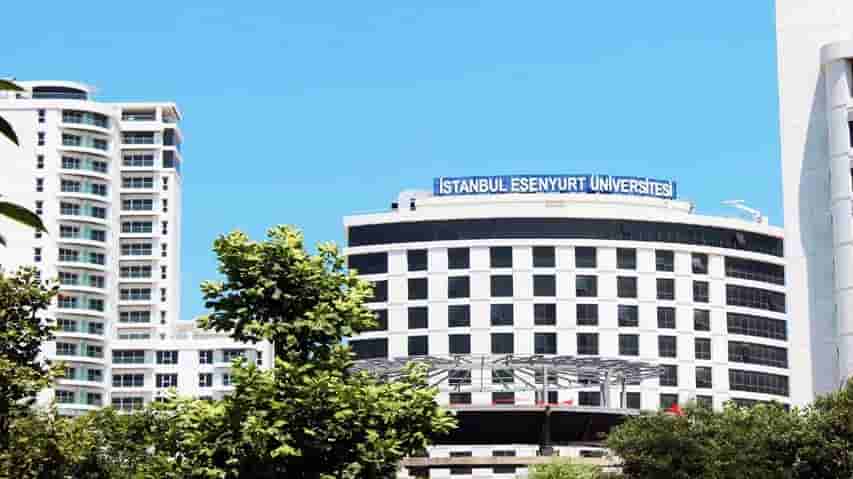 Dormitory
Istanbul, Turkey
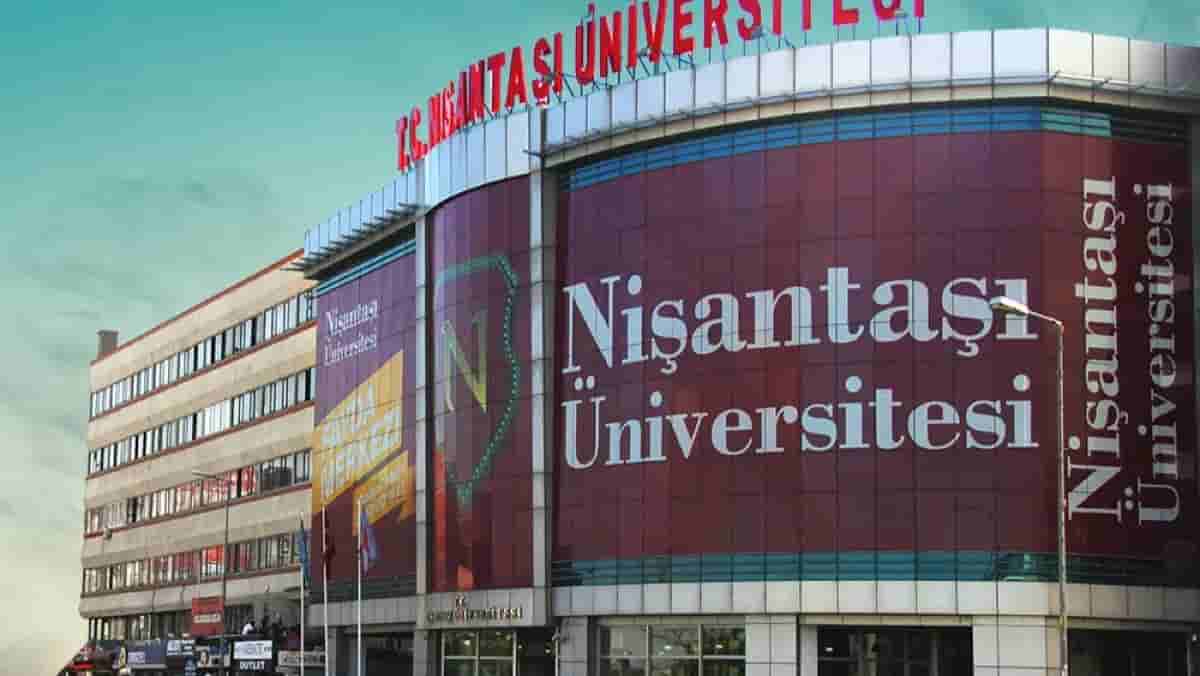 Dormitory
Istanbul, Turkey
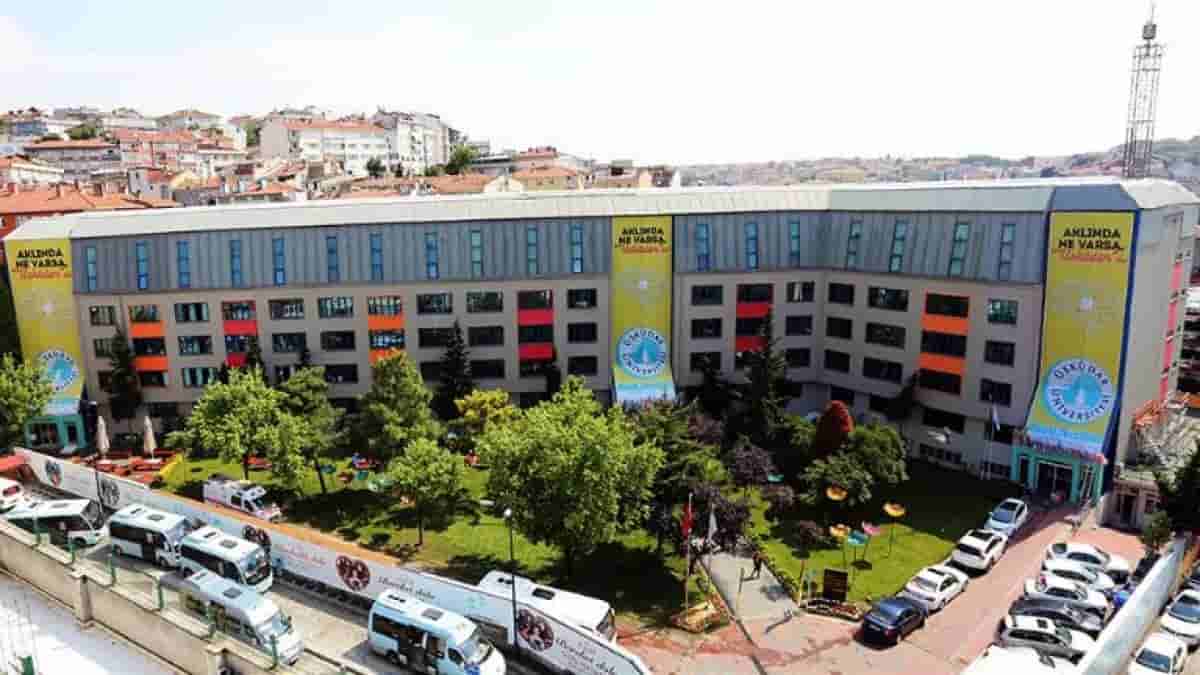 Dormitory
Istanbul, Turkey
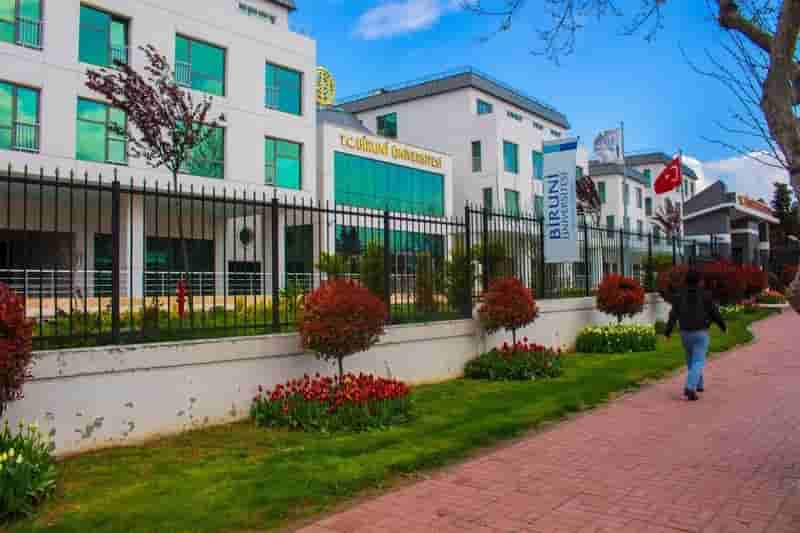 Dormitory
Istanbul, Turkey
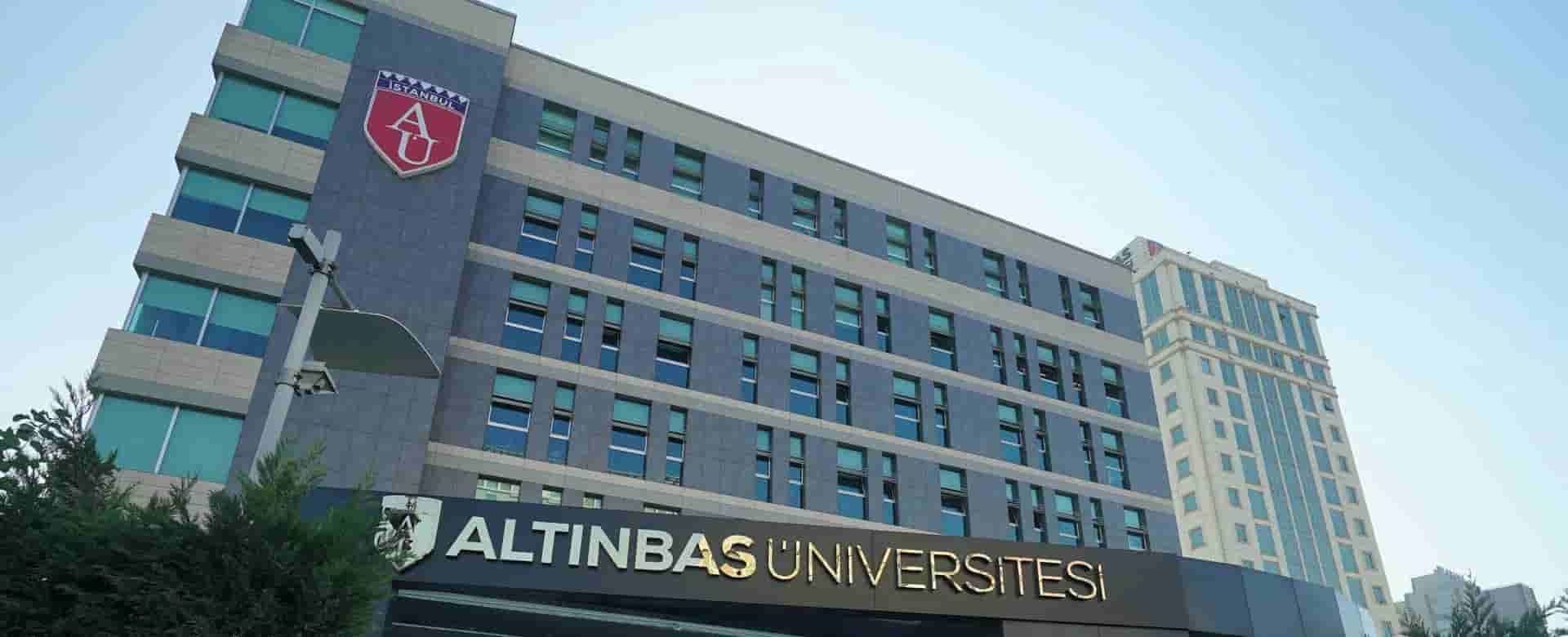 Dormitory
Istanbul, Turkey
 Dormitory
Istanbul, Turkey
 Dormitory
Istanbul, Turkey
 Dormitory
Istanbul, Turkey
 Dormitory
Istanbul, Turkey
 Dormitory
Istanbul, Turkey
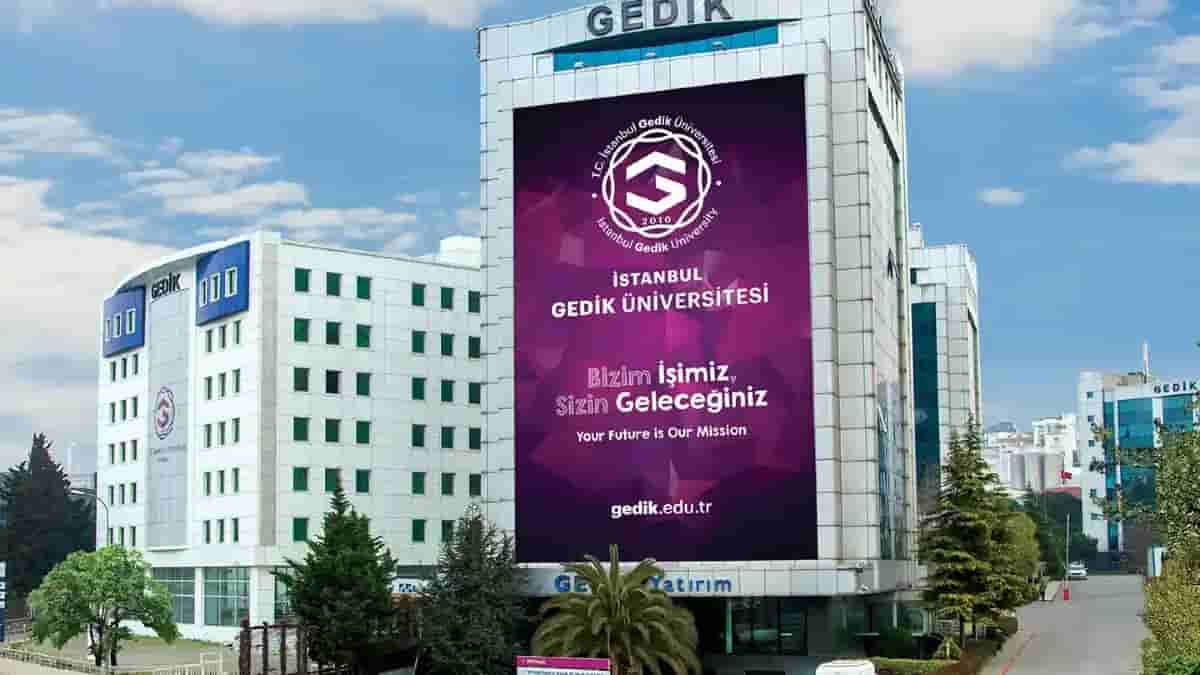 Dormitory
Istanbul, Turkey
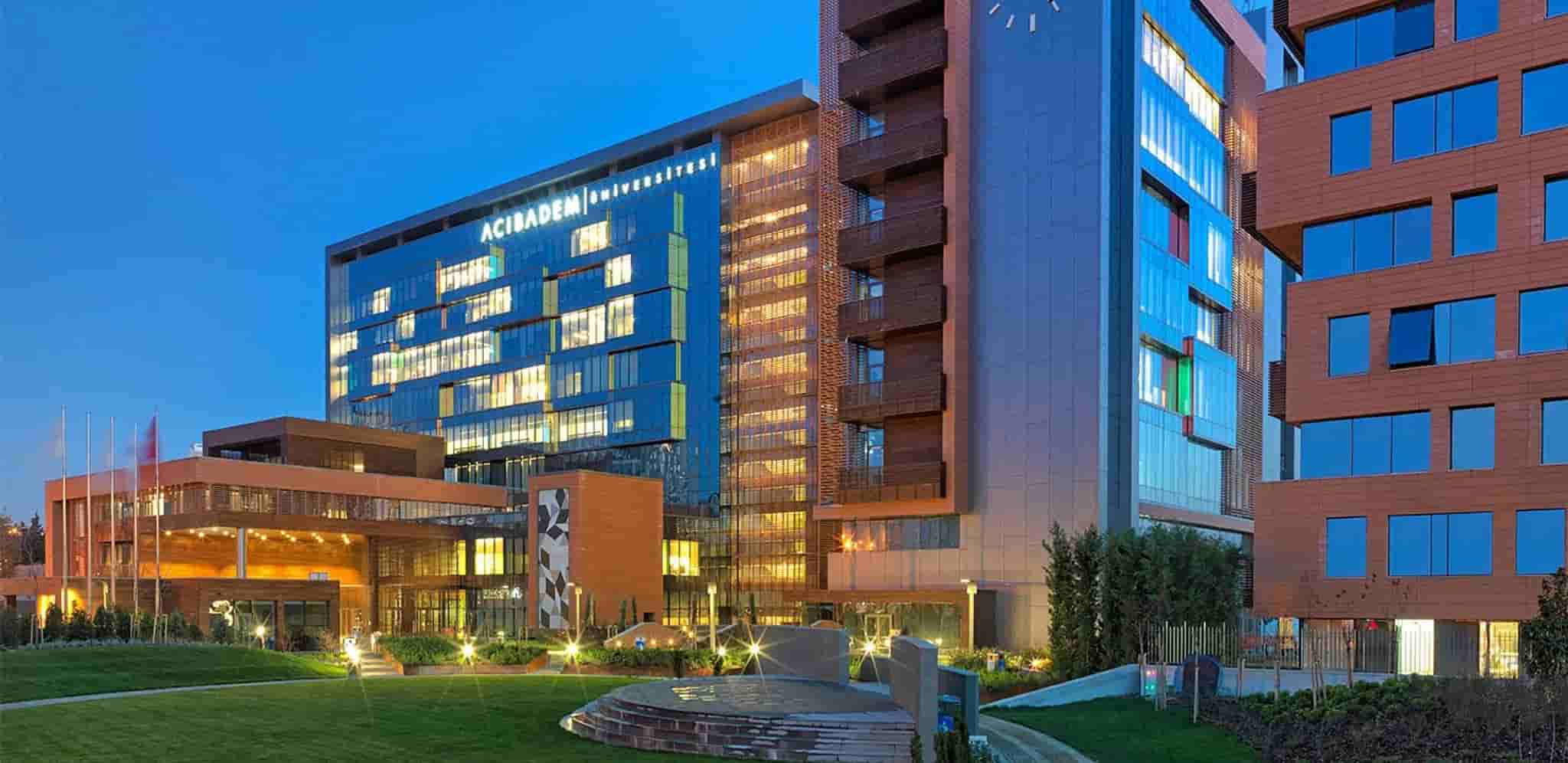 Dormitory
Istanbul, Turkey
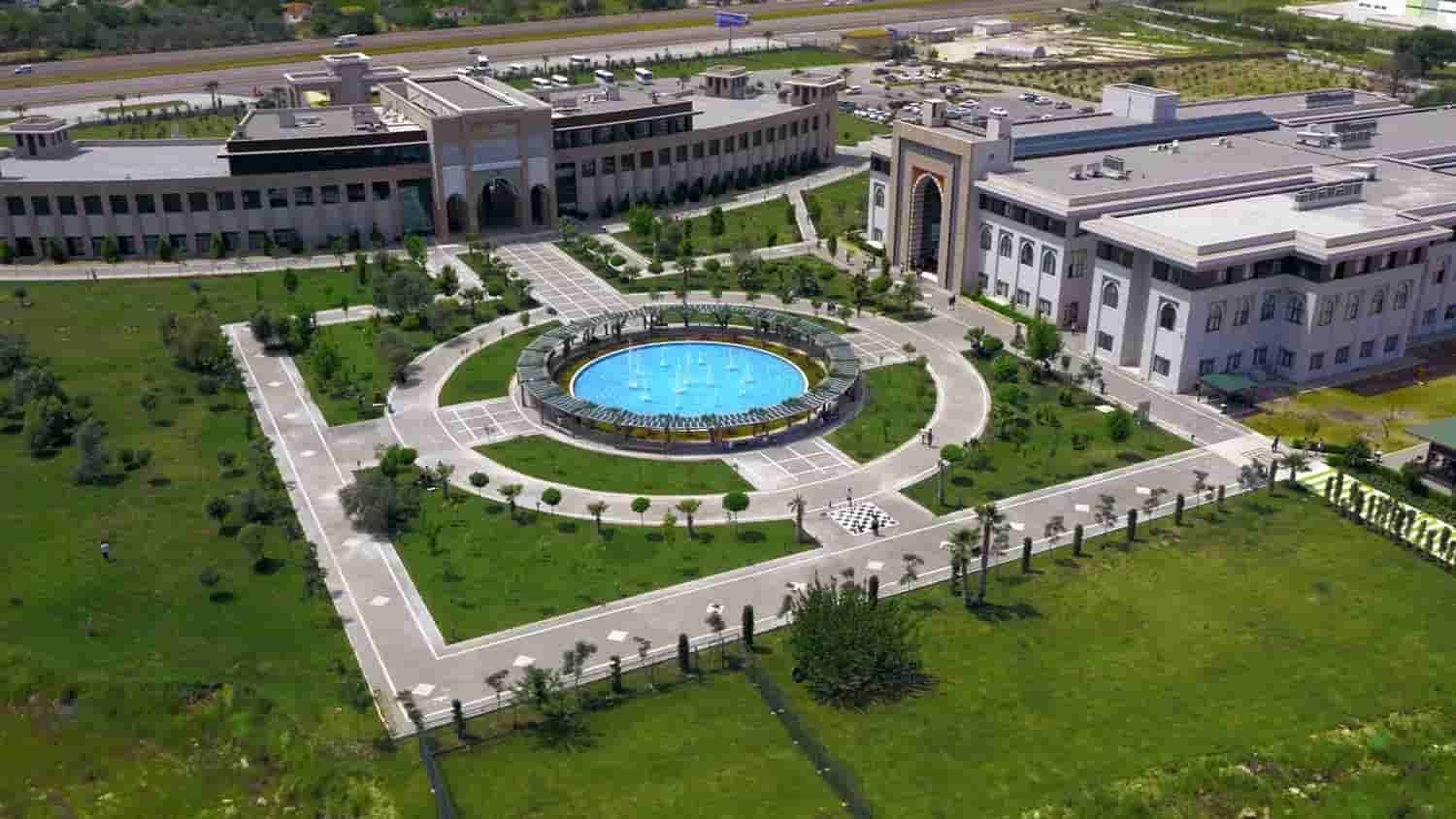 Dormitory
Antalya, Turkey
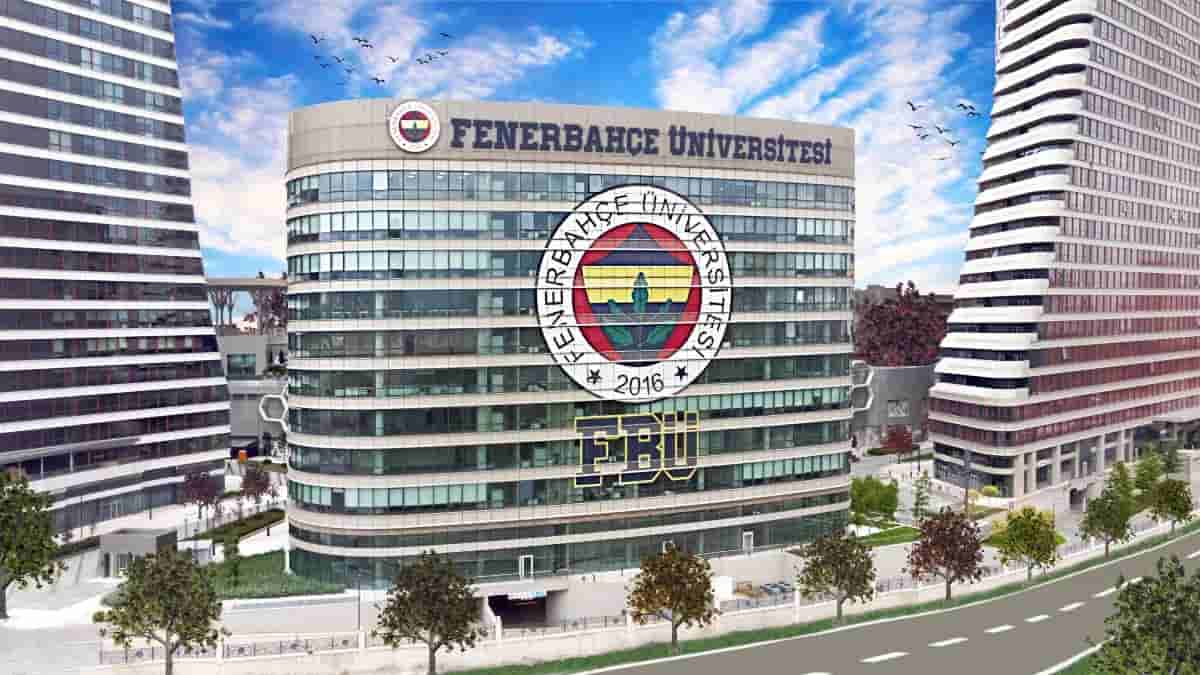 Dormitory
Istanbul, Turkey
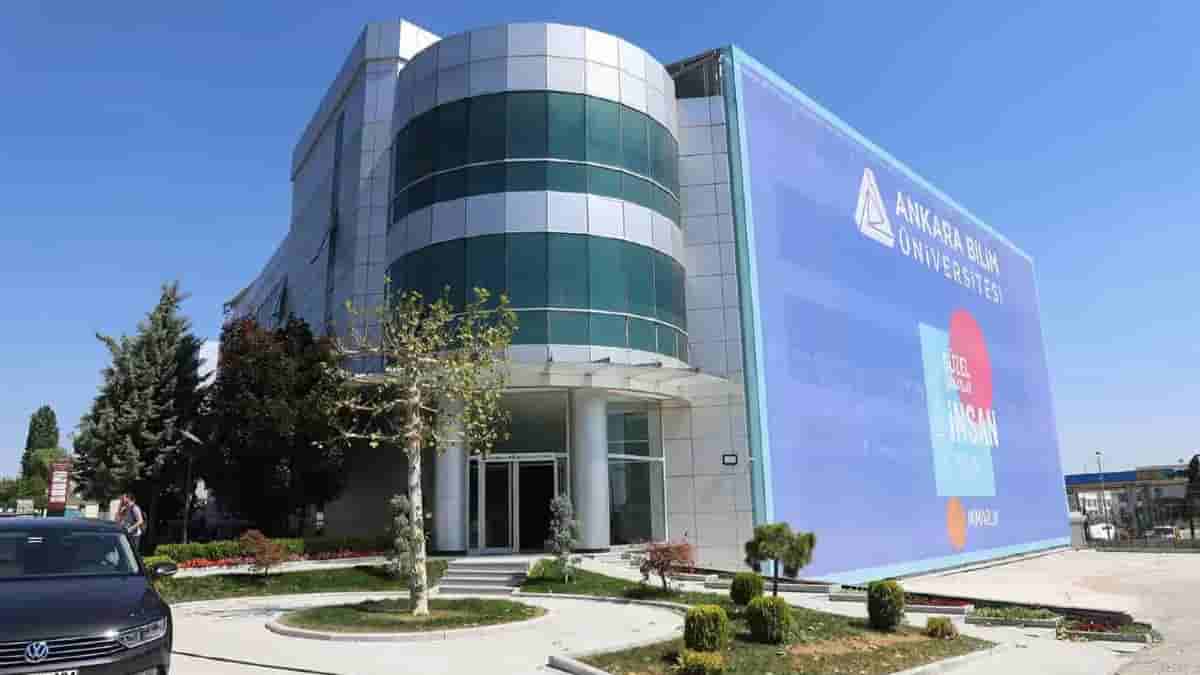 Dormitory
Ankara, Turkey
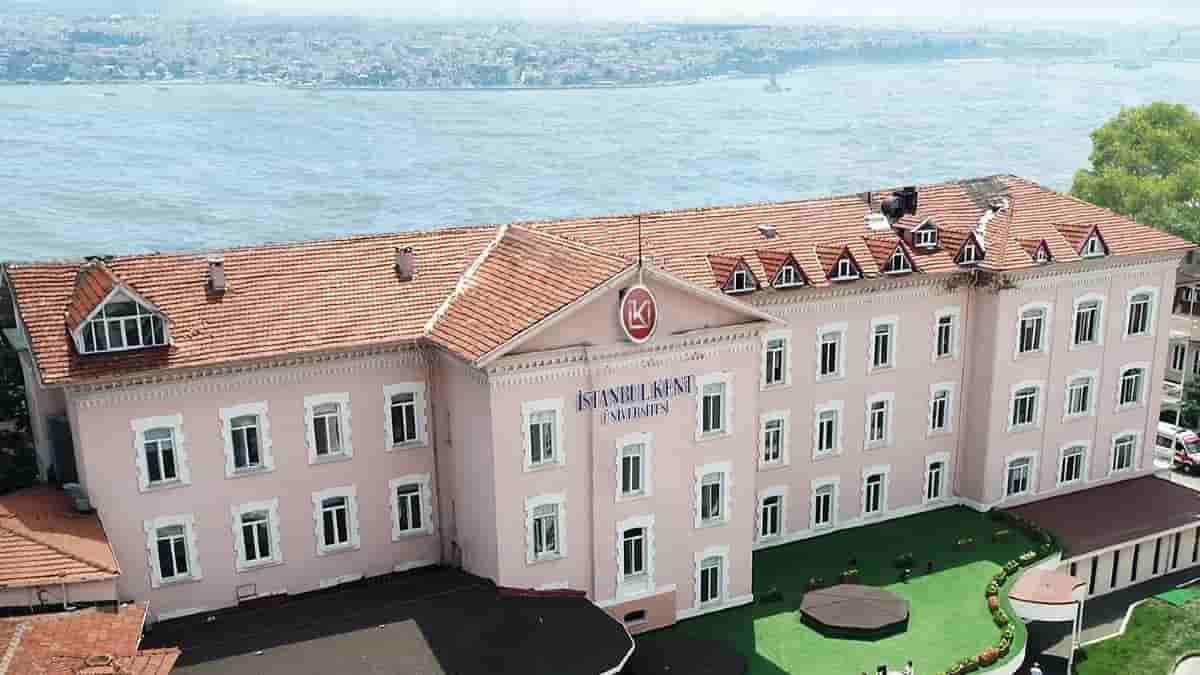 Dormitory
Istanbul, Turkey