

FAQs
Frequently Asked Questions and Answers

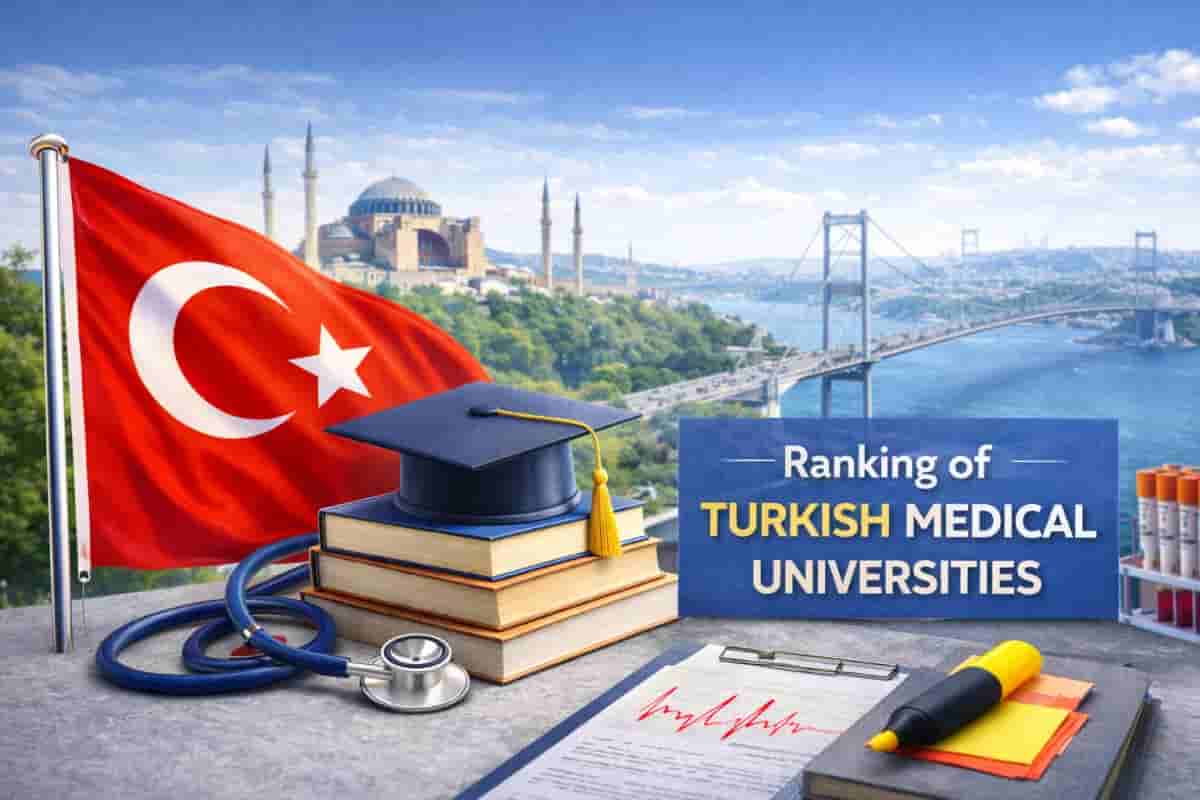
Turkey has steadily positioned itself as a strategic hub for international medical education, particularly for students from Pakistan seeking quality training, global exposure, and structured academic systems. Its medical universities operate under a centralized higher education framework, ensuring consistency in curriculum standards, clinical training, and institutional oversight. For Pakistani students, Turkey offers a balance between academic rigor, cultural familiarity, and long-term professional mobility.
For Pakistani students, choosing Turkey is not only an academic decision but a strategic one.
Several factors contribute to its growing appeal:
Curriculum Compatibility: The medical curriculum aligns well with international clinical frameworks familiar to Pakistani students.
Cultural and Social Environment: Turkey offers a socially inclusive environment where Pakistani students adapt comfortably.
Institutional Diversity: A wide range of private medical universities allows students to choose based on academic focus, location, and clinical exposure.
Career Versatility: Graduates gain a medical education that supports diverse postgraduate and professional pathways.

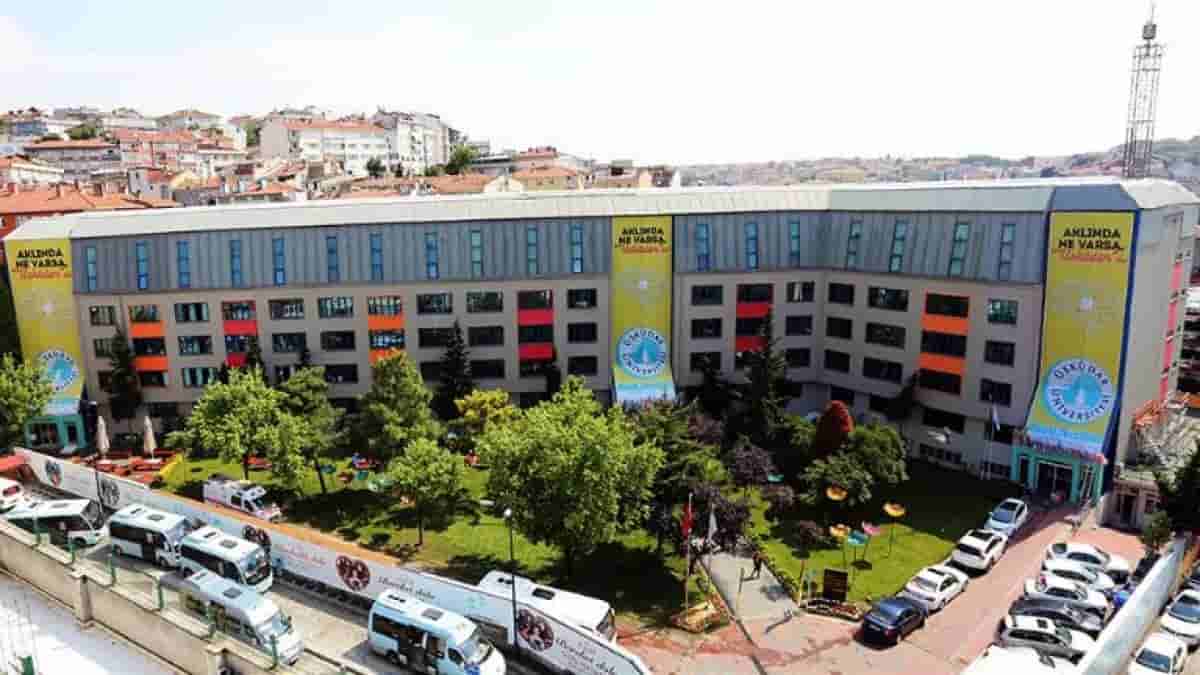
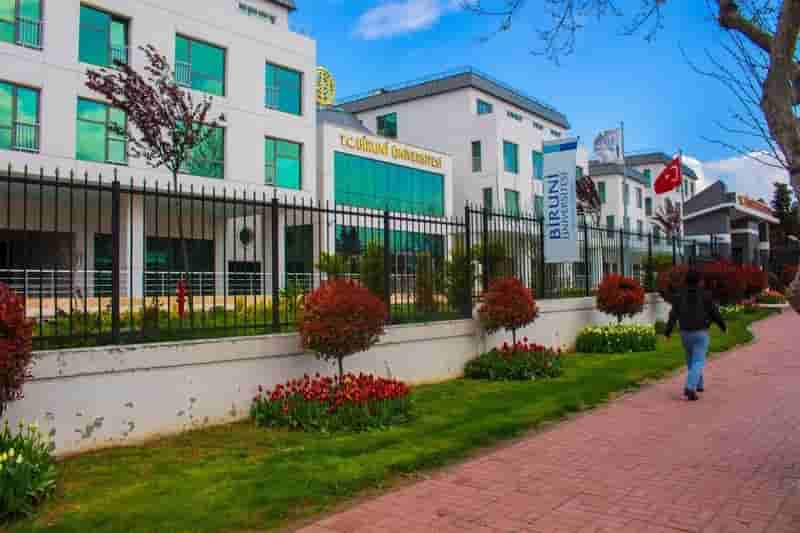
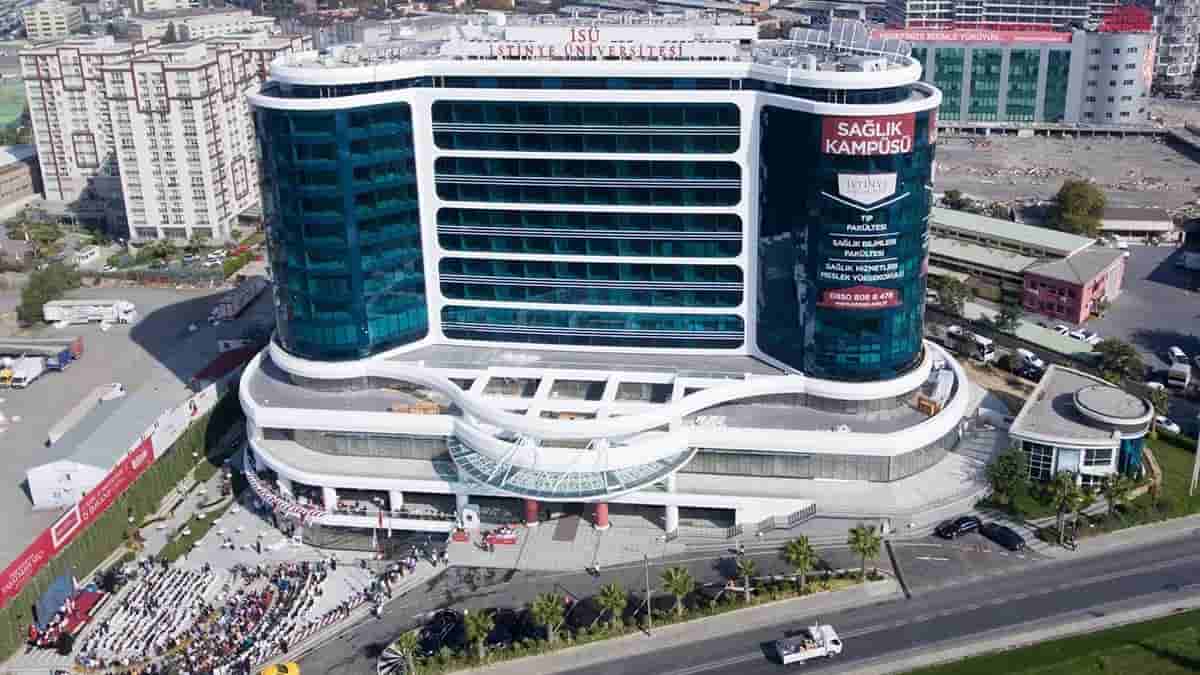
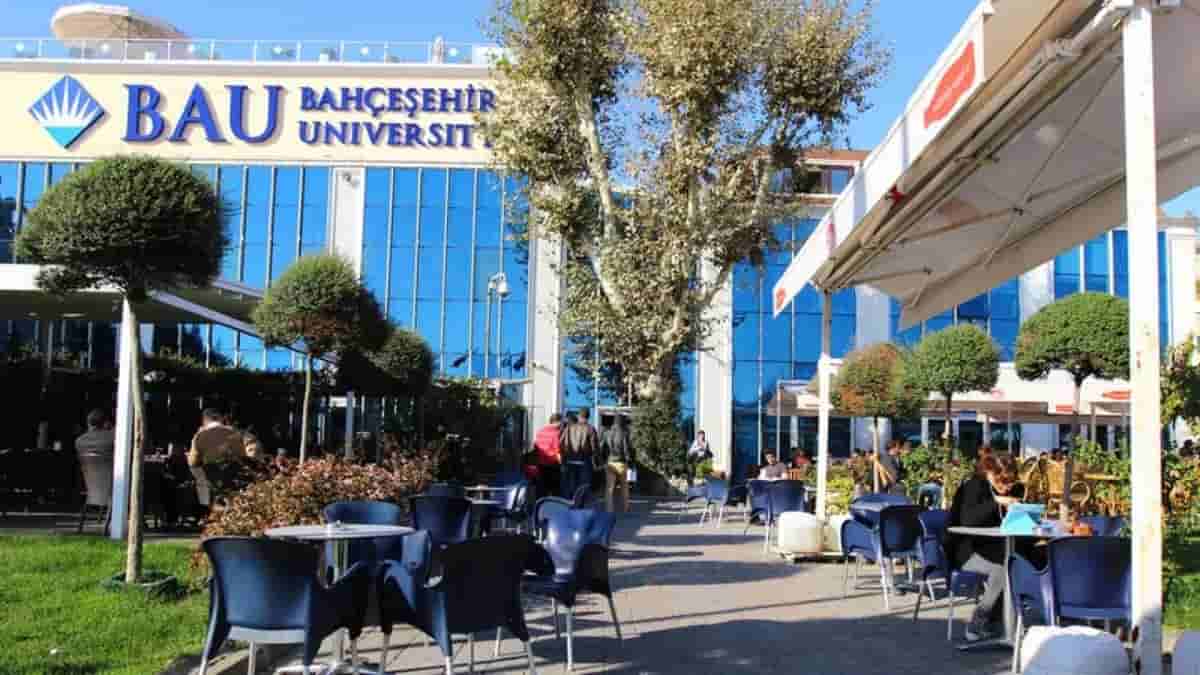
While Turkey hosts many medical institutions, Pakistani students commonly explore universities with strong clinical affiliations and international student experience. These include institutions such as İstanbul Medipol University, Acıbadem Mehmet Ali Aydınlar University, Altınbaş University, Bahçeşehir University, Üsküdar University, İstinye University, Biruni University. In Ankara, universities like Ankara Medipol University, Atılım University, TOBB University of Economics and Technology are also considered for their academic environments and healthcare integration. Coastal and regional options such as Antalya Bilim University, Alanya University, Yaşar University attract students seeking a balanced academic and lifestyle experience.
Graduates from Turkish medical universities develop competencies that extend beyond clinical knowledge. Training emphasizes analytical reasoning, patient communication, and interdisciplinary collaboration. This prepares students for structured postgraduate pathways, research roles, and clinical practice in varied healthcare environments.
For Pakistani families, outcome clarity matters. A Turkish medical education equips students with transferable medical competencies and professional discipline, supporting long-term career development rather than short-term academic goals.

Selecting a medical university in Turkey requires more than comparing tuition or location. Factors such as institutional recognition, hospital access, language of instruction, academic workload, and student support systems significantly influence outcomes.
This is why Pakistani students are advised not to apply directly to universities. Instead, structured guidance through a specialized platform ensures transparency, academic fit, and procedural accuracy.
Many Pakistani students unintentionally limit their options due to avoidable errors.
Common mistakes include:
Choosing universities based solely on location without evaluating clinical exposure
Applying independently without understanding institutional requirements
Ignoring long-term academic and professional alignment
Underestimating the importance of official university partnerships
Avoiding these mistakes requires structured planning and professional guidance.

Medical universities in Turkey offer Pakistani students a structured, internationally aligned medical education supported by strong institutional frameworks. When approached strategically, this pathway provides academic depth, clinical competence, and professional flexibility.
Frequently Asked Questions and Answers
Look out blogs and aware of the latest trends and updates
Explore top universities offering quality education, modern facilities, and diverse academic opportunities for students worldwide





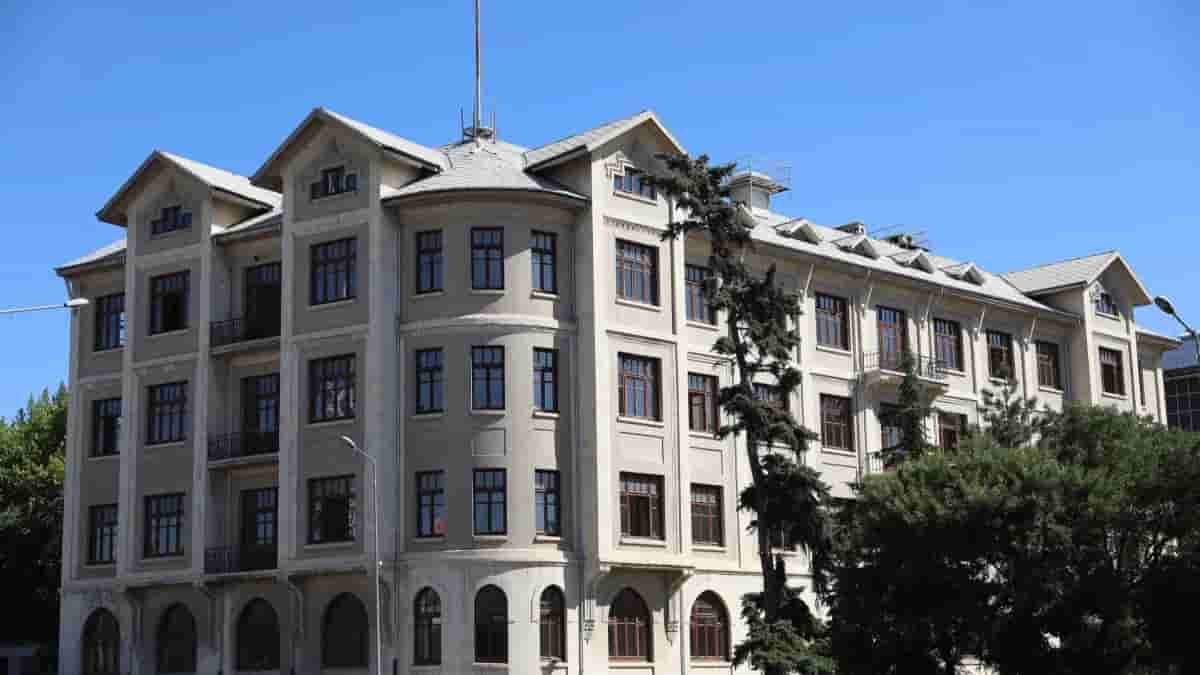 Dormitory
Ankara, Turkey
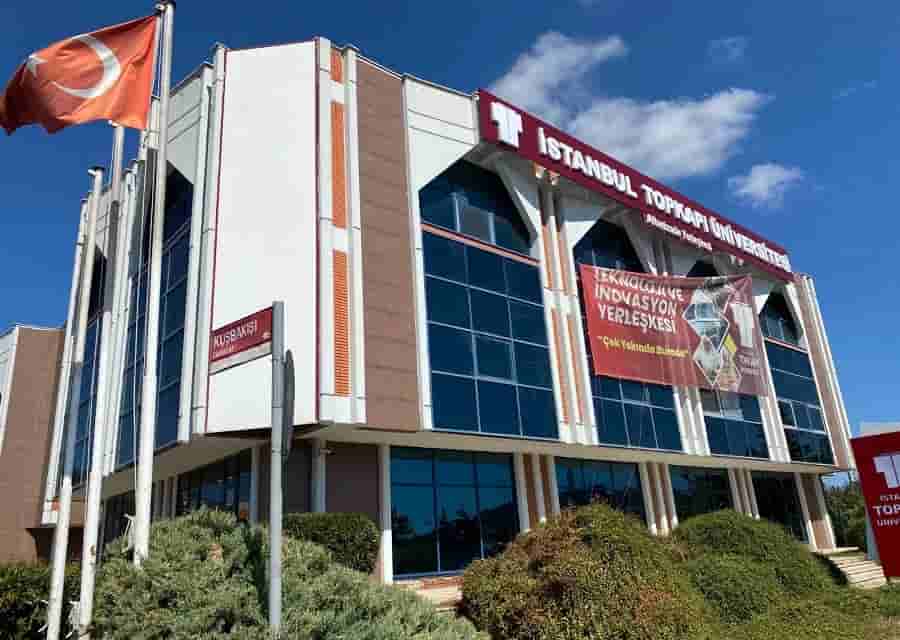 Dormitory
Istanbul, Turkey
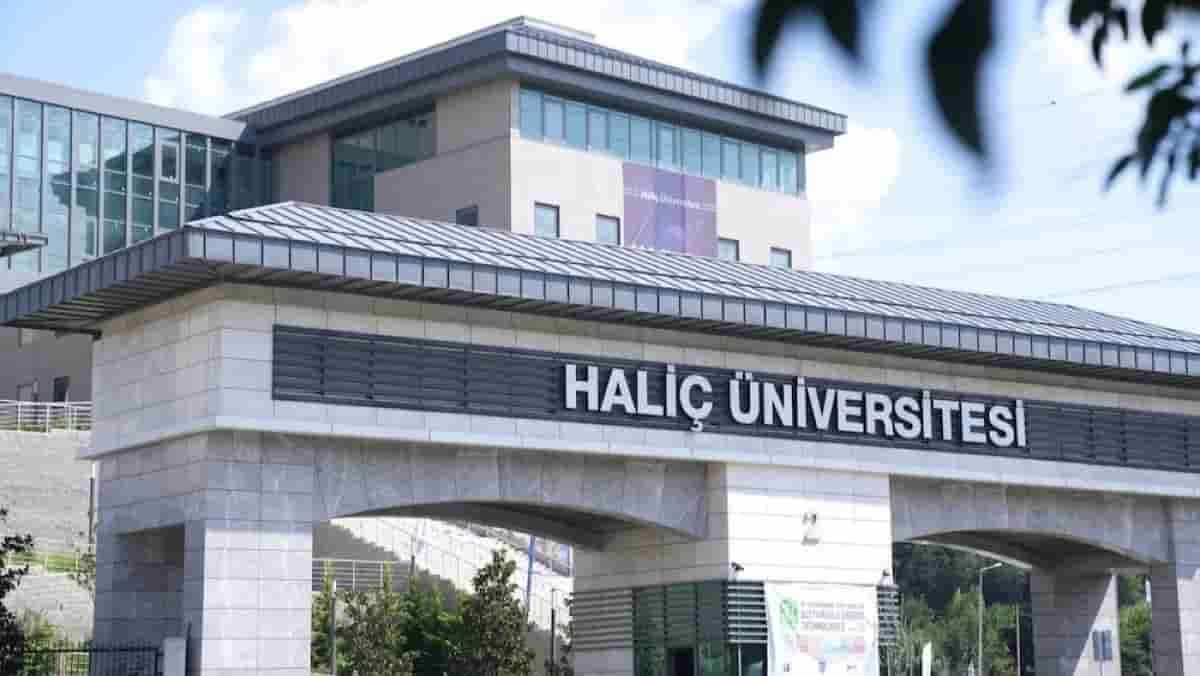 Dormitory
Istanbul, Turkey
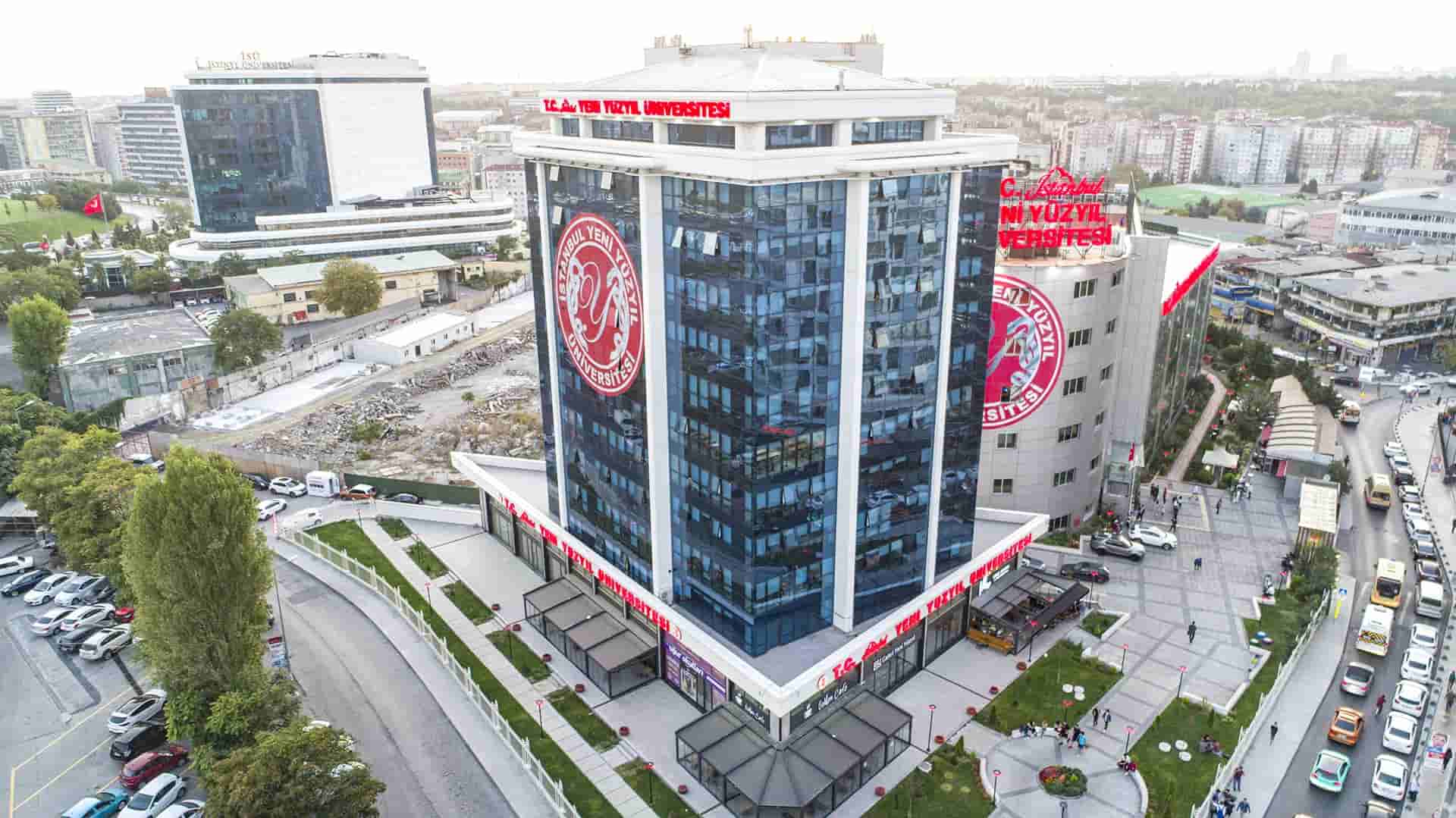 Dormitory
Istanbul, Turkey
 Dormitory
Istanbul, Turkey
 Dormitory
Istanbul, Turkey
 Dormitory
Istanbul, Turkey
 Dormitory
Istanbul, Turkey
 Dormitory
Istanbul, Turkey
 Dormitory
Istanbul, Turkey
 Dormitory
Istanbul, Turkey
 Dormitory
Istanbul, Turkey
 Dormitory
Istanbul, Turkey
 Dormitory
Istanbul, Turkey
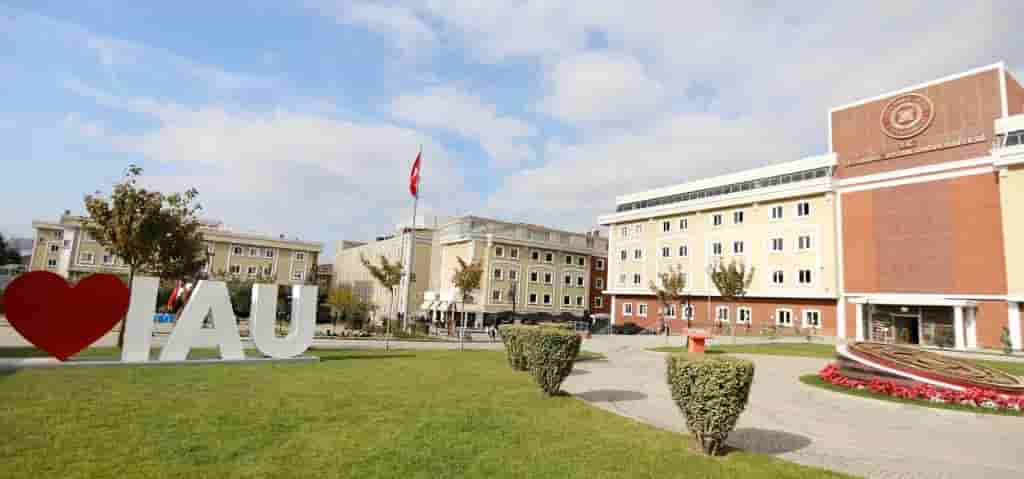 Dormitory
Istanbul, Turkey
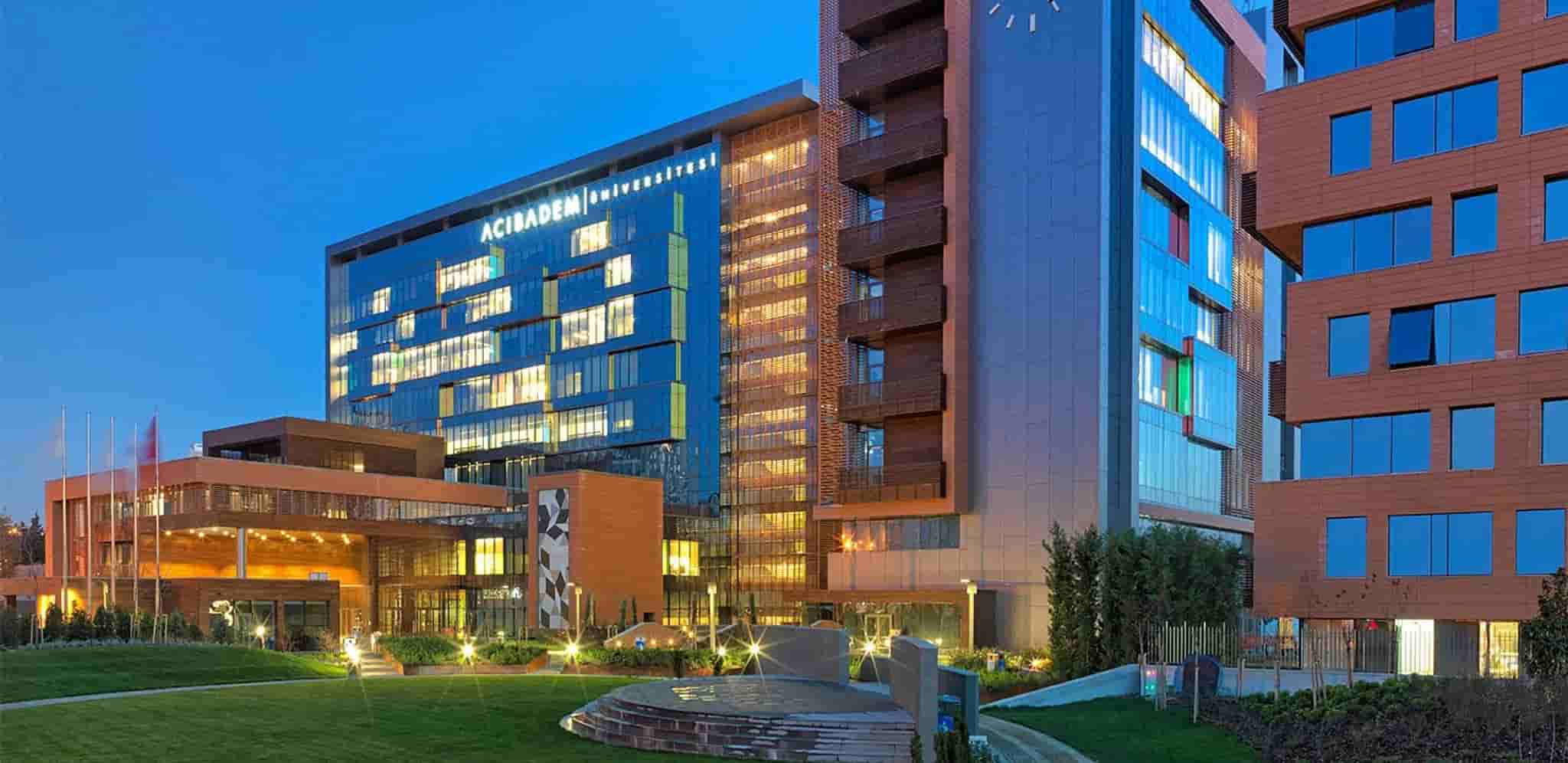 Dormitory
Istanbul, Turkey
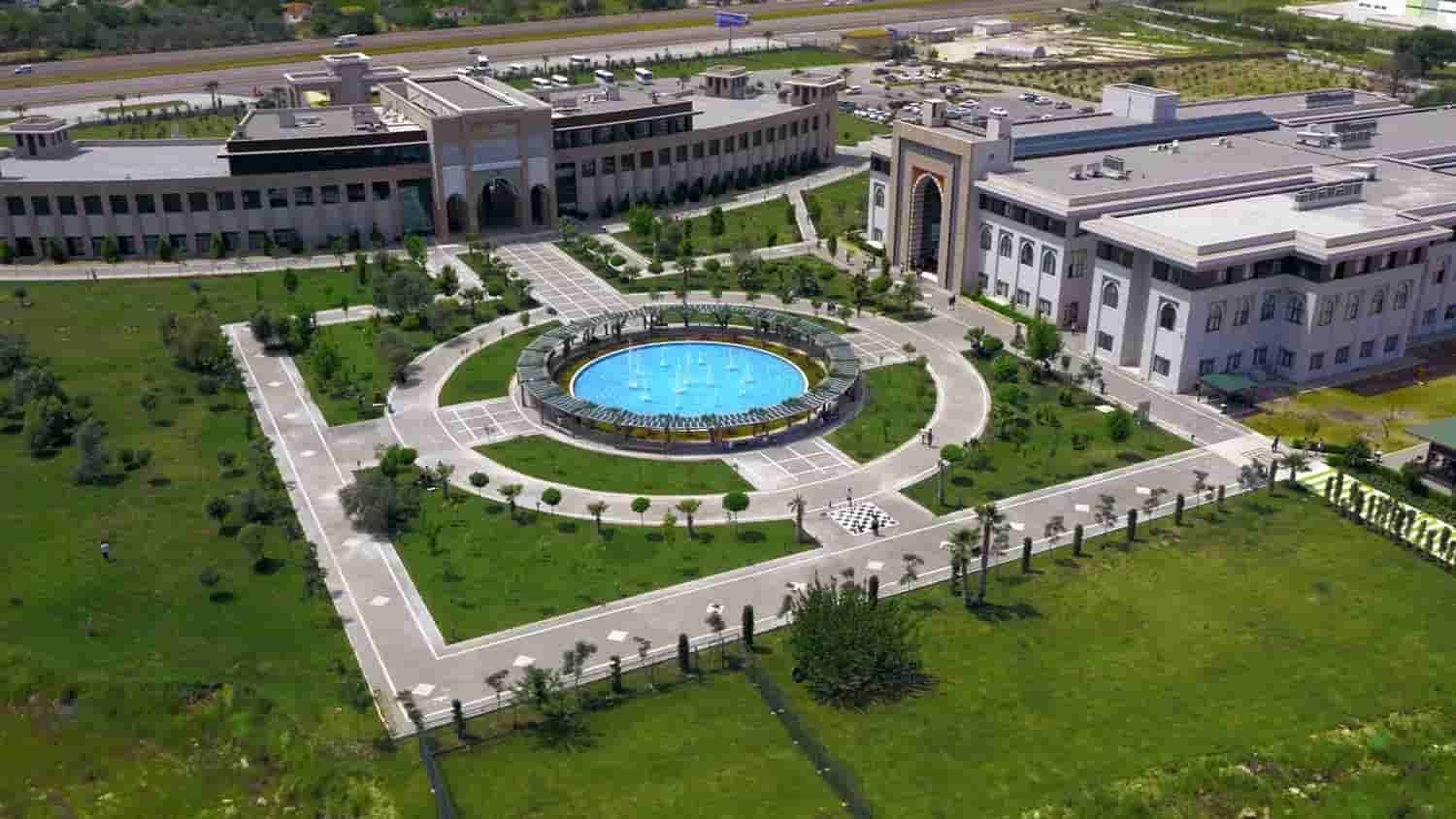 Dormitory
Antalya, Turkey
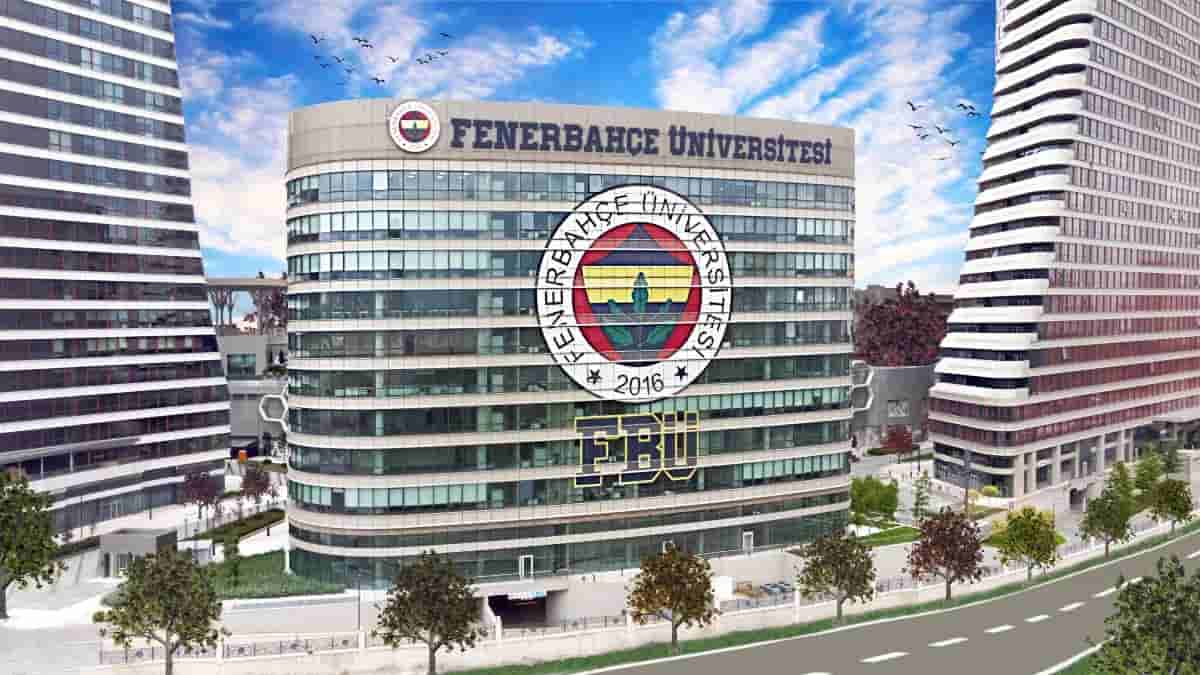 Dormitory
Istanbul, Turkey
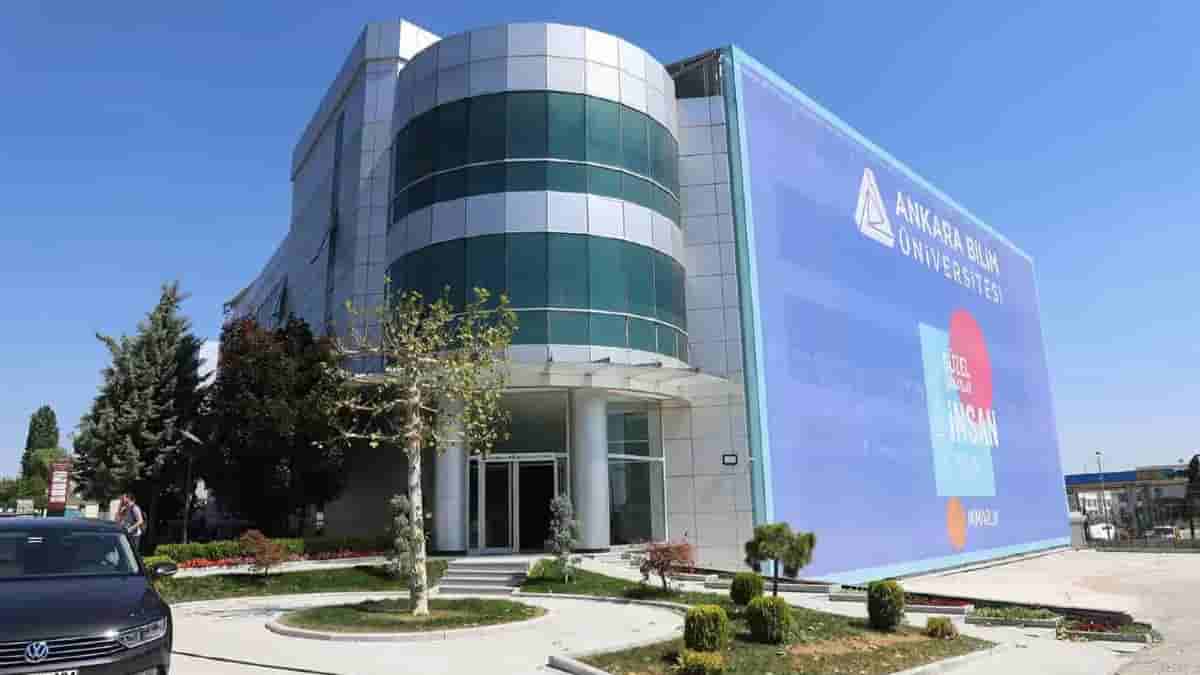 Dormitory
Ankara, Turkey
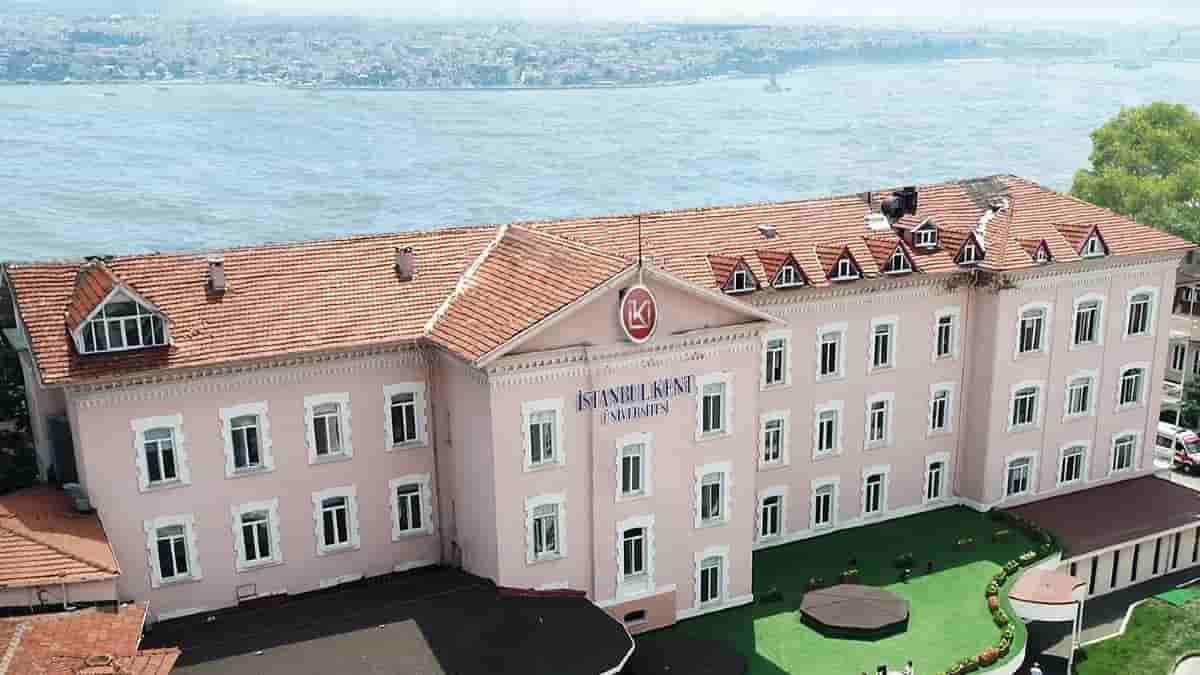 Dormitory
Istanbul, Turkey