
FAQs
Frequently Asked Questions and Answers

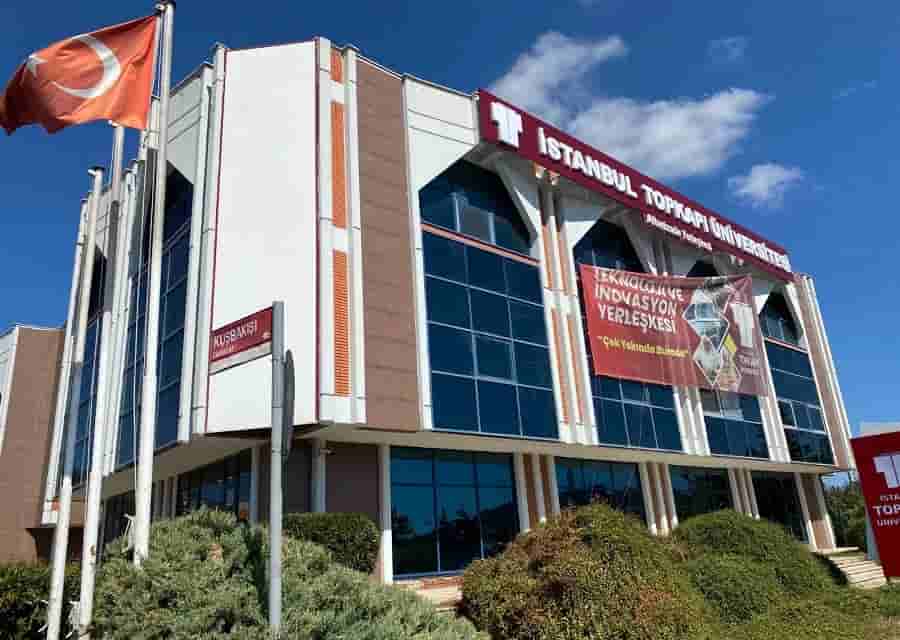
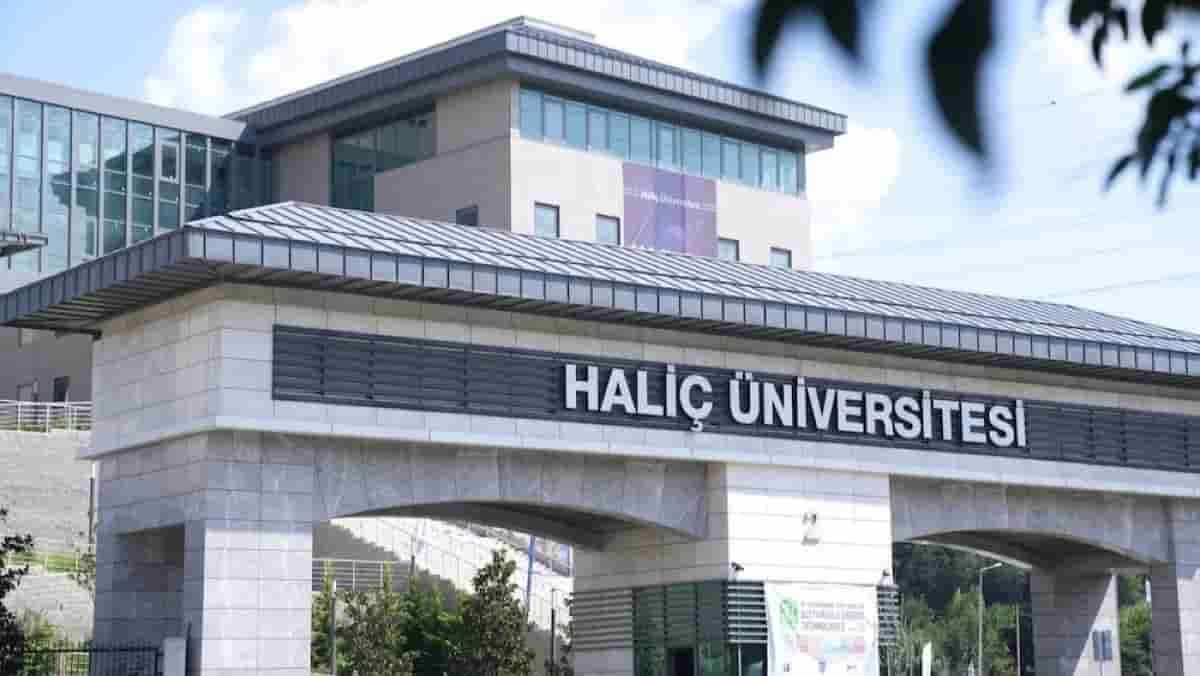
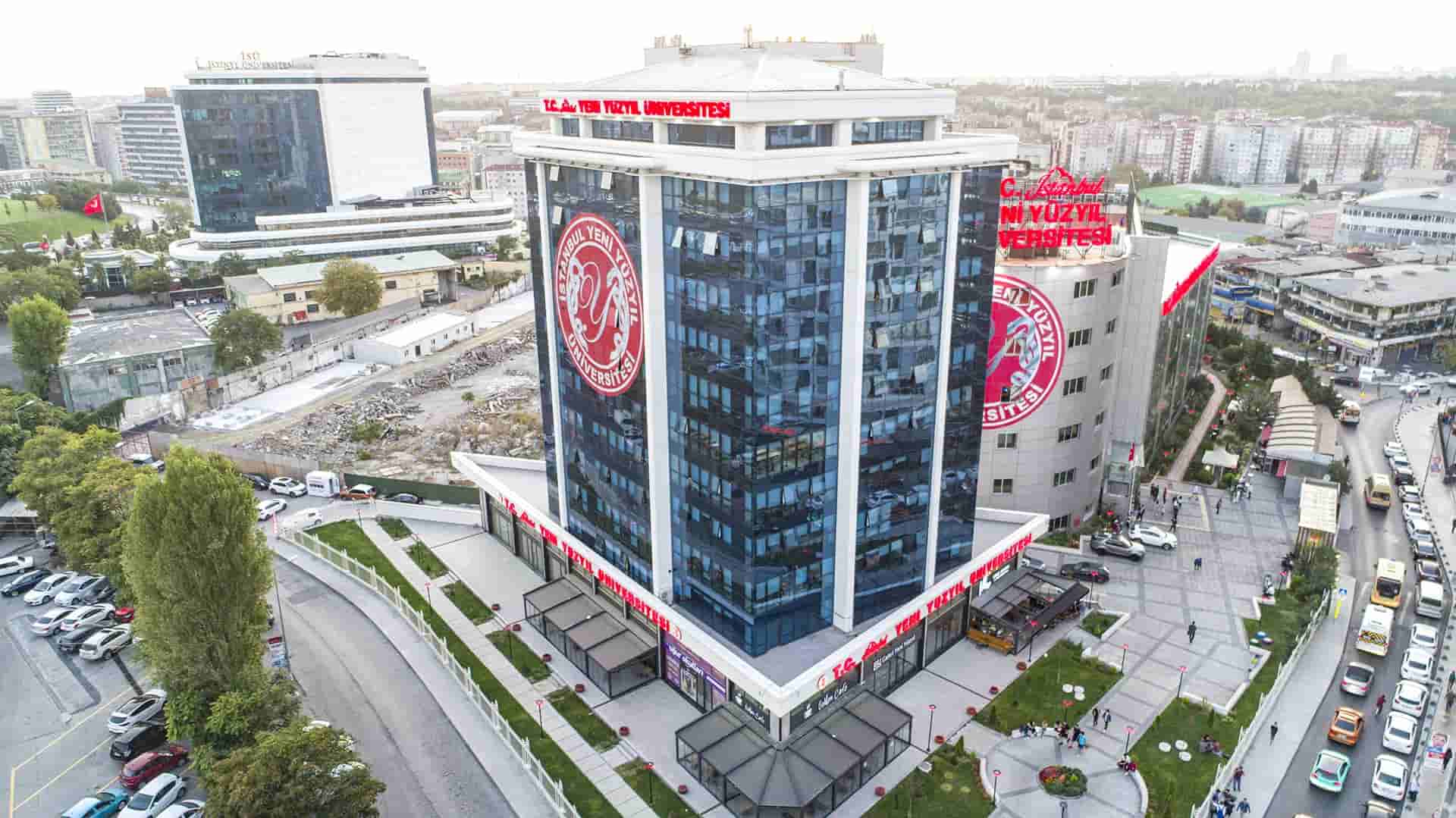
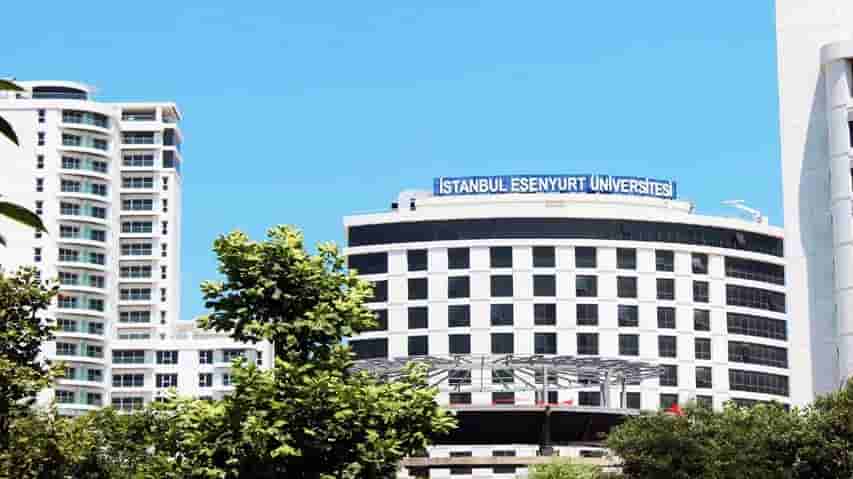
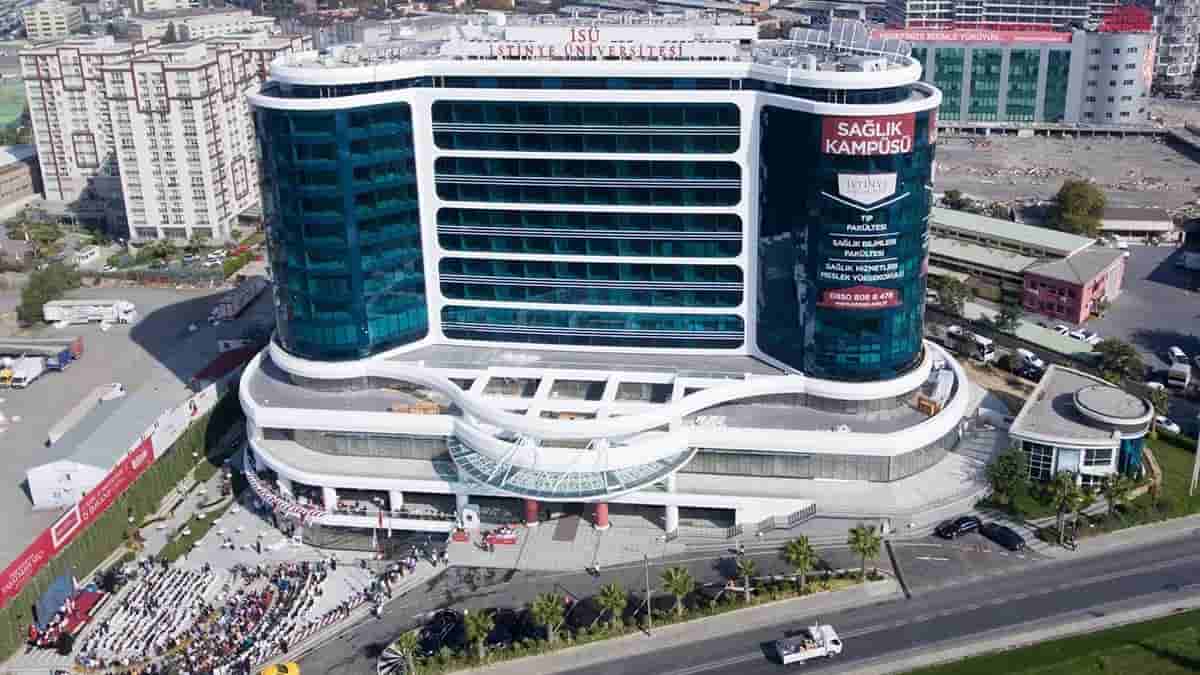
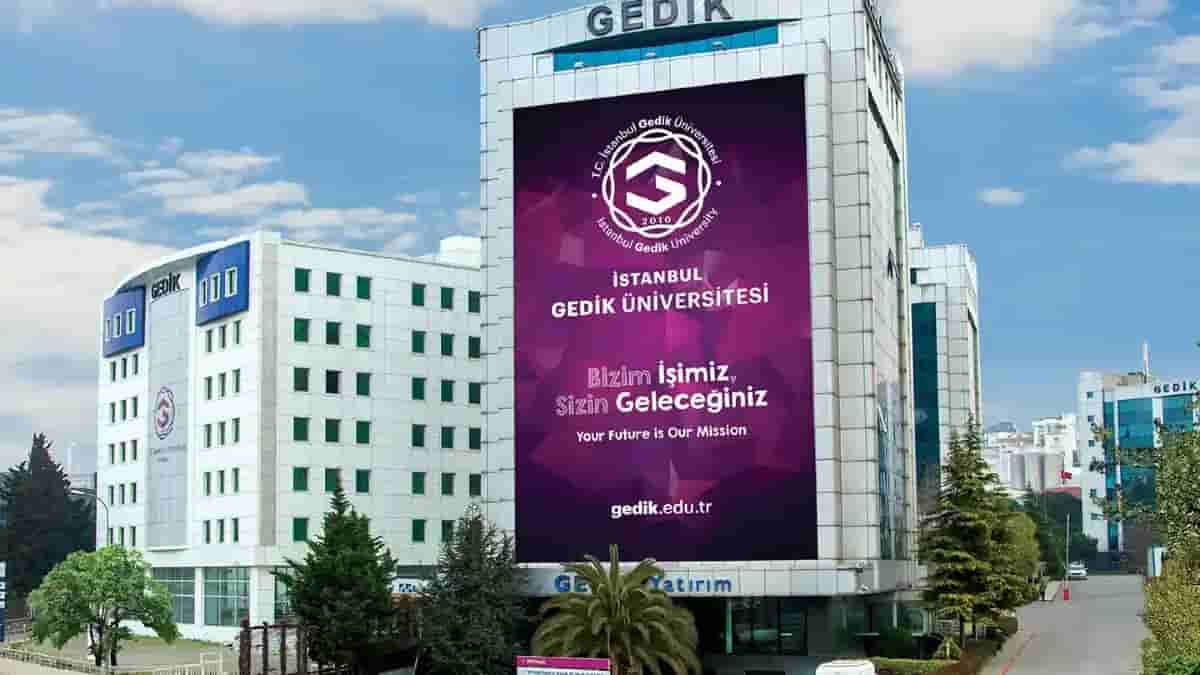
Turkey has emerged as a compelling destination for international students seeking high-quality medical education in a culturally rich and geographically strategic setting. With its blend of modern infrastructure, historic heritage, and globally recognized academic institutions, the country offers a unique environment for aspiring doctors. Private universities in Turkey have played a pivotal role in this transformation, investing heavily in state-of-the-art facilities, internationally trained faculty, and English-taught programs. These institutions adhere to rigorous academic standards while maintaining an inclusive and supportive atmosphere for students from around the world. Many private medical schools are accredited by international bodies and align their curricula with European and global benchmarks. Beyond academics, Turkey provides affordable living costs, vibrant student life, and access to diverse clinical training opportunities. For those considering a career in medicine, Turkish private universities present a credible and attractive pathway. StudyLeo helps students navigate this journey seamlessly—connecting them directly with top private medical colleges without any service fees.
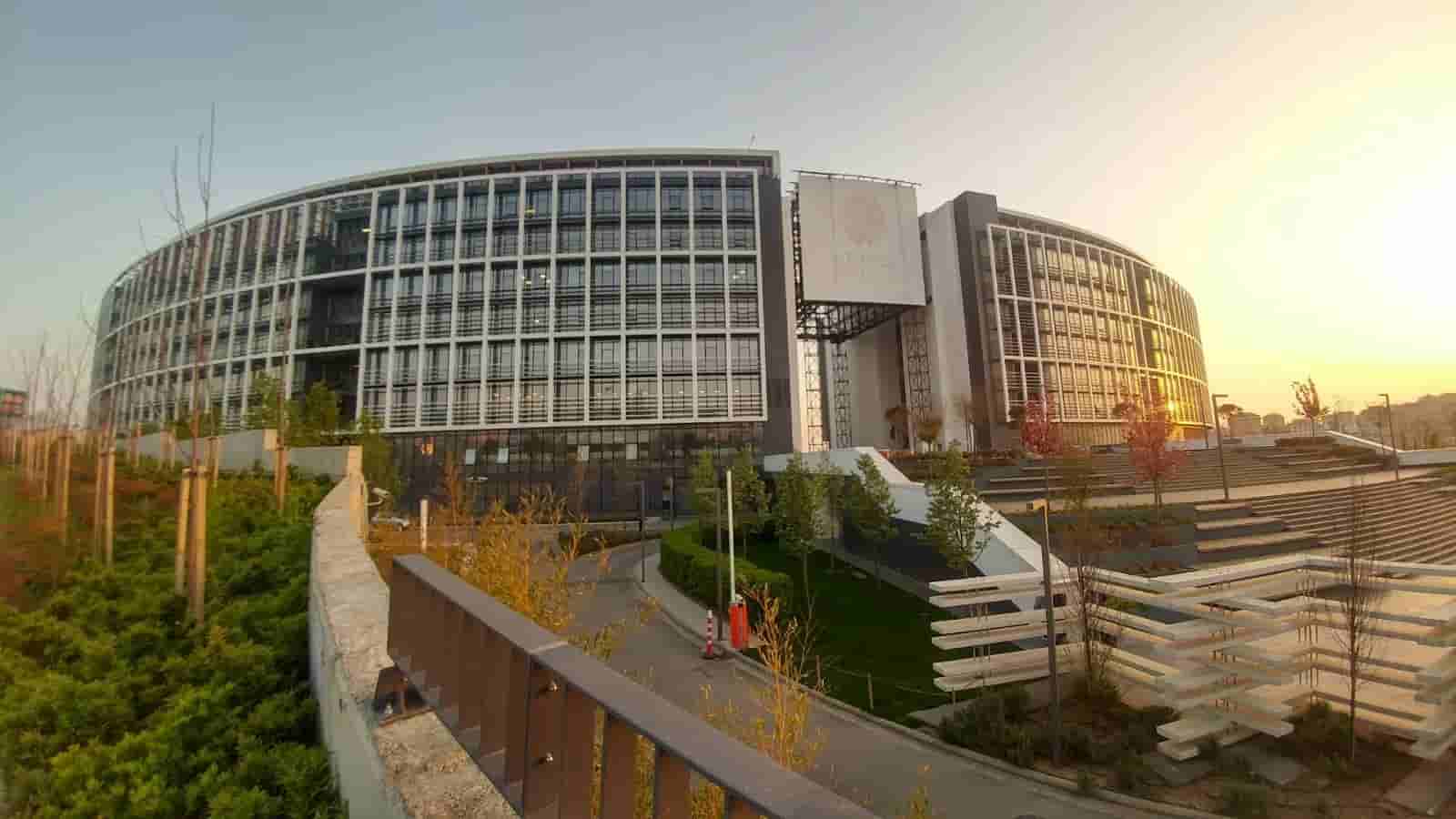
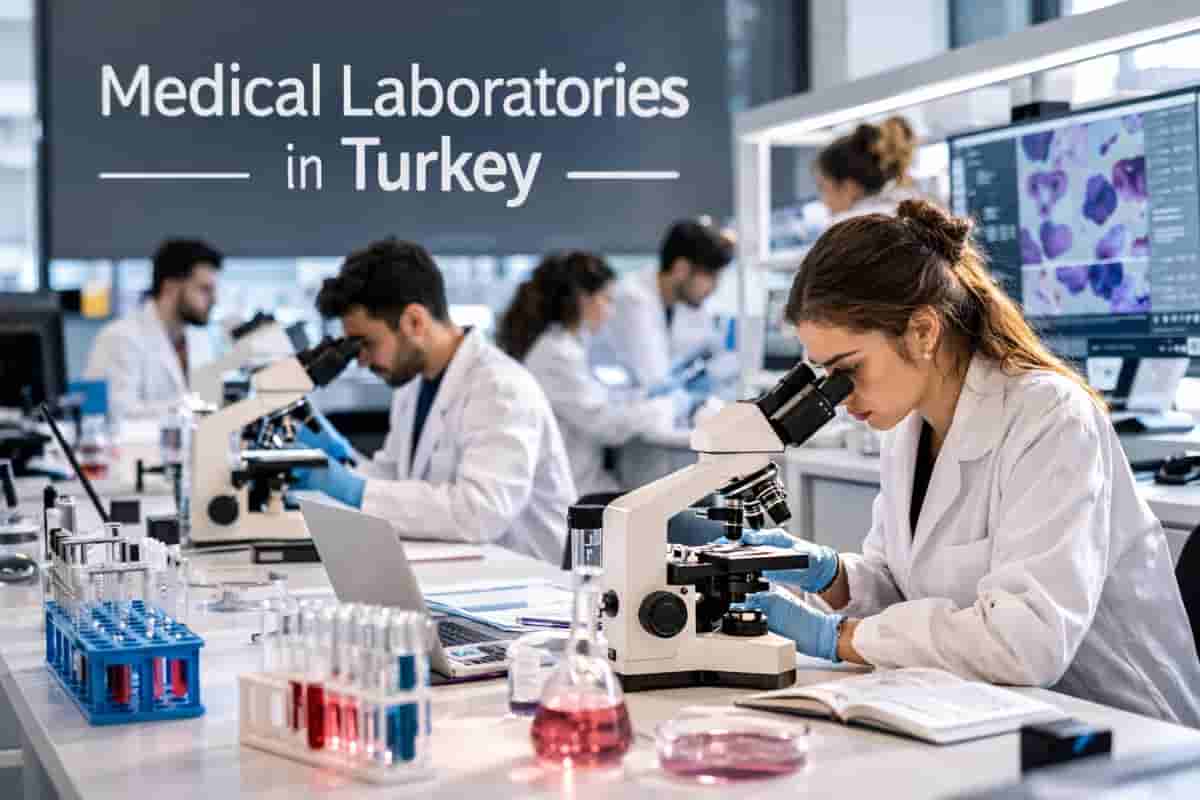
Medical universities in Turkey distinguish themselves through innovation, internationalization, and student-centered learning environments. Unlike public institutions that may face budget constraints, private universities benefit from substantial investments in laboratories, simulation centers, teaching hospitals, and digital learning platforms. Most offer their Medicine (MD) programs entirely in English, removing language barriers for international students. Faculty members often hold degrees from prestigious institutions worldwide and maintain active research portfolios, ensuring that students receive both theoretical knowledge and exposure to current medical advancements. Additionally, smaller class sizes allow for personalized attention and mentorship, which is especially valuable in demanding fields like medicine.
These universities also prioritize global recognition. Many are listed in the World Directory of Medical Schools and recognized by major regulatory bodies such as the World Health Organization (WHO), the Educational Commission for Foreign Medical Graduates (ECFMG), and national medical councils across Europe, the Middle East, and Asia. This recognition facilitates graduates’ eligibility to sit for licensing exams like the USMLE, PLAB, or country-specific boards. Furthermore, private institutions often establish partnerships with international hospitals and universities, offering exchange programs and collaborative research opportunities. Through the StudyLeo platform, students can explore these options and apply directly to programs that match their academic and professional goals, all without paying any service fees.

Admission to medical schools in Turkey typically requires a strong academic background in science subjects during secondary education. International applicants must submit official documents including a high school diploma, transcript showing coursework in biology, chemistry, physics, and mathematics, a valid passport, a graduation certificate if applicable, and a recent photograph. While some universities may consider standardized test scores like SAT, ACT, or national entrance exams, many private institutions conduct their own evaluations based on academic records and sometimes interviews. Language proficiency in English is essential, usually demonstrated through TOEFL or IELTS, though some universities offer preparatory English programs for those who need to improve their skills before starting the MD curriculum.
StudyLeo simplifies this process by guiding students through document preparation and ensuring all materials meet university specifications. Each private medical university may have slightly different requirements, but the core documentation remains consistent. It’s important to note that deadlines vary by institution, so early application is recommended. Since private universities operate independently of Turkey’s centralized application system, direct applications through platforms like StudyLeo are not only possible but often more efficient. This streamlined approach allows students to focus on preparing strong applications rather than navigating bureaucratic hurdles.
The MD program at Turkish universities spans six years and follows a structure aligned with international medical education standards. The first two years focus on pre-clinical sciences, such as anatomy, physiology, biochemistry, and pathology, delivered through integrated, system-based modules. From the third year onward, students transition into clinical rotations in affiliated teaching hospitals, gaining hands-on experience in internal medicine, surgery, pediatrics, obstetrics, psychiatry, and other specialties. Problem-based learning (PBL) and case-based discussions are commonly used to foster critical thinking and clinical reasoning from the early stages of training.
Clinical training is a cornerstone of medical education in Turkey’s private sector. Universities partner with large, modern hospitals that serve diverse patient populations, exposing students to a wide spectrum of medical conditions. Many institutions also offer elective rotations in international settings through Erasmus+ or bilateral agreements. Simulation centers equipped with high-fidelity mannequins and virtual reality tools allow students to practice procedures in risk-free environments. This comprehensive approach ensures graduates are not only knowledgeable but also clinically competent and ready for postgraduate training anywhere in the world.
Graduates from accredited medical universities in Turkey enjoy strong global mobility. Their degrees are recognized by the WHO, ECFMG, and numerous national medical councils, enabling them to pursue licensure and residency in countries such as the UK, Germany, the Gulf states, and beyond. Success in licensing exams like the USMLE Step 1 and Step 2 CK is common among Turkish medical graduates, thanks to curricula designed with these assessments in mind. Many alumni go on to complete residencies in Europe, North America, or return to their home countries to practice or teach.
In Turkey itself, foreign graduates can apply for residency positions after passing the Turkish Medical Specialization Exam (TUS), though this requires Turkish language proficiency at a B2 level or higher. Alternatively, graduates often find opportunities in private healthcare sectors across the Middle East, Africa, and Asia, where Turkish medical education is highly regarded. The combination of rigorous training, international exposure, and practical experience makes these graduates competitive in the global job market. StudyLeo helps students understand these pathways early, so they can align their studies with long-term career ambitions.

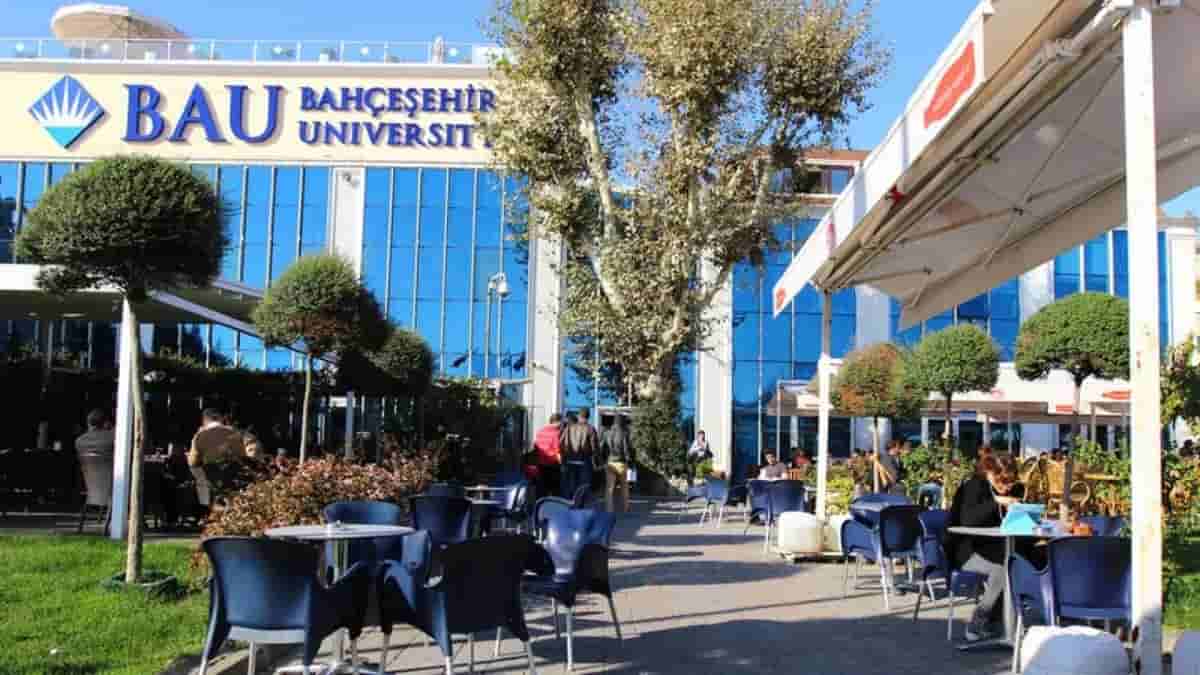
Studying medicine in Turkey offers more than just academic rigor—it immerses students in a dynamic cultural landscape where East meets West. Cities like Istanbul, Ankara, and Izmir blend historical landmarks with modern amenities, offering everything from bustling bazaars and Ottoman palaces to contemporary art galleries and vibrant nightlife. International students quickly find communities through university clubs, sports teams, and cultural festivals. Many campuses are located near city centers or scenic coastal areas, providing easy access to both urban excitement and natural beauty.
Student life is further enriched by Turkey’s welcoming society and affordable lifestyle. Cafés, museums, public transport, and weekend getaways are accessible on a student budget. Universities frequently organize trips to historical sites like Cappadocia, Ephesus, or Pamukkale, deepening students’ appreciation for the country’s heritage. For those observing religious or dietary practices, halal food and prayer spaces are widely available. This supportive and stimulating environment helps international students feel at home while pursuing one of the most demanding degrees.
Applying to medical universities in Turkey is straightforward with StudyLeo, a dedicated platform that connects students directly with institutions, without charging any service fees. Students begin by creating a profile and selecting their preferred universities based on location, tuition, curriculum, and recognition. StudyLeo’s team verifies document authenticity, ensures compliance with university requirements, and manages communication between applicants and admissions offices. This eliminates confusion and reduces processing time significantly compared to traditional application methods.
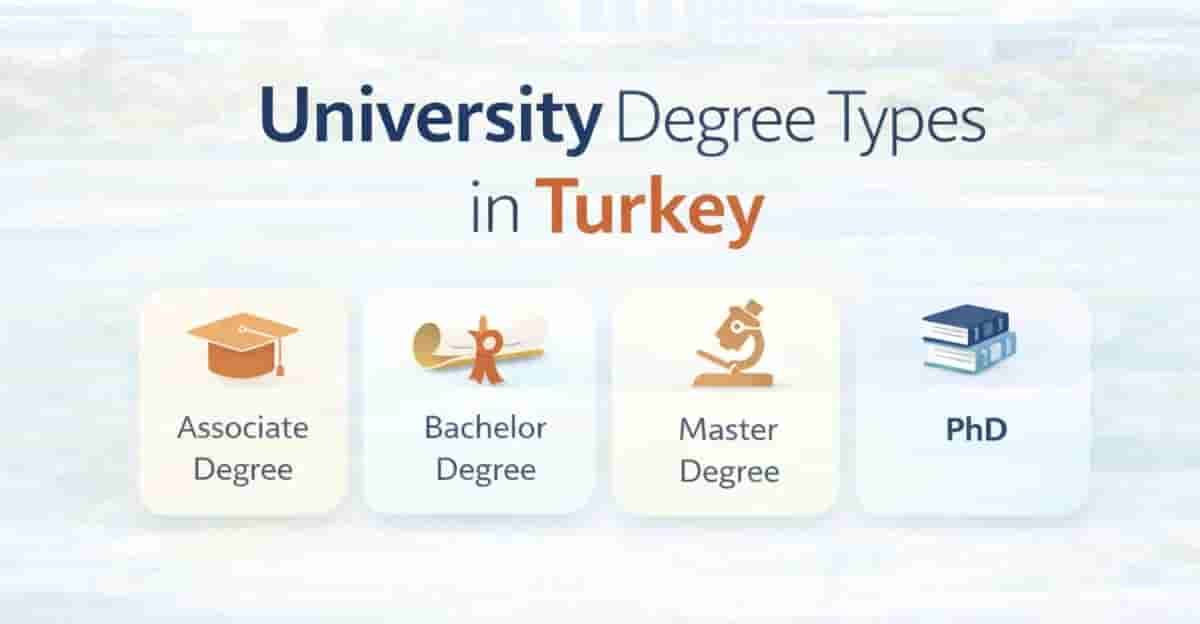
The platform supports applicants at every stage, from initial inquiry to enrollment confirmation. Required documents vary by degree level: Associate applicants need a High School Diploma, Graduation Certificate, Passport, High School Transcript, and Photo; Bachelor’s applicants submit the same; Master’s applicants require a Graduation Certificate, Bachelor’s Diploma, Bachelor's Transcript, Passport, and Photo; PhD applicants must provide Bachelor's and Master's Diplomas and Transcripts, a Graduation Certificate, Passport, and Photo. StudyLeo ensures all submissions are accurate and complete, maximizing the chances of acceptance into top-tier private medical programs.

Turkey’s medical universities offer a rare combination of academic excellence, affordability, global recognition, and cultural richness. They provide international students with a solid foundation for a successful medical career, supported by modern facilities, experienced faculty, and comprehensive clinical training. The opportunity to study in a transcontinental nation with deep historical roots and forward-looking ambitions adds unique value to the educational experience. With structured curricula aligned with international standards, graduates are well-prepared to enter competitive residency programs or practice medicine worldwide. The streamlined application process through StudyLeo removes barriers and empowers students to focus on their goals. Choosing to study medicine in Turkey is not just an academic decision—it’s a life-changing step toward becoming a globally competent physician. For those ready to embark on this journey, the path is clear, supported, and full of promise.
Frequently Asked Questions and Answers
Look out blogs and aware of the latest trends and updates
Explore top universities offering quality education, modern facilities, and diverse academic opportunities for students worldwide



DormitoryIstanbul, Turkey
DormitoryAnkara, Turkey
DormitoryIstanbul, Turkey



DormitoryAntalya, Turkey
DormitoryIstanbul, Turkey
DormitoryAnkara, Turkey
DormitoryIstanbul, Turkey