
FAQs
Frequently Asked Questions and Answers

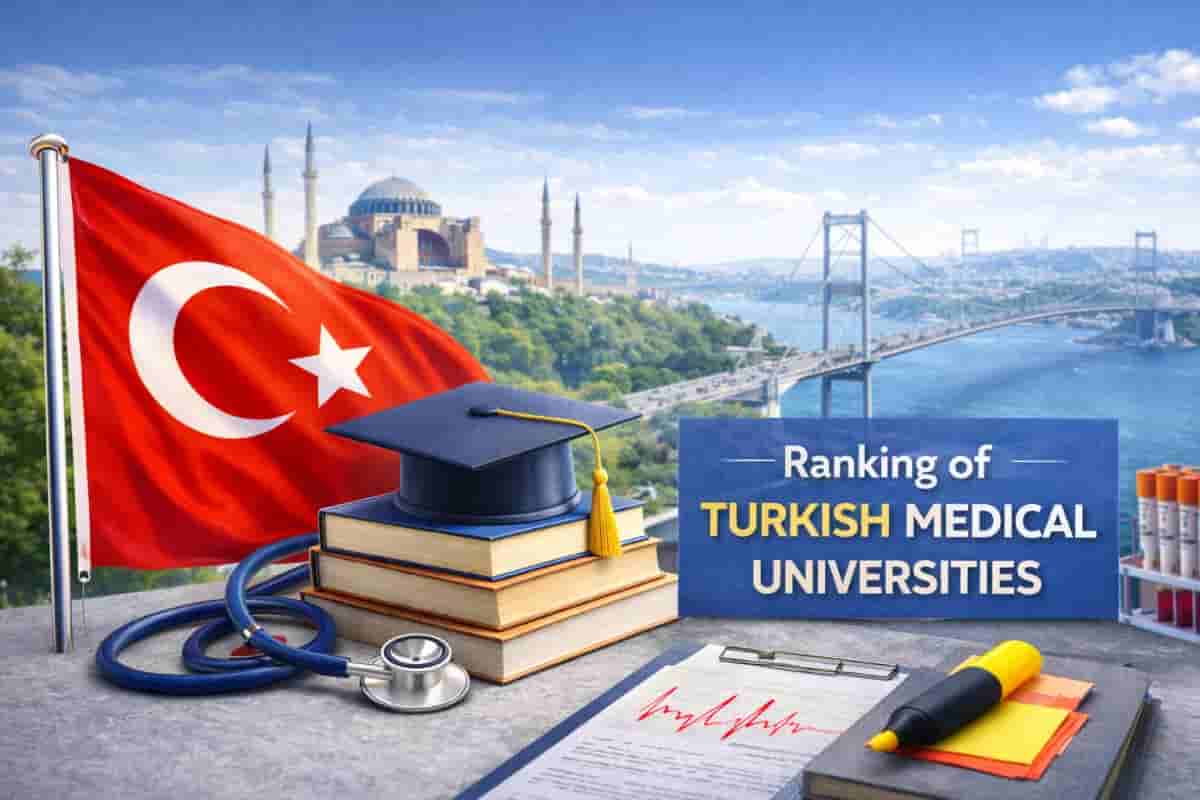
Every year, thousands of international students target medicine in Turkey, yet many choose universities with limited clinical exposure because information is unclear. Medical education shapes a lifelong career, so wrong choices carry long term impact. Families often face mixed messages about quality, recognition, and real hospital training. Clear, decision focused guidance helps students select programs that match their goals and readiness.
• Medical education follows European standards with strong hospital exposure
• Degrees from recognized universities support global career pathways
• Private universities offer predictable admission and modern facilities
• Early planning improves university matching and document readiness
• Clinical training quality matters more than brand names
MBBS programs in Turkey typically last six years. The first three years focus on basic sciences, anatomy, physiology, and lab work. The later years shift toward clinical rotations in affiliated hospitals where students interact with real patients under supervision.
Many private universities operate their own hospitals or partner with large medical centers. This allows continuous clinical exposure rather than short observation periods. Students who value hands on training often find this model practical and career focused.

This route fits students who want hospital centered training and international exposure. It works well for those planning to build a career across borders. Students who adapt well to structured and demanding study environments usually perform better.
It may not suit those looking for a light workload or minimal patient interaction. Medical education in Turkey is rigorous. Long study hours and clinical duties are normal.
Several private universities stand out for clinical infrastructure and teaching hospitals:
• Acıbadem University, strong focus on medical sciences and simulation
• Medipol University, large integrated hospital network
• Bezm i Âlem University, historic medical institution with active clinics
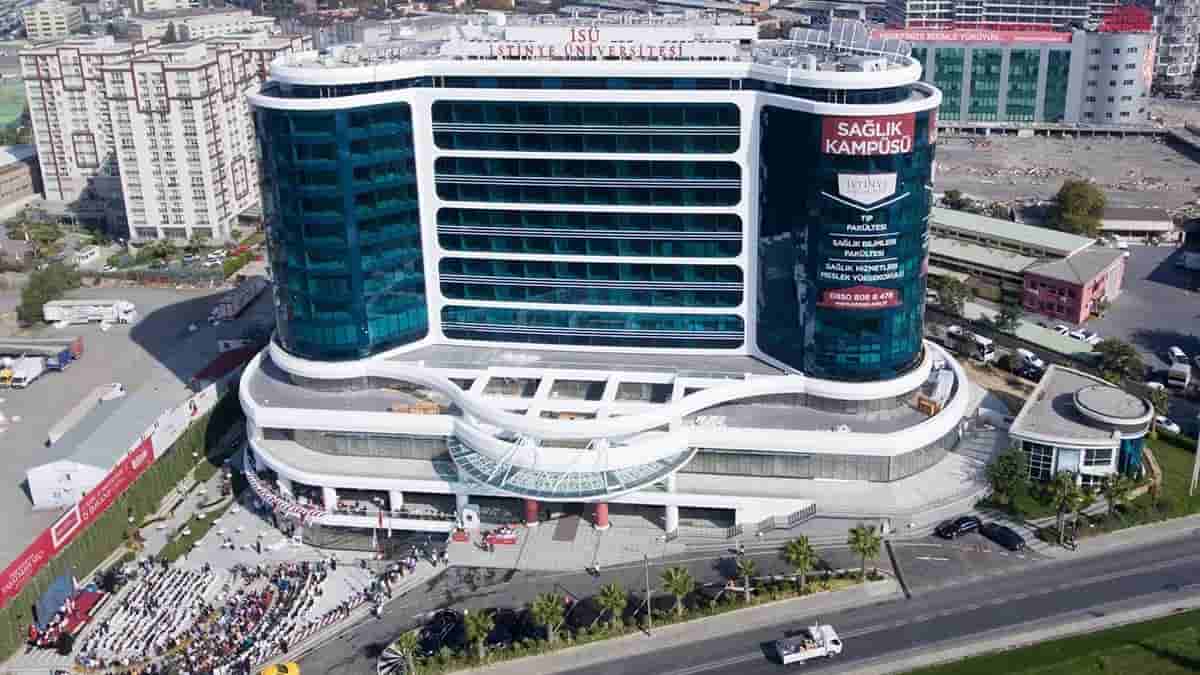
• İstinye University, modern medical campus and applied training model
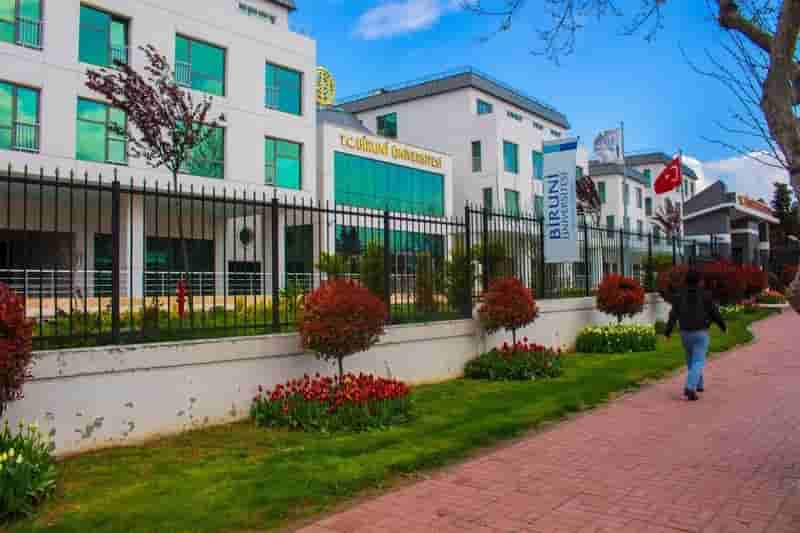
• Biruni University, emphasis on health sciences and labs
• Yeditepe University, established faculty and international environment
These universities invest heavily in hospital partnerships because clinical volume shapes doctor readiness.
Clinical training is a core component of MBBS education in Turkey. Universities provide access to teaching hospitals where students gain hands-on experience in real medical environments. Students observe and participate in patient care under academic supervision, gradually developing clinical competence.
Clinical education includes ward rounds, outpatient clinics, and case-based discussions. Students learn to apply medical knowledge, communicate with patients, and work within healthcare teams. This practical exposure strengthens clinical reasoning and professional behavior. Hospital-based training ensures that graduates are confident and prepared for medical practice after completing the MBBS program.

MBBS is a bachelor level medical program, so universities assess applicants based on completed high school education and overall academic history. Stable academic performance and a complete document file are the main expectations.
For clear and up to date requirements, students usually apply through the StudyLeo platform, where each university’s criteria are listed in detail. For MBBS bachelor admissions, the standard documents are:
• High school diplom
• Graduation certificate
• Academic transcript
• Passport copy
• Photograph
Preparing these early and uploading them correctly prevents delays. StudyLeo also guides students on required translations and certifications for each university.
Choosing where to study medicine is a long term career decision, not a short term study plan. The quality of clinical training, hospital access, and university standards directly shape your future as a doctor. Students who compare options carefully and prepare documents early reduce risk and stress. Clear guidance and verified pathways make the process more predictable. A well matched university gives you stronger clinical confidence and better licensing prospects. Thoughtful planning today supports safer, more flexible career options after graduation.
Frequently Asked Questions and Answers
Look out blogs and aware of the latest trends and updates
Explore top universities offering quality education, modern facilities, and diverse academic opportunities for students worldwide



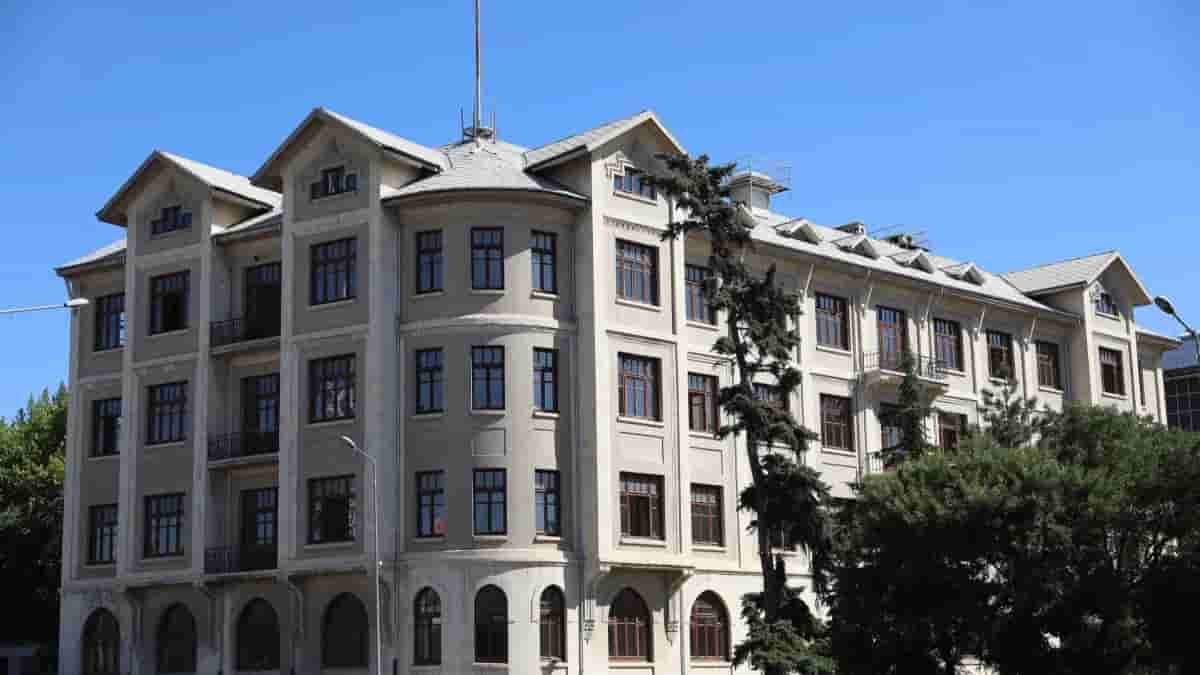 Dormitory
Ankara, Turkey
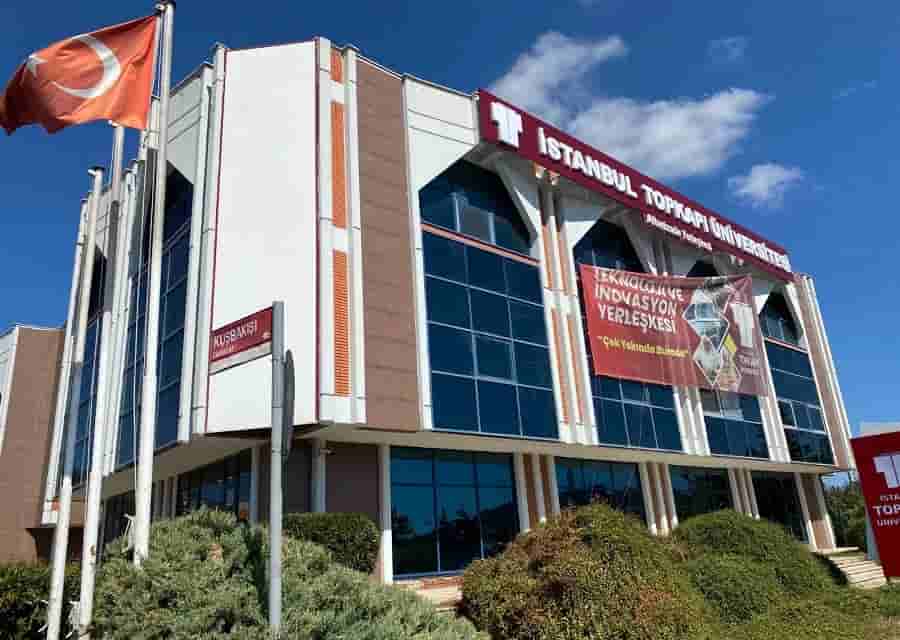 Dormitory
Istanbul, Turkey
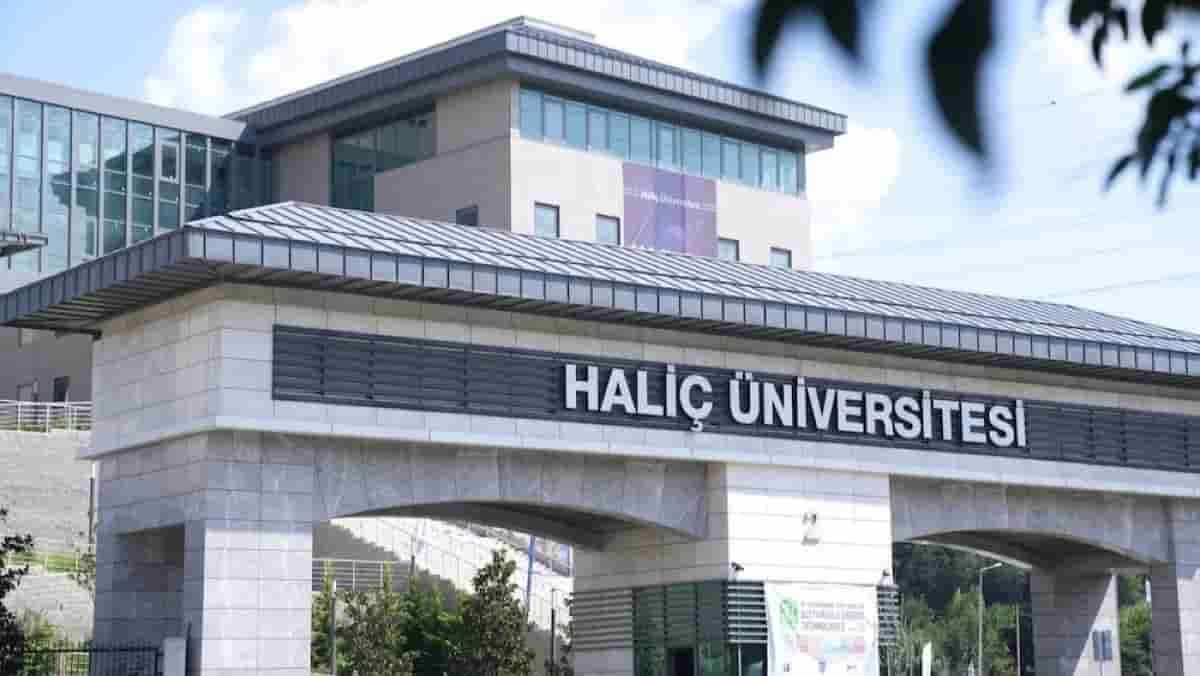 Dormitory
Istanbul, Turkey
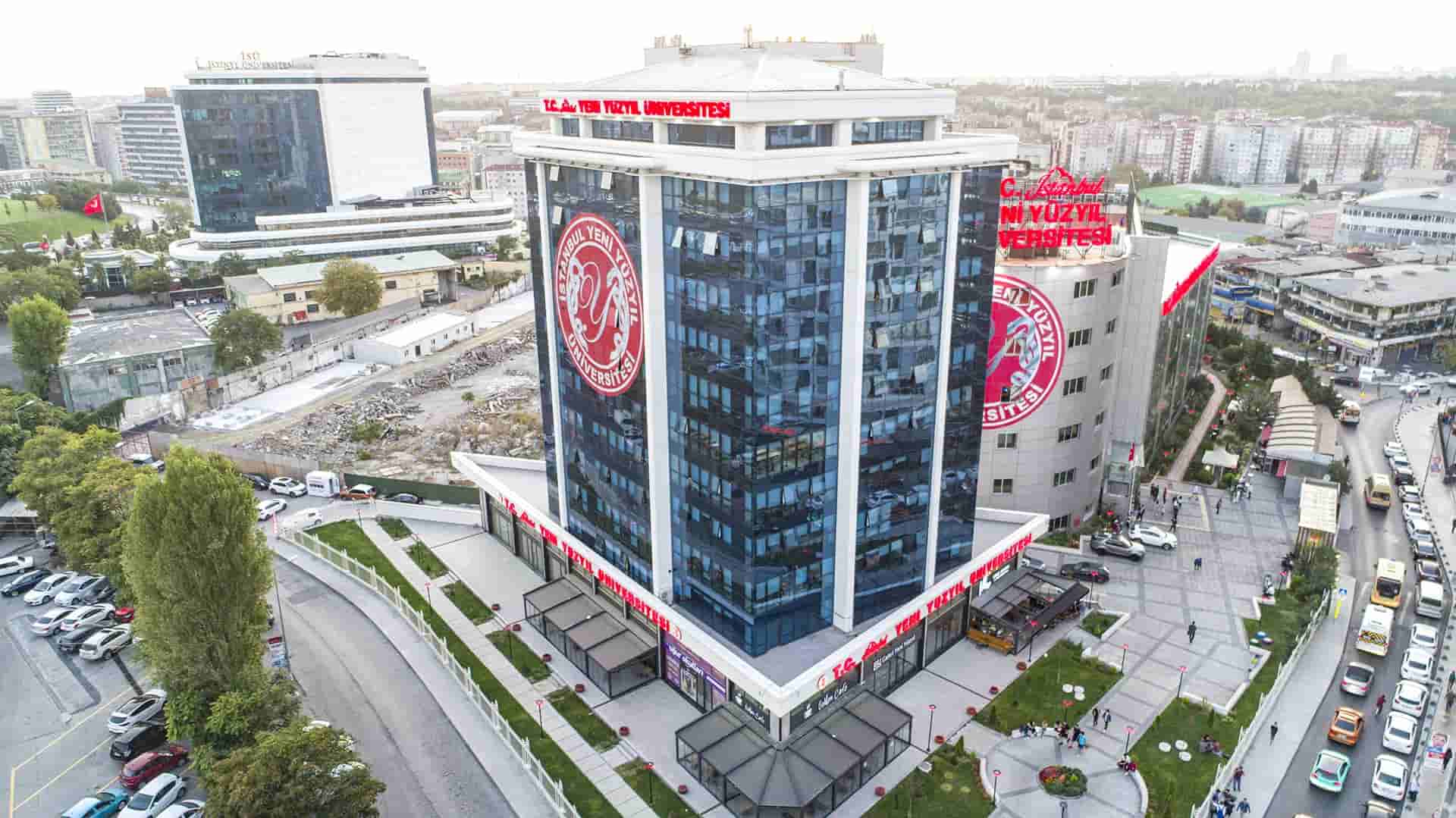 Dormitory
Istanbul, Turkey
 Dormitory
Istanbul, Turkey
 Dormitory
Istanbul, Turkey
 Dormitory
Istanbul, Turkey
 Dormitory
Istanbul, Turkey
 Dormitory
Istanbul, Turkey
 Dormitory
Istanbul, Turkey
 Dormitory
Istanbul, Turkey
 Dormitory
Istanbul, Turkey
 Dormitory
Istanbul, Turkey
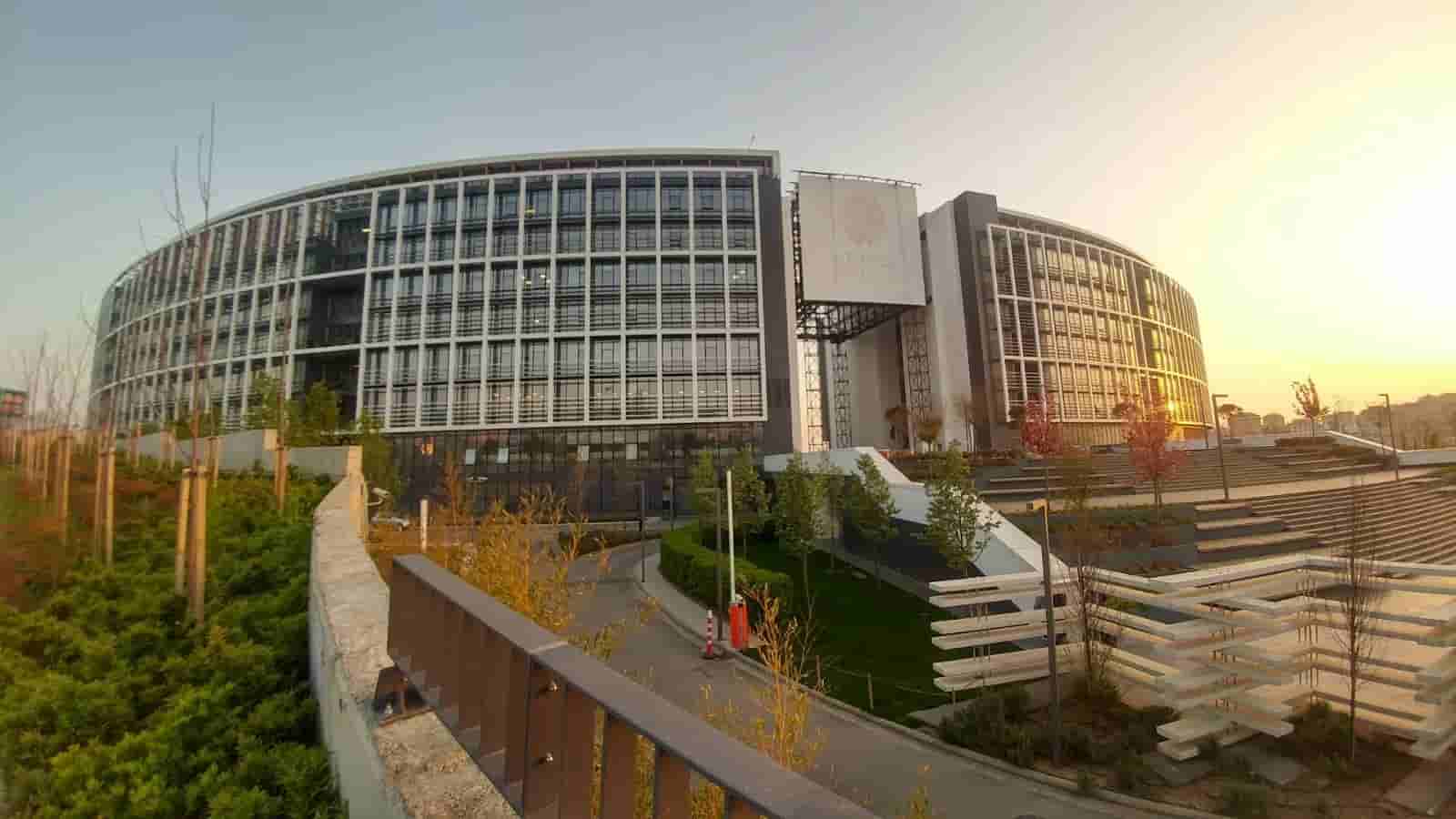 Dormitory
Istanbul, Turkey
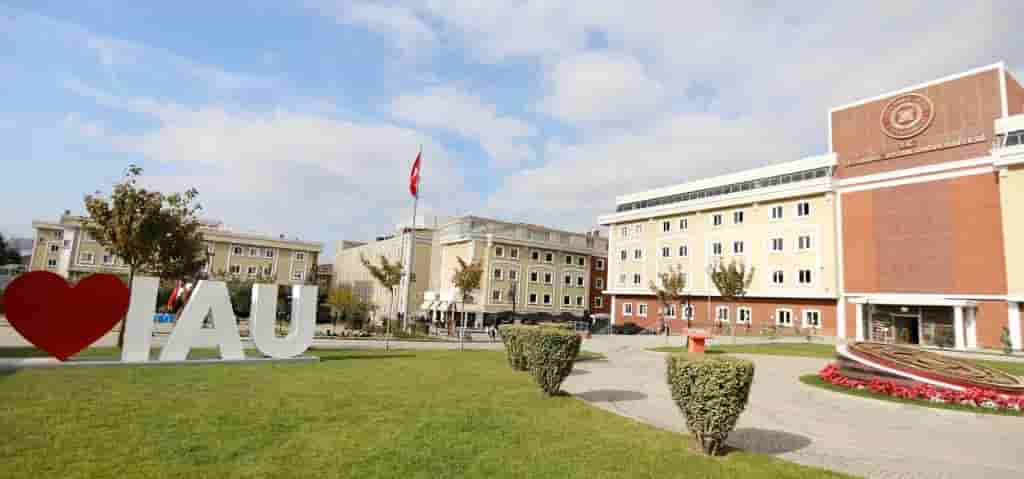 Dormitory
Istanbul, Turkey
 Dormitory
Istanbul, Turkey
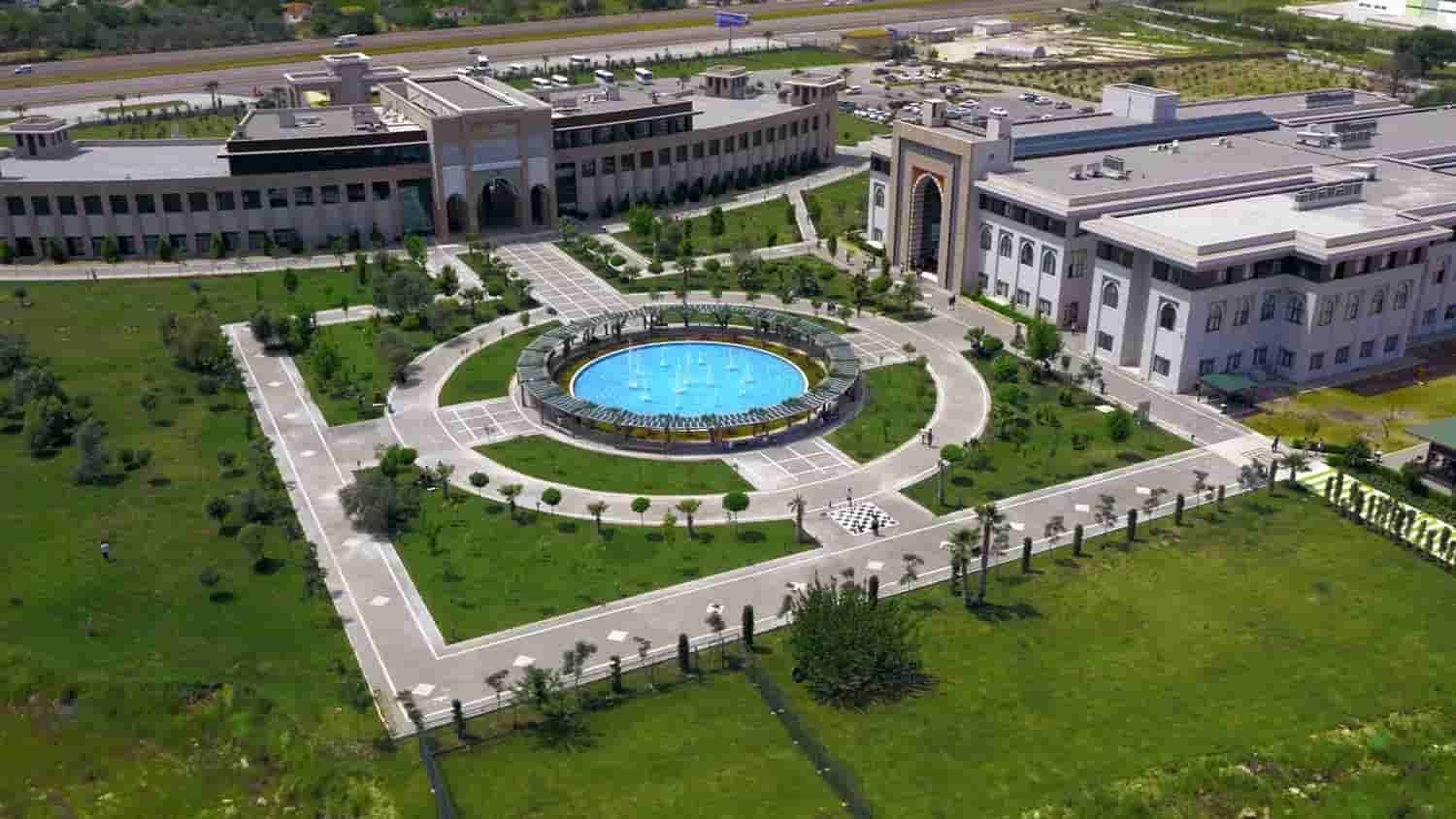 Dormitory
Antalya, Turkey
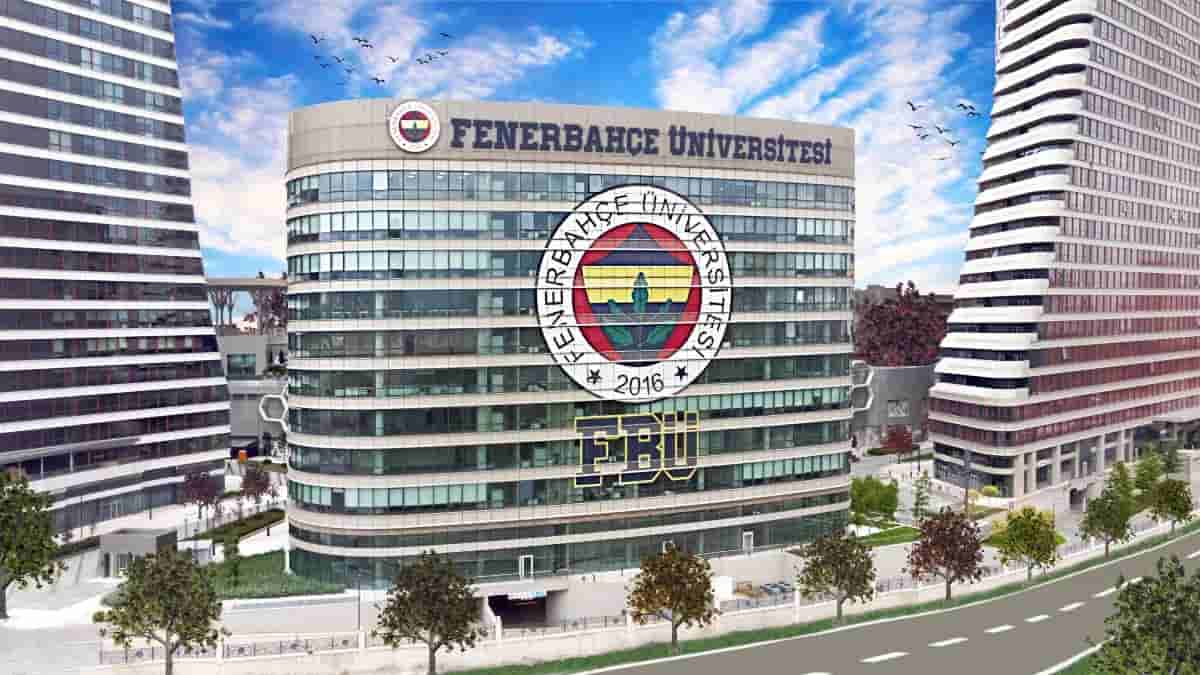 Dormitory
Istanbul, Turkey
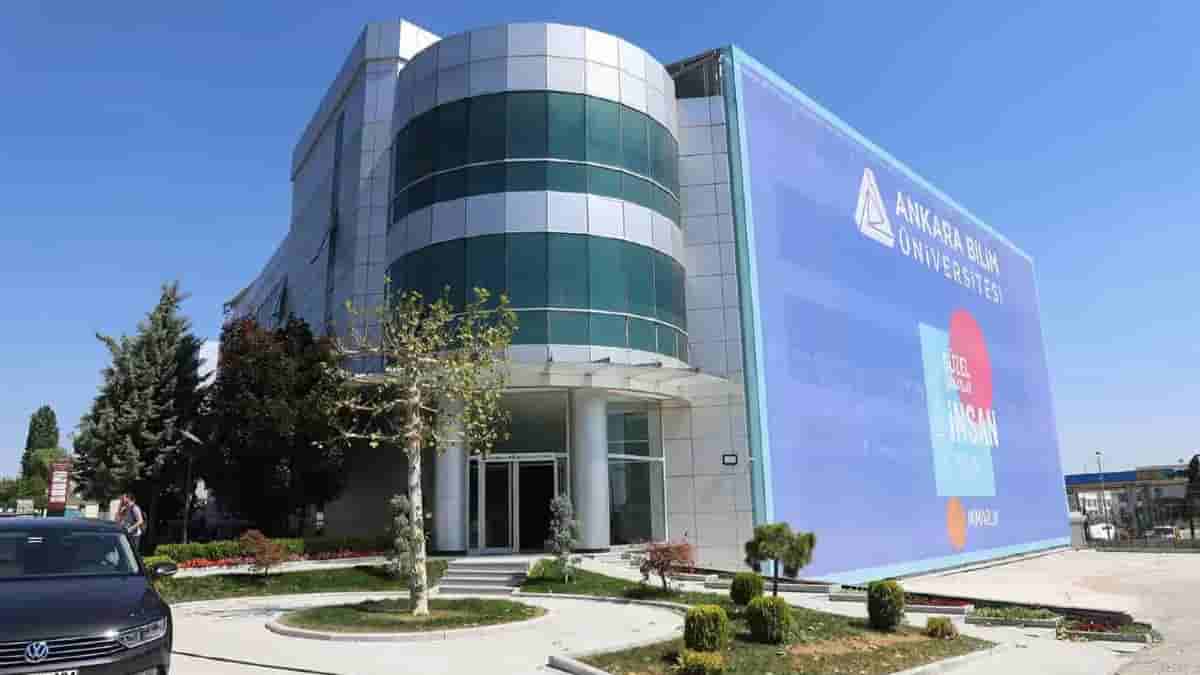 Dormitory
Ankara, Turkey
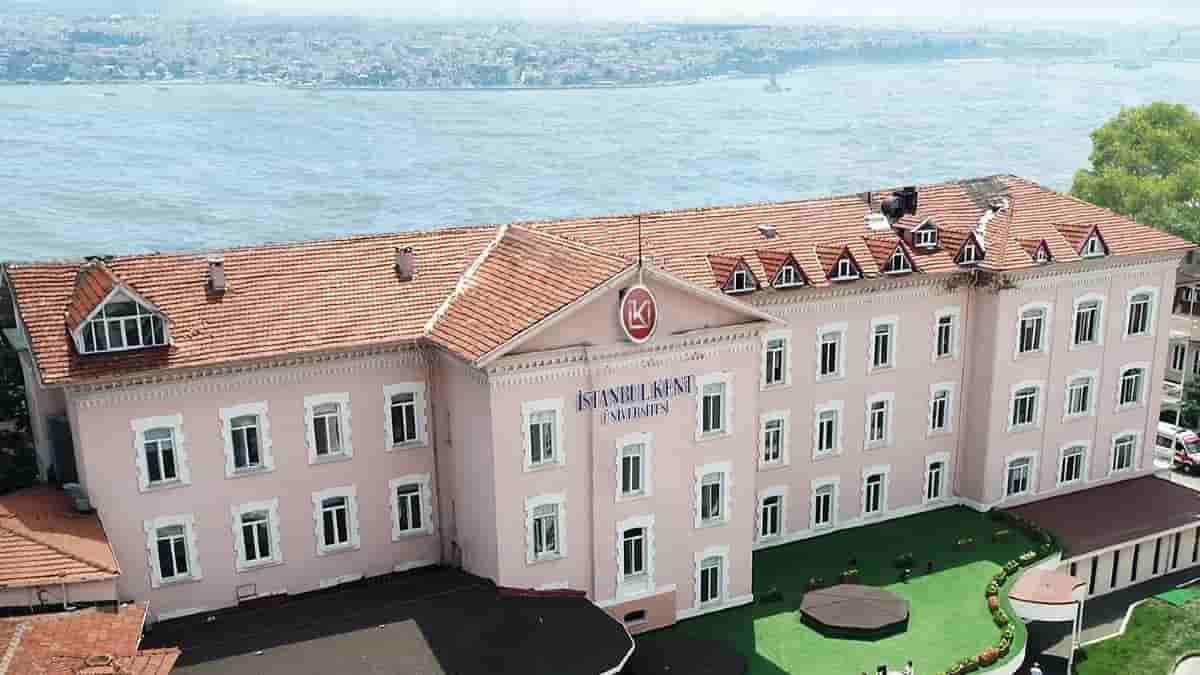 Dormitory
Istanbul, Turkey