


FAQs
Frequently Asked Questions and Answers

Over the last two decades, Turkey has emerged as a regional hub for engineering education, combining strong academic traditions with modern infrastructure and international engagement. Its universities increasingly align engineering curricula with industry needs, applied research, and global accreditation frameworks. For students seeking a balance between theoretical rigor and practical relevance, engineering universities in Turkey offer a compelling academic ecosystem.
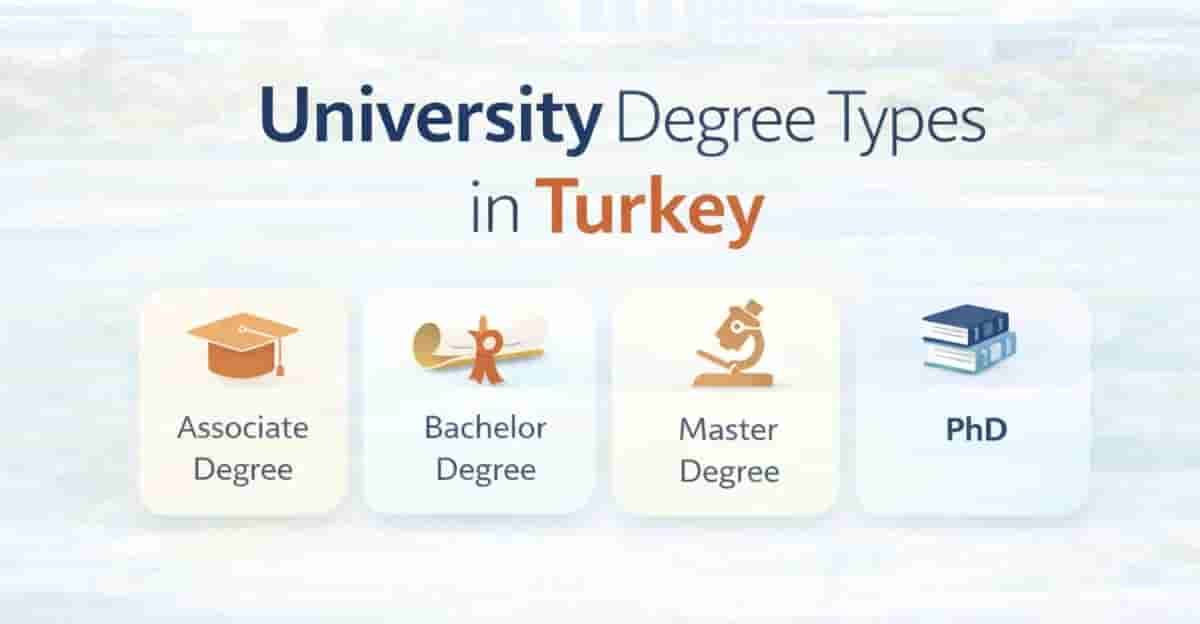
Engineering programs in Turkey follow internationally recognizable academic models.
Most universities offer:
Bachelor’s degrees (4 years) focusing on foundational sciences, core engineering principles, and applied coursework
Master’s degrees emphasizing specialization, research methods, and industry-linked projects
Doctoral programs centered on advanced research and innovation
Instruction is delivered in Turkish, English, or bilingual formats depending on the institution. Laboratories, simulation centers, and project-based learning are integral components, ensuring that graduates develop analytical, technical, and problem-solving competencies.

Engineering universities in Turkey cover a wide range of disciplines, with particular institutional strengths in:
Civil and Construction Engineering, supported by Turkey’s large-scale infrastructure and urban development sectors
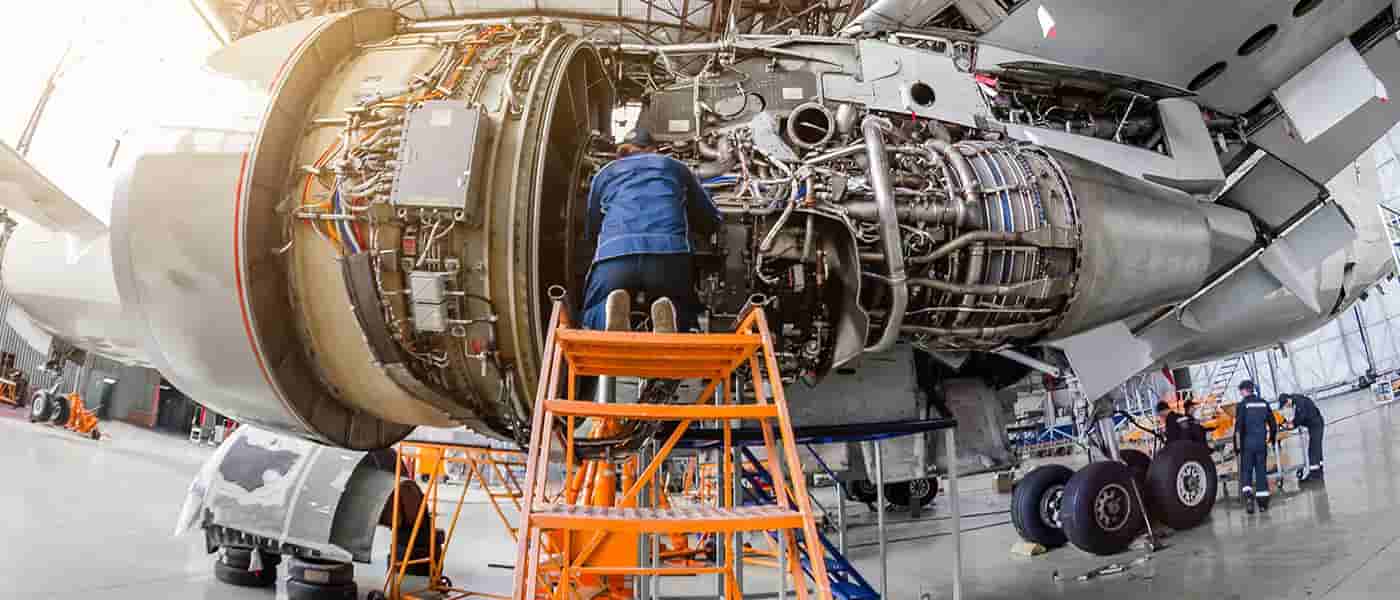
Mechanical and Electrical Engineering, closely linked to manufacturing, automation, and energy industries
Computer, Software, Artificial Intelligence Engineering, responding to rapid digital transformation
Industrial Engineering, integrating systems optimization, logistics, and management science
Biomedical and Health Technologies Engineering, developed through collaboration with medical faculties
Engineering universities are not concentrated in a single city. While Istanbul and Ankara host a large number of institutions, such as İstanbul Aydın University, İstanbul Gelişim University, Ankara Medipol University, Ankara Bilim University, other regions contribute distinct academic strengths. Universities in Antalya, Izmir, Konya, and Gaziantep, including Antalya Bilim University, Izmir Economy University, KTO Karatay University, Hasan Kalyoncu University, diversify academic offerings and regional specialization. This geographic spread enables students to choose institutions aligned with both academic goals and living preferences.
Engineering degrees from Turkish universities increasingly align with international qualification frameworks, facilitating global academic mobility and professional recognition. Graduates commonly pursue careers in multinational companies, regional engineering firms, or advanced academic research.
The integration of internships, applied projects, and capstone designs strengthens graduate readiness. Engineering alumni from universities such as MEF University, Kadir Has University, Doğuş University, İstanbul Bilgi University often demonstrate strong adaptability in international work environments.

Selecting an engineering university in Turkey requires systematic evaluation rather than reputation alone.
Key academic decision factors include:
Curriculum depth and specialization options
Laboratory and research infrastructure
Industry engagement and applied learning opportunities
Language of instruction and academic support services
Institutional partnerships and graduate outcomes
For international students, navigating this process independently can be complex due to institutional variation and procedural requirements.

Engineering universities in Turkey combine academic rigor, applied learning, and international orientation within a diverse institutional landscape. When approached strategically and supported by structured guidance, they offer strong academic and professional outcomes for future engineers.
Frequently Asked Questions and Answers
Look out blogs and aware of the latest trends and updates
Explore top universities offering quality education, modern facilities, and diverse academic opportunities for students worldwide






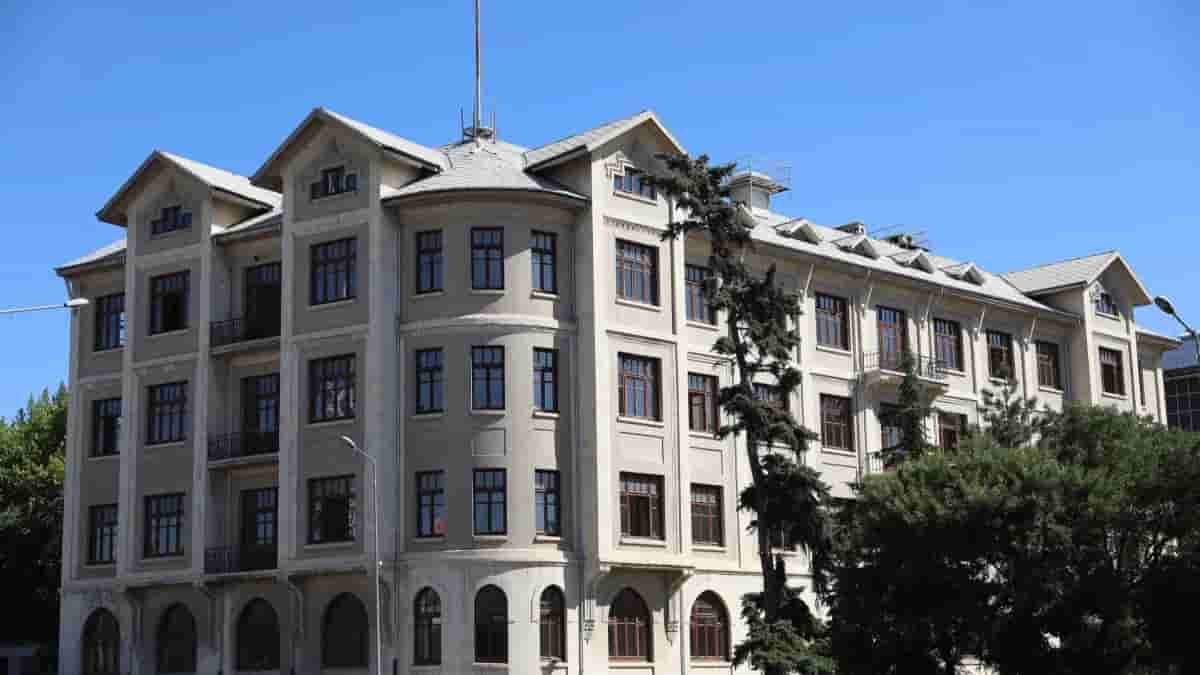 Dormitory
Ankara, Turkey
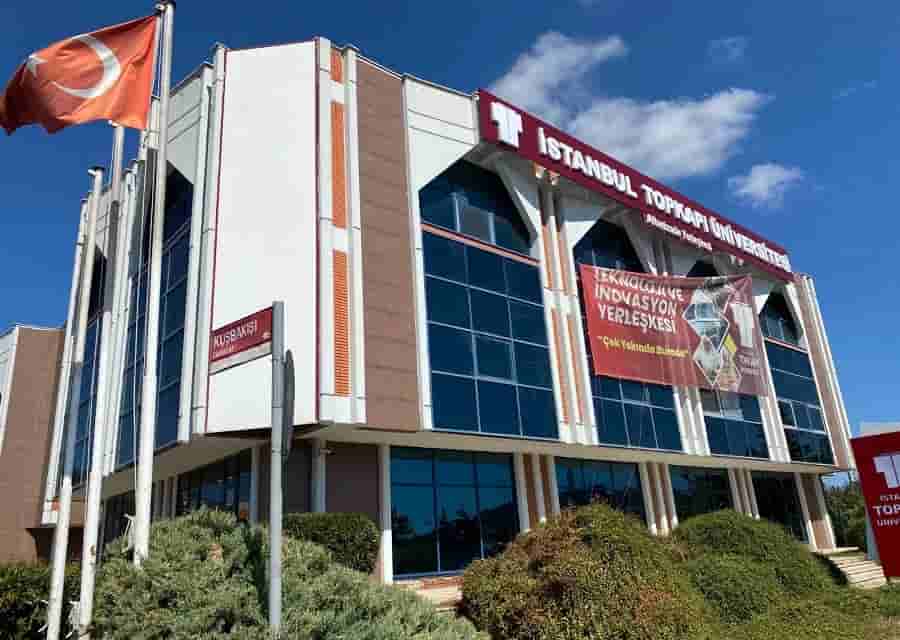 Dormitory
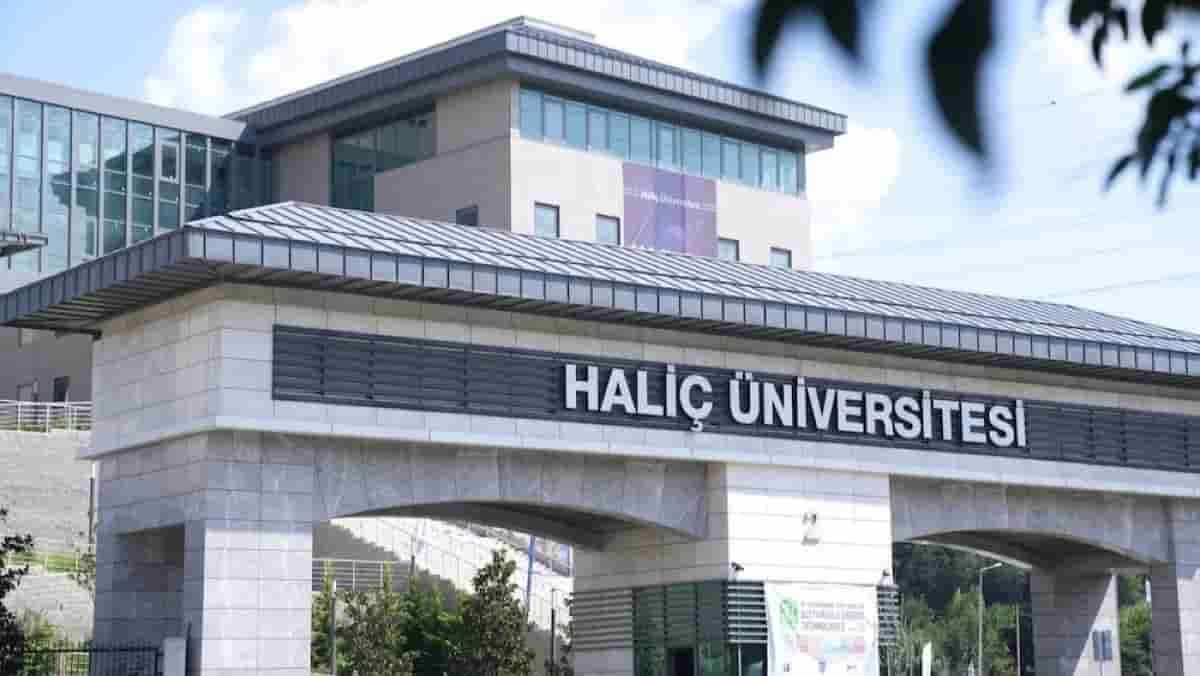
Istanbul, Turkey
 Dormitory
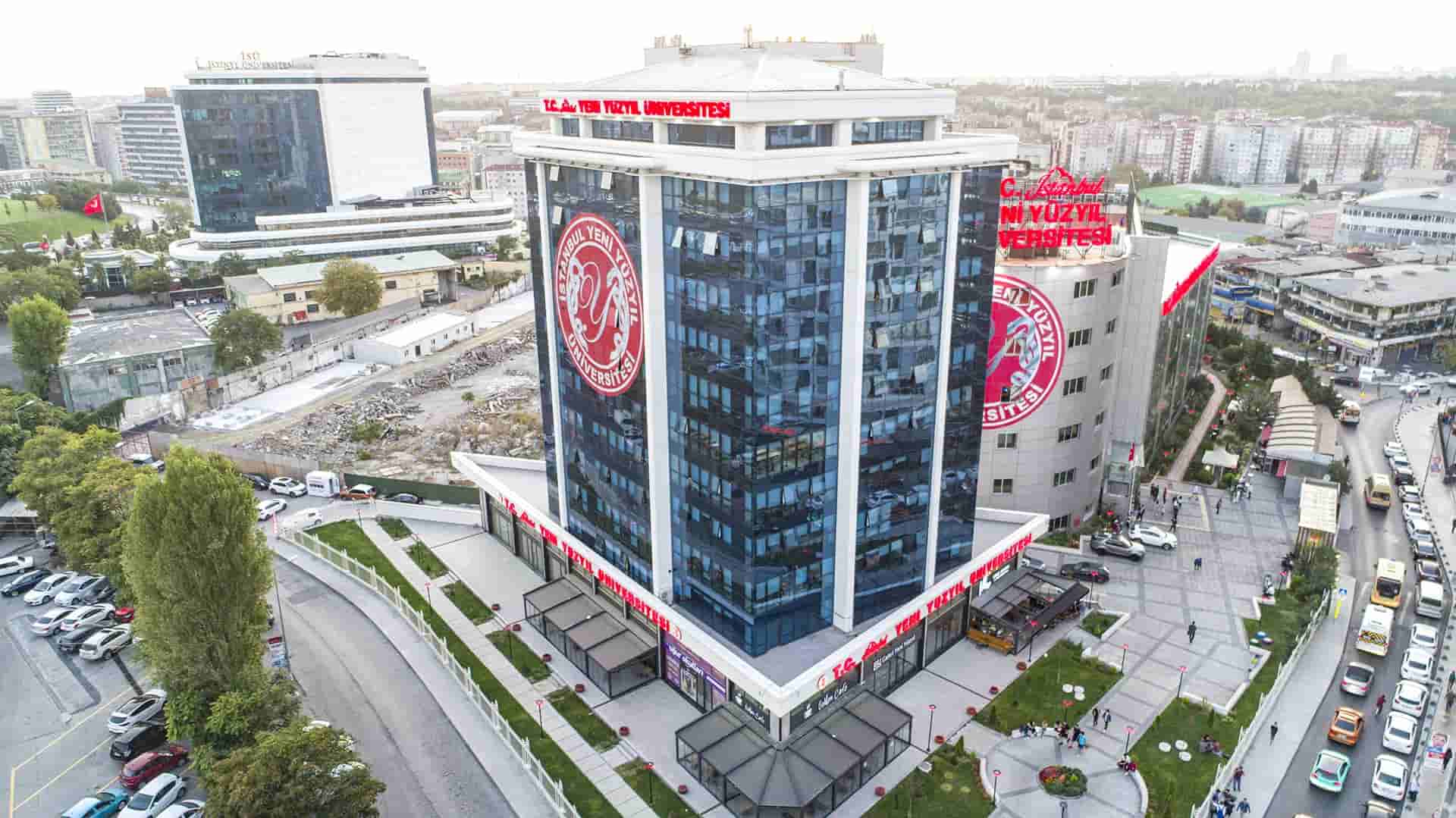
Istanbul, Turkey
 Dormitory
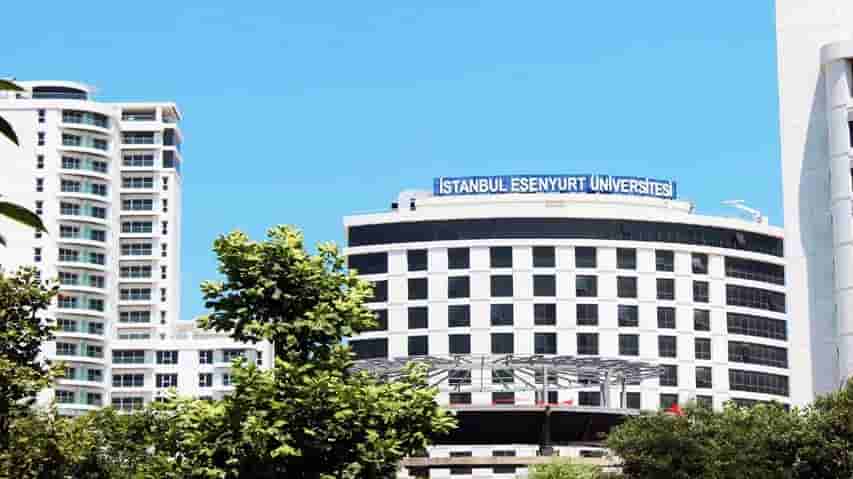
Istanbul, Turkey
 Dormitory
Istanbul, Turkey
 Dormitory
Istanbul, Turkey
 Dormitory
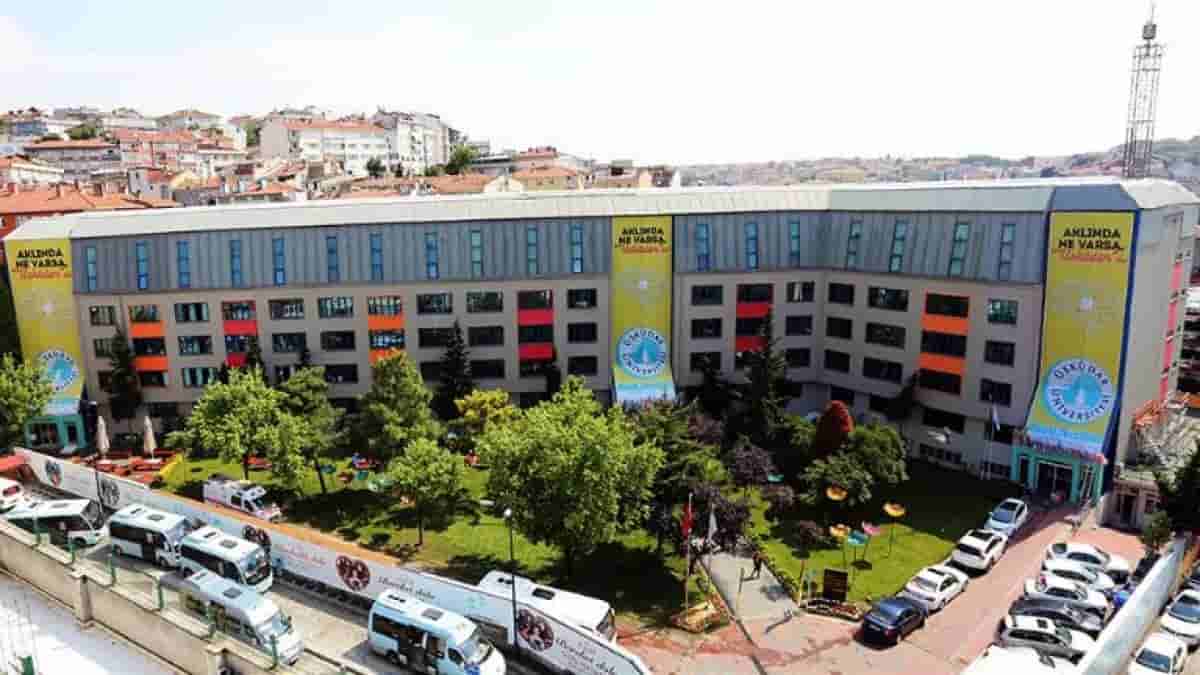
Istanbul, Turkey
 Dormitory
Istanbul, Turkey
 Dormitory
Istanbul, Turkey
 Dormitory
Istanbul, Turkey
 Dormitory
Istanbul, Turkey
 Dormitory
Istanbul, Turkey
 Dormitory
Istanbul, Turkey
 Dormitory
Istanbul, Turkey
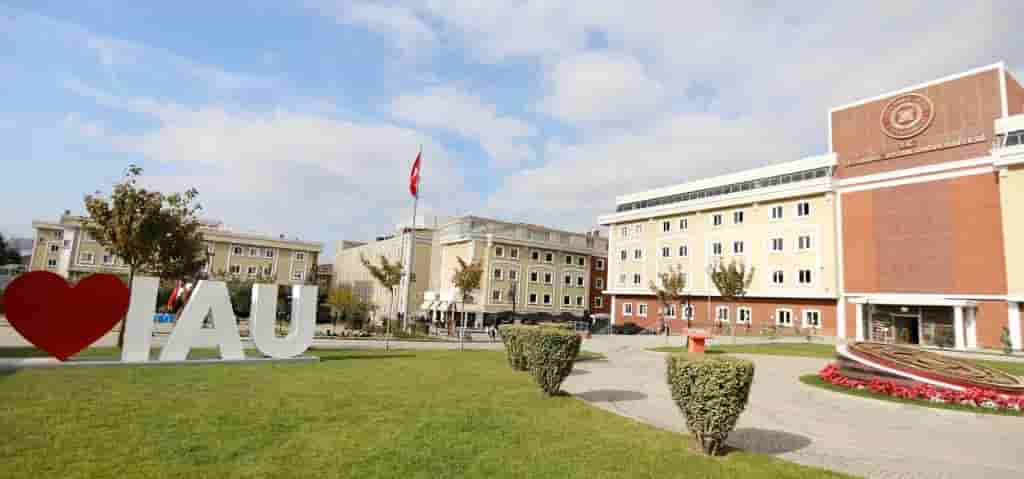 Dormitory
Istanbul, Turkey
 Dormitory
Istanbul, Turkey
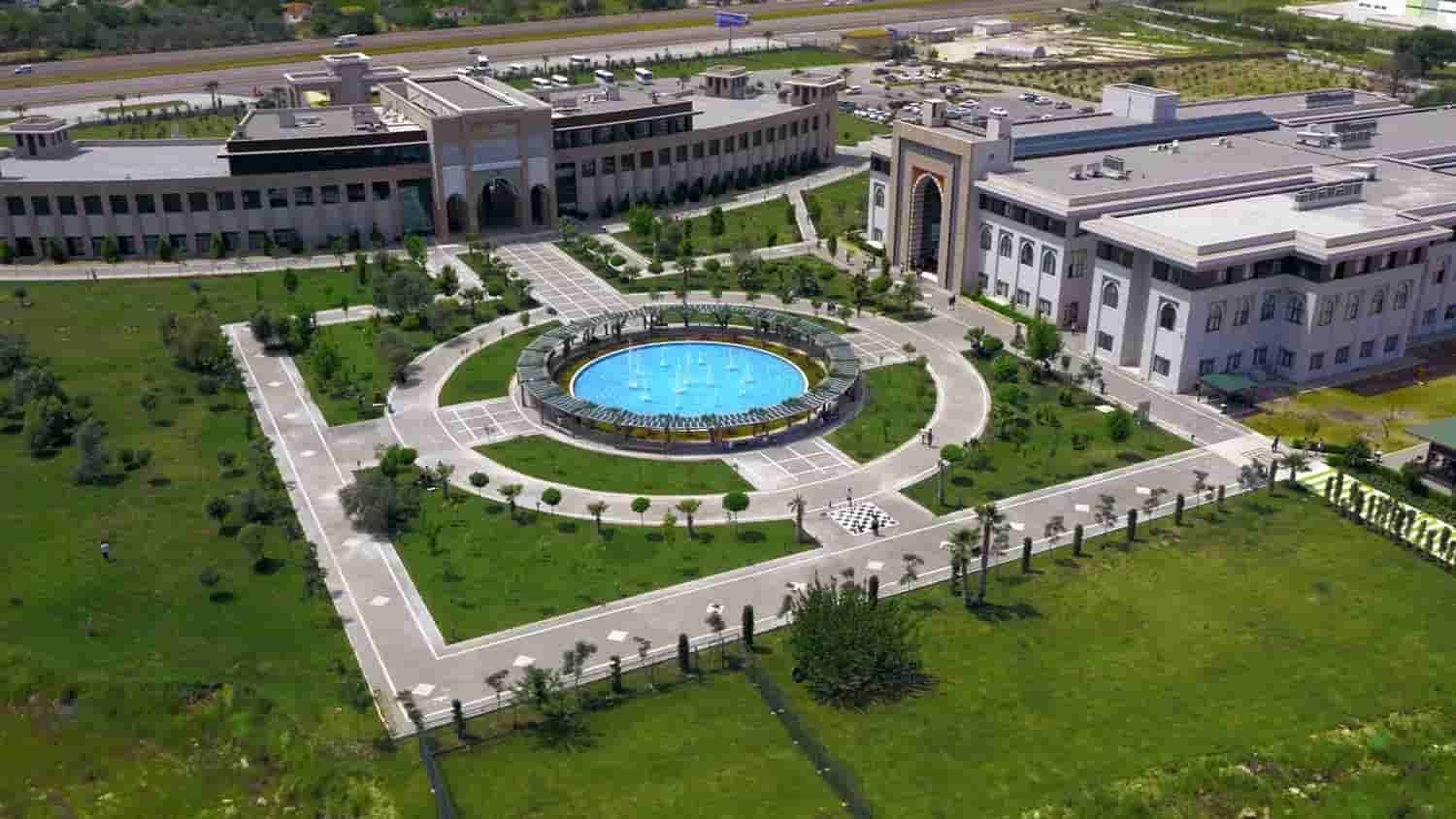 Dormitory
Antalya, Turkey
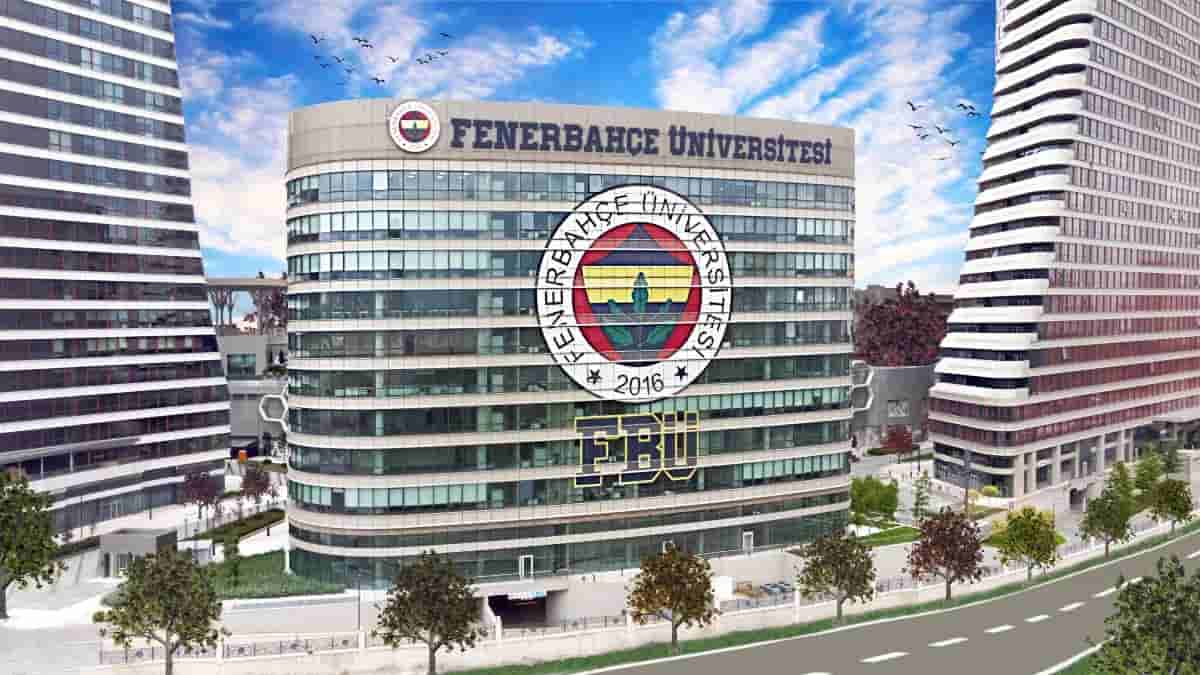 Dormitory
Istanbul, Turkey
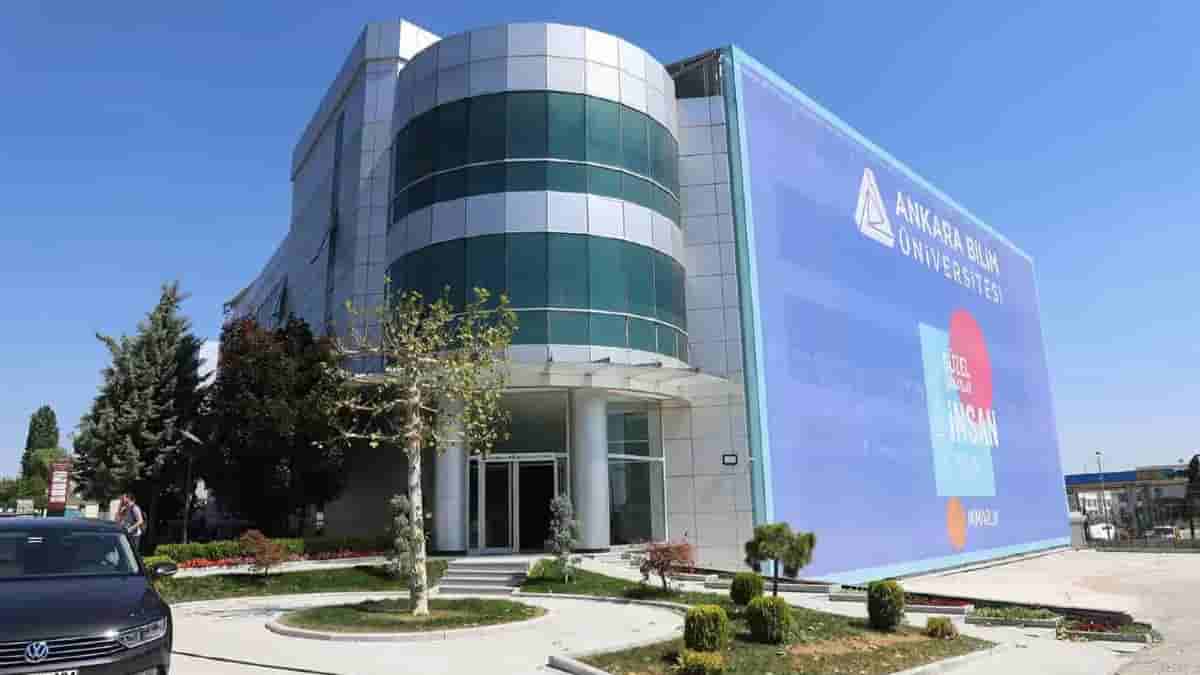 Dormitory
Ankara, Turkey
 Dormitory
Istanbul, Turkey