FAQs
Frequently Asked Questions and Answers
Turkey has become one of the most attractive destinations for international students seeking high-quality medical education within a modern academic environment. Private medical universities in the country combine advanced healthcare infrastructure with globally aligned curricula, making them a strong option for students who aim to pursue medicine in English or bilingual formats. These institutions operate with a student-centered approach, offering smaller class sizes and early clinical exposure. Modern laboratories, simulation centers, and affiliated hospitals form the backbone of medical training. International students are particularly drawn to the balance between academic rigor and practical learning. Cultural diversity, safe living conditions, and globally recognized diplomas further strengthen Turkey’s position in private medical education. For students planning a medical career with international mobility, private universities in Turkey provide a competitive and reliable pathway.
Private medical universities in Turkey follow a structured and internationally compatible education model. Medical programs are generally divided into pre-clinical, clinical, and internship phases, allowing students to build strong theoretical foundations before entering real healthcare settings. During the early years, students focus on core sciences such as anatomy, physiology, and biochemistry, supported by laboratory-based learning. These programs are designed to meet both national accreditation standards and international medical education frameworks.
As students progress, the emphasis gradually shifts toward clinical practice. Private institutions often partner with their own teaching hospitals or private healthcare networks, enabling early patient interaction. Clinical rotations take place in well-equipped hospitals where students observe and participate under expert supervision. This system ensures that graduates are not only academically competent but also professionally prepared for real-world medical practice.
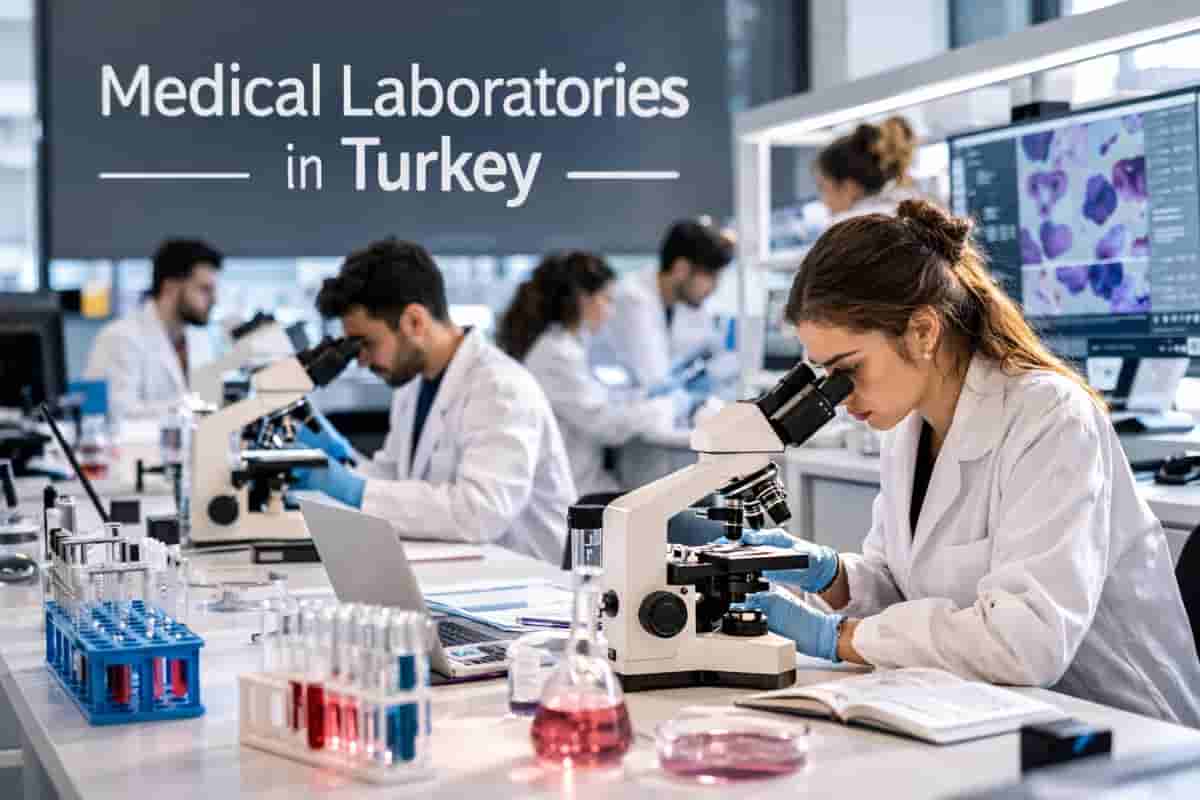
One of the strongest advantages of private medical universities in Turkey is their investment in advanced technology. Simulation laboratories equipped with high-fidelity mannequins allow students to practice clinical procedures in controlled environments before treating real patients. Digital anatomy tools, virtual dissection tables, and AI-supported diagnostics are widely integrated into medical training. These resources help students develop clinical confidence while minimizing risks.
Clinical infrastructure extends beyond laboratories into full-scale private hospitals. Many institutions operate medical centers that function as both healthcare providers and training facilities. This model enables students to experience modern hospital workflows, interdisciplinary teamwork, and patient-centered care. Exposure to advanced diagnostic equipment and specialized departments strengthens clinical competence and prepares graduates for international medical standards.
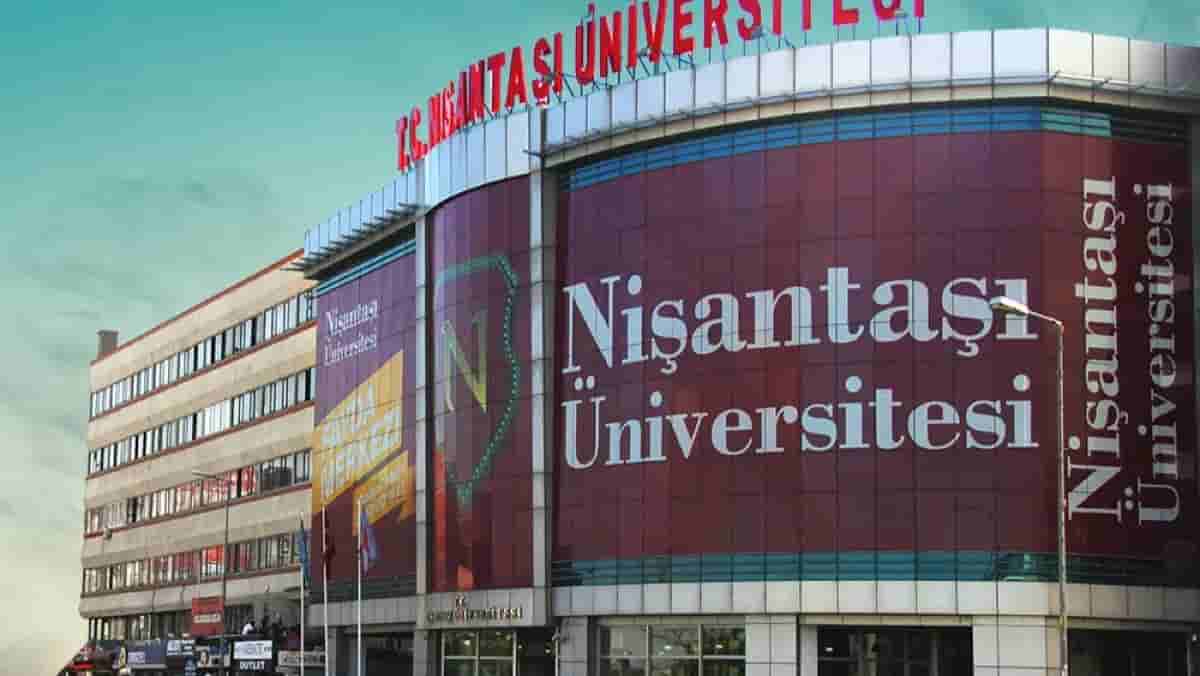
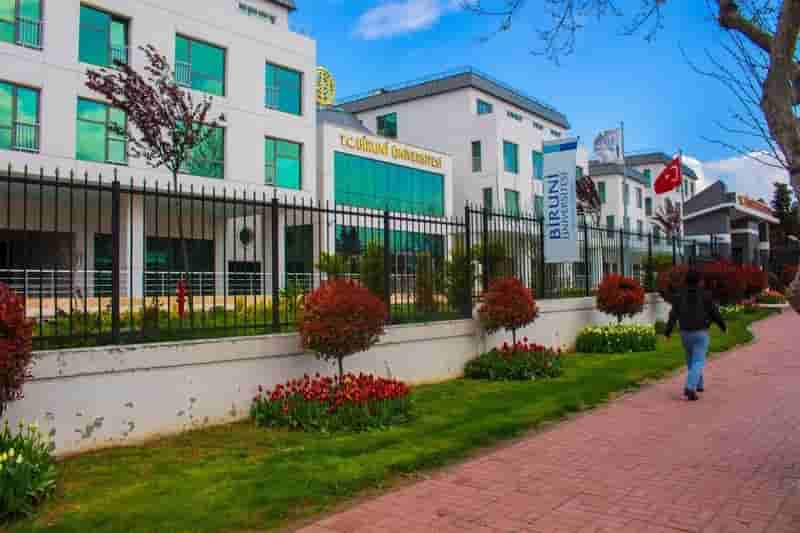
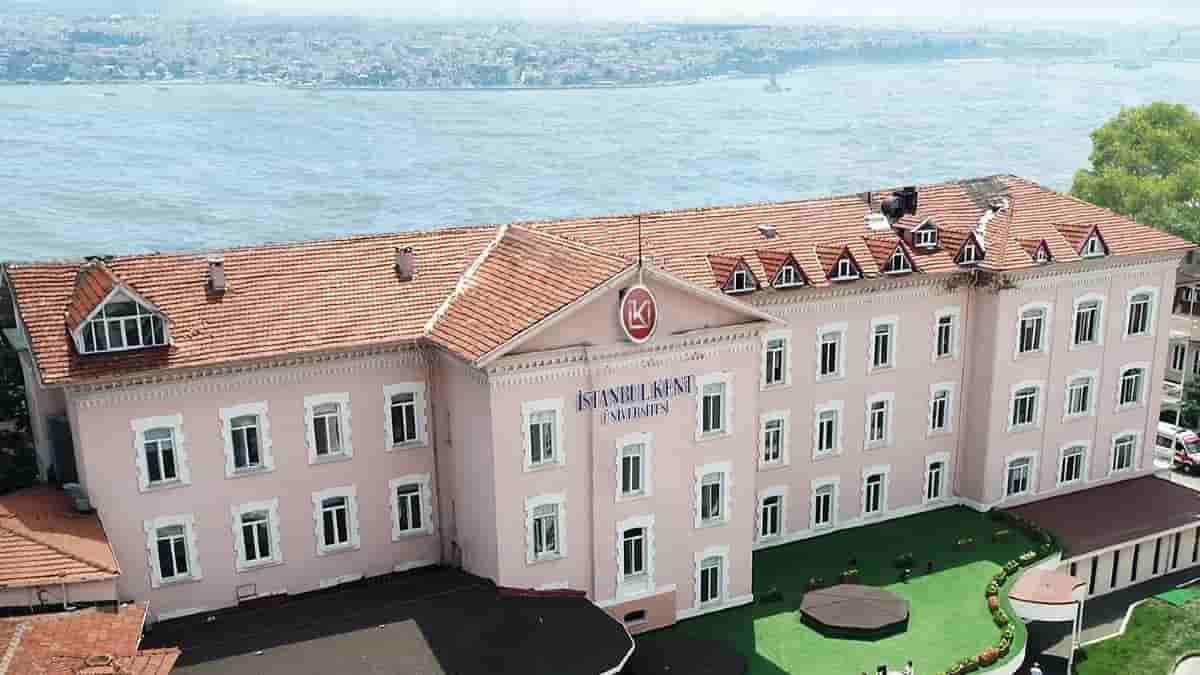
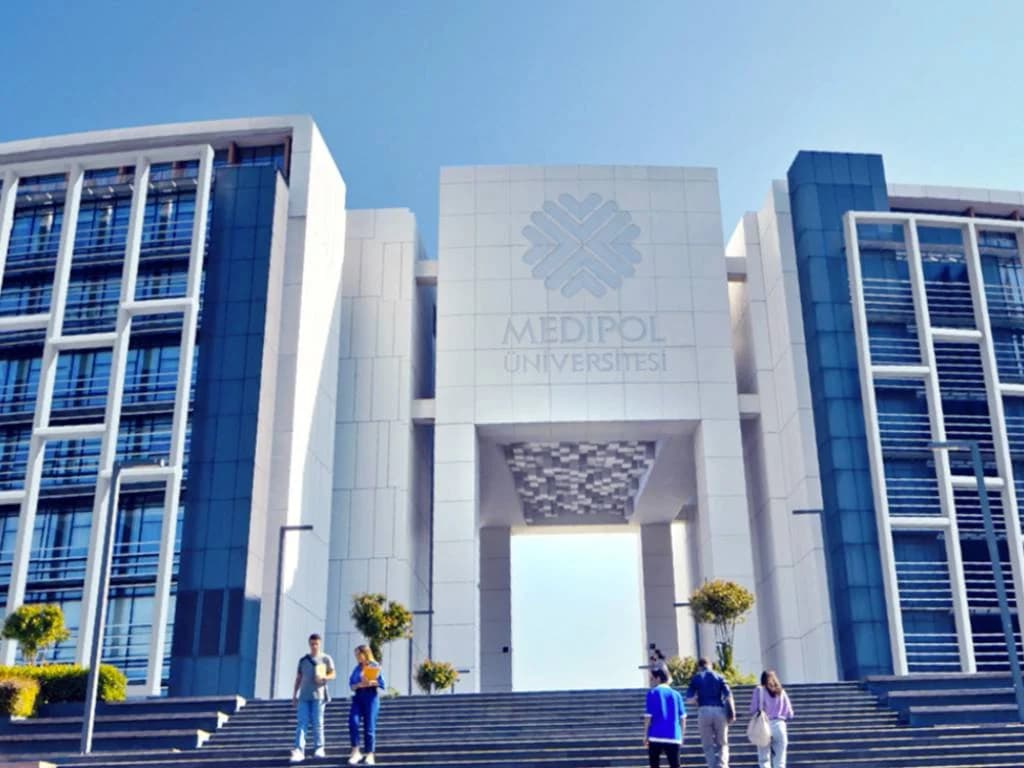
Turkey hosts a wide network of private universities known for strong medical and health sciences education. Institutions such as Acıbadem Mehmet Ali Aydınlar University, Istanbul Medipol University, Altınbaş University, Biruni University, Istinye University, and Yeditepe University are recognized for their healthcare-focused academic models. These universities operate with private hospitals and advanced research centers.
Other private institutions contribute to health education through medical sciences, vocational healthcare programs, and applied clinical training. Universities across Istanbul, Ankara, Izmir, Antalya, and other cities provide diverse academic environments. All medical education discussed within this context relates exclusively to private universities, ensuring a consistent focus on privately funded, modern medical education models.
Private medical universities in Turkey employ experienced academic staff who are actively involved in both teaching and clinical practice. Many faculty members are practicing physicians, surgeons, and researchers, which allows students to learn directly from professionals working in real healthcare environments. This close connection between theory and practice enhances learning outcomes and professional readiness.
Teaching methods focus on interactive and problem-based learning rather than memorization. Case studies, group discussions, and clinical simulations are integrated into coursework to develop analytical thinking. Academic mentorship is also a key feature, as smaller class sizes allow for closer interaction between students and instructors. This personalized academic support plays an important role in student success.
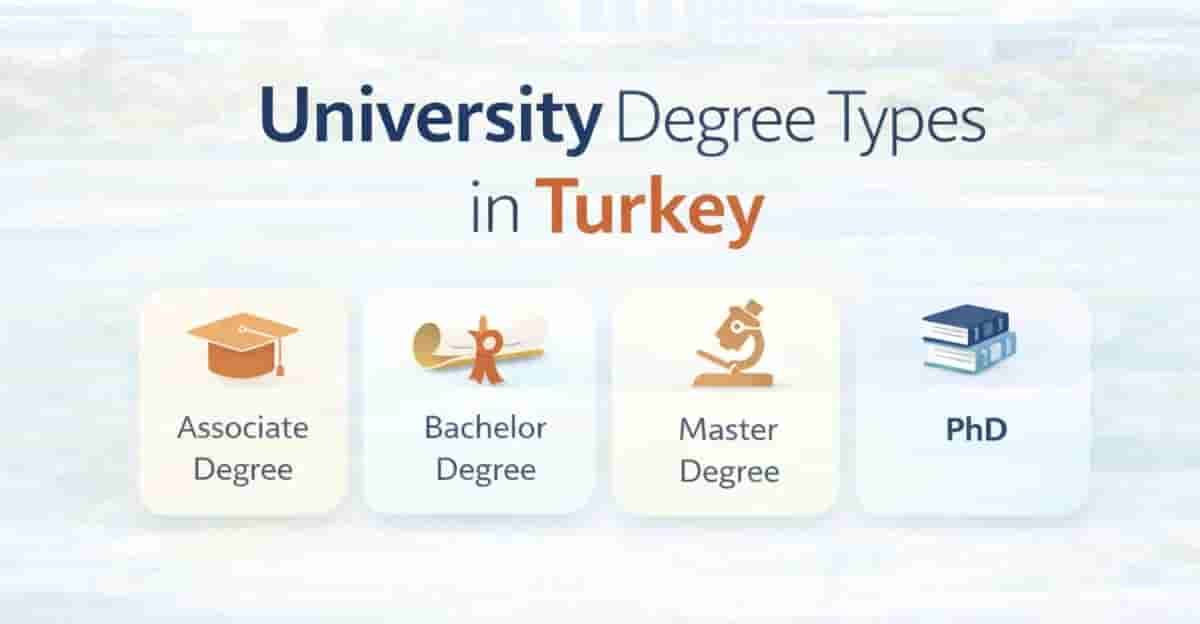
Private universities in Turkey offer a wide range of medical and health-related programs. General Medicine remains the core program, usually taught in English or bilingual formats. Alongside this, Dentistry, Pharmacy, and Nursing programs are widely available, each structured with strong clinical components. Health sciences programs such as Physiotherapy, Nutrition and Dietetics, and Medical Imaging are also prominent within private institutions.
At postgraduate levels, private universities provide specialized master’s and doctoral programs in clinical and biomedical fields. These include medical sciences, public health, healthcare management, and clinical research disciplines. Programs are designed to align with international academic frameworks, enabling graduates to pursue further education or professional careers abroad. Each program emphasizes practical skills, ethical standards, and evidence-based medicine.
Medical degrees obtained from private universities in Turkey are widely recognized due to compliance with international education standards. Graduates are eligible to pursue licensing processes in various countries, subject to national regulations. Many private institutions align their curricula with European and global medical education frameworks, which supports international mobility.
Career opportunities extend beyond clinical practice. Graduates may pursue academic research, public health roles, healthcare administration, or postgraduate specialization. The international environment of private universities also helps students build global professional networks. For international students, this combination of recognition and opportunity creates a strong foundation for long-term career development.
Private universities place strong emphasis on student well-being and campus life. Modern campuses include libraries, research centers, student lounges, and recreational facilities. International students benefit from dedicated support offices that assist with academic guidance, accommodation, and social integration. These services help students adapt smoothly to academic and cultural life in Turkey.
Medical students face demanding schedules, and private institutions recognize the importance of balance. Counseling services, mentorship programs, and wellness initiatives are commonly available. Student clubs related to medicine, research, and volunteering allow students to develop soft skills alongside academic knowledge. This supportive environment contributes significantly to overall student satisfaction.
Admission to private medical universities in Turkey is based on academic qualifications rather than centralized national exams. Requirements vary by degree level but generally focus on prior education and documentation. For associate and bachelor’s programs, applicants must provide proof of high school completion and academic transcripts. Master’s and doctoral programs require relevant undergraduate or graduate diplomas and transcripts.
Required documents typically include:
• High School Diploma
• Graduation Certificate
• Passport
• Academic Transcripts
• Recent Photo
• Minimum SAT score of 1500 (especially required for Medicine and Dentistry programs at competitive private universities)
For advanced degrees, bachelor’s and master’s diplomas and transcripts are mandatory. The admission process is structured to be accessible for international students, with clear documentation requirements and academic evaluation.
Private medical universities in Turkey offer a comprehensive and internationally aligned education pathway for aspiring healthcare professionals. Their emphasis on clinical exposure, advanced technology, and experienced academic staff creates a strong learning environment. International students benefit from English-taught programs, modern campuses, and globally recognized degrees. The balance between academic excellence and practical training prepares graduates for diverse medical careers. With strong institutional support and modern healthcare partnerships, private universities continue to elevate Turkey’s role in global medical education. For students seeking quality, recognition, and professional readiness, these institutions represent a valuable academic choice.
Frequently Asked Questions and Answers
Look out blogs and aware of the latest trends and updates
Explore top universities offering quality education, modern facilities, and diverse academic opportunities for students worldwide





DormitoryIstanbul, Turkey
DormitoryAnkara, Turkey
DormitoryIstanbul, Turkey



DormitoryAntalya, Turkey
DormitoryIstanbul, Turkey
DormitoryAnkara, Turkey
DormitoryIstanbul, Turkey