

FAQs
Frequently Asked Questions and Answers

International education affordability today is defined by long term value, institutional reliability, and realistic living conditions. Turkey has emerged as a strong alternative through its private university system.
For international students, Turkey combines academic diversity, modern campuses, and manageable living costs. This balance has made affordable universities in Turkey a strategic choice rather than a compromise.
Private universities in Turkey provide accessible international education pathways.
Multiple cities offer diverse academic and lifestyle options.
English and Turkish programs expand faculty level accessibility.
Structured admissions reduce uncertainty for international students.
Early planning improves academic and settlement outcomes.
Affordability in Turkey is driven by institutional design, not reduced academic standards. Private universities operate within national regulations while maintaining flexibility in program delivery. Compared to traditional destinations, Turkish private universities offer broader faculty access, predictable admissions, and centralized student services, making the model effective and sustainable.

Turkey attracts students due to its geographic position, academic diversity, and applied education focus. Private universities invest in modern facilities, international offices, and faculty level specialization. Cities such as Istanbul, Ankara, Izmir, and Antalya offer different academic ecosystems, allowing students to choose environments aligned with their goals.
This pathway suits students seeking structured international education with controlled costs and diverse faculty options. It is ideal for those prioritizing applied learning and international exposure. It may not suit students focused solely on public university systems or narrowly research oriented academic paths.
Turkey hosts a wide network of private universities offering faculties in engineering, health sciences, business, aviation, psychology, architecture, and technology. Institutions such as Istanbul Medipol University, Bahçeşehir University, Altınbaş University, Istanbul Aydın University, Üsküdar University, Yeditepe University, Istanbul Bilgi University, Özyeğin University, Koç University, and Sabancı University are frequently considered by international students, along with many other private institutions across the country.
Admissions focus on educational continuity and faculty alignment rather than competitive filtering. Universities assess completed education levels and program suitability. Document requirements are standardized, allowing students to apply efficiently across multiple institutions.
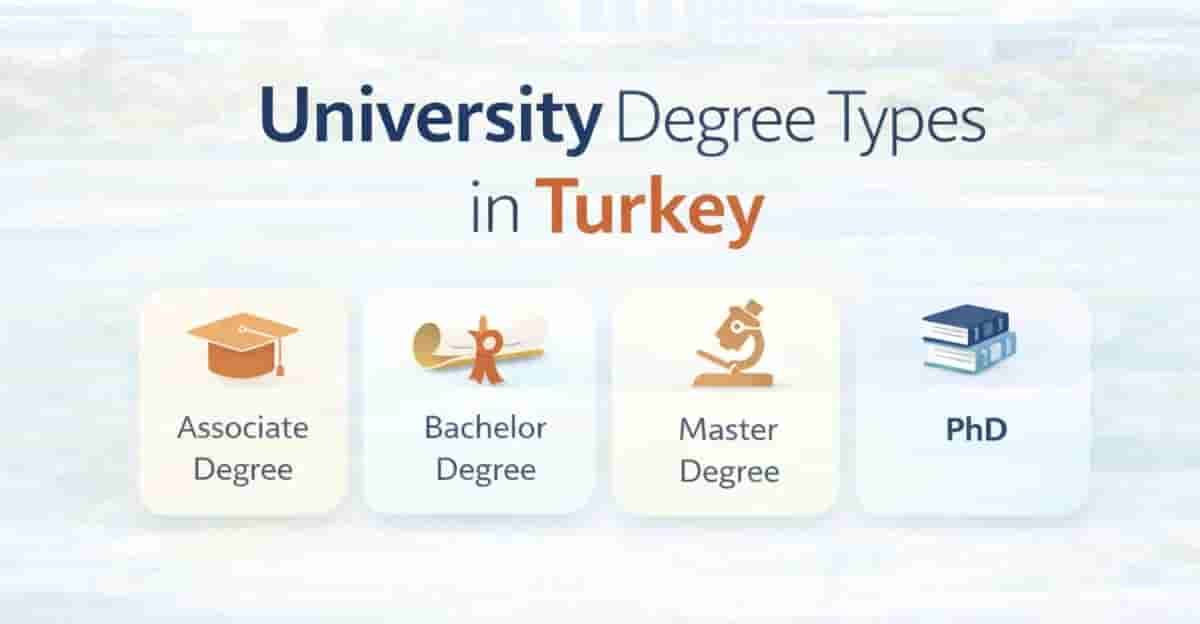
Study Level | Required Documents |
|---|---|
Associate | High School Diploma, Graduation Certificate, Passport, High School Transcript, Photo Copy |
Bachelor’s | High School Diploma, Graduation Certificate, Passport, High School Transcript, Photo Copy |
Master’s | Graduation Certificate, Bachelor’s Diploma, Bachelor’s Transcript, Passport, Photo Copy |
PhD | Bachelor’s Diploma, Bachelor’s Transcript, Master’s Diploma, Master’s Transcript, Graduation Certificate, Passport, Photo Copy |
Programs are offered in English, Turkish, or mixed formats. Universities provide preparatory pathways for students who need language adjustment. Language preparation is integrated into the academic system to support smooth transition.
Private universities are located in urban or developed academic areas. Students access dormitories, private housing, or shared apartments depending on location. Student life includes faculty activities, clubs, and career services, with adaptation challenges mainly related to cultural and language adjustment.
Graduates benefit from applied learning models, internship opportunities, and regional professional networks. Diplomas support further academic progression or international career mobility.

Choosing based only on cost
Students should prioritize faculty quality and institutional fit alongside affordability.
Ignoring language or academic readiness
Early preparation prevents delays and academic difficulty.
Relying on unofficial sources
Unverified information increases application risk and misinformation.
Missing deadlines
Structured intakes require disciplined timeline management.
Underestimating living expenses
City based cost differences should be planned realistically.

The process starts with faculty and university selection aligned with long term goals. Document preparation follows, then application submission within intake periods.
After acceptance, students proceed with visa preparation, accommodation planning, and enrollment confirmation in a clear sequence.
Affordable universities in Turkey offer long term academic value when decisions are based on structure and verified information. Using a platform such as StudyLeo, which works through direct partnerships with private universities and supports the process from application to enrollment, helps reduce uncertainty and administrative risk, allowing students to focus on academic planning rather than procedural complexity.
Frequently Asked Questions and Answers
Look out blogs and aware of the latest trends and updates
Explore top universities offering quality education, modern facilities, and diverse academic opportunities for students worldwide




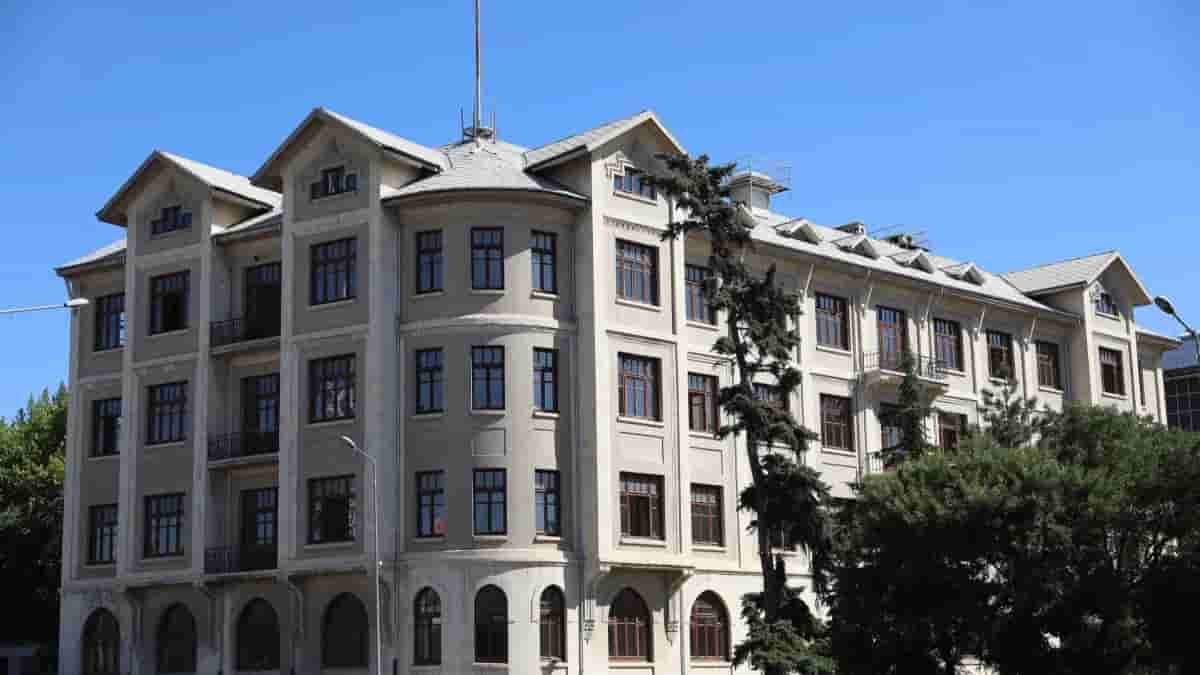 Dormitory
Ankara, Turkey
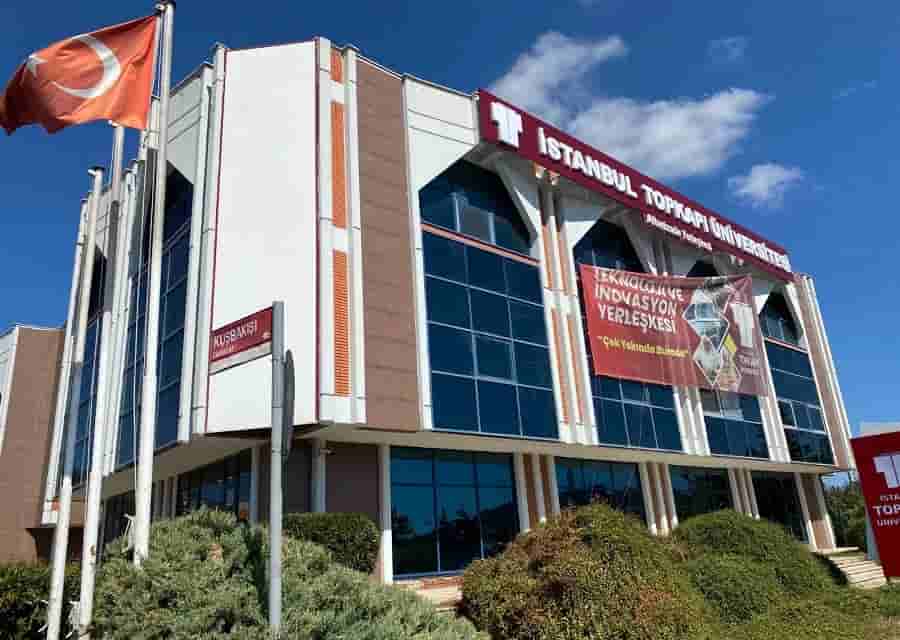 Dormitory
Istanbul, Turkey
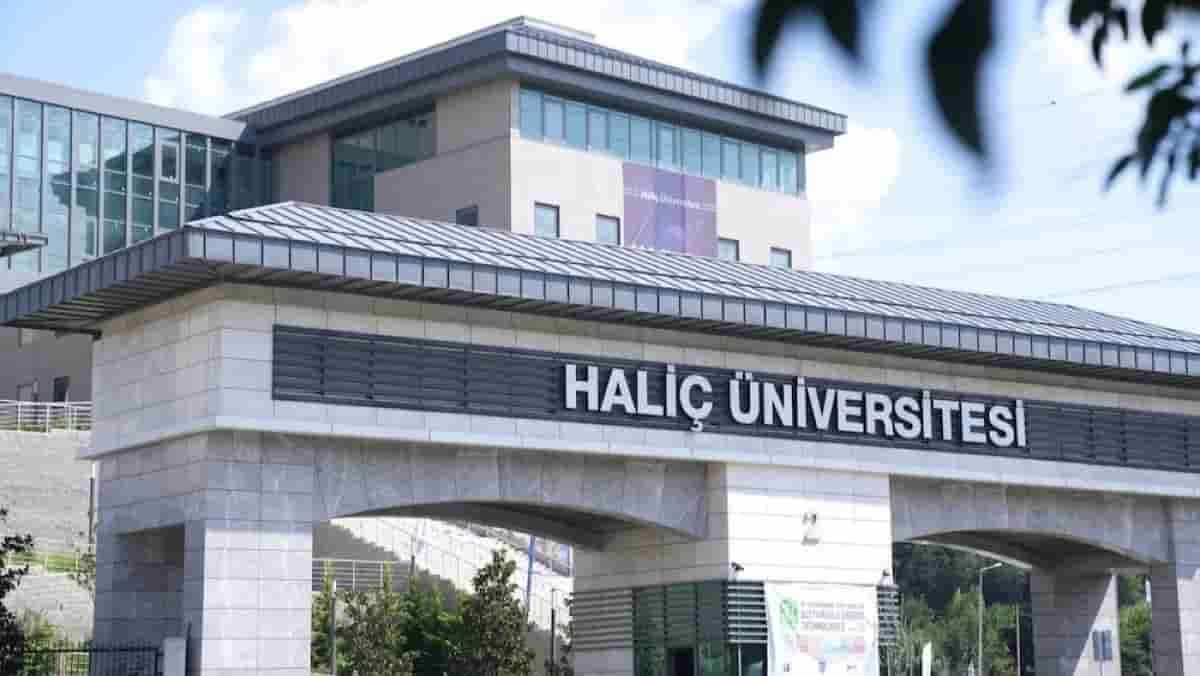 Dormitory
Istanbul, Turkey
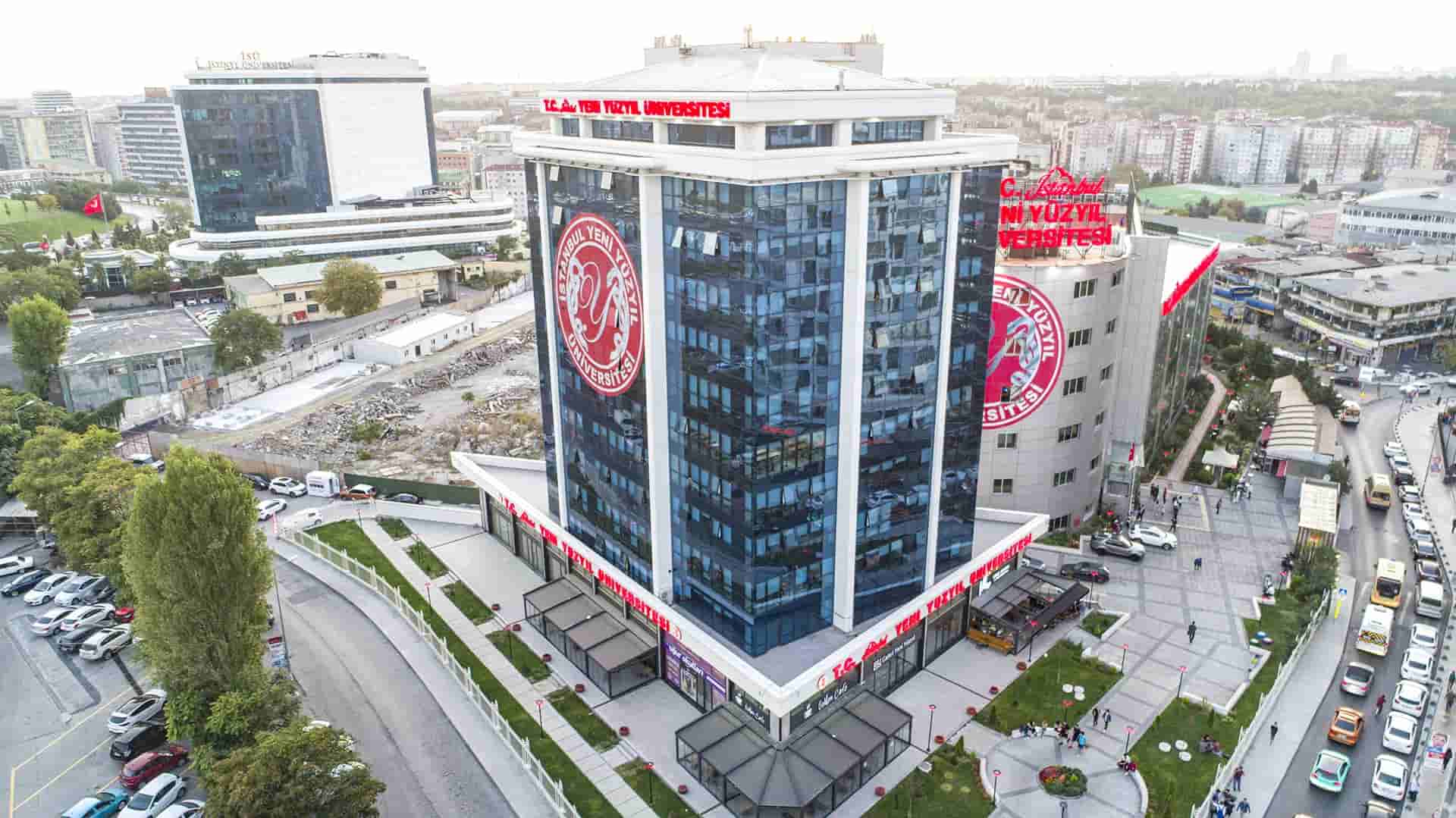 Dormitory
Istanbul, Turkey
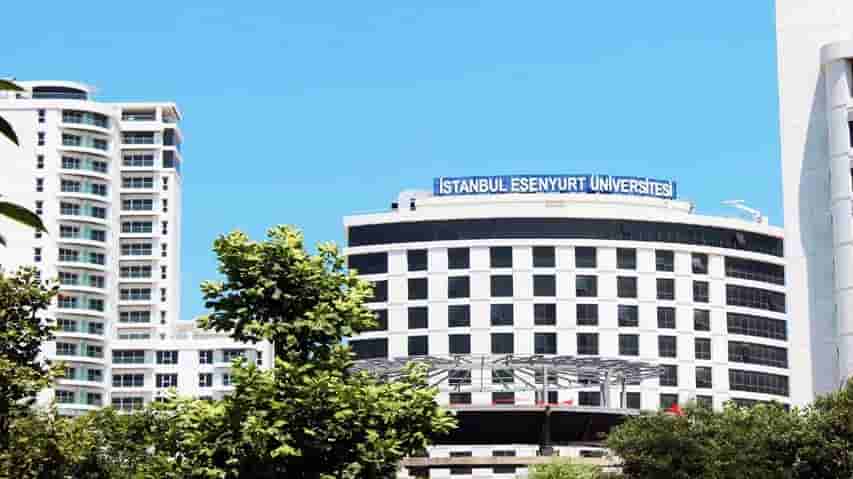 Dormitory
Istanbul, Turkey
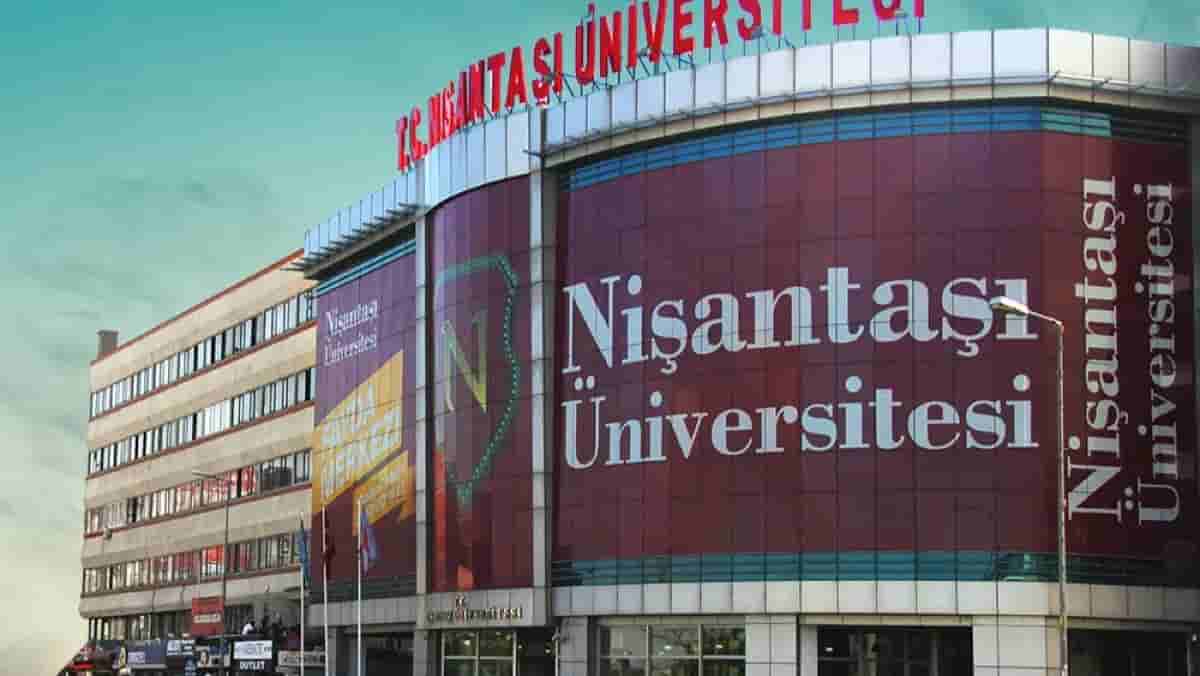 Dormitory
Istanbul, Turkey
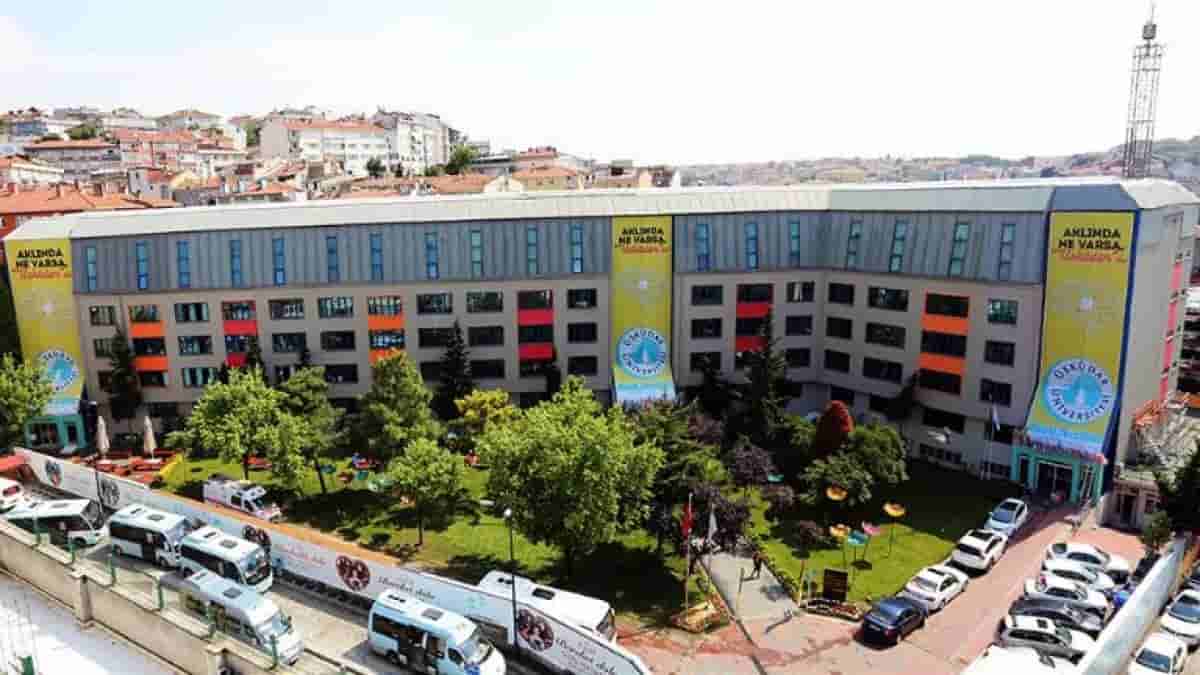 Dormitory
Istanbul, Turkey
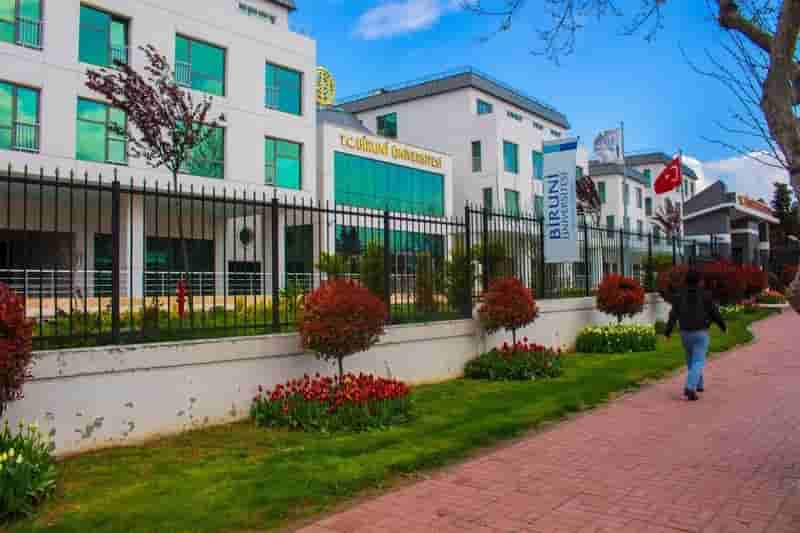 Dormitory
Istanbul, Turkey
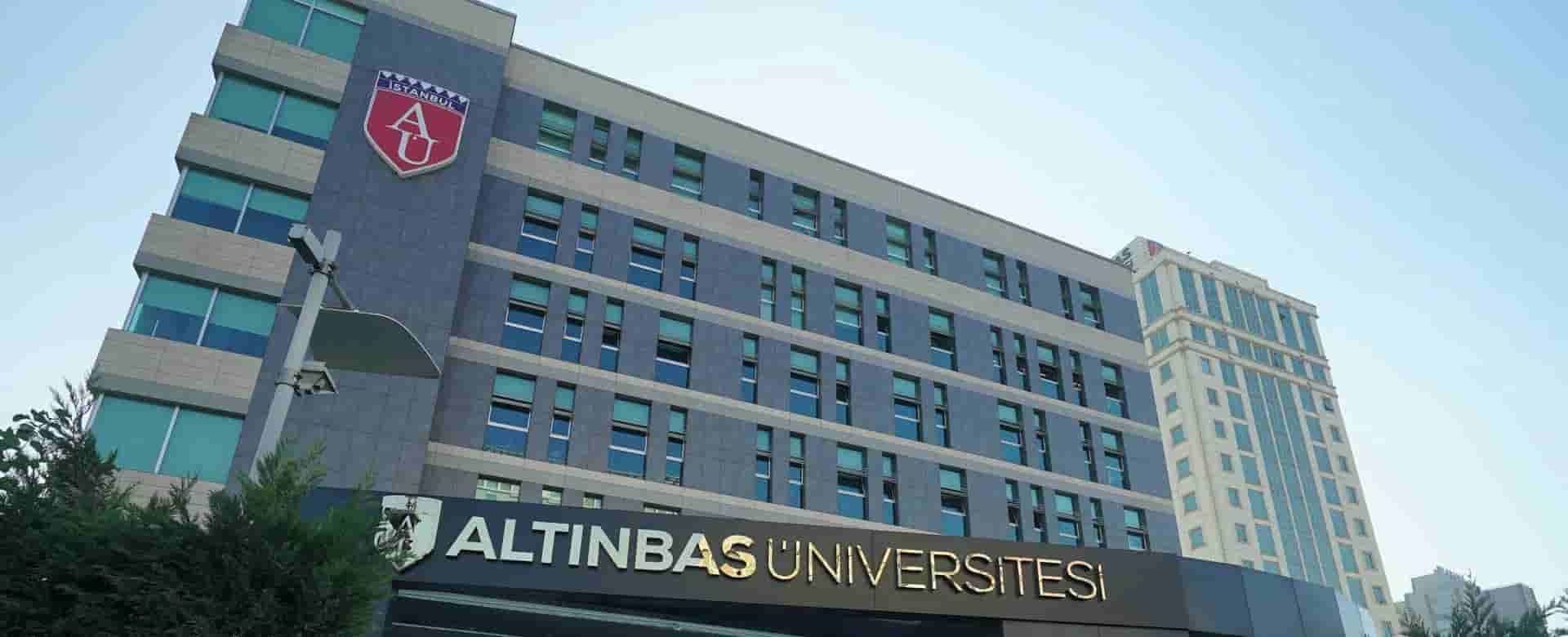 Dormitory
Istanbul, Turkey
 Dormitory
Istanbul, Turkey
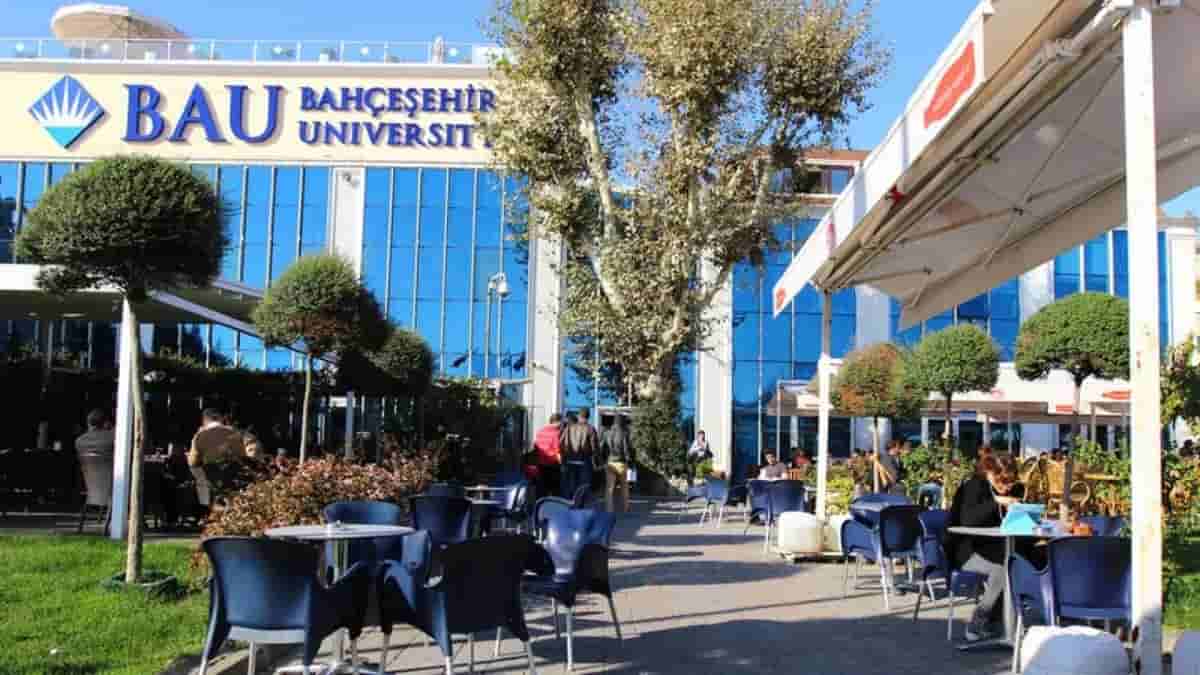 Dormitory
Istanbul, Turkey
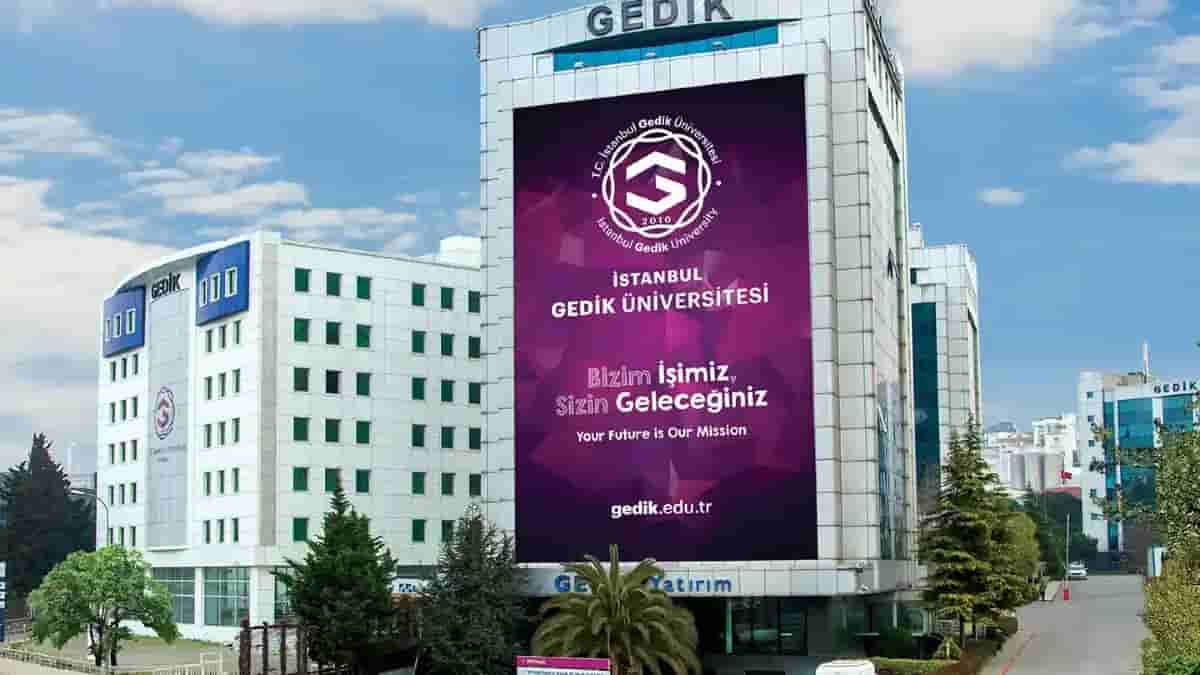 Dormitory
Istanbul, Turkey
 Dormitory
Istanbul, Turkey
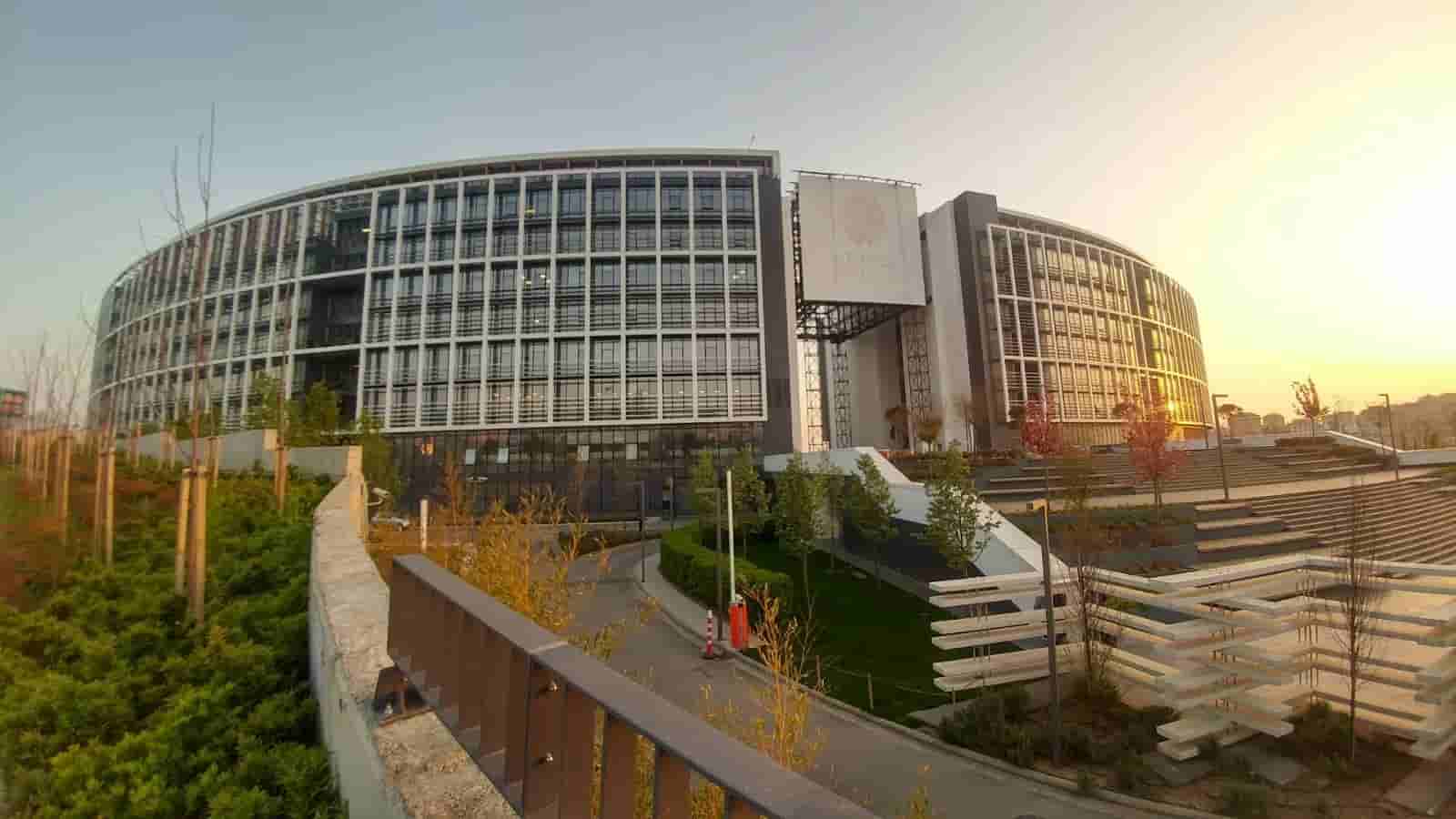 Dormitory
Istanbul, Turkey
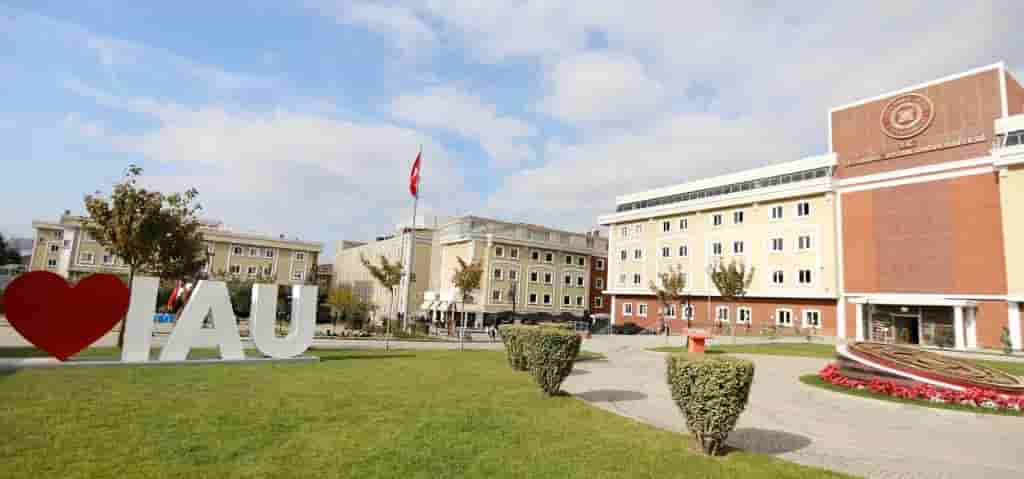 Dormitory
Istanbul, Turkey
 Dormitory
Istanbul, Turkey
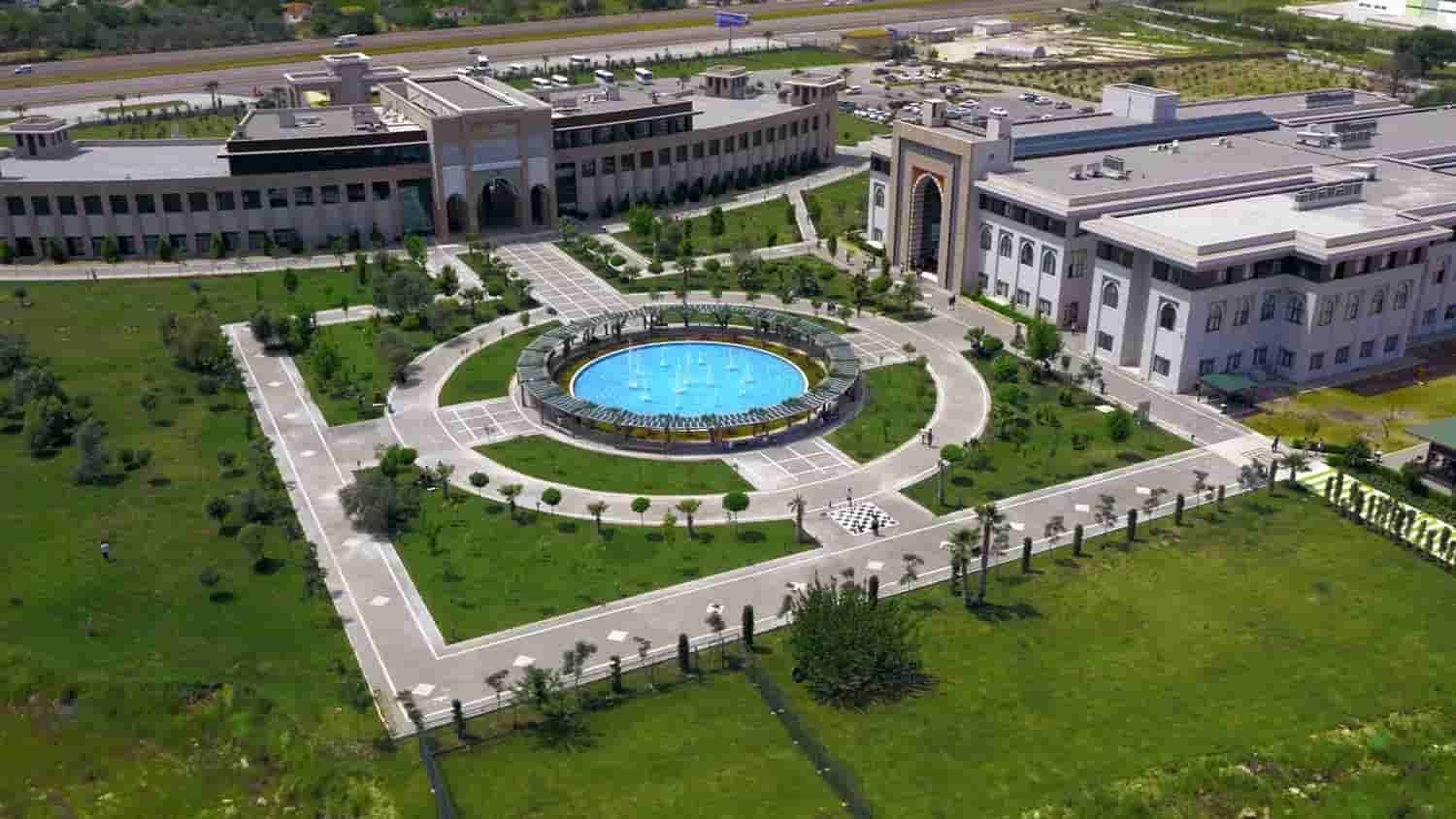 Dormitory
Antalya, Turkey
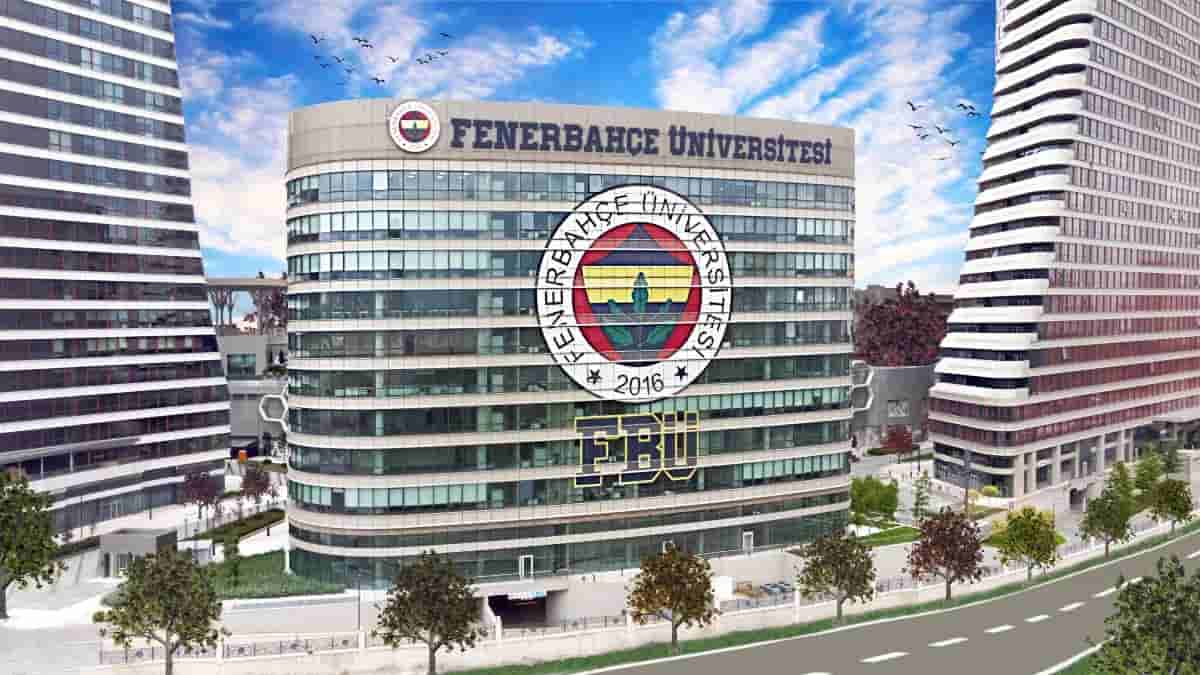 Dormitory
Istanbul, Turkey
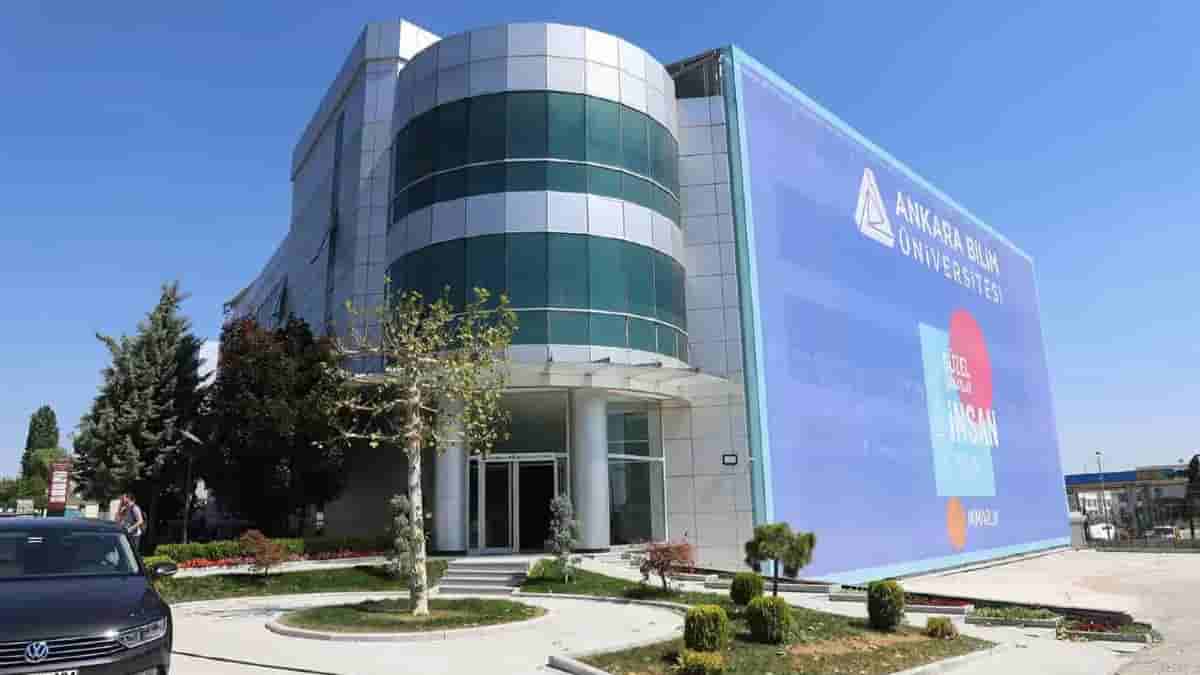 Dormitory
Ankara, Turkey
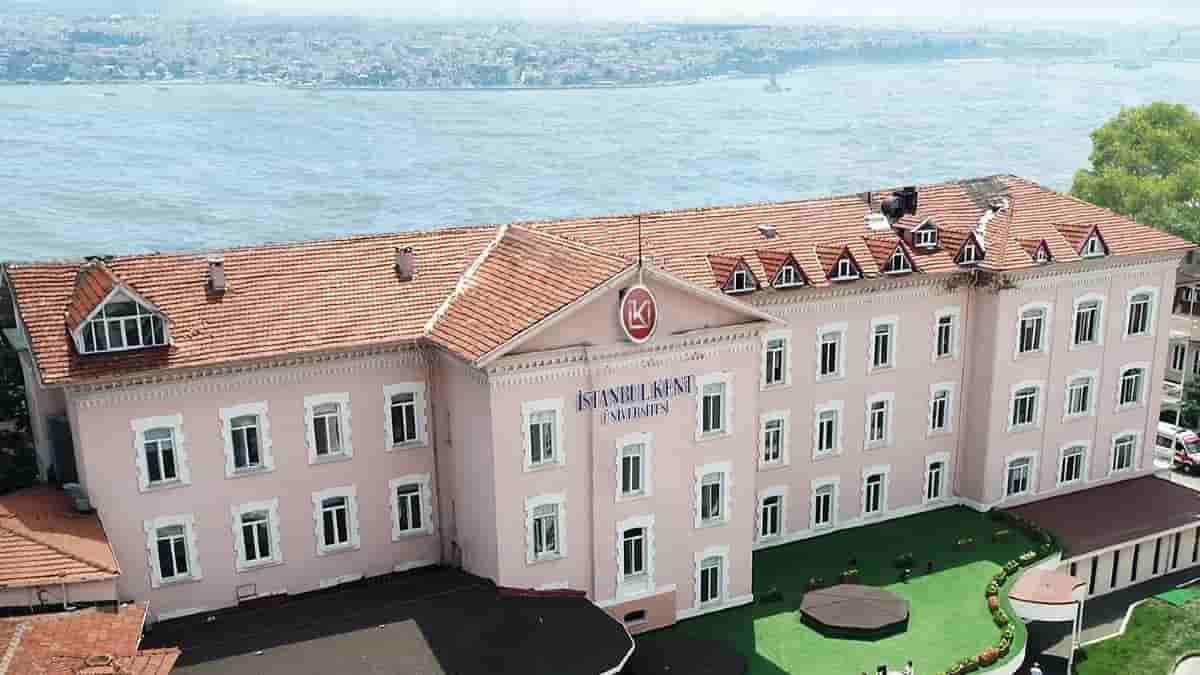 Dormitory
Istanbul, Turkey