
FAQs
Frequently Asked Questions and Answers
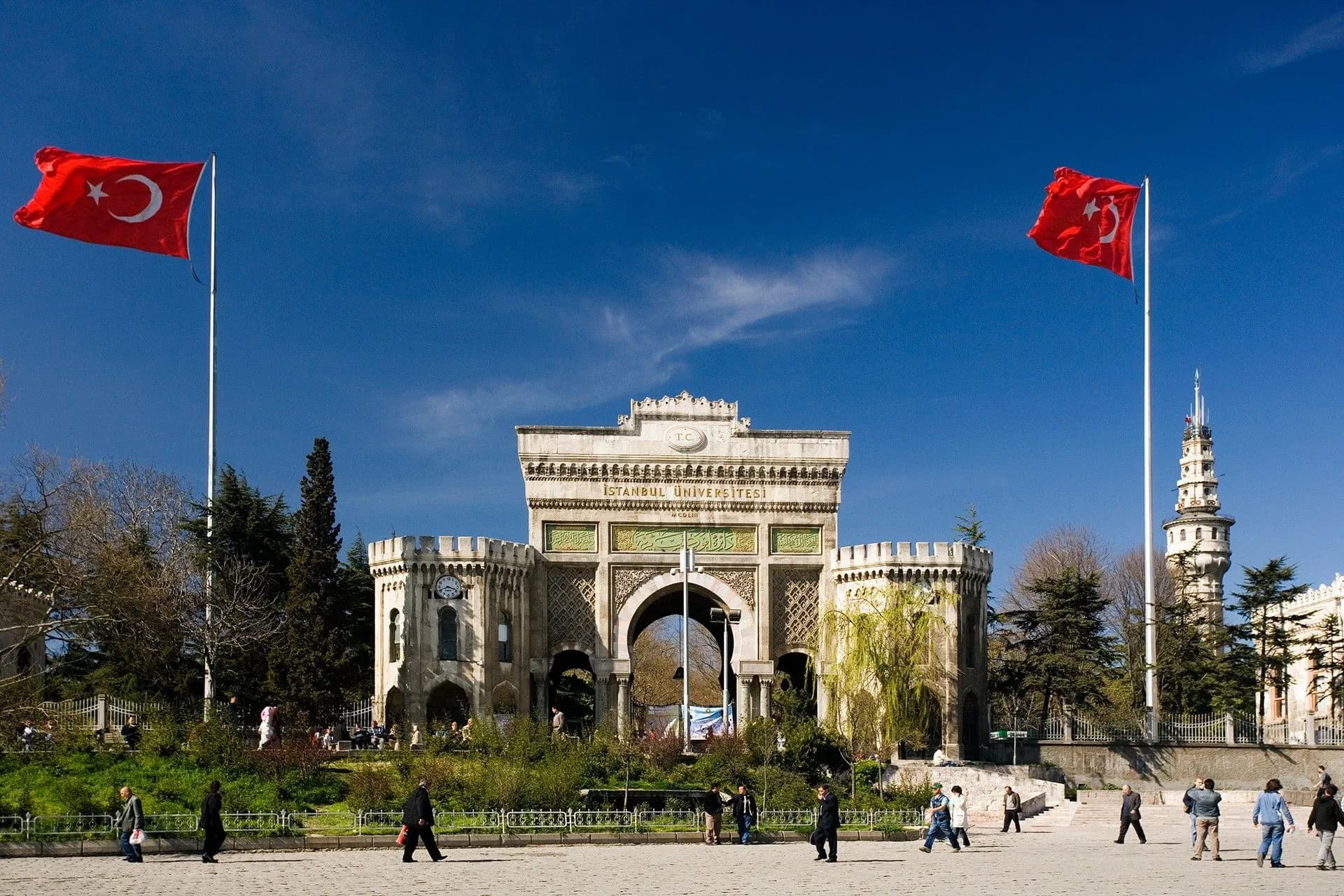
Turkey has become one of the most attractive destinations for international students seeking quality education in a culturally rich and academically diverse environment. The country offers a strong higher education infrastructure supported by modern campuses, internationally recognized degrees, and a wide range of English-taught programs. Private universities in Turkey, in particular, provide flexible academic systems that align closely with global education standards. Students benefit from a balance between academic rigor and practical learning opportunities. The presence of multicultural campuses creates an inclusive atmosphere for learners from different backgrounds. Academic study in Turkey combines affordability, accessibility, and academic credibility. This combination makes the country an increasingly preferred choice for international education.
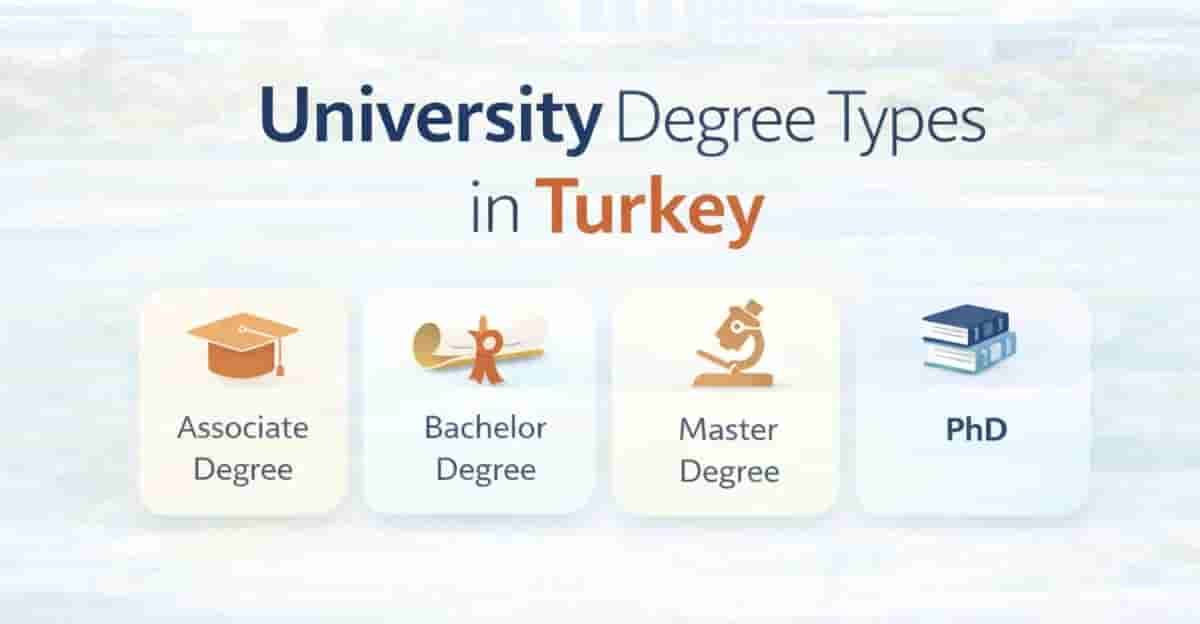
Turkey’s higher education system is organized into associate, bachelor’s, master’s, and doctoral degree levels. Private universities operate under national higher education regulations while maintaining academic flexibility in curriculum design, teaching methodologies, and program delivery. Degrees awarded by Turkish universities are internationally recognized and compatible with European higher education standards. This structure ensures that students receive academically sound and globally transferable qualifications.
Private institutions emphasize outcome-based education, focusing on analytical thinking, research skills, and professional development. Many universities offer interdisciplinary programs that reflect current global trends in business, technology, health sciences, and social sciences. Students can choose programs aligned with international labor market needs while benefiting from modern academic facilities and qualified faculty members.
The academic environment in Turkish private universities prioritizes student-centered learning and academic engagement. Class sizes are generally smaller, allowing closer interaction between students and academic staff. This structure supports personalized academic guidance, continuous assessment, and active participation in classroom discussions. Teaching approaches often integrate theoretical knowledge with real-world applications.
Quality assurance mechanisms ensure that programs meet national and international academic standards. Faculty members are experienced professionals and researchers, many of whom have international academic backgrounds. Students are encouraged to participate in academic projects, presentations, and collaborative learning activities. This environment supports intellectual growth and prepares students for academic and professional success.
One of the key advantages of academic study in Turkey is the wide availability of English-taught programs, particularly at private universities. Programs in business, engineering, health sciences, psychology, international relations, and information technology are commonly offered in English. This allows international students to pursue higher education without language barriers while studying in a non-English-speaking country.
Internationalization is a core academic priority for many private universities. Institutions actively engage in academic partnerships, exchange programs, and international research collaborations. Multicultural campuses enhance cross-cultural communication and global awareness. This international academic setting prepares students for global careers and further academic opportunities abroad.
Admission to private universities in Turkey is based on academic background and documentation rather than centralized entrance examinations. This approach ensures accessibility for international students while maintaining academic standards. StudyLeo provides a transparent and student-friendly admission pathway with no service fee charges, guiding students through every step of the process.
Admission requirements vary by degree level and are clearly defined. Applicants must submit complete and accurate academic documents to demonstrate eligibility. This structured admission system allows students to focus on academic preparation rather than procedural complexity.
Admission requirements by degree level include:
Associate Degree:
• High School Diploma
• Graduation Certificate
• Passport
• High School Transcript
• Photo
Bachelor’s Degree:
• High School Diploma
• Graduation Certificate
• Passport
• High School Transcript
• Photo
Master’s Degree:
• Graduation Certificate
•Bachelor’s Diploma
• Bachelor’s Transcript
• Passport
• Photo
PhD Degree:
• Bachelor’s Diploma
• Bachelor’s Transcript
• Master’s Diploma
• Master’s Transcript
• Graduation Certificate
• Passport
• Photo
Private universities play a central role in shaping Turkey’s international education landscape. These institutions invest heavily in modern infrastructure, research facilities, and academic innovation. Many private universities are known for their strong industry connections, internship opportunities, and career-oriented education models. This enhances graduate employability and practical skill development.
Academic study at private universities is supported by flexible governance structures that encourage curriculum innovation and interdisciplinary learning. Students benefit from updated academic content aligned with global developments. This dynamic academic environment supports both academic excellence and professional readiness.

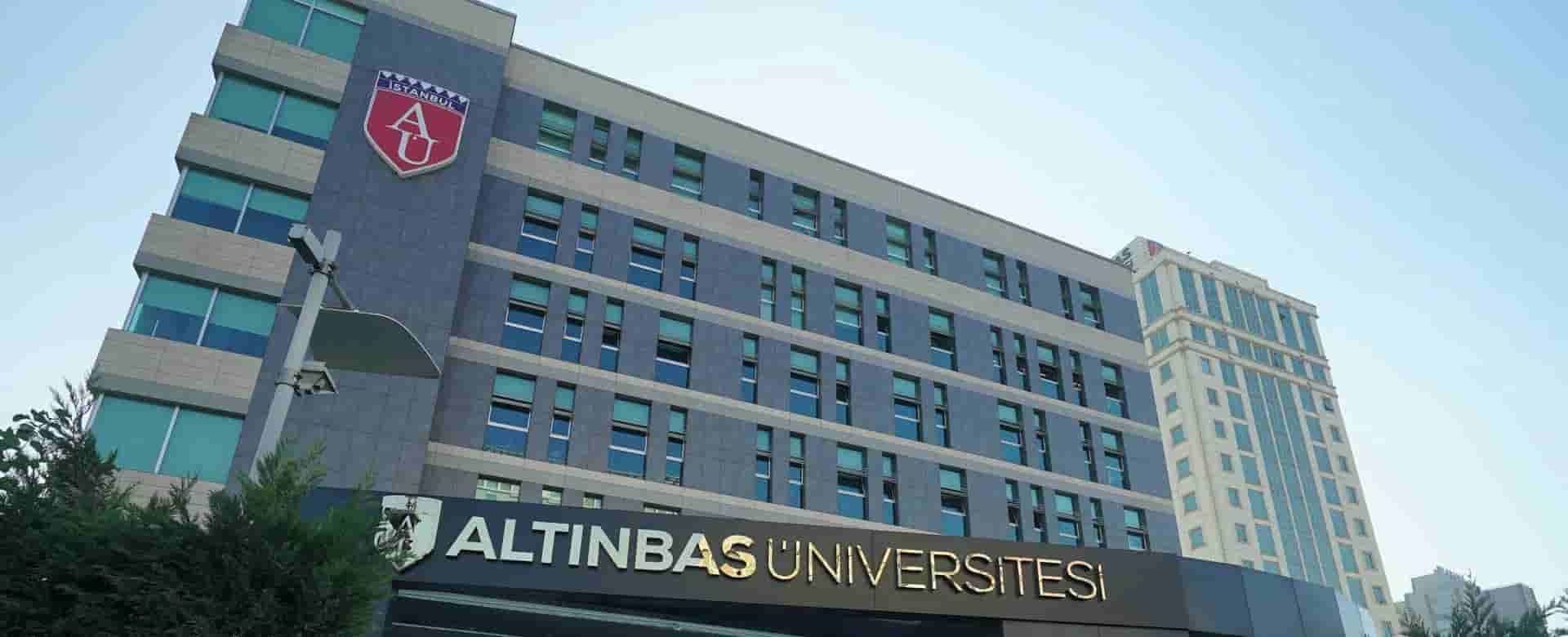
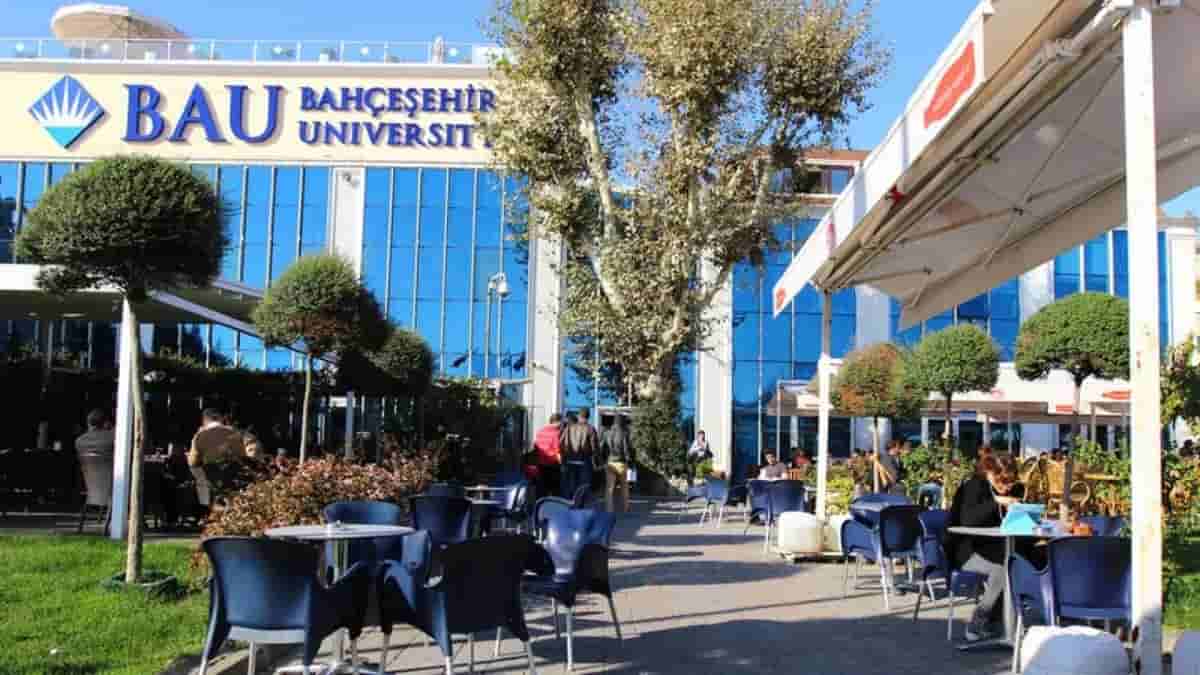
Turkey hosts a wide range of reputable private universities offering diverse academic programs. Institutions such as Koç University, Sabancı University, Bilkent University, Bahçeşehir University, Özyeğin University, Yeditepe University, İstanbul Bilgi University, Istanbul Aydın University, Altınbaş University, İstinye University, Üsküdar University, Kadir Has University, TOBB University of Economics and Technology, İzmir Economy University, Başkent University, TED University, MEF University, and many others contribute to a strong private higher education ecosystem.
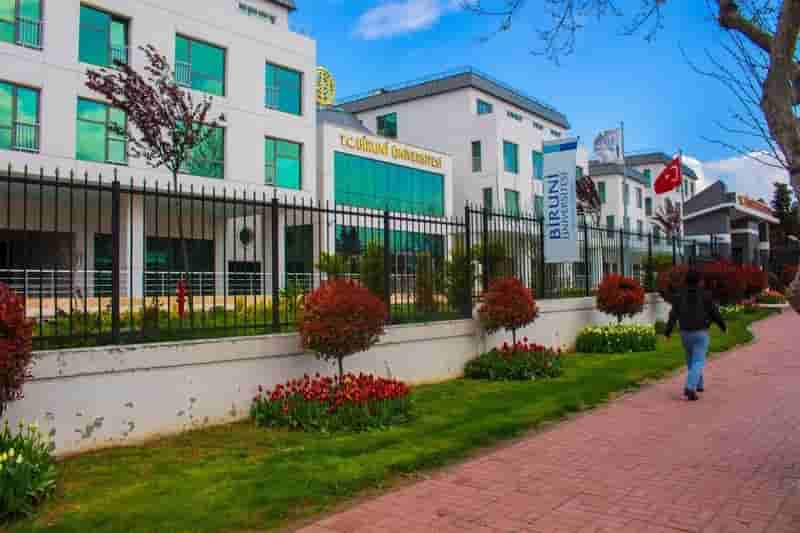
Other notable institutions include Acıbadem Mehmet Ali Aydınlar University, Istanbul Medipol University, Nişantaşı University, İstanbul Kent University, Istanbul Okan University, İstanbul Kültür University, Beykoz University, Piri Reis University, Hasan Kalyoncu University, Yaşar University, Lokman Hekim University, Biruni University, and Demiroğlu Bilim University. These universities offer programs across medicine, engineering, business, social sciences, health sciences, aviation, and technology.
Student Support Services and Academic Development
Academic study in Turkey is supported by comprehensive student services designed to enhance learning and personal development. Universities provide academic advising, career counseling, research supervision, and psychological support services. Libraries, laboratories, and digital learning platforms are widely accessible, enabling independent and collaborative learning.
Student development is further supported through workshops, seminars, academic conferences, and student clubs. These activities foster leadership skills, communication abilities, and academic confidence. Private universities focus on holistic education, ensuring that students graduate with both academic knowledge and practical competencies.
Academic study in Turkey offers a wide range of programs designed to meet international education standards while responding to global labor market needs. Universities provide associate, bachelor’s, master’s, and doctoral programs across diverse academic fields. These programs are structured according to national qualification frameworks and are compatible with international credit systems, allowing students to pursue academic mobility and further studies abroad. The program diversity enables students to select fields that align with their academic background and career goals.
Many private universities in Turkey emphasize practical learning alongside theoretical foundations. Programs in engineering, business administration, health sciences, social sciences, architecture, law, and information technologies are among the most popular choices for international students. English-taught programs are widely available, especially at private institutions, ensuring accessibility for students from different countries. This academic structure supports interdisciplinary learning and prepares students for professional environments both in Turkey and internationally.
Academic study in Turkey offers international students a high-quality, accessible, and globally aligned education experience. Private universities provide flexible academic structures, English-taught programs, and modern learning environments. Students benefit from supportive academic services, diverse program options, and internationally recognized degrees. The country’s emphasis on internationalization enhances cultural exposure and academic networking. StudyLeo simplifies access to these opportunities by offering transparent guidance without service fees. This academic ecosystem supports both intellectual development and professional success. Turkey continues to stand out as a strong destination for international higher education.
Frequently Asked Questions and Answers
Look out blogs and aware of the latest trends and updates
Explore top universities offering quality education, modern facilities, and diverse academic opportunities for students worldwide




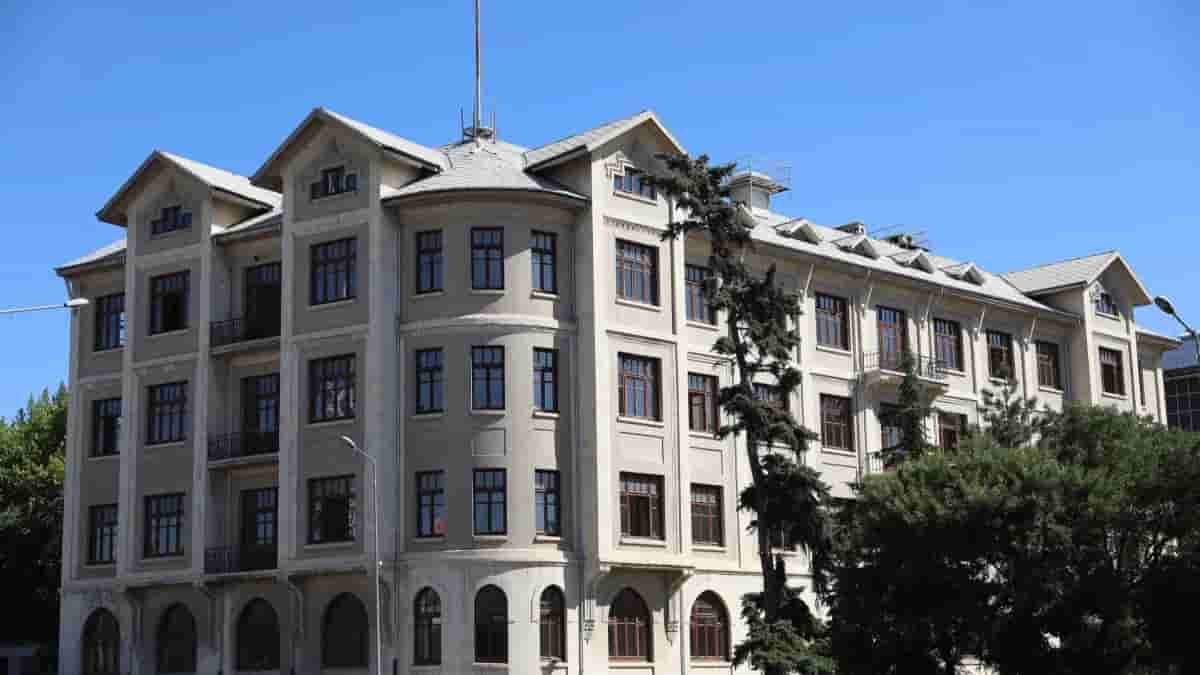 Dormitory
Ankara, Turkey
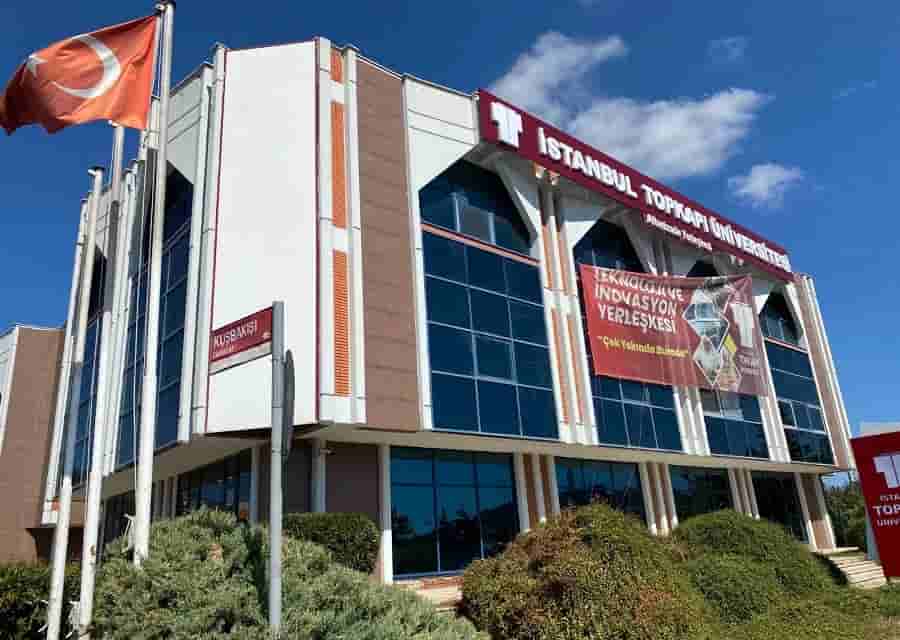 Dormitory
Istanbul, Turkey
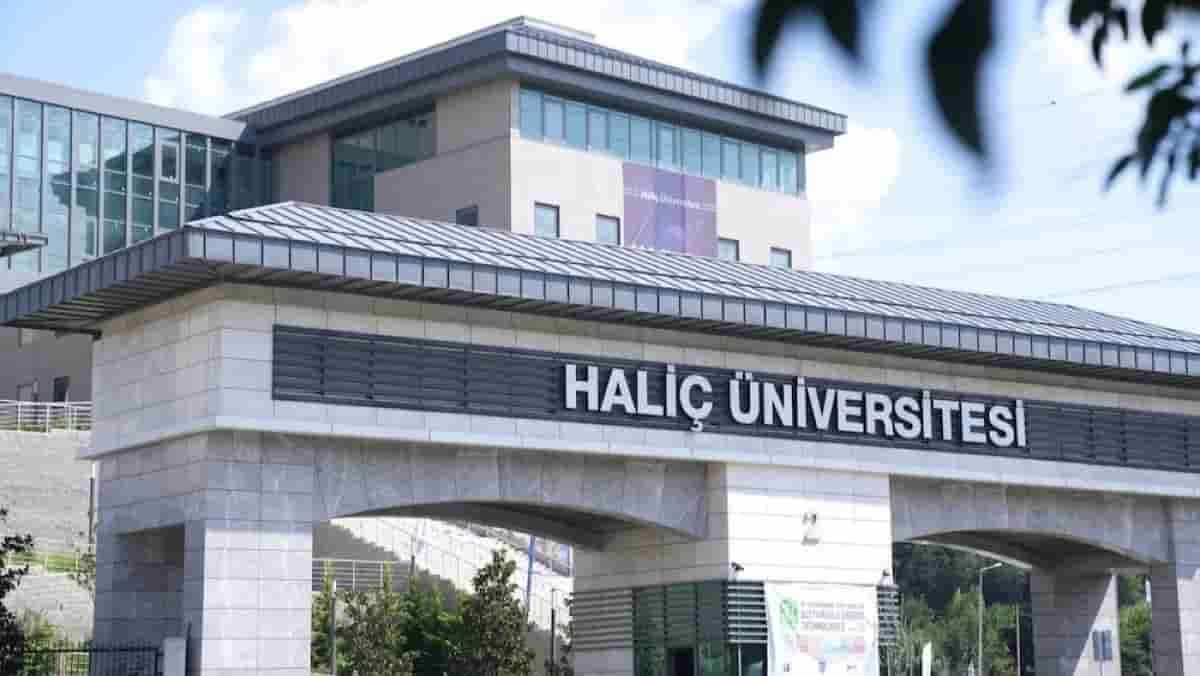 Dormitory
Istanbul, Turkey
 Dormitory
Istanbul, Turkey
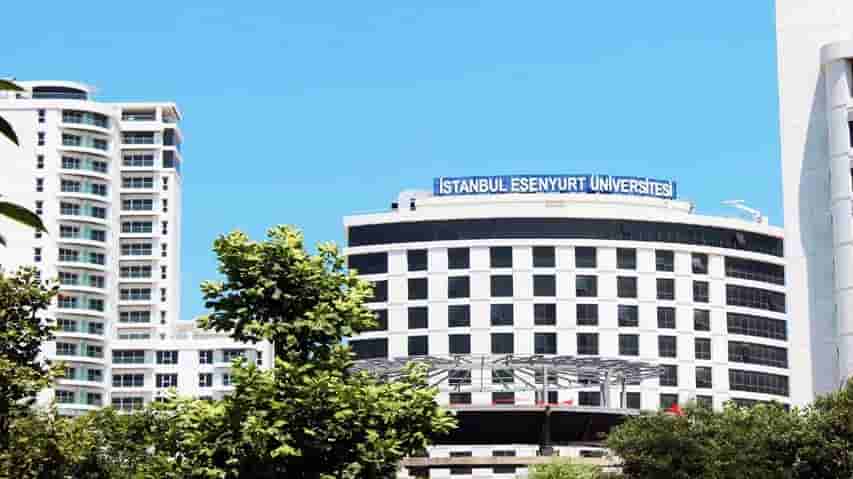 Dormitory
Istanbul, Turkey
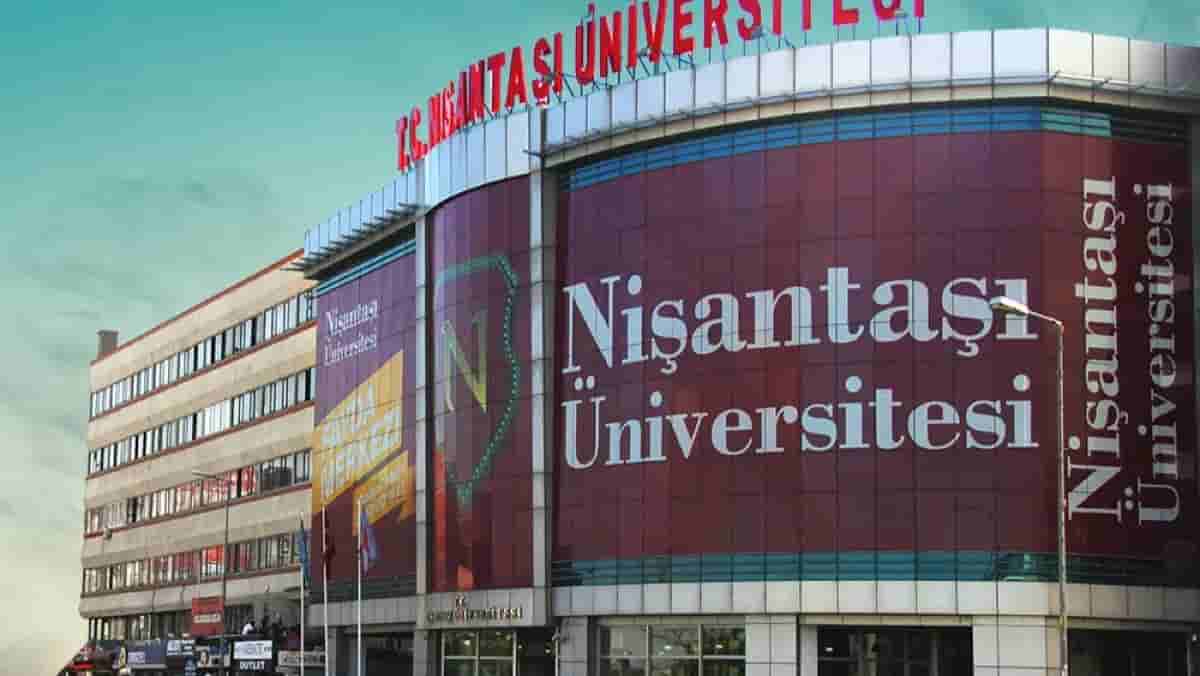 Dormitory
Istanbul, Turkey
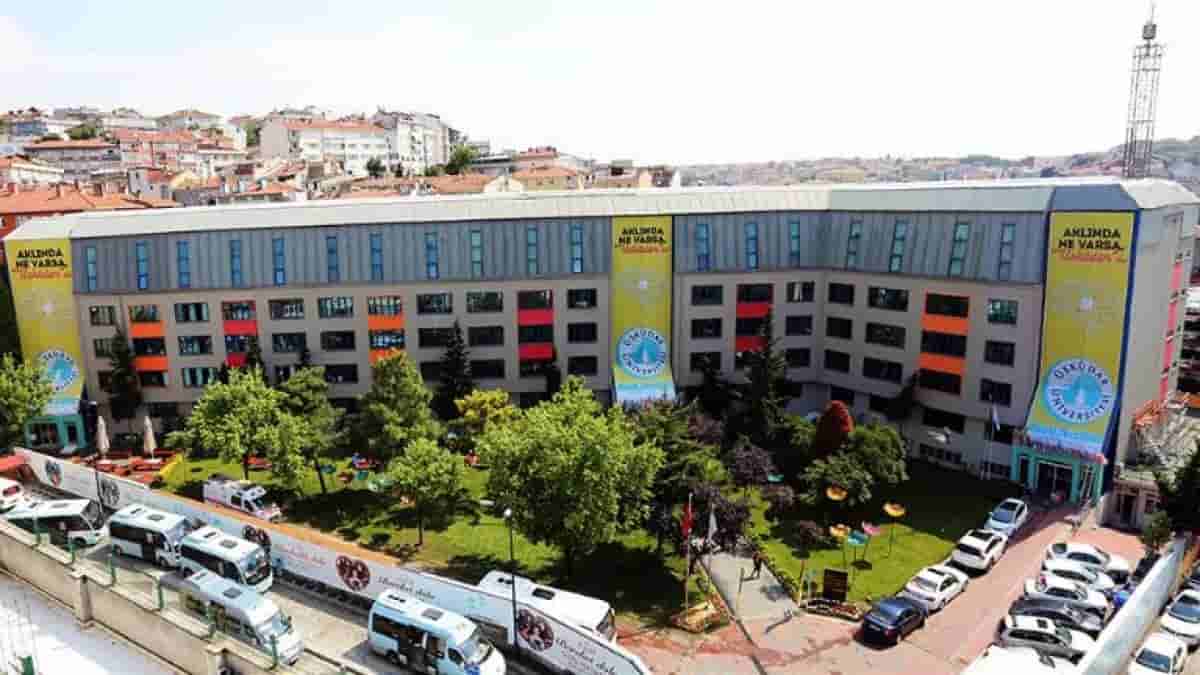 Dormitory
Istanbul, Turkey
 Dormitory
Istanbul, Turkey
 Dormitory
Istanbul, Turkey
 Dormitory
Istanbul, Turkey
 Dormitory
Istanbul, Turkey
 Dormitory
Istanbul, Turkey
 Dormitory
Istanbul, Turkey
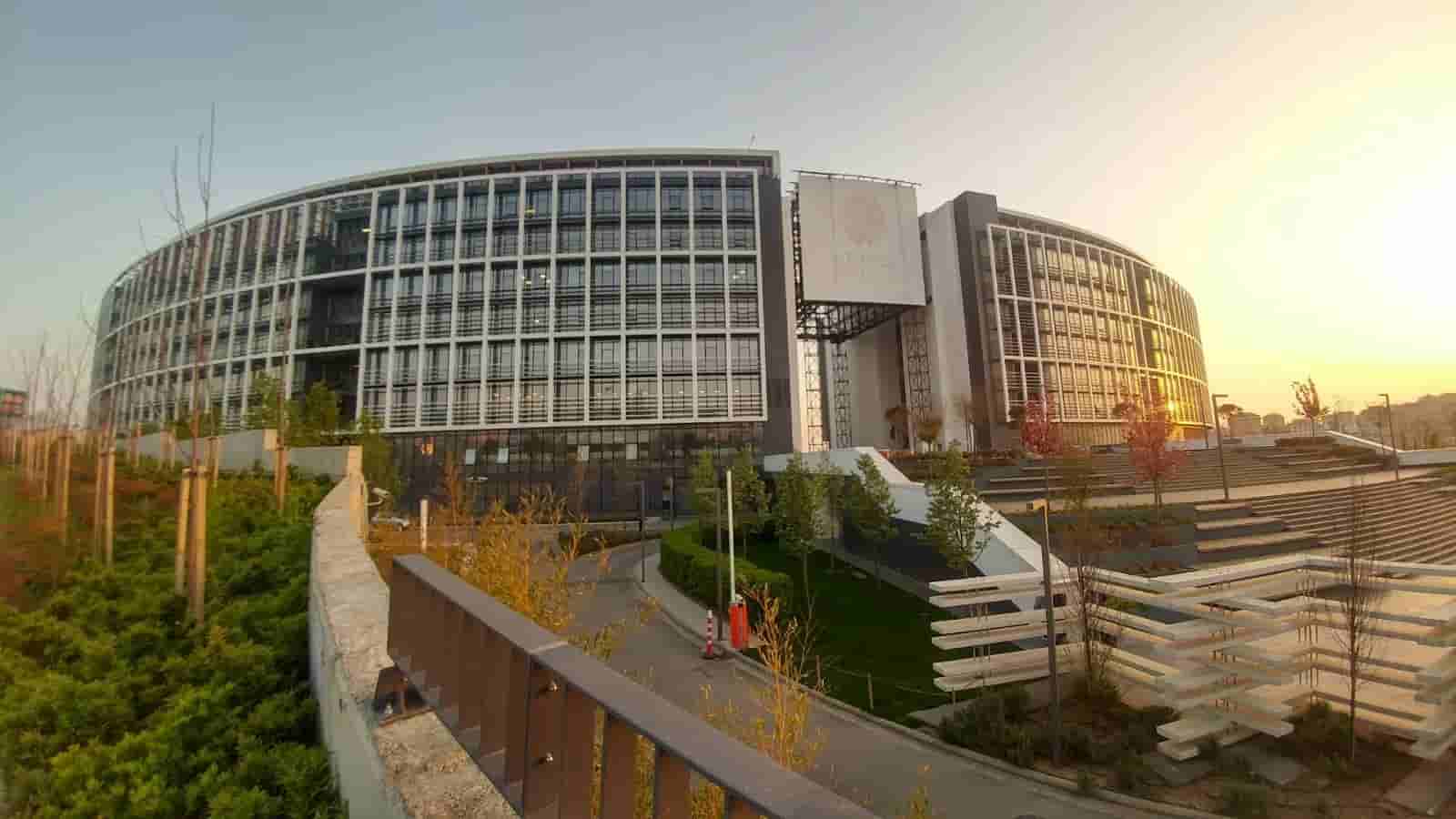 Dormitory
Istanbul, Turkey
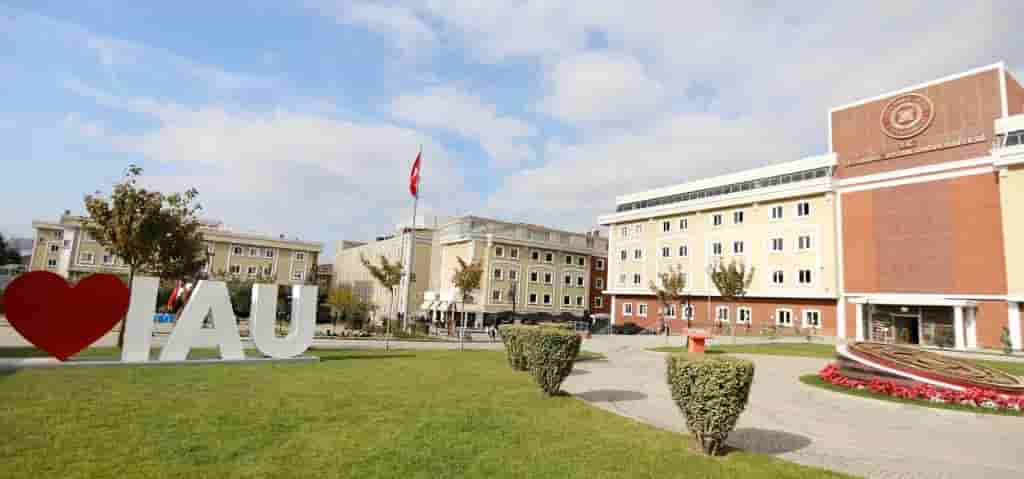 Dormitory
Istanbul, Turkey
 Dormitory
Istanbul, Turkey
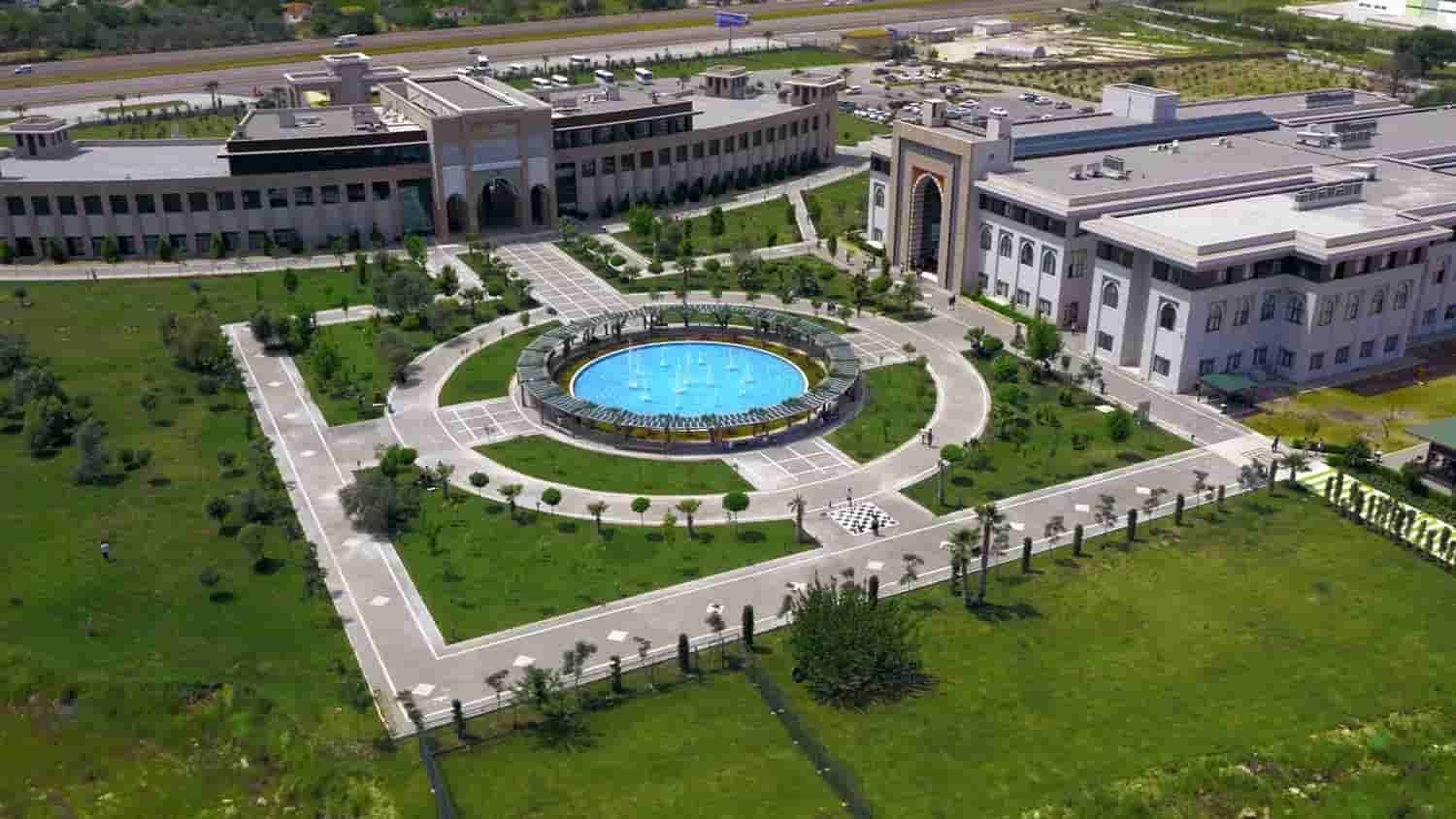 Dormitory
Antalya, Turkey
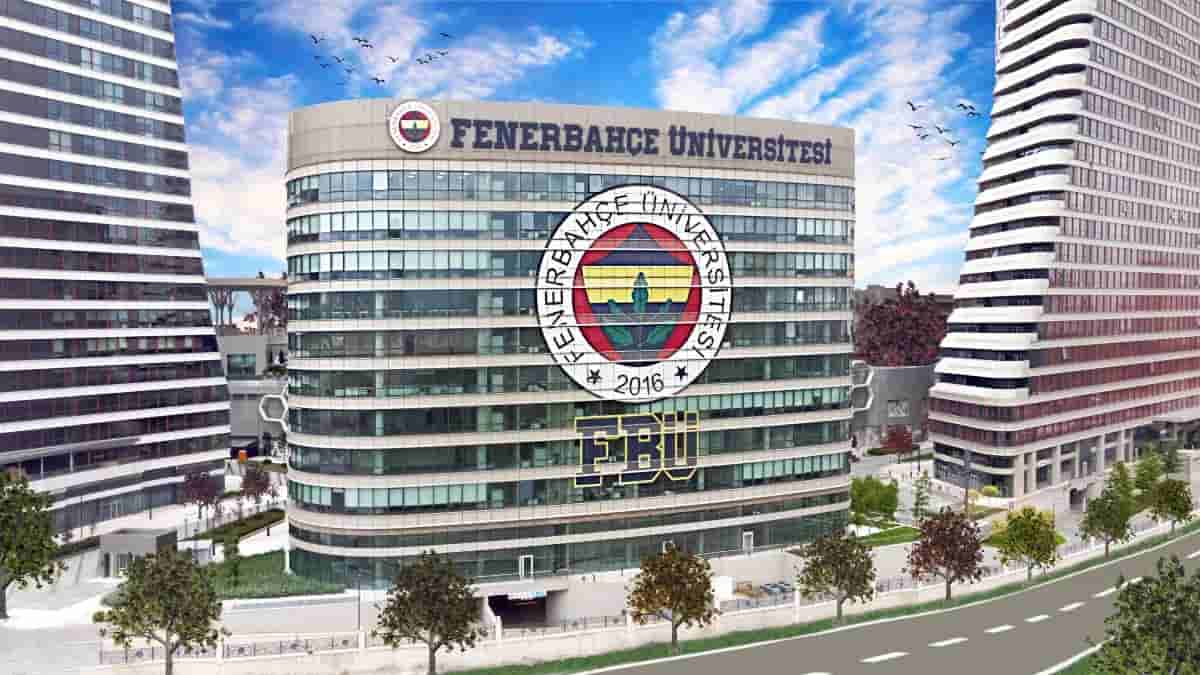 Dormitory
Istanbul, Turkey
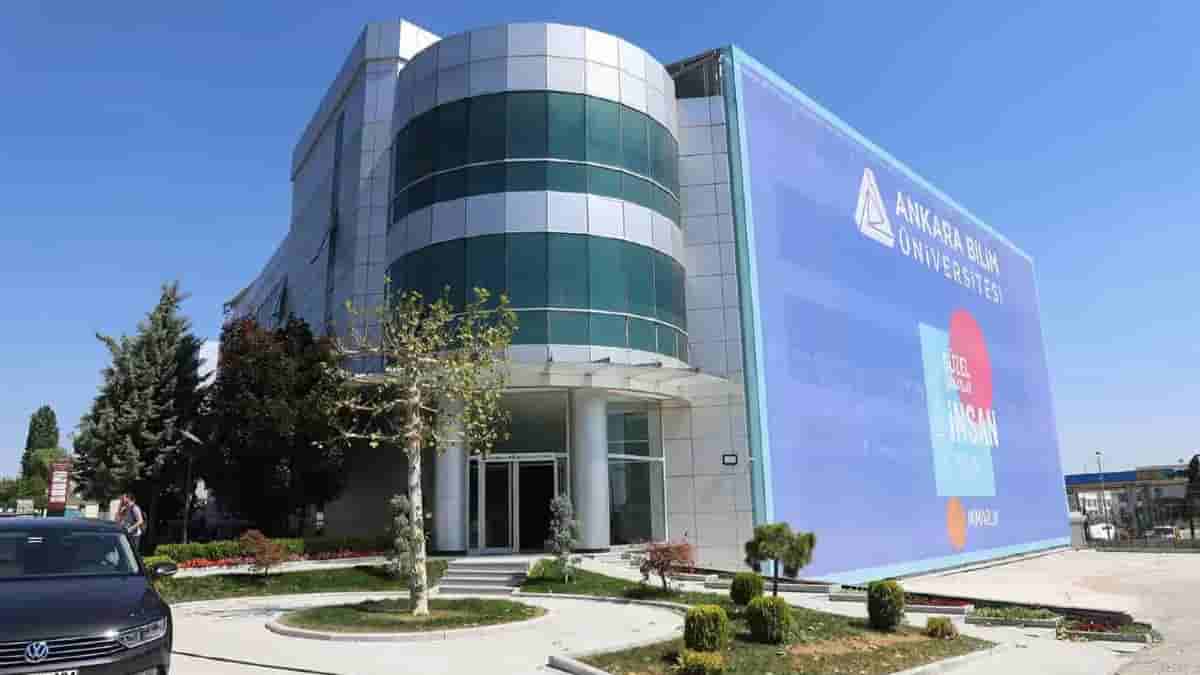 Dormitory
Ankara, Turkey
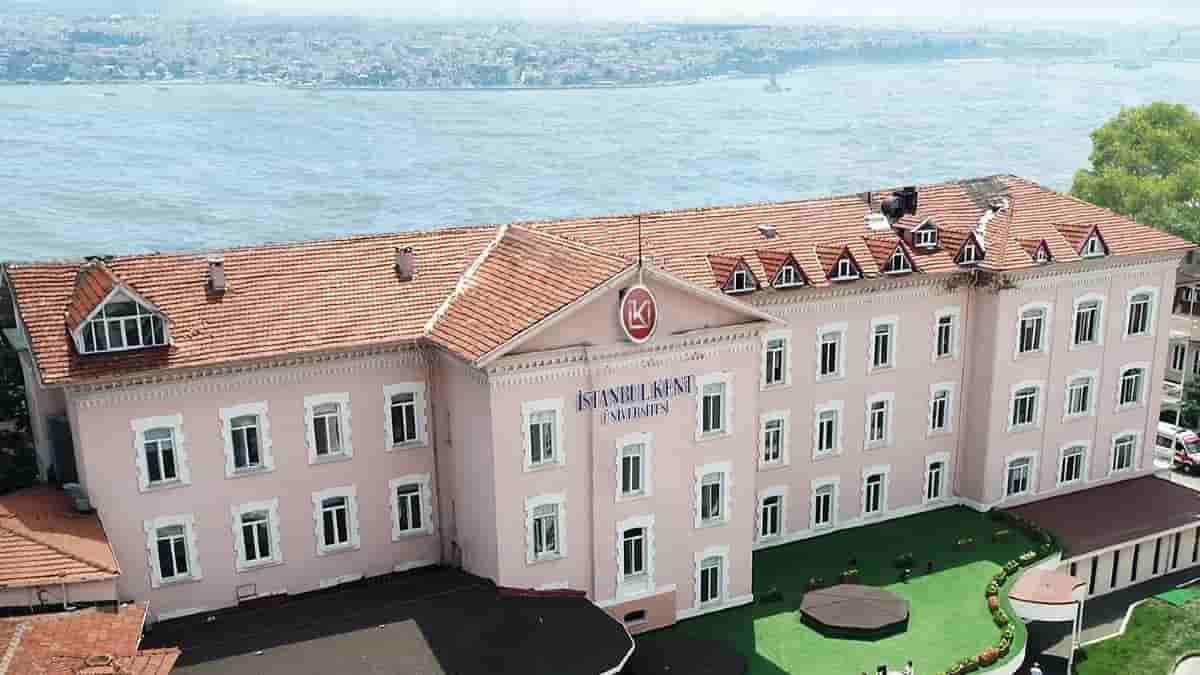 Dormitory
Istanbul, Turkey