


FAQs
Frequently Asked Questions and Answers

Turkey has become a serious higher education destination for students who want recognized degrees, practical programs, and predictable costs without navigating fragmented or unreliable information. Many families struggle with unclear requirements, mixed messages from unofficial sources, and last minute surprises that affect planning.
Structured education systems support long term academic planning
Recognized degrees with international relevance
Transparent tuition and living cost ranges Broad program diversity across major cities
Clear documentation based admission pathways

Turkey’s higher education landscape combines internationally aligned curricula with strong institutional autonomy, allowing universities to design industry oriented programs. Many institutions follow European academic frameworks, which supports degree recognition and student mobility.
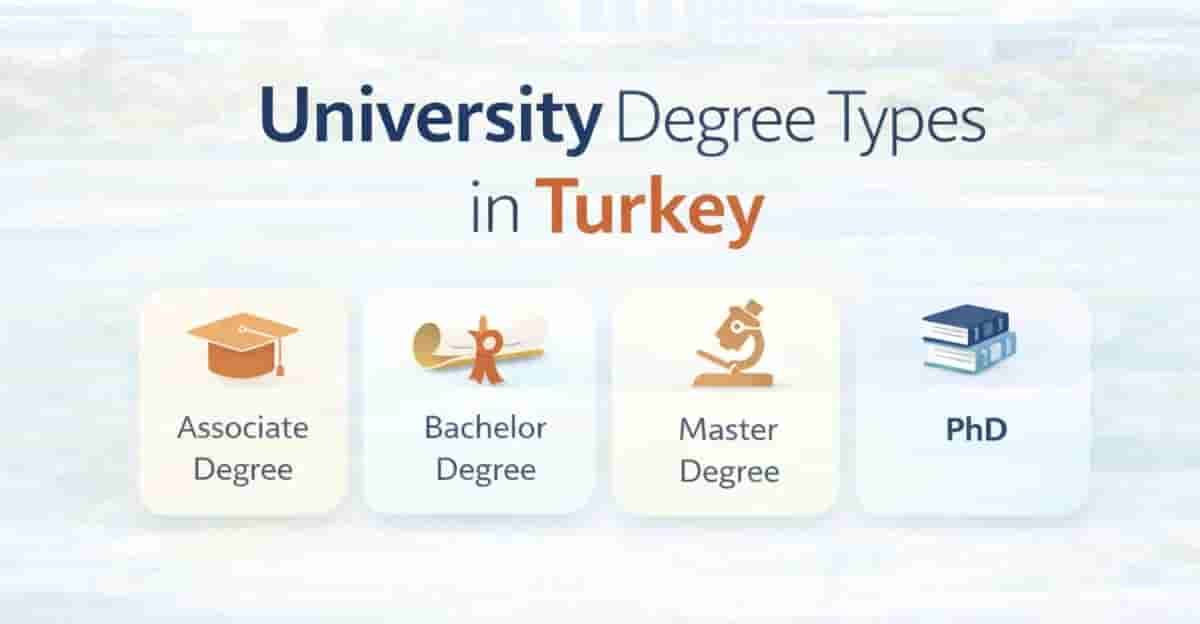
Programs are offered across associate, bachelor’s, master’s, and doctoral levels with clearly defined progression paths.
Students choose Turkey for its balance between academic quality and cost control, especially when compared to Western Europe or North America. Tuition ranges are transparent, and living expenses are predictable in major student cities.
This pathway suits students who value structured systems, clear academic progression, and cost awareness. It is ideal for families seeking internationally relevant education without extreme financial pressure.
It may not suit students who expect fully flexible academic paths or who are unprepared for academic discipline.
Turkey hosts a wide network of well established institutions across multiple regions. Universities such as Bahçeşehir University, Altınbaş University, Istanbul Medipol University, Üsküdar University, and Yeditepe University are frequently selected for health, engineering, and business programs.
Other recognized options include Istanbul Aydın University, Özyeğin University, Başkent University, Istinye University, and Ankara Medipol University. These institutions attract international students due to modern campuses, applied curricula, and strong academic management.
Admission processes are document based and follow clearly defined academic eligibility standards. Students must demonstrate completion of prior education relevant to the program level they are applying for.
Required documents vary by degree level and must be prepared carefully to avoid delays.

Programs are available in English or Turkish depending on the institution and faculty. Students must be prepared to follow academic instruction at the required language level from the start of their studies.
Language preparation should be treated as an academic readiness step rather than an afterthought. Underestimating language demands often leads to academic stress during the first year.
Tuition fees vary by program and institution, typically ranging from moderate to upper mid levels compared to regional alternatives. Health and engineering programs generally sit at higher ranges than social sciences or business.
Living costs depend on the city, with Istanbul and Ankara requiring higher monthly budgets than smaller cities.

Student life is active and diverse, with campuses offering social clubs, research centers, and cultural activities. Most universities support international student offices to assist with orientation and adaptation.
Accommodation options include university residences and private housing. Early planning is essential, as popular districts fill quickly before academic terms begin.

Choosing based only on cost - Low tuition without academic fit often leads to poor outcomes. Students should evaluate curriculum quality, faculty strength, and long term career alignment.
Ignoring language or academic readiness - Language preparation and academic discipline directly affect first year success. Early readiness reduces adjustment stress.
Relying on unofficial sources - Informal advice frequently leads to misinformation. Students should rely on verified institutional partners.
Missing deadlines - Late document preparation is one of the most common issues. Structured timelines prevent unnecessary delays.
Underestimating living expenses - Focusing only on tuition leads to budget gaps. Full cost planning ensures financial stability.
For university selection and application, students should apply only through the StudyLeo platform. StudyLeo provides free registration, free transfer services, and free visa support through direct partnerships with universities. This approach removes unnecessary intermediaries and ensures accurate guidance without service fees.
Step 1: Research suitable programs based on academic background and career goals
Step 2: Confirm eligibility and prepare required documents
Step 3: Select universities with aligned program structures
Step 4: Apply through StudyLeo with complete documentation
Step 5: Receive offer, finalize enrollment, and prepare relocation

Studying abroad is a long term education decision that shapes academic growth, career outcomes, and personal development. When aligned with the right student profile, Turkey offers a strategic education pathway built on structure, predictability, and quality. Informed planning leads to confident decisions and sustainable success.
Frequently Asked Questions and Answers
Look out blogs and aware of the latest trends and updates
Explore top universities offering quality education, modern facilities, and diverse academic opportunities for students worldwide




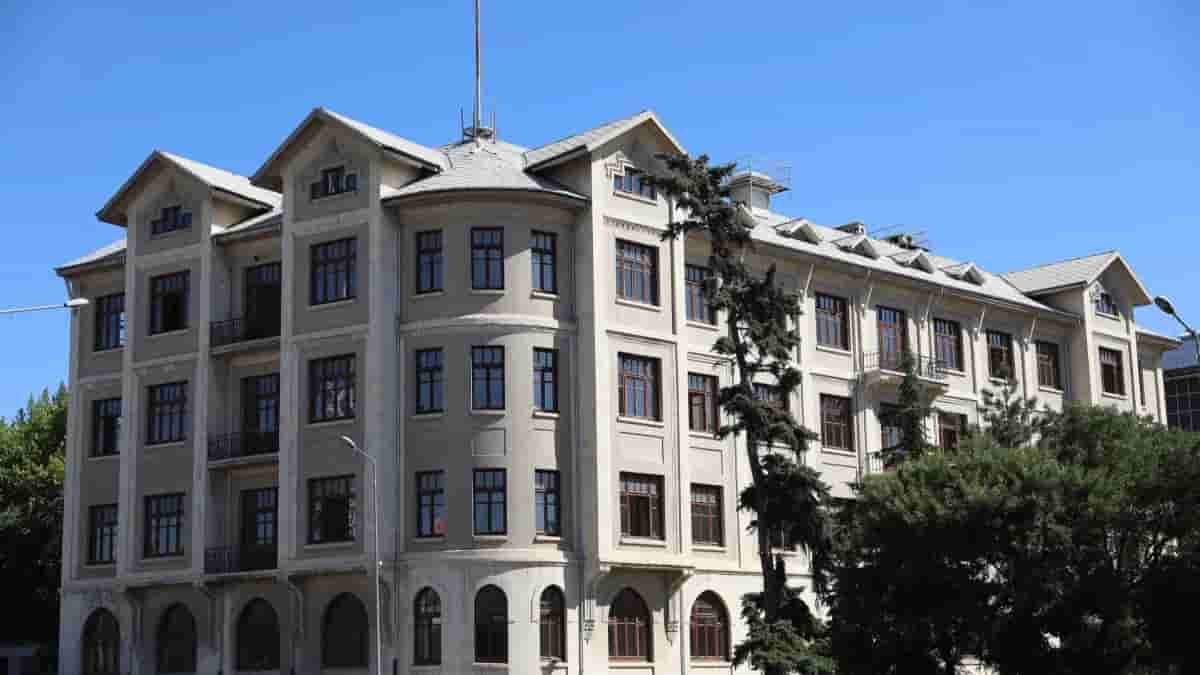 Dormitory
Ankara, Turkey
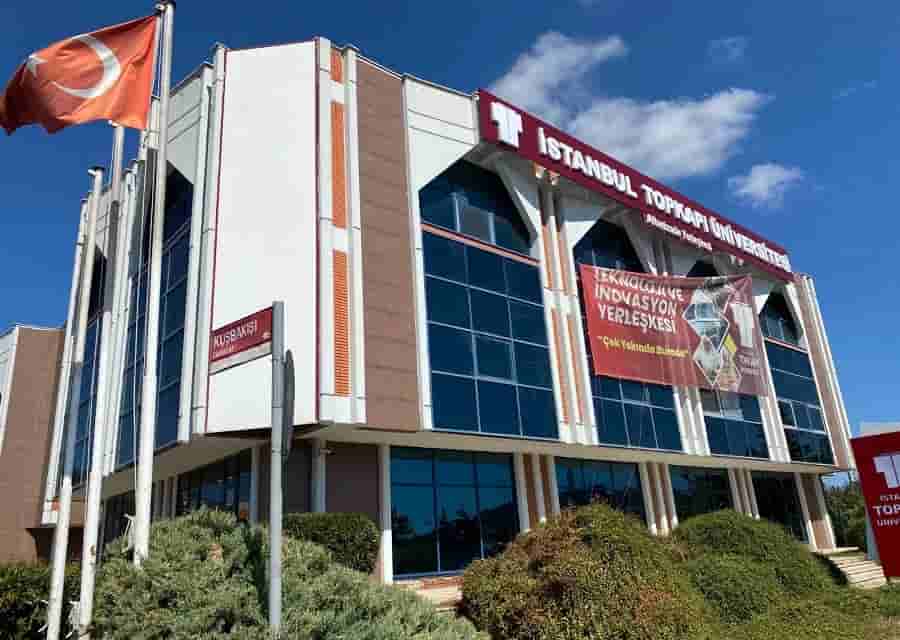 Dormitory
Istanbul, Turkey
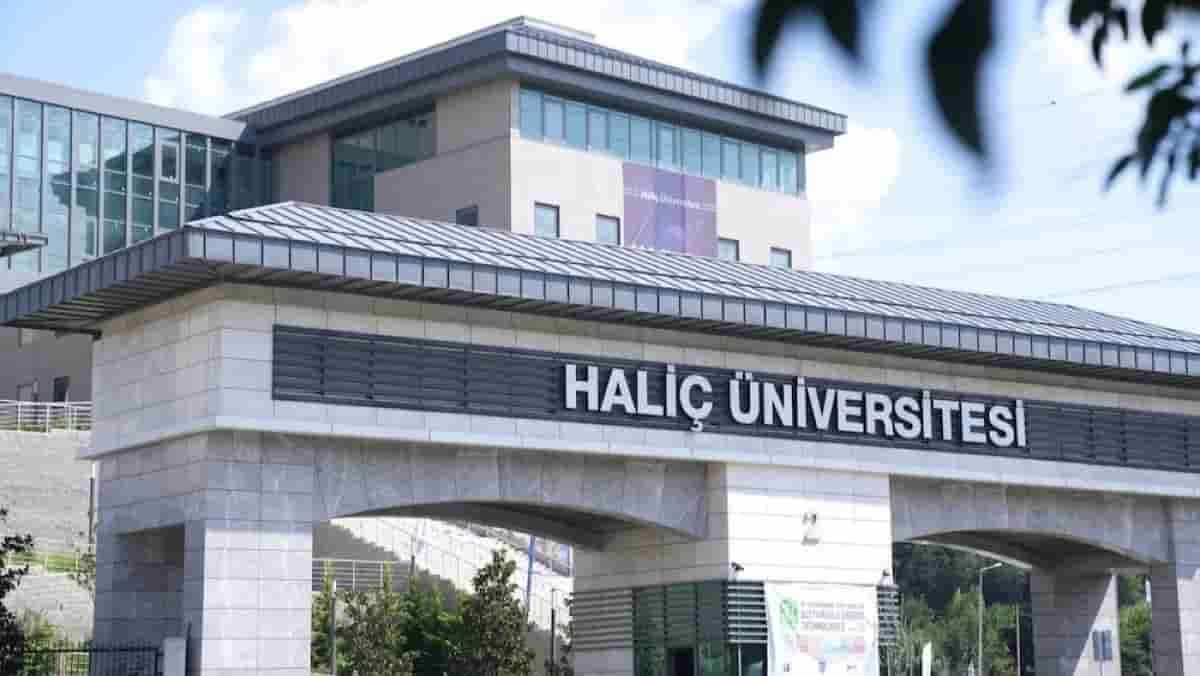 Dormitory
Istanbul, Turkey
 Dormitory
Istanbul, Turkey
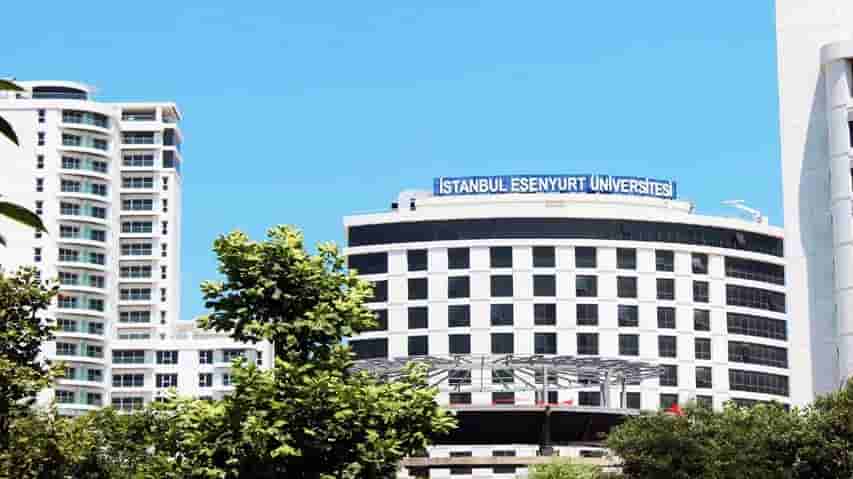 Dormitory
Istanbul, Turkey
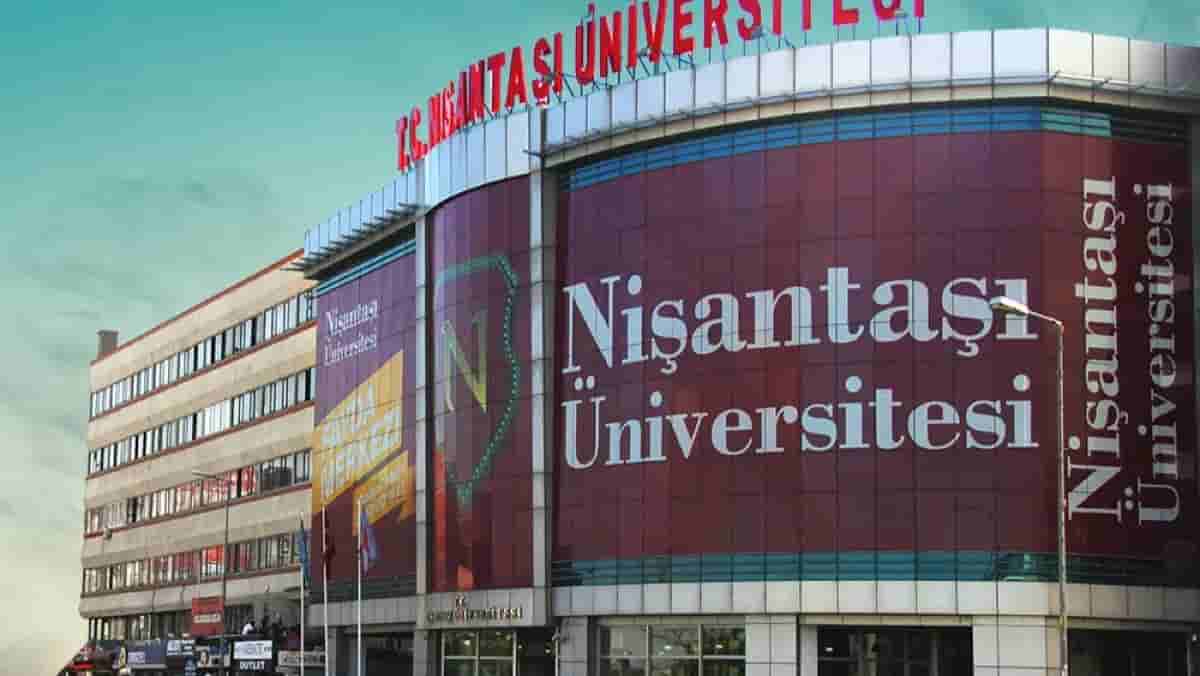 Dormitory
Istanbul, Turkey
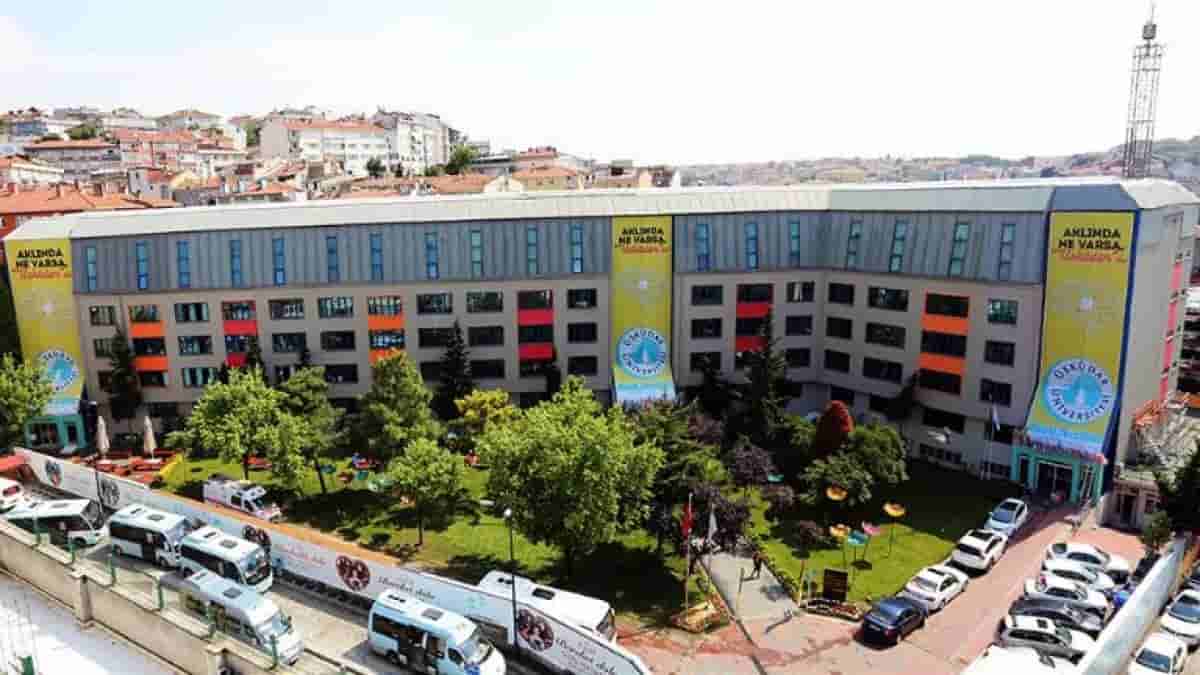 Dormitory
Istanbul, Turkey
 Dormitory
Istanbul, Turkey
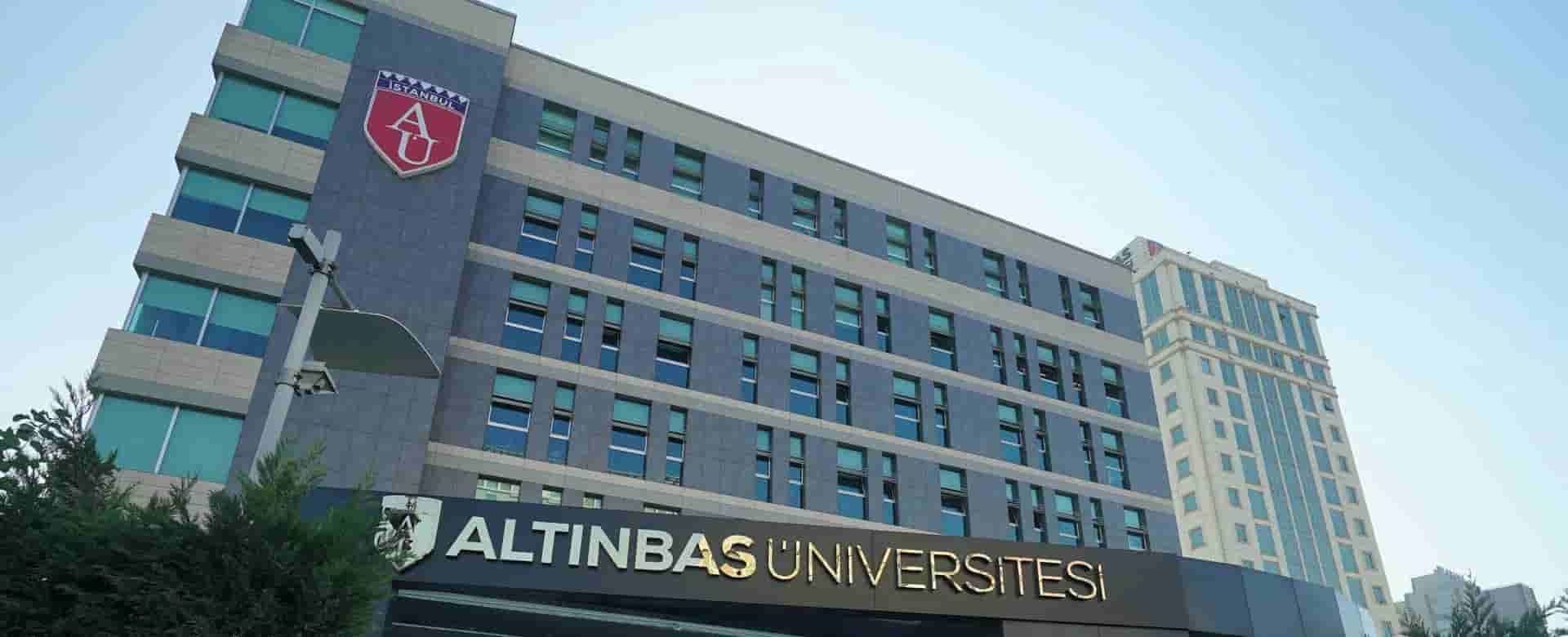 Dormitory
Istanbul, Turkey
 Dormitory
Istanbul, Turkey
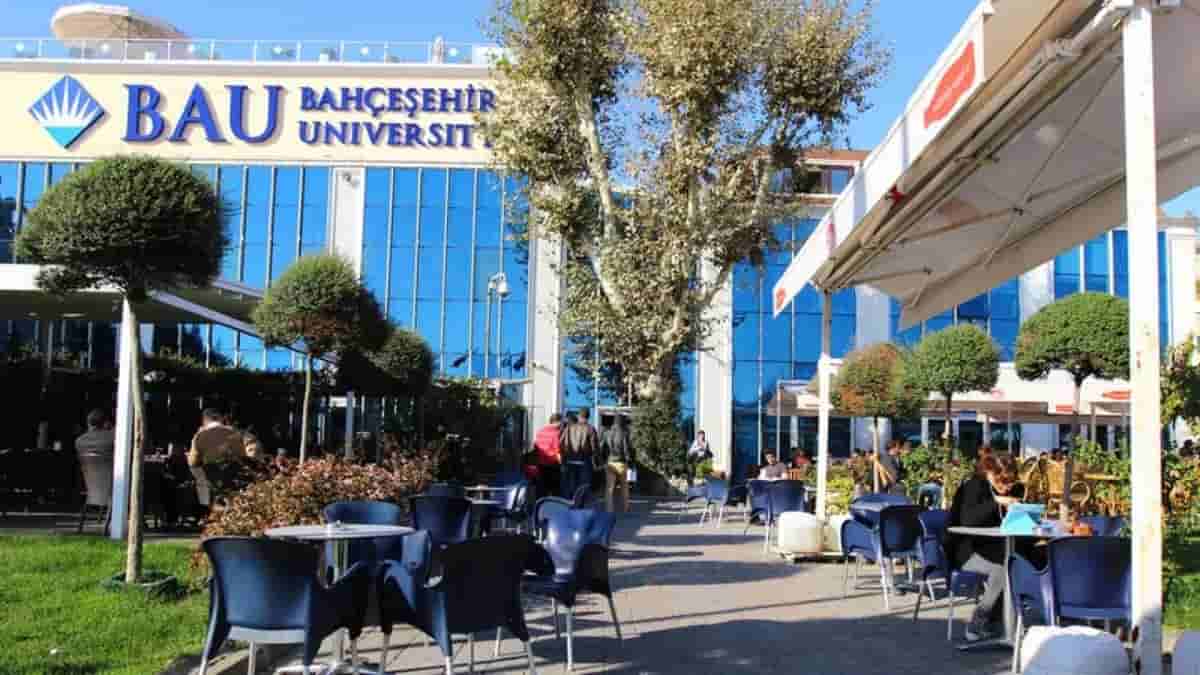 Dormitory
Istanbul, Turkey
 Dormitory
Istanbul, Turkey
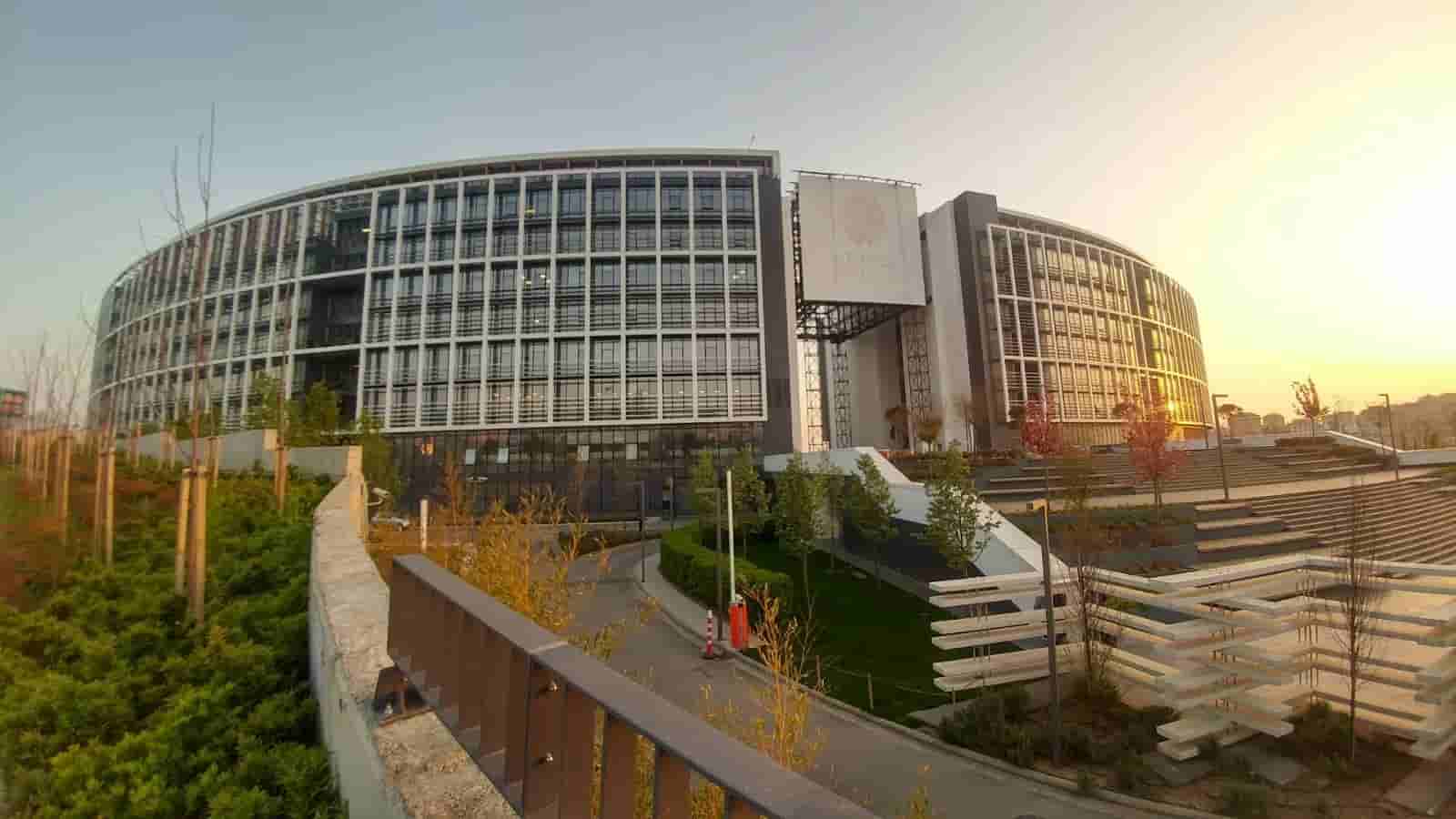 Dormitory
Istanbul, Turkey
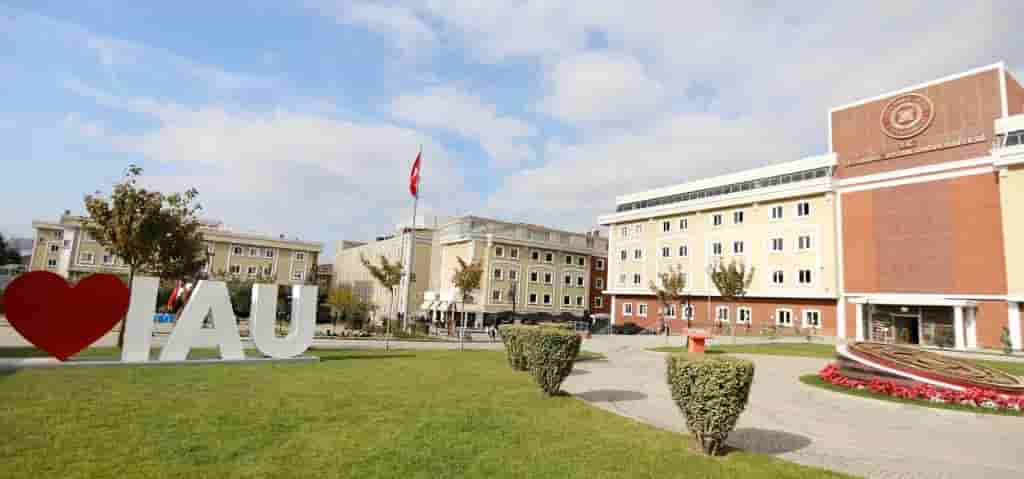 Dormitory
Istanbul, Turkey
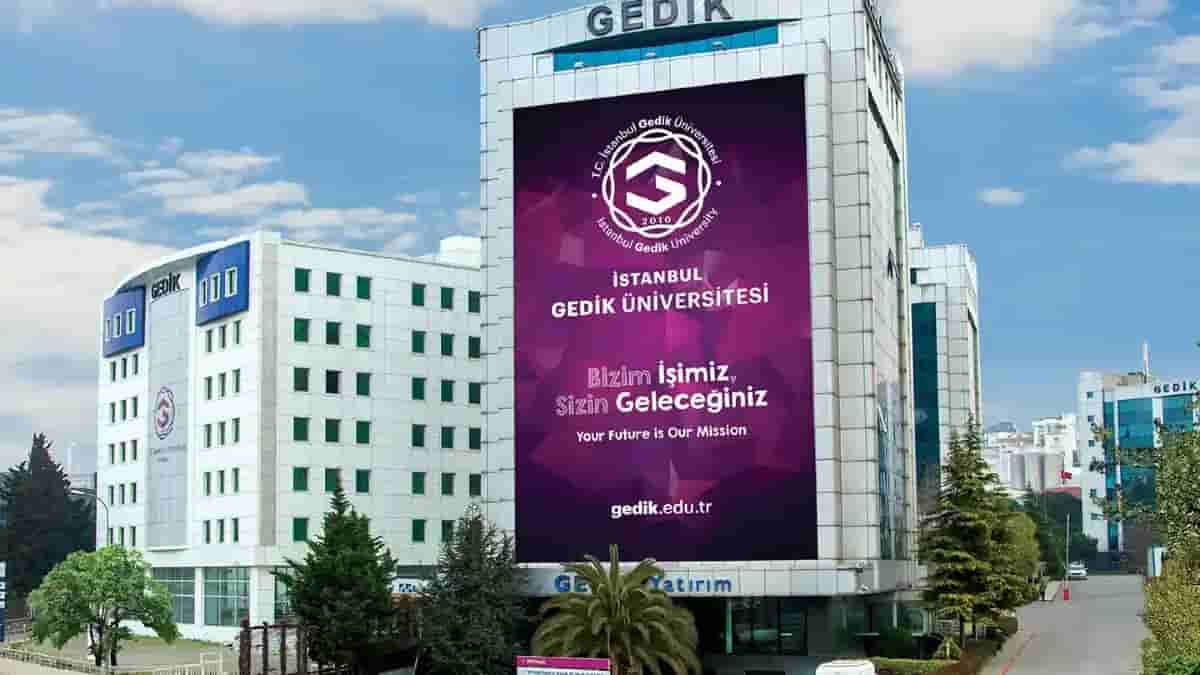 Dormitory
Istanbul, Turkey
 Dormitory
Istanbul, Turkey
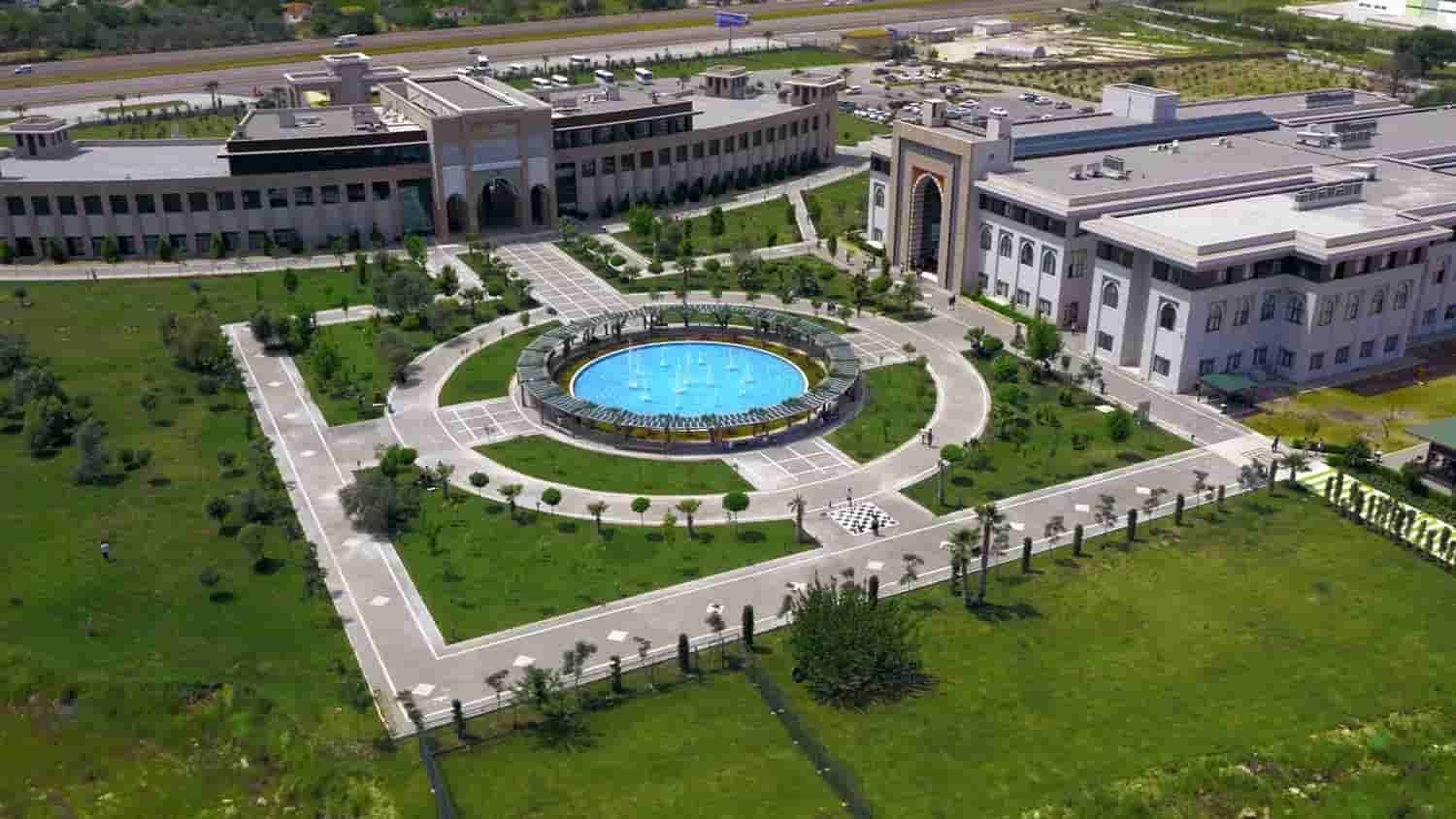 Dormitory
Antalya, Turkey
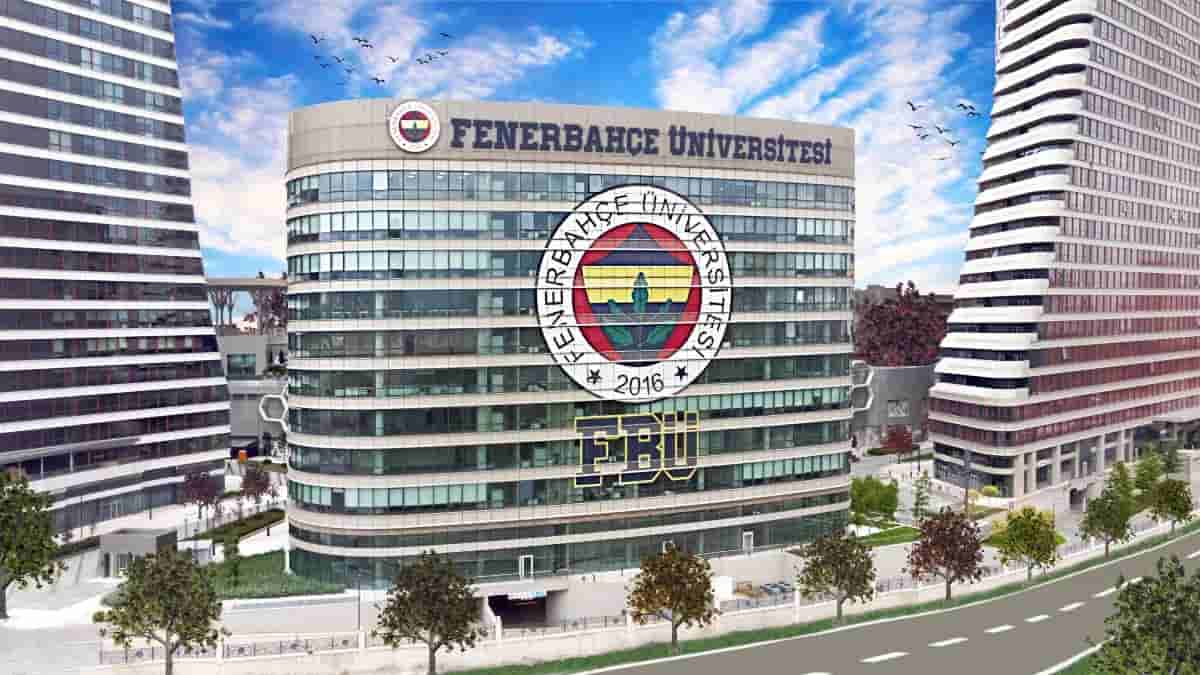 Dormitory
Istanbul, Turkey
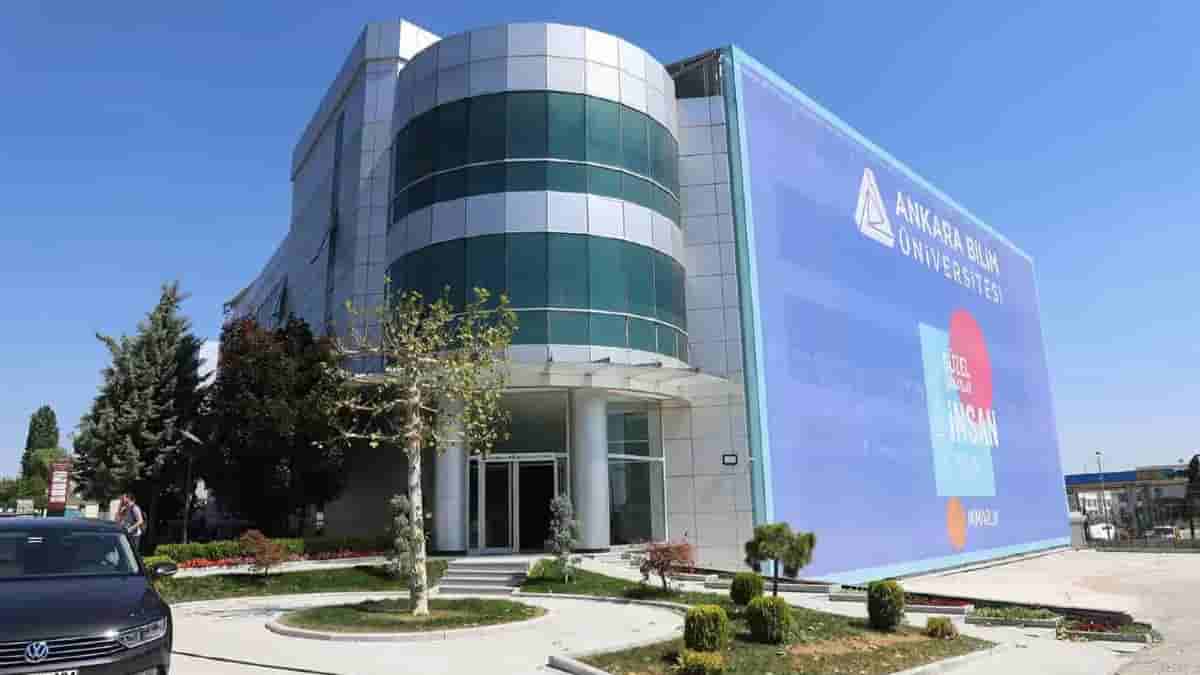 Dormitory
Ankara, Turkey
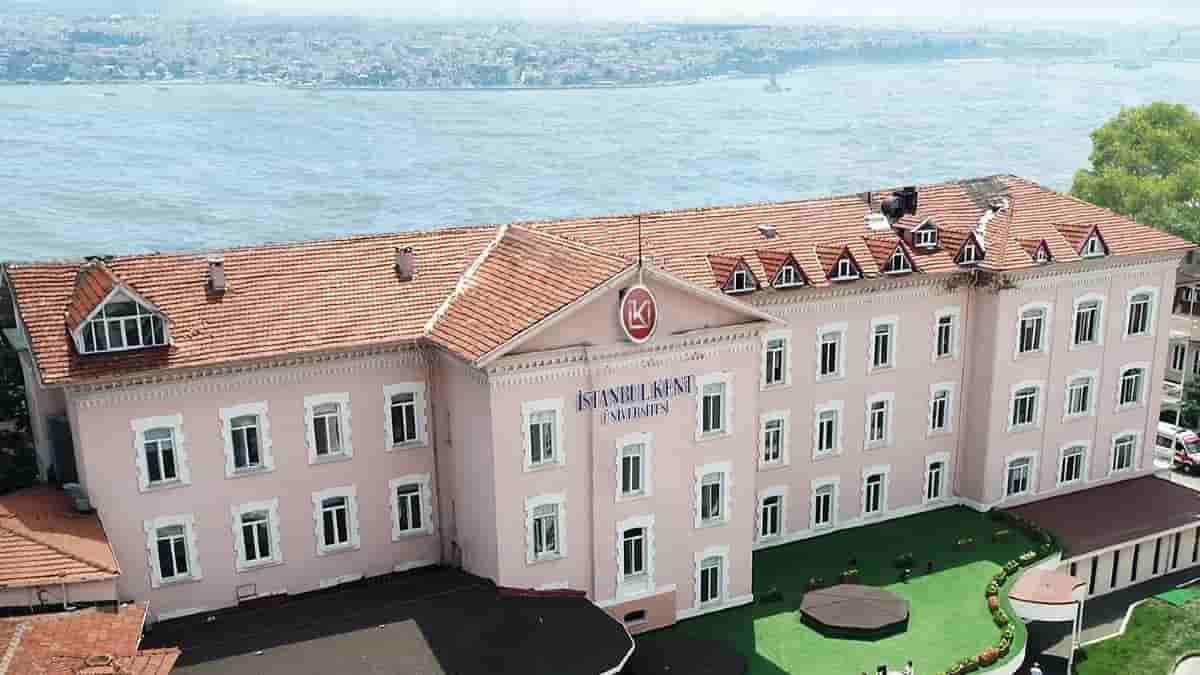 Dormitory
Istanbul, Turkey