
FAQs
Frequently Asked Questions and Answers
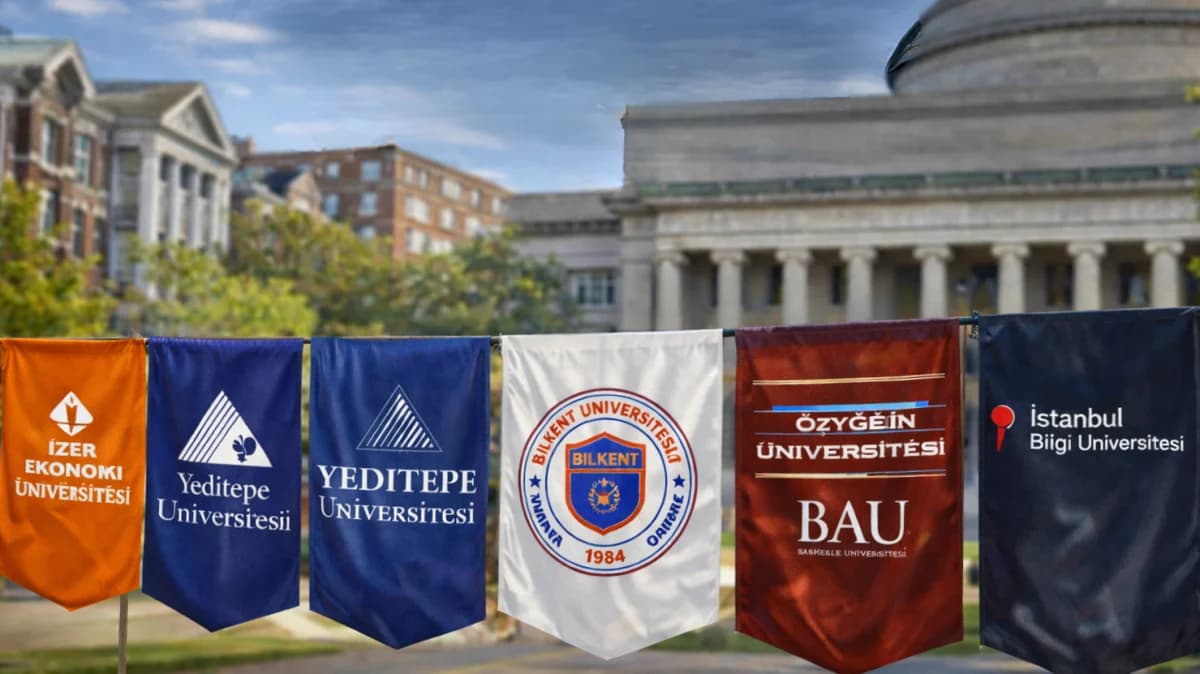
Turkey’s higher education system includes more than 200 institutions, combining long-established modern universities. The following Top 100 Universities in Turkey are recognized for academic quality, program diversity, research activity, international engagement, and graduate employability.

Universities provide practical programs aligned with real industry needs. Istanbul Aydin University offers Business Administration and International Trade, while Altinbas University and Ankara Science University focus on Software Engineering and Industrial Engineering. Health education appears at Istanbul Medipol University and Biruni University through structured clinical training. Tourism programs at Antalya Bilim University (Antalya Science University) and Kapadokya University support global hospitality careers. Students can choose institutions based on academic specialization rather than general reputation.
Ideal candidates are students seeking applied education and multicultural environments. Aviation at Turkish Aeronautical Association University, logistics at Beykoz University, and engineering at OSTIM Technical University demonstrate specialized pathways. It may not suit individuals expecting purely theoretical study or those unwilling to adapt academically and culturally. Realistic expectations about workload and expenses are essential.

Istanbul Nisantasi University focuses on media and digital marketing, while Istinye University and Lokman Hekim University emphasize healthcare programs. Istanbul Kultur University and Isik University offer architecture and communication studies. Engineering appears at MEF University and Atilim University, while social sciences are developed at Istanbul Sabahattin Zaim University and Ibn Haldun University. Maritime education at Piri Reis University and tourism programs at Yasar University show sector specific specialization.
Admissions are based on previous academic performance and document completeness. Universities review transcripts to evaluate academic readiness and program suitability.

Programs are offered in Turkish or English depending on institution and department. Universities such as Istanbul Bilgi University and Izmir University of Economics provide English medium programs, while many vocational institutions use Turkish instruction. Students should ensure academic readiness and communication skills to manage coursework effectively.
Tuition varies by major. Non medical programs at private universities often range between 3000 and 6000 US dollars per year. Monthly living cost in Turkey for a student with a 400 to 800 USD budget. This range supports a modest student lifestyle with shared housing and planned spending. It usually covers rent, food, transport, and basic personal needs. Careful budgeting helps you stay comfortable within this level.

Large campuses such as Istanbul Okan University provide active student clubs and international support services. Smaller institutions like Toros University offer closer faculty interaction. Initial challenges may include housing, administrative procedures, and language adaptation. Active participation in campus life improves integration.
Choosing based only on cost Consider program quality and long term career outcomes.
Ignoring language and academic preparation Assess readiness before enrollment.
Relying on unofficial sources Use verified information platforms.
Students should not apply to universities individually and should use only the StudyLeo platform. StudyLeo has direct partnerships with universities and offers free registration, free transfer, and free visa support.
Studying abroad requires realistic evaluation of academic goals, financial readiness, and professional expectations. Careful planning reduces risks caused by misinformation and rushed decisions. Students who analyze program structure, prepare documents early, and use structured application systems make stronger academic choices.

Studying abroad requires long term planning, realistic budgeting, and careful comparison of academic programs rather than rushed decisions influenced by incomplete information. Tuition and living expenses should be evaluated together with program quality, career relevance, and institutional strengths. Students who prepare documents early, understand academic expectations, and follow structured application processes are more likely to achieve stable academic progress.
Frequently Asked Questions and Answers
Look out blogs and aware of the latest trends and updates
Explore top universities offering quality education, modern facilities, and diverse academic opportunities for students worldwide





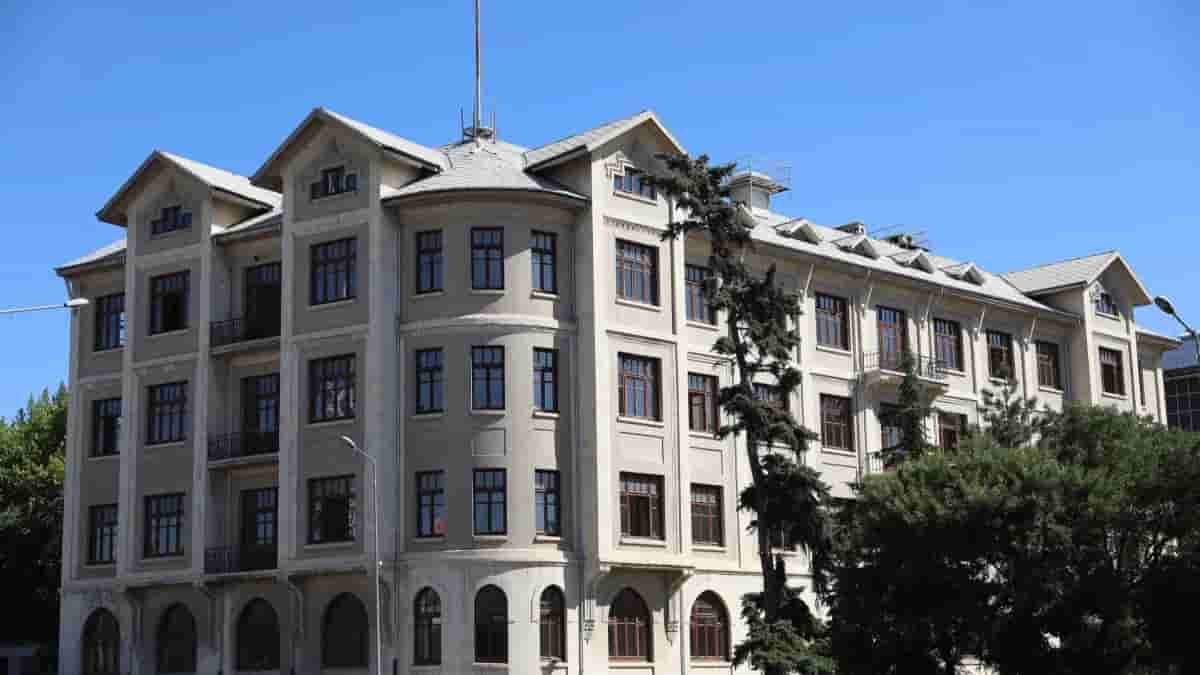 Dormitory
Ankara, Turkey
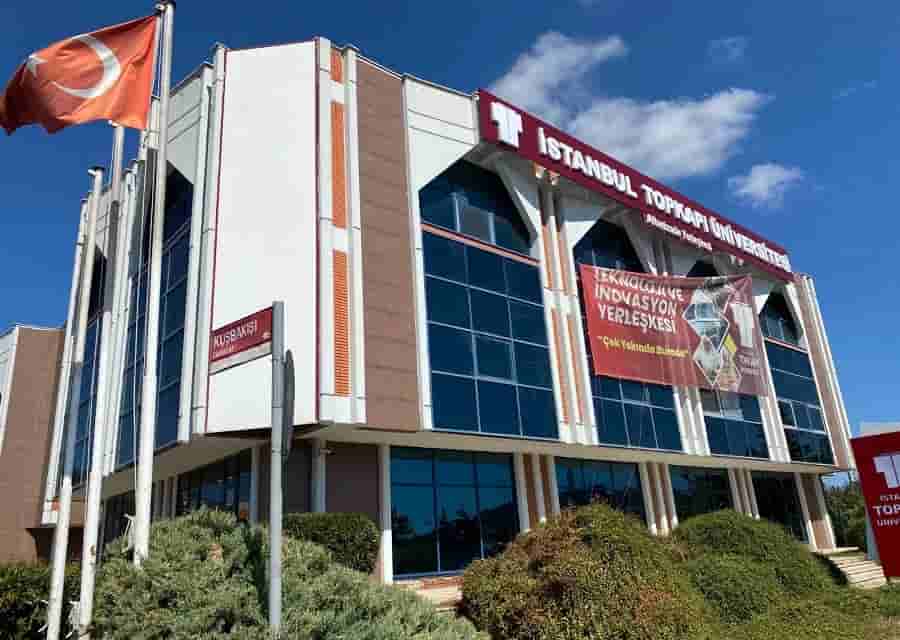 Dormitory
Istanbul, Turkey
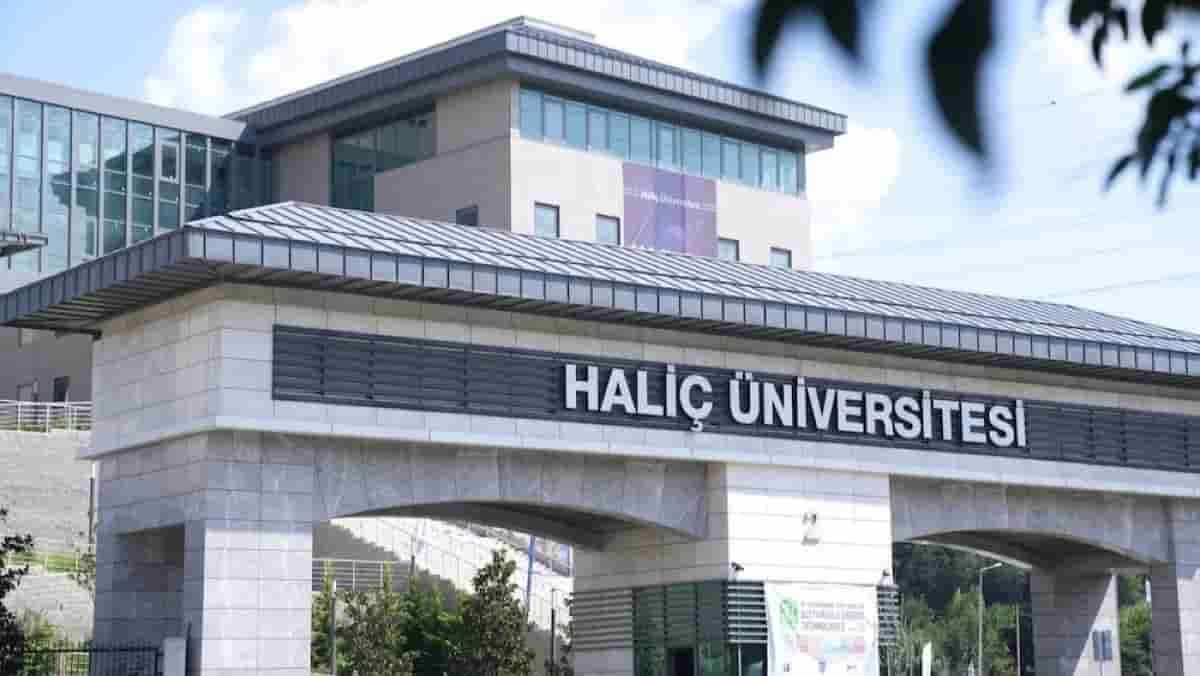 Dormitory
Istanbul, Turkey
 Dormitory
Istanbul, Turkey
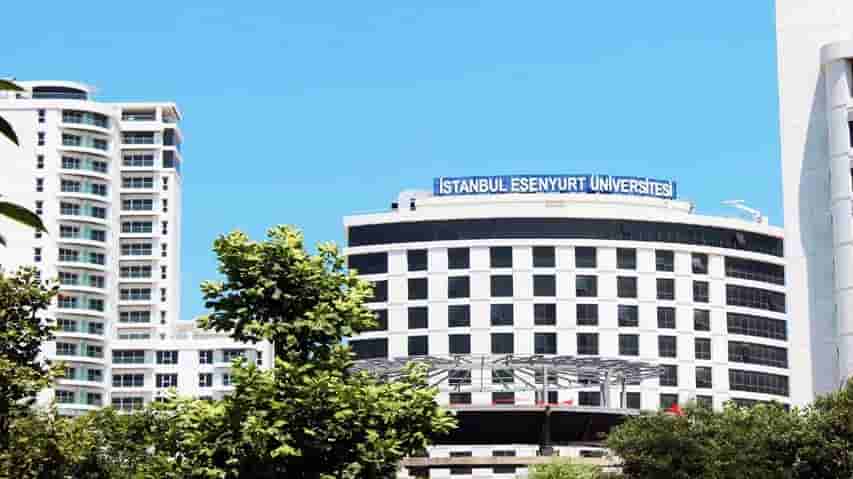 Dormitory
Istanbul, Turkey
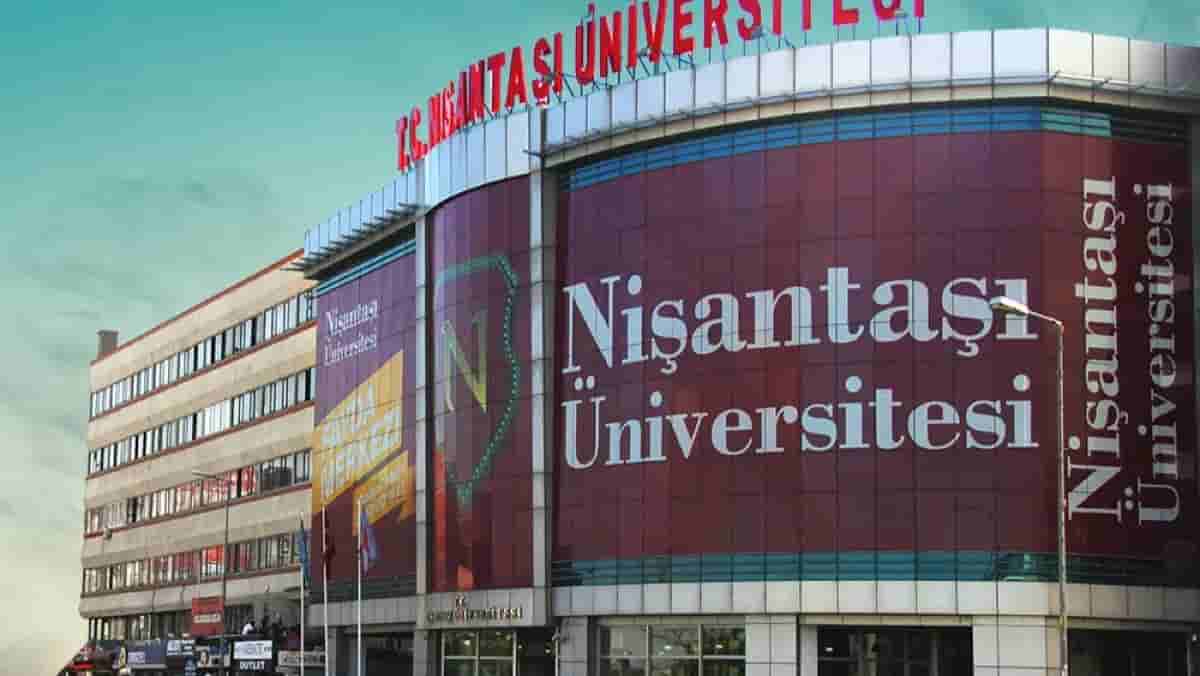 Dormitory
Istanbul, Turkey
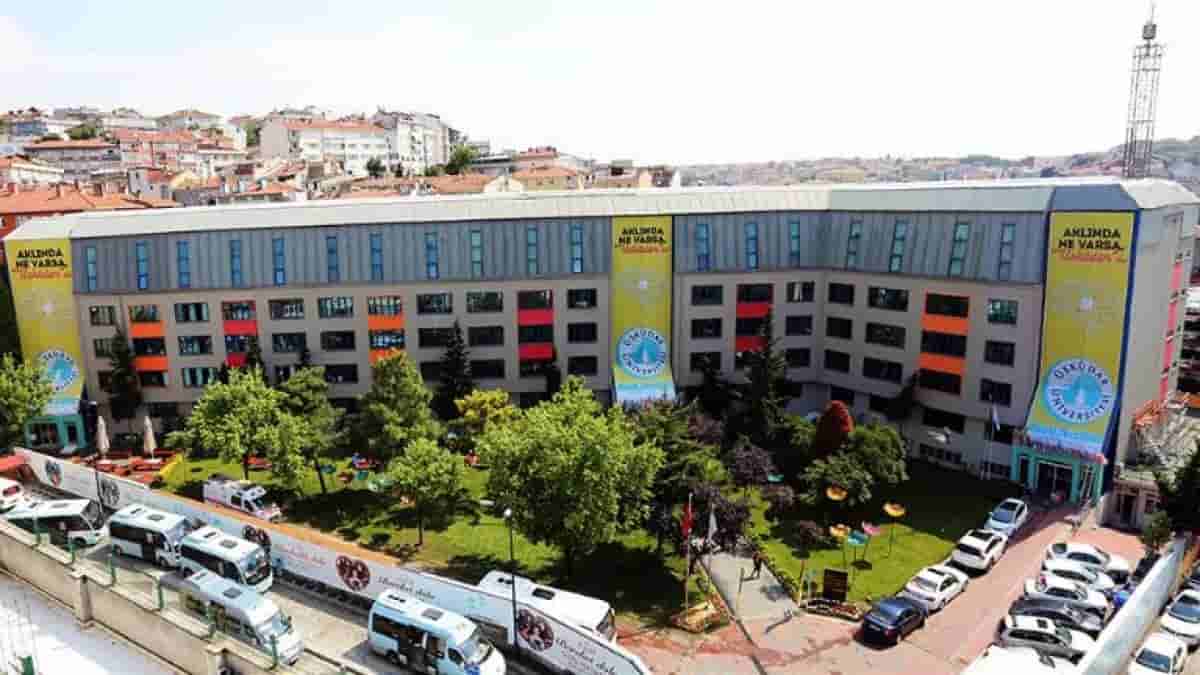 Dormitory
Istanbul, Turkey
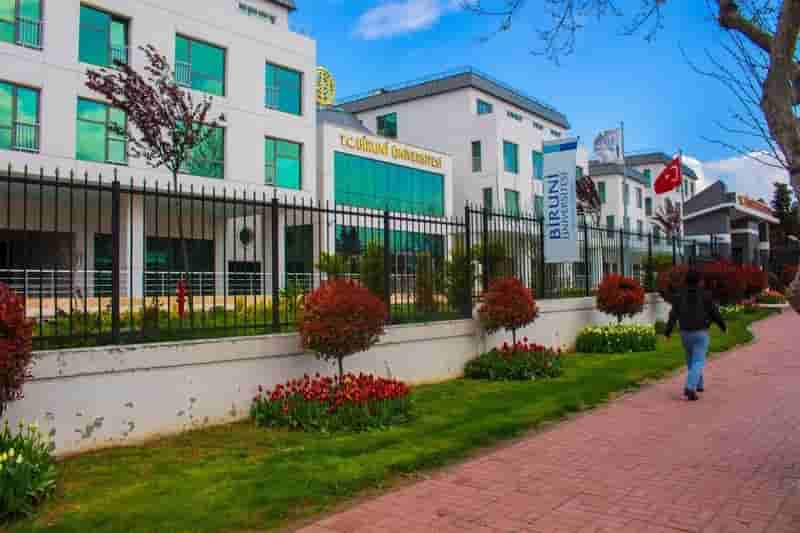 Dormitory
Istanbul, Turkey
 Dormitory
Istanbul, Turkey
 Dormitory
Istanbul, Turkey
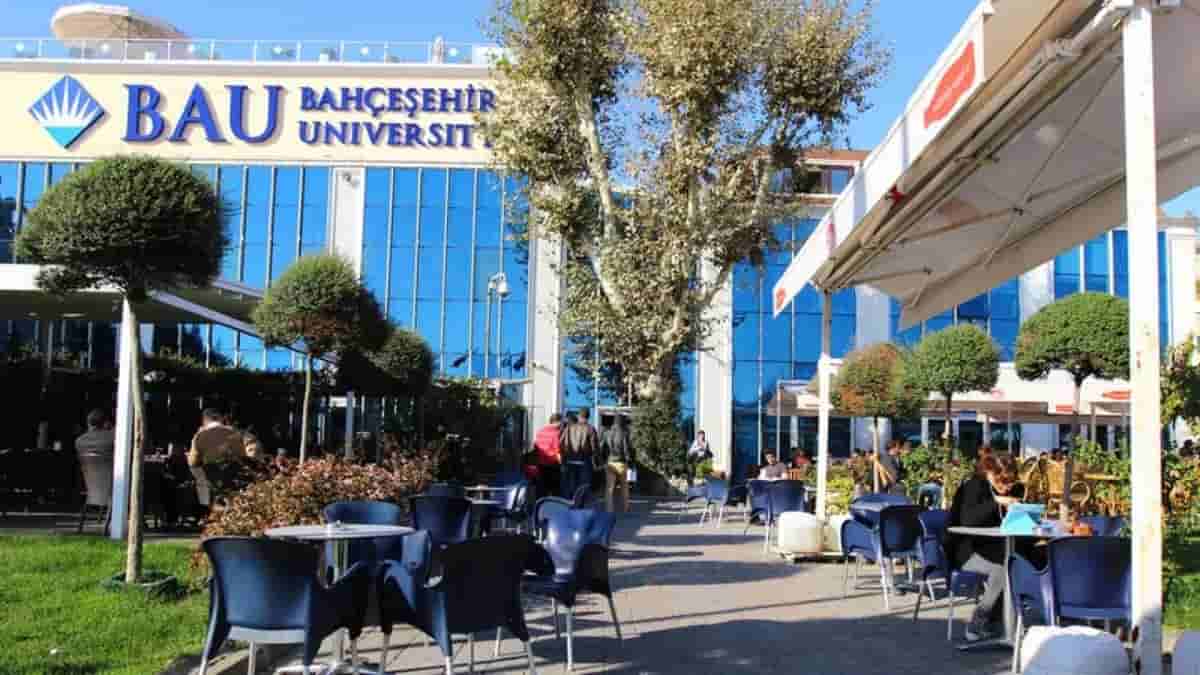 Dormitory
Istanbul, Turkey
 Dormitory
Istanbul, Turkey
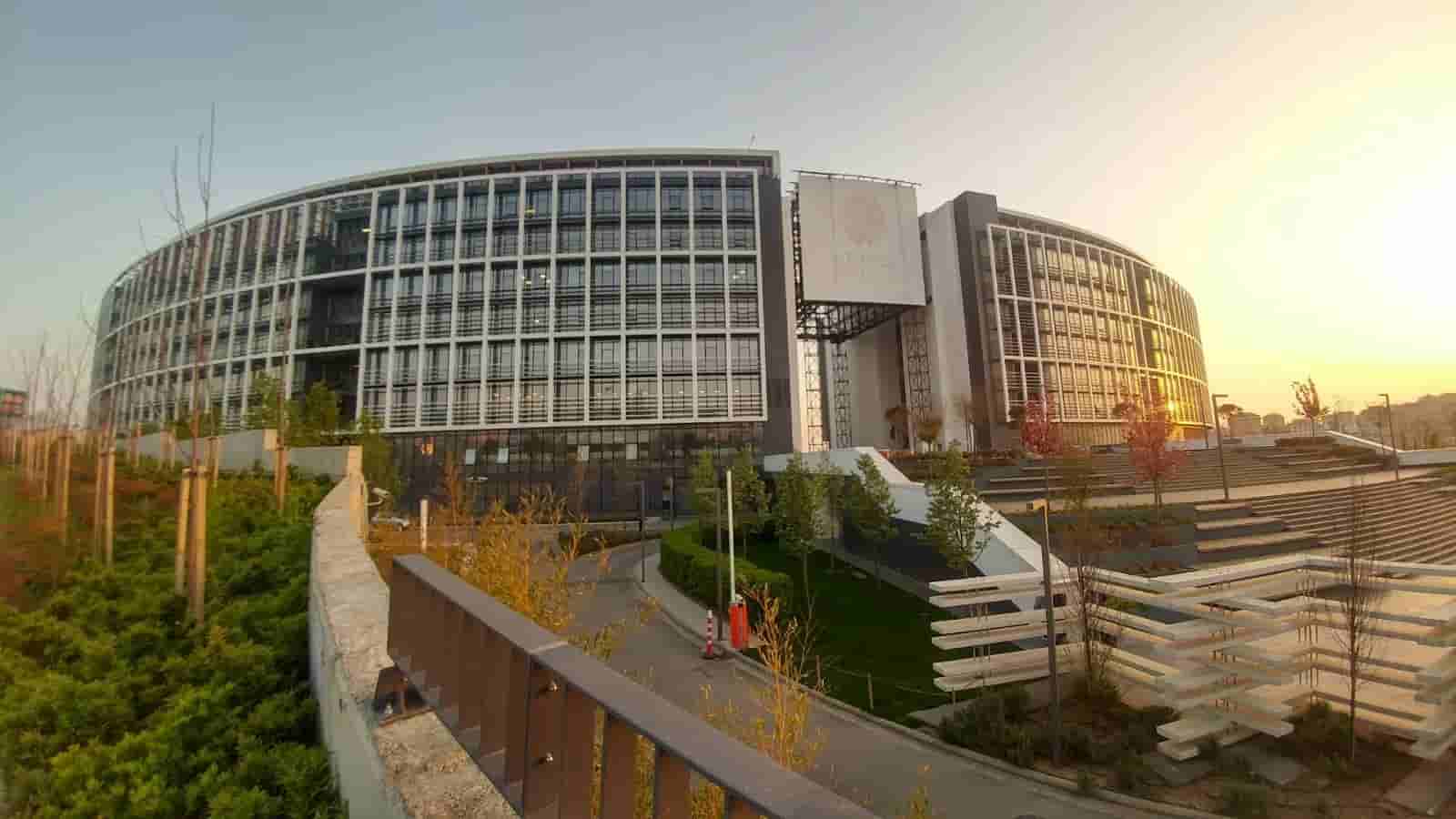 Dormitory
Istanbul, Turkey
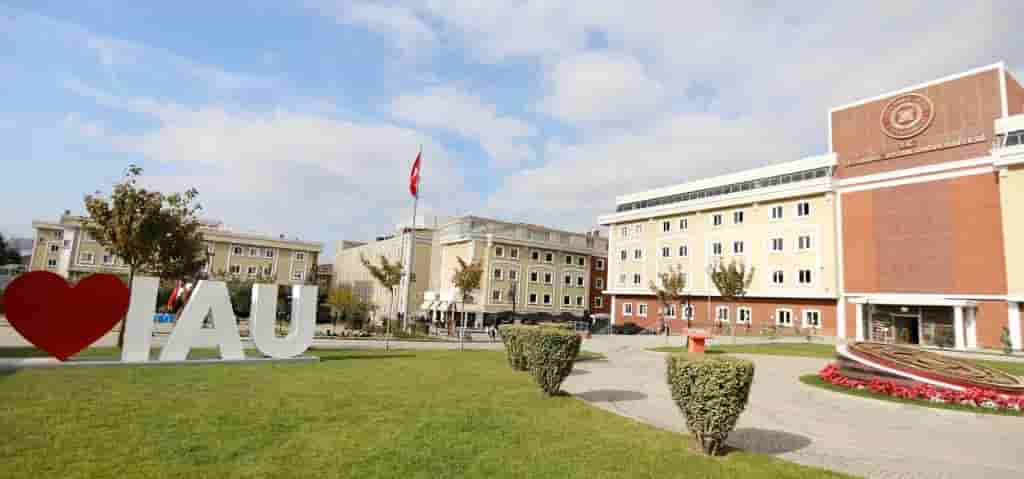 Dormitory
Istanbul, Turkey
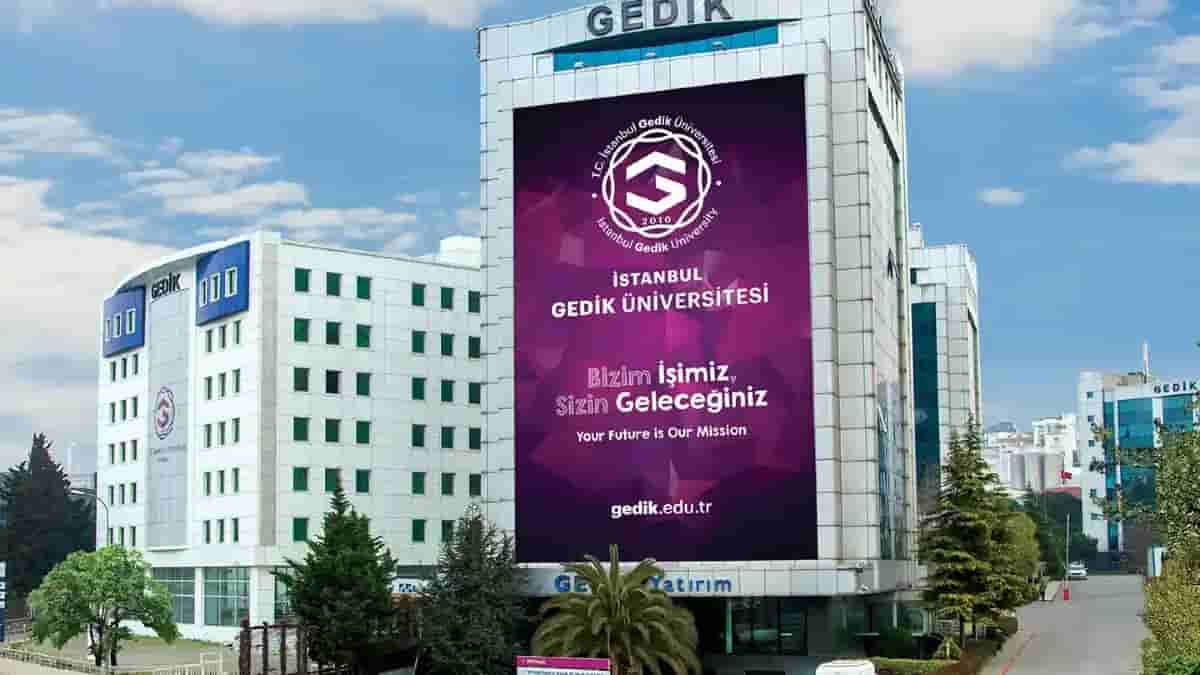 Dormitory
Istanbul, Turkey
 Dormitory
Istanbul, Turkey
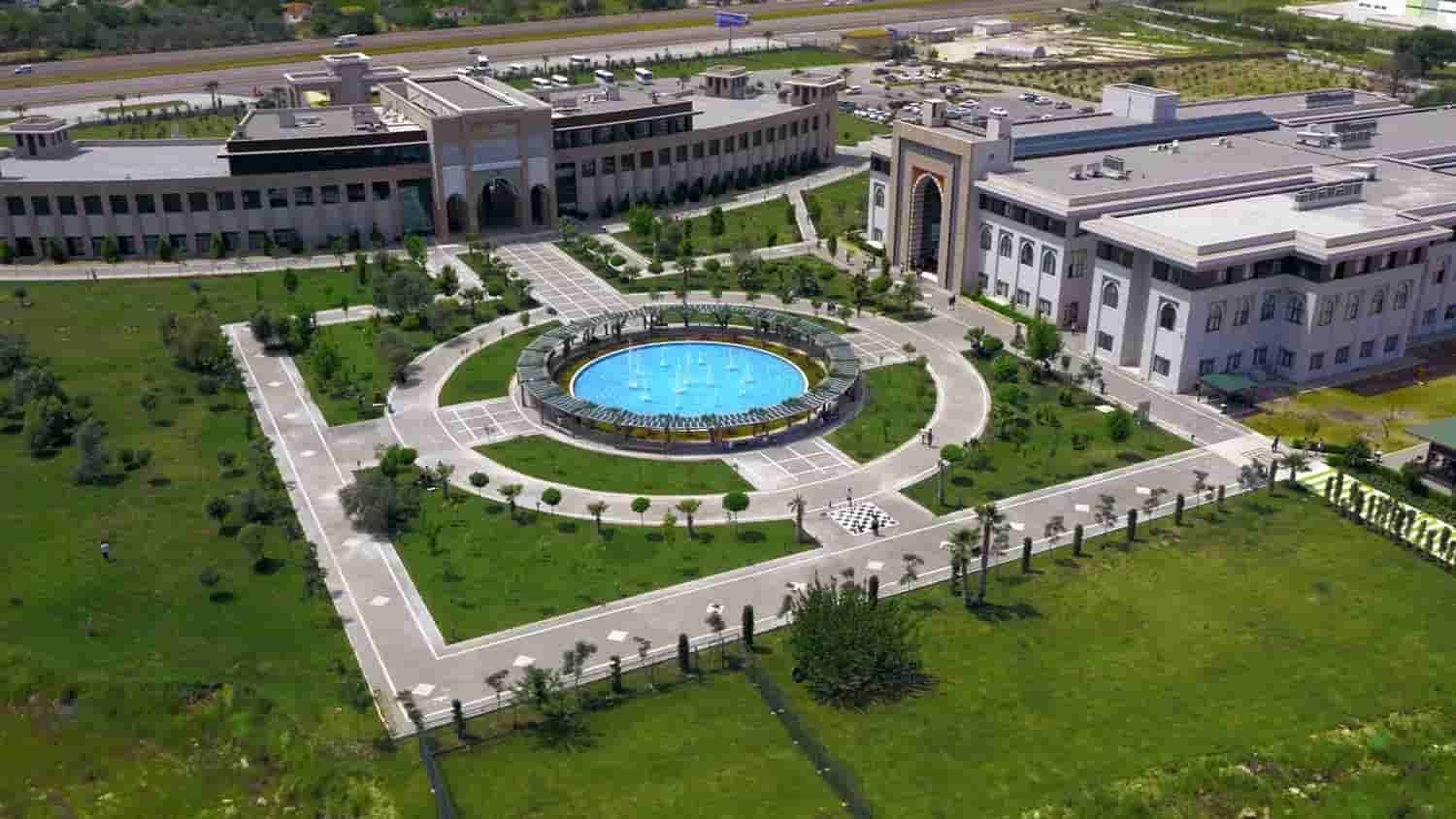 Dormitory
Antalya, Turkey
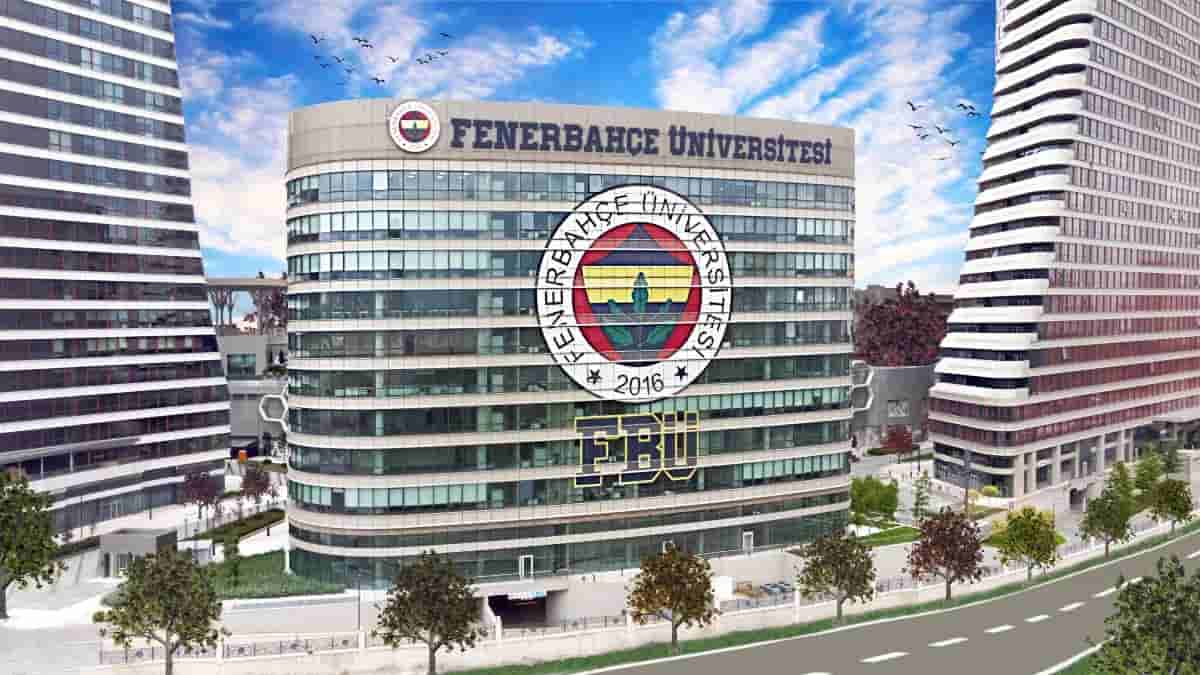 Dormitory
Istanbul, Turkey
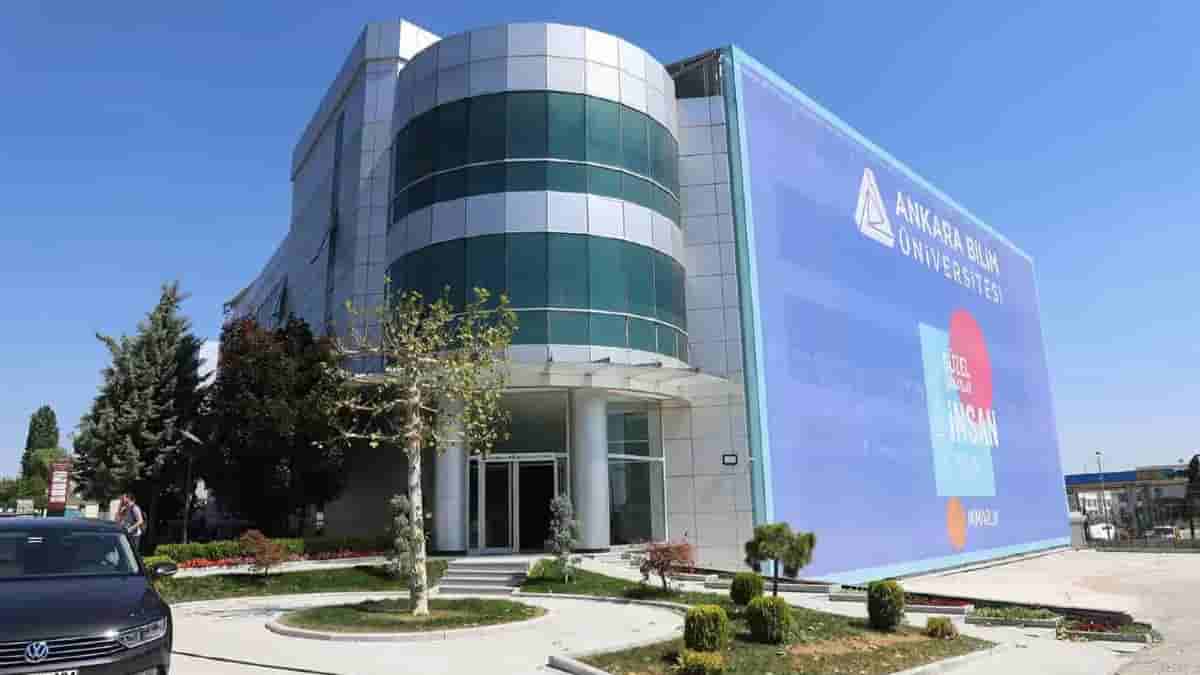 Dormitory
Ankara, Turkey
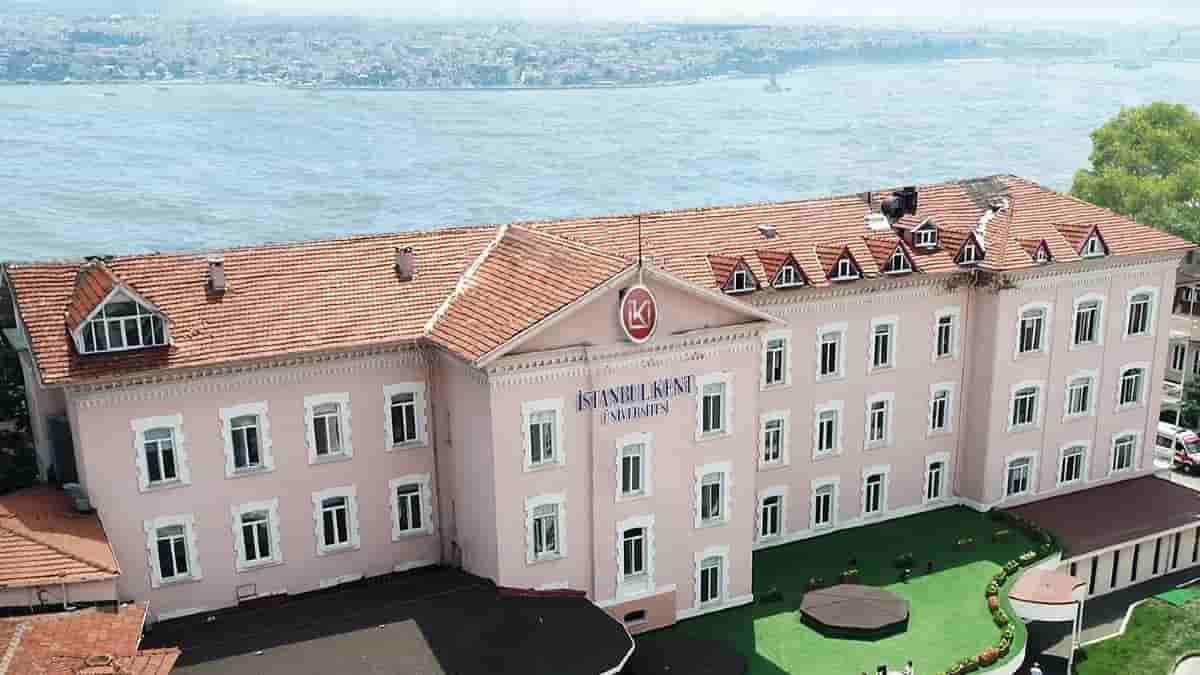 Dormitory
Istanbul, Turkey