FAQs
Frequently Asked Questions and Answers

Pursuing medical studies in Turkey with a vocational diploma represents a strategic education choice rather than a simple opportunity to travel abroad. Many families face frustration due to scattered information, confusing requirements, and unreliable sources that cloud the decision-making process for health science careers. Students need structured guidance to navigate these complexities instead of relying on fragmented advice found online.
Vocational medical degrees provide a faster entry into the global healthcare workforce through practical credentials.
Clear cost structures help families plan financially without hidden surprises during the study term.
Admission relies on comprehensive document submission rather than exam results.
Structured support ensures smoother adaptation to academic and cultural environments.
Entering medical fields via vocational diplomas allows students to gain practical skills quickly while maintaining options for further academic advancement. This pathway combines hands-on training with theoretical knowledge to create a robust foundation for healthcare professions.
Such programs are designed for ambitious learners who seek competitive advantages in the global job market without lengthy initial commitments. The curriculum often integrates diverse teaching methodologies to prepare graduates for complex professional environments immediately.
This option suits students who possess strong adaptability skills and a clear vision for their international career trajectories in health sciences. It is less suitable for those seeking a relaxed experience without rigorous academic commitment or language preparation.
Candidates must be ready to manage dual administrative requirements while maintaining high academic performance across clinical and theoretical modules. Those unwilling to invest time in understanding cross-border educational policies may find the process overwhelming.
Numerous reputable universities such as Acibadem Mehmet Ali Aydinlar University and Istanbul Medipol University offer specialized health science tracks. These institutions partner with global hospitals to deliver curricula that meet international accreditation standards.
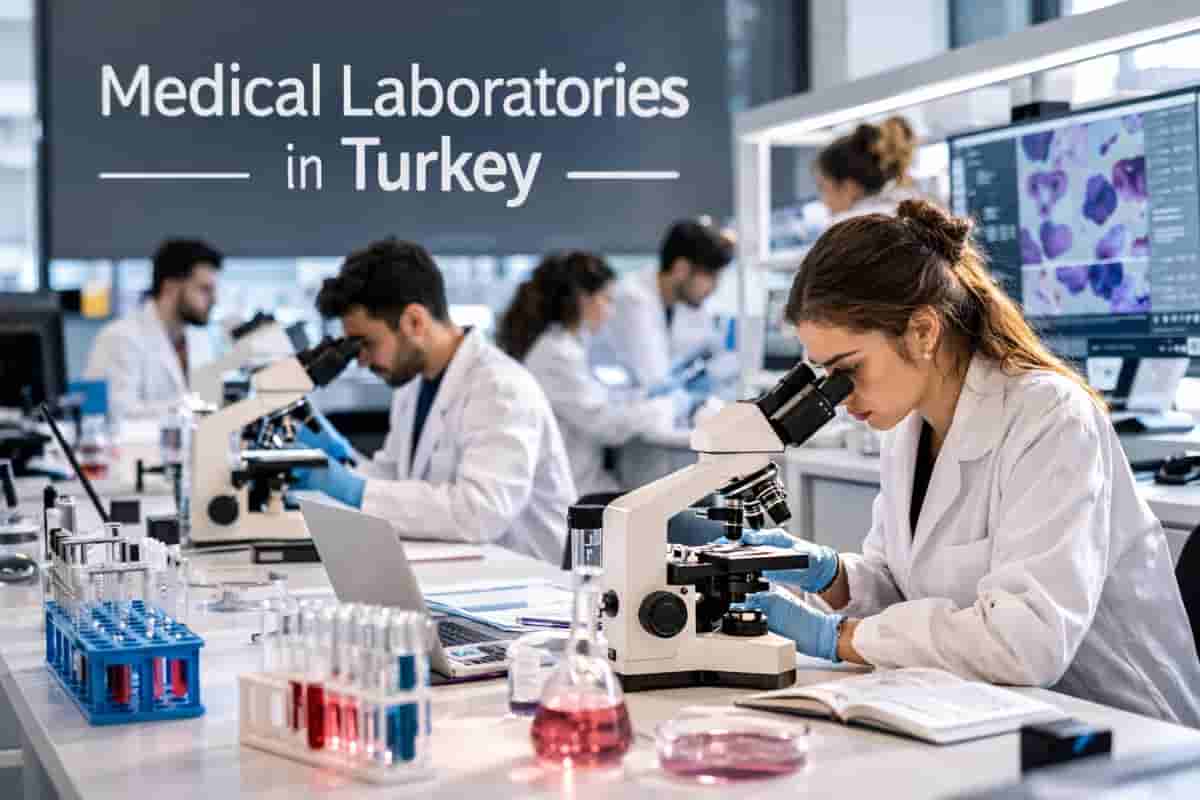
Programs range from nursing and physiotherapy to medical laboratory sciences, providing diverse options for various academic interests. Prospective students should research specific partnerships to ensure the degree aligns with their long-term goals.
Admission typically requires a solid academic record, verified by official transcripts and graduation certificates from previous schooling. Universities evaluate candidates based on holistic reviews rather than single standardized test scores alone.
Eligibility varies by program, but most require proof of financial stability and a valid passport for international mobility. Applicants must submit all documentation accurately to avoid delays in the evaluation process.

Most programs demand proof of English proficiency through recognized tests unless the prior education was conducted entirely in English. Some tracks may also require basic Turkish language skills for daily life integration and patient interaction.
Students lacking required language scores often enroll in preparatory years offered directly by the hosting universities. Adequate preparation ensures smoother academic transitions and better classroom participation from day one.
Tuition fees for health science programs generally range between 8000 and 25000 USD annually depending on the institution and major. Living expenses in major cities like Istanbul or Ankara can add another 600 to 1000 USD per month.
Families should budget for health insurance, books, and personal costs which are not always included in tuition quotes. Transparent financial planning prevents unexpected burdens during the study period.
Life in Turkey offers a vibrant mix of historical richness and modern urban amenities that support diverse student needs. Accommodation options include university dormitories or private rentals, each with distinct cost and comfort levels.
Adaptation challenges often involve cultural adjustments and navigating new bureaucratic systems for residence permits. Building a support network early helps mitigate isolation and accelerates the settling-in process.

Graduates of vocational medical programs often secure positions in multinational hospitals due to their practical competencies. Work rights post-graduation allow international students to seek employment within Turkey under specific visa regulations.
The specialized qualification signals versatility to employers, opening doors to roles that require global perspectives. Alumni networks from these institutions further enhance job placement prospects worldwide.
Many students choose programs based solely on low costs, ignoring the quality of education and long-term career impact. This approach often leads to dissatisfaction when the degree fails to meet employer expectations or accreditation standards.
Others ignore language readiness or rely on unofficial sources, resulting in application rejections or visa issues. Missing critical deadlines and underestimating living expenses are also frequent errors that derail well-intentioned plans.
Navigating university applications becomes effortless when using the StudyLeo platform, which offers direct partnerships with top Turkish institutions. Students benefit from free transfer services, free registration, and complimentary visa support without any service fees.
Unlike standard portal systems, StudyLeo provides personalized guidance to ensure every document meets specific university requirements. This dedicated approach minimizes errors and accelerates the admission timeline for prospective medical candidates.

Successful enrollment begins with researching compatible programs and verifying eligibility criteria at least six months before intake. Students should gather necessary documents such as diplomas, transcripts, passports, and photo copies systematically.
The timeline includes submitting applications, securing acceptance letters, and arranging accommodation before traveling. Key decision points involve selecting the right major and confirming financial arrangements to ensure a smooth transition.
Studying abroad remains a long-term education decision that shapes personal growth and professional success for decades. Informed planning outweighs quick decisions, ensuring that the chosen path aligns with individual aspirations and capabilities. Studying medicine in Turkey with a vocational diploma stands as a strategic option when matched with the right student profile and proper preparation. Trust in a structured process to guide you toward a fulfilling academic journey with lasting benefits.
Frequently Asked Questions and Answers
Look out blogs and aware of the latest trends and updates
Explore top universities offering quality education, modern facilities, and diverse academic opportunities for students worldwide



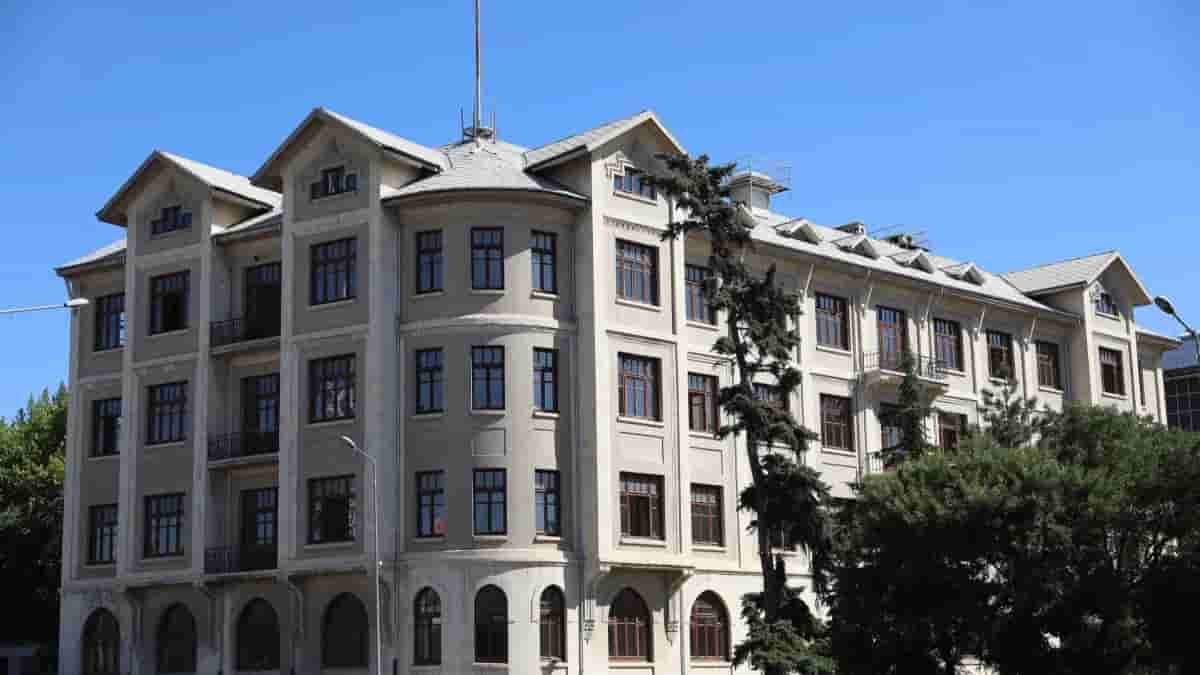 Dormitory
Ankara, Turkey
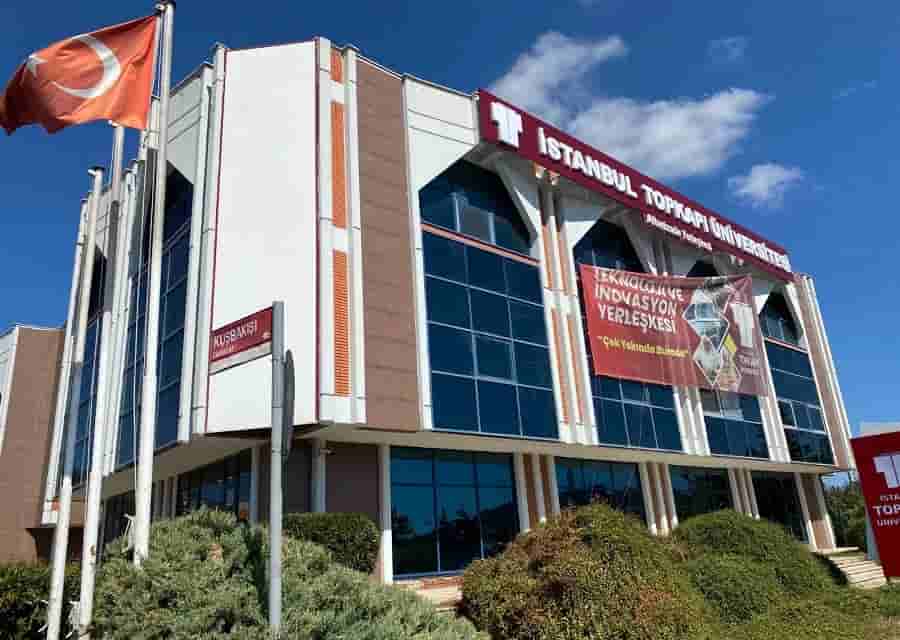 Dormitory
Istanbul, Turkey
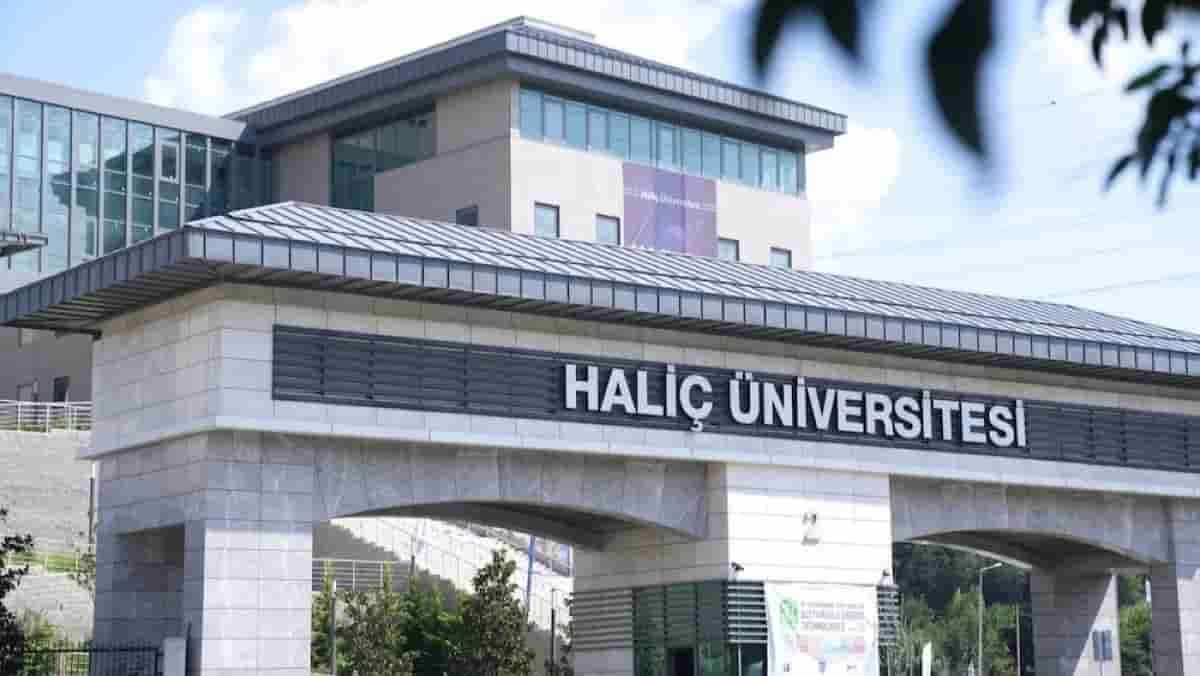 Dormitory
Istanbul, Turkey
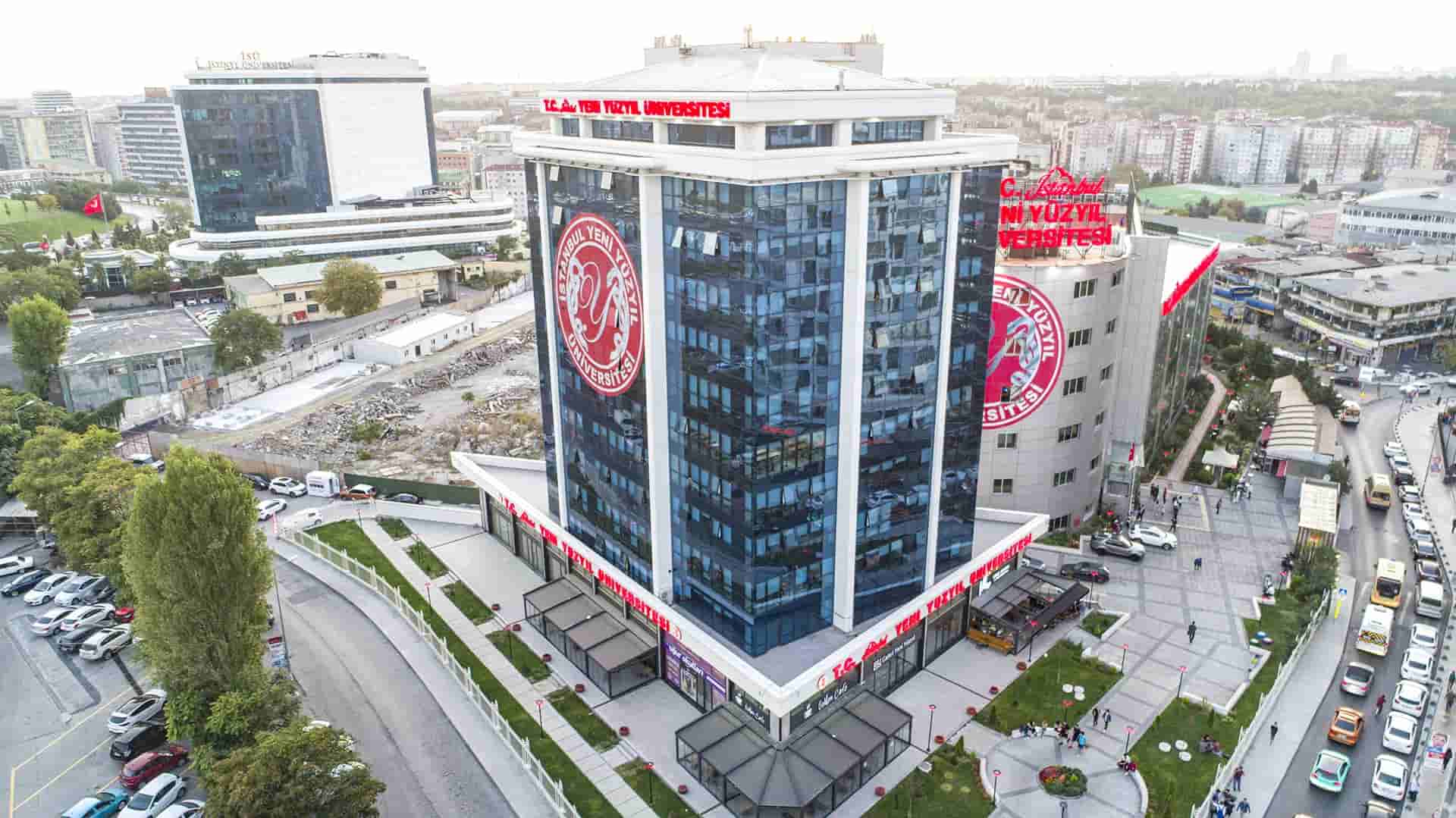 Dormitory
Istanbul, Turkey
 Dormitory
Istanbul, Turkey
 Dormitory
Istanbul, Turkey
 Dormitory
Istanbul, Turkey
 Dormitory
Istanbul, Turkey
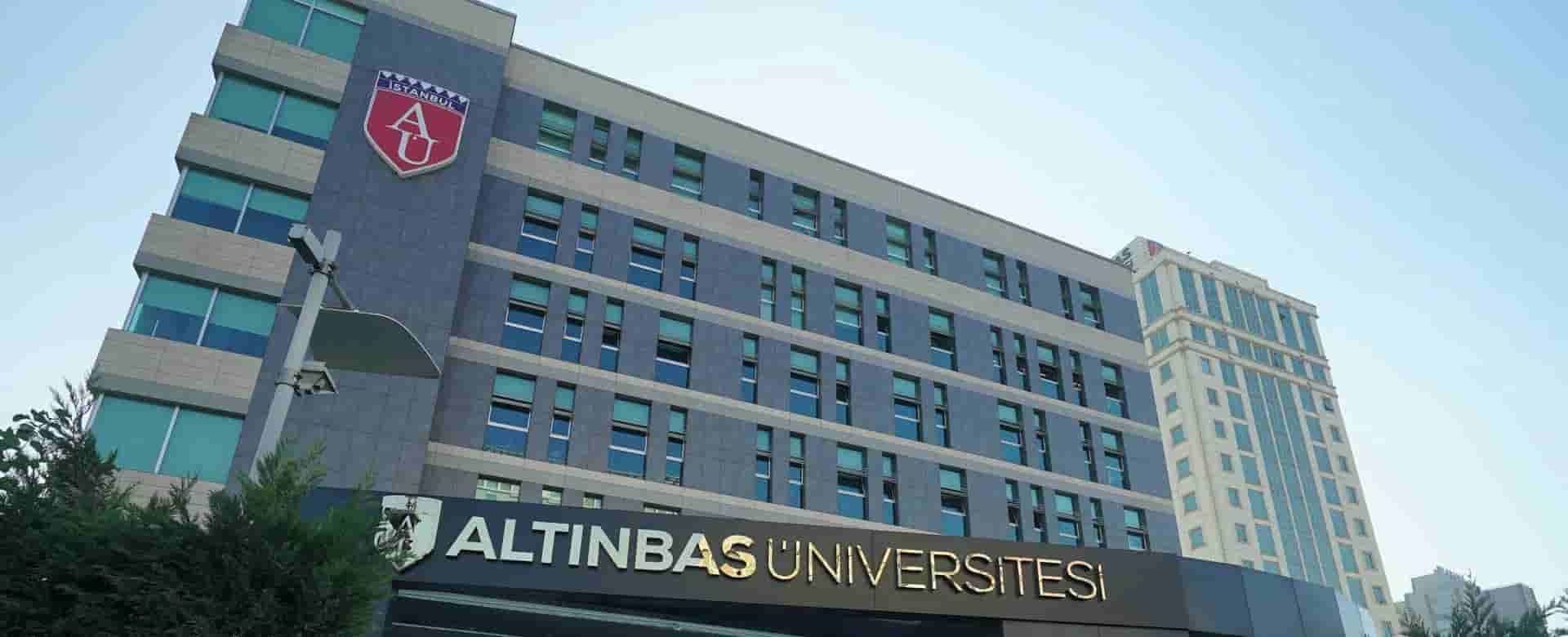 Dormitory
Istanbul, Turkey
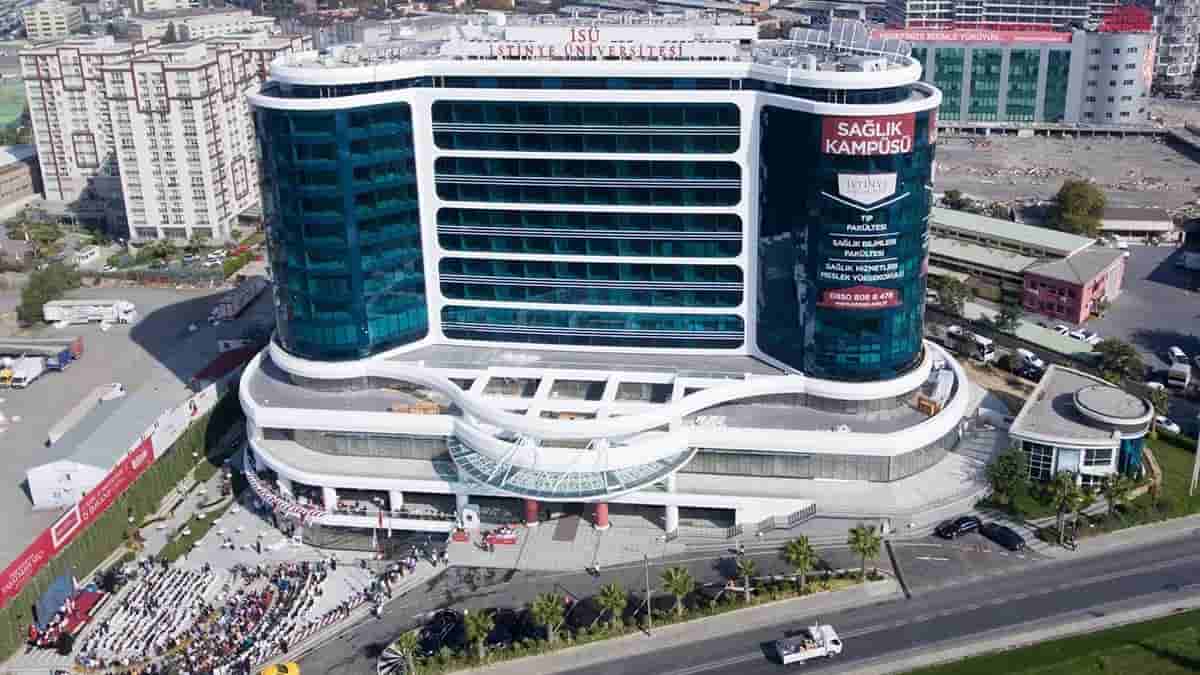 Dormitory
Istanbul, Turkey
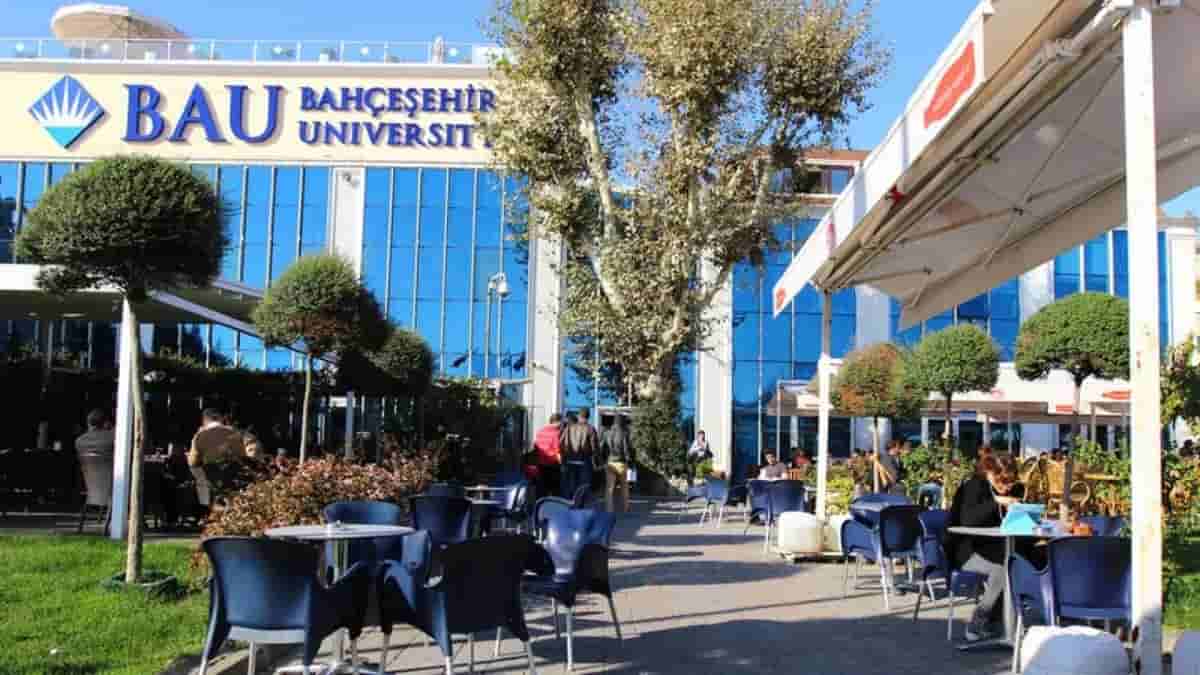 Dormitory
Istanbul, Turkey
 Dormitory
Istanbul, Turkey
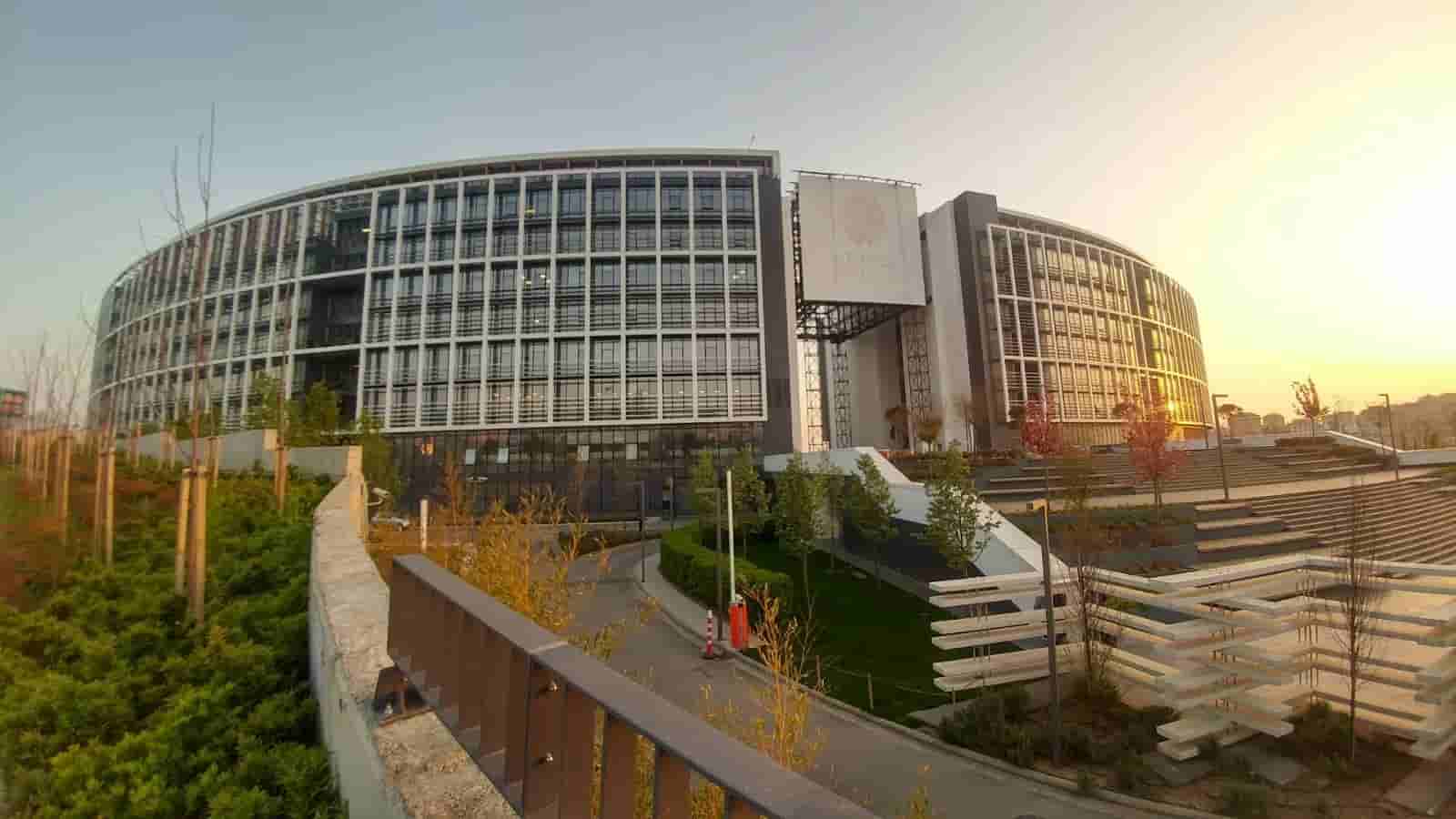 Dormitory
Istanbul, Turkey
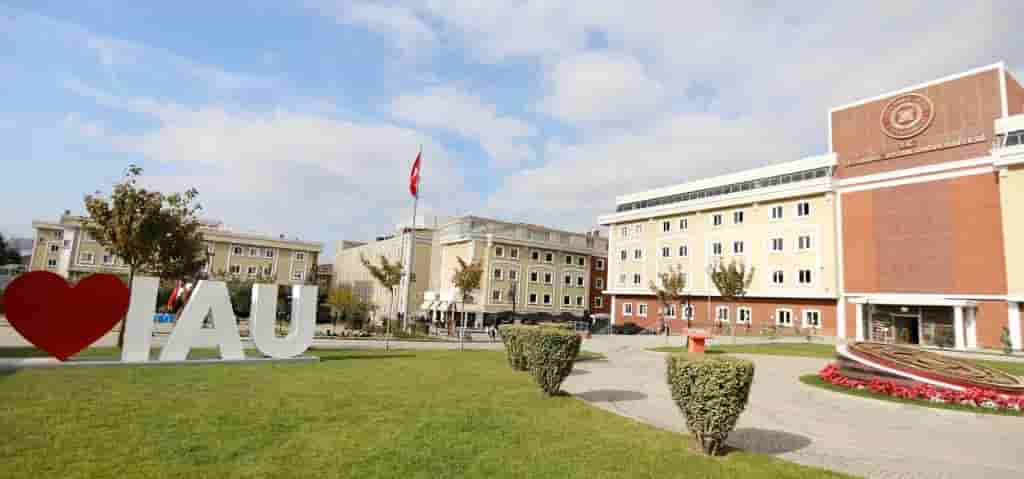 Dormitory
Istanbul, Turkey
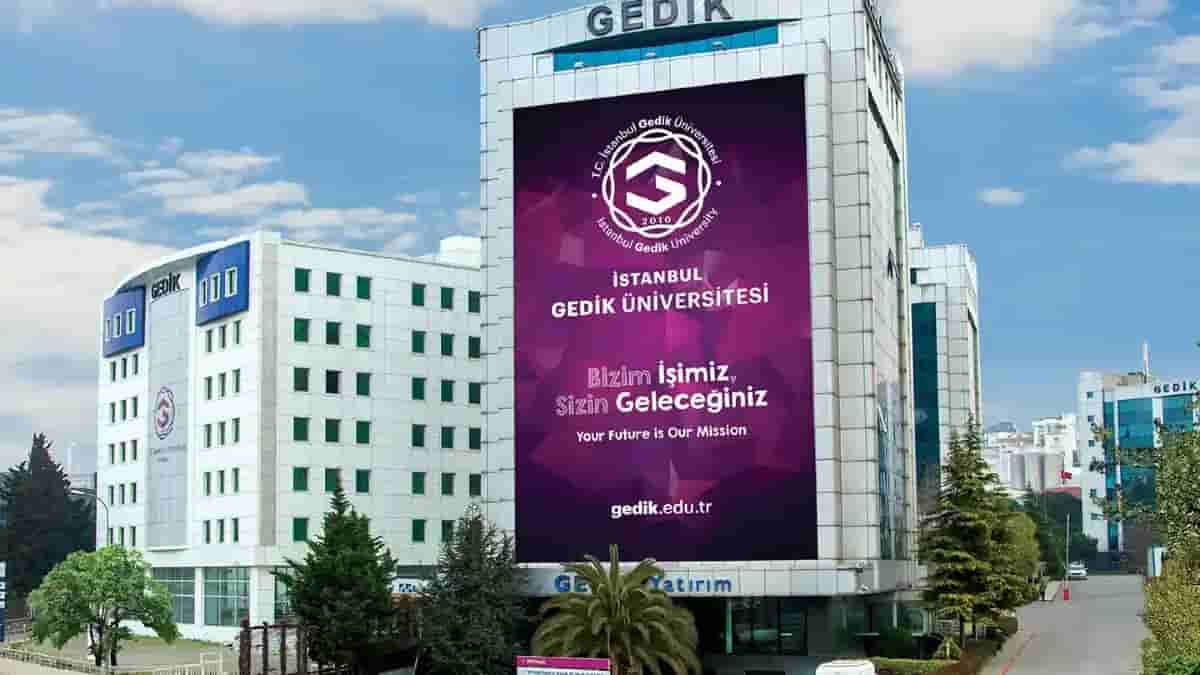 Dormitory
Istanbul, Turkey
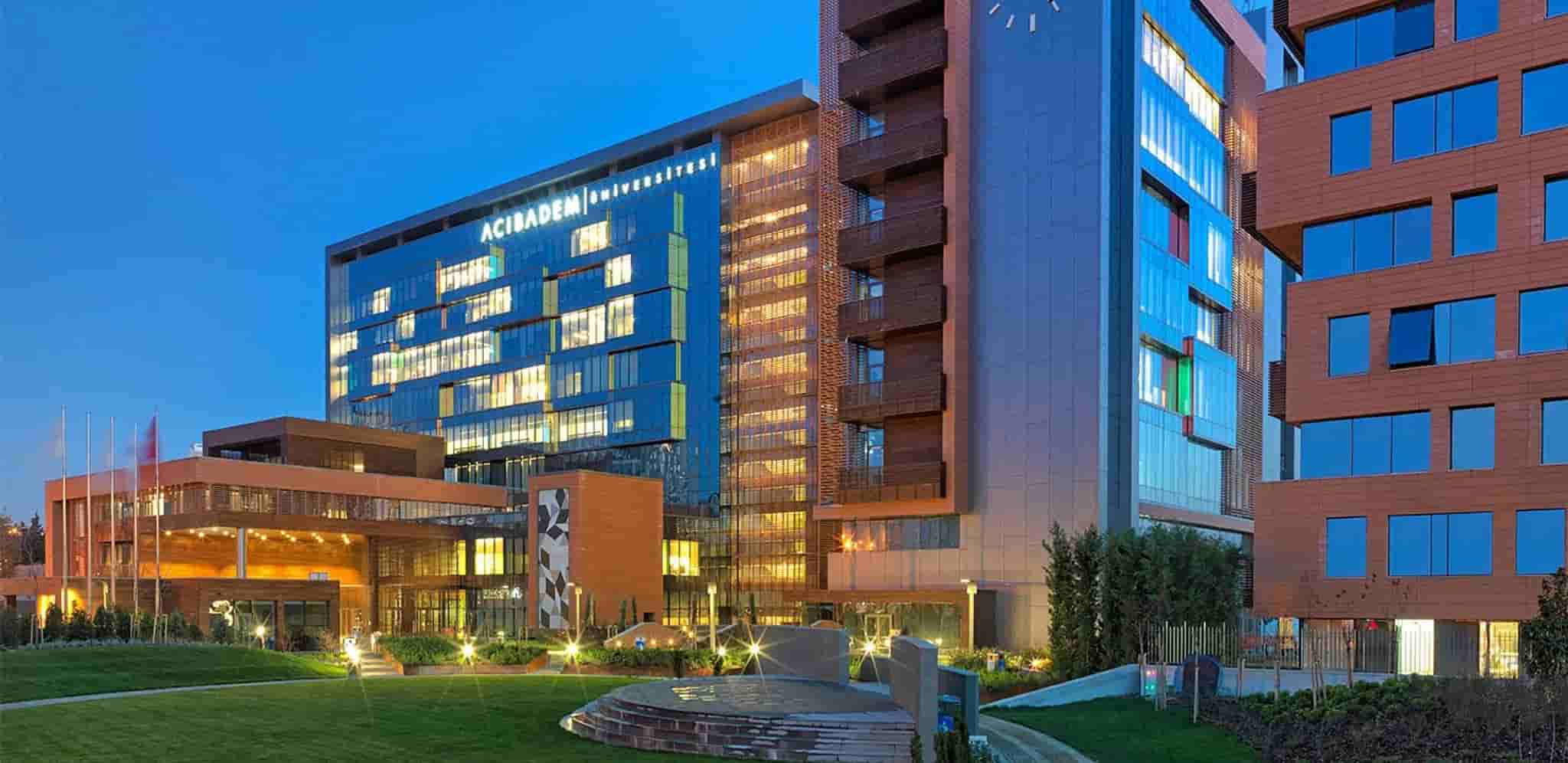 Dormitory
Istanbul, Turkey
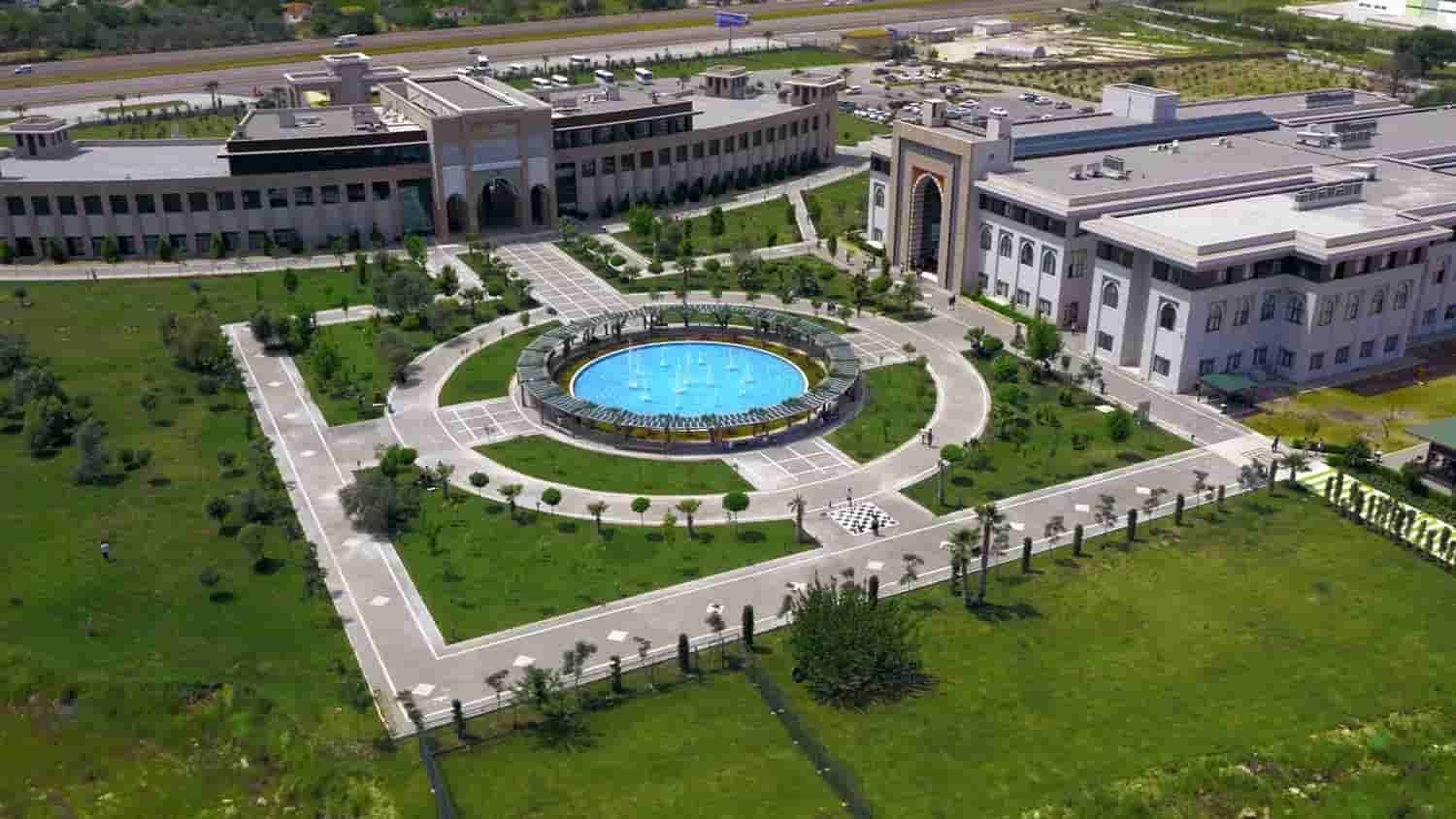 Dormitory
Antalya, Turkey
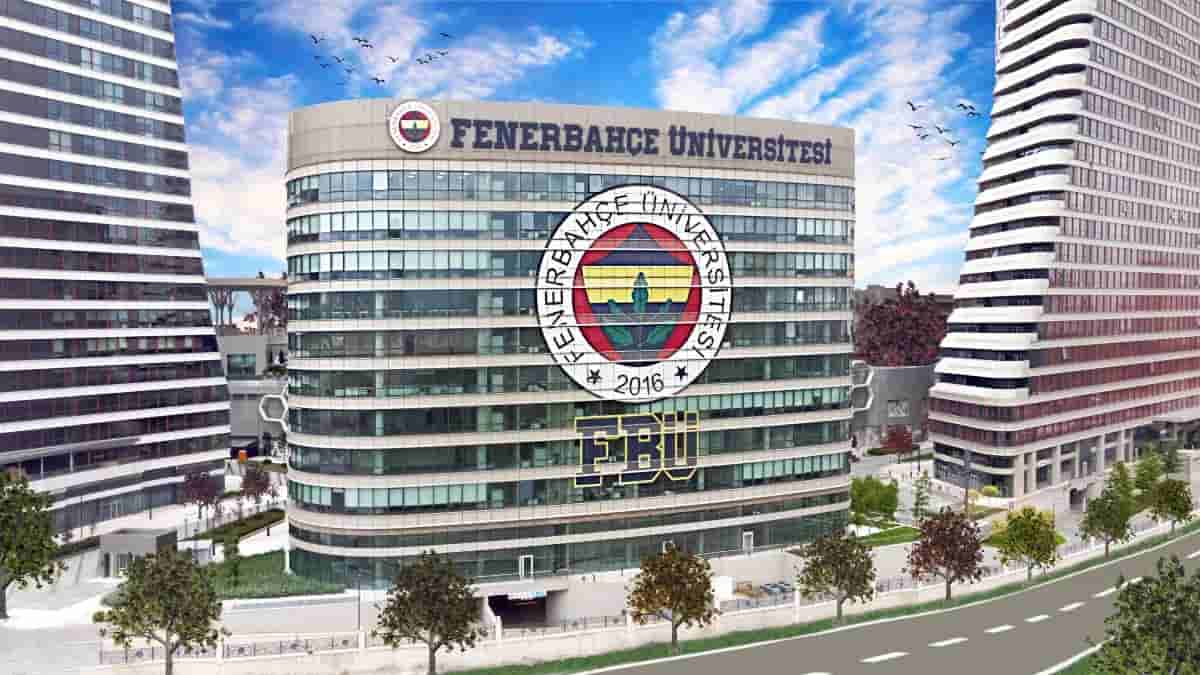 Dormitory
Istanbul, Turkey
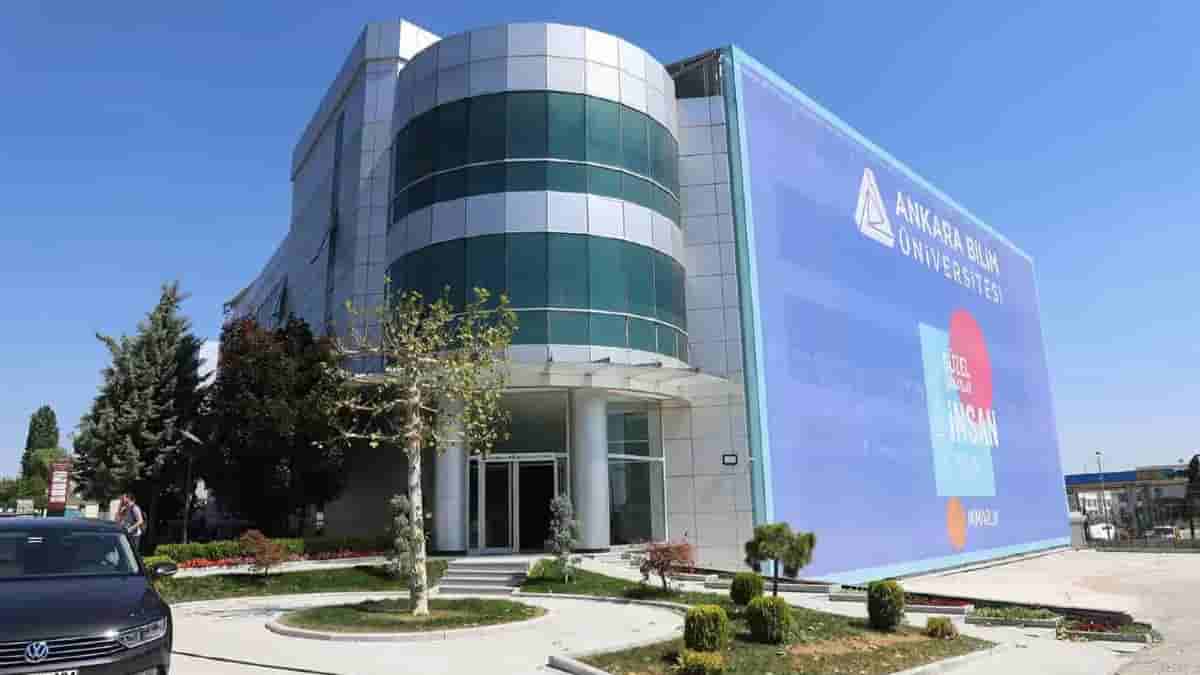 Dormitory
Ankara, Turkey
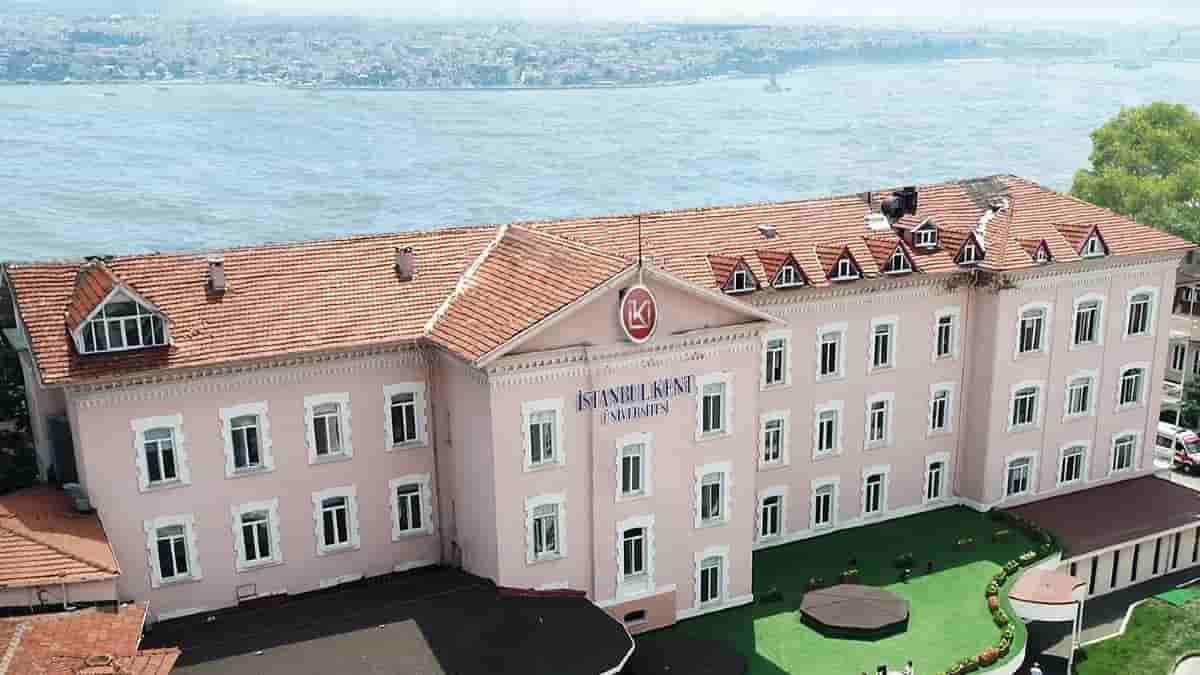 Dormitory
Istanbul, Turkey