FAQs
Frequently Asked Questions and Answers

Turkey has emerged as a compelling destination for medical education, attracting students globally with its unique blend of high-quality instruction and cultural richness. Private universities play a pivotal role in this landscape, offering innovative programs that bridge traditional knowledge with modern advancements. These institutions prioritize international standards while preserving the nation’s esteemed medical heritage. Students find themselves immersed in dynamic learning environments that foster both professional excellence and personal growth. The country’s strategic location between Europe and Asia further enhances its appeal as a crossroads of diverse perspectives and opportunities. Many institutions have invested significantly in infrastructure, ensuring access to cutting-edge technology and research facilities. This commitment reflects Turkey’s ambition to become a global leader in healthcare education. The warmth of Turkish hospitality extends to campuses, creating inclusive communities where future physicians thrive.
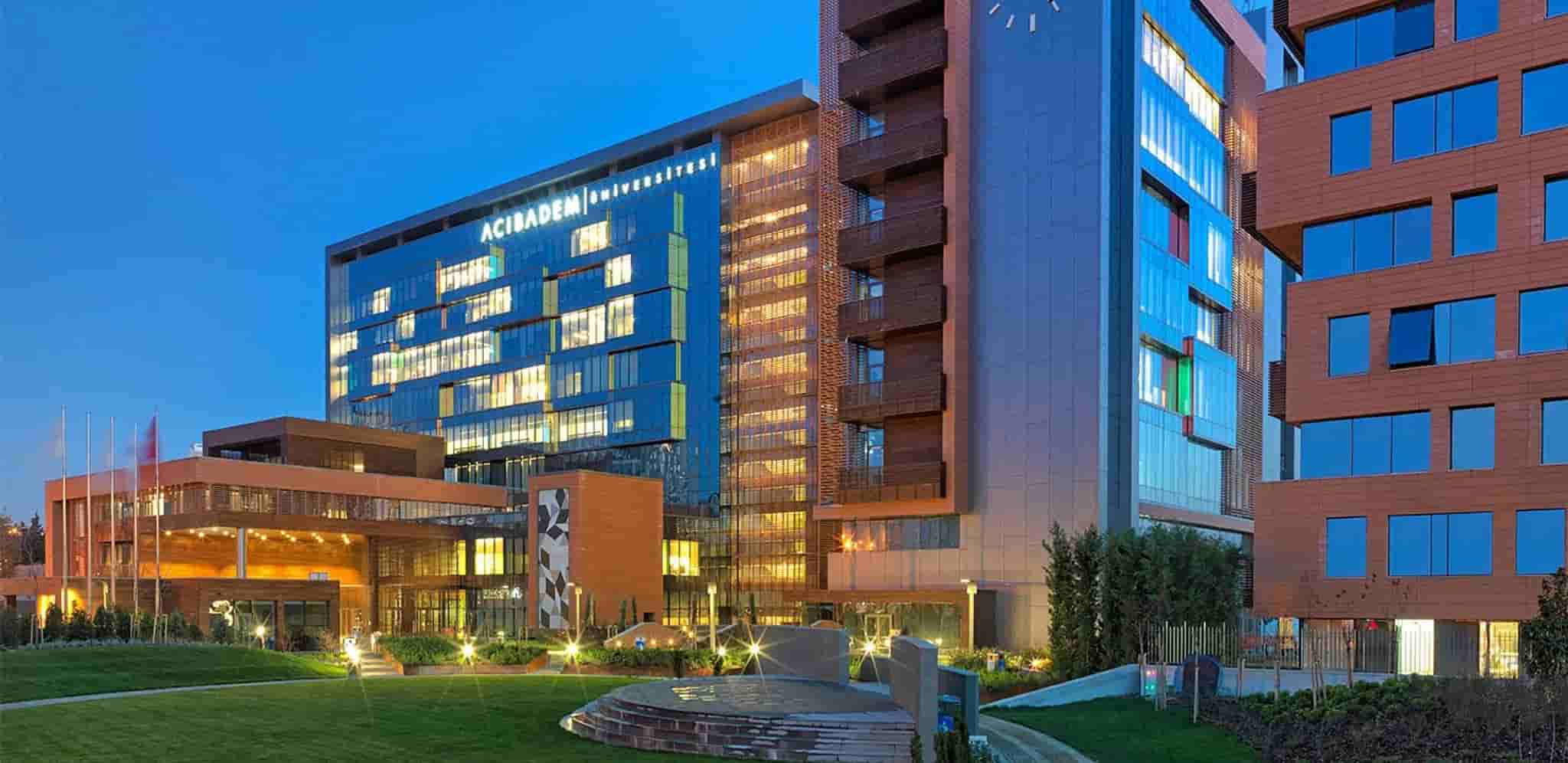
Private medical education in Turkey began expanding significantly after legislative reforms in the 1980s allowed private institutions to establish degree programs. This pivotal shift addressed growing demand for healthcare professionals and diversified academic options beyond state universities. Early pioneers like Acıbadem University and Bezmialem Vakıf University set rigorous benchmarks by integrating clinical training with theoretical knowledge from their inception. These institutions collaborated closely with affiliated hospitals, creating seamless pathways for student internships and research. Their growth mirrored Turkey’s broader economic development and its strategic focus on becoming an education hub. International accreditations soon followed, validating curricula against global frameworks like WFME standards. Today’s private medical schools build on this legacy, continuously refining pedagogy to address evolving healthcare challenges. Their historical trajectory demonstrates a sustained commitment to elevating Turkey’s medical education profile. The evolution accelerated in the 2000s with increased foreign student enrollment and English-language programs.
Universities actively recruited faculty with international experience, fostering multicultural classrooms. Partnerships with European and American institutions enabled student exchange programs and joint research initiatives. Infrastructure investments included simulation labs and digital anatomy theaters, enhancing practical learning. Regulatory oversight by YÖK (Council of Higher Education) ensured adherence to national quality frameworks while allowing institutional innovation. This period also saw specialized institutes emerge, focusing on areas like genomic medicine or robotic surgery. The historical foundation established resilience, allowing these universities to adapt swiftly during global disruptions like the pandemic. Their journey reflects a deliberate balance between preserving academic traditions and embracing progressive educational models.
Turkish private medical universities undergo stringent dual accreditation processes. National oversight is managed by YÖK, which evaluates curriculum design, faculty qualifications, and clinical training resources through cyclical reviews. Simultaneously, institutions pursue international recognition via bodies like the World Federation for Medical Education (WFME) and specialized agencies such as TEPDAD for dentistry programs. This layered validation ensures graduates meet global practice requirements. Universities maintain detailed documentation for audits, including student performance analytics and graduate employment rates. Continuous improvement protocols mandate curriculum updates based on healthcare innovations and stakeholder feedback. International advisory boards comprising experts from Johns Hopkins or Karolinska Institutet provide strategic guidance. These frameworks guarantee that degrees hold value across 150+ countries, facilitating residency applications worldwide.
Laboratory and clinical facilities face particularly rigorous scrutiny during accreditation cycles. Simulation centers must demonstrate equipment currency and scenario-based training effectiveness. Hospitals affiliated with universities undergo separate evaluations by the Ministry of Health for teaching capacity and patient care standards. Faculty development programs are audited to ensure educators maintain clinical practice alongside academic roles. Student assessment methodologies are reviewed for fairness and competency alignment. Accreditation reports often drive institutional investments, such as upgrading radiology departments or expanding rural health outreach programs. Transparency portals allow prospective students to verify institutional status directly through YÖK’s official database. This ecosystem of accountability builds trust among international students and healthcare regulators, reinforcing Turkey’s reputation for producing practice-ready physicians.

Modern curricula in Turkish private medical schools follow an integrated spiral model, revisiting core concepts like pathophysiology with increasing complexity across six years. The first three years emphasize foundational sciences, biology, biochemistry, anatomy through problem-based learning (PBL) modules. Small tutorial groups analyze clinical cases, developing diagnostic reasoning before students encounter real patients. Digital platforms provide virtual microscopy and 3D anatomy visualization, supplementing cadaveric dissection. Clinical rotations begin in year four, with students assigned to specialty departments in university hospitals. A distinctive feature is early patient exposure; first year students practice communication skills in simulated consultations. Turkish language courses are mandatory for international students, facilitating community interactions during rural health postings. Electives in medical humanities or health policy encourage well-rounded professional identity formation.
Teaching methodologies blend traditional lectures with active learning strategies. Faculty employ team-based learning (TBL) for pharmacology modules, where students collaboratively solve prescription challenges. Simulation-based assessments use standardized patients to evaluate ethical decision-making in high-stakes scenarios. Interprofessional education sessions pair medical students with nursing and pharmacy peers for emergency response drills. Research literacy is embedded through mandatory thesis projects supervised by faculty mentors. Technology integration includes AI-powered diagnostic training tools and telemedicine practicums. Cultural competence training addresses Turkey’s diverse patient demographics, covering refugee health and geriatric care nuances. Continuous feedback loops refine course content annually, incorporating innovations like genomic medicine workshops. This adaptive structure prepares graduates for licensure exams in the USMLE, PLAB, and Turkish national systems.
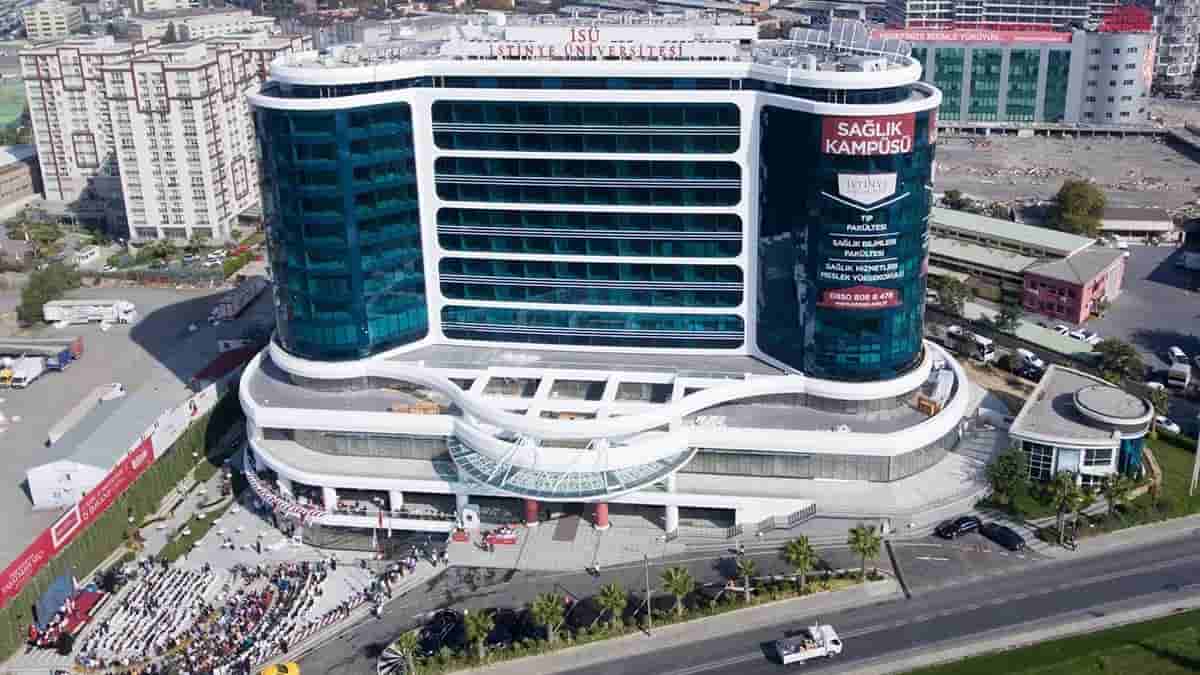
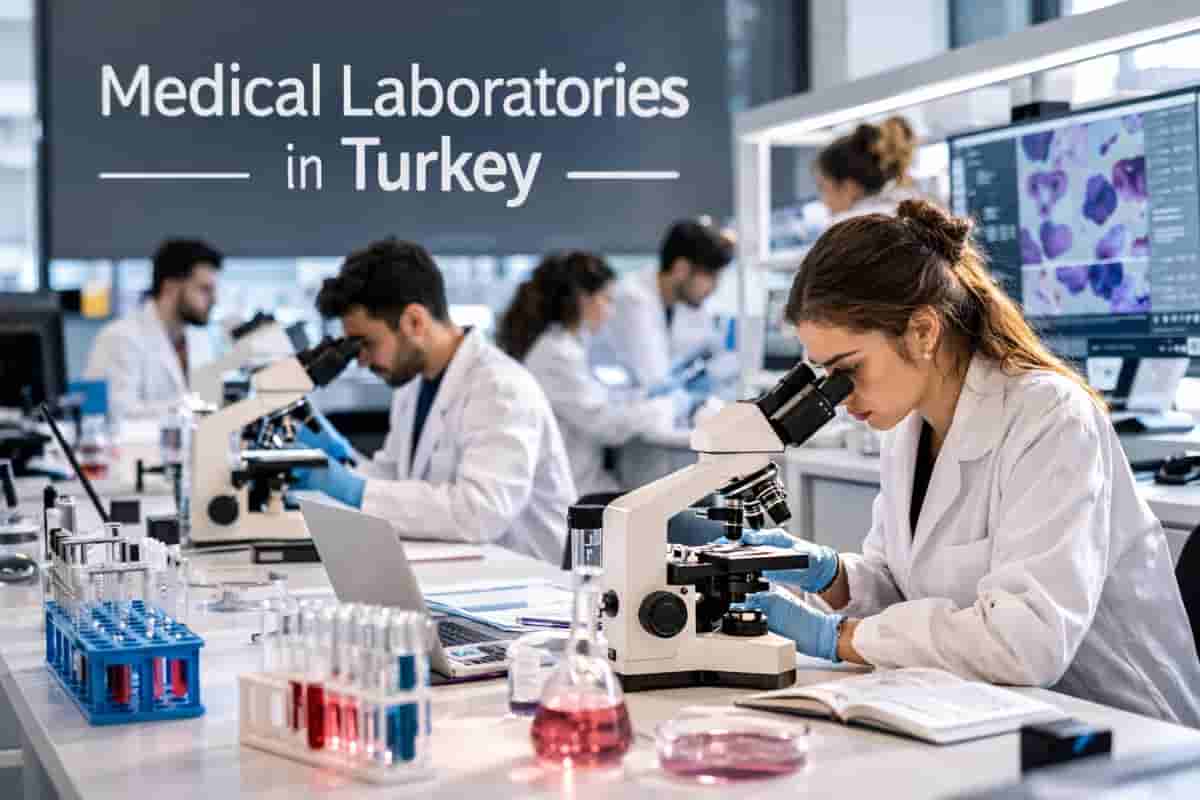
Private medical universities invest heavily in purpose-built health campuses that co-locate education facilities with teaching hospitals. These integrated complexes feature smart classrooms with teleconferencing capabilities for international guest lectures. Anatomy departments house climate-controlled dissection labs with digital annotation systems and plastinated specimens. Simulation centers replicate emergency rooms, operating theaters, and ICU environments using high-fidelity manikins that mimic physiological responses. Skills laboratories offer ultrasound training with portable devices and robotic surgery simulators for precision technique development. Libraries provide 24/7 access to digital repositories like PubMed and UpToDate, alongside dedicated research consultation desks. Student innovation hubs support medical device prototyping through 3D printing labs and AI development workshops. Green spaces and meditation zones address mental wellness, acknowledging the demanding nature of medical studies.
Clinical training leverages extensive partnerships with tertiary hospitals in metropolitan areas like Istanbul and Ankara. Students rotate through specialized units including organ transplant centers and trauma ICUs, observing cutting-edge procedures. Rural health clinics in Anatolia provide exposure to community medicine challenges like vaccine outreach and chronic disease management. Mobile health units allow students to participate in screening camps for underserved populations. Telemedicine platforms enable remote consultations under faculty supervision, expanding patient interaction opportunities. Hospitals maintain electronic health records systems for training in digital documentation standards. Research laboratories focus on translational projects, such as cancer biomarker discovery or neural engineering. These resources ensure over 2,000 clinical contact hours before graduation, exceeding European Union minimum requirements. Infrastructure investments reflect institutional commitments to producing clinicians adept in both technical and empathetic care.
Private universities operate dedicated international offices staffed with multilingual advisors fluent in Arabic, English, French, and Russian. These teams guide students through visa processes, residence permit renewals, and health insurance compliance. Airport pickup services and temporary housing options ease initial transition stress. Cultural orientation programs include city tours, Turkish cooking classes, and bureaucratic navigation workshops explaining banking and transportation systems. Buddy programs pair newcomers with senior students for peer mentoring on academic expectations and social integration. Mental health services offer counseling in students’ native languages, addressing isolation or academic pressure through confidential sessions. Dedicated prayer rooms and halal food options accommodate diverse religious needs across campuses. Legal advisors clarify post-graduation work permit regulations and pathways for specialization exams. This ecosystem transforms logistical challenges into manageable processes, allowing students to focus on studies from day one.
Academic support extends beyond language barriers through tailored writing centers and statistics tutoring. International students receive personalized learning plans if they require foundational science refreshers. Scholarship committees review merit-based applications separately from domestic candidates, with awards covering partial tuition. Internship coordinators assist with cross-border clinical electives, leveraging global university partnerships in Germany, the UK, and Malaysia. Career offices host residency application workshops featuring alumni who secured positions in the US Match or UK Foundation Programme. Social clubs organize weekend excursions to historical sites like Cappadocia or Ephesus, building community bonds. Emergency response teams provide 24/7 assistance for crises ranging from medical emergencies to geopolitical disruptions. Universities maintain direct communication channels with embassies during international incidents, ensuring student safety protocols are activated promptly. These layered supports reflect Turkey’s strategic investment in retaining global medical talent.
Tuition fees at private medical universities range from €10,000 to €25,000 annually, varying by institution prestige and facilities. Payment plans allow semester-based installments, reducing immediate financial pressure. Unlike many Western countries, Turkish universities do not charge separate laboratory or technology fees the quoted tuition covers all academic resources. Early payment discounts (5-10%) and sibling concessions provide additional relief. Merit scholarships reward exceptional entrance exam scores or Olympiad achievements, covering 25-100% of annual costs. Need-based aid considers family income documents and humanitarian circumstances like refugee status. Universities partner with Turkish banks for low-interest student loans requiring no collateral, repayable after graduation.
Work-study programs offer on-campus employment in research labs or libraries, providing stipends while respecting visa hour restrictions. Transparent fee schedules on institutional websites prevent hidden charges, with annual increases capped at 10% by YÖK regulations. Financial accessibility initiatives include targeted scholarships for African and Central Asian students through Türkiye Scholarships collaborations. Some universities waive tuition for students committing to serve in Ministry of Health facilities post-graduation. Installment flexibility accommodates currency fluctuations affecting international families. Emergency grants assist students facing unexpected hardships like family medical crises. Fee structures undergo annual review by student representative councils to ensure fairness. Universities publish graduate salary surveys demonstrating ROI, with starting physician salaries in Turkey averaging ₺45,000 monthly. Cost of living remains favorable student accommodation averages €200 monthly, and public transport passes cost under €30. These frameworks ensure medical education remains attainable without compromising educational quality or burdening graduates with excessive debt.
Graduates from Turkish private medical universities achieve exceptional success in international licensing examinations. Over 85% pass USMLE Step 1 on their first attempt, facilitated by dedicated exam preparation centers on campuses. Alumni secure residency positions in competitive specialties like neurosurgery and cardiology across the United States, Germany, and the Gulf Cooperation Council states. Turkish medical degrees hold automatic recognition in over 50 countries through bilateral agreements with ministries of health. Graduates pursuing academic careers publish in journals like The Lancet and NEJM through university research incubators. Alumni networks operate chapters in 30+ countries, organizing professional development seminars and mentorship programs. Employment surveys indicate 92% of graduates enter healthcare roles within six months, with 60% specializing abroad. Turkish proficiency opens doors to WHO projects in Central Asia, while English fluency supports EU hospital appointments.
Specialization pathways benefit from Turkey’s dual certification system. Graduates can pursue TUS (Turkish Specialization Exam) for domestic practice or prepare for PLAB/USMLE for international careers. Universities host annual residency fairs featuring hospital recruiters from Qatar, Saudi Arabia, and the UK. Clinical observerships during studies build professional references for competitive applications. Research publications from student theses enhance residency portfolios, with institutions supporting open-access journal submissions. Alumni advising services provide personalized guidance on visa processes for countries like Canada or Australia. Turkey’s growing medical tourism sector also creates opportunities in private hospital groups seeking internationally trained physicians. Graduates report high satisfaction with their adaptive skill sets, crediting Turkish medical education for blending technical excellence with patient-centered communication. This global mobility cements Turkey’s position as a talent pipeline for worldwide healthcare systems.
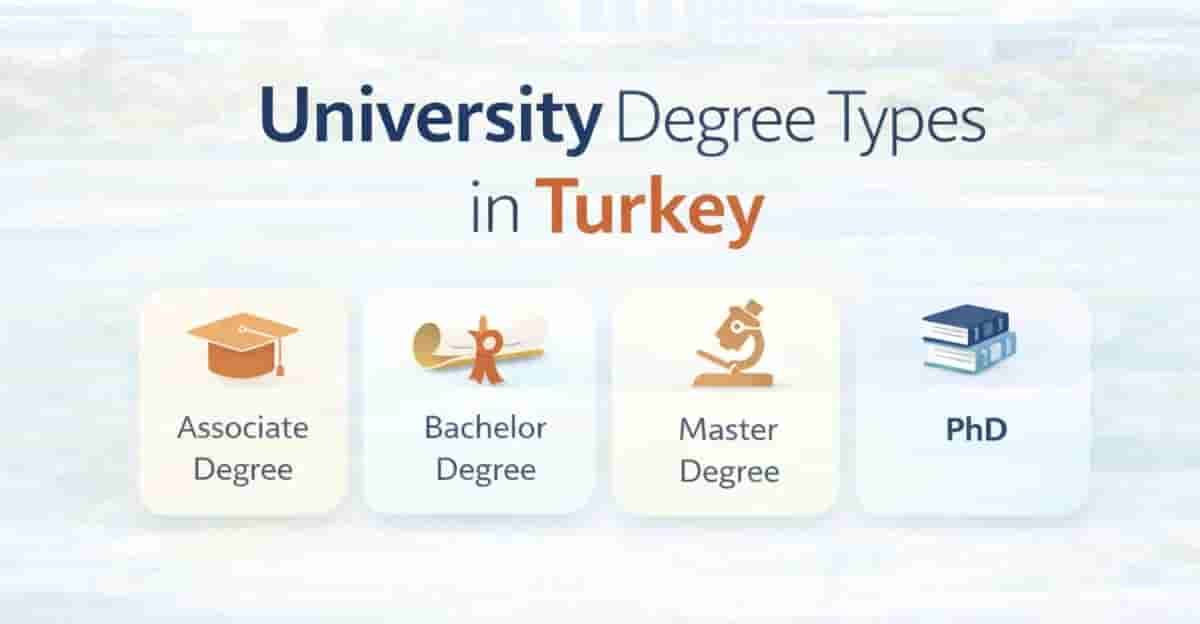
Admissions to private medical universities in Turkey are straightforward and do not require entrance exams such as TEM-YÖS for most programs. The only standardized test needed is the SAT, which is mandatory specifically for applicants to medicine (MD) programs. StudyLeo provides comprehensive, no-cost guidance throughout the entire process, helping students understand exactly which documents are required based on their academic level and program of interest. For undergraduate medical studies, this includes a high school diploma, graduation certificate, official transcript, passport copy, recent photo, and valid SAT scores. All documents must be properly translated and notarized to meet YÖK standards, and StudyLeo ensures every submission is accurate and complete eliminating delays or rejections due to administrative errors.
For graduate applicants, entrance exams are not required at any level. Master’s candidates need to submit their bachelor’s diploma, transcript, graduation certificate, passport, and photo copy. PhD applicants must provide both bachelor’s and master’s diplomas and transcripts, along with a graduation certificate, passport, and photo copy. StudyLeo’s advisors verify each document against university-specific requirements and assist with formatting, translation, and certification all without charging any service fee. This streamlined, transparent support allows students to focus on their academic preparation while StudyLeo handles the logistical complexities of applying to Turkey’s leading private medical universities.
Private medical universities in Turkey represent a sophisticated ecosystem where academic rigor meets compassionate care training. Their globally accredited programs produce adaptable physicians equipped for diverse healthcare environments. Students benefit from immersive clinical exposure and supportive international communities from day one. The value proposition balances reasonable investment against exceptional career mobility across continents. Turkey’s unique geographical and cultural position offers unparalleled personal growth alongside professional development. Graduates carry forward a legacy of medical excellence shaped by both historical wisdom and technological innovation. Choosing this path opens doors to meaningful contributions in an increasingly interconnected global health arena. The journey begins with informed decisions supported by dedicated educational partners.
Frequently Asked Questions and Answers
Look out blogs and aware of the latest trends and updates
Explore top universities offering quality education, modern facilities, and diverse academic opportunities for students worldwide



DormitoryIstanbul, Turkey
DormitoryAnkara, Turkey
DormitoryIstanbul, Turkey



DormitoryAntalya, Turkey
DormitoryIstanbul, Turkey
DormitoryAnkara, Turkey
DormitoryIstanbul, Turkey