


FAQs
Frequently Asked Questions and Answers
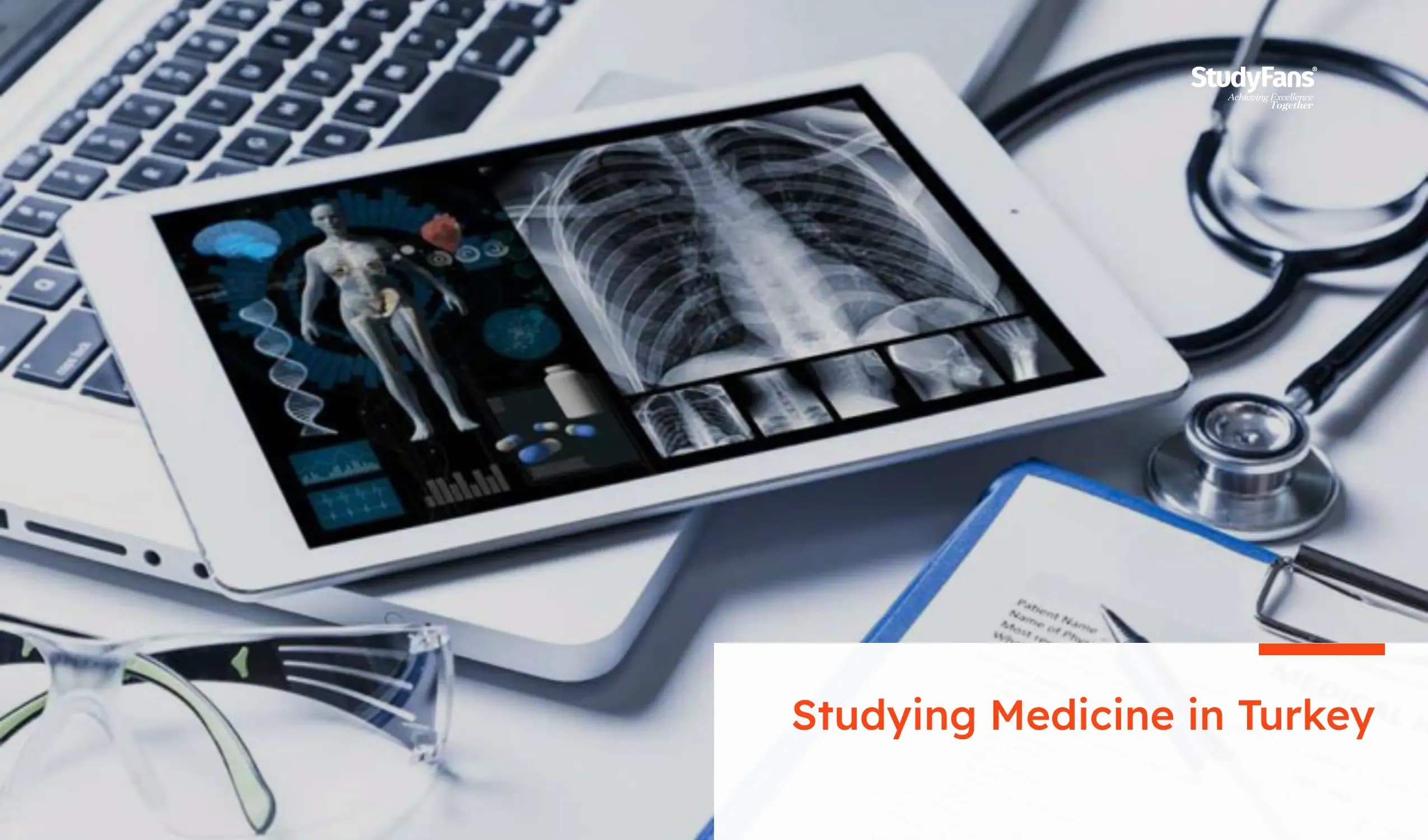
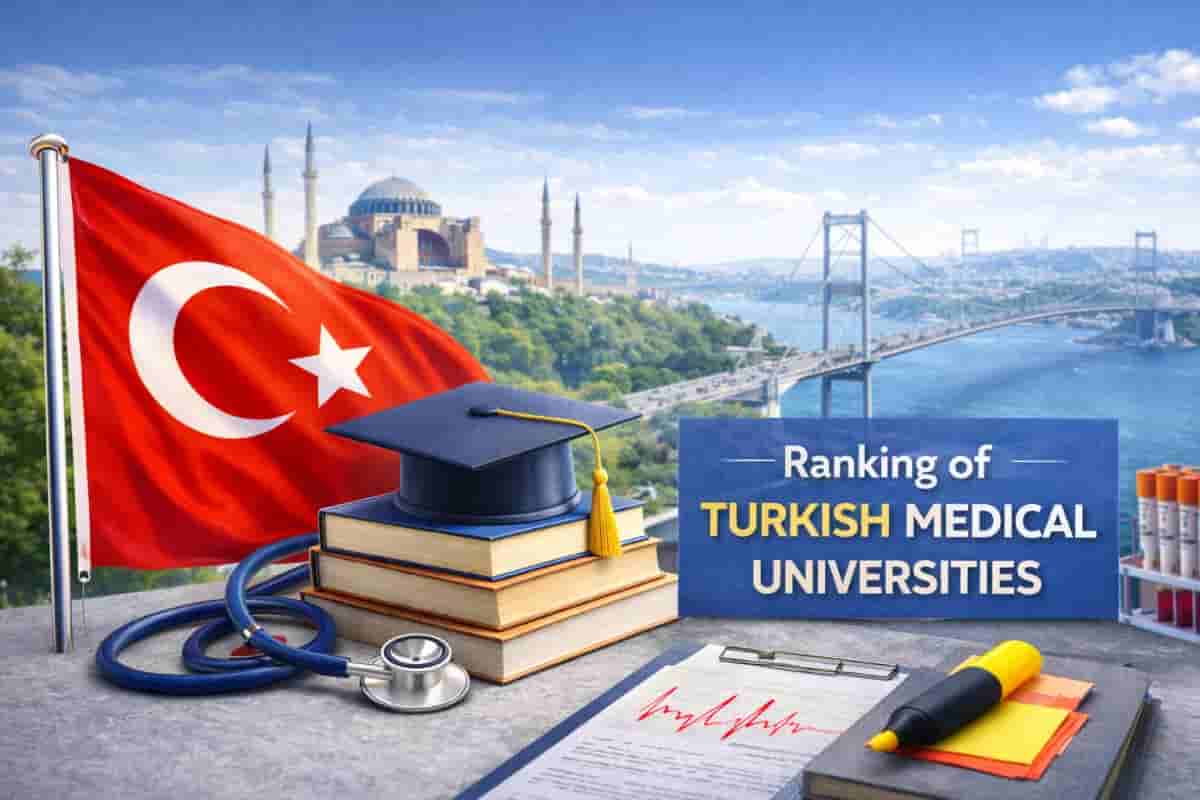
Over the past two decades, Turkey has emerged as a major international hub for medical education. Its medical universities combine European-aligned academic standards, advanced clinical infrastructure, and a geographically strategic location bridging Europe, Asia, and the Middle East. For international students, Turkey offers an academically rigorous yet accessible pathway into medical and health-related professions, supported by modern hospitals, research centers, and internationally oriented curricula.
Medical education in Turkey follows a structured and outcomes-based model designed to balance theory, clinical practice, and professional ethics.
Duration: Medicine programs typically span six years, integrating pre-clinical sciences, clinical rotations, and internship-based hospital training.
Teaching Language: Many private universities offer full English-taught medical and health science programs, particularly attractive to international cohorts.
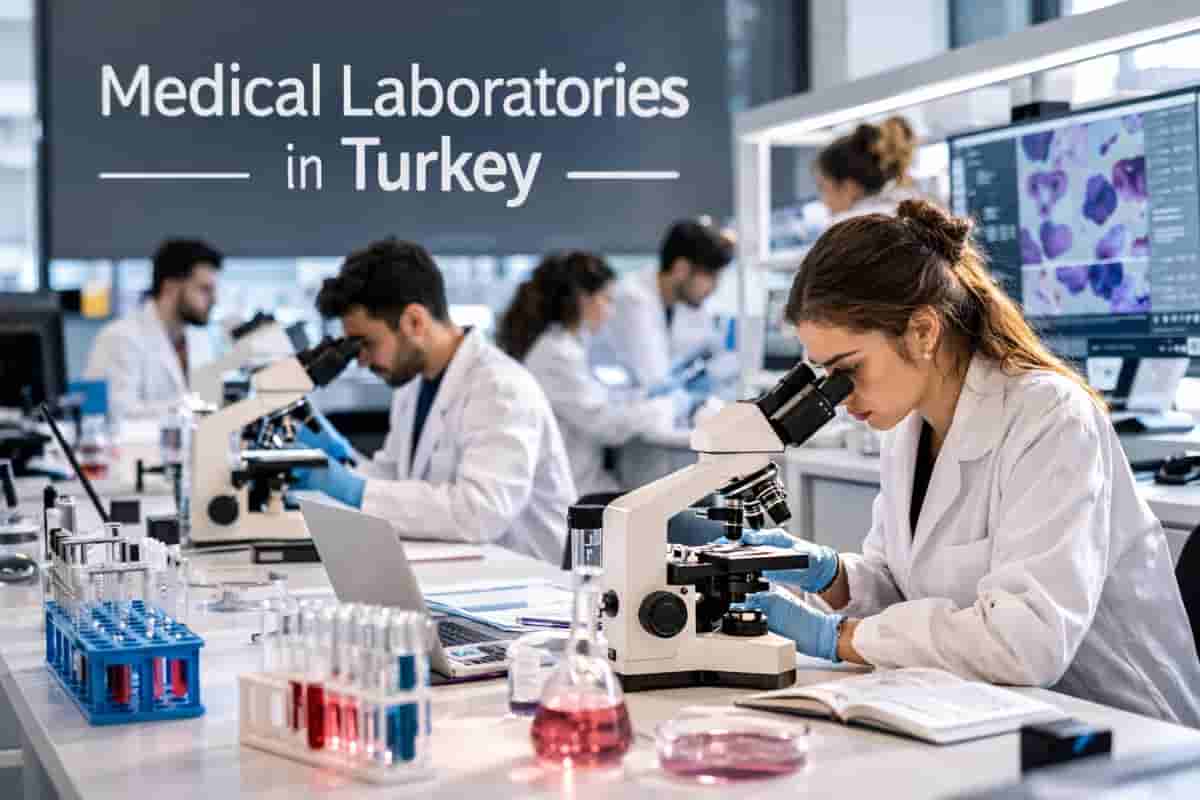
Clinical Exposure: Students receive early and continuous exposure to real clinical environments through affiliated teaching hospitals.
This structure ensures graduates develop both scientific competence and applied clinical skills.
Medical universities in Turkey operate under strict national regulations governing curriculum design, faculty qualifications, and institutional infrastructure. Many programs are:
Aligned with European Higher Education Area (EHEA) standards
Integrated with internationally accredited teaching hospitals
Supported by research output in clinical medicine, biotechnology, and public health
For international students, this framework provides assurance of academic consistency, transferable competencies, and professional credibility.


Turkey offers a student-friendly living environment with strong academic, cultural, and social dimensions.
Major cities such as Istanbul, Ankara, and Izmir host dense networks of universities, hospitals, and research centers.
Students benefit from exposure to diverse patient populations, an advantage for clinical learning.
Campus-based international offices support residence permits, housing guidance, and academic adaptation.
This ecosystem enables students to focus on long-term academic and professional development rather than administrative complexity.
Selecting a medical university in Turkey should be treated as a strategic academic decision rather than a simple institutional choice.
Key evaluation criteria include:
Language of instruction and academic support services
Quality and scale of affiliated hospitals
Faculty experience and research orientation
Location, clinical exposure opportunities, graduate outcomes
Given the complexity of comparing institutions and navigating application procedures, students are strongly advised to apply through the StudyLeo platform rather than contacting universities directly.
Applying without understanding program structure and clinical requirements
Choosing universities based solely on location rather than academic fit
Submitting incomplete or incorrectly formatted documents
Attempting direct university applications without institutional guidance
Underestimating timelines for admission and residence procedures
These errors can delay enrollment or limit academic options. Structured application support significantly reduces these risks.

Medical universities in Turkey offer a robust, internationally oriented education system grounded in clinical excellence, academic structure, and modern infrastructure. For international students, success depends not only on institutional choice but on informed planning and professional application support.
Leveraging a trusted platform such as StudyLeo ensures accuracy, efficiency, and strategic alignment between student goals and university offerings.
Frequently Asked Questions and Answers
Look out blogs and aware of the latest trends and updates
Explore top universities offering quality education, modern facilities, and diverse academic opportunities for students worldwide





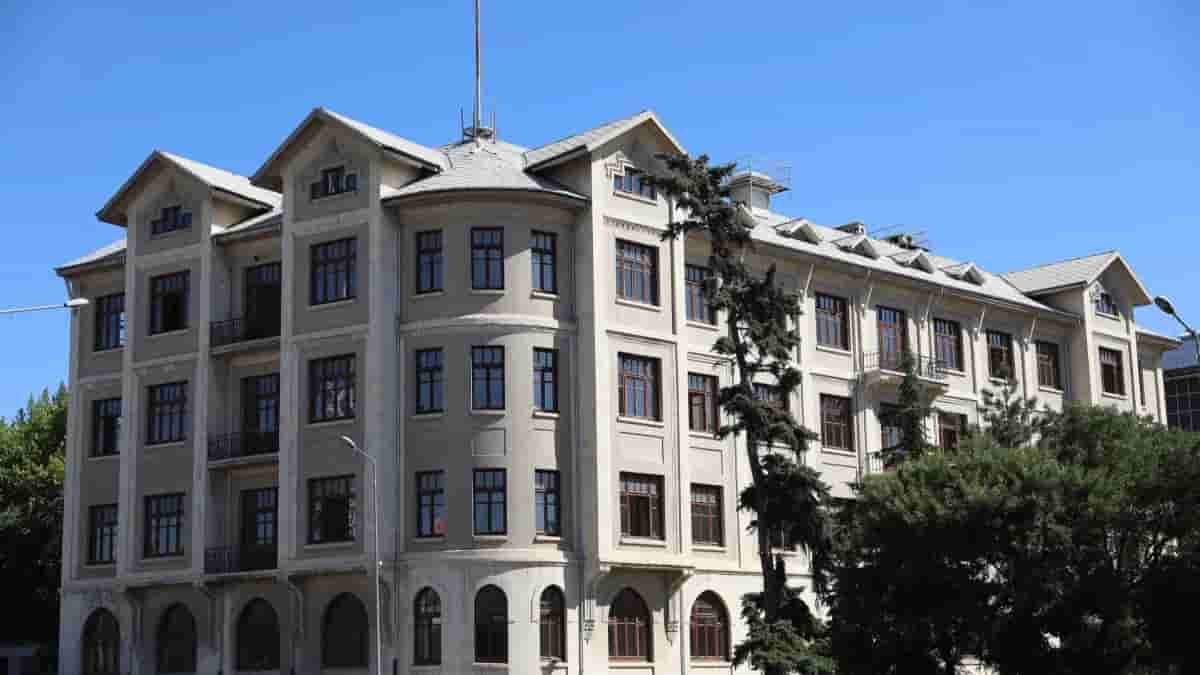 Dormitory
Ankara, Turkey
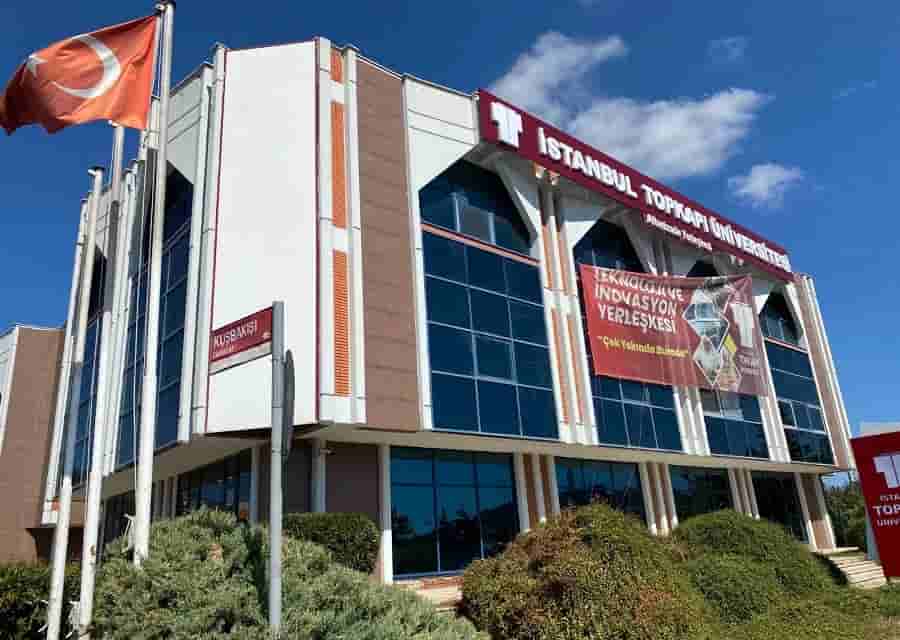 Dormitory
Istanbul, Turkey
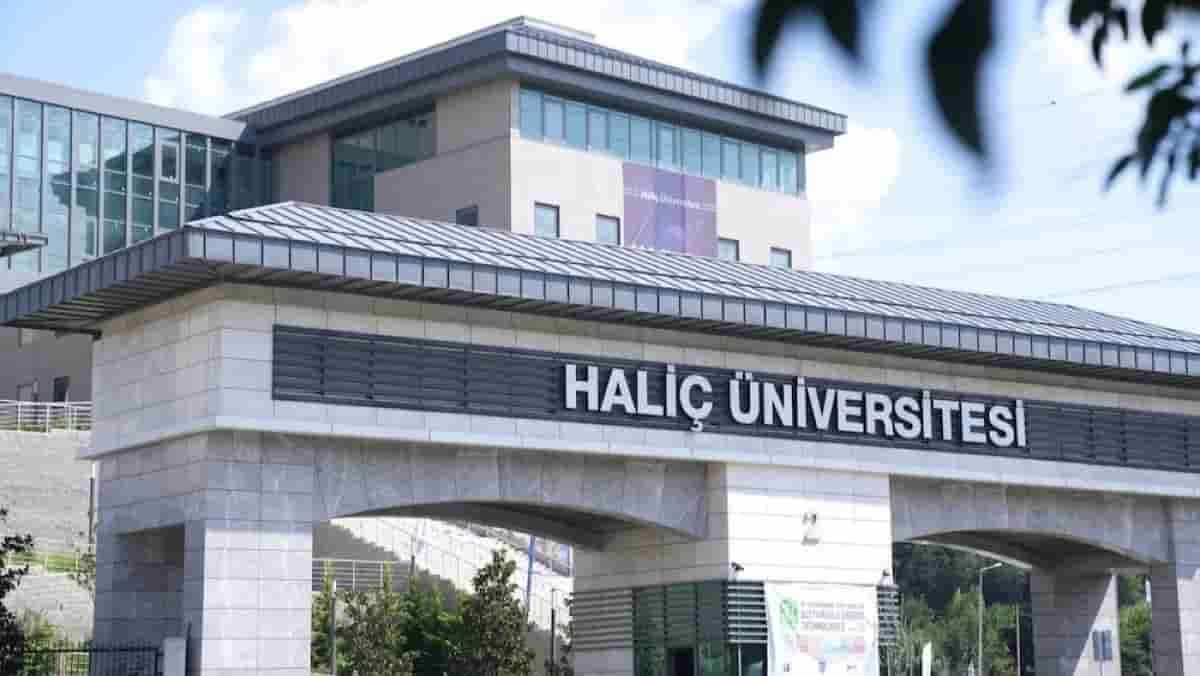 Dormitory
Istanbul, Turkey
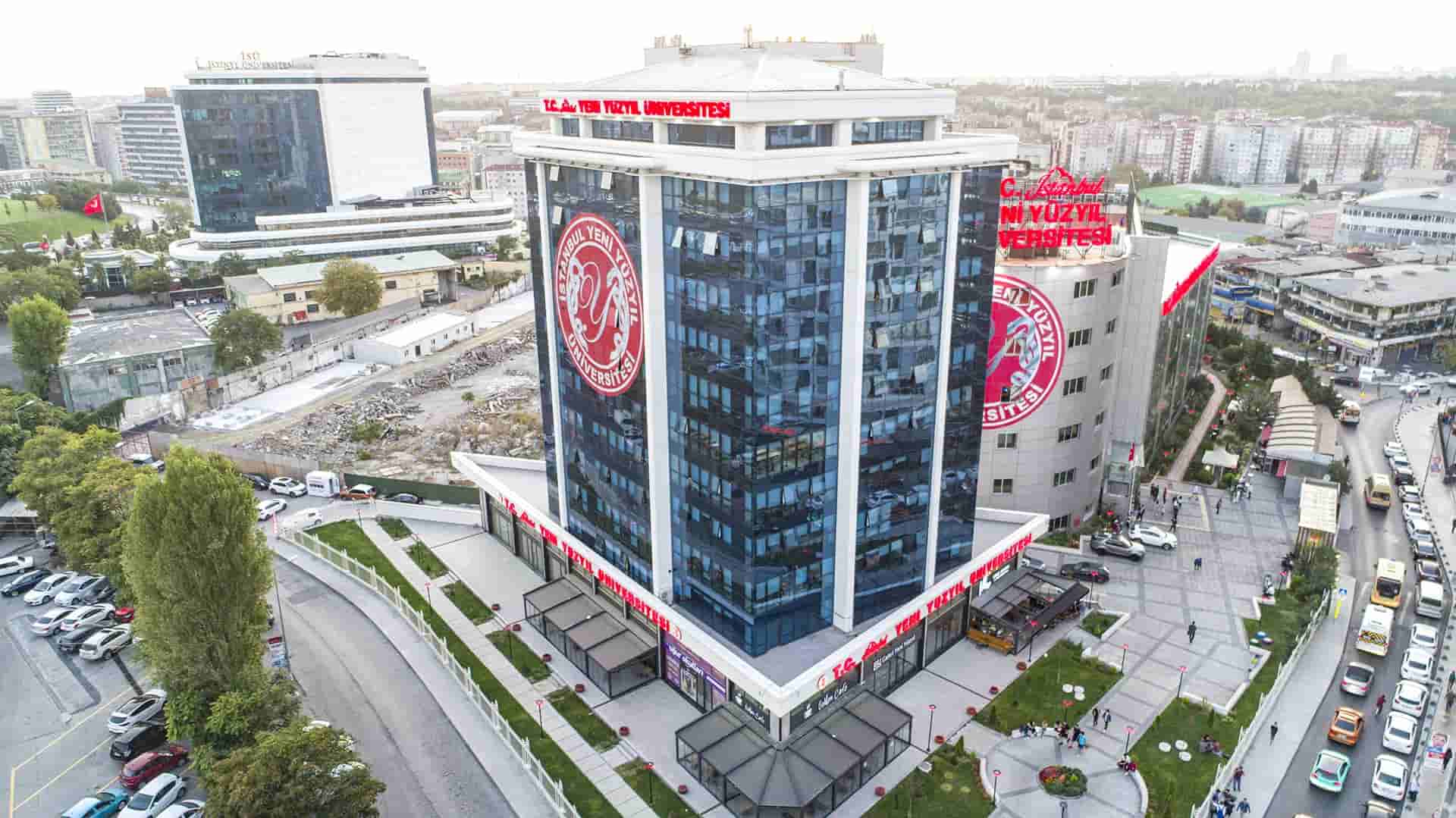 Dormitory
Istanbul, Turkey
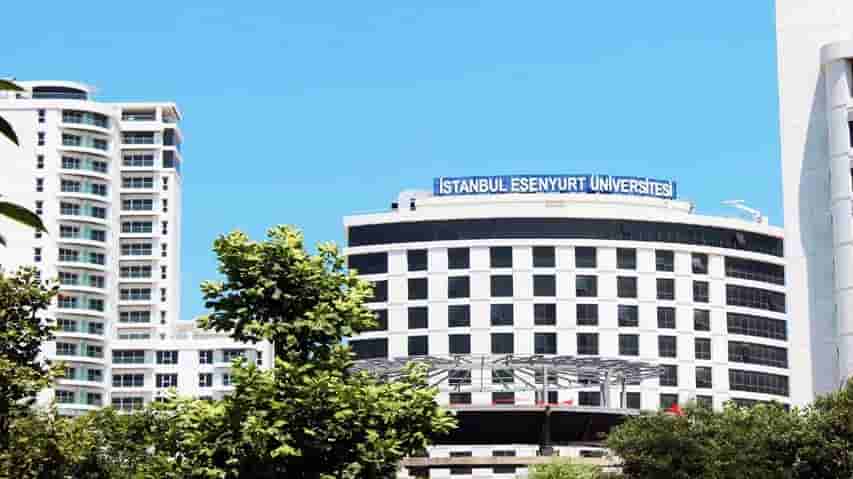 Dormitory
Istanbul, Turkey
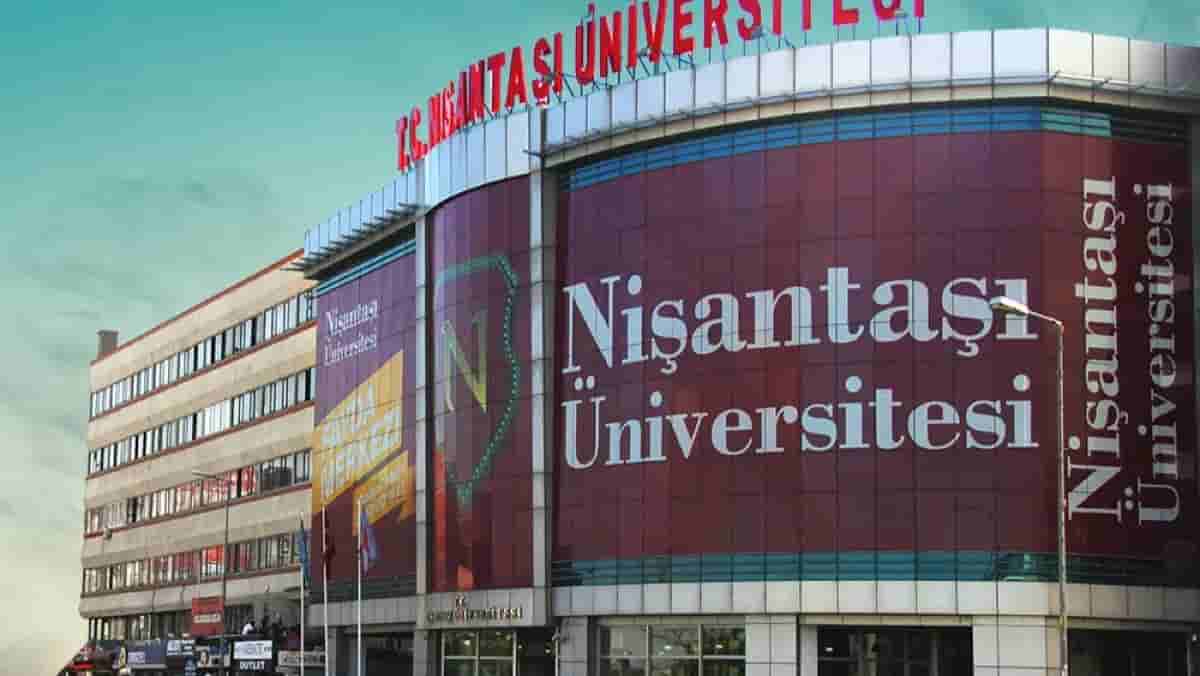 Dormitory
Istanbul, Turkey
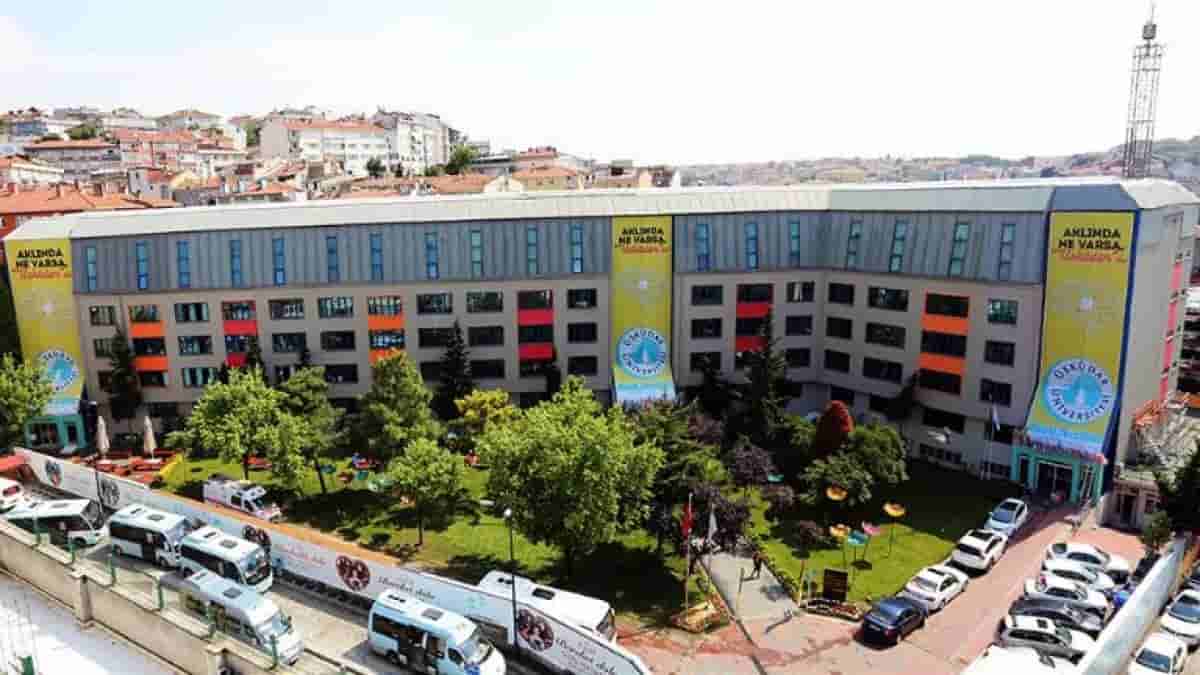 Dormitory
Istanbul, Turkey
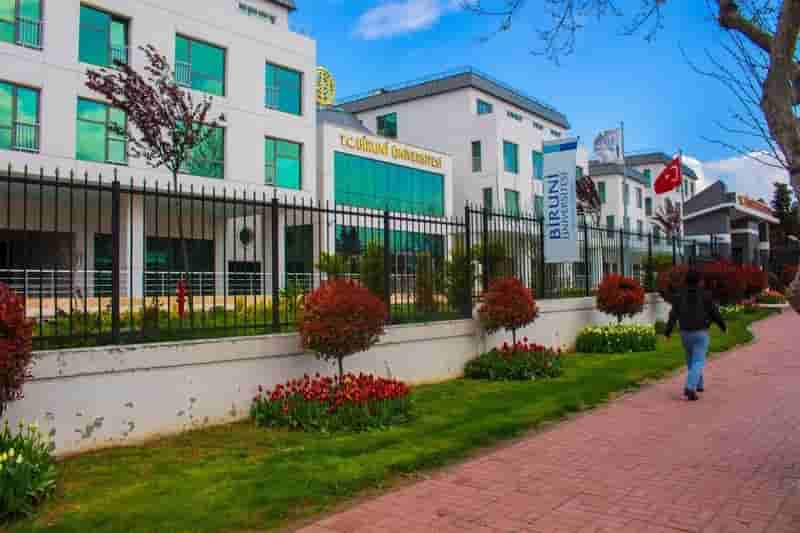 Dormitory
Istanbul, Turkey
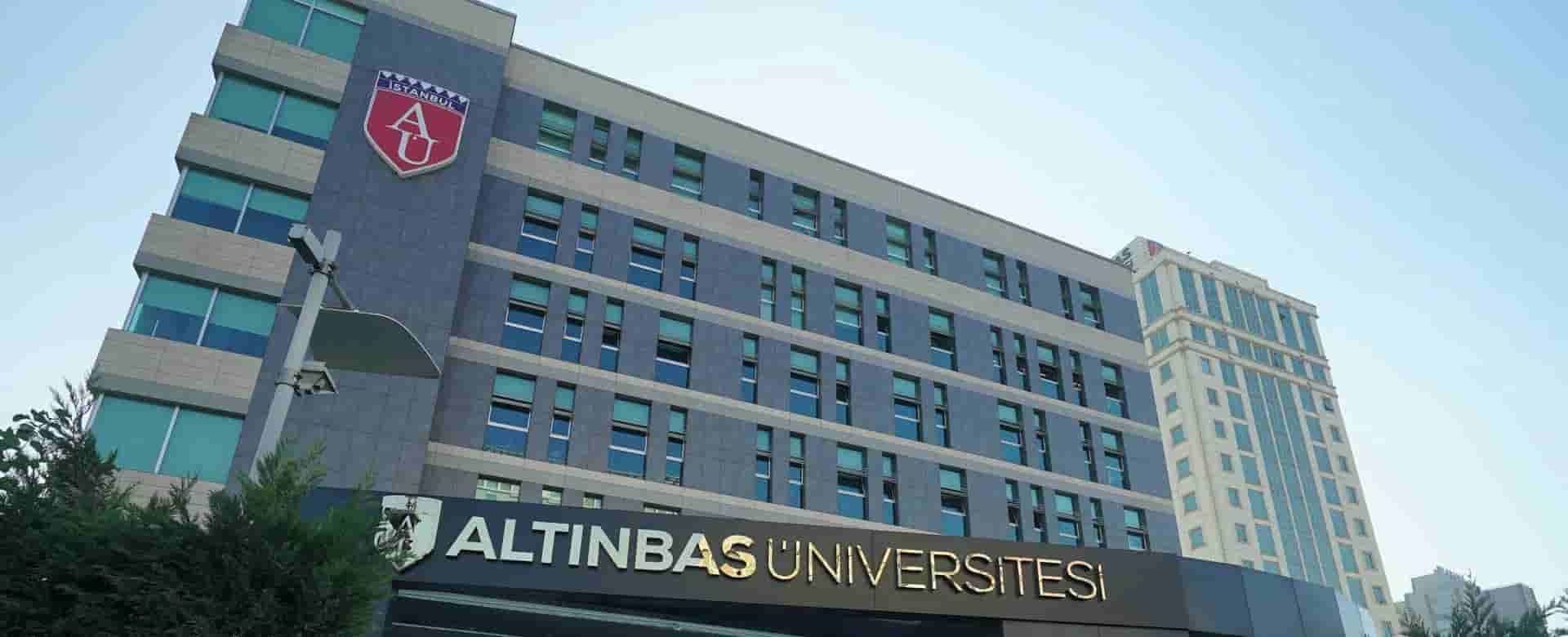 Dormitory
Istanbul, Turkey
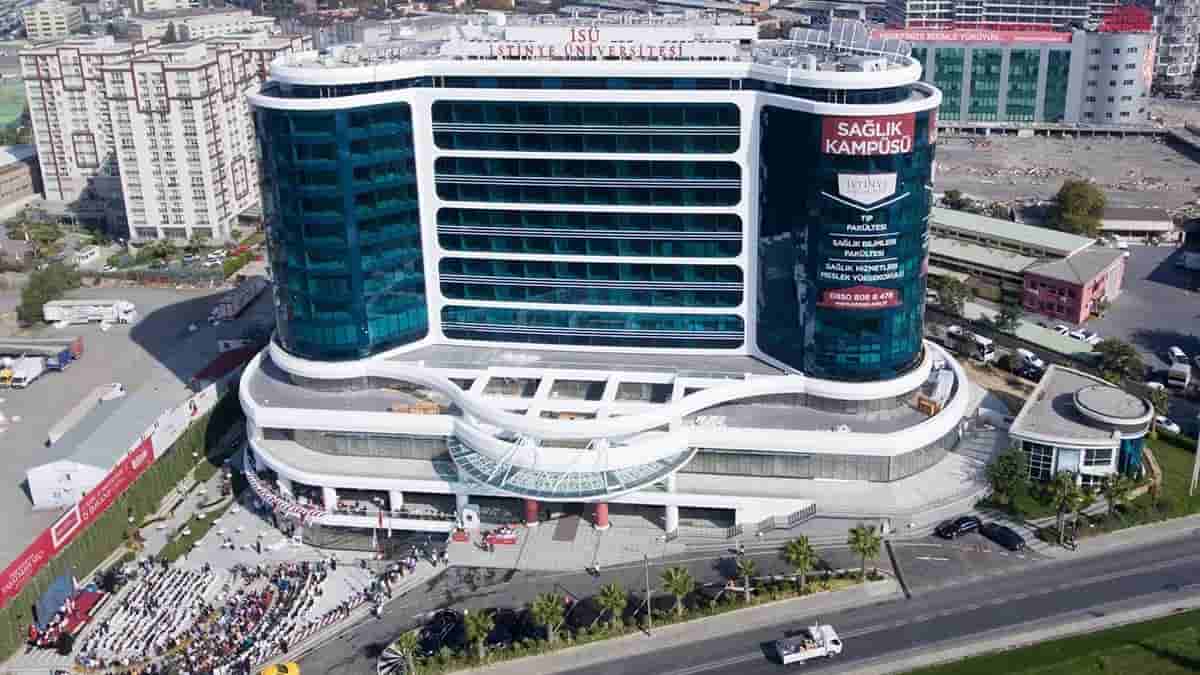 Dormitory
Istanbul, Turkey
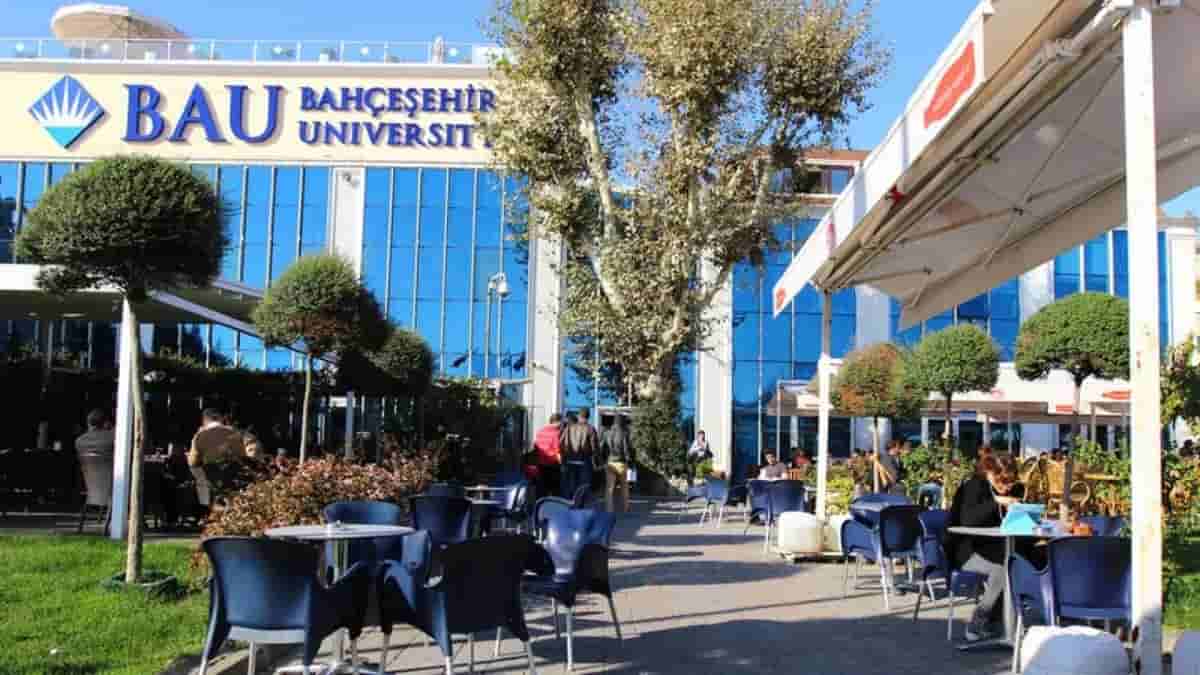 Dormitory
Istanbul, Turkey
 Dormitory
Istanbul, Turkey
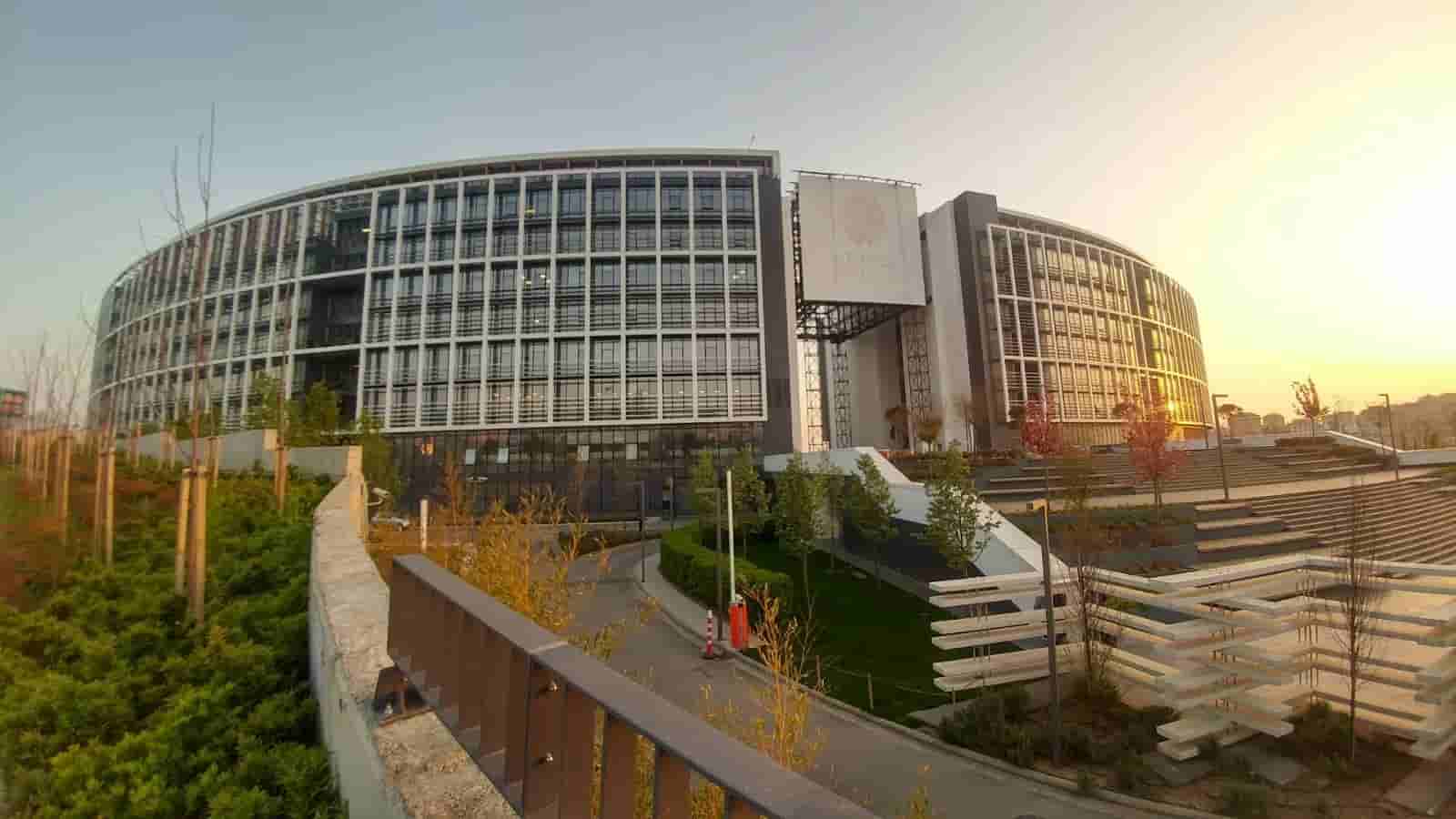 Dormitory
Istanbul, Turkey
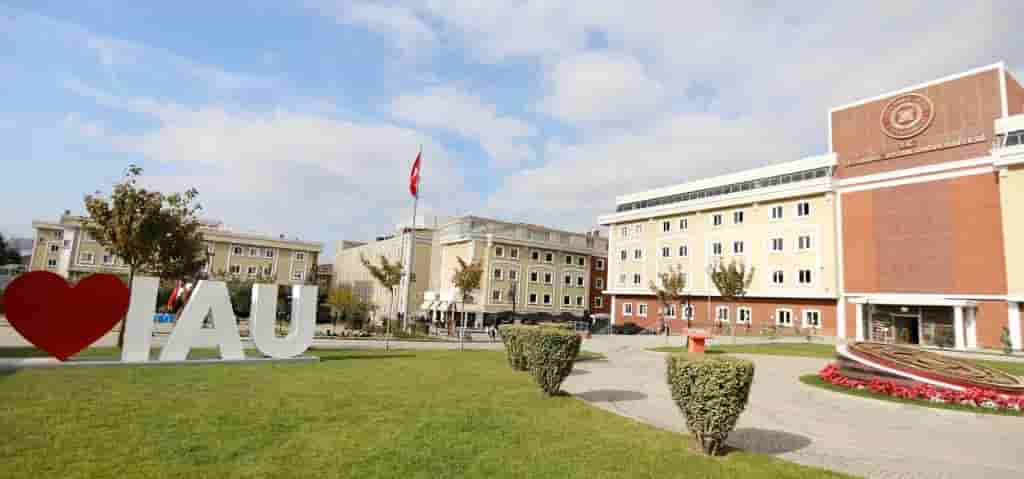 Dormitory
Istanbul, Turkey
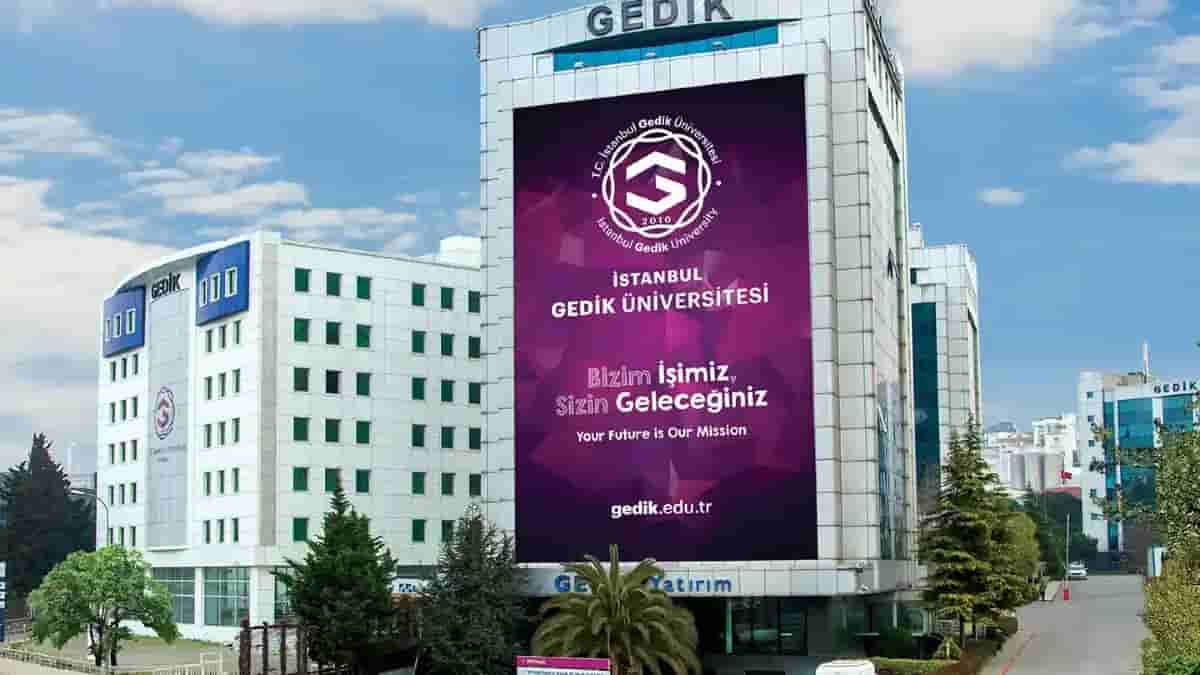 Dormitory
Istanbul, Turkey
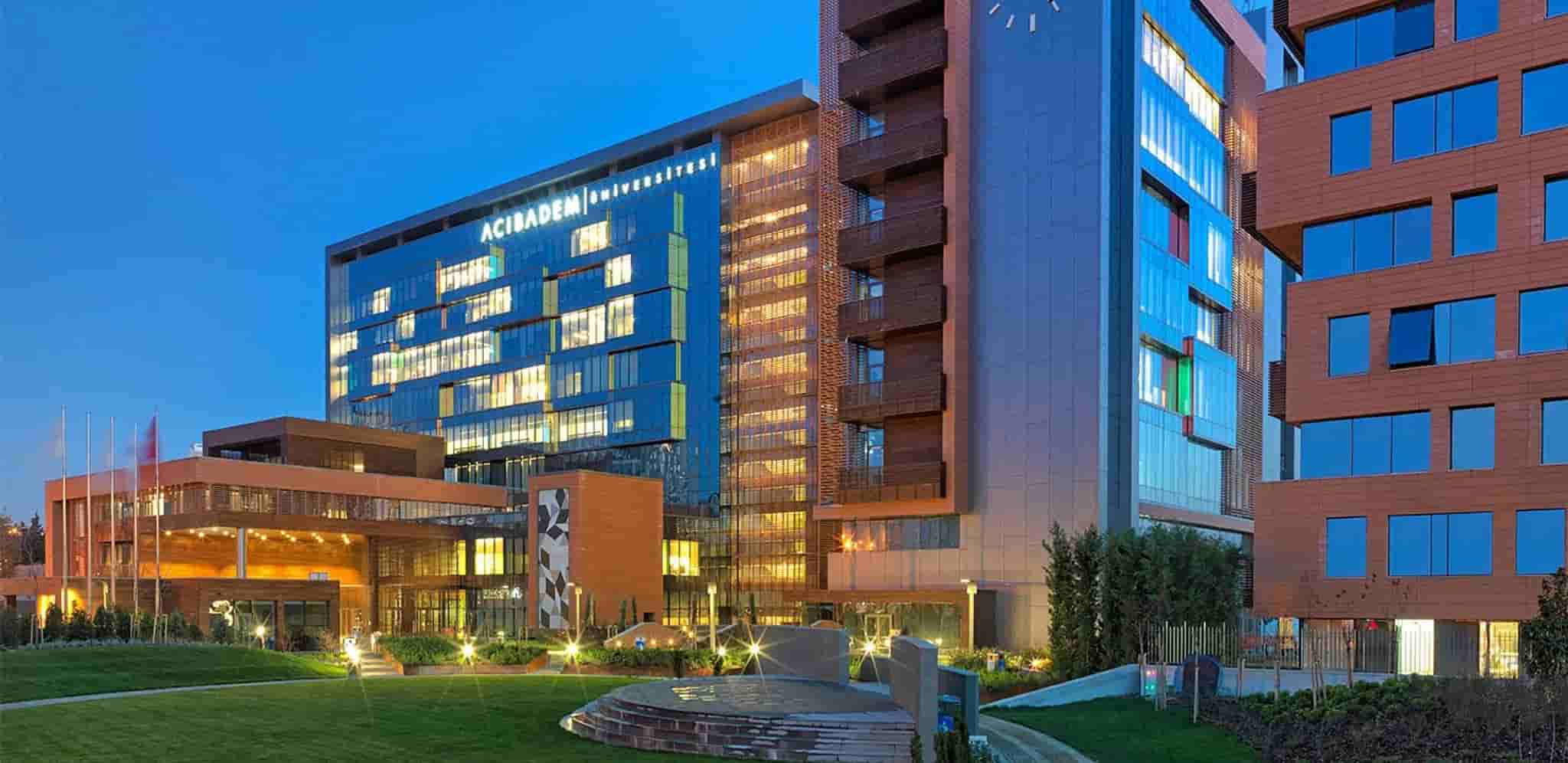 Dormitory
Istanbul, Turkey
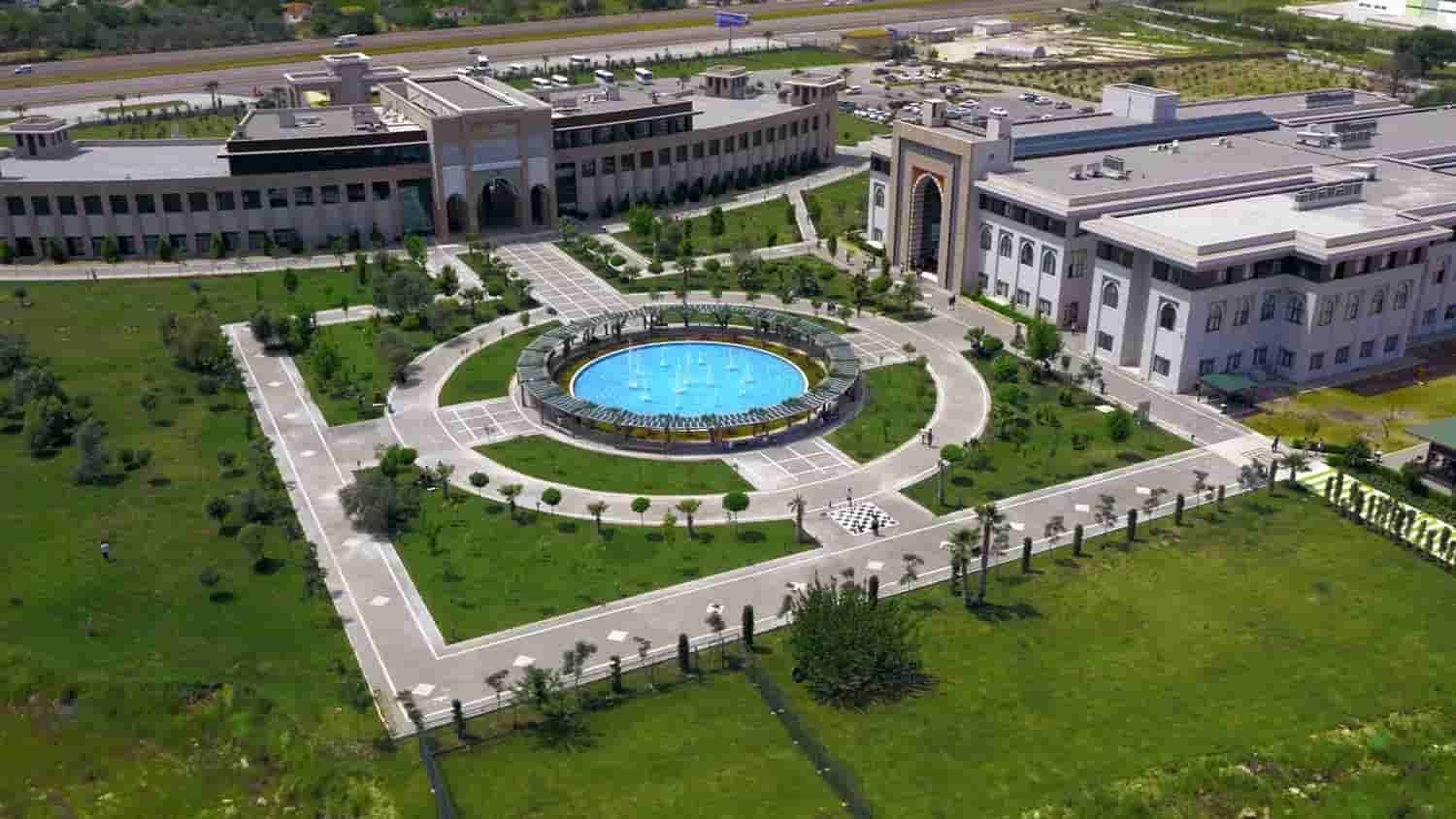 Dormitory
Antalya, Turkey
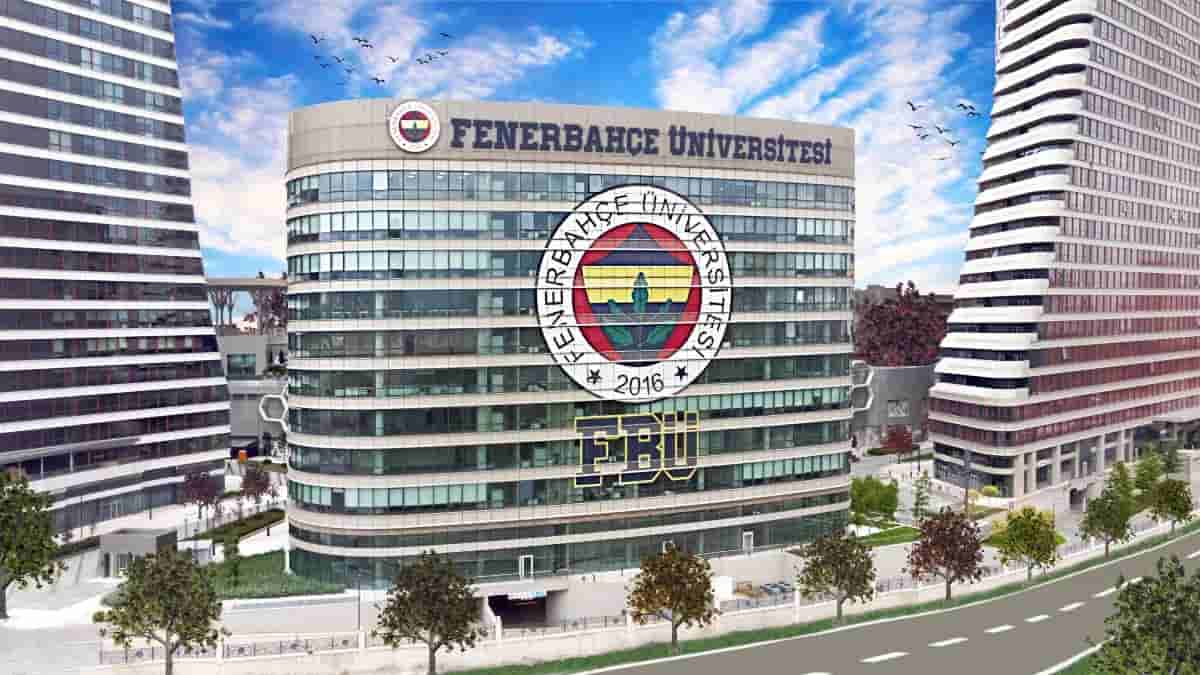 Dormitory
Istanbul, Turkey
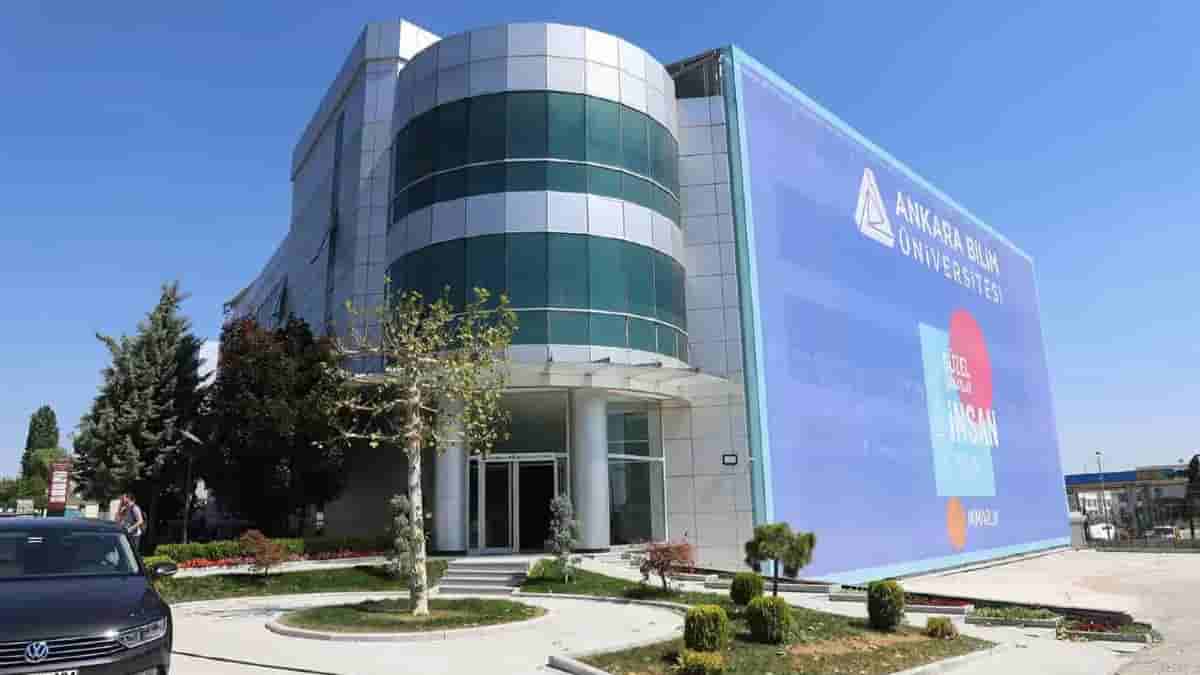 Dormitory
Ankara, Turkey
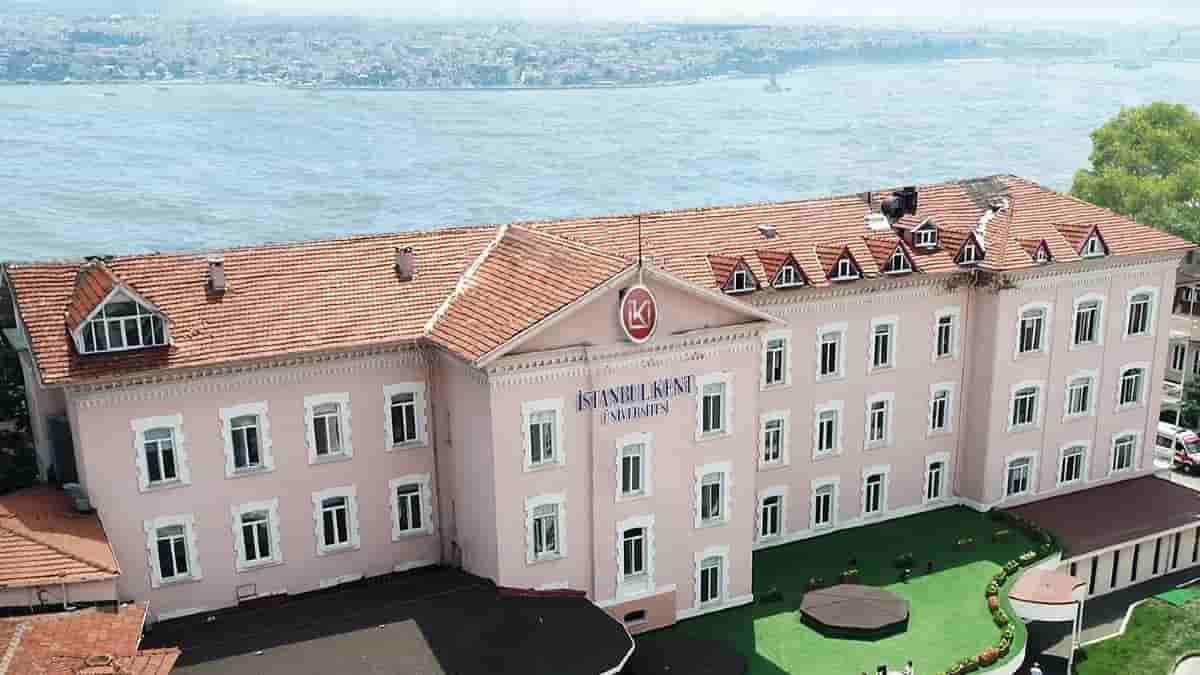 Dormitory
Istanbul, Turkey