FAQs
Frequently Asked Questions and Answers

Choosing an international university is a long term academic and career decision. Istanbul’s private universities offer clear admissions, practical programs, and accessible costs. With structured planning, students can focus on real outcomes rather than confusion.
• Wide range of English taught programs across many fields
• Private universities provide flexible, document based admissions
• Competitive tuition and living costs compared to Western Europe
• Modern campuses and strong industry connections
• Predictable application process with clear requirements
• Strong regional career opportunities after graduation
Istanbul hosts a large concentration of private and foundation universities that actively recruit international students. These institutions operate under a structured academic framework with standardized semesters, credit systems, and recognized degrees.
Programs are designed to combine theory with practical training. Many include projects, labs, internships, or applied coursework. Administrative systems are typically centralized and responsive, which shortens processing times and simplifies communication.
All universities discussed in this pathway are private institutions, not public. This usually means faster admissions, smaller classes, and more direct student support services.

Students choose Istanbul for practical reasons rather than lifestyle alone.
The city offers academic diversity. Students can find programs in engineering, business, health sciences, architecture, design, and social sciences within one location.
Costs are generally more manageable than many Western destinations. Families can plan budgets with greater certainty.
Istanbul is also a major economic and cultural center. Internships, part time work, and networking opportunities are more accessible than in smaller cities. Exposure to a large, active job market supports career development during and after study.
This pathway suits:
• Students seeking affordable international education with recognized degrees
• Applicants who want English instruction
• Families looking for predictable admissions and timelines
• Students comfortable living in a large, fast paced city
It may not suit:
• Students expecting full financial sponsorship
• Those who prefer small town environments
• Individuals who are not prepared for independent living in a major city
Matching expectations with the environment is important.
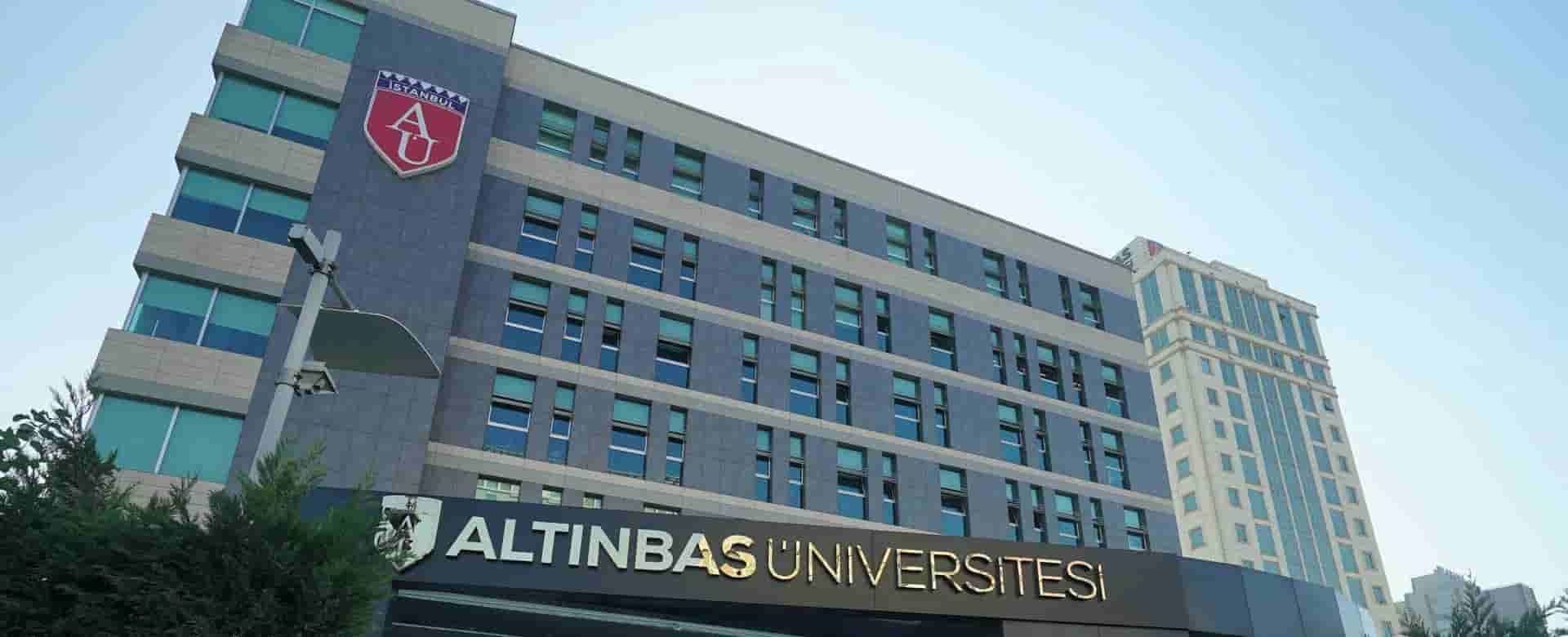
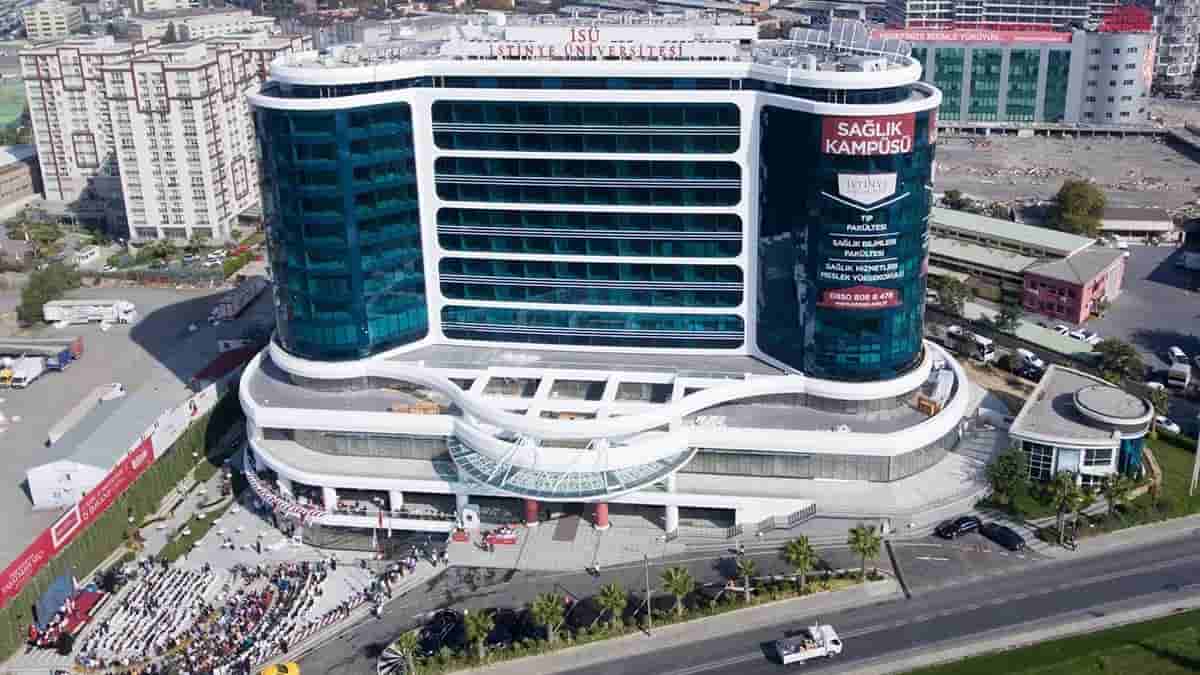
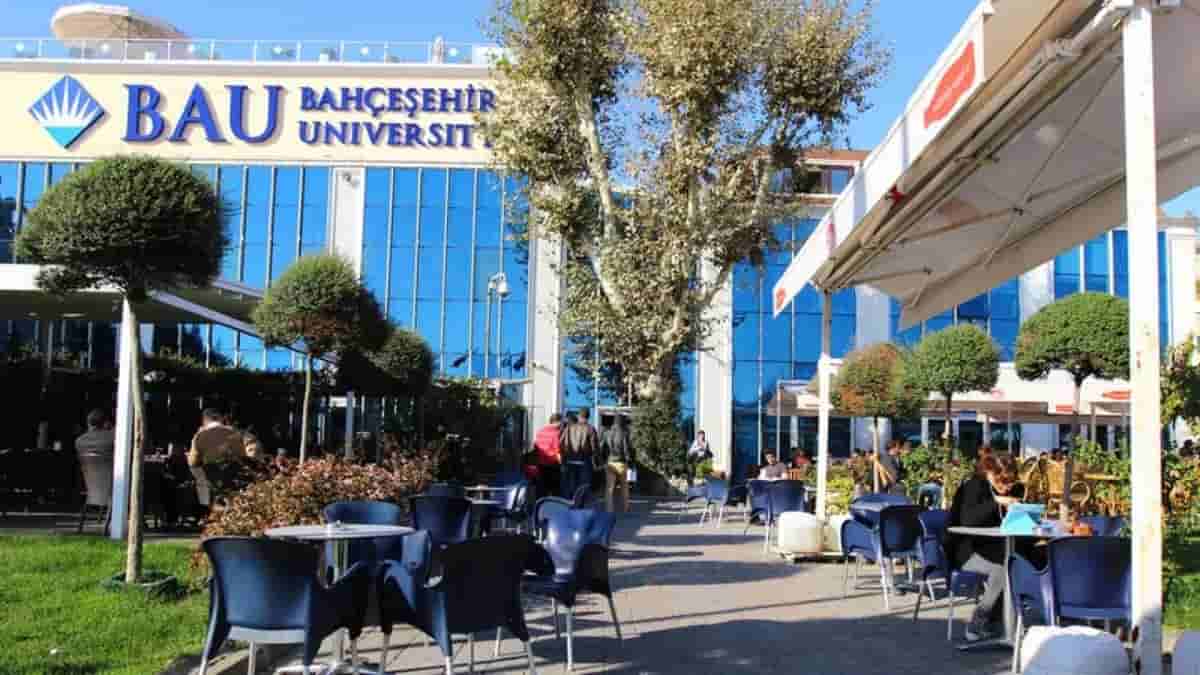
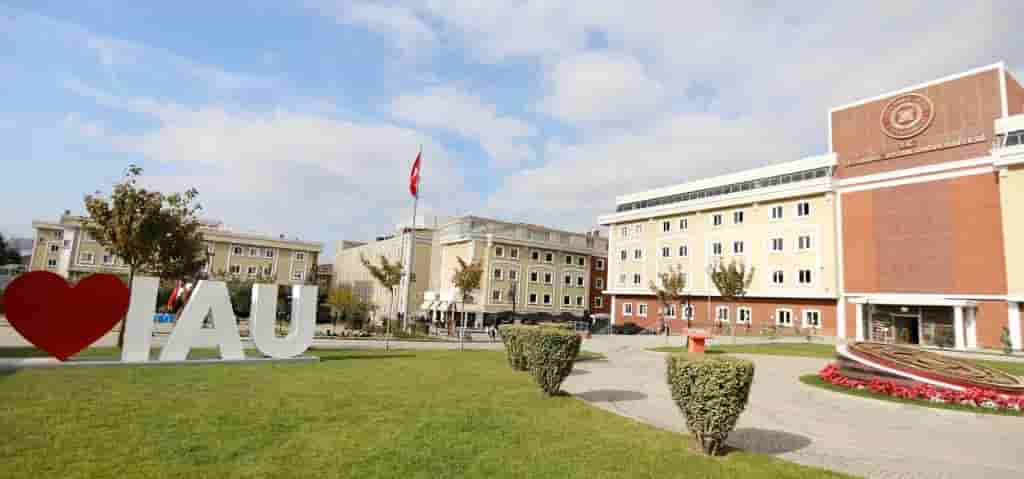
Istanbul is home to many established private universities. Examples include Bahçeşehir University, Istanbul Medipol University, Altinbas University, İstanbul Aydin University, Yeditepe University, Istinye University, Istanbul Bilgi University, Uskudar University, Istanbul Okan University, and Kadir Has University.
Common international programs include:
• Engineering and IT
• Business and management
• Health sciences
•Architecture and design
•Communication and media
•Social sciences
Students should compare facilities, internship access, and graduate outcomes rather than focusing only on reputation.
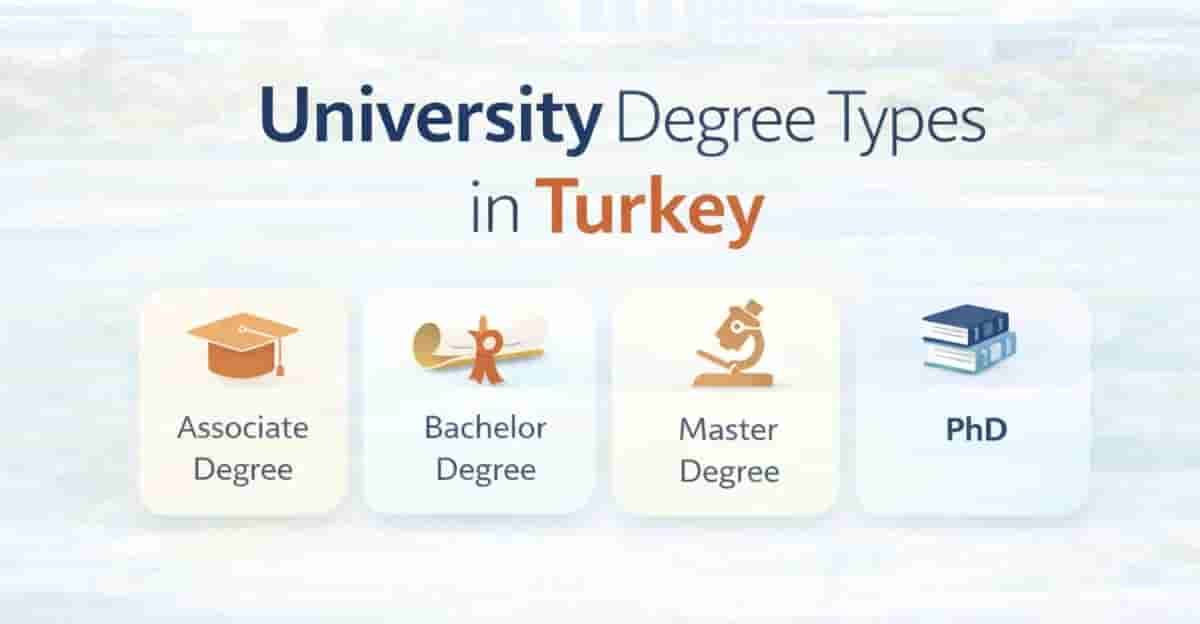
Admissions are document based and straightforward. These requirements outline the academic and identity documents needed at each study level to verify eligibility and prior education. Associate and Bachelor’s applicants submit high school records, while Master’s and PhD candidates provide university diplomas and transcripts that match their previous degrees. A passport and a basic copy of documents are requested for identification and administrative processing across all levels.
Complete and accurate documents are the most important factor for fast processing.

Many programs are delivered fully in English. Students should be ready for academic reading, writing, and presentations.
If language skills need improvement, preparatory courses may be available. Strengthening communication skills before arrival helps students adapt faster and perform better academically.
Basic Turkish knowledge is also useful for daily life and social integration.
Tuition varies by program and university but remains competitive compared to many Western European countries. Private institutions charge annual fees that depend on the field of study.
Living costs in Istanbul depend on accommodation choices and lifestyle. Students should budget for housing, food, transportation, and personal expenses. Shared apartments or dormitories help reduce monthly costs.
There are no scholarship options within this pathway. Students should plan full self funding from the beginning.
Istanbul offers an active student environment. Universities provide clubs, sports facilities, libraries, and career centers. The city offers cultural, professional, and social opportunities throughout the year.
Accommodation options include university dormitories and private apartments. Living close to campus saves time and reduces stress.
Adapting to a large city requires organization and independence. Students who manage time well and build peer networks settle faster and perform better.

Graduates from Istanbul’s international universities benefit from studying in an economic hub. Internships and industry partnerships help students gain experience before graduation.
Career opportunities exist in local companies, multinational firms, and regional markets. Many students build professional networks during their studies, which improves employability.
Success depends on skills, experience, and language ability rather than the university name alone.
Choosing based only on cost
Low tuition without checking program quality can limit outcomes. Compare facilities and career support.
Ignoring language or academic readiness
Poor preparation increases stress. Improve skills before arrival.
Relying on unofficial sources
Outdated information leads to errors. Use verified guidance.
Missing deadlines
Late applications reduce options. Start early.
Underestimating living expenses
Unexpected costs create financial pressure. Plan conservatively.
For a structured and reliable process, students should apply only through the StudyLeo platform. StudyLeo provides free registration, free transfer, and free visa support, and works through direct partnerships with universities for faster and more accurate admissions.
12 months before intake
Research programs and define goals.
9 months before
Prepare documents and shortlist universities.
6 months before
Apply through StudyLeo.
3 months before
Confirm acceptance and arrange housing.
1 month before
Finalize travel and personal preparations.
Clear sequencing reduces risks and last minute issues.
Studying at international universities in Istanbul should be treated as a long term education investment rather than a short term experience. The right choice depends on academic fit, financial readiness, and realistic planning. With structured guidance and early preparation, students can secure quality education and strong career outcomes. For those seeking accessible admissions, practical programs, and a dynamic professional environment, Istanbul remains a strategic and dependable option.
Frequently Asked Questions and Answers
Look out blogs and aware of the latest trends and updates
Explore top universities offering quality education, modern facilities, and diverse academic opportunities for students worldwide




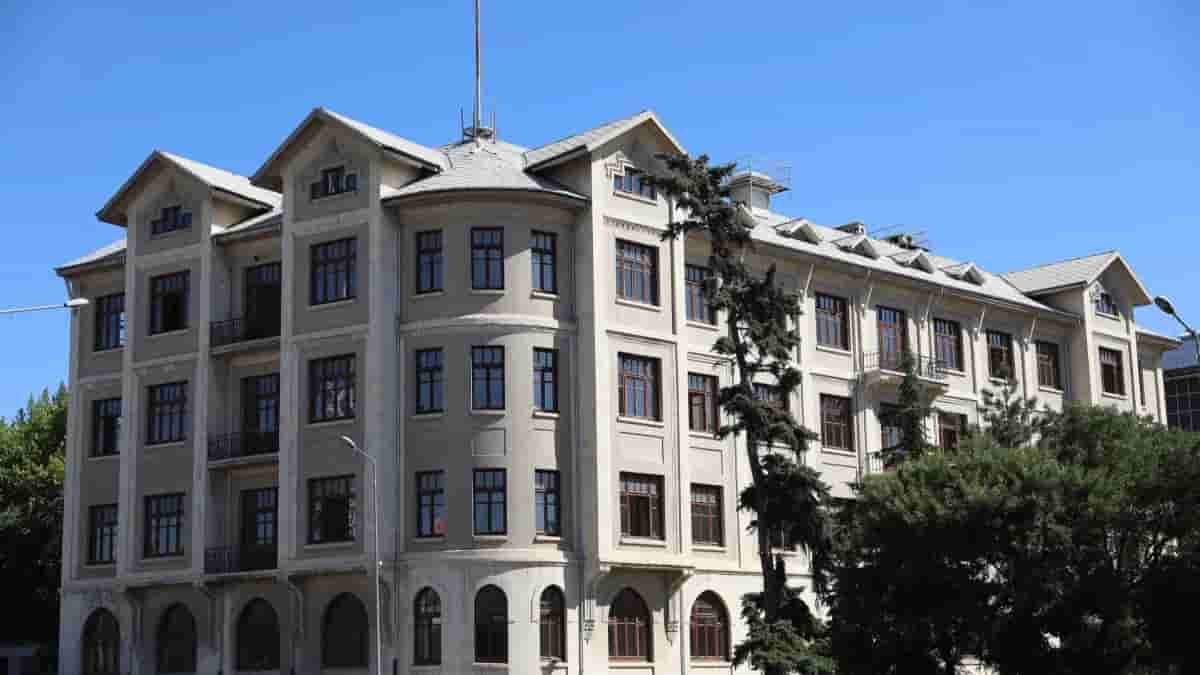 Dormitory
Ankara, Turkey
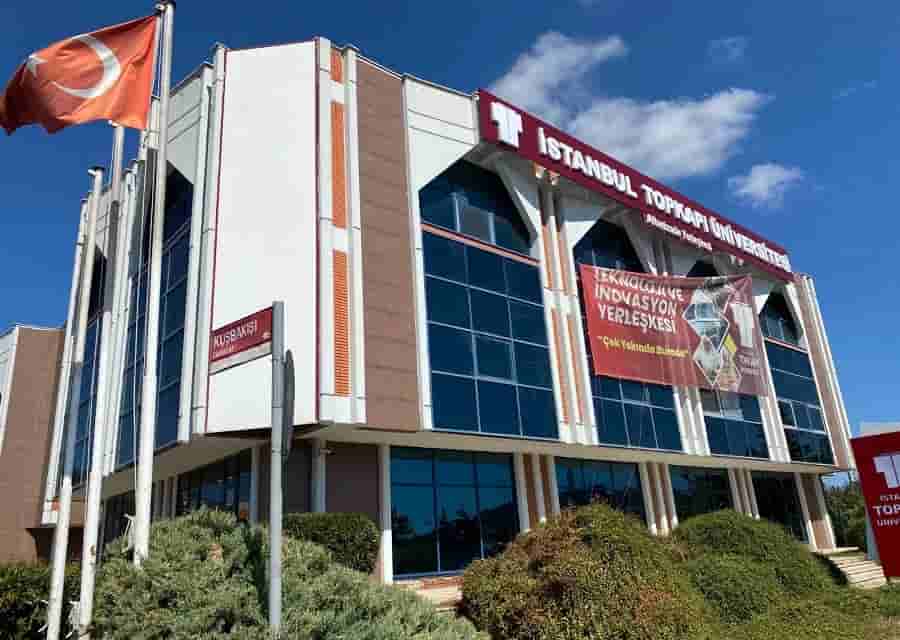 Dormitory
Istanbul, Turkey
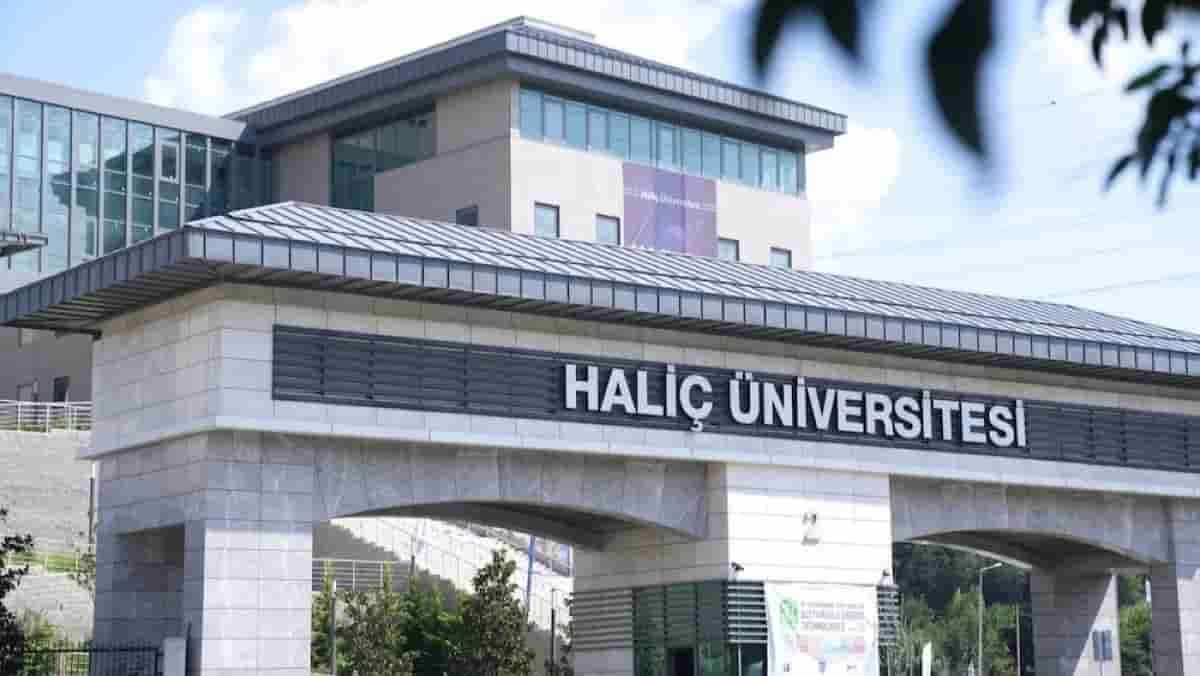 Dormitory
Istanbul, Turkey
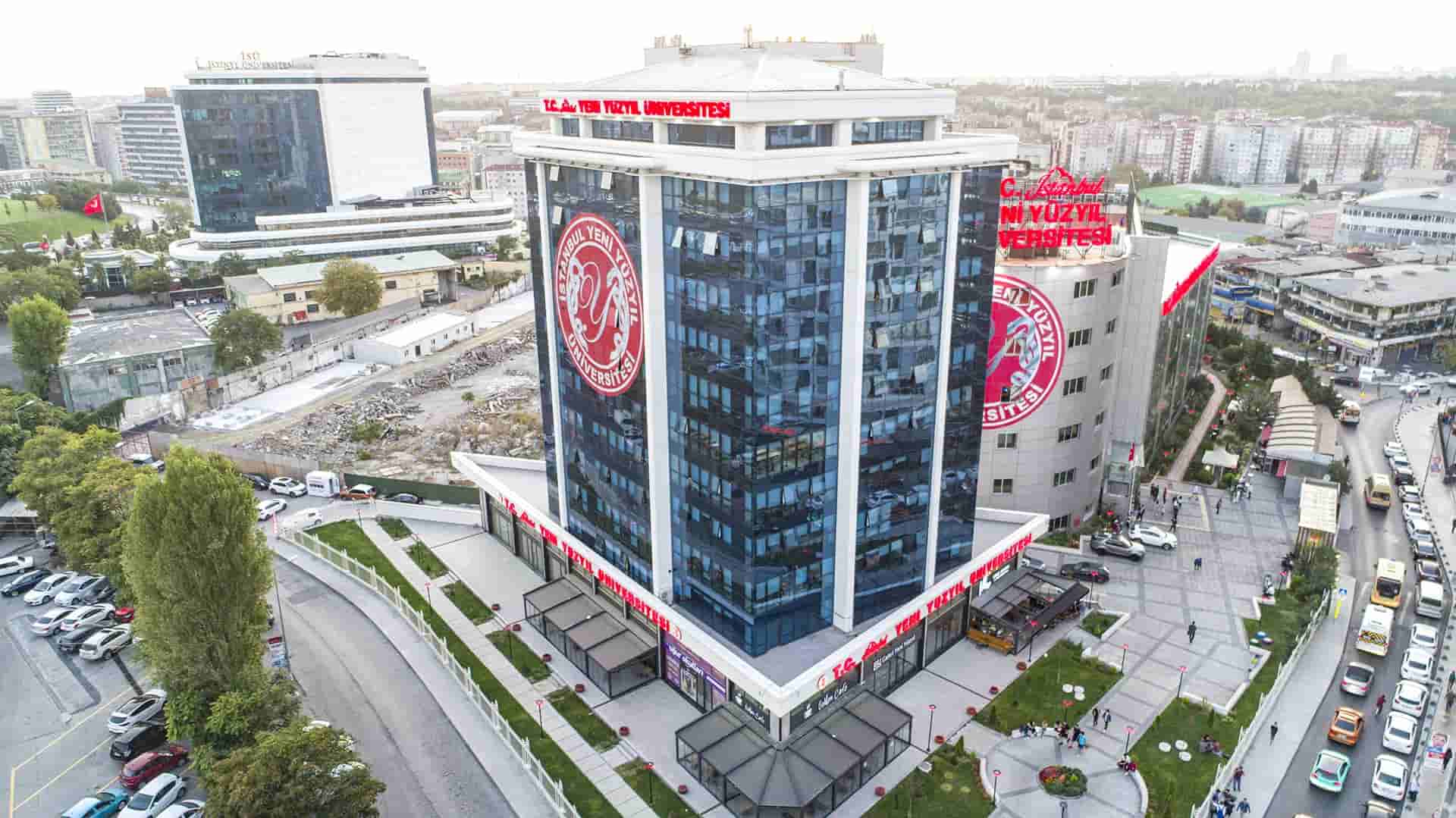 Dormitory
Istanbul, Turkey
 Dormitory
Istanbul, Turkey
 Dormitory
Istanbul, Turkey
 Dormitory
Istanbul, Turkey
 Dormitory
Istanbul, Turkey
 Dormitory
Istanbul, Turkey
 Dormitory
Istanbul, Turkey
 Dormitory
Istanbul, Turkey
 Dormitory
Istanbul, Turkey
 Dormitory
Istanbul, Turkey
 Dormitory
Istanbul, Turkey
 Dormitory
Istanbul, Turkey
 Dormitory
Istanbul, Turkey
 Dormitory
Antalya, Turkey
 Dormitory
Istanbul, Turkey
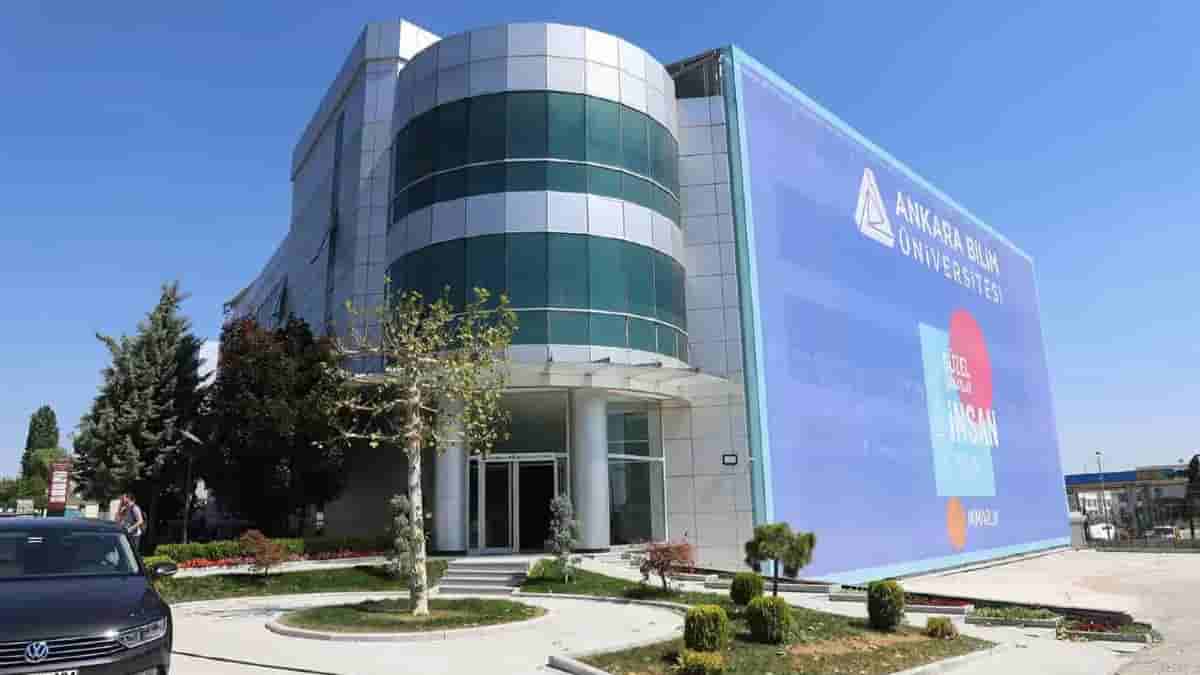 Dormitory
Ankara, Turkey
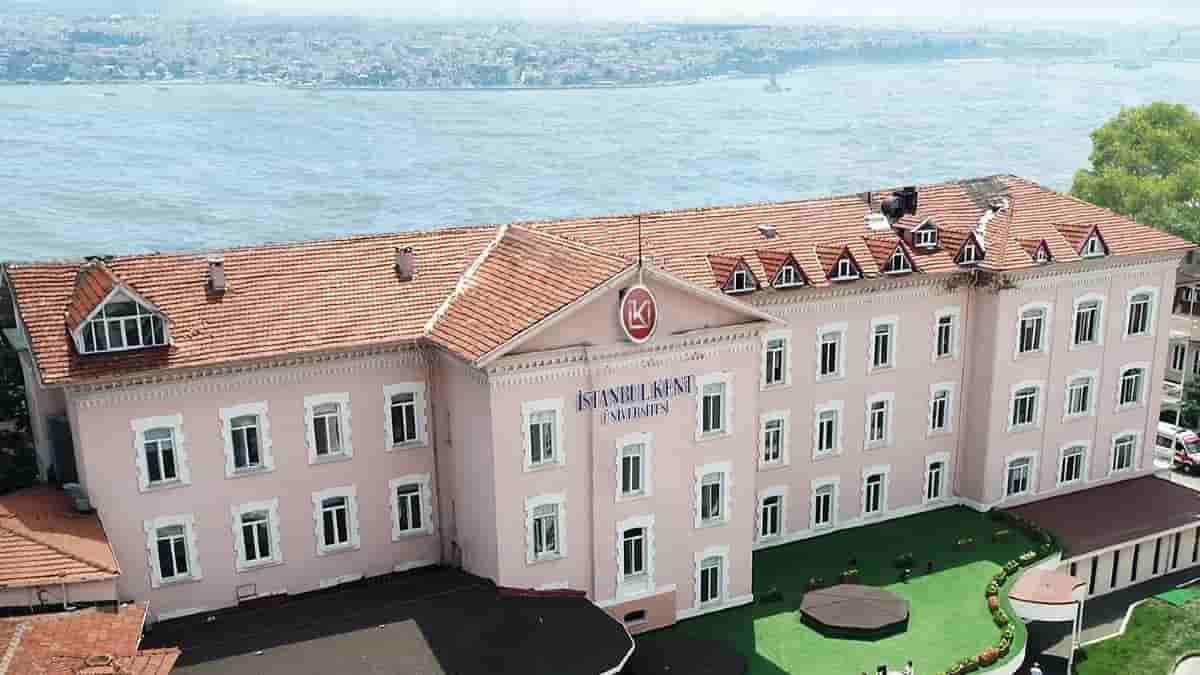 Dormitory
Istanbul, Turkey