


FAQs
Frequently Asked Questions and Answers

Studying medicine in Turkey has become a strategic choice for international students seeking high-quality medical education within a globally competitive academic environment. Private medical universities in Turkey offer structured programs that follow internationally accepted medical education standards while providing access to modern clinical facilities. Advanced teaching hospitals, experienced professors, and technology-driven learning environments shape the academic journey of medical students. English-taught medical programs further strengthen Turkey’s position as an international education destination. Financial planning plays a central role in this decision, as medical education is a long-term academic commitment. Understanding the cost structure helps students align their educational goals with realistic financial expectations. For many students, Turkey represents a balanced combination of academic quality, professional preparation, and manageable costs.
Tuition fees are the primary financial component of studying medicine at private universities in Turkey. These institutions independently determine their fee structures based on academic resources, hospital affiliations, laboratory facilities, and curriculum design. Medical programs offered by private universities typically follow a six-year structure and are designed to meet international accreditation expectations. English-taught medical programs are widely available and are particularly attractive to international students planning global medical careers.
Tuition fees may vary between universities and academic years, reflecting institutional investments and program development. For this reason, tuition costs should be evaluated as a multi-year commitment rather than a single annual expense. StudyLeo supports students throughout this process by providing clear and transparent information about tuition structures without any service fee. This guidance helps students make informed decisions while avoiding confusion related to traditional application systems.
Medical academic programs at private universities in Turkey are structured according to international medical education frameworks. The Doctor of Medicine program is completed over six academic years and is divided into pre-clinical, clinical, and internship phases. This structured progression ensures that students develop a strong scientific foundation before entering clinical practice. Academic programs are designed to integrate theory, practice, and professional ethics from the early stages of education.
The first three years focus on basic and pre-clinical sciences. Courses such as anatomy, physiology, biochemistry, histology, microbiology, pathology, and pharmacology form the core academic foundation. Teaching methods include lectures, laboratory work, simulation-based training, and case studies. Modern laboratories and digital learning platforms support academic performance. Assessment methods emphasize continuous evaluation, ensuring students are academically prepared for clinical training.
Clinical education is a defining element of medical programs at private universities in Turkey. From the fourth year onward, students begin hospital-based training within affiliated teaching hospitals. Clinical rotations cover major medical disciplines such as internal medicine, general surgery, pediatrics, obstetrics and gynecology, psychiatry, cardiology, orthopedics, and neurology. This phase emphasizes patient-centered learning under academic supervision.
Small-group clinical training allows students to actively participate in patient diagnosis, treatment planning, and medical decision-making. Faculty members closely monitor clinical performance to ensure professional development. Practical exposure strengthens communication skills, ethical awareness, and clinical confidence. These experiences prepare students for real-world medical environments and contribute significantly to their overall educational investment.
The final year of medical education is structured as a compulsory internship period. During this year, students function as supervised medical interns within hospital departments. The internship year bridges academic education and professional medical practice. Interns rotate through various clinical units, including emergency medicine, internal medicine, surgery, and specialty departments.
This stage allows students to apply theoretical knowledge in real clinical settings while developing responsibility and independence. Supervision by experienced academic physicians ensures patient safety and educational quality. The internship year plays a critical role in preparing graduates for postgraduate training, licensing examinations, or international medical pathways. Financial planning for this year is important, as students remain enrolled while actively working in clinical environments.

Living expenses form a significant part of the total cost of studying medicine in Turkey. Private medical universities are generally located in major cities with developed infrastructure and student-friendly services. Monthly expenses include accommodation, food, transportation, utilities, and personal needs. Living costs vary depending on city, lifestyle, and housing preferences, but remain competitive compared to many Western countries.
Medical students often spend long hours on campus or in hospitals, which influences daily spending patterns. Access to public transportation and affordable food options helps manage expenses effectively. StudyLeo provides students with realistic living cost expectations, allowing them to plan their finances responsibly without relying on standard university application platforms.
Accommodation choices significantly influence the overall cost of medical education. Students studying at private universities in Turkey can choose between university dormitories, private student residences, or shared apartments. Dormitories offer structured environments with fixed monthly costs, often including utilities and basic services. This option is preferred by students seeking predictable expenses.
Private residences and shared apartments provide greater independence and flexibility. Shared housing is particularly popular among international medical students seeking cost efficiency. Location plays an important role, as accommodation closer to hospitals or campuses may cost more. StudyLeo assists students in evaluating housing options that balance comfort, accessibility, and financial sustainability throughout the medical program.
Beyond tuition and living costs, medical students should account for additional academic expenses. These may include textbooks, digital learning subscriptions, medical instruments, laboratory materials, and clinical attire. Private universities often provide extensive digital libraries and online academic resources, which help reduce material costs. However, certain practical tools remain necessary during clinical training.
Transportation costs related to hospital rotations may also occur, depending on campus structure. These expenses are generally manageable but should be included in long-term budgeting. StudyLeo ensures that students are informed about potential additional costs early in the planning process, allowing them to maintain financial stability throughout their studies.
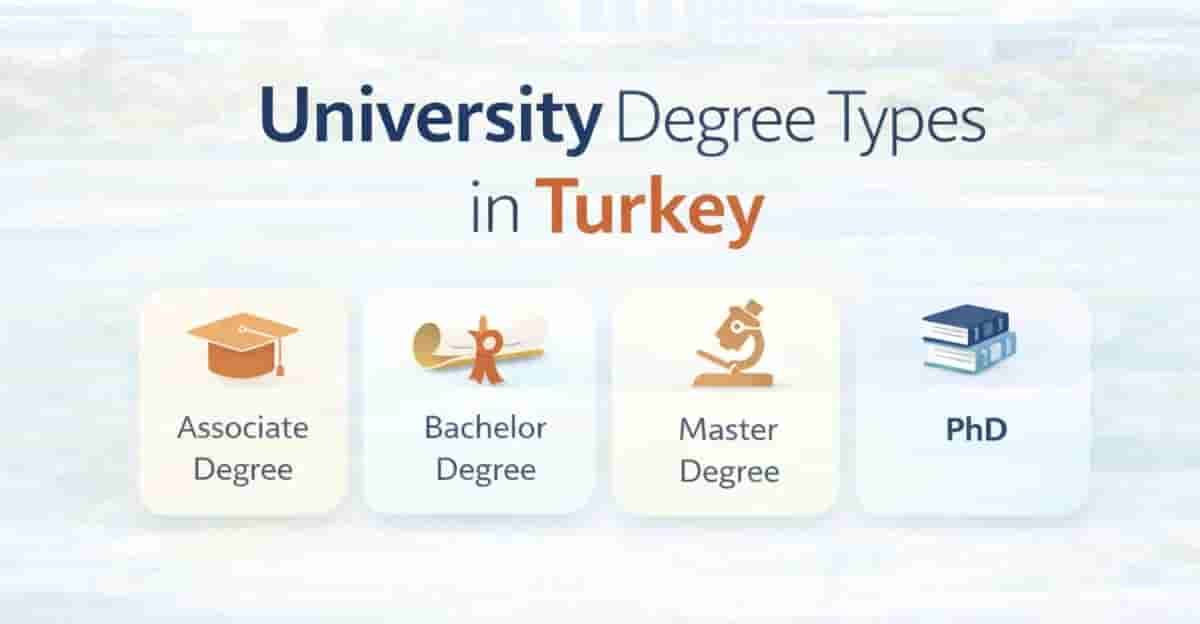
Admission to medical programs at private universities in Turkey is based on academic documentation rather than entrance examinations. Preparing application documents carefully is essential, as certification and translation may involve additional costs. Required documents for Associate and Bachelor’s degree applicants include:
High school diploma
High school transcript
Passport
Photo
Graduation certificate
For Master’s degree applicants, required documents include:
Bachelor’s diploma
Bachelor’s transcript
Graduation certificate
Passport
Photo
For Doctorate (PhD) applicants, required documents include:
Bachelor’s and Master’s diplomas
Bachelor’s and Master’s transcripts
Graduation certificate
Passport
Photo
Document preparation costs depend on country of origin and official requirements. StudyLeo guides students through this process clearly and efficiently, eliminating unnecessary expenses.
The cost of studying medicine in Turkey reflects a comprehensive educational investment shaped by academic quality, clinical training, and long-term professional value. Private medical universities offer structured programs that combine scientific education with extensive hospital-based experience. Tuition fees, living expenses, accommodation, and academic materials together form the overall financial framework. Careful planning across the full duration of medical education allows students to manage costs effectively and maintain academic focus. Understanding each cost component strengthens decision-making and reduces financial stress. With clear guidance and transparent support, students can confidently pursue medical education in Turkey. StudyLeo plays a vital role by offering fee-free, reliable assistance tailored to international medical students.
Frequently Asked Questions and Answers
Look out blogs and aware of the latest trends and updates
Explore top universities offering quality education, modern facilities, and diverse academic opportunities for students worldwide




DormitoryIstanbul, Turkey
DormitoryAnkara, Turkey
DormitoryIstanbul, Turkey




DormitoryAntalya, Turkey
DormitoryIstanbul, Turkey
DormitoryAnkara, Turkey
DormitoryIstanbul, Turkey