








FAQs
Frequently Asked Questions and Answers
More than 300,000 international students currently study in Turkey, yet many arrive with unclear budgets. Families often see mixed numbers online and struggle to separate marketing from reality. Cost planning in Turkey requires structure because expenses depend on city, lifestyle, and university type. Clear financial expectations support stable study decisions and reduce mid-year pressure.
• Turkey offers strong value compared to many Western destinations
• Living costs vary more by city than by country average
• Housing and daily expenses shape most of the budget
• Private universities provide wide city and program options
• Structured planning reduces financial risk
Cost of studying in Turkey is not only about what you pay to a university. Students must consider housing, food, transport, residence permits, insurance, and personal expenses. Many families underestimate these areas and focus only on headline figures.
A realistic plan looks at total yearly living expenses. Students who budget monthly rather than yearly usually control spending better. This approach also shows whether a city fits your financial comfort zone.
Living costs change by city and lifestyle. Istanbul sits at the higher end, while cities like Ankara, Izmir, Mersin, and Konya are usually more manageable. Students who share housing and cook at home spend far less than those who live alone and eat out often.
Typical monthly living ranges for one student:
Expense Type | Monthly USD Range
Accommodation | 150 to 500
Food | 150 to 250
Transport | 20 to 50
Phone and internet | 15 to 30
Personal expenses | 80 to 150
Most students live between 400 and 900 USD monthly depending on choices.

Students exploring cost of studying in Turkey often compare foundation universities across major cities. Institutions like Medipol, Bahçeşehir, Yeditepe, İstinye, Aydın, and Toros attract international students because they operate in cities with strong student infrastructure. The decision usually combines city affordability and campus location.
For example, a student in central Istanbul may pay more for housing than one in Mersin or Ankara. Therefore, city selection directly affects total study cost. Many families now evaluate city first, then university.
Cost of studying in Turkey depends not only on living expenses but also on the type of program a student selects. Programs with labs, clinical practice, or technical training require more institutional resources. More theory based programs usually create a steadier budget structure. Therefore, reviewing program details helps students plan their total study cost more accurately.

Some students copy a friend’s budget from another city. This creates unrealistic expectations. Each city has its own cost pattern.
Others ignore small daily spending. Coffee, delivery food, and taxis quickly raise monthly totals. Tracking expenses early prevents this issue.
Another mistake involves arriving without a buffer fund. Unexpected setup costs appear in the first months. A safety margin supports smoother adjustment.
Smart planning starts with clear financial priorities. Students should understand their expected living costs, preferred city, and realistic monthly budget before applying. Clear numbers make decisions more confident and reduce last-minute stress.
For university selection and application, many international students use StudyLeo because it provides free transfer, free registration, and free visa support through direct partnerships with these universities.
Cost of studying in Turkey becomes manageable when planning matches reality. Students who align city choice and lifestyle with their budget face fewer financial surprises. Stable finances support academic focus and personal comfort. Careful budgeting turns Turkey into a financially sustainable study destination.
Frequently Asked Questions and Answers
Look out blogs and aware of the latest trends and updates
Explore top universities offering quality education, modern facilities, and diverse academic opportunities for students worldwide






 Dormitory
Ankara, Turkey
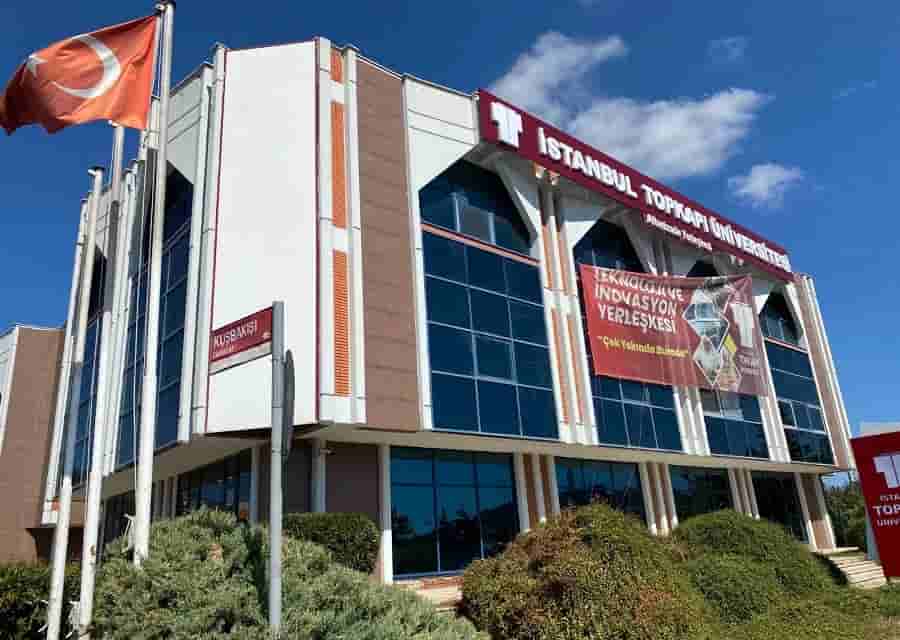 Dormitory
Istanbul, Turkey
 Dormitory
Istanbul, Turkey
 Dormitory
Istanbul, Turkey
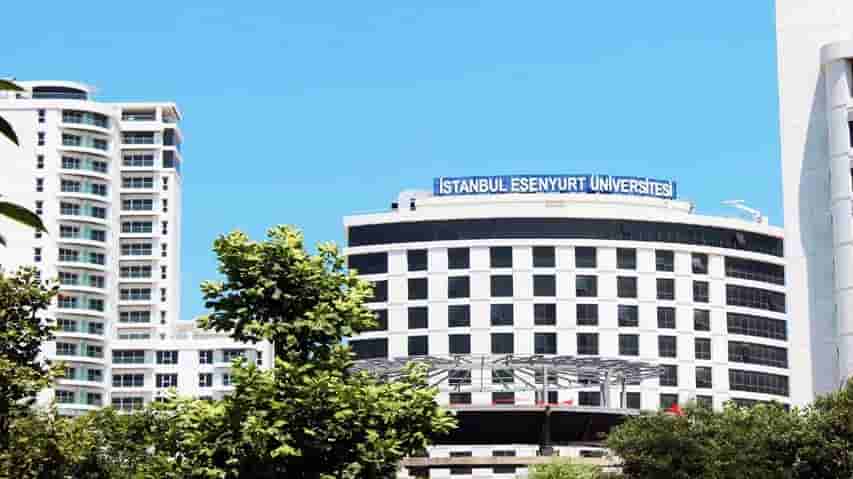 Dormitory
Istanbul, Turkey
 Dormitory
Istanbul, Turkey
 Dormitory
Istanbul, Turkey
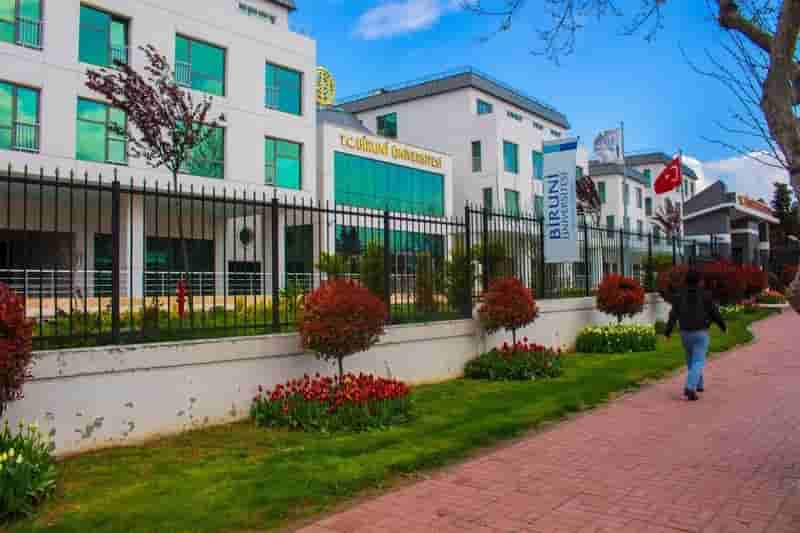 Dormitory
Istanbul, Turkey
 Dormitory
Istanbul, Turkey
 Dormitory
Istanbul, Turkey
 Dormitory
Istanbul, Turkey
 Dormitory
Istanbul, Turkey
 Dormitory
Istanbul, Turkey
 Dormitory
Istanbul, Turkey
 Dormitory
Istanbul, Turkey
 Dormitory
Istanbul, Turkey
 Dormitory
Antalya, Turkey
 Dormitory
Istanbul, Turkey
 Dormitory
Ankara, Turkey
 Dormitory
Istanbul, Turkey