
FAQs
Frequently Asked Questions and Answers

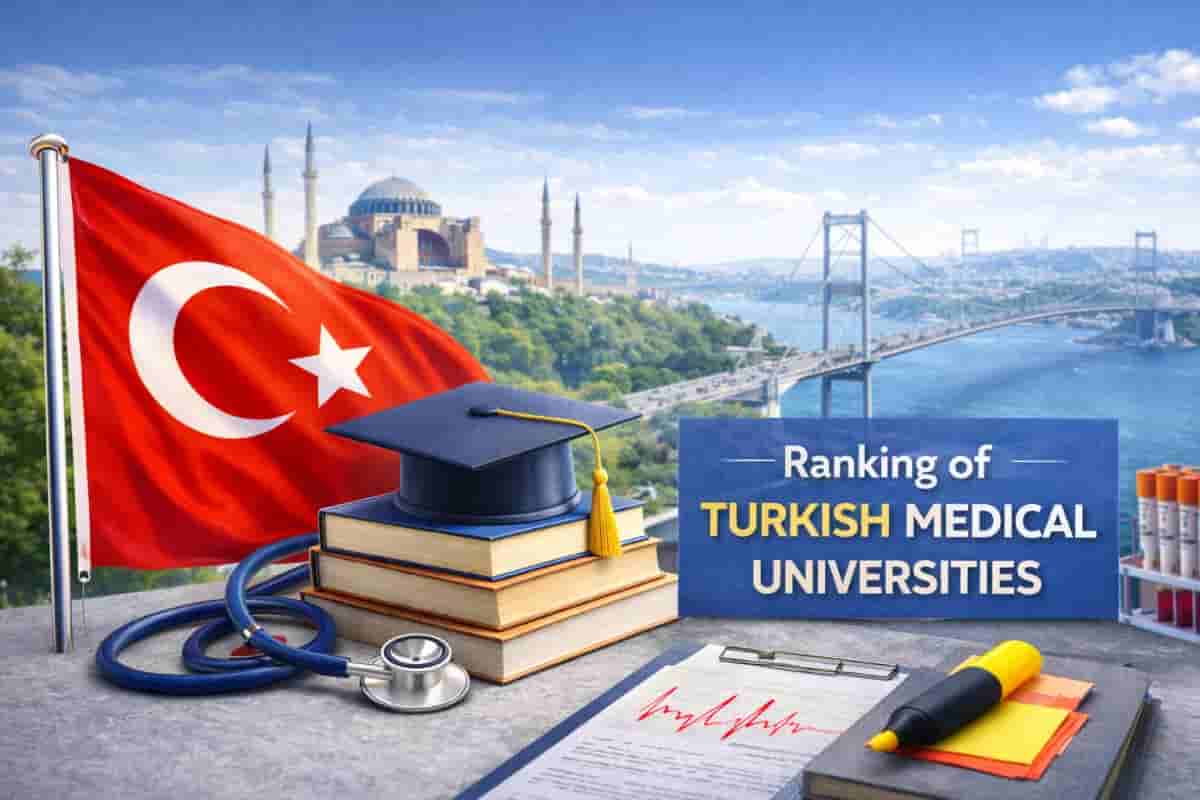
Medicine is one of the longest and most demanding degrees. A poor financial decision at the start can create pressure for six years. Turkey draws attention because medical education follows national standards while overall student spending can stay manageable. Many families focus only on price, but real value comes from cost and clinical quality together. Smart planning makes a big difference.
Medical programs in Turkey are structured. All medical degrees last 6 years and include hospital practice. This gives students a clear path. When the structure is clear, budgeting becomes easier.
Affordable does not mean the lowest number. It means completing all six years without financial stress. A university with strong hospital access can prevent repeating semesters and losing time. That protects your budget.
Students who chase only low prices often ignore living costs and clinical quality. Real affordability combines stable expenses, good training, and on time graduation.

Medical students spend most of their time studying. Their lifestyle is usually simple and focused.
Istanbul monthly student life with rent often ranges 650 to 950 USD
Ankara and similar cities often range 450 to 700 USD
Dormitories and shared apartments reduce rent
Student transport cards lower travel costs
Managing living expenses well supports academic focus.
Some private universities are often reviewed by students seeking practical training with manageable costs. Clinical quality should always be confirmed.
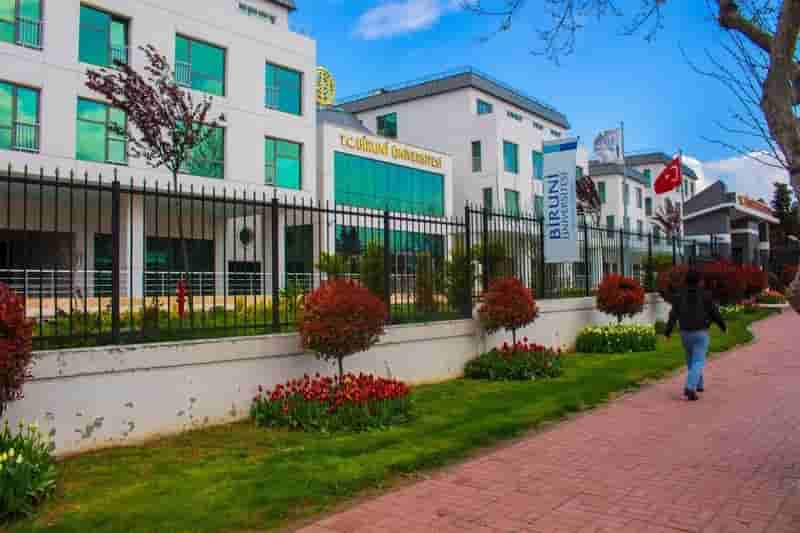
Biruni University is known for strong medical focus and hospital practice.
Atlas University offers modern labs and structured clinical rotations.
Istanbul Yeni Yüzyıl University runs a full 6 year medical program with hospital exposure.
Istanbul Aydın University works with large healthcare networks.
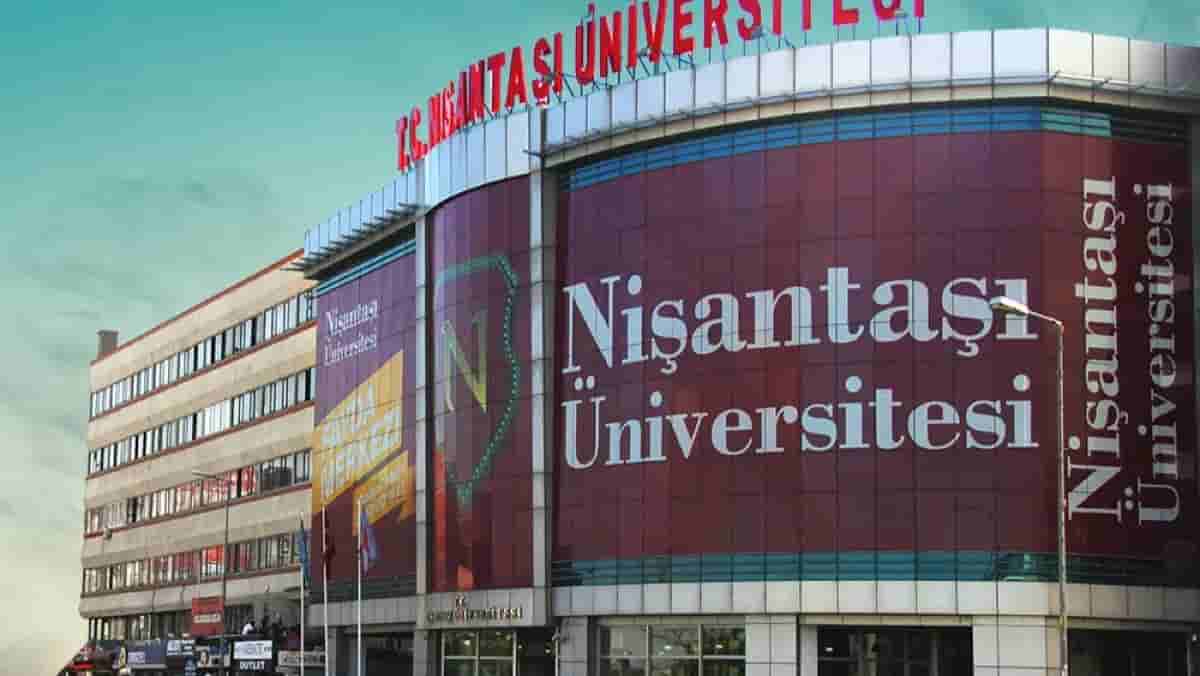
Nişantaşı University continues developing medical facilities.
Lokman Hekim University benefits from healthcare group support and lower city costs.
Başkent University has long experience in clinical partnerships.
Sanko University operates as a health specialized institution.
Selection should depend on clinical training strength, not only price.
Early years build scientific knowledge. Later years move into hospitals. Students observe doctors, assist procedures, and meet patients.
Learning in real hospitals builds confidence. Universities with active clinical environments prepare students better. Practical exposure shapes future doctors.

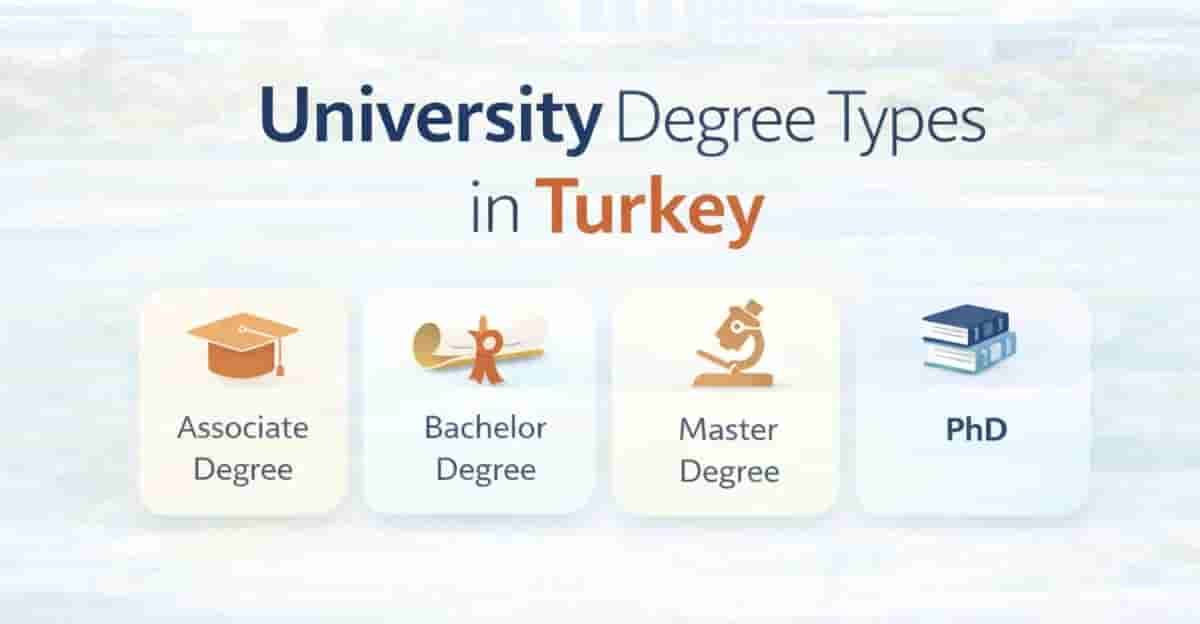
Admission is document based, so files must be complete and clear. Requirements are similar across levels.
Associate / Bachelor’s: High school diploma, graduation certificate, transcript, passport, photo copy.
Master’s: Bachelor’s diploma and transcript, graduation certificate, passport, photo copy.
PhD: Bachelor’s and Master’s diplomas and transcripts, graduation certificate, passport, photo copy.
Some universities may request SAT for medicine. Competitive applicants often target around 1500. Early preparation avoids delays.
Applying through StudyLeo makes the process clearer and more organized for students. Instead of contacting universities separately, students apply through one platform that works directly with partner universities.
StudyLeo provides:
Free registration support
Free airport transfer
Free visa support
Step by step application guidance
This system reduces mistakes and saves time. Students get support from document preparation to final enrollment, which makes the process smoother and more predictable.
Choosing where to study medicine is a long term decision. The best option is a university where you can study calmly for six years. Balanced cost and strong clinical training bring real value. The cheapest choice is not always the smartest. Careful planning gives both financial stability and better education.
Frequently Asked Questions and Answers
Look out blogs and aware of the latest trends and updates
Explore top universities offering quality education, modern facilities, and diverse academic opportunities for students worldwide




 Dormitory
Ankara, Turkey
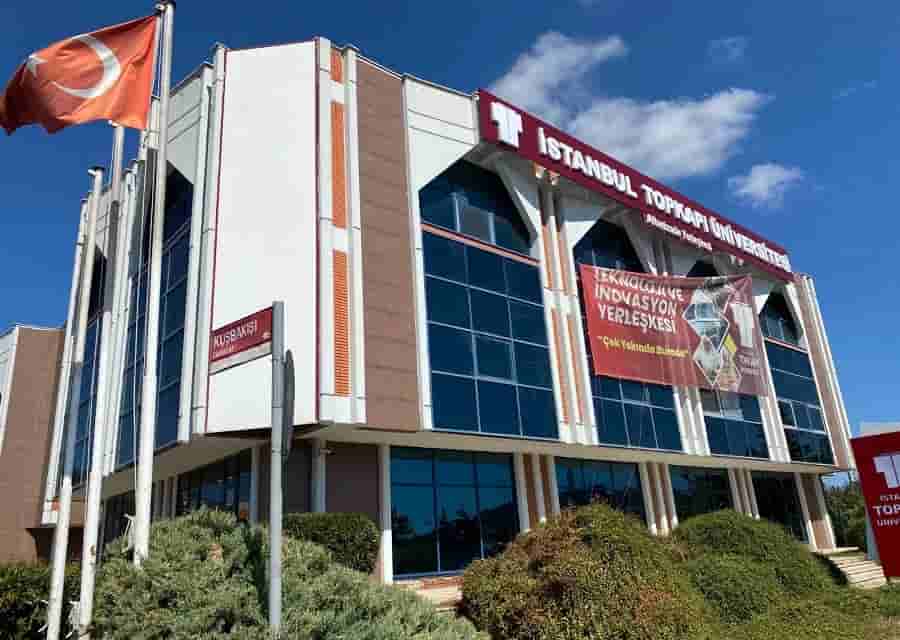 Dormitory
Istanbul, Turkey
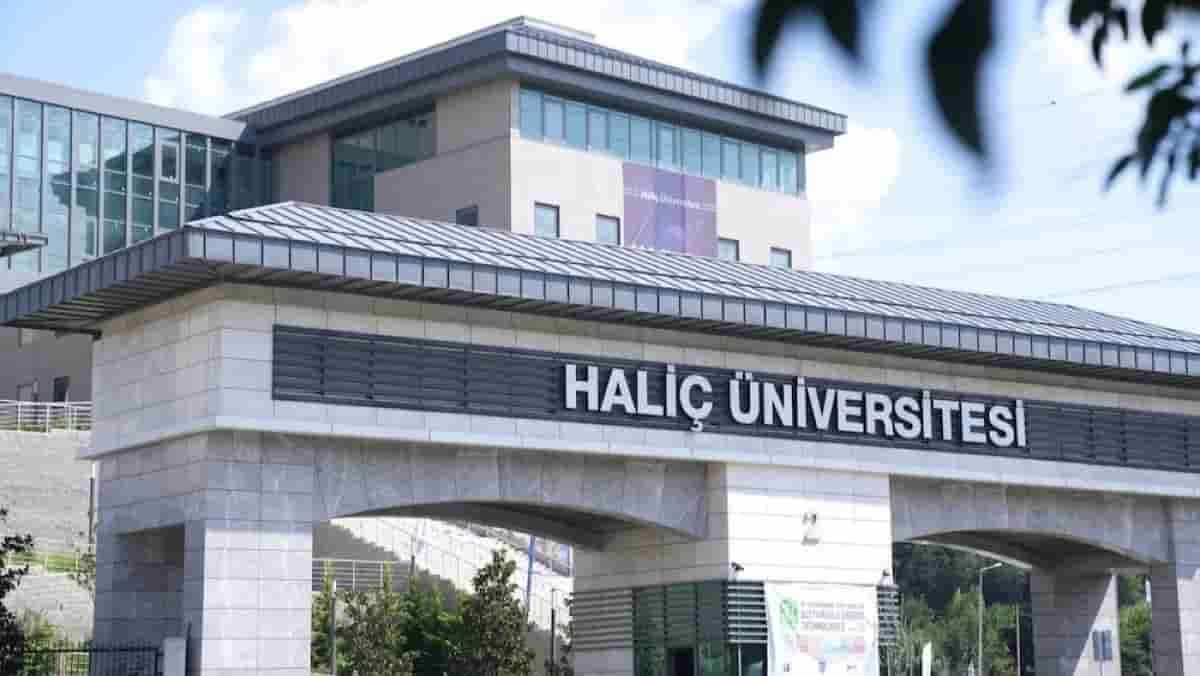 Dormitory
Istanbul, Turkey
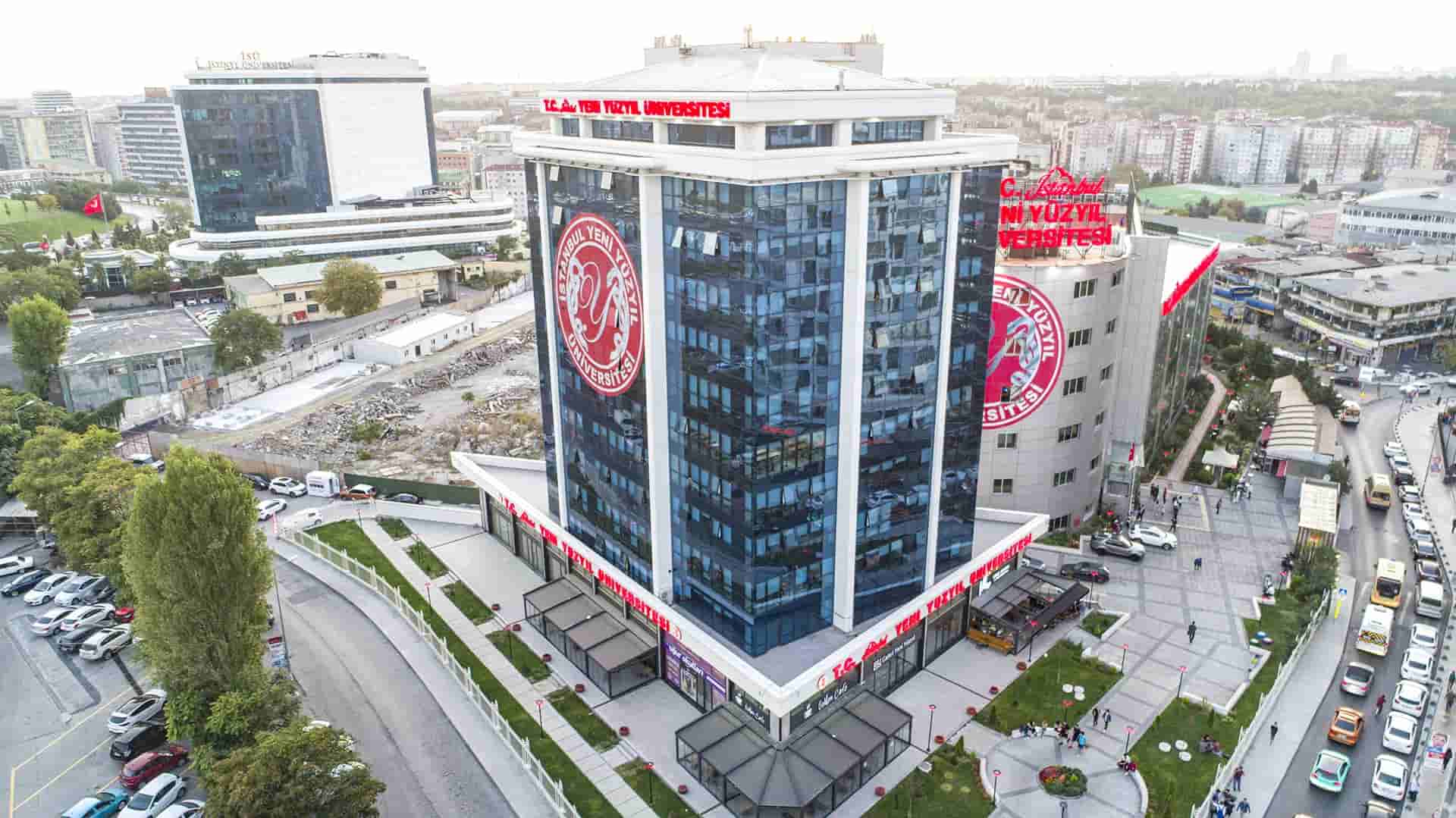 Dormitory
Istanbul, Turkey
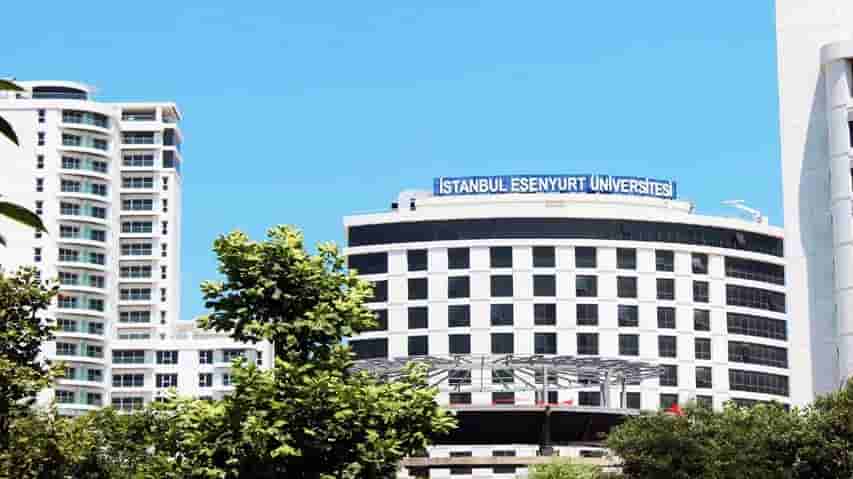 Dormitory
Istanbul, Turkey
 Dormitory
Istanbul, Turkey
 Dormitory
Istanbul, Turkey
 Dormitory
Istanbul, Turkey
 Dormitory
Istanbul, Turkey
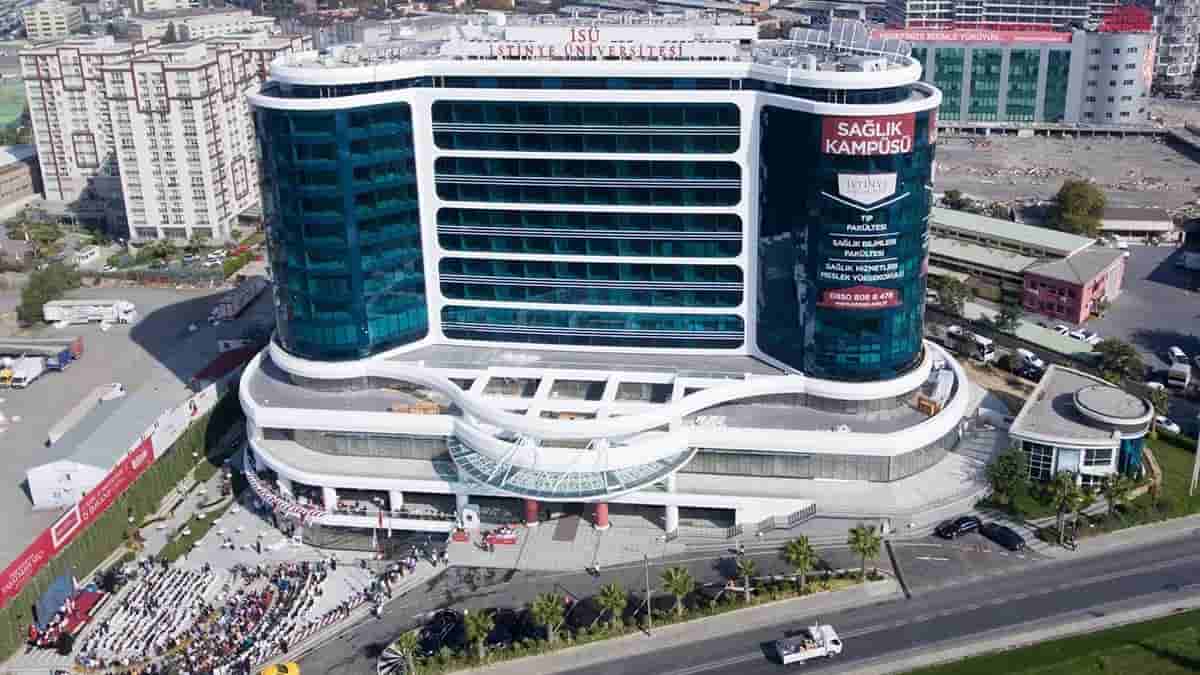 Dormitory
Istanbul, Turkey
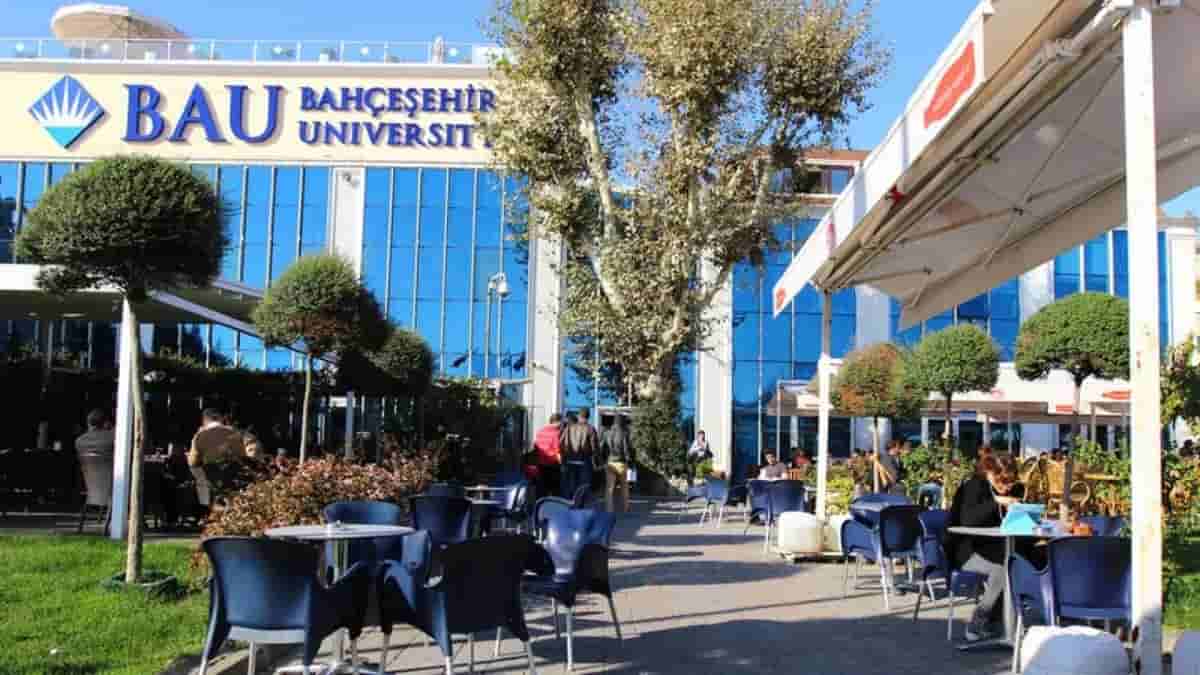 Dormitory
Istanbul, Turkey
 Dormitory
Istanbul, Turkey
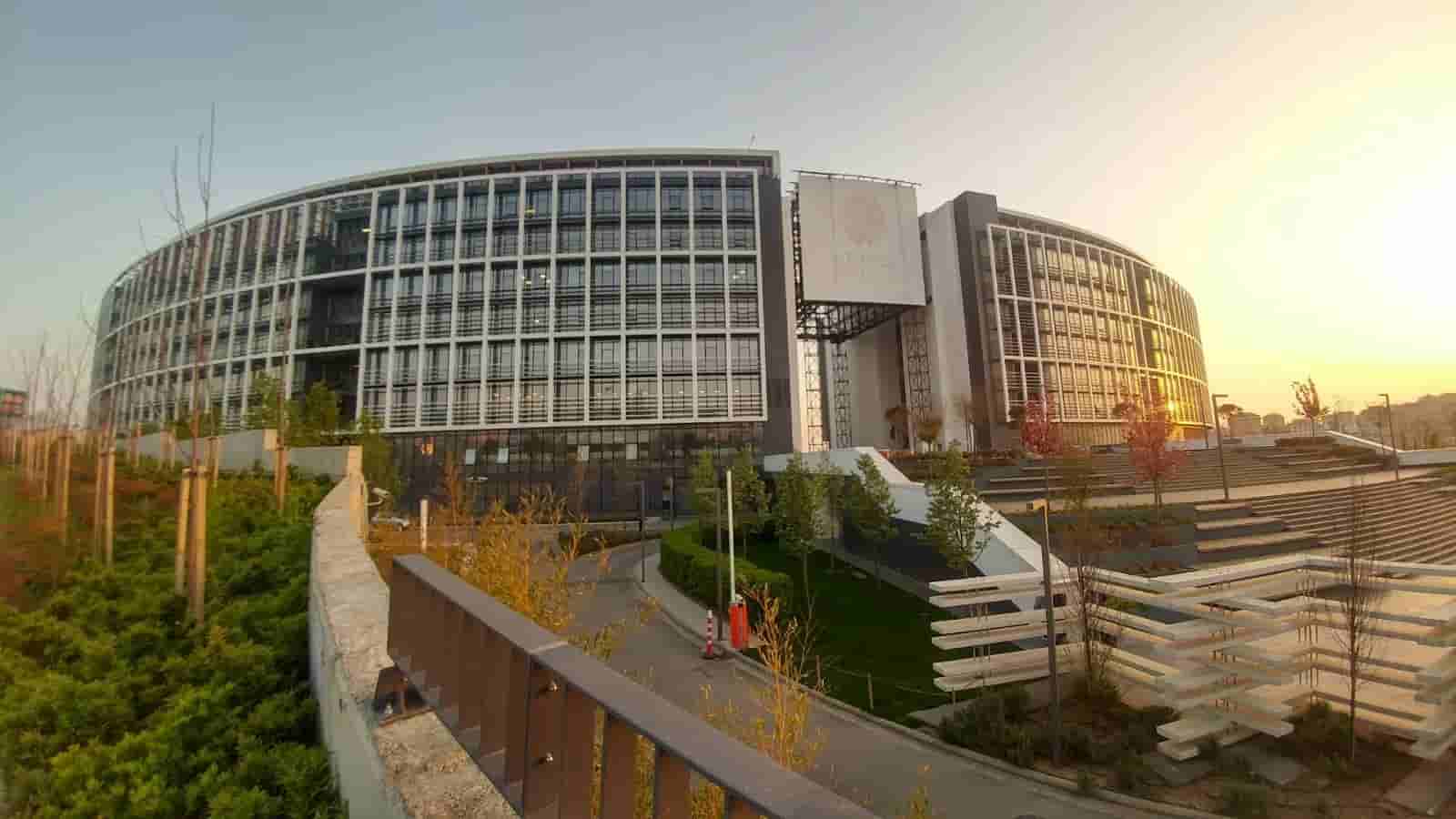 Dormitory
Istanbul, Turkey
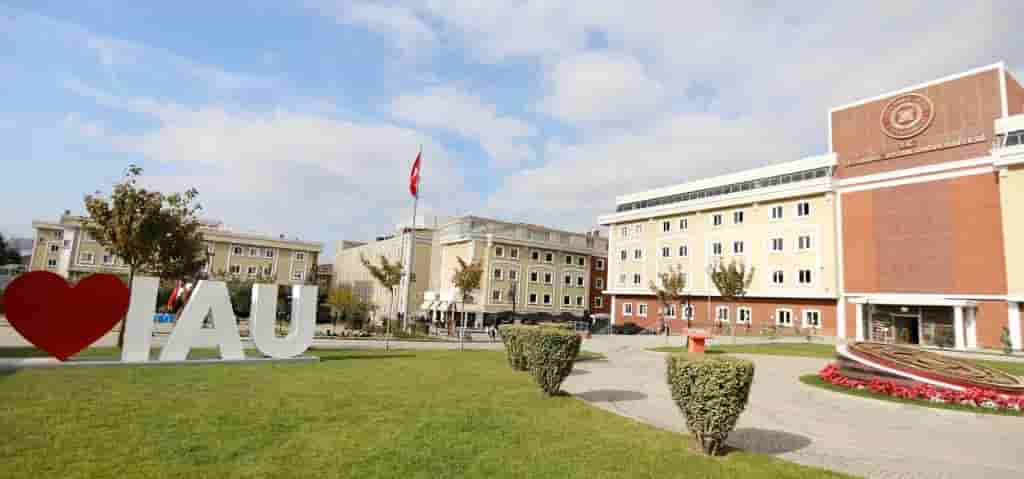 Dormitory
Istanbul, Turkey
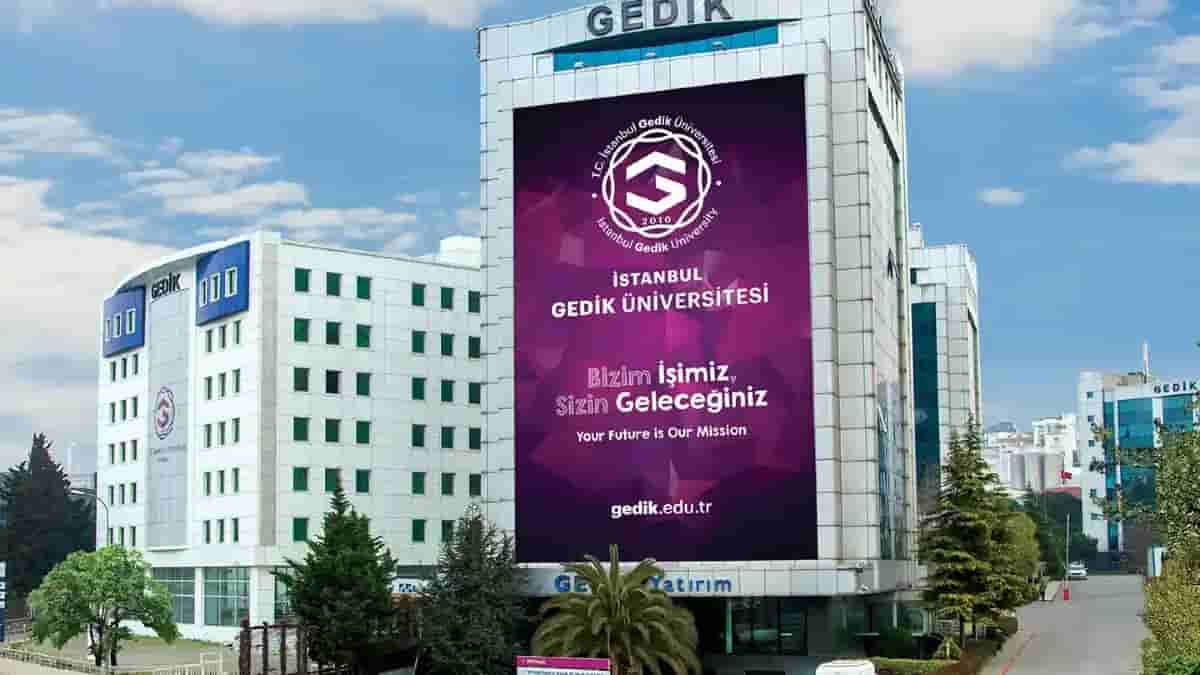 Dormitory
Istanbul, Turkey
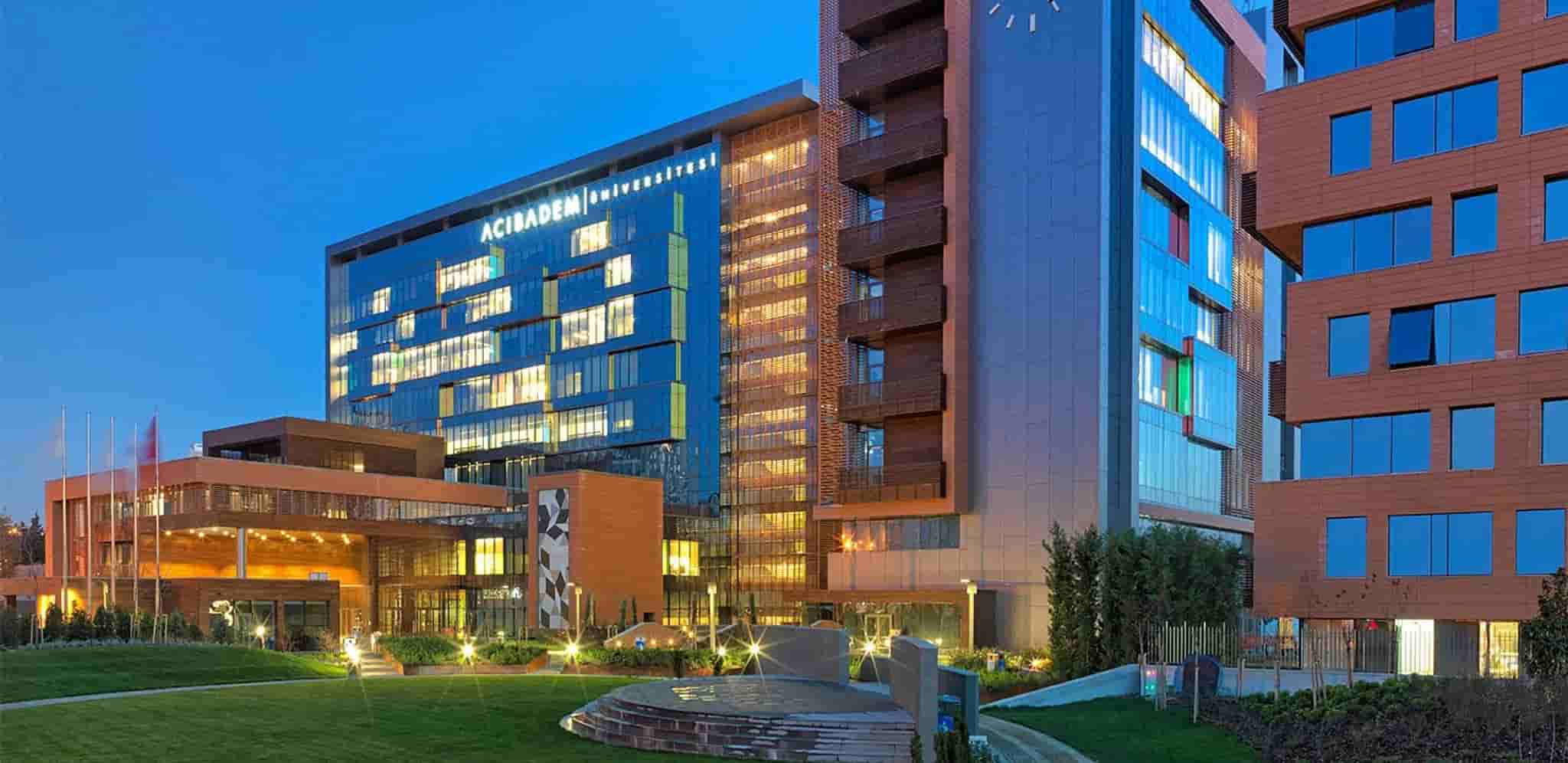 Dormitory
Istanbul, Turkey
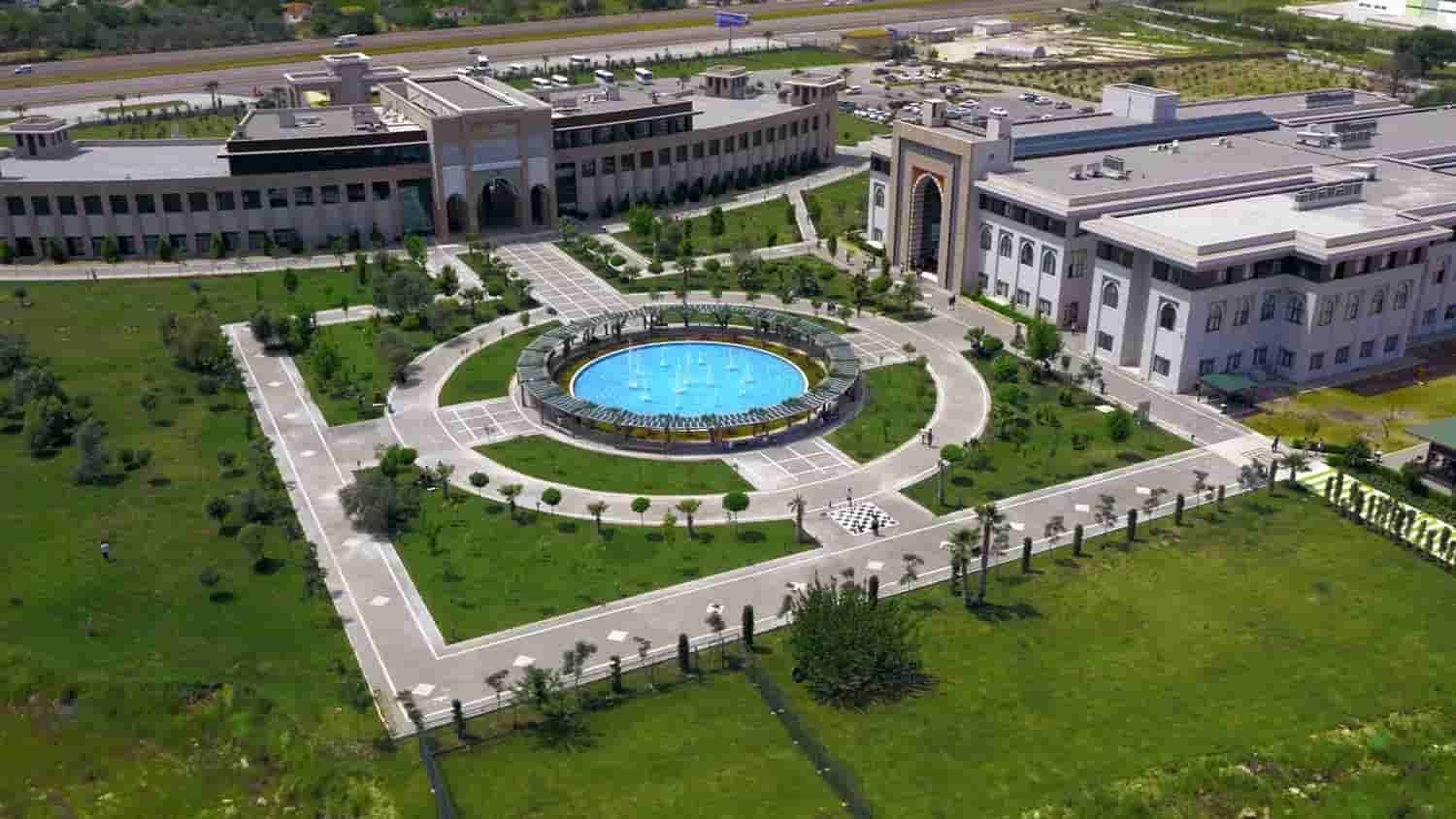 Dormitory
Antalya, Turkey
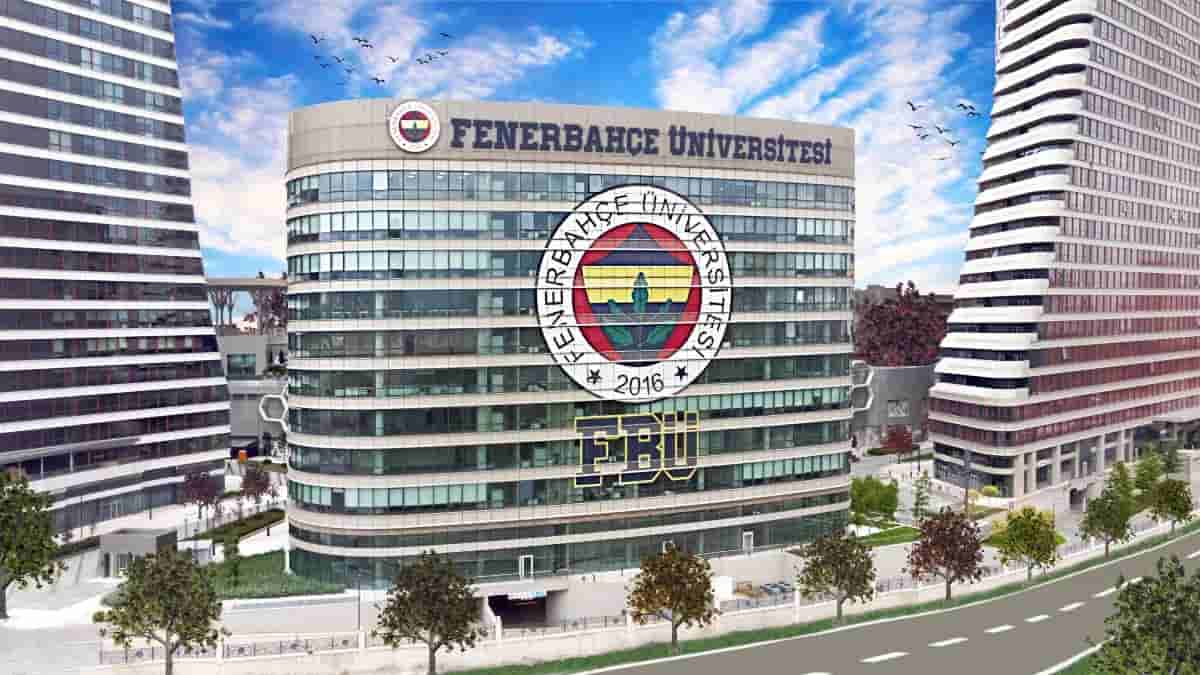 Dormitory
Istanbul, Turkey
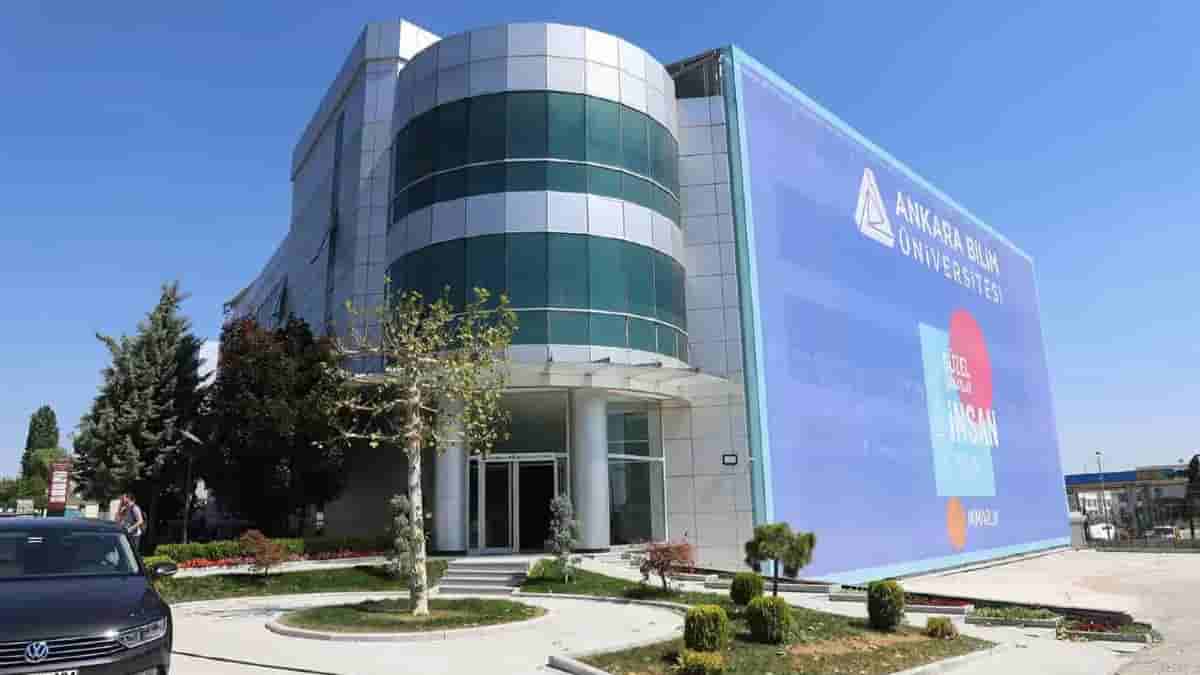 Dormitory
Ankara, Turkey
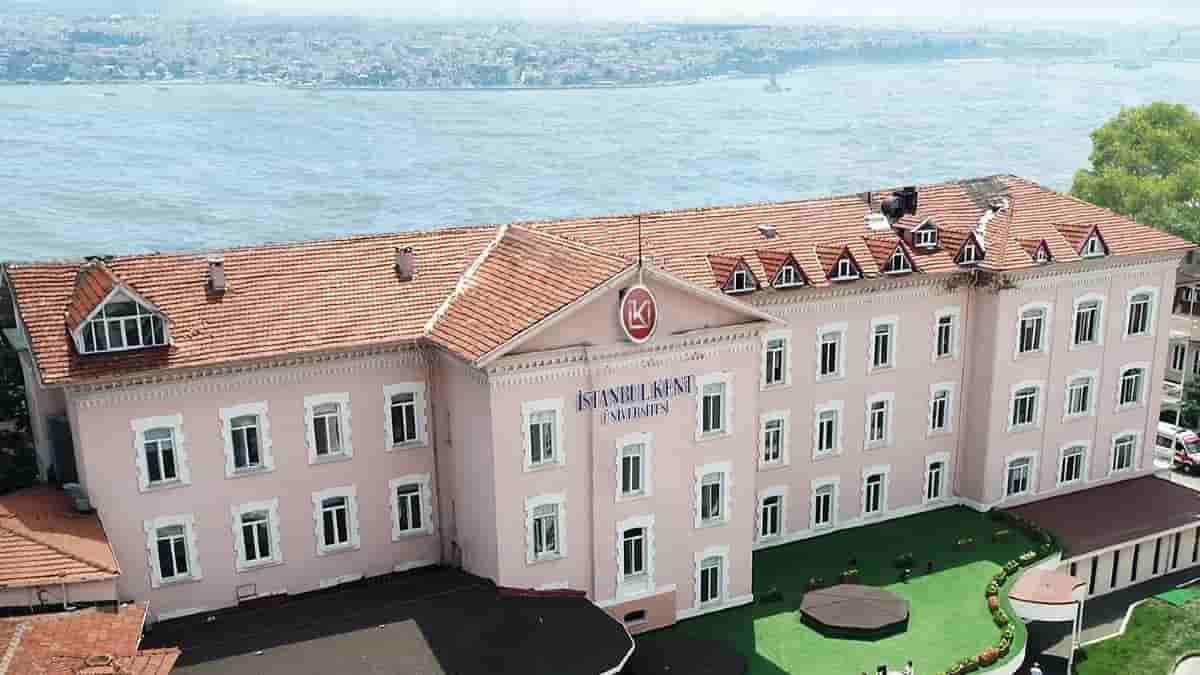 Dormitory
Istanbul, Turkey