



FAQs
Frequently Asked Questions and Answers

Turkey attracts students who want economics education that leads to real careers. Private universities offer modern programs, English instruction, and direct contact with industry. Students usually look for career results, practical skills, and employer recognition. Economics programs that show real outcomes gain more attention. When education links with real markets, interest rises.
Studying economics in Turkey provides a unique combination of quality education and cultural exposure. Many programs emphasize practical experience, allowing students to work on case studies, simulations, and real-world projects. Additionally, English-language programs in private universities make it easier for international students to adapt and succeed.
The education system encourages critical thinking, quantitative reasoning, and independent research. Networking opportunities, collaborations with industries, and participation in seminars and workshops further enhance learning outcomes. Graduates are well-prepared for careers in finance, government, international organizations, and academia.

Readers first look for real job outcomes. Graduates from Bilkent University, Istanbul Bilgi University, Özyeğin University, Bahçeşehir University, and Yeditepe University often enter banking, consulting, fintech, and corporate finance. Some work in research or policy institutions. Showing destinations answers the main reader concern. Examples help readers relate.
1.Bilkent graduate works as a financial analyst in an Istanbul bank analyzing investment risks.
2.Istanbul Bilgi graduate joins a consulting firm preparing market reports. Clear roles make the degree feel valuable.
Some universities built strength specifically in economics. Bilkent University is known for strong quantitative training. Istanbul Bilgi University focuses on applied economics and policy. Özyeğin University connects economics with entrepreneurship and business. Bahçeşehir and Yeditepe run English based programs with international outlook. Readers pay attention to economics focused quality, not just big names. Research output, applied courses, and global partnerships matter. These factors signal serious education.
Economics programs teach more than theory. Students learn data analysis, statistics, forecasting, and policy evaluation. Many courses use Stata or R. These match modern job needs.
1.Student analyzes inflation trends using Turkish Central Bank data.
2.Group project studies exchange rate changes and their impact on trade.

City access matters. Istanbul universities sit near Turkey’s financial center. Students attend company visits and conferences. This environment supports economics students.
1.Bahçeşehir student interns at a fintech startup.
2.Yeditepe student attends an economic policy seminar with industry speakers. These real exposures attract readers.
English programs give global academic access. Students read international sources and research papers. They prepare for multinational careers. Many strong private universities teach economics in English.
1.Graduate continues a master’s in Europe.
2.Another joins an international firm where English is the working language. Language becomes a tool for growth.
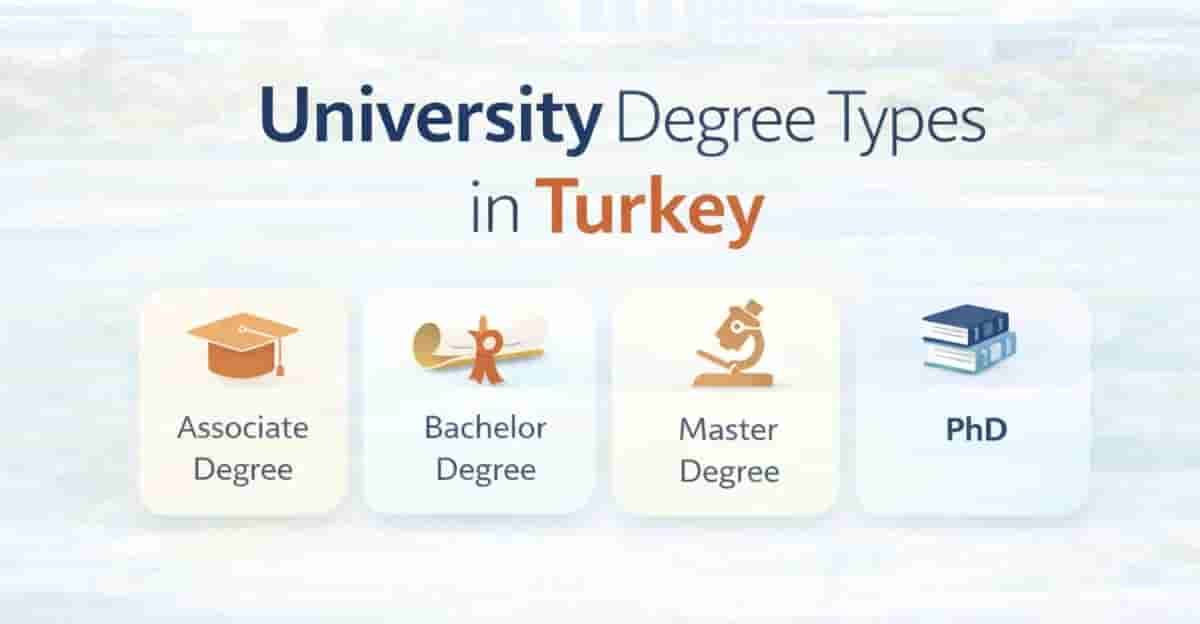
StudyLeo simplifies the process of applying to economics programs in Turkey. Students can submit applications for free with step-by-step guidance, avoiding extra fees or complicated procedures. The documents required vary by degree:
Associate:
1.High School Diploma
2.Graduation Certificate
3.Passport
4.High School Transcript
5.Photo
Bachelor's:
1.High School Diploma
2.Graduation Certificate
3.Passport
4.High School Transcript
5.Photo
Master's:
1.Graduation Certificate
2.Bachelor’s Diploma
3.Bachelor's Transcript
4.Passport
5.Photo
PhD:
1.Bachelor's Diploma
2.Bachelor's Transcript
3.Master's Diploma
4.Master's Transcript
5.Graduation Certificate
6.Passport
7.Photo
StudyLeo ensures all documents are correctly submitted, making the process smooth for international applicants.

Private universities in Turkey offer solid economics education when they combine quality teaching, english programs, and industry ties. Bilkent, Istanbul Bilgi, Özyeğin, Bahçeşehir, and Yeditepe show notable strength in this area. Programs that teach data skills and provide internships create real advantages. City environments add opportunity. With the right choice and StudyLeo guidance, students move toward strong economics careers.
Frequently Asked Questions and Answers
Look out blogs and aware of the latest trends and updates
Explore top universities offering quality education, modern facilities, and diverse academic opportunities for students worldwide




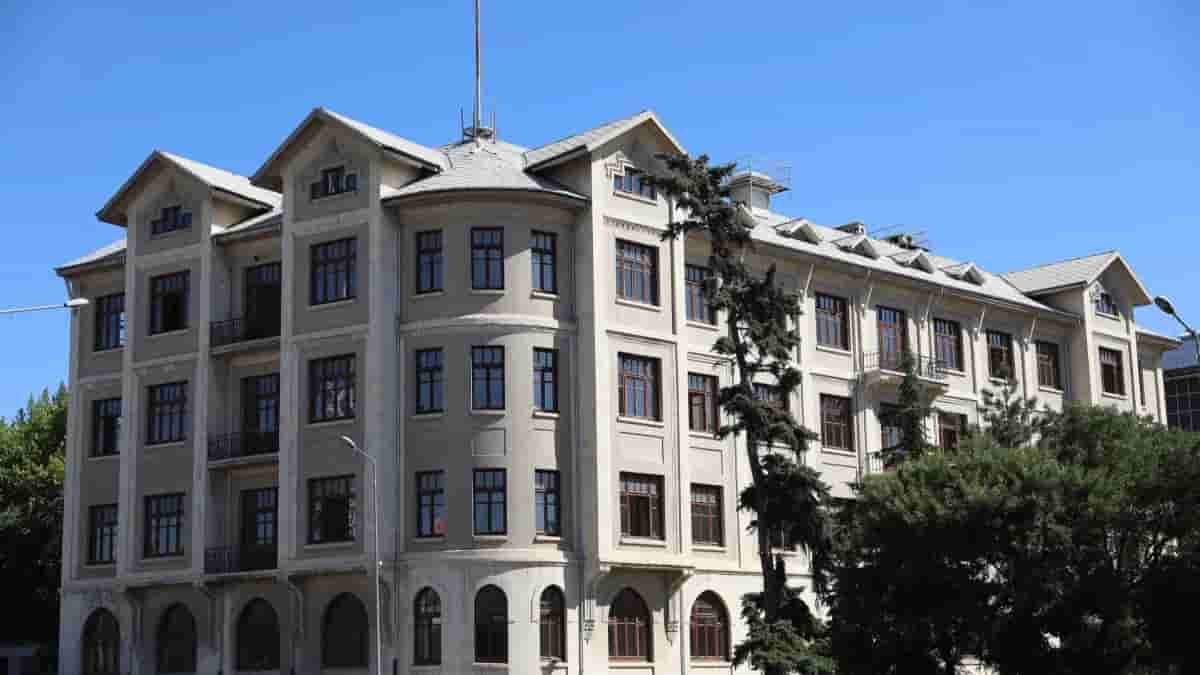 Dormitory
Ankara, Turkey
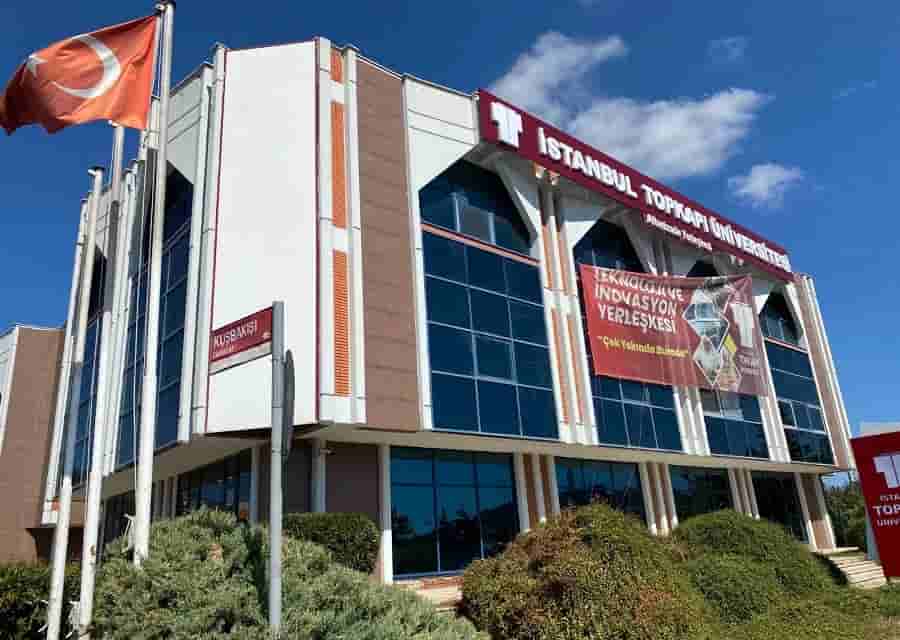 Dormitory
Istanbul, Turkey
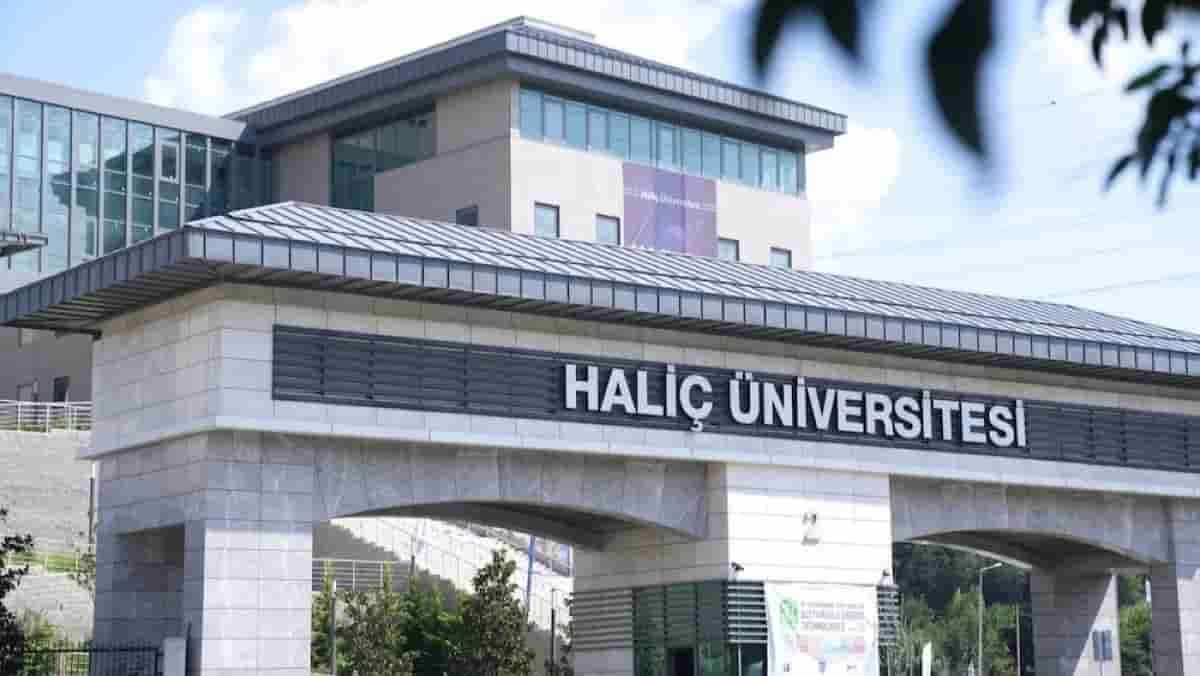 Dormitory
Istanbul, Turkey
 Dormitory
Istanbul, Turkey
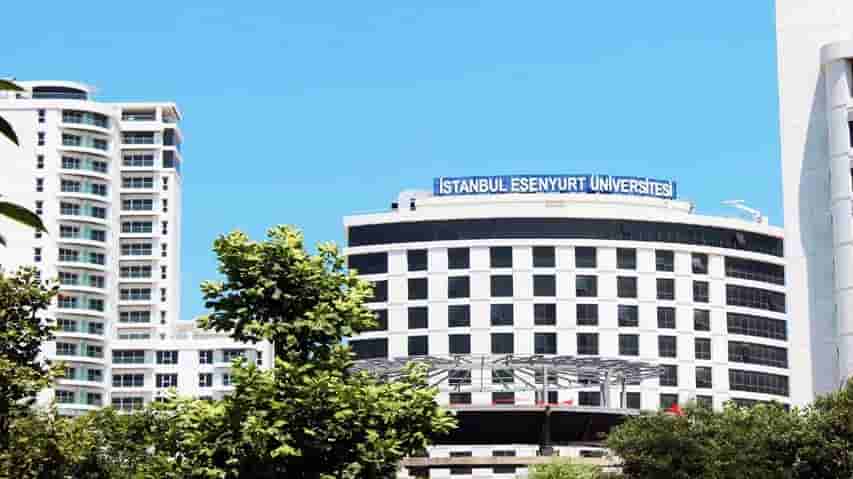 Dormitory
Istanbul, Turkey
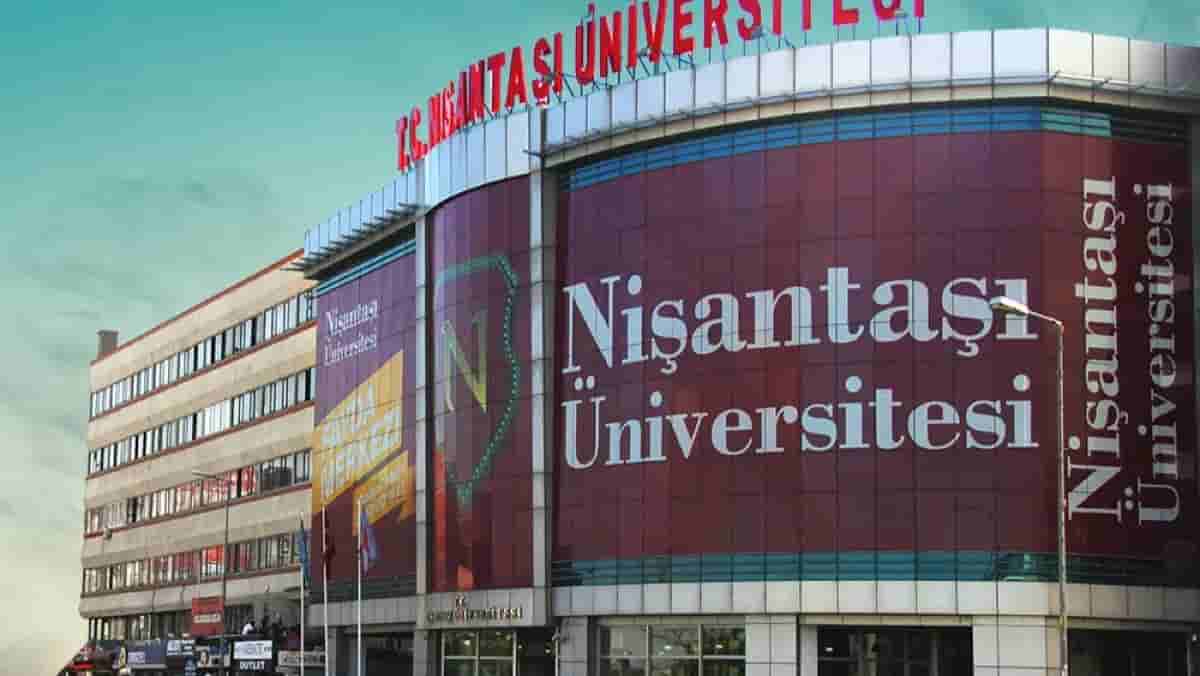 Dormitory
Istanbul, Turkey
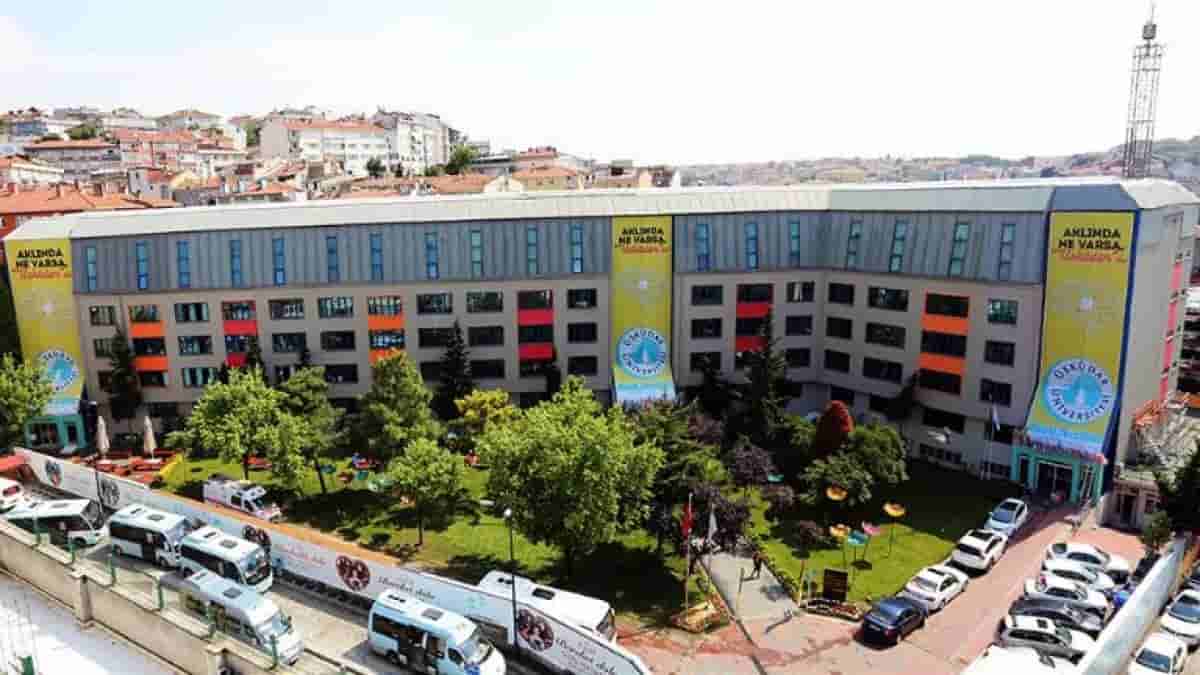 Dormitory
Istanbul, Turkey
 Dormitory
Istanbul, Turkey
 Dormitory
Istanbul, Turkey
 Dormitory
Istanbul, Turkey
 Dormitory
Istanbul, Turkey
 Dormitory
Istanbul, Turkey
 Dormitory
Istanbul, Turkey
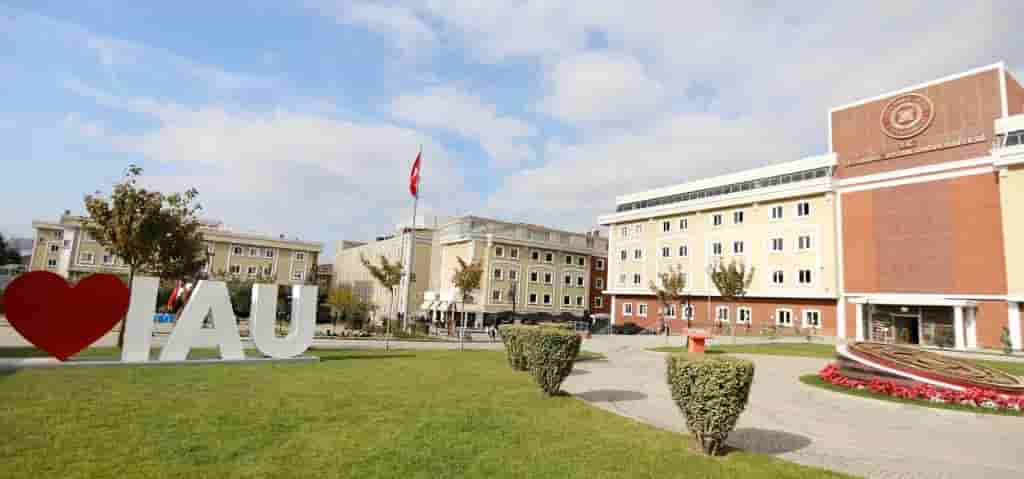 Dormitory
Istanbul, Turkey
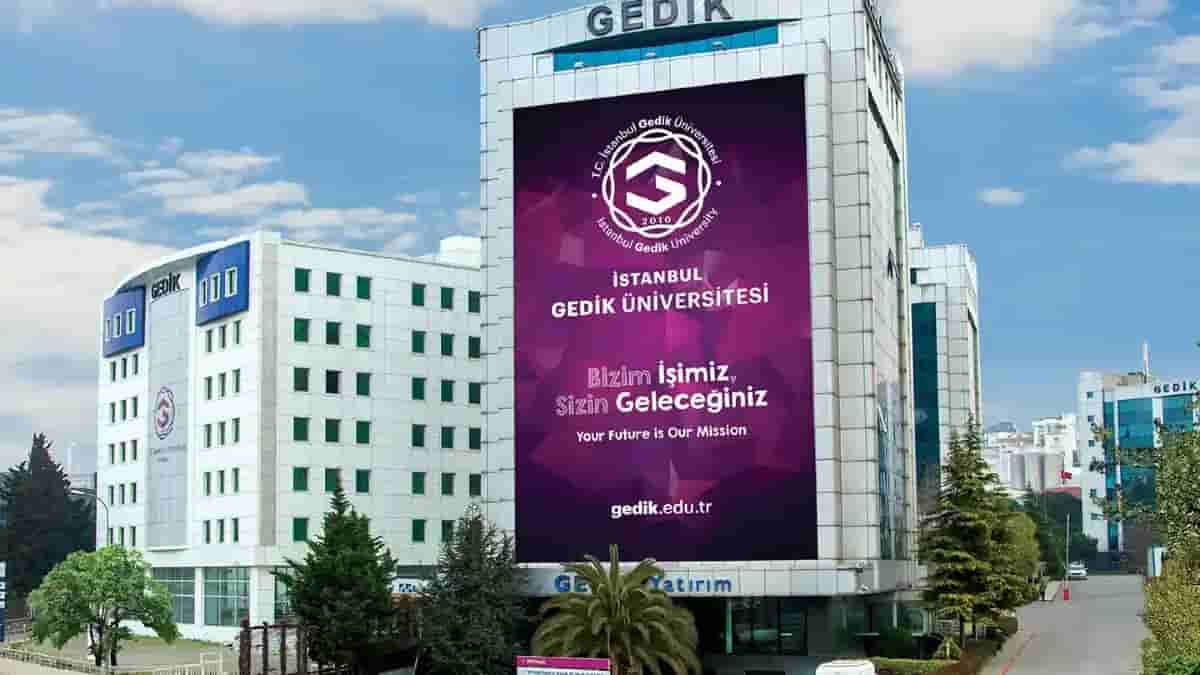 Dormitory
Istanbul, Turkey
 Dormitory
Istanbul, Turkey
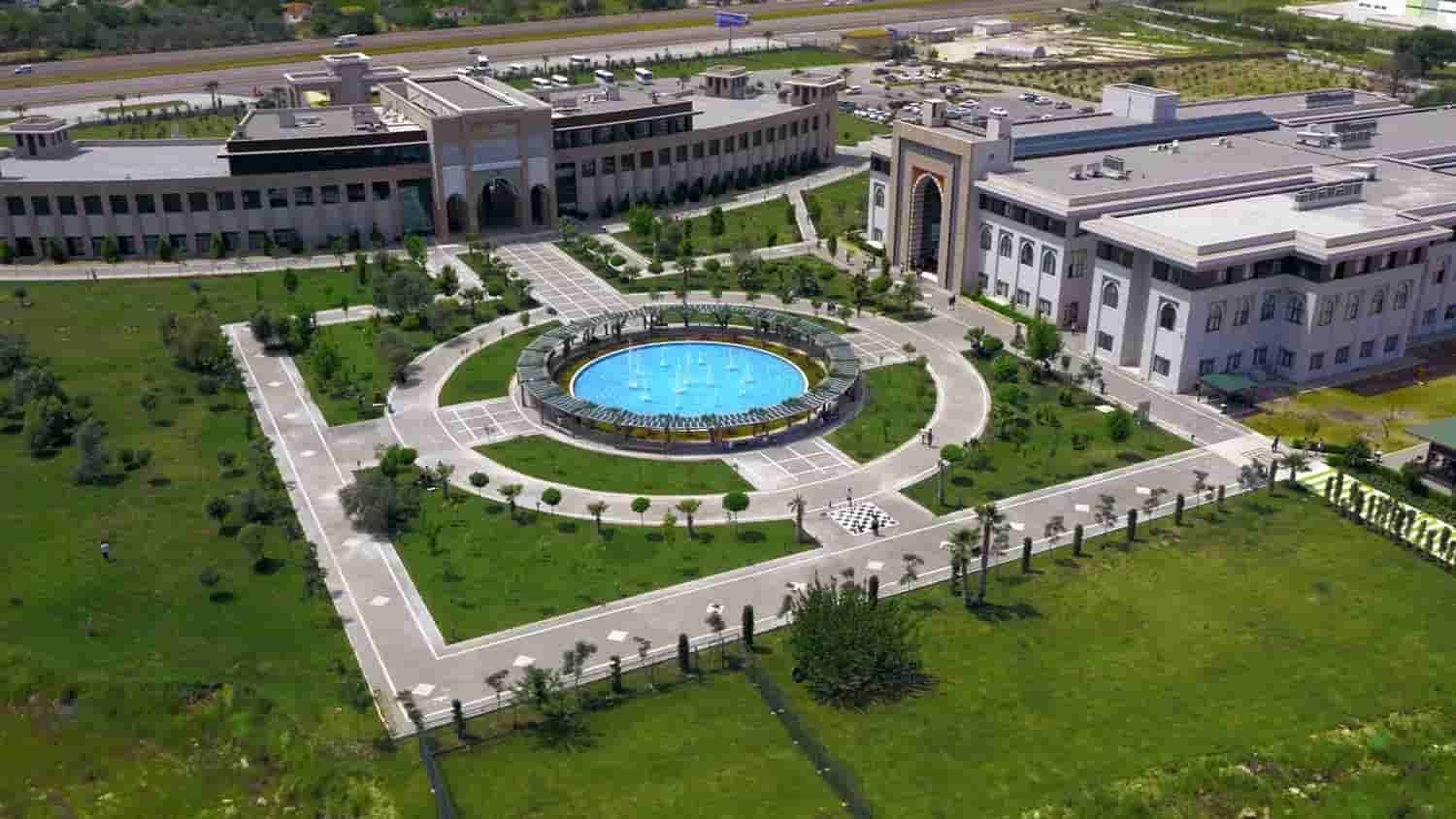 Dormitory
Antalya, Turkey
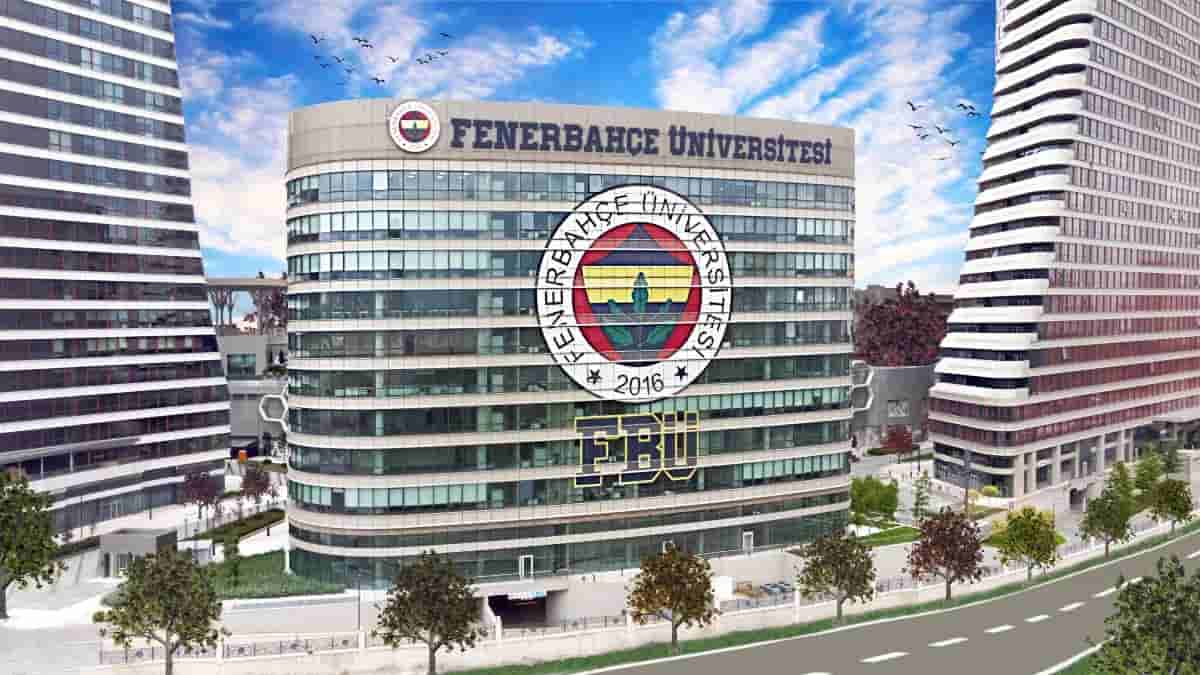 Dormitory
Istanbul, Turkey
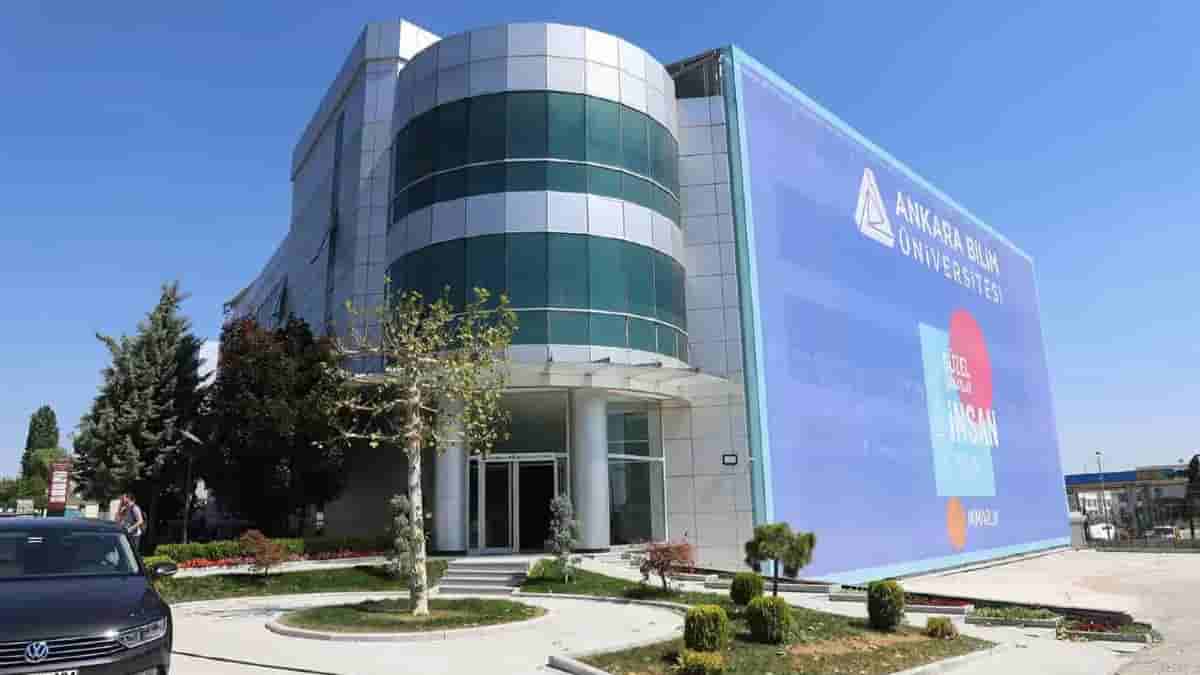 Dormitory
Ankara, Turkey
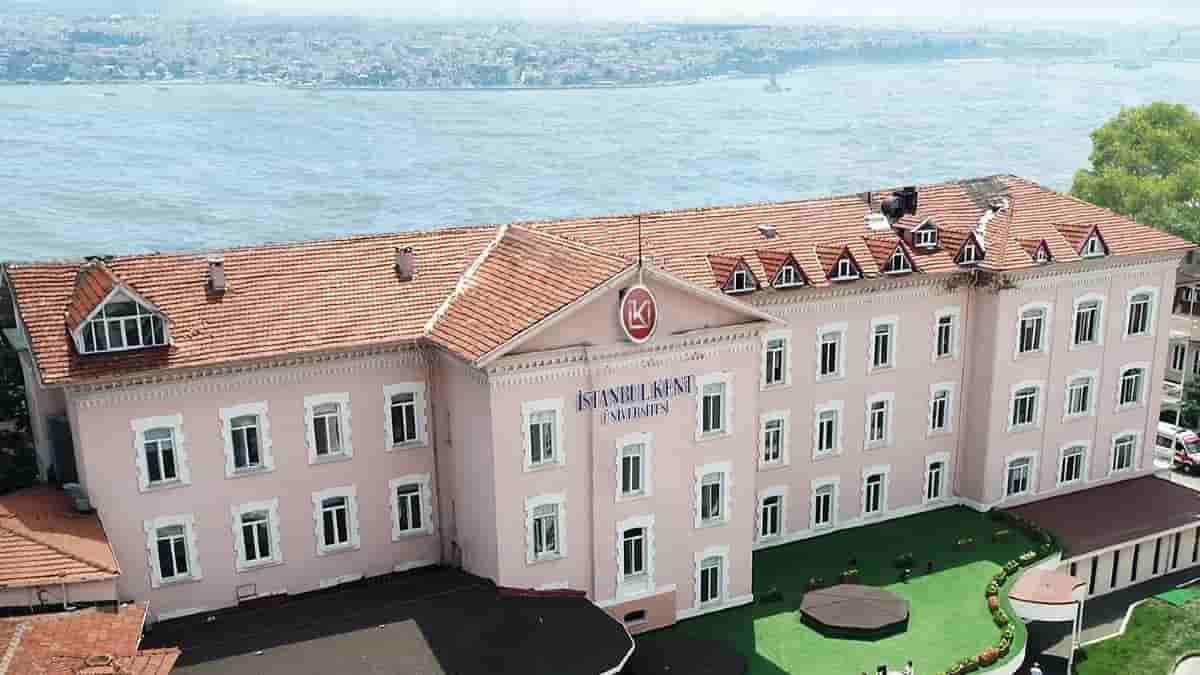 Dormitory
Istanbul, Turkey