
Best Universities in Turkey: Turkey’s Innovation Universities
Jan 27, 2026

Best Universities in Turkey: Turkey’s Innovation Universities

The landscape of higher education in Turkey has transformed dramatically over recent decades, with private institutions leading the charge in academic innovation and global integration. These universities offer dynamic learning environments that blend rigorous scholarship with practical experience, attracting ambitious students from every corner of the world. Many provide instruction entirely in English, removing language barriers while fostering truly international campuses. Their modern facilities, industry-aligned curricula, and extensive exchange networks create exceptional pathways for personal and professional growth. Turkey’s unique position bridging Europe and Asia further enriches the educational journey, exposing students to diverse perspectives and cultures. Graduates consistently secure positions in multinational corporations, prestigious graduate programs, and entrepreneurial ventures worldwide. For those seeking transformative academic experiences without geographical constraints, Turkey’s private universities present compelling opportunities. The combination of affordability, quality, and strategic location makes them increasingly prominent choices for forward-thinking learners.

Koç University

Founded in 1993 through the vision of Turkey’s prominent Koç family, this Istanbul-based institution rapidly established itself as a benchmark for excellence. Its research output spans cutting-edge fields like nanotechnology, genetics, and sustainable energy, supported by state-of-the-art laboratories and partnerships with global entities including MIT and Stanford. The campus blends contemporary architecture with green spaces, housing libraries, performance venues, and innovation hubs designed to stimulate interdisciplinary collaboration. Students benefit from small class sizes, personalized mentorship, and mandatory internships integrated into most undergraduate programs. International mobility is prioritized through over 200 exchange agreements across 40 countries. The university’s career center maintains robust ties with industry leaders, ensuring graduates transition smoothly into competitive markets. Koç consistently ranks among Turkey’s top universities globally, reflecting its unwavering commitment to academic rigor and societal impact. Its diverse student body cultivates a vibrant community where Turkish and international peers learn alongside one another.

Koç University’s academic structure emphasizes flexibility, allowing undergraduates to explore multiple disciplines before declaring majors. Programs in social sciences, engineering, and business administration receive particular acclaim for their integration of theoretical frameworks with real-world problem-solving. The university invests heavily in faculty development, attracting scholars with doctoral degrees from Ivy League and European institutions. Annual research expenditures exceed $50 million, funding projects that address pressing global challenges from urban resilience to digital ethics. Campus life thrives through 100+ student clubs, championship athletic teams, and cultural festivals celebrating Turkey’s rich heritage. Housing options include modern dormitories with panoramic Bosphorus views, fostering a tight-knit residential community. Tuition fees are offset by extensive merit-based scholarships covering full costs for exceptional applicants. Alumni networks span influential sectors worldwide, reinforcing Koç’s reputation as a catalyst for leadership and innovation across continents.

🔗 Link to this section

🔄 Updated: Jan 30, 2026 16:37

Sabancı University

Sabancı University emerged in 1999 with a radical mission: to redefine Turkish higher education through interdisciplinary learning and civic engagement. Located on a sprawling 1.3 million square meter campus in Istanbul’s Tuzla district, it houses unique facilities like the Vehbi Koç Foundation Information Center and the SU-IMC Cleanroom for microelectronics research. The undergraduate curriculum mandates foundational courses in natural sciences, social sciences, and humanities before specialization, producing adaptable graduates with holistic perspectives. Research initiatives focus on strategic areas such as artificial intelligence, climate change adaptation, and conflict resolution, often in collaboration with institutions like Harvard and ETH Zurich. The university’s technology transfer office actively patents innovations, bridging academic discovery with commercial application. Student governance plays a pivotal role, with elected representatives shaping campus policies and resource allocation. International students comprise nearly 30% of enrollment, creating a dynamic multicultural ecosystem enriched by language exchange programs and global lecture series.

Sabancı’s commitment to social responsibility permeates its operations, exemplified by mandatory community service requirements and sustainability certifications for all new buildings. Industry partnerships with companies like Siemens and Arçelik provide hands-on project opportunities through the SU Seed accelerator and corporate innovation challenges. Graduate programs in data science and policy design attract mid-career professionals seeking transformative skill upgrades. The campus features ecological reserves, an Olympic-sized pool, and digital fabrication labs accessible to all students. Financial aid packages cover partial to full tuition for over 60% of enrolled students based on academic merit and socioeconomic need. Cultural events range from Anatolian folk music festivals to TEDx conferences, ensuring intellectual stimulation extends beyond classrooms. Alumni frequently lead sustainability initiatives and tech startups across Europe and the Middle East. Sabancı’s distinct educational philosophy prepares graduates not just for careers but for meaningful contributions to evolving global landscapes.

🔗 Link to this section

Bilkent University

Established in 1984 as Turkey’s first private nonprofit university, Bilkent pioneered English-medium education in Ankara with an uncompromising focus on research excellence. Its hilltop campus integrates academic buildings with concert halls, museums, and observatories, creating an immersive environment where arts and sciences converge organically. The Faculty of Engineering ranks among Europe’s top 50, driving advancements in robotics and materials science through partnerships with CERN and Max Planck Institutes. Undergraduate programs emphasize seminar-style teaching, with faculty-student ratios as low as 1:8 ensuring personalized attention. The university press publishes 12 peer-reviewed journals, disseminating groundbreaking work in fields like computational biology and Byzantine studies. Bilkent’s career office coordinates internships with global firms including Bosch and Deloitte, while its entrepreneurship center has launched over 200 startups since 2010. International exchange programs span 45 countries, with dedicated funding for students from conflict-affected regions. This global outlook is reflected in its consistently high placements in QS and THE world rankings.

Bilkent’s academic calendar operates on a unique modular system, allowing students to accelerate degree completion or pursue dual majors efficiently. The Center for Russian Studies and the Institute of Materials Science exemplify specialized research units attracting international grants and visiting scholars. Campus housing includes apartment-style residences with communal kitchens and study lounges, promoting peer learning outside formal settings. Arts thrive through mandatory music and theater courses for all undergraduates, supported by professional-grade performance venues. Generous scholarships cover tuition and living expenses for academically outstanding students regardless of nationality. The university’s digital repository archives over 30,000 theses and publications, contributing significantly to open-access knowledge. Graduate programs in economics and computer science boast near-perfect employment rates in academia and industry. Bilkent’s ethos of intellectual curiosity and ethical leadership continues to shape influential alumni across technology, diplomacy, and creative industries worldwide.

🔗 Link to this section

Özyeğin University

Özyeğin University was founded in 2007 by the prominent Çalık family with a vision to merge entrepreneurial spirit with academic excellence in Istanbul’s dynamic Çekmeköy district. Its industry-integrated curriculum requires all undergraduates to complete multiple internships, leveraging partnerships with 1,500+ companies including Microsoft Turkey and Koç Holding. The Center for Energy and Sustainability spearheads renewable energy projects funded by the European Union, while the Aviation School operates its own flight simulator complex. Campus architecture maximizes natural light and energy efficiency, housing innovation labs where students prototype solutions for urban challenges. Faculty recruitment prioritizes professionals with both doctoral credentials and sector experience, ensuring classroom relevance. International weeks feature guest lecturers from partner institutions like Carnegie Mellon and Tsinghua University, broadening perspectives through virtual and in-person exchanges. The university’s career platform matches students with tailored opportunities using AI-driven profiling tools. Özyeğin consistently earns top marks for graduate employability in national surveys.

Student life at Özyeğin revolves around practical application, with project-based courses like the Social Entrepreneurship Studio developing ventures that address community needs. The Food Engineering program collaborates with global agribusinesses on product innovation, utilizing on-campus sensory analysis laboratories. Sports facilities include an Olympic training center used by national teams, alongside climbing walls and e-sports arenas fostering wellness and competition. Financial aid combines merit scholarships with need-based work-study programs, ensuring accessibility for talented students from diverse backgrounds. Cultural diversity is celebrated through language cafés, religious holiday observances, and intercultural dialogue forums. The university’s rapid ascent in subject rankings—particularly in business analytics and logistics—reflects its agile response to market demands. Alumni networks actively mentor current students through sector-specific mentorship circles. Özyeğin’s commitment to nurturing adaptable, solution-oriented graduates makes it a compelling choice for ambitious learners seeking tangible impact.

🔗 Link to this section

Yeditepe University

Yeditepe University launched in 1996 on Istanbul’s Asian shore, distinguishing itself through comprehensive programs in health sciences, communication, and aviation management. Its simulation hospital complex trains medical students with robotic patient mannequins and virtual surgery systems, mirroring real clinical environments. The Department of International Relations hosts Turkey’s largest Model United Nations conference annually, attracting delegates from 50+ countries. Research centers like the Institute of Byzantine Studies leverage Istanbul’s historical richness, collaborating with museums and archives for primary source analysis. Industry advisory boards guide curriculum development in fast-evolving fields such as cybersecurity and film production, ensuring graduate readiness. The campus features broadcast studios, law clinics serving local communities, and wind tunnels for aerospace engineering projects. Exchange programs with universities in Japan, Brazil, and Germany emphasize reciprocal learning beyond traditional Western partnerships. Yeditepe’s career services include mandatory professional skills workshops covering negotiation tactics and digital portfolio development. These practical investments yield high graduate employment rates across Turkey’s corporate and public sectors.

Yeditepe fosters innovation through venture incubators where students commercialize ideas with seed funding from corporate sponsors. The School of Foreign Languages provides intensive Turkish and English preparation, removing barriers for international enrollees. Campus life flourishes through thematic dormitories like the Entrepreneurship House and Arts Collective, where residents collaborate on exhibitions and startups. Sustainability initiatives include rooftop solar farms powering lecture halls and zero-waste cafeterias sourcing local produce. Scholarship programs prioritize academic achievers and athletes, covering up to full tuition plus accommodation expenses. The university’s location near Sabiha Gökçen Airport facilitates global mobility while connecting students to Istanbul’s economic dynamism. Annual cultural festivals showcase student talents through theater productions, fashion shows, and gastronomy competitions. Yeditepe’s integration of academic rigor with experiential learning prepares graduates to navigate complex professional landscapes with confidence and creativity.

🔗 Link to this section

🔄 Updated: Jan 30, 2026 16:37

Bahçeşehir University

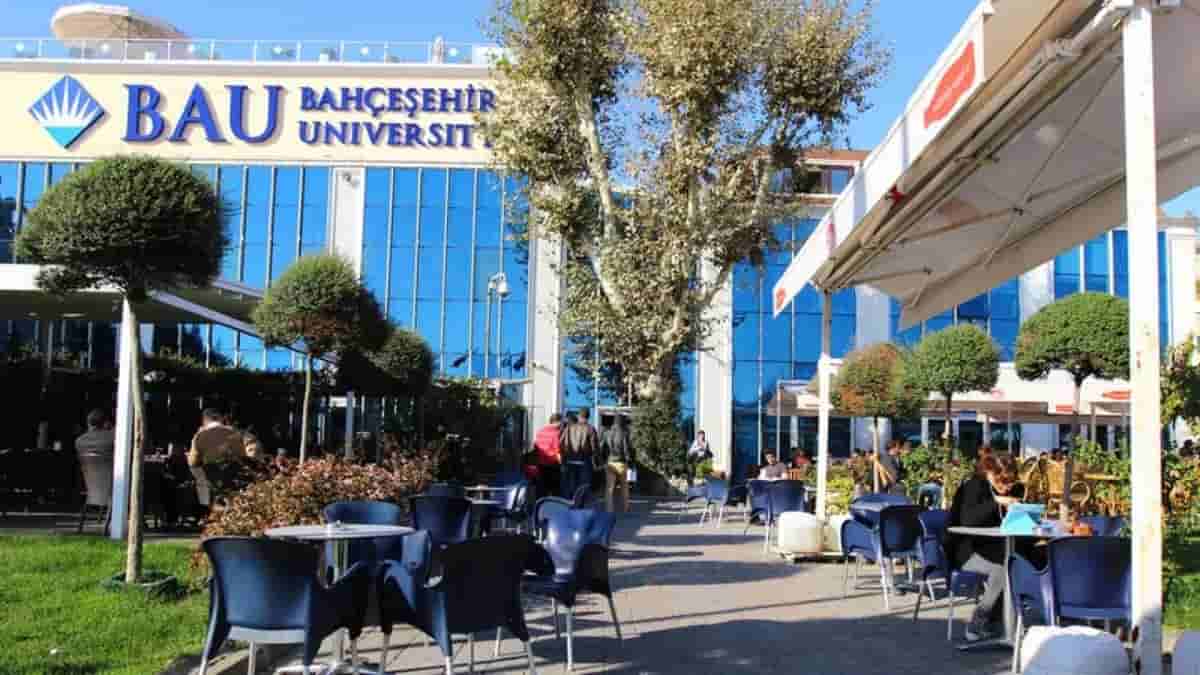
Bahçeşehir University began operations in 1998 with a bold commitment to global citizenship, now operating campuses across Istanbul, Washington DC, and Toronto. Its dual-degree programs allow students to earn qualifications from partner institutions like the University of Arizona while studying primarily in Turkey. The Innovation Center hosts hackathons and design sprints sponsored by tech giants including Google and Amazon Web Services. Architecture students collaborate with municipal authorities on urban regeneration projects in historic districts like Balat and Kadıköy. Faculty members frequently hold joint appointments with international research networks, publishing in high-impact journals on topics from blockchain governance to refugee education. The university’s library provides 24/7 access to 180,000+ e-books and specialized databases like IEEE Xplore. Student mobility is seamless through semester exchanges with 230 partner universities, with dedicated grants covering travel costs for low-income participants. Bahçeşehir’s emphasis on digital fluency ensures all graduates master emerging tools like data visualization software and AI ethics frameworks.

Campus infrastructure reflects Bahçeşehir’s forward-thinking ethos, featuring smart classrooms with holographic displays and soundproofed podcast studios. The Law School’s moot court program partners with international tribunals, giving students courtroom experience before practicing judges. Social responsibility initiatives include legal aid clinics for refugees and engineering projects providing clean water to rural communities. Financial support encompasses merit scholarships, athletic awards, and emergency funds for students facing unexpected hardships. Cultural programming spans jazz festivals with Grammy winners to digital art exhibitions in virtual reality galleries. The university’s global alumni association facilitates networking events in 30 major cities worldwide. Graduate outcomes consistently surpass national averages, with many entering leadership roles at multinationals like Unilever and Siemens. Bahçeşehir’s boundary-crossing approach equips learners to thrive in interconnected professional environments while making meaningful societal contributions.

🔗 Link to this section

Kadir Has University

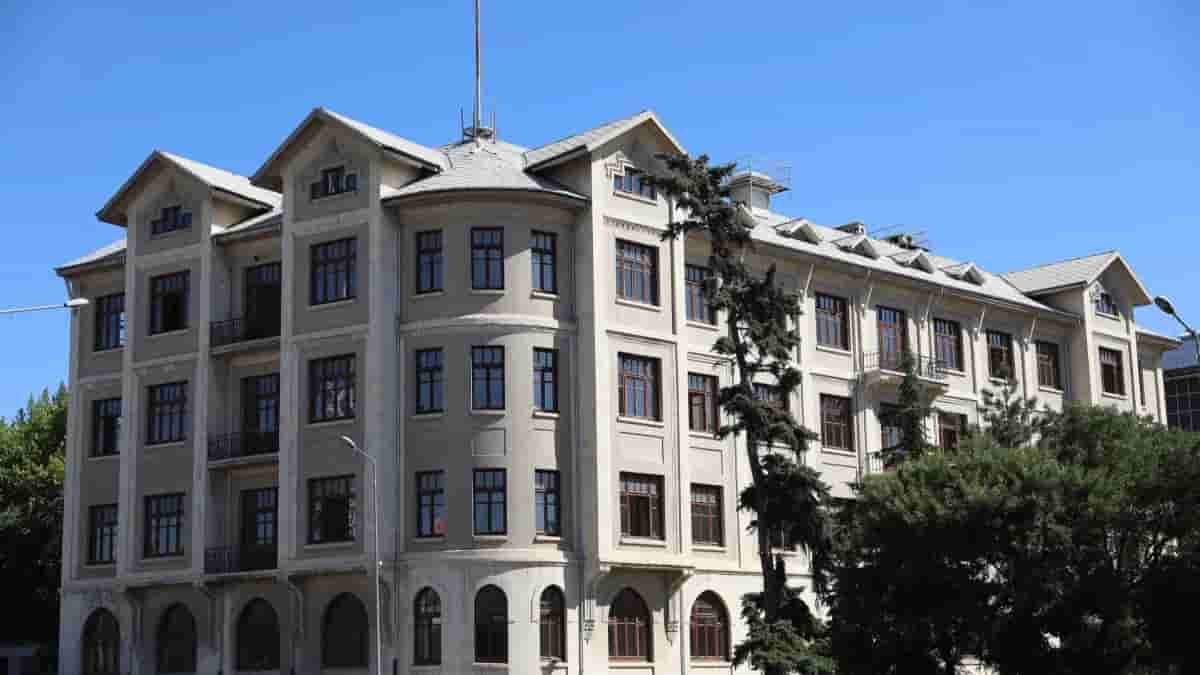
Kadir Has University opened its doors in 1997 in Istanbul’s historic Cibali district, revitalizing a 19th-century tobacco factory into a vibrant academic hub. Its location near the Golden Horn provides unparalleled access to museums, financial districts, and diplomatic missions, enriching programs in international trade and cultural heritage management. The Media School operates fully equipped TV studios and radio stations where students produce content broadcast nationwide. Engineering departments collaborate with defense contractors on cybersecurity projects certified by NATO standards. Research output focuses on urban transformation, with faculty advising Istanbul Metropolitan Municipality on sustainable infrastructure. The university’s art gallery hosts rotating exhibitions curated by students alongside established artists, blurring lines between academia and creative practice. International partnerships include semester exchanges with universities in South Korea and Mexico, diversifying campus perspectives beyond Eurocentric models. Career counseling emphasizes portfolio development for creative industries, with industry juries evaluating student work annually. Kadir Has graduates are particularly sought after in media, diplomacy, and technology sectors across Eurasia.

Student life integrates Istanbul’s urban tapestry through required city-based learning modules where neighborhoods become living classrooms. The Entrepreneurship Center provides legal and financial support for student startups, with several ventures securing venture capital funding post-graduation. Dormitories feature shared kitchens and collaborative workspaces designed to encourage cross-disciplinary interaction. Scholarship programs target talented students from Anatolian provinces, promoting geographic diversity within the student body. Sustainability is embedded through campus-wide recycling initiatives and courses on circular economy principles. Cultural events celebrate Istanbul’s multicultural fabric through Ramadan iftars, Orthodox Easter services, and Sephardic music concerts. The university press publishes academic works in Turkish and English, amplifying research on Black Sea studies and Ottoman archives. Kadir Has’s unique blend of historical awareness and contemporary relevance prepares graduates to navigate complexity with cultural intelligence and technical expertise in global markets.

🔗 Link to this section

Üsküdar University

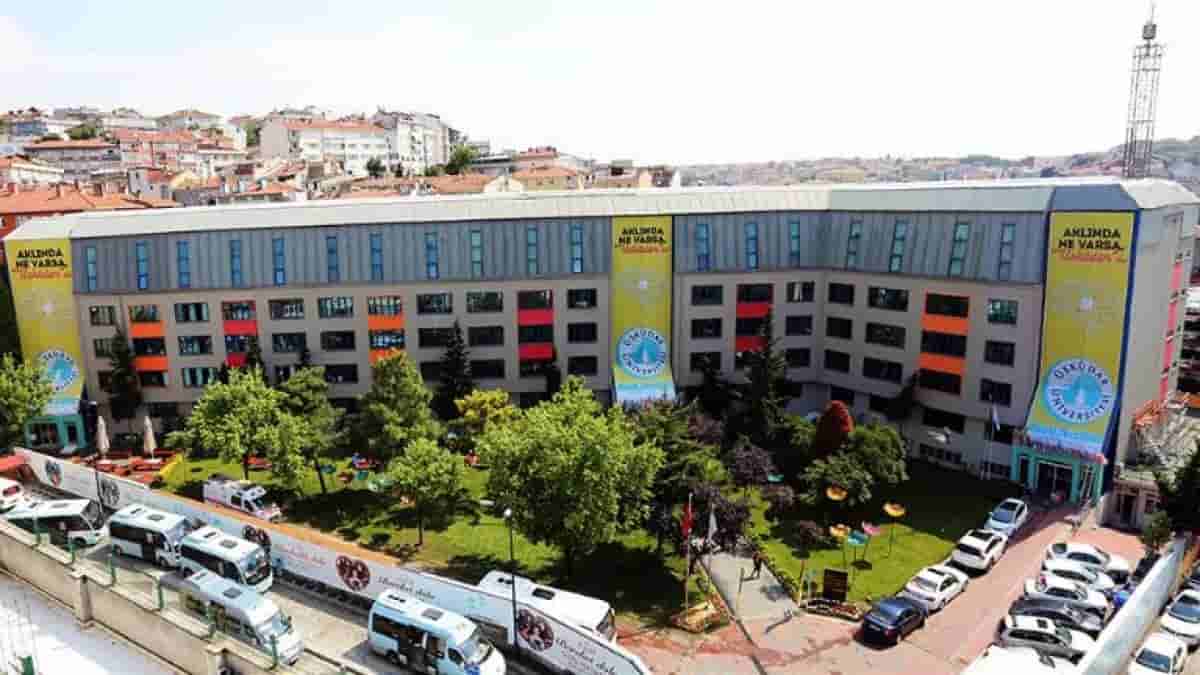
Üsküdar University specializes in behavioral sciences and health technologies since its founding in 2011, operating cutting-edge facilities like Turkey’s first integrated neurosurgery simulation center. Its Brain Research Center conducts pioneering work in neuromarketing and mental health diagnostics using fMRI and EEG technologies. Programs in psychology and sociology incorporate mandatory fieldwork at partner hospitals and NGOs, addressing urban challenges like addiction and migration trauma. The university’s publishing house produces open-access journals on neuroscience and bioethics, influencing policy debates nationally. International collaborations with institutions like King’s College London enable joint research on cognitive disorders and digital therapeutics. Campus design prioritizes therapeutic environments with meditation gardens and sensory rooms supporting student wellbeing. Industry partnerships with pharmaceutical firms and tech companies provide capstone projects where students develop AI-driven diagnostic tools. Üsküdar’s career office maintains exclusive recruitment channels with medical institutions across the Middle East and Europe. This specialized focus creates graduates who lead in healthcare innovation and human-centered design globally.

Interdisciplinary learning defines Üsküdar’s approach, with engineering students taking psychology courses to develop empathetic technologies and communications majors studying neurobiology to create impactful campaigns. The Center for Addiction Studies offers certification programs for professionals while conducting longitudinal research on digital dependency patterns. Student housing includes wellness-focused amenities like sleep pods and nutrition counseling centers. Financial aid packages combine scholarships with paid research assistant positions, making specialized education accessible. Cultural programming explores mental health through film festivals and theater productions addressing stigma in diverse communities. Annual conferences bring together clinicians, technologists, and policymakers to prototype solutions for public health challenges. The university’s location near Üsküdar’s historic thermal springs reinforces its commitment to holistic wellbeing. Alumni frequently pioneer mental health startups and telemedicine platforms across emerging markets. Üsküdar University’s niche expertise positions it at the forefront of redefining healthcare education for human and technological synergy.

Turkey’s private universities represent more than academic institutions; they are gateways to global citizenship and professional distinction. Their commitment to English instruction, industry integration, and international exchange dismantles barriers for ambitious learners worldwide. Modern campuses serve as innovation ecosystems where theoretical knowledge transforms into tangible solutions for societal challenges. Graduates join influential alumni networks spanning Fortune 500 companies, research laboratories, and creative enterprises across continents. The strategic location bridging Europe and Asia provides unparalleled cultural immersion and career mobility. Financial accessibility through extensive scholarship programs ensures talent thrives regardless of economic background. These universities continuously evolve curricula to address emerging fields like artificial intelligence ethics and sustainable urbanism. Students gain not just degrees but adaptable skill sets and global perspectives essential for tomorrow’s leadership. Exploring these options through dedicated partners like StudyLeo unlocks seamless pathways to transformative educational journeys without service fees.

🔗 Link to this section

FAQs

Frequently Asked Questions and Answers

Do you like this article? Share this article

Blogs

Look out blogs and aware of the latest trends and updates

Popular Universities

Explore top universities offering quality education, modern facilities, and diverse academic opportunities for students worldwide