FAQs
Frequently Asked Questions and Answers

Studying medicine abroad is a long term career decision. Turkey’s top private medical universities offer a clear, practical, and structured pathway with strong clinical training. With proper planning, students can focus on quality education and reliable outcomes.
• Strong clinical training through university hospitals and labs
• Private universities offer faster, document based admissions
• Tuition and living costs are competitive compared to many Western countries
• English taught medical programs widely available
• Modern facilities with early patient exposure
• Predictable application process with clear documentation

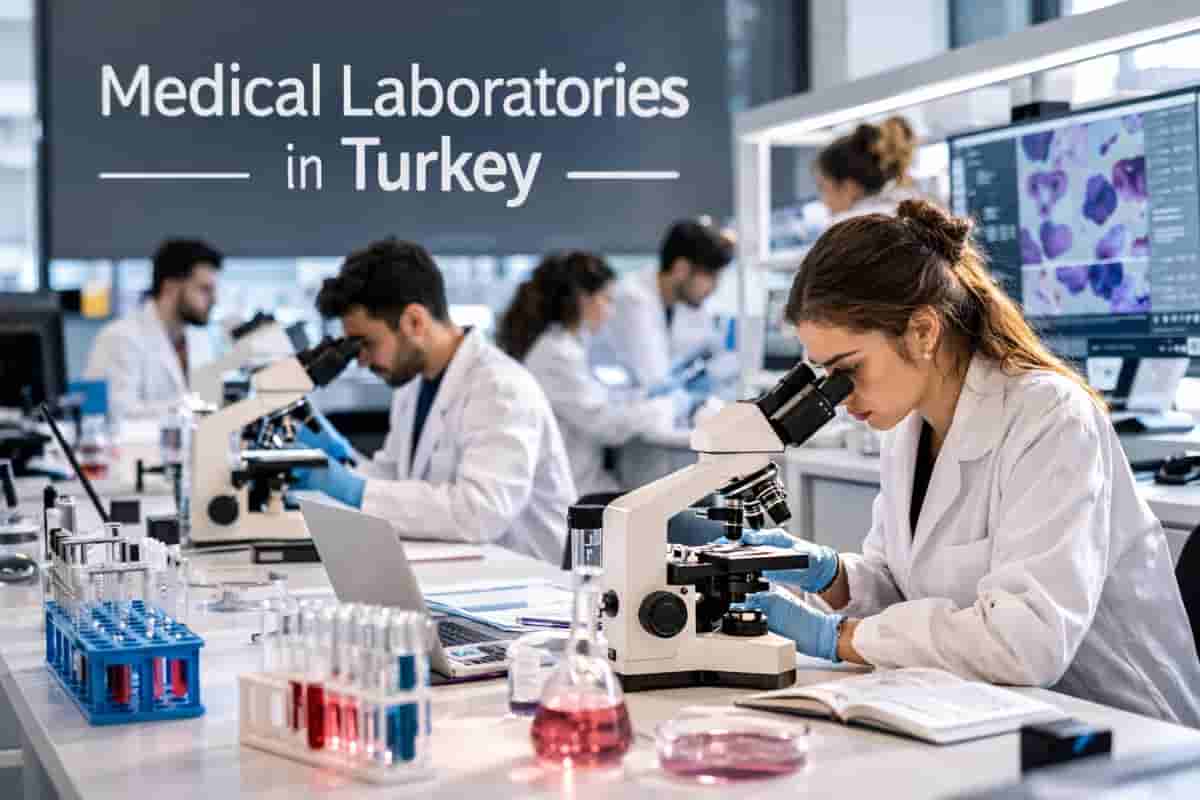
Medical education at private universities in Turkey follows a structured and practice focused model. Students move from foundational sciences in the early years to clinical rotations in affiliated hospitals. Laboratory work, simulation centers, and supervised patient contact are integrated into the curriculum.
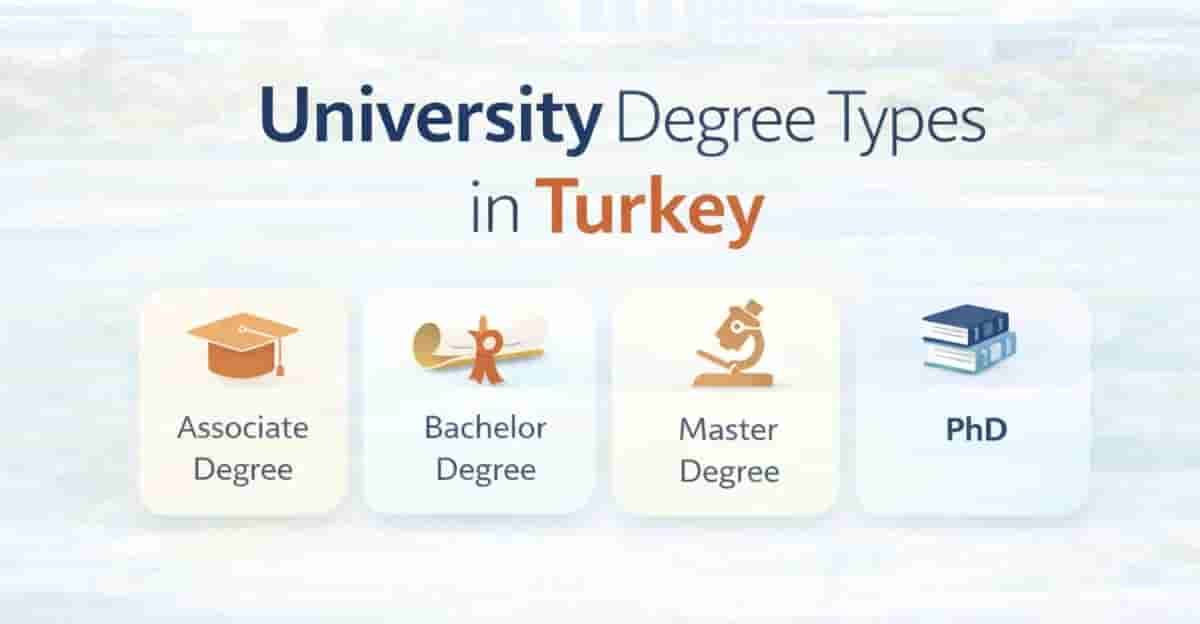
Degrees are available at associate, bachelor’s, master’s, and doctoral levels depending on specialization. Administrative procedures are centralized and straightforward. Admissions are document based rather than complicated multi stage processes.
All institutions discussed here are private or foundation universities, not public. This often means smaller class sizes, faster communication, and better access to modern facilities and teaching hospitals.
Students typically choose Turkey for three reasons: affordability, accessibility, and clinical exposure.
Tuition and daily living expenses are lower than many European or North American destinations. This makes long medical programs financially manageable for families.
Admissions are simpler and faster. Students avoid long waiting periods and unclear criteria.
Turkey also has a strong healthcare system with busy hospitals, giving students practical learning opportunities. Real patient interaction and hospital based training begin earlier compared to some countries.
This pathway suits:
• Students seeking hands on clinical education
• Families needing cost transparency and predictable planning
• Applicants who want English taught programs
• Students comfortable living in diverse, urban environments
It may not suit:
• Students expecting fully funded study
• Those who prefer purely research based training
• Individuals unwilling to adapt to a new language and culture
A realistic match between expectations and program style is essential.
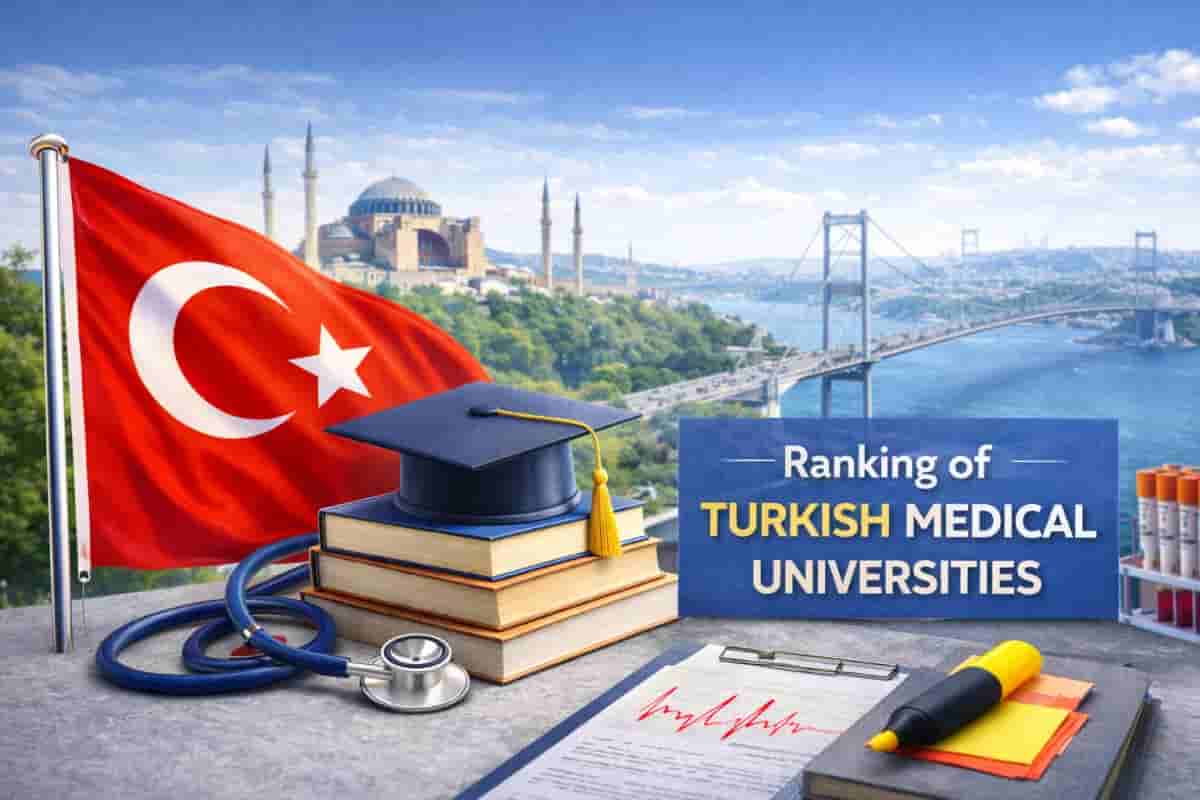
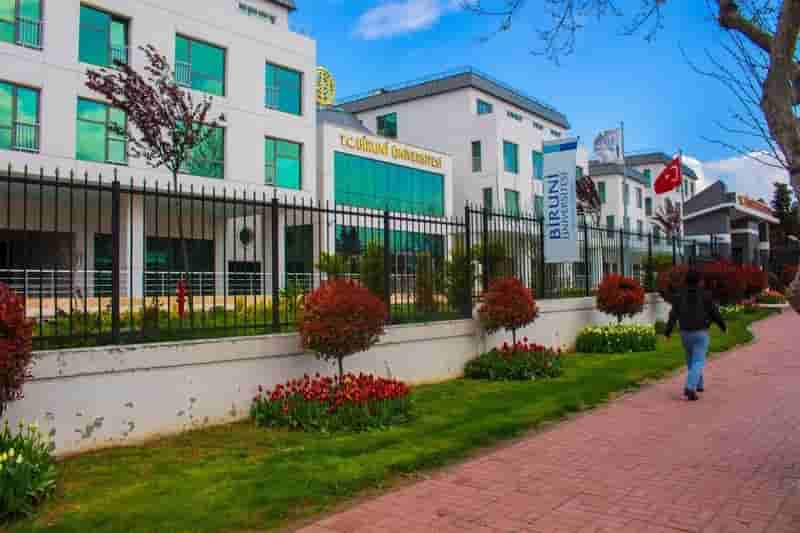
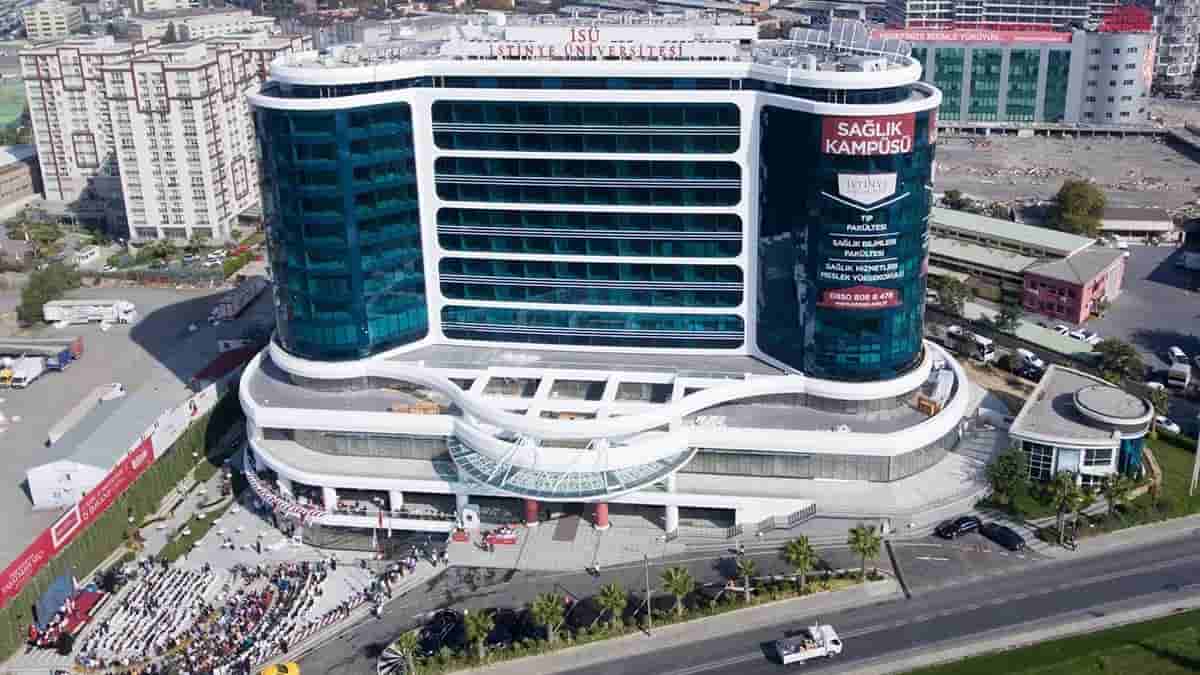
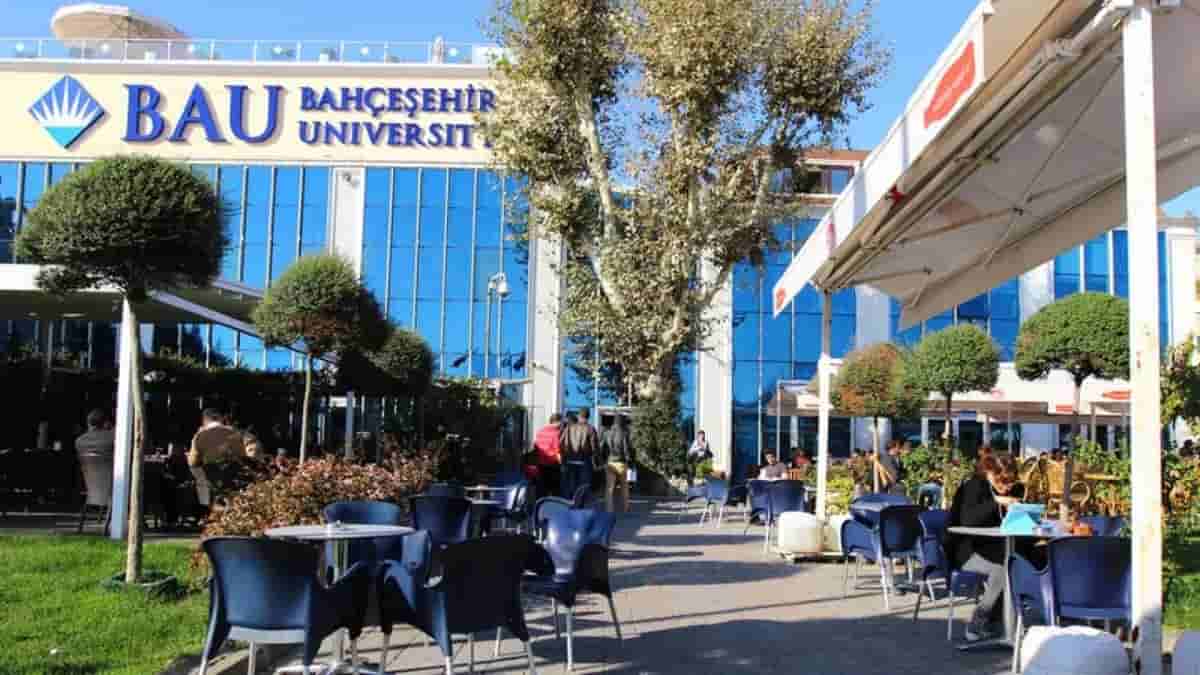
Several private universities in Turkey are recognized for health sciences and medicine. Examples include Istanbul Medipol University, Acıbadem Mehmet Ali Aydınlar University, Istinye University, Biruni University, Uskudar University, Lokman Hekim University, Bahçeşehir University, Yeditepe University, Altinbas University, and Demiroğlu Bilim University.
Common program areas include:
• Medicine (MD equivalent)
• Dentistry
• Pharmacy
• Nursing
• Physiotherapy and rehabilitation
• Health sciences specializations
Students should compare hospital partnerships, lab infrastructure, and clinical hours rather than focusing only on rankings.
Admissions are document based and transparent. These requirements outline the academic and identity documents needed at each study level to verify eligibility and prior education. Associate and Bachelor’s applicants submit high school records, while Master’s and PhD candidates provide university diplomas and transcripts that match their previous degrees. A passport and a basic copy of documents are requested for identification and administrative processing across all levels.
Submitting complete documents early significantly improves timelines.

Many medical programs are offered in English. Students must be comfortable with academic terminology, clinical communication, and patient interaction in English.
Preparation in biology, chemistry, and basic medical sciences is important before arrival. Strong fundamentals make the first year more manageable and reduce academic pressure.
Learning basic Turkish is also helpful for daily life and patient communication during clinical rotations.
Tuition varies by university and program but remains competitive compared to many Western countries. Medicine and dentistry are generally at the higher end within private universities.
Living expenses depend on the city. Istanbul may require a higher monthly budget, while Ankara or other cities are slightly lower. Students should plan for accommodation, food, transport, and personal expenses.
There are no scholarship options within this pathway. Financial planning should assume full self funding.
Medical programs are intensive and time consuming. Students spend long hours in classes, labs, and hospitals. Choosing accommodation close to campus or affiliated hospitals is important.
Most universities provide dormitories or assist with private housing. Shared apartments are common and practical.
Adapting involves managing schedules, learning local systems, and building peer networks. Students who engage in campus activities and study groups settle faster and perform better academically.
Graduates gain strong clinical and practical skills. Training in active hospitals improves readiness for professional work.
Career options include practicing medicine, pursuing specialization, or continuing academic research. Many graduates seek opportunities in their home countries or internationally, depending on licensing rules.
Employability depends largely on clinical competence, communication skills, and professional experience gained during study.
Choosing based only on cost
Low tuition without checking hospital quality can limit clinical exposure. Compare facilities first.
Ignoring language or academic readiness
Weak preparation leads to difficulty in early years. Strengthen foundations before enrollment.
Relying on unofficial sources
Outdated advice causes errors. Use verified platforms.
Missing deadlines
Late applications reduce choices. Prepare documents months ahead.
Underestimating living expenses
Long programs require stable finances. Budget realistically.
For a reliable and structured process, students should apply only through the StudyLeo platform rather than directly to universities. StudyLeo offers free registration, free transfer, and free visa support, with direct partnerships that ensure faster and more accurate admissions.

This process outlines a clear and organized pathway from deciding what to study to starting university without last-minute confusion. It begins with setting academic goals and researching suitable private universities, then moves to checking eligibility and preparing the required documents to ensure a smooth application. After applying and securing admission, students focus on practical steps such as housing, visa arrangements, and relocation so they can begin their studies with confidence. Following a clear sequence reduces risk and delays.
Studying medicine abroad is a long term professional commitment that requires strong training, modern facilities, and clear financial planning. Turkey’s leading private medical universities offer a practical and reliable pathway for students who prepare carefully and set realistic expectations.
Frequently Asked Questions and Answers
Look out blogs and aware of the latest trends and updates
Explore top universities offering quality education, modern facilities, and diverse academic opportunities for students worldwide




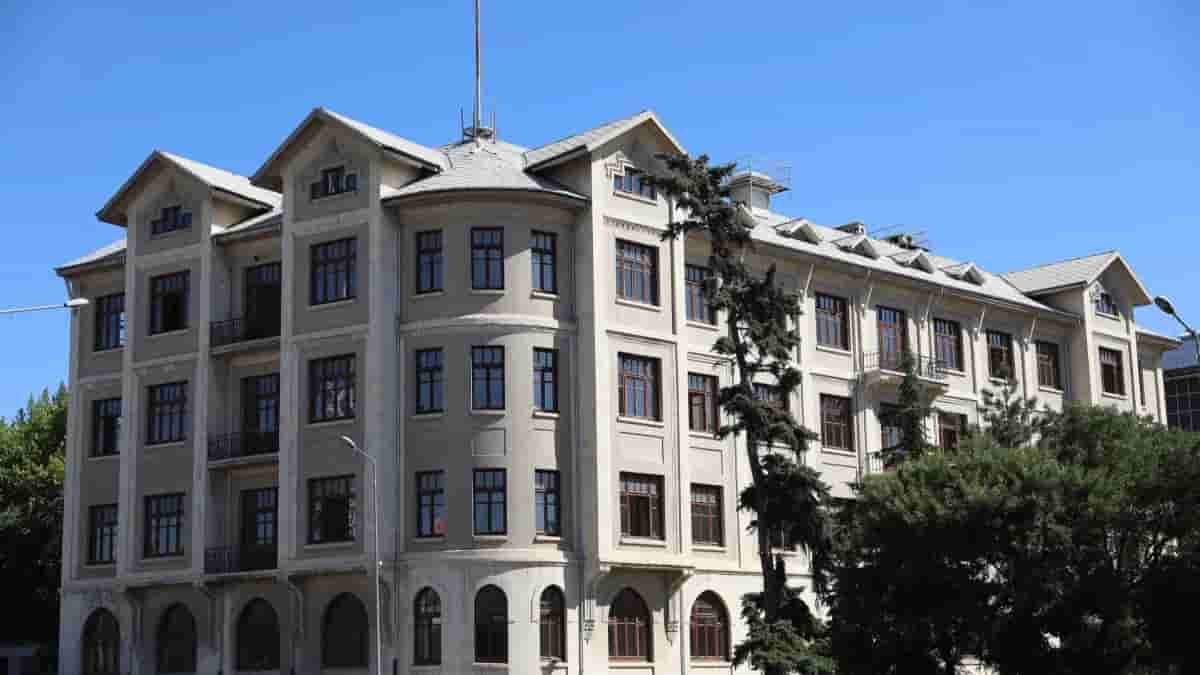 Dormitory
Ankara, Turkey
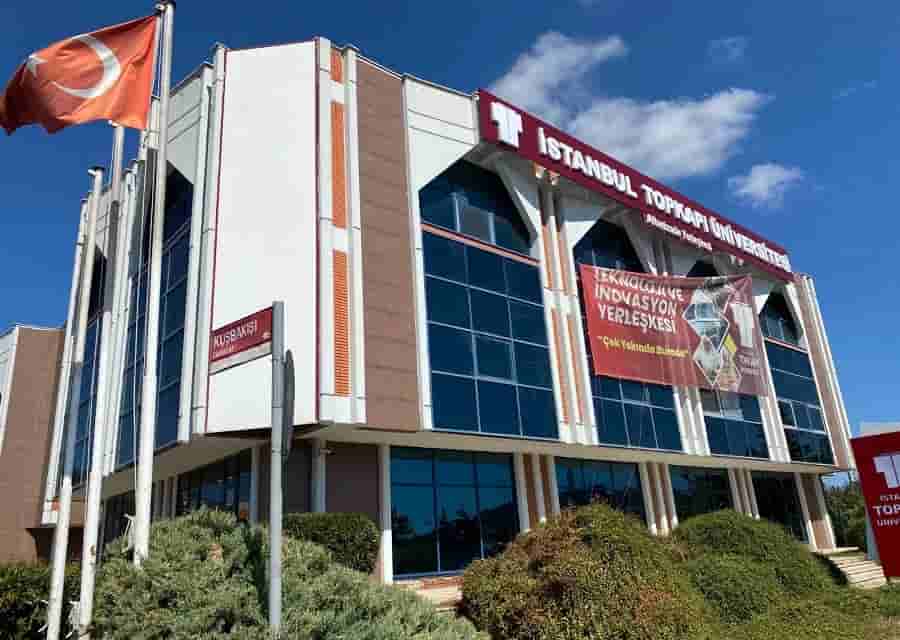 Dormitory
Istanbul, Turkey
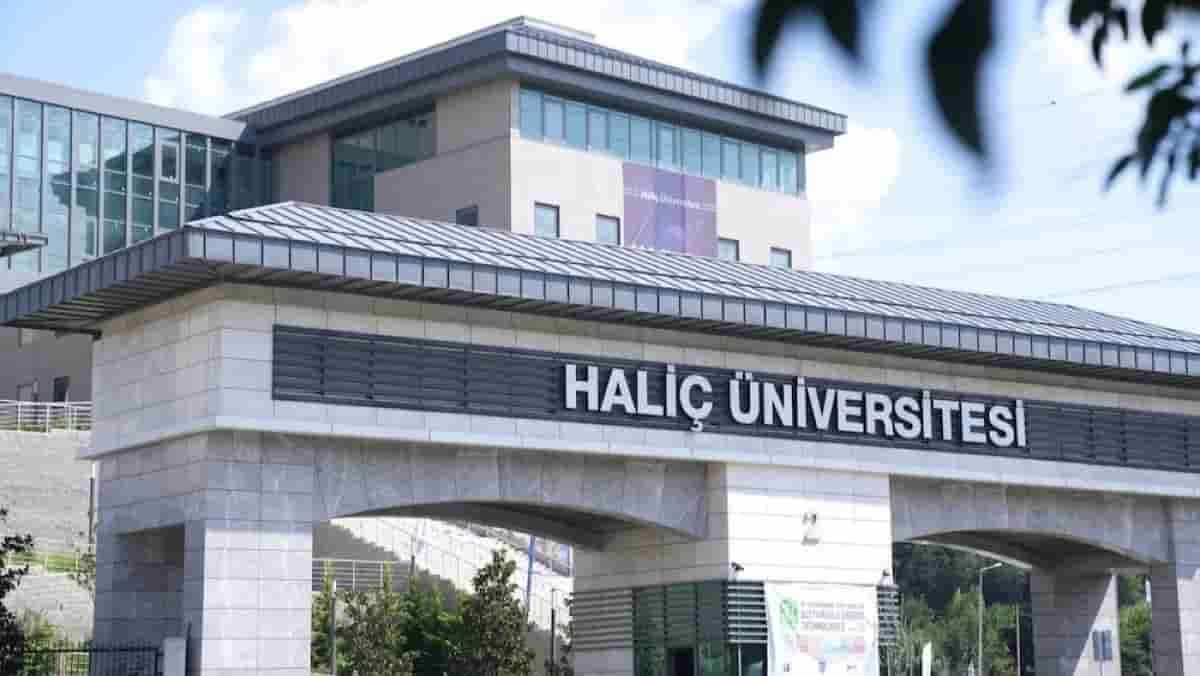 Dormitory
Istanbul, Turkey
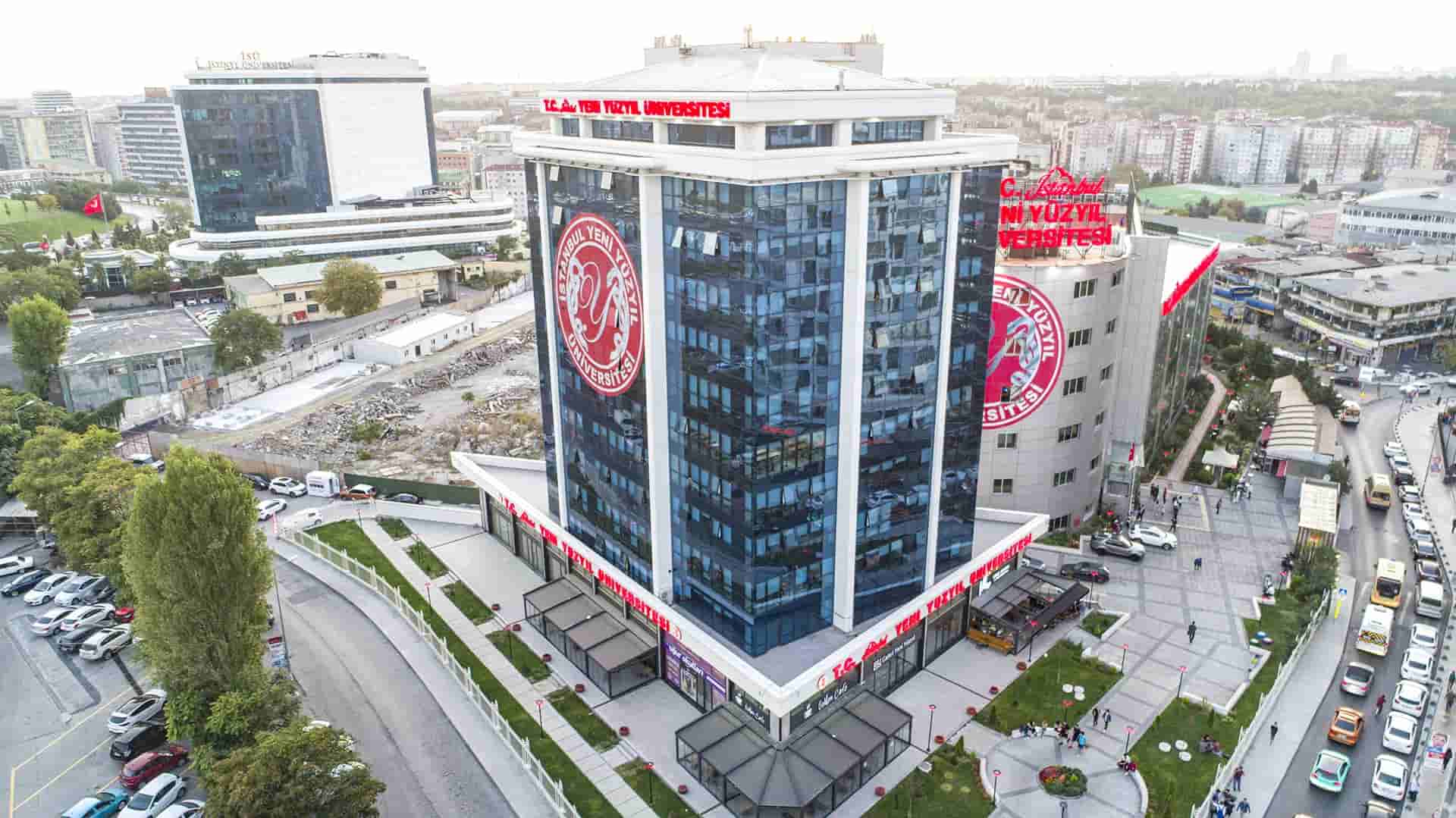 Dormitory
Istanbul, Turkey
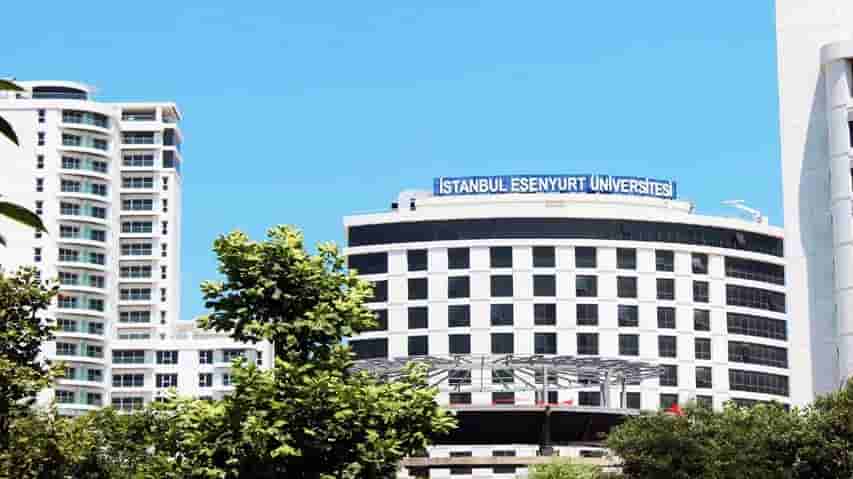 Dormitory
Istanbul, Turkey
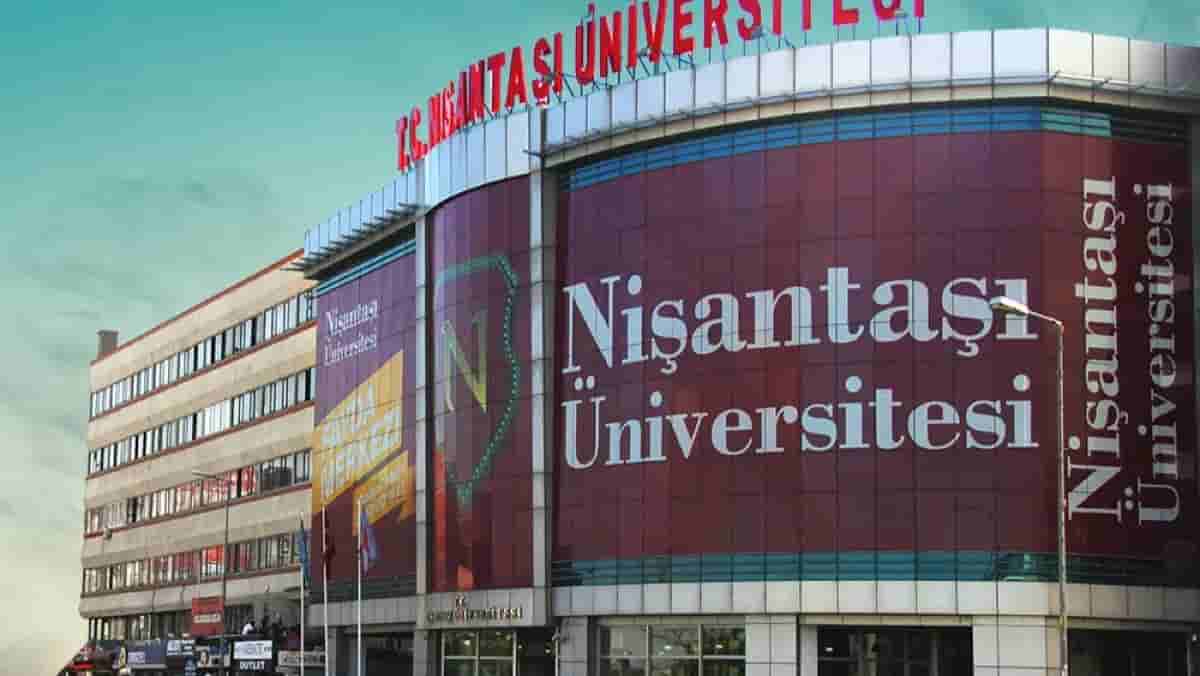 Dormitory
Istanbul, Turkey
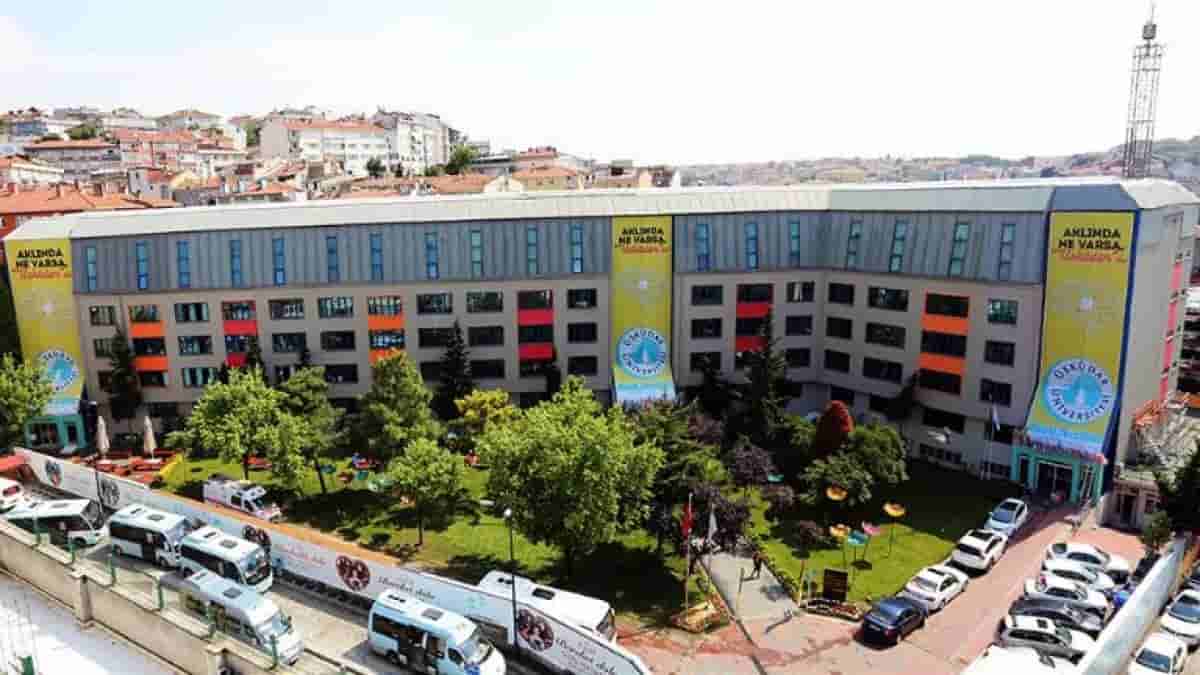 Dormitory
Istanbul, Turkey
 Dormitory
Istanbul, Turkey
 Dormitory
Istanbul, Turkey
 Dormitory
Istanbul, Turkey
 Dormitory
Istanbul, Turkey
 Dormitory
Istanbul, Turkey
 Dormitory
Istanbul, Turkey
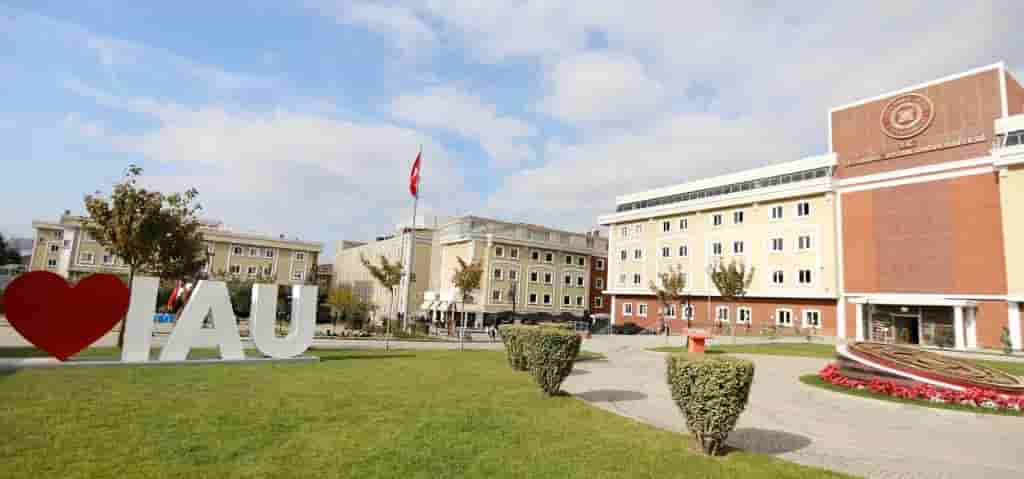 Dormitory
Istanbul, Turkey
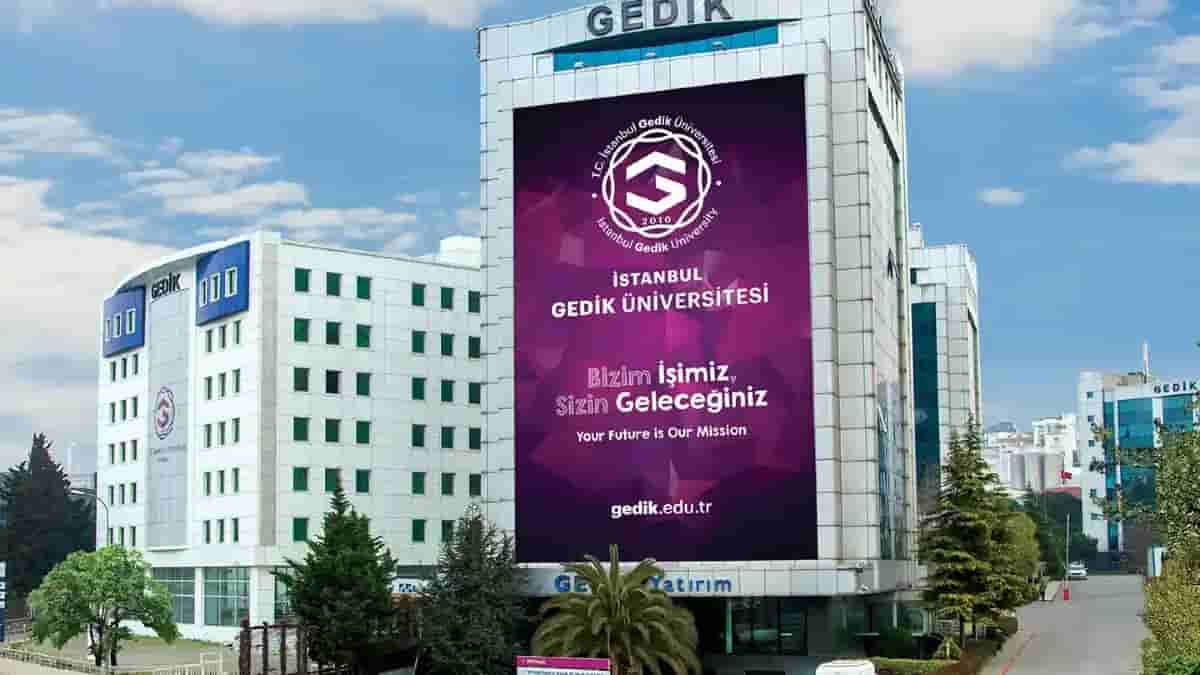 Dormitory
Istanbul, Turkey
 Dormitory
Istanbul, Turkey
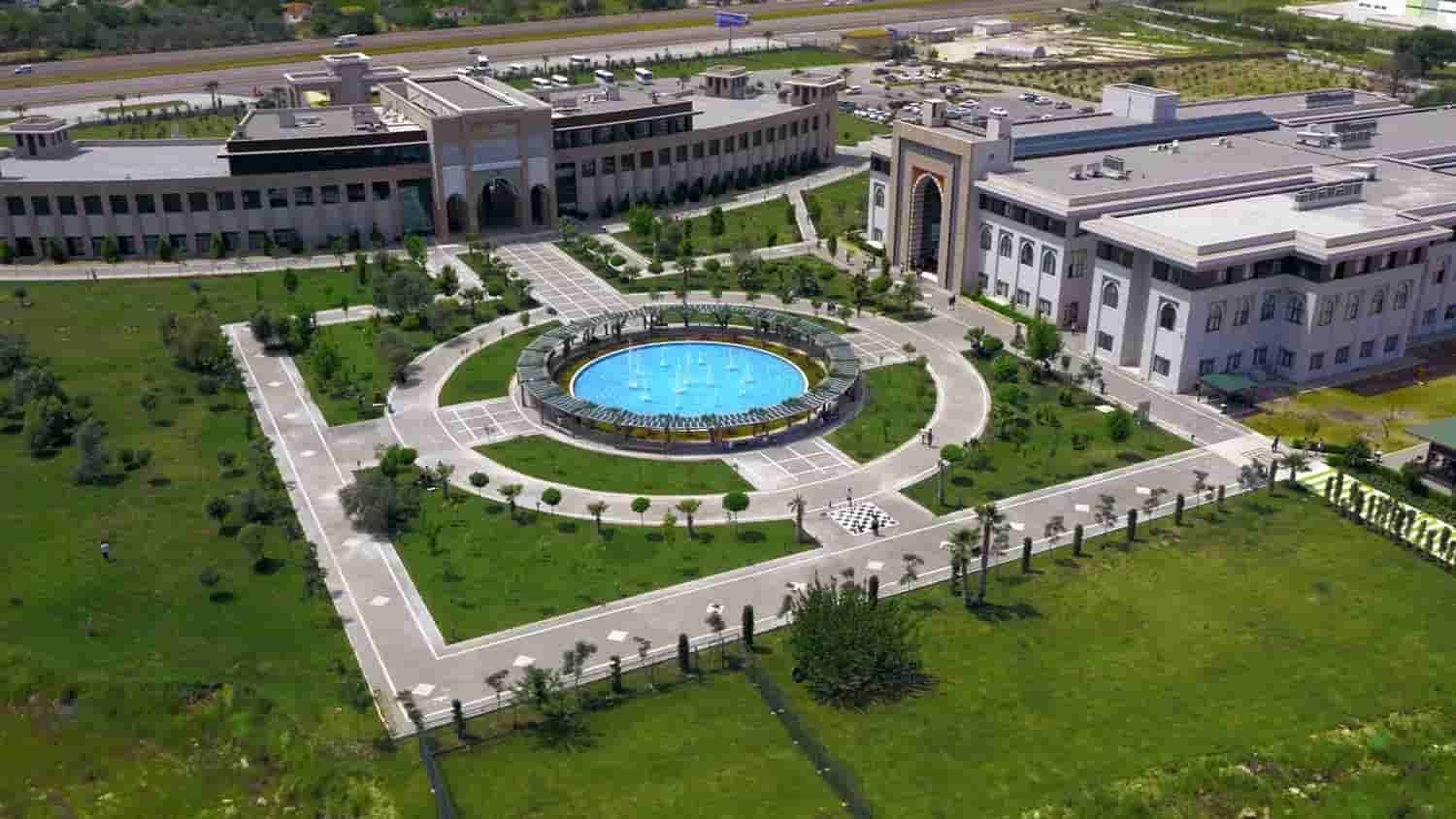 Dormitory
Antalya, Turkey
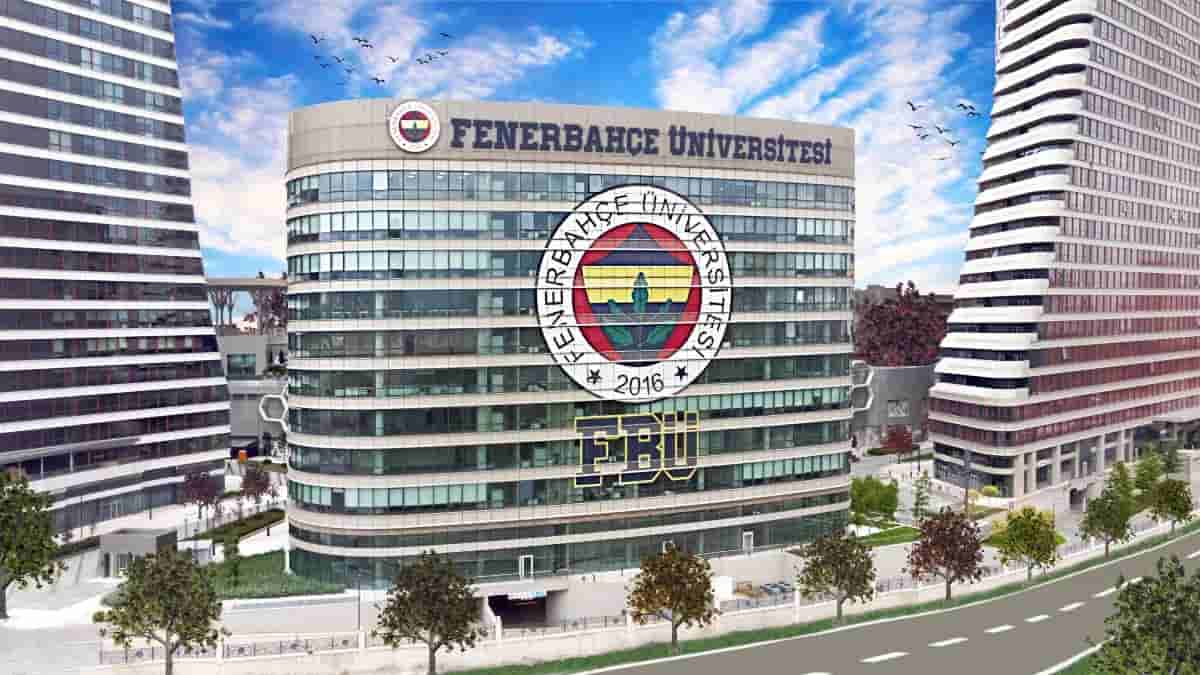 Dormitory
Istanbul, Turkey
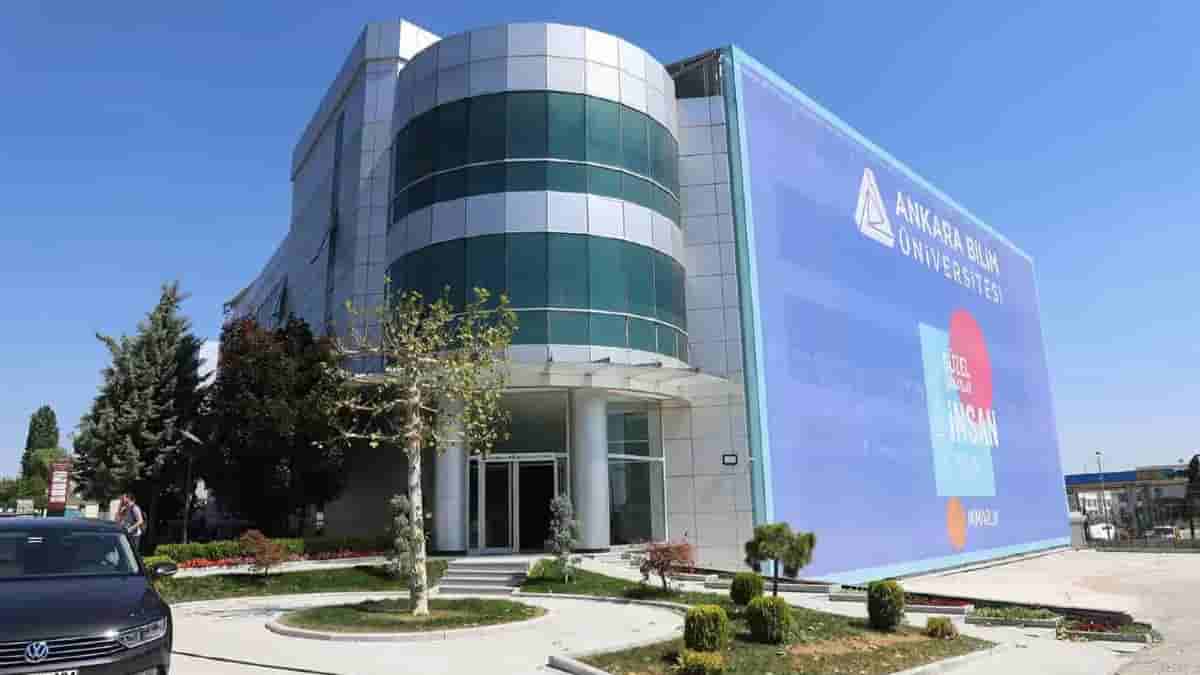 Dormitory
Ankara, Turkey
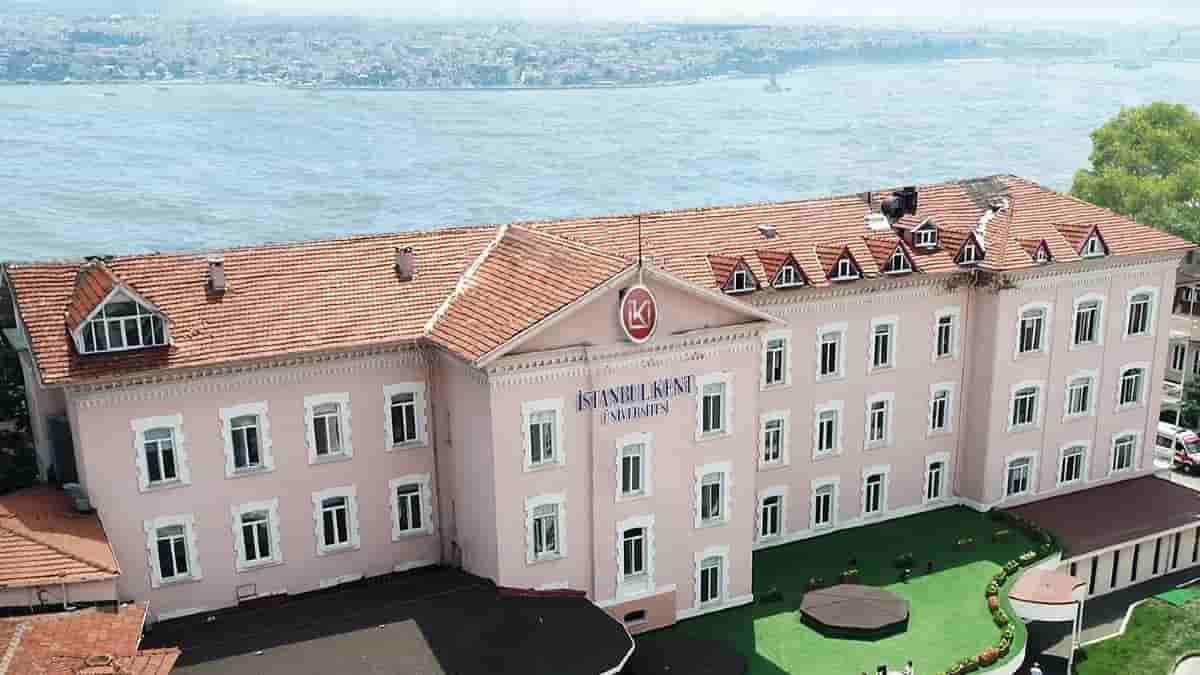 Dormitory
Istanbul, Turkey