

FAQs
Frequently Asked Questions and Answers

Studying medicine abroad requires clear planning and reliable information. Istanbul offers modern hospitals, structured training, and predictable admissions, making it a practical and dependable choice for medical students.
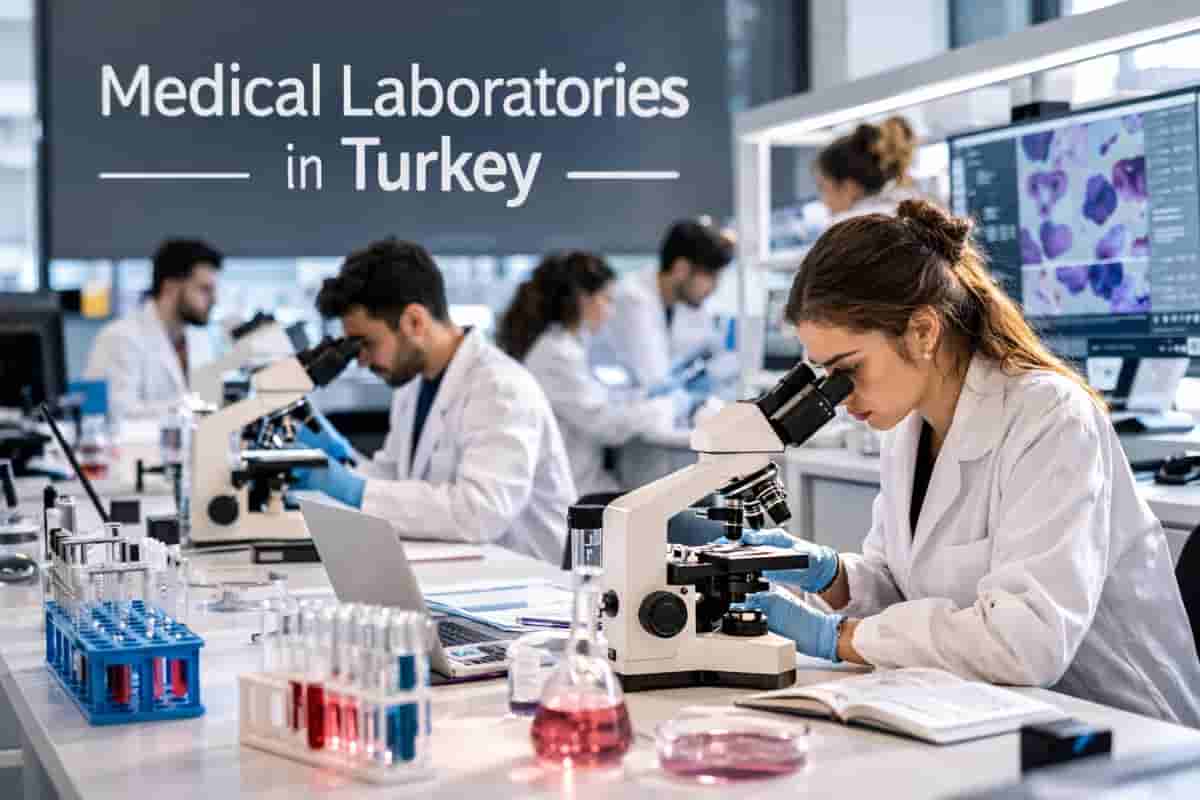
Medical education in Istanbul follows a structured six year program that blends foundational sciences with progressive clinical training. Students move from classroom learning to supervised hospital rotations in teaching hospitals. Programs are nationally regulated, aligned with European standards, and focused on practical, hands on competence for real clinical work.
Why Students Choose Istanbul?
Students choose Istanbul for its balance of quality education, modern hospital facilities, and manageable costs. English taught programs and clear, document based admissions simplify the process, while the city’s international environment helps students adapt quickly.
This pathway suits students seeking practical, clinically focused training with clear costs and structured processes.
It may not fit those expecting low pressure study or purely research based environments. Strong discipline and adaptability are essential for success.

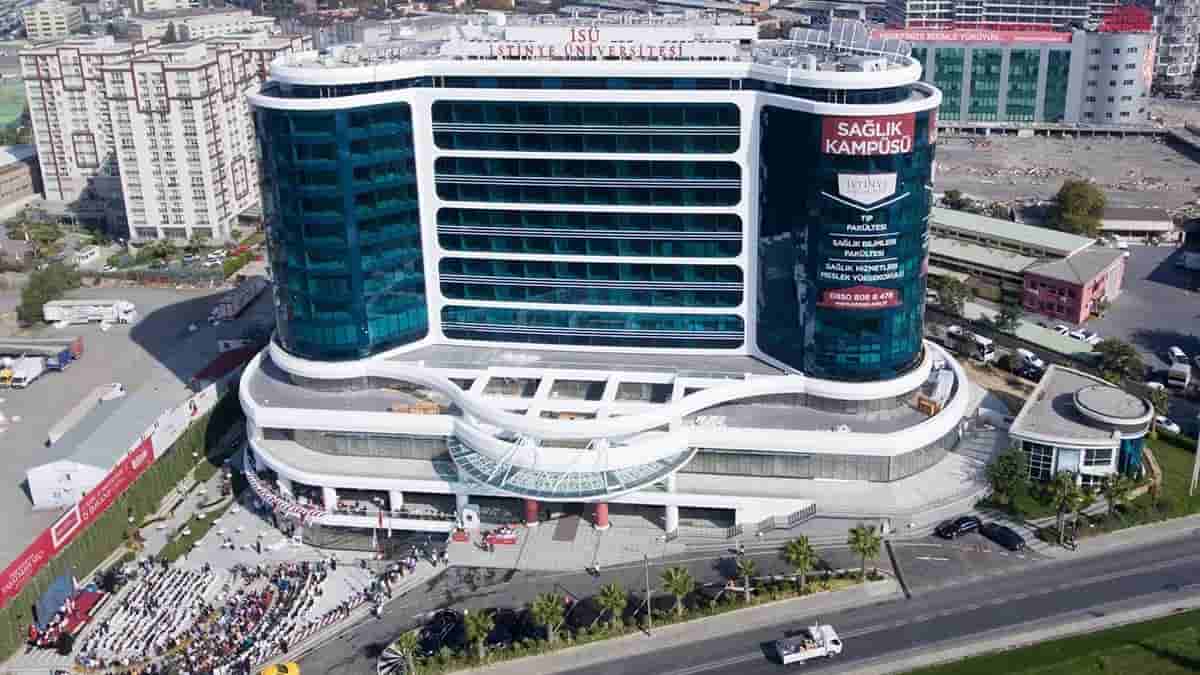
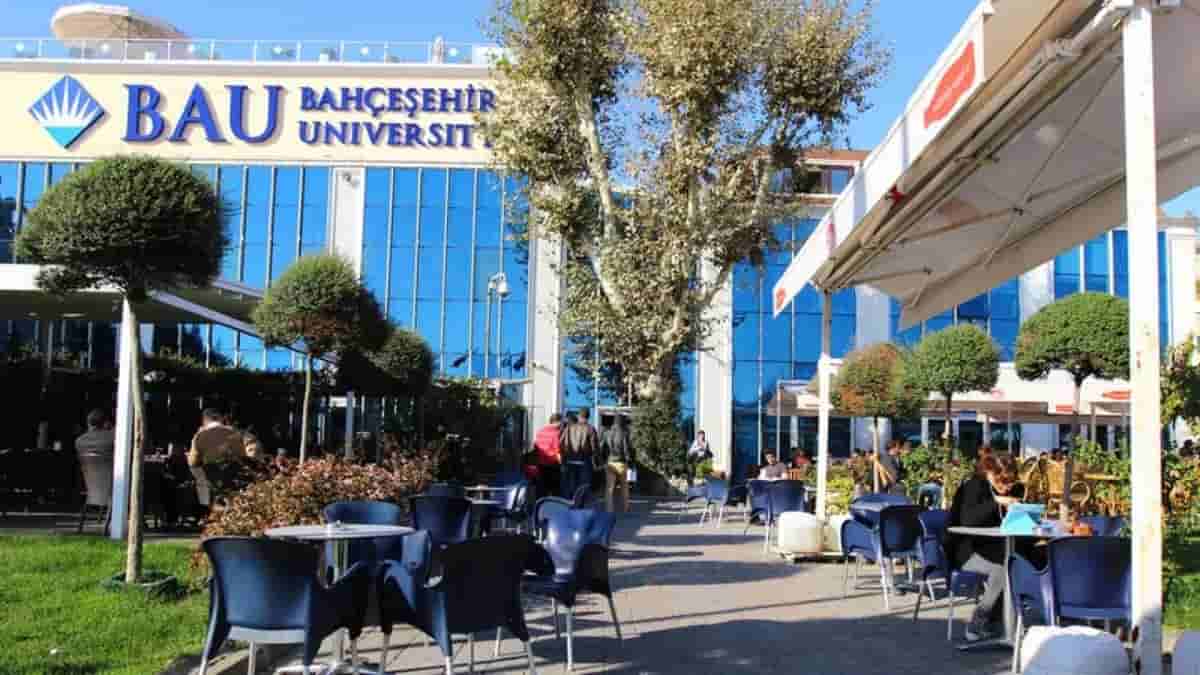
Several well established universities in Istanbul are known for medical and health sciences education, including Acıbadem Mehmet Ali Aydınlar Üniversitesi, İstanbul Medipol Üniversitesi, Bahçeşehir Üniversitesi, Biruni Üniversitesi, and Üsküdar Üniversitesi. These institutions offer modern facilities, English programs, and strong hospital integration. Students should compare clinical access and infrastructure rather than choosing by name alone.
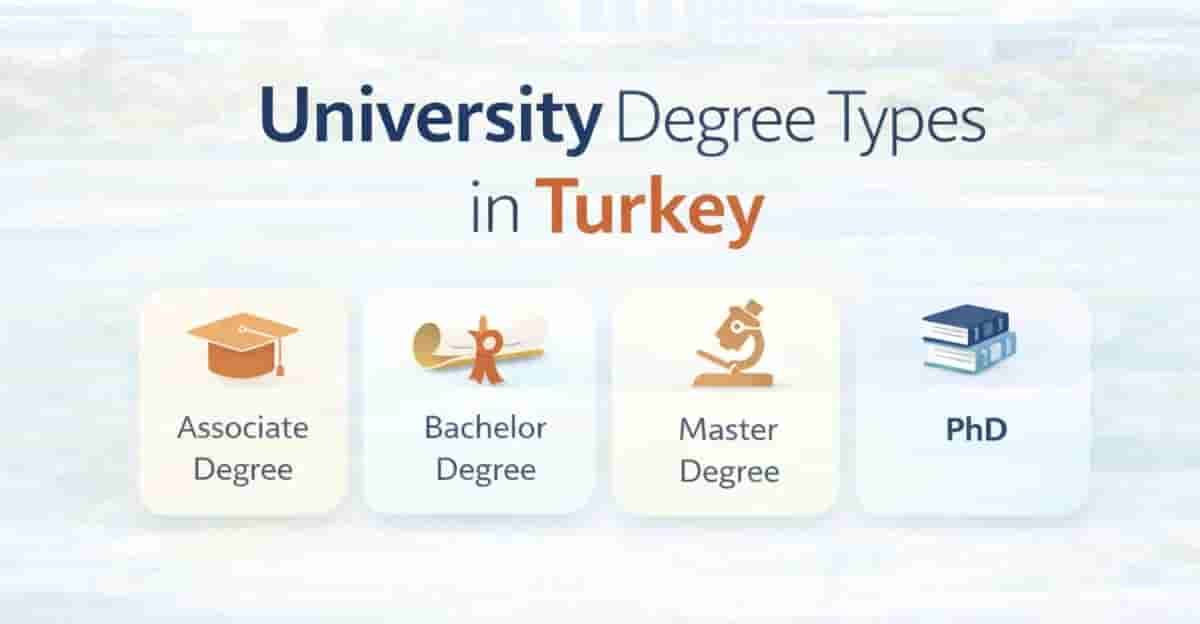
Admissions are document based and straightforward. Students apply using academic records and identity documents. These requirements outline the academic and identity documents needed at each study level to verify eligibility and prior education. Associate and Bachelor’s applicants submit high school records, while Master’s and PhD candidates provide university diplomas and transcripts that match their previous degrees. A passport and a basic copy of documents are requested for identification and administrative processing across all levels.
Preparing documents early prevents last minute delays.

Most medical programs in Istanbul offer English instruction. Students should be comfortable with academic English, medical terminology, and patient communication. Those needing improvement may complete preparatory language training before starting core courses. Basic Turkish is helpful for daily life and clinical interaction in later years. Early preparation improves confidence during hospital rotations and speeds academic progress.
Medical education in Istanbul generally costs less than comparable programs in the UK, US, or Australia. Tuition varies by university but remains moderate relative to Western private institutions. Living expenses depend on lifestyle and housing choices.
Students should budget for accommodation, food, transportation, health insurance, study materials, and personal expenses. Istanbul is more expensive than smaller cities, yet shared apartments and dormitories keep costs manageable. Planning only for tuition often leads to financial stress later.
Istanbul offers a diverse student environment with international classmates from Europe, Asia, Africa, and the Middle East. Dormitories provide safe and affordable housing close to campus. Shared flats are common for students seeking more independence.
Adapting to a new healthcare culture takes time. Time management, regular study habits, and participation in student groups help integration. Access to major hospitals and research centers supports professional networking from early years.

Graduates from recognized universities pursue licensing and further training in many countries. Clinical experience in large urban hospitals strengthens practical skills and employability. Many students continue into residencies, postgraduate study, or healthcare roles across international markets.
The most common mistakes include:
Applying without understanding program structure and clinical requirements
Choosing universities based solely on location rather than academic fit
Submitting incomplete or incorrectly formatted documents
Attempting direct university applications without institutional guidance
Medical education shapes both professional responsibility and long term stability. Istanbul offers a balanced combination of clinical exposure, modern infrastructure, and manageable costs when matched with realistic expectations. Students who prepare documents early, evaluate programs carefully, and use structured support typically achieve smoother transitions.
Frequently Asked Questions and Answers
Look out blogs and aware of the latest trends and updates
Explore top universities offering quality education, modern facilities, and diverse academic opportunities for students worldwide




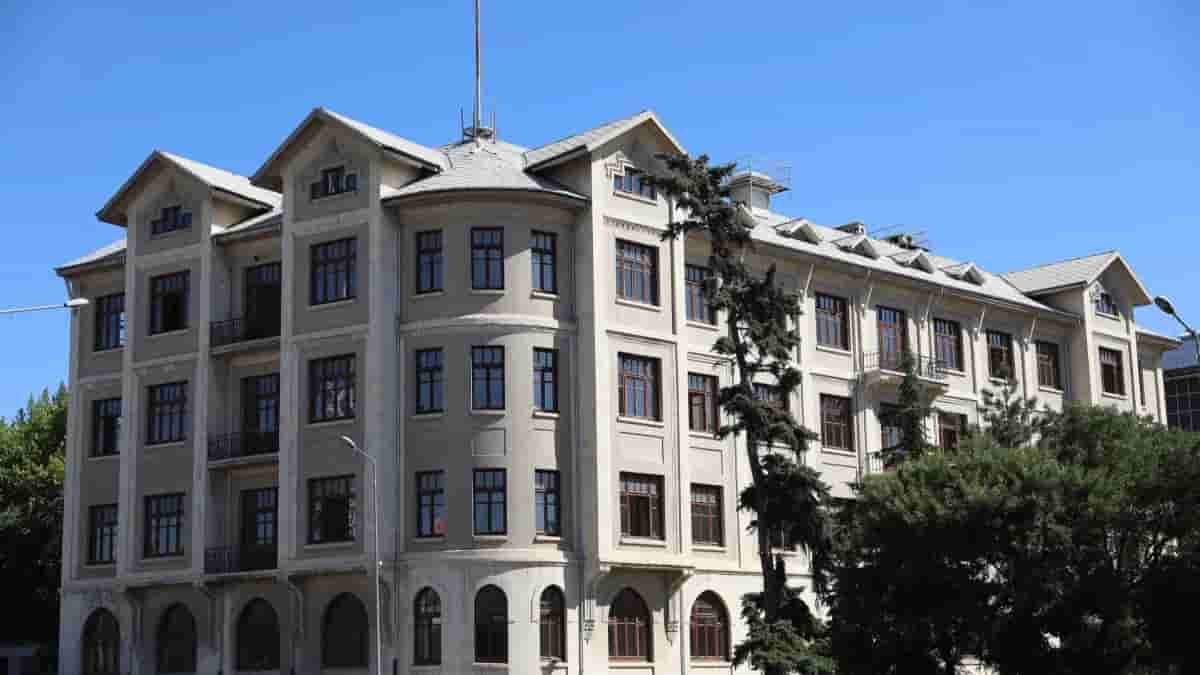 Dormitory
Ankara, Turkey
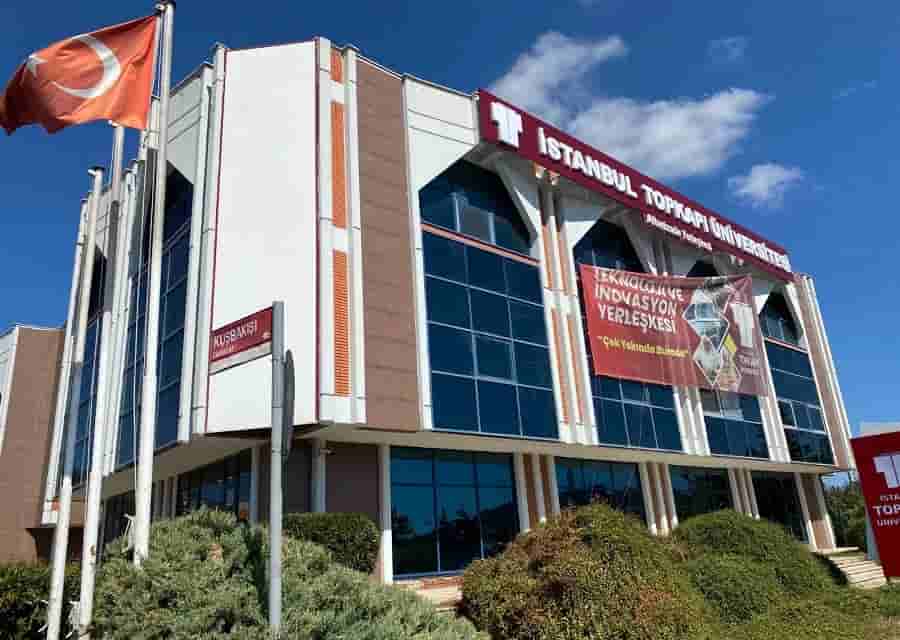 Dormitory
Istanbul, Turkey
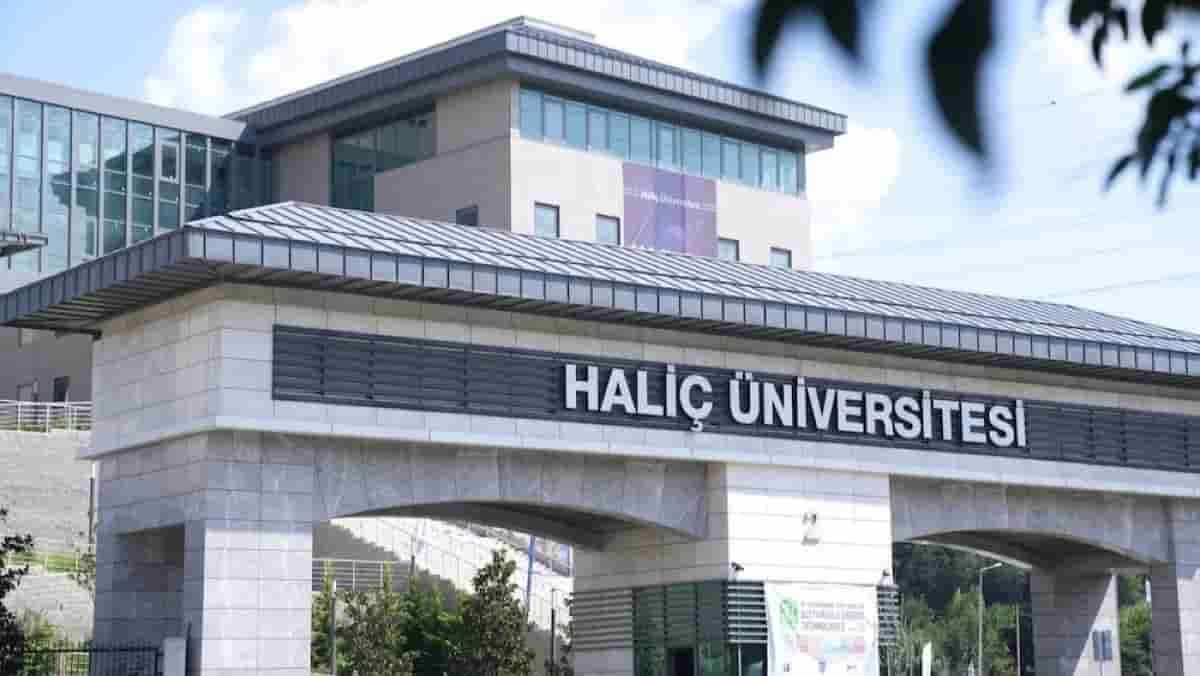 Dormitory
Istanbul, Turkey
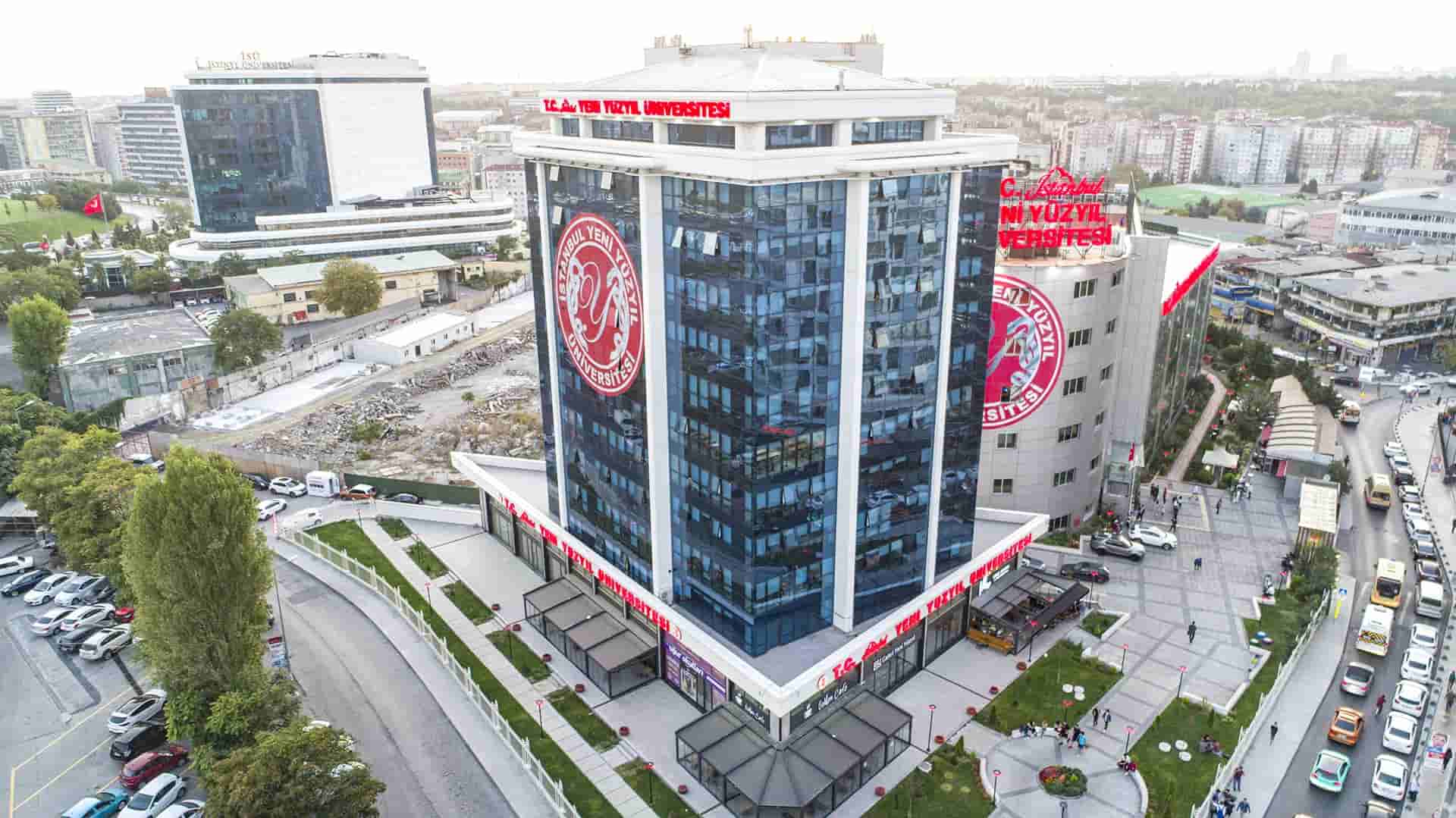 Dormitory
Istanbul, Turkey
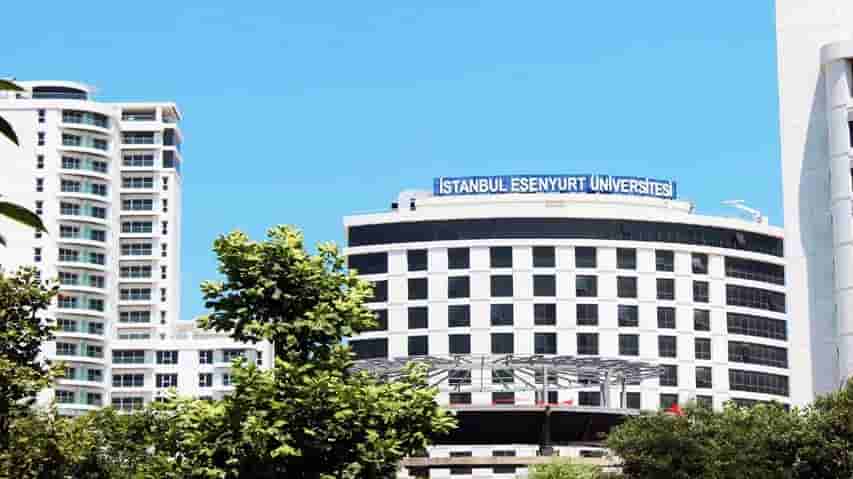 Dormitory
Istanbul, Turkey
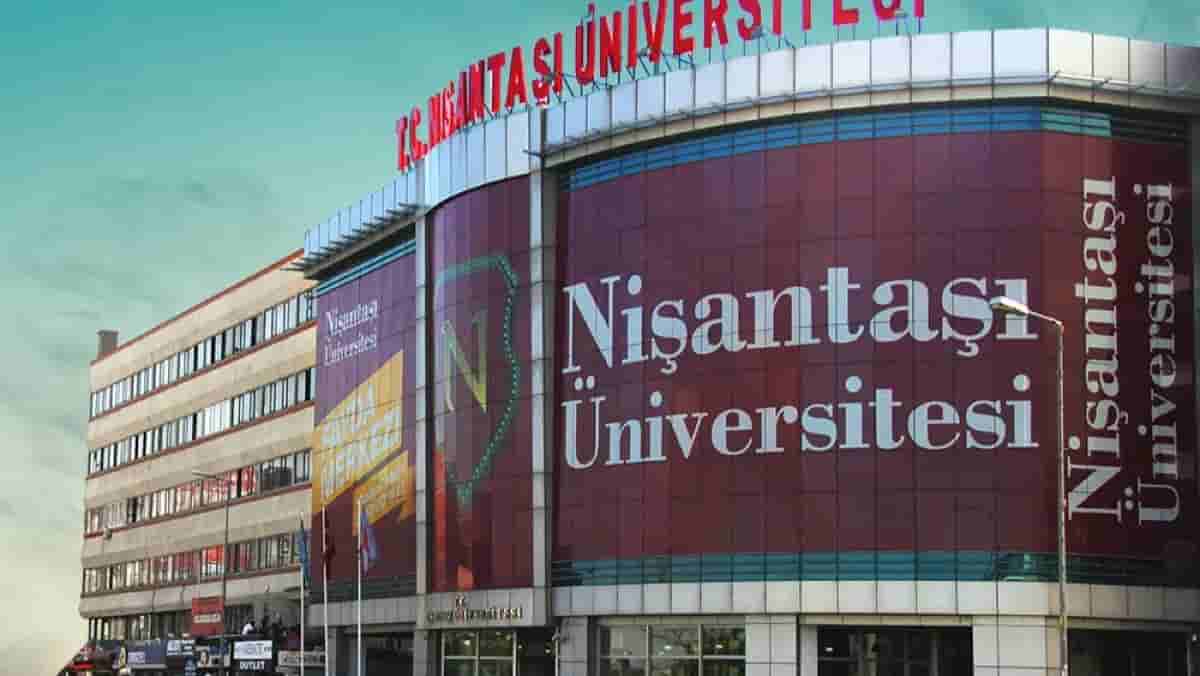 Dormitory
Istanbul, Turkey
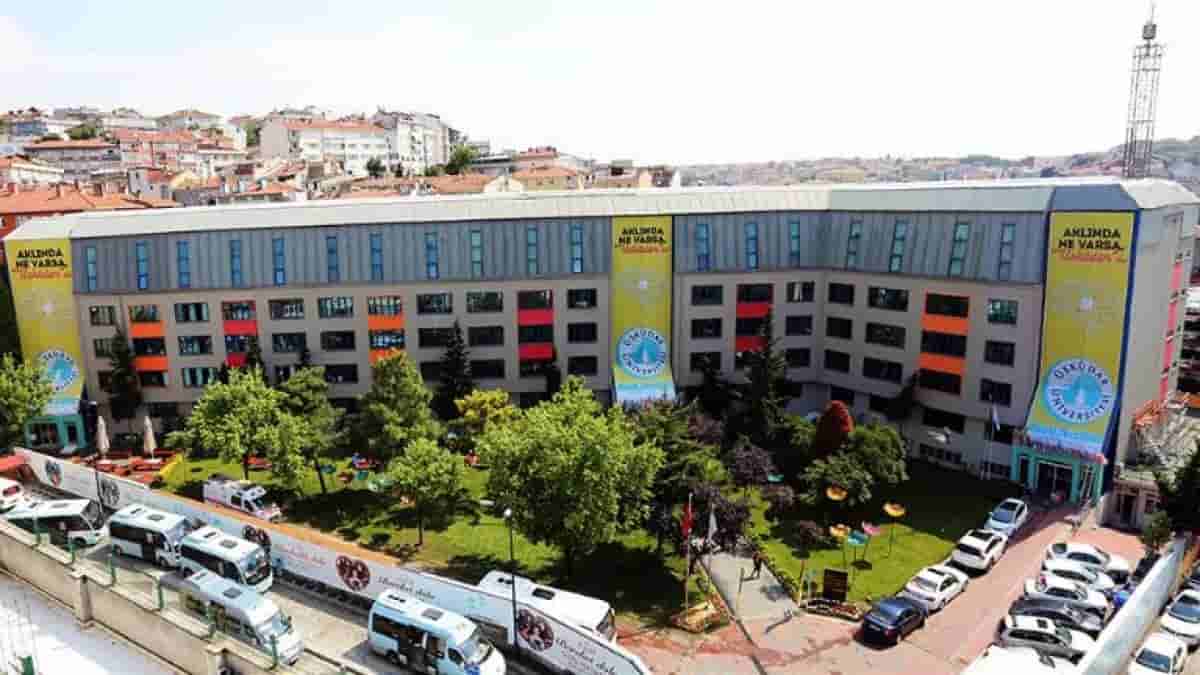 Dormitory
Istanbul, Turkey
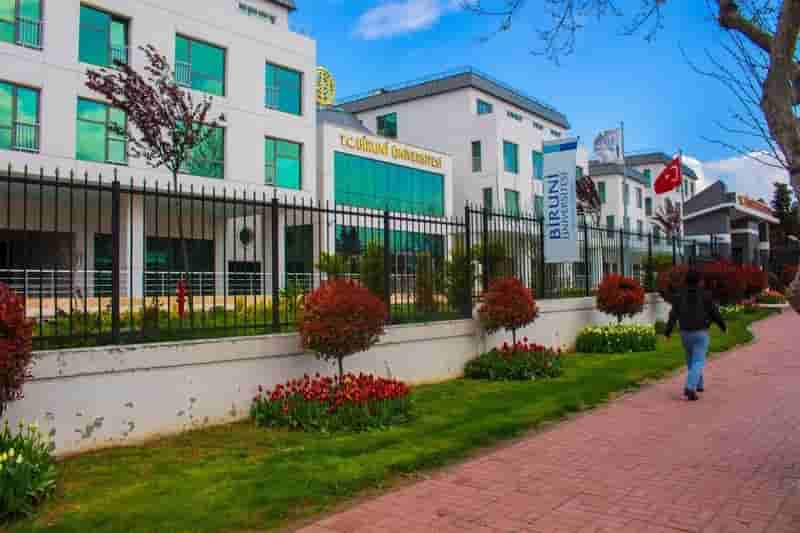 Dormitory
Istanbul, Turkey
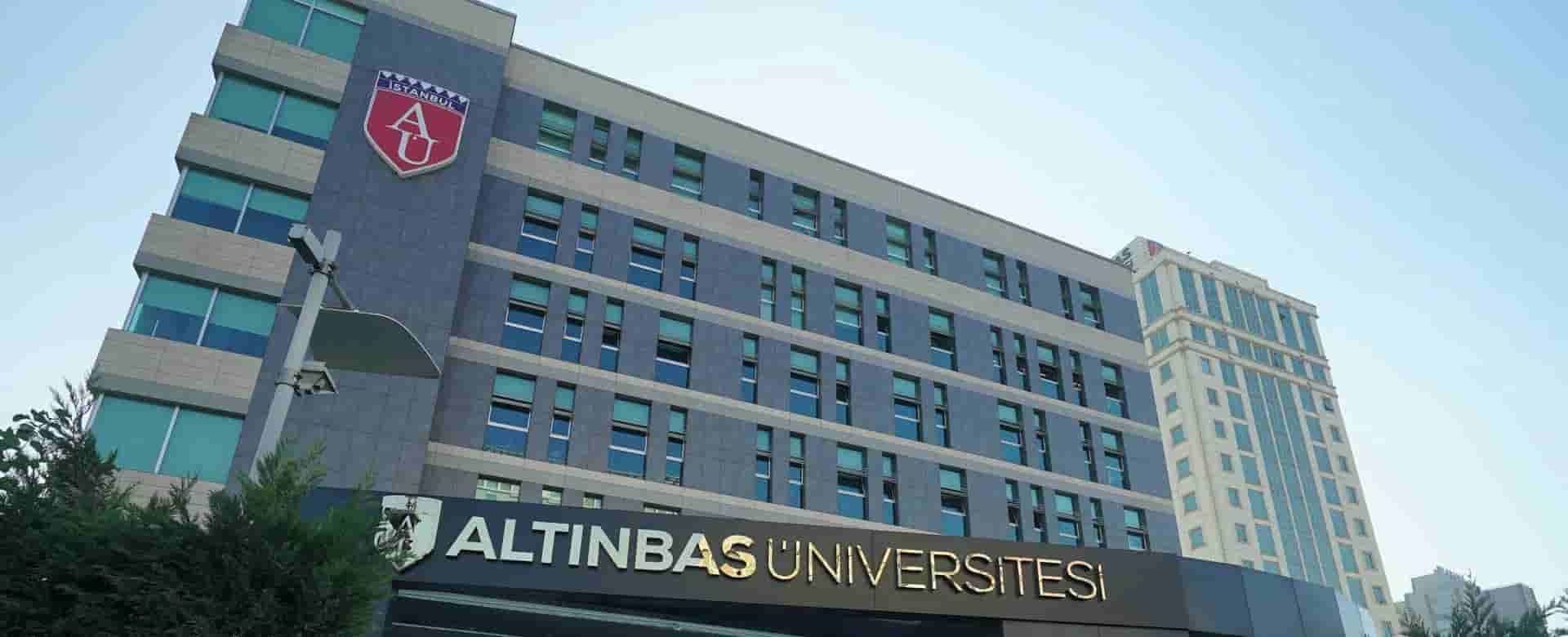 Dormitory
Istanbul, Turkey
 Dormitory
Istanbul, Turkey
 Dormitory
Istanbul, Turkey
 Dormitory
Istanbul, Turkey
 Dormitory
Istanbul, Turkey
 Dormitory
Istanbul, Turkey
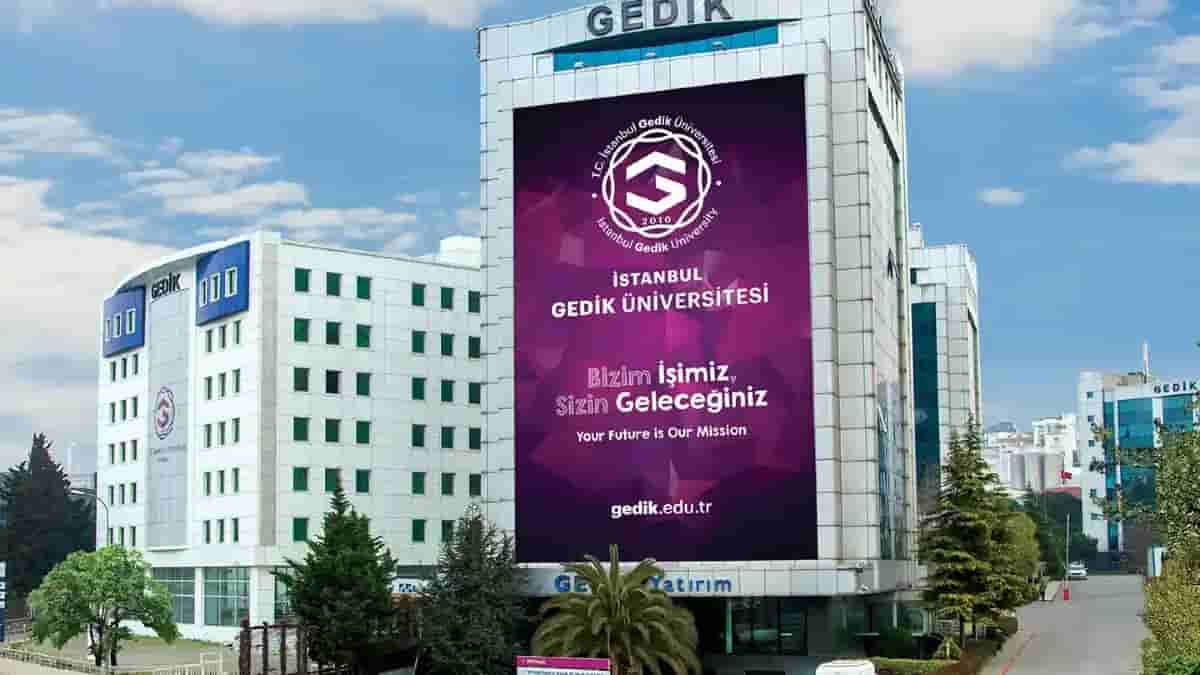 Dormitory
Istanbul, Turkey
 Dormitory
Istanbul, Turkey
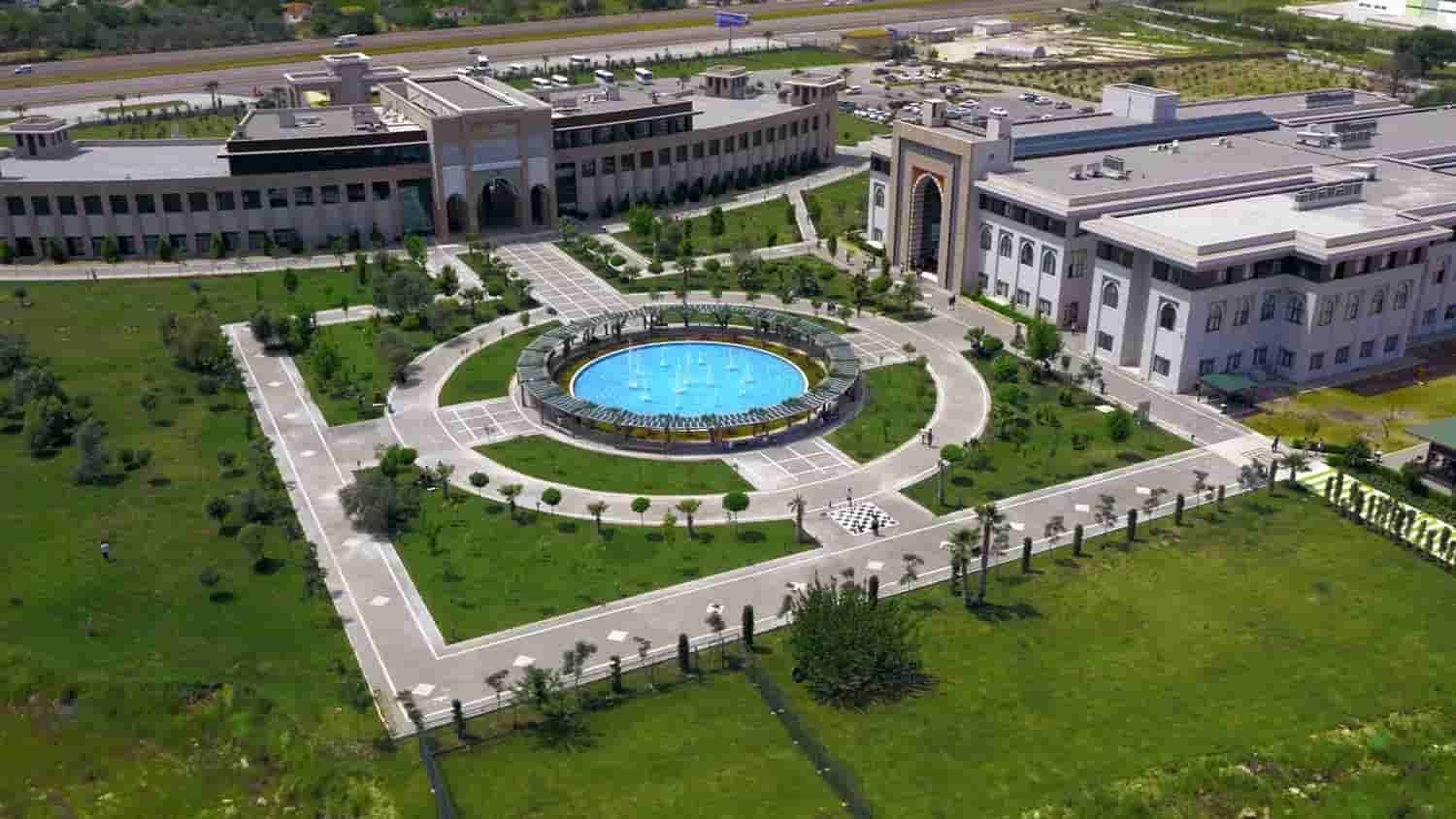 Dormitory
Antalya, Turkey
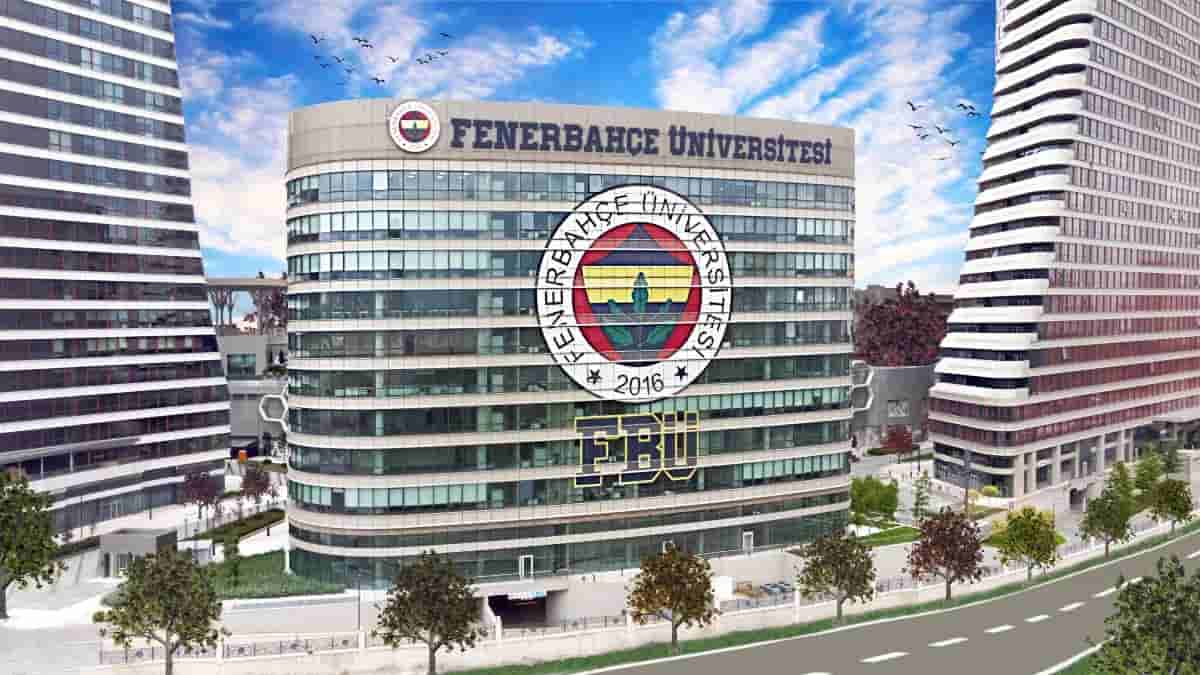 Dormitory
Istanbul, Turkey
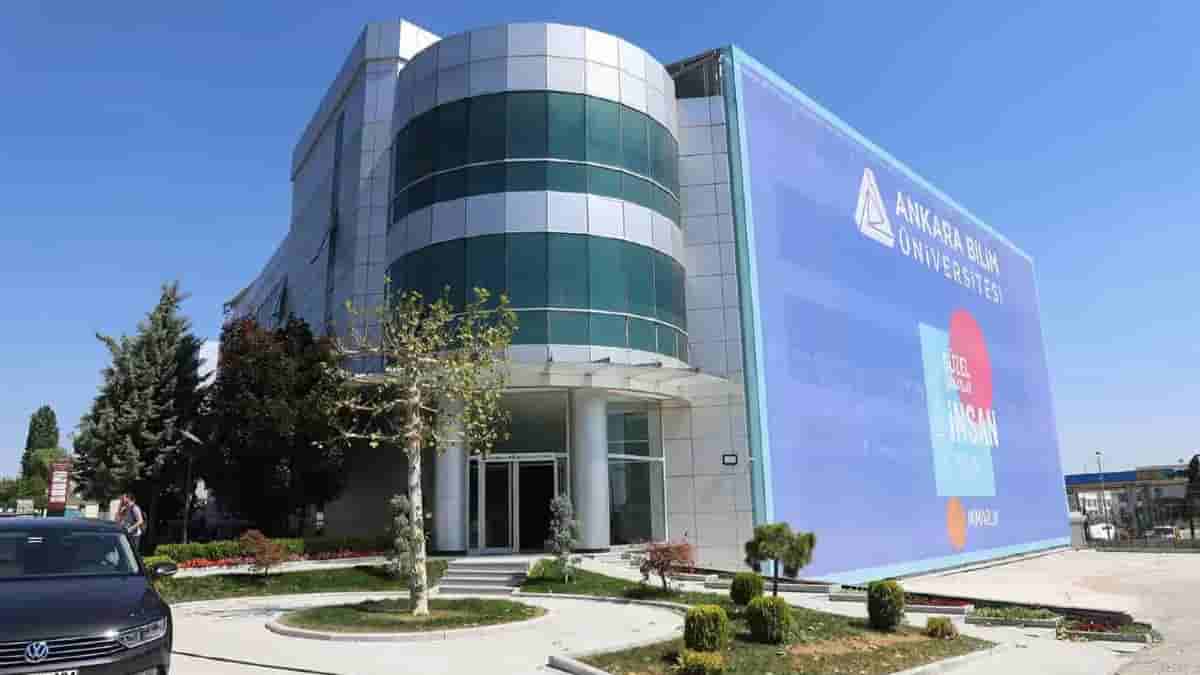 Dormitory
Ankara, Turkey
 Dormitory
Istanbul, Turkey