




FAQs
Frequently Asked Questions and Answers

Turkey stands at the forefront of technological innovation in the region, with electrical engineering driving advancements in energy, telecommunications, and automation. Choosing the right university is crucial for students aiming to excel in this dynamic field, as it shapes both technical expertise and professional networks. The country boasts institutions that blend rigorous academic curricula with cutting-edge research facilities, preparing graduates for global challenges. Many of these universities foster strong industry ties, ensuring students gain practical experience alongside theoretical knowledge. Istanbul and Ankara host several top-tier options, each offering unique strengths in specialized areas like power systems or embedded electronics. International students find welcoming environments, with programs taught entirely in English and diverse campus communities. The right choice opens doors to internships with leading corporations and research collaborations that redefine industry standards.
Bilkent University’s Department of Electrical and Electronics Engineering ranks among Turkey’s finest, renowned for its research output in nanotechnology and wireless communications. Faculty members include internationally recognized scholars who actively publish in top-tier journals, ensuring students engage with frontier knowledge. The curriculum emphasizes hands-on learning through state-of-the-art laboratories equipped for VLSI design, photonics, and robotics projects. Small class sizes foster close mentorship, while mandatory senior design projects tackle real-world problems alongside industry partners like ASELSAN and Turkcell. This immersive approach cultivates problem-solving skills highly valued by employers globally.
Graduates frequently secure positions at multinational firms such as Siemens and Bosch or pursue advanced degrees at institutions like MIT and Stanford. Bilkent’s Career Center provides tailored support, including career fairs hosting over 200 companies annually and alumni networking events across Europe and North America. The campus in Ankara offers a vibrant ecosystem with innovation hubs like the Bilkent Cyberpark, where students launch startups with seed funding. Research initiatives often receive grants from the European Union and TÜBİTAK, creating opportunities for undergraduates to contribute to patented technologies. This environment transforms theoretical concepts into tangible innovations that address societal needs.
Koç University’s Electrical and Electronics Engineering program integrates interdisciplinary studies with core technical training, covering areas like artificial intelligence and renewable energy systems. Courses are taught exclusively in English by faculty holding PhDs from Ivy League universities, ensuring a globally competitive education. Students access specialized facilities such as the High-Performance Computing Lab and the Microelectronics Cleanroom, supporting projects in semiconductor development and IoT applications. Collaborative coursework with departments like Computer Science and Biomedical Engineering encourages innovative thinking. The program’s flexibility allows customization through electives in power electronics or signal processing, aligning with individual career aspirations.
Industry partnerships are central to Koç’s philosophy, with mandatory internships at companies including Arçelik and Ford Otosan providing practical exposure. Research centers like the KUIS AI Center attract significant funding, enabling undergraduate involvement in projects funded by organizations like NATO and the Scientific and Technological Research Council of Turkey. Graduates benefit from a powerful alumni network spanning Silicon Valley and European tech hubs, with many securing roles at Google and Ericsson. The university’s location in Istanbul positions students at the heart of Turkey’s industrial corridor, facilitating site visits and guest lectures from sector leaders. This strategic advantage bridges academia and industry seamlessly.
Sabancı University pioneers a multidisciplinary approach in its Electronics Engineering program, uniquely combining electrical engineering with mechatronics and materials science. The curriculum features project-based learning from the first year, utilizing labs for photonics, control systems, and sustainable energy. Faculty experts collaborate with entities like TÜBİTAK UZAY on satellite communication research, offering students roles in nationally significant initiatives. Core courses emphasize ethical engineering practices and entrepreneurship, preparing graduates for leadership beyond technical roles. The university’s technology park hosts over 50 startups, providing incubation opportunities for student ventures in fields like smart grid solutions.
International mobility is a hallmark, with exchange programs at MIT, ETH Zurich, and KAIST enhancing global perspectives. Sabancı’s Industry Partnership Program connects students with giants like Turk Telekom and ABB for semester-long collaborative projects. Research output is prolific, with recent breakthroughs in nanoelectronics published in journals such as Nature Communications. Career services organize targeted recruitment days, resulting in high placement rates at firms including ASELSAN and Bosch. The Istanbul campus fosters a tight-knit community through engineering clubs that compete in international robotics competitions. This ecosystem nurtures innovators who drive technological progress across continents.
Özyeğin University’s Electrical and Electronics Engineering program focuses on sustainable technologies, with specialized tracks in smart grids and electric vehicle systems. The curriculum incorporates mandatory industry internships, ensuring students gain hands-on experience with automation tools and renewable energy infrastructure. Faculty members maintain active consultancy roles with Istanbul’s industrial zones, bringing real-time case studies into classrooms. Modern facilities include a Power Electronics Lab certified by IEEE standards and an Autonomous Systems Workshop for drone and robotics development. Project courses often address urban challenges, such as optimizing Istanbul’s public transportation energy usage.
Strategic alliances with corporations like Vestel and Siemens enable funded research in energy efficiency and AI-driven diagnostics. Students present findings at international conferences, with travel grants covering participation costs. The Career Office arranges site visits to manufacturing plants and R&D centers, facilitating direct recruitment pipelines. Graduates frequently join multinational teams at companies like Schneider Electric or pursue PhDs at leading European universities. The campus in Çekmeköy hosts an annual Tech Fest showcasing student innovations to investors and industry scouts. This practical orientation ensures graduates enter the workforce ready to implement sustainable engineering solutions.
Yaşar University’s Electrical and Electronics Engineering department excels in applied research, particularly in control systems and biomedical instrumentation. The program leverages proximity to İzmir’s industrial hub, integrating factory automation projects with coursework through partnerships like those with TEBA and Arçelik. Labs feature industry-standard PLC systems and biomedical sensor testbeds, allowing students to calibrate medical devices or optimize manufacturing lines. Faculty-led initiatives often secure TÜBİTAK funding for projects in agricultural robotics and water management technologies. The curriculum includes mandatory ethics modules addressing societal impacts of engineering decisions.
Student teams regularly compete in national competitions such as the TEKNOFEST Aerospace and Technology Festival, winning awards for drone navigation systems. Yaşar’s Career Development Center coordinates internships with local and international firms, including a dedicated track for German automotive companies. Alumni hold key positions at Bosch and Siemens Healthineers, reflecting the program’s industry relevance. The university’s Innovation Center provides prototyping resources and legal support for patent applications. Exchange programs with universities in the Netherlands and South Korea broaden technical perspectives. This blend of local industry immersion and global exposure produces adaptable engineers equipped for diverse technological landscapes.
Atılım University’s Electrical and Electronics Engineering program emphasizes innovation in communication technologies and embedded systems design. Courses cover 5G networks, cybersecurity hardware, and FPGA programming, taught in English by faculty with industry experience at companies like Huawei. The campus in Ankara houses advanced facilities including an Electromagnetic Compatibility Lab and a Microcontroller Applications Center, supporting IoT and wearable tech projects. Industry-sponsored capstone projects address challenges posed by partners such as Turkcell and ASELSAN, with winning designs often commercialized. The department maintains ISO 9001 certification for its quality management system, ensuring consistent educational standards.
Research collaborations extend to the European Space Agency and national defense projects, offering students roles in satellite subsystem development. Atılım’s Technology Transfer Office assists with startup formation, having incubated ventures in smart sensor technology. Career services host biannual engineering fairs attracting employers like Alcatel-Lucent and Koc Holding. Graduates frequently secure R&D positions in Europe through the university’s Erasmus+ partnerships with technical universities in Germany and Belgium. Student clubs organize hackathons focused on solving Ankara’s urban infrastructure issues. This environment cultivates engineers who bridge theoretical knowledge with market-ready applications.
Kadir Has University’s Electrical and Electronics Engineering program stands out for its focus on digital transformation and smart city technologies. Located in Istanbul’s historic peninsula, the department collaborates with municipal authorities on projects like traffic flow optimization and energy-efficient building systems. Courses integrate data analytics with core electrical principles, utilizing labs equipped with NVIDIA AI platforms and smart grid simulators. Faculty members include former executives from major utilities, providing insights into regulatory frameworks and infrastructure planning. The curriculum mandates a semester-long industry project, often with partners like Istanbul Metropolitan Municipality or Bosch.
Students engage in EU-funded research initiatives such as Horizon 2020 projects on sustainable urban mobility. The university’s Maker Lab offers 3D printing and PCB fabrication resources for prototyping inventions. Career support includes personalized coaching for technical interviews and LinkedIn profile development. Graduates join companies like Siemens Smart Infrastructure or continue research at institutions like Imperial College London. Annual events like the Istanbul Tech Summit connect students with venture capitalists and policymakers. This urban-centric approach prepares engineers to design technologies that enhance quality of life in metropolitan environments worldwide.
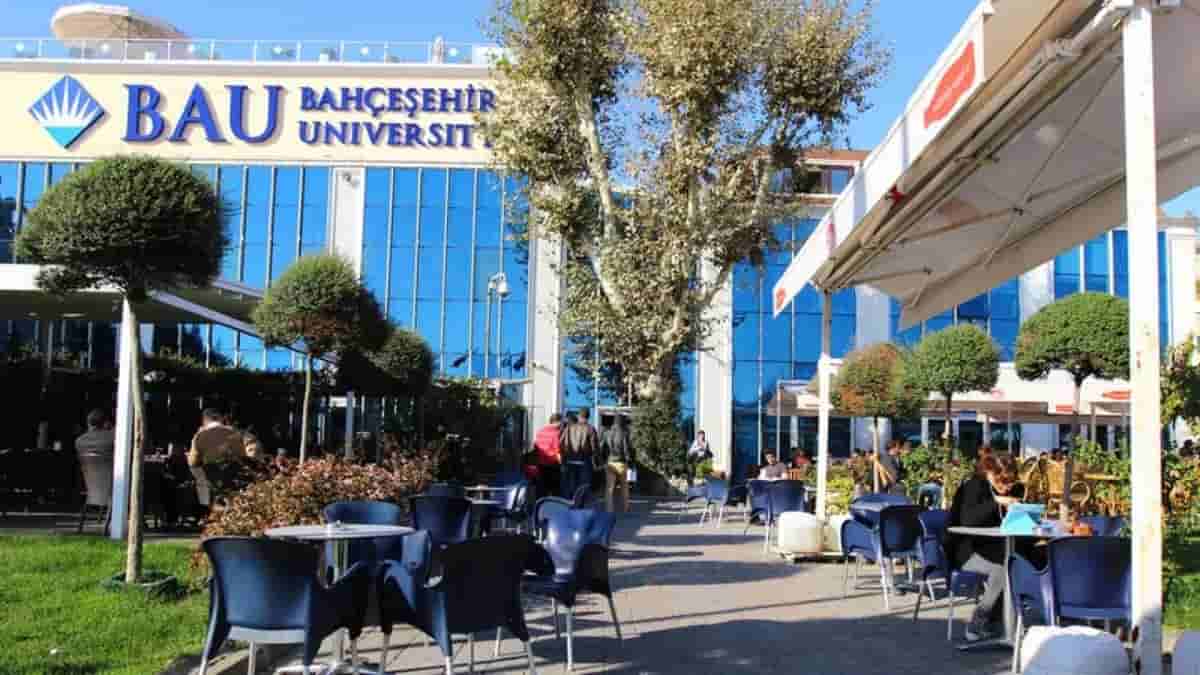
Bahçeşehir University leverages its prime Istanbul location to deliver an Electrical and Electronics Engineering program centered on maritime and transportation electrification. The curriculum includes specialized courses in marine power systems and electric vehicle infrastructure, developed with input from partners like Ford Otosan and Turkish Maritime Organization. State-of-the-art labs feature ship simulator bridges and battery testing chambers, allowing students to model electrification scenarios for ports and airports. Faculty research focuses on renewable integration for island grids, supported by grants from the Ministry of Energy. International semesters at partner universities in Norway and Japan expose students to global energy challenges.
Industry internships often occur at Istanbul’s new airport or metro expansion projects, providing firsthand experience in large-scale infrastructure. The BAU Global Network facilitates research exchanges with institutions in Boston and Berlin, particularly in wireless power transfer technologies. Graduates secure roles at ABB Marine and AYGM (General Directorate of Highways), contributing to national electrification strategies. The Entrepreneurship Center hosts pitch competitions with seed funding for sustainable tech startups. Student teams have won international awards for solar-powered boat designs. This coastal perspective positions graduates at the forefront of sustainable mobility revolutions.
Electrical engineering education in Turkey offers unparalleled pathways for ambitious students seeking impactful careers. The universities highlighted provide environments where theoretical knowledge merges with tangible innovation, supported by industry-aligned curricula and research opportunities. Graduates emerge equipped to lead in fields ranging from renewable energy to AI-driven systems, with global recognition enhancing their professional mobility. Choosing an institution aligned with personal strengths and aspirations is pivotal for long-term success. StudyLeo simplifies this journey by offering personalized application guidance to these top universities without any service fees. Their experts navigate admission requirements, scholarship options, and visa processes seamlessly. Building a future in engineering starts with the right educational foundation, and Turkey’s dynamic academic landscape delivers exactly that. Take the first step toward transforming your potential into achievement today.
Frequently Asked Questions and Answers
Look out blogs and aware of the latest trends and updates
Explore top universities offering quality education, modern facilities, and diverse academic opportunities for students worldwide





DormitoryIstanbul, Turkey
DormitoryAnkara, Turkey
DormitoryIstanbul, Turkey





DormitoryAntalya, Turkey
DormitoryIstanbul, Turkey
DormitoryAnkara, Turkey
DormitoryIstanbul, Turkey