








FAQs
Frequently Asked Questions and Answers

Turkey has become a strong destination for computer engineering education. Private universities lead this growth with modern programs and global outlooks. You find English taught curricula and industry focused training. Campuses invest heavily in labs and applied learning. Faculty members often have international academic backgrounds. Students gain skills that match current tech demands. Many graduates work in software, data, and system design roles worldwide.

Turkey has invested heavily in higher education and technology in recent years. Many universities now operate advanced research centers, technology parks, and innovation laboratories. Computer engineering students are trained not only to write code, but also to understand how complex systems are designed, built, and managed. This approach prepares graduates for many sectors, including software, finance, healthcare, and industrial technologies.

Computer engineering programs in Turkey follow a structured and progressive curriculum. Students begin with core subjects such as programming, mathematics, algorithms, and computer architecture. In later years, they study advanced topics like artificial intelligence, data science, cybersecurity, software engineering, and network systems. This structure helps students build both strong fundamentals and modern technical expertise.
Turkey has many strong private universities that offer high-quality computer engineering education, often with modern campuses and strong international orientation. Among the most respected private universities are Bilkent University, Özyeğin University, Bahçeşehir University, Altınbaş University, İstinye University, and Aydın University. These universities are known for English-taught programs, modern laboratories, and strong industry connections.

A good computer engineering university is not defined only by its name, but by the quality of education it provides. Important factors include academic staff, laboratory infrastructure, research opportunities, and cooperation with the industry. Universities that focus on project work, innovation, and practical training usually produce more confident and capable graduates.

Computer engineering education in Turkey offers a strong combination of quality, innovation, and career potential. Both private and public universities provide valuable opportunities, but private universities often stand out with modern facilities and industry-focused education models. Students gain strong technical skills, practical experience, and international perspective. With proper guidance, this journey becomes much easier and more structured. StudyLeo plays an important role in making this process clear and accessible. For students who want a serious future in technology, Turkey remains a very smart and promising choice.
Frequently Asked Questions and Answers
Look out blogs and aware of the latest trends and updates
Explore top universities offering quality education, modern facilities, and diverse academic opportunities for students worldwide






 Dormitory
Ankara, Turkey
 Dormitory
Istanbul, Turkey
 Dormitory
Istanbul, Turkey
 Dormitory
Istanbul, Turkey
 Dormitory
Istanbul, Turkey
 Dormitory
Istanbul, Turkey
 Dormitory
Istanbul, Turkey
 Dormitory
Istanbul, Turkey
 Dormitory
Istanbul, Turkey
 Dormitory
Istanbul, Turkey
 Dormitory
Istanbul, Turkey
 Dormitory
Istanbul, Turkey
 Dormitory
Istanbul, Turkey
 Dormitory
Istanbul, Turkey
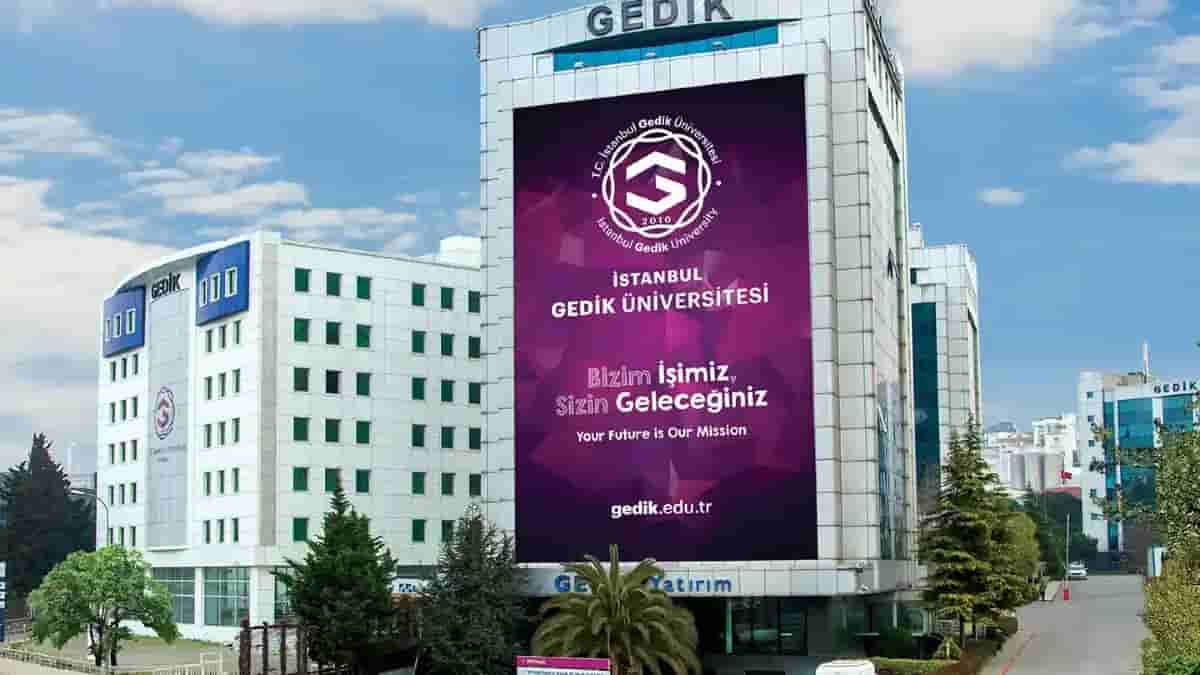 Dormitory
Istanbul, Turkey
 Dormitory
Istanbul, Turkey
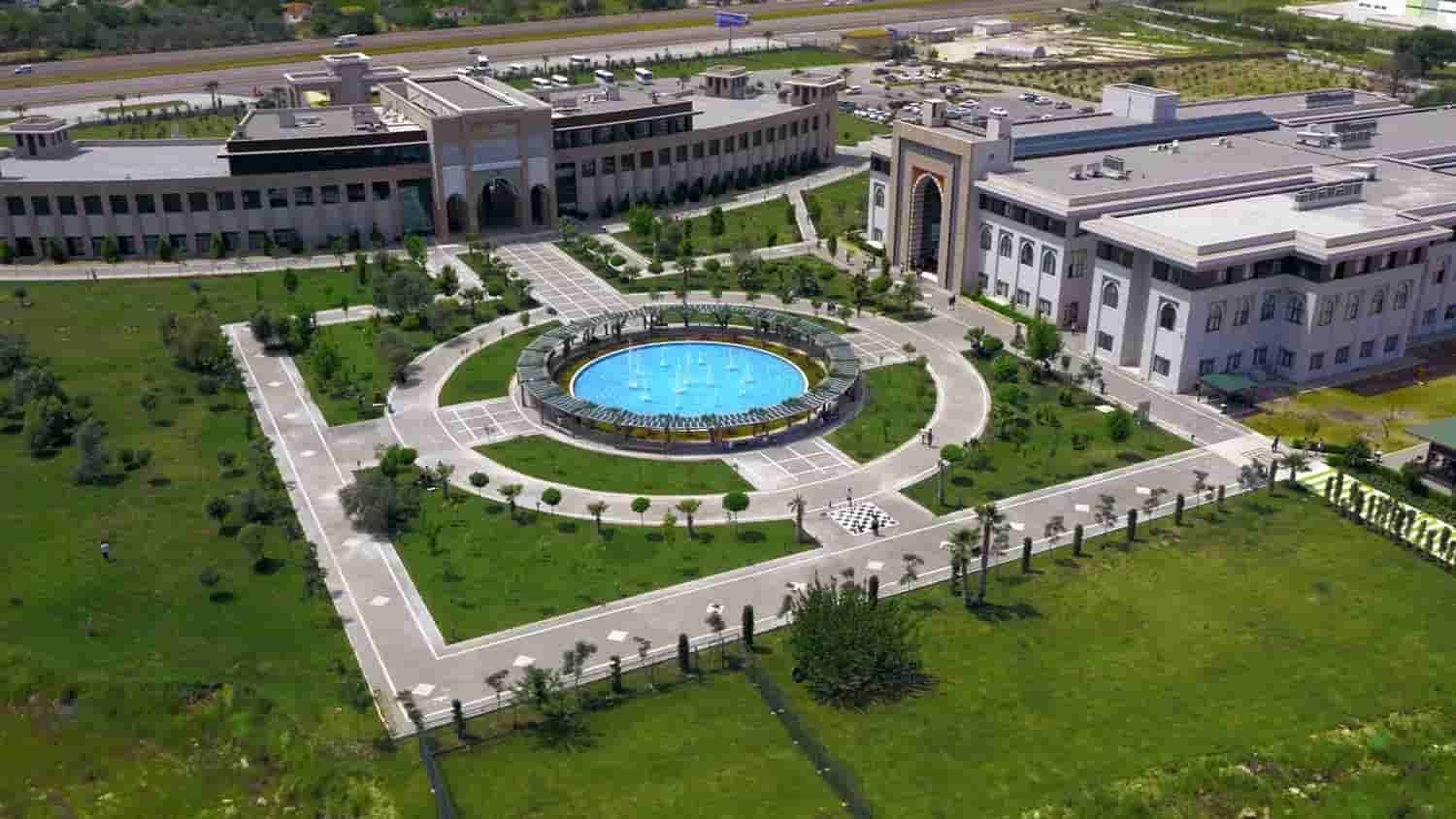 Dormitory
Antalya, Turkey
 Dormitory
Istanbul, Turkey
 Dormitory
Ankara, Turkey
 Dormitory
Istanbul, Turkey