
FAQs
Frequently Asked Questions and Answers

Turkey has become a prominent destination for students interested in aviation and aerospace studies. The country offers a wide range of programs that combine theoretical knowledge with practical flight experience. Aviation universities in Turkey provide modern facilities, experienced faculty, and strong industry connections. Students can pursue degrees in pilot training, aerospace engineering, aviation management, and air traffic control. Many programs are designed in English, making them accessible to international students.
Aviation training began with military foundations in the early twentieth century. Civil aviation programs expanded as commercial air transport grew. Public and private universities invested in:
• Flight simulators
• Aerospace laboratories
• Research centers
• Industry partnerships
Modern aviation faculties now integrate digital systems, safety management training, and applied engineering research.

Turkey hosts several universities specializing in aviation and aerospace studies. Istanbul University’s Aviation and Space Sciences Faculty offers programs in aviation management, flight operations, and aeronautical engineering. Anadolu University provides flight training and pilot programs with advanced simulator facilities. Turkish Air Force Academy also accepts students interested in aerospace engineering and pilot training. These institutions combine academic knowledge with practical training, creating well-rounded graduates.
Infrastructure directly affects graduate quality. Strong aviation faculties provide:
• Full motion flight simulators
• Aerodynamics and propulsion laboratories
• Avionics and materials testing labs
• Real aircraft fleets for training
• Air traffic control simulation labs
• Research and innovation centers
Hands on exposure improves decision making under operational pressure.
Aviation universities in Turkey provide a variety of programs tailored to different career paths. Undergraduate programs include aeronautical engineering, aviation management, and pilot training. Aeronautical engineering focuses on aircraft design, aerodynamics, propulsion systems, and avionics. Aviation management covers airline operations, airport administration, logistics, and safety regulations. Pilot training programs combine theoretical courses with flight hours and simulator training.
Aviation universities in Turkey often collaborate with global institutions. Partnerships with airlines, aerospace companies, and international universities allow students to participate in exchange programs, internships, and joint research. These collaborations give students exposure to different aviation regulations, technologies, and management practices. English-language courses increase the accessibility of programs to international students. Universities also host conferences, workshops, and seminars in collaboration with global aviation organizations.

Admission is competitive, reflecting the demand for aviation programs in Turkey. The application process can be simplified using StudyLeo. Students can explore programs, compare universities, and apply directly without any service fees. StudyLeo provides guidance on eligibility, program details, and documentation. The platform allows students to track applications and receive updates efficiently. Using StudyLeo ensures a transparent and streamlined application process.
Graduates access diverse aviation roles depending on specialization.
Pilot training graduates pursue careers in:
• Commercial airlines
• Cargo operators
• Private aviation companies
Aeronautical engineering graduates enter:
• Aircraft design
• Maintenance and systems analysis
• Aerospace research
Aviation management graduates work in:
• Airport administration
• Airline operations
• Logistics coordination
• Aviation consultancy
Air traffic control graduates focus on:
• Airport operations
• Air navigation services
Career progression depends on technical skill, certification, and operational experience.

Research is a core focus at Turkish Aeronautical Association University. Students engage in drone systems, unmanned aerial vehicles, and sustainable aviation projects. Laboratories support studies on aircraft materials, propulsion efficiency, and air traffic optimization. Collaboration with international institutions enhances technological advancements. Students participate in competitions, workshops, and innovation labs.
The Turkish Aeronautical Association University provides comprehensive aviation education. Programs cover pilot training, aeronautical engineering, aviation management, and air traffic control. Modern facilities, research opportunities, and international collaborations enhance student development. Scholarships and StudyLeo-supported applications simplify access to education. Graduates gain technical skills, practical experience, and professional networks. The university continues to strengthen Turkey’s position as a leader in aviation education.
Frequently Asked Questions and Answers
Look out blogs and aware of the latest trends and updates
Explore top universities offering quality education, modern facilities, and diverse academic opportunities for students worldwide






 Dormitory
Ankara, Turkey
 Dormitory
Istanbul, Turkey
 Dormitory
Istanbul, Turkey
 Dormitory
Istanbul, Turkey
 Dormitory
Istanbul, Turkey
 Dormitory
Istanbul, Turkey
 Dormitory
Istanbul, Turkey
 Dormitory
Istanbul, Turkey
 Dormitory
Istanbul, Turkey
 Dormitory
Istanbul, Turkey
 Dormitory
Istanbul, Turkey
 Dormitory
Istanbul, Turkey
 Dormitory
Istanbul, Turkey
 Dormitory
Istanbul, Turkey
 Dormitory
Istanbul, Turkey
 Dormitory
Istanbul, Turkey
 Dormitory
Antalya, Turkey
 Dormitory
Istanbul, Turkey
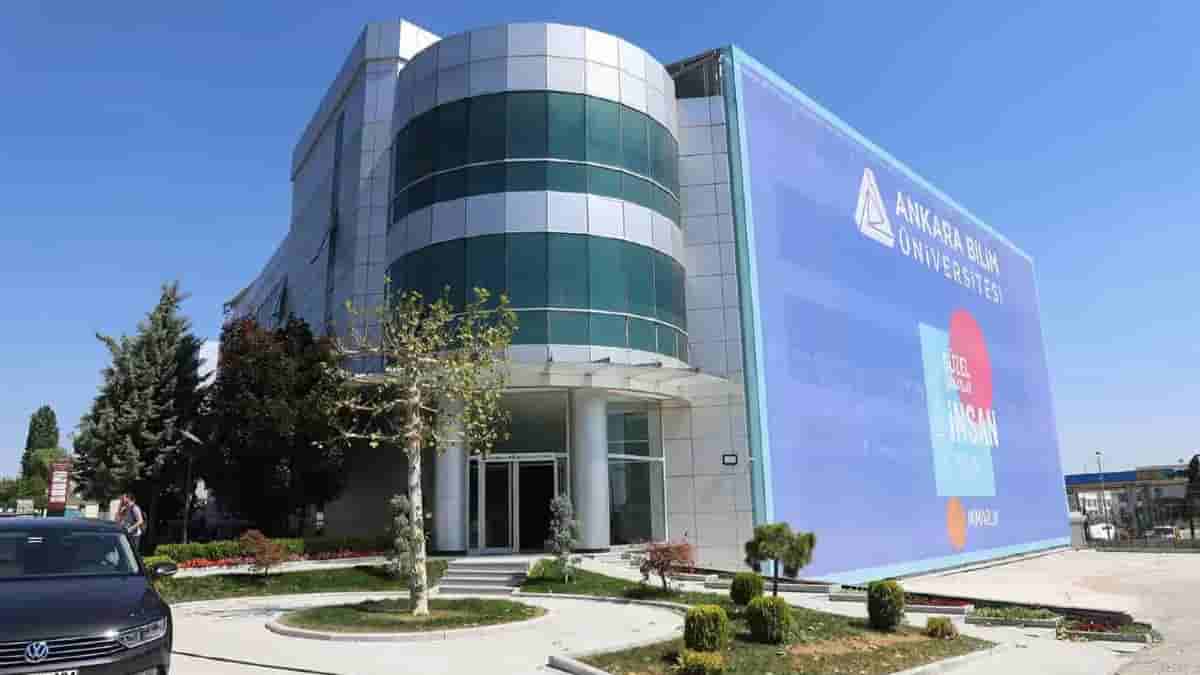 Dormitory
Ankara, Turkey
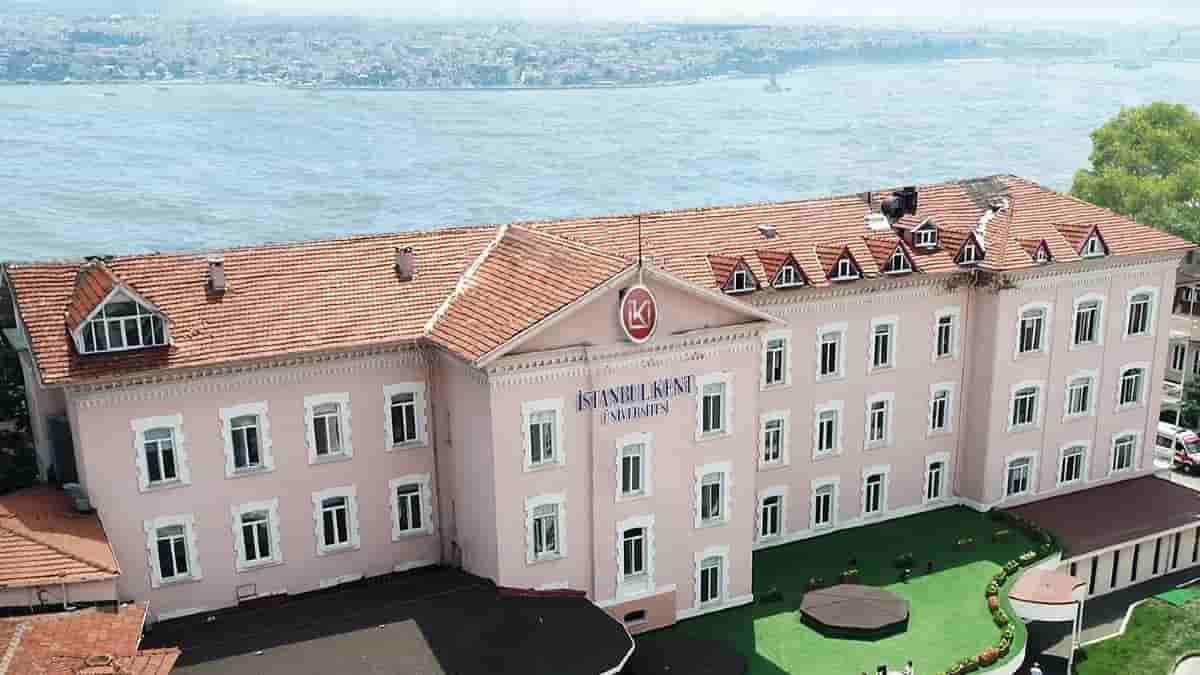 Dormitory
Istanbul, Turkey