FAQs
Frequently Asked Questions and Answers
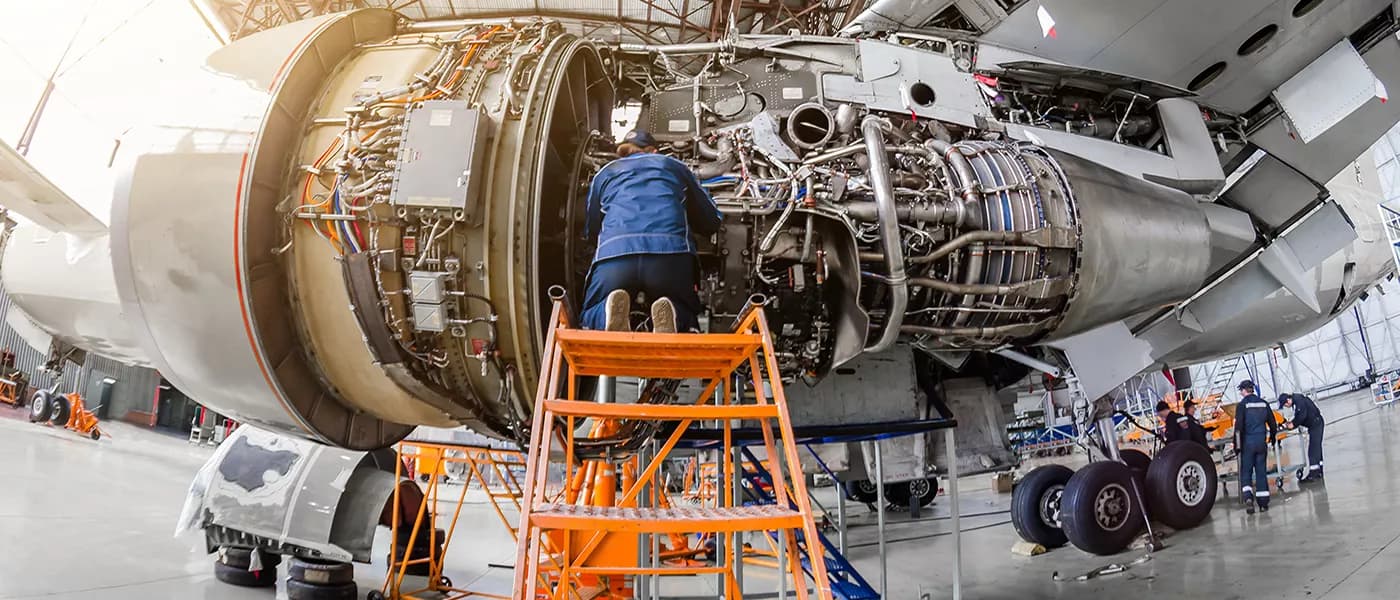
Turkey is home to one of the fastest-growing aerospace industries in the world, with defense and aviation exports exceeding 4 billion USD annually. Yet students researching aerospace engineering programs at Turkish universities quickly run into inconsistent information, outdated program details, and unclear admission paths. This guide gives you a structured, accurate picture of what to expect before you apply.
Aerospace engineering in Turkey is a undergraduate or graduate program accredited by YOK and MÜDEK
Private universities offer smaller cohorts and more accessible admission for international students
Turkey's expanding defense and aviation sector creates direct industry pathways for graduates
Ankara concentrates the strongest aerospace industry ties due to proximity to major defense contractors
International students do not need Turkish university entrance exam scores at private universities
Aerospace engineering programs in Turkey run the accreditation framework of YOK and, for engineering specifically, MÜDEK, which is the national engineering accreditation body aligned with European EUR-ACE standards. This accreditation matters because it determines whether your degree is recognized in other countries for professional engineering registration.
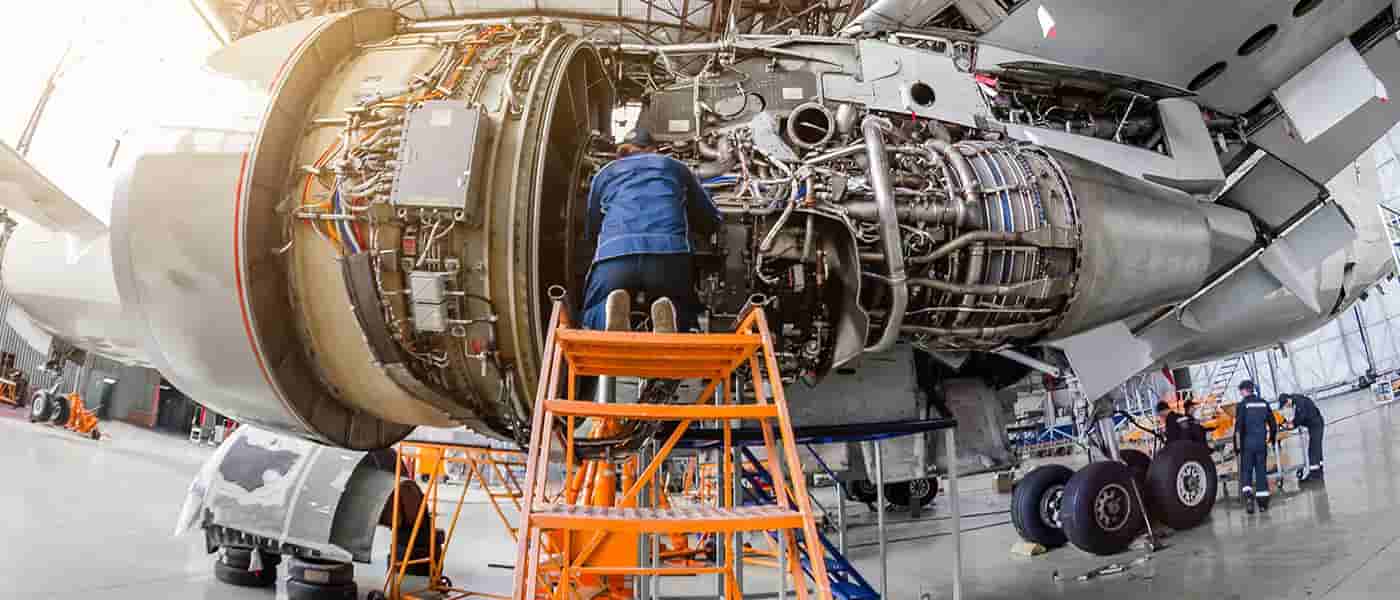
The curriculum covers aerodynamics, flight mechanics, propulsion systems, structural analysis, avionics, and computational fluid dynamics. Most programs include mandatory laboratory work and a graduation project in the final year. Some universities also maintain simulation labs and wind tunnel facilities, which directly affect the quality of hands-on training.

Aerospace engineering suits students with a strong foundation in mathematics and physics who are committed to a technically demanding four-year program. It is a highly specialized field, and the degree leads directly into aviation, defense manufacturing, space systems, or advanced research roles. If you are drawn to applied engineering with real industry demand behind it, Turkey offers a credible and cost-effective path.
It is less suited to students who are undecided about engineering specialization or looking for flexibility mid-program. Aerospace is sequentially structured and technically intensive from the first year. Students who struggle with calculus, mechanics, or physics at secondary school level should realistically assess their readiness before committing to this track.
Several private universities in Turkey offer aerospace engineering programs with modern laboratory facilities, wind tunnel access, and direct ties to the country's defense and aviation industry. Ankara-based universities carry a practical advantage for aerospace students specifically, given the city's concentration of major defense contractors including TUSAS, ROKETSAN, and ASELSAN. Istanbul-based options provide access to civil aviation infrastructure and a larger international student environment. Program quality varies between institutions, and MÜDEK accreditation status is the most reliable indicator of whether a degree will be recognized for professional engineering registration abroad.
The four-year aerospace engineering curriculum in Turkey follows a standard progression. The first two years are dedicated to engineering fundamentals including mathematics, physics, thermodynamics, materials science, and introduction to flight mechanics. These form the technical base for everything that follows.
Years three and four move into specialization covering aerodynamics, propulsion, structural mechanics of aircraft, control systems, and avionics. The final semester typically requires a capstone design project where students develop and present an engineering solution to a real aerospace problem. Universities with MÜDEK accreditation follow outcome-based assessment aligned with international engineering education standards.

Turkey's aerospace and defense industry has expanded significantly over the past decade, with TUSAS producing the HÜRJET and KAAN aircraft programs domestically. This growth translates into real graduate demand in areas including structural design, systems engineering, propulsion research, and unmanned aerial systems development.
Graduates from accredited programs can pursue professional engineering registration in Turkey and apply for equivalency recognition abroad through their respective national engineering bodies. The EUR-ACE alignment of MÜDEK-accredited programs means graduates from these programs have a recognized pathway into European professional engineering frameworks.
Comparing aerospace programs across multiple universities manually is time-consuming and often leads to outdated or incomplete information. StudyLeo allows students to filter engineering programs based on city, language of instruction, campus profile, and intake timing, so you can identify the right fit quickly without searching university by university.
Once you find a program that matches your profile, you can begin your application through the platform. StudyLeo manages the full process from document submission to enrollment confirmation, with free registration, free document transfer, and free visa support.
Choosing a university without checking MÜDEK accreditation. Not all engineering programs in Turkey hold MÜDEK accreditation. This distinction affects international recognition of your degree for professional engineering registration. Always verify accreditation status before applying.
Overlooking Ankara in favor of Istanbul. Istanbul has larger universities and a more familiar profile, but Ankara is where Turkey's aerospace industry is actually concentrated. For aerospace specifically, proximity to TUSAS, ROKETSAN, and the organized defense industrial zone gives Ankara-based students a meaningful internship and employment advantage.
Underestimating the technical entry requirements. Aerospace engineering is among the most mathematically intensive undergraduate programs. Students with weak secondary school performance in physics and mathematics face a difficult first year regardless of university. Honest self-assessment before applying saves significant time and cost.
Aerospace engineering in Turkey is a serious academic commitment with real industry demand behind it. The country's domestic defense and aviation expansion is not a short-term trend, and graduates from accredited programs are entering a job market that is actively growing. The decision comes down to choosing the right university for your profile, not just the most recognizable name.
Frequently Asked Questions and Answers
Look out blogs and aware of the latest trends and updates
Explore top universities offering quality education, modern facilities, and diverse academic opportunities for students worldwide






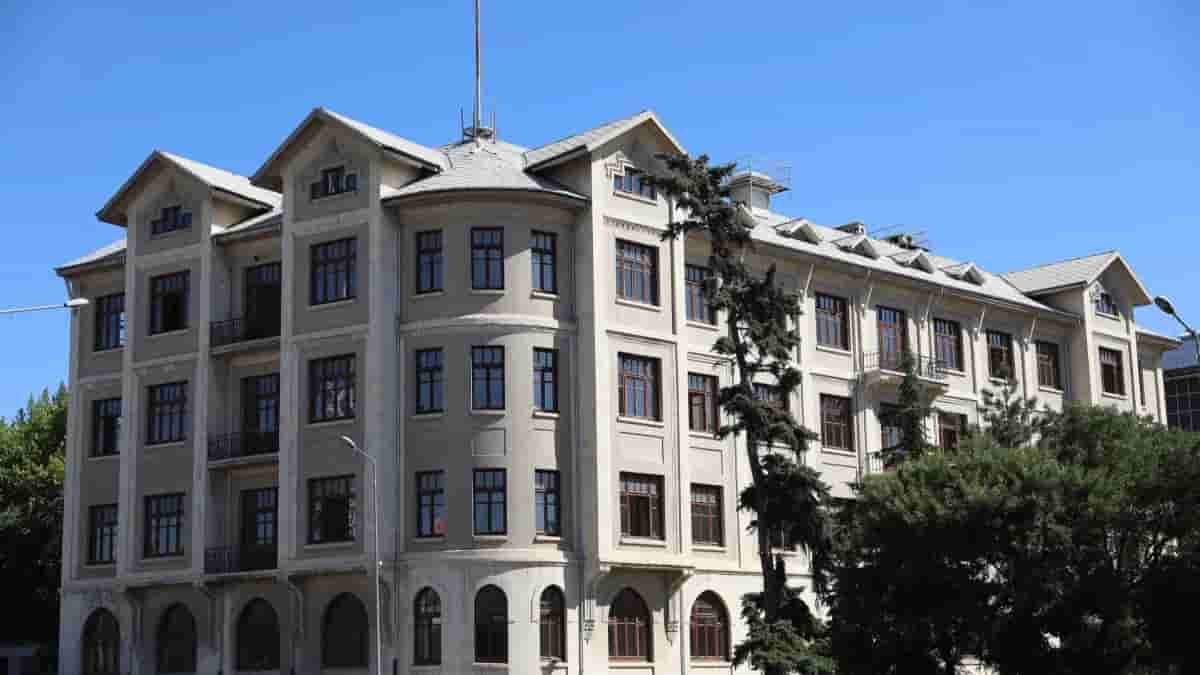 Dormitory
Ankara, Turkey
 Dormitory
Istanbul, Turkey
 Dormitory
Istanbul, Turkey
 Dormitory
Istanbul, Turkey
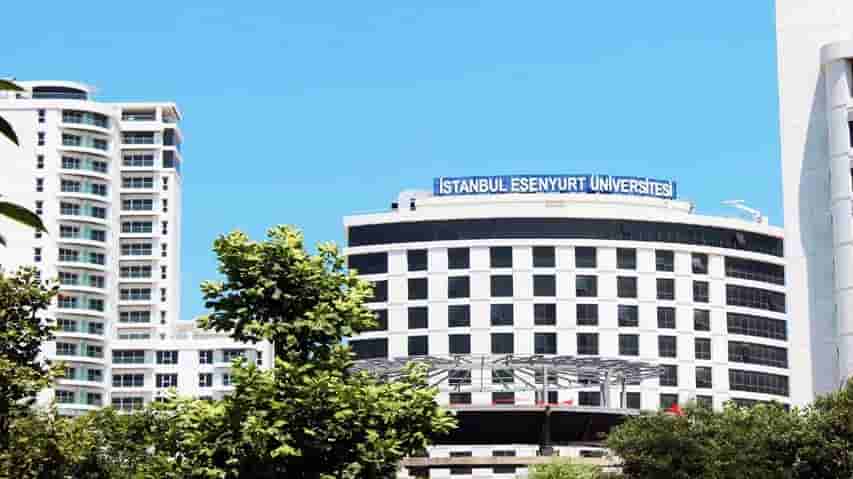 Dormitory
Istanbul, Turkey
 Dormitory
Istanbul, Turkey
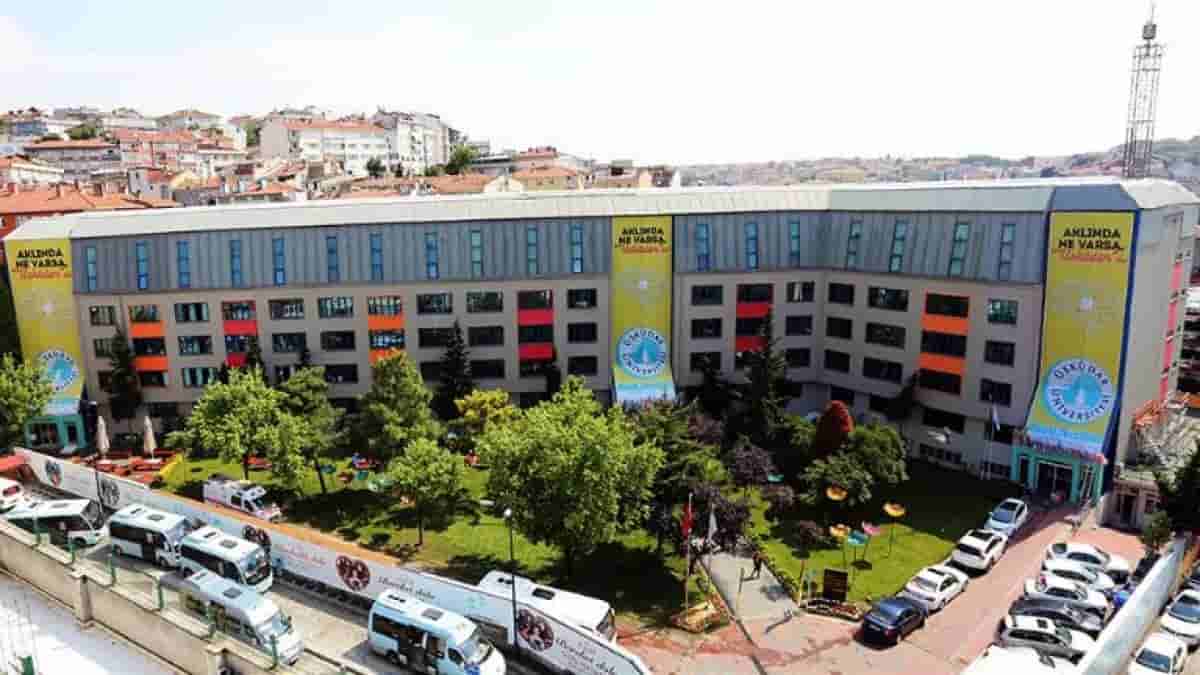 Dormitory
Istanbul, Turkey
 Dormitory
Istanbul, Turkey
 Dormitory
Istanbul, Turkey
 Dormitory
Istanbul, Turkey
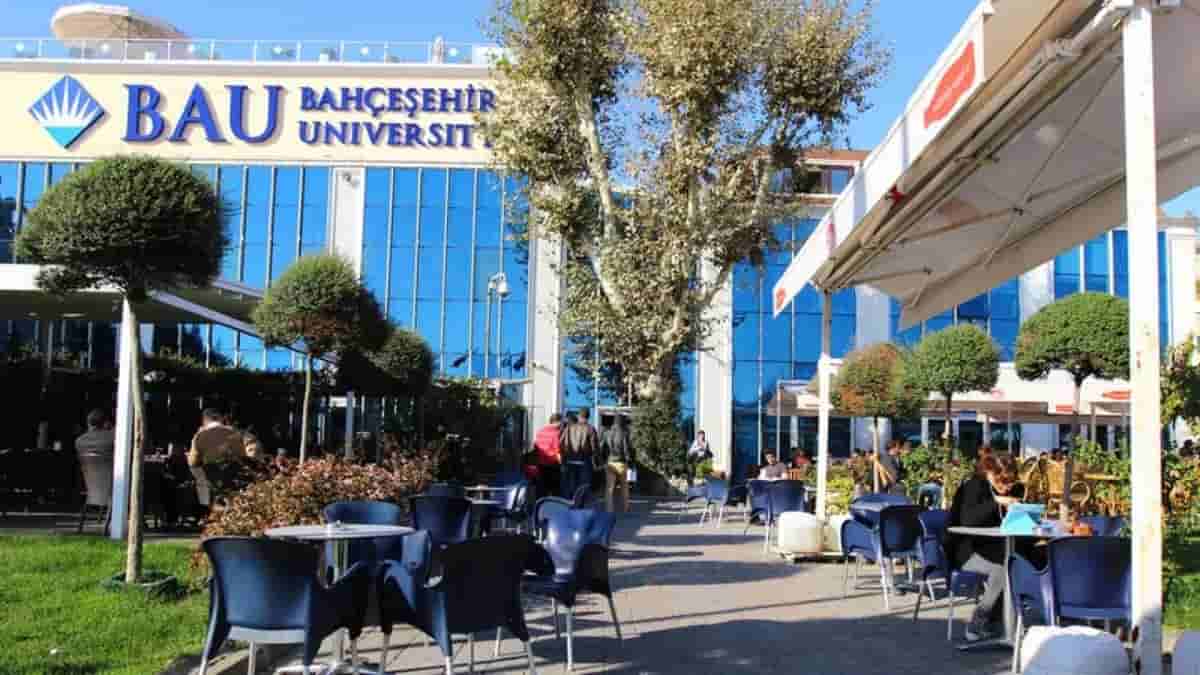 Dormitory
Istanbul, Turkey
 Dormitory
Istanbul, Turkey
 Dormitory
Istanbul, Turkey
 Dormitory
Istanbul, Turkey
 Dormitory
Istanbul, Turkey
 Dormitory
Istanbul, Turkey
 Dormitory
Antalya, Turkey
 Dormitory
Istanbul, Turkey
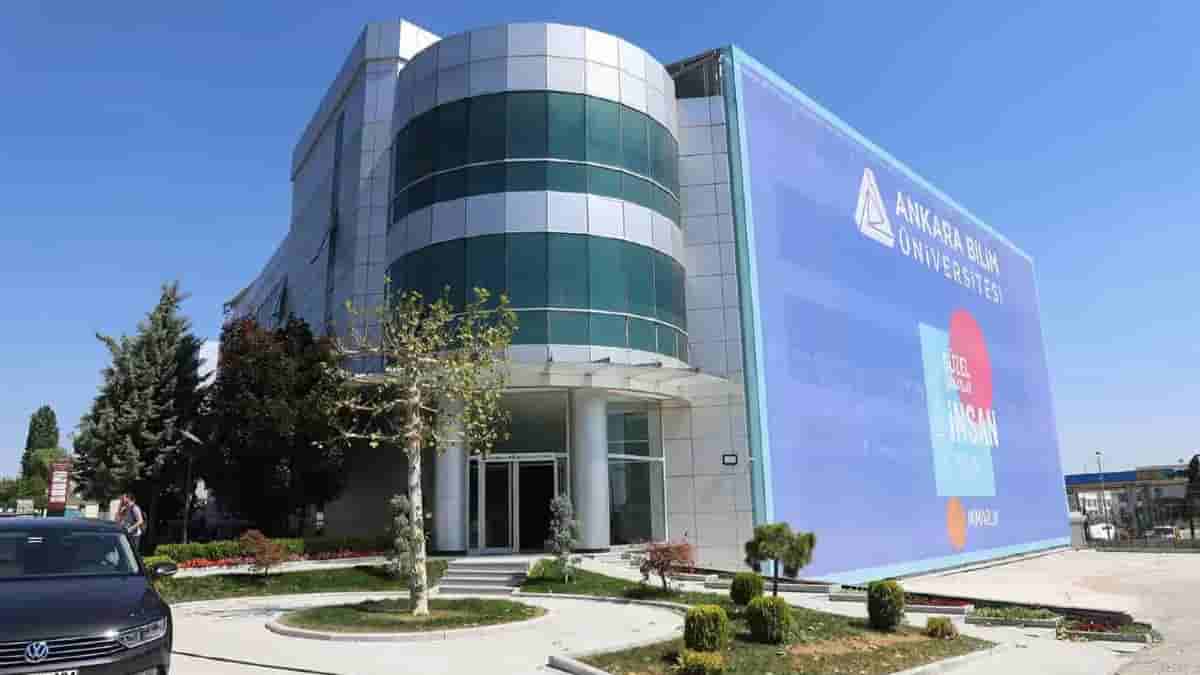 Dormitory
Ankara, Turkey
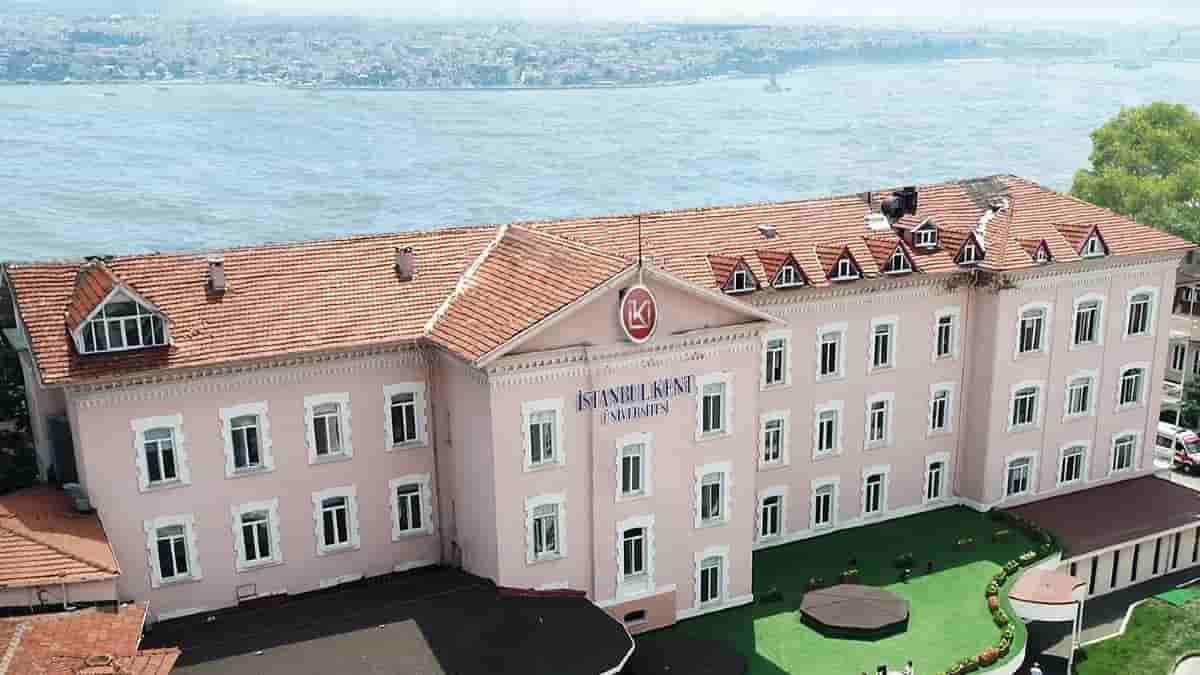 Dormitory
Istanbul, Turkey