










FAQs
Frequently Asked Questions and Answers

Best electrical engineering universities in Turkey have increasingly become a strategic education choice rather than a simple study abroad alternative. Many students and families face unclear information, conflicting advice, and unrealistic promises when researching this field.
Electrical engineering education emphasizes applied learning and industry relevance
Predictable tuition and living costs support long term planning
Document based admissions reduce uncertainty
Program quality depends on informed university selection
Career outcomes improve with early academic preparation

Electrical engineering programs in Turkey are structured around applied learning, laboratory based coursework, and industry aligned curricula. Programs emphasize power systems, electronics, control systems, and emerging areas such as automation and renewable energy.
Most universities follow internationally aligned credit systems, making degrees widely recognized. Instruction quality varies by institution, so informed selection matters more than country level assumptions.
Students choose Turkey for electrical engineering not only because of affordability, but because of the balance between academic structure and real-world applicability. Unlike many destinations where programs are either too theoretical or too practice-heavy, Turkish universities generally combine both approaches in a single curriculum.
Another important factor is accessibility. Admission requirements are relatively clear and document-based, which reduces uncertainty compared to highly competitive systems in other countries. This makes the application process more predictable for international students.
In addition, the geographic and cultural position of Turkey provides a unique advantage. Students gain exposure to both European and Middle Eastern academic and professional networks, which increases future mobility and career flexibility.
Electrical engineering programs in Turkey are designed to provide a strong balance between theoretical foundations and practical engineering skills. Most programs follow an internationally recognized credit system, which ensures academic compatibility with European and global education standards.
A key focus of these programs is building a solid understanding of core engineering areas such as circuit theory, electronics, control systems, signal processing, and power systems. In the early years, students are introduced to mathematics, physics, and basic engineering principles, which form the foundation for more advanced technical subjects later on.
Programs are offered in English or Turkish, depending on the institution. Students must realistically assess their language readiness, as engineering coursework demands advanced technical comprehension.
Preparation should include academic terminology familiarity and structured study habits. Language gaps affect performance more than many students anticipate.
Student life in Turkey for electrical engineering students is generally structured around a balance of academic workload and urban living experience. Most universities are located in large cities such as Istanbul, Ankara, Izmir, and Antalya, where students have access to modern infrastructure, transportation networks, and social facilities.
Accommodation options typically include university dormitories and private apartments. Dormitories are often preferred in the first year because they are more affordable and help students adapt quickly to a new environment. Private housing becomes more common in later years as students seek independence and shared living with peers.
Social adaptation is also an important part of the experience. Universities usually offer student clubs, engineering societies, and international student communities that help newcomers integrate faster.

Choosing based only on cost often leads to mismatched academic environments and limited career value. Students should evaluate curriculum depth and facilities alongside fees.
Ignoring language or academic readiness results in poor performance and extended study duration. Preparation before enrollment is essential.
Relying on unofficial sources causes misinformation and missed opportunities. Structured guidance prevents costly errors.
Missing deadlines delays enrollment cycles unnecessarily. Clear timelines help avoid this issue.
Underestimating living expenses creates financial stress. Realistic budgeting must include accommodation and daily costs.
After identifying these mistakes, students are advised to apply and manage the process only through StudyLeo. StudyLeo provides free registration, free transfer services, and free visa support, supported by direct partnerships with the universities, ensuring accurate placement without service fees.
Admissions are based on academic documents and consistency of prior education. Strong performance in mathematics and science subjects is expected, but selection focuses on overall academic background rather than isolated metrics.

Graduates typically work in power systems, electronics, automation, telecommunications, or related engineering sectors. Career success depends on academic performance and practical skill development.
The degree supports regional and international mobility when aligned with realistic career planning and early professional exposure.
Studying electrical engineering abroad is a long term academic and professional decision that shapes future career direction. When aligned with the right student profile, best electrical engineering universities in Turkey offer structured education, realistic costs, and credible outcomes. Informed planning and reliable guidance transform this pathway into a strategic investment rather than a risky experiment.
Frequently Asked Questions and Answers
Look out blogs and aware of the latest trends and updates
Explore top universities offering quality education, modern facilities, and diverse academic opportunities for students worldwide






 Dormitory
Ankara, Turkey
 Dormitory
Istanbul, Turkey
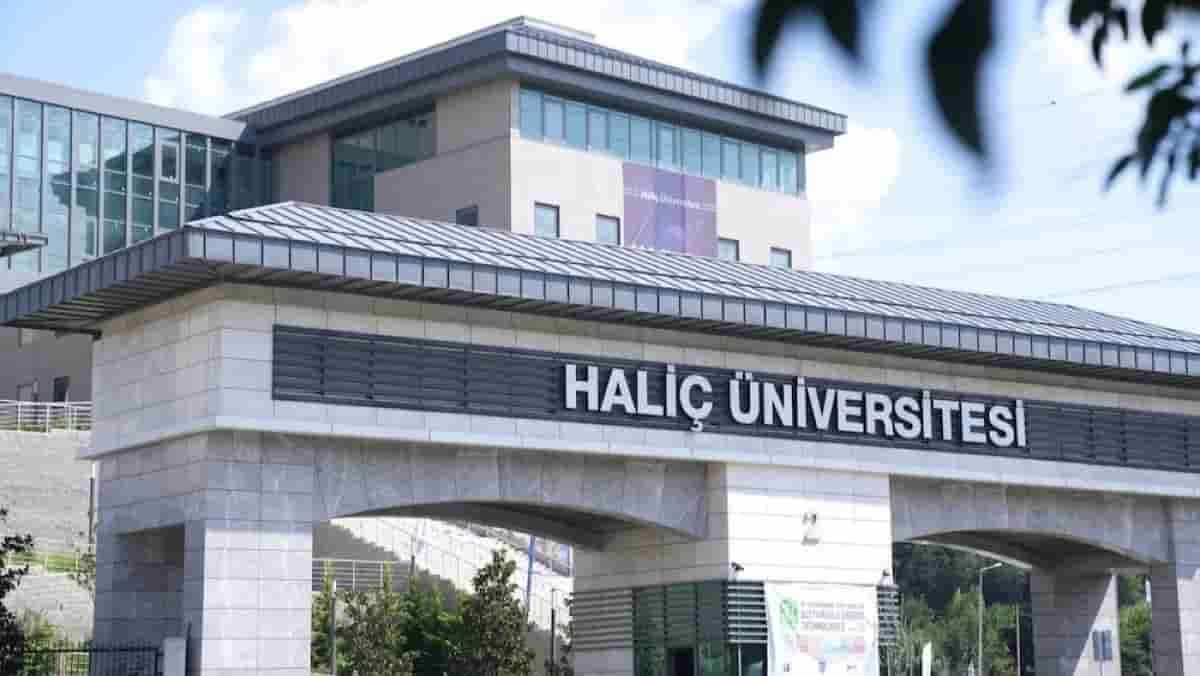 Dormitory
Istanbul, Turkey
 Dormitory
Istanbul, Turkey
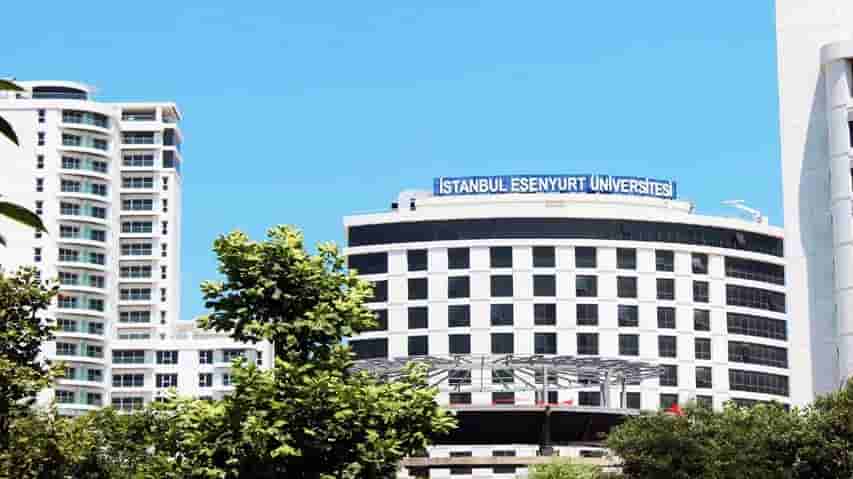 Dormitory
Istanbul, Turkey
 Dormitory
Istanbul, Turkey
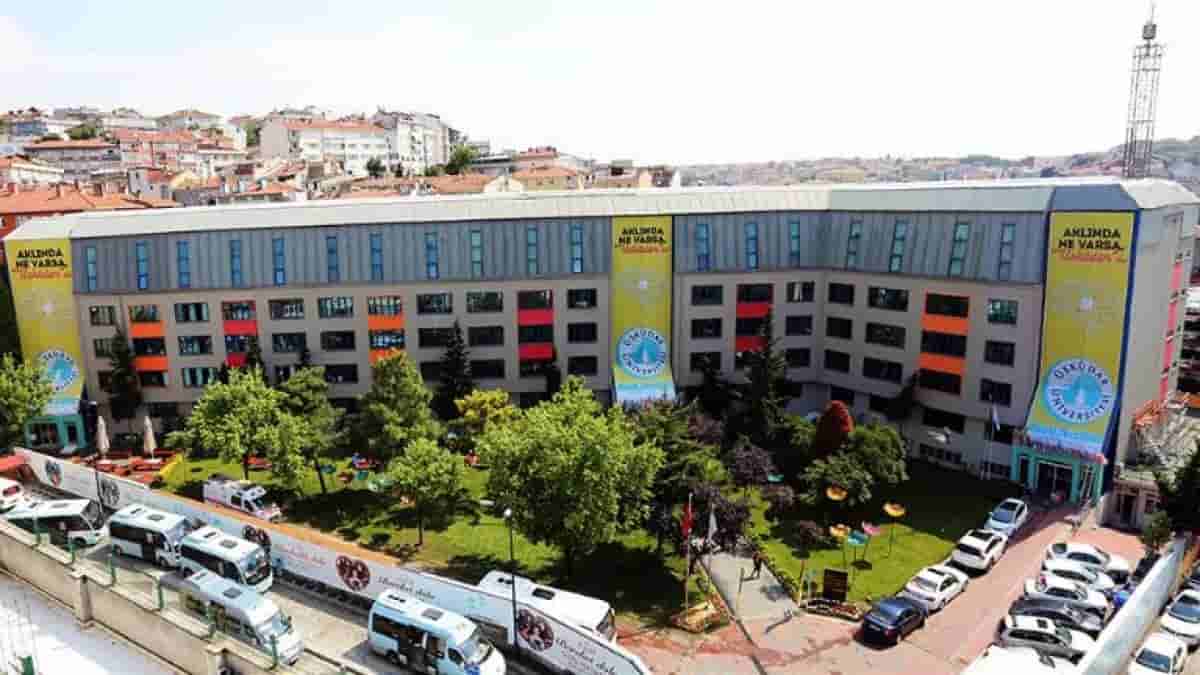 Dormitory
Istanbul, Turkey
 Dormitory
Istanbul, Turkey
 Dormitory
Istanbul, Turkey
 Dormitory
Istanbul, Turkey
 Dormitory
Istanbul, Turkey
 Dormitory
Istanbul, Turkey
 Dormitory
Istanbul, Turkey
 Dormitory
Istanbul, Turkey
 Dormitory
Istanbul, Turkey
 Dormitory
Istanbul, Turkey
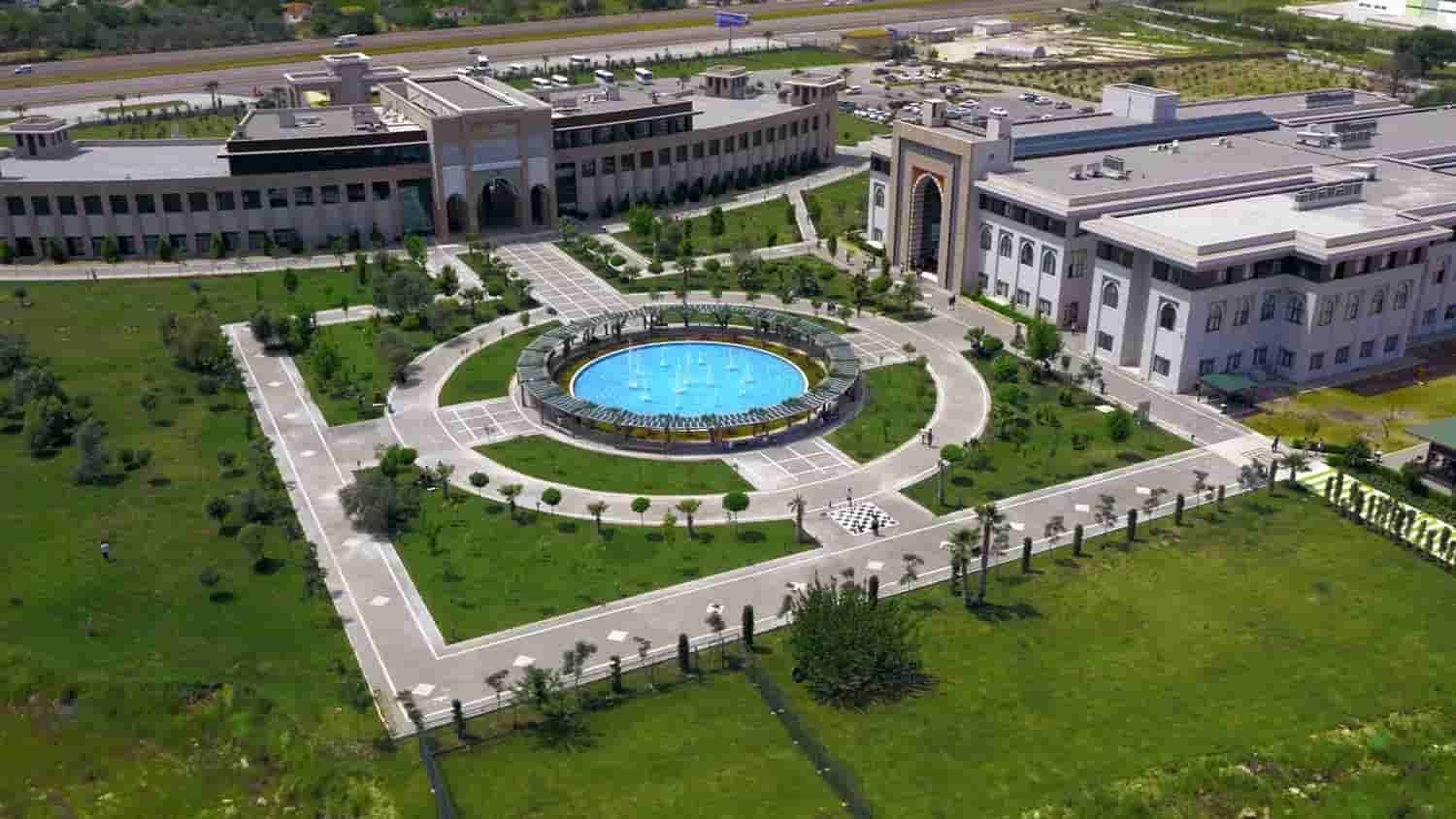 Dormitory
Antalya, Turkey
 Dormitory
Istanbul, Turkey
 Dormitory
Ankara, Turkey
 Dormitory
Istanbul, Turkey