
FAQs
Frequently Asked Questions and Answers

Access to international higher education is increasingly defined by flexibility and institutional autonomy. Many private universities evaluate international applicants through structured document review rather than additional entrance testing. This model has gained importance as students seek predictable and efficient admission pathways.
Turkish universities without exams offer a regulated, document based admission framework under private institutions. The process emphasizes academic history, program alignment, and institutional capacity while reducing unnecessary procedural barriers. For internationally mobile students, this creates a clearer and more manageable route into higher education.
Private universities assess applicants through academic documentation instead of additional entrance testing.
Admission is structured and faculty specific.
The pathway suits students seeking faster processing and international mobility.
Academic preparation and language readiness remain critical.
Long term outcomes depend on program choice and performance, not admission format.
Admission without exams in Turkey refers to private universities evaluating candidates through transcripts, diplomas, and eligibility criteria rather than centralized entrance tests. The process remains formal and regulated.
This model works because it aligns with international trends prioritizing academic background over single test performance. Private institutions can respond more flexibly to global demand, particularly in business, health sciences, engineering, aviation, and social sciences faculties.

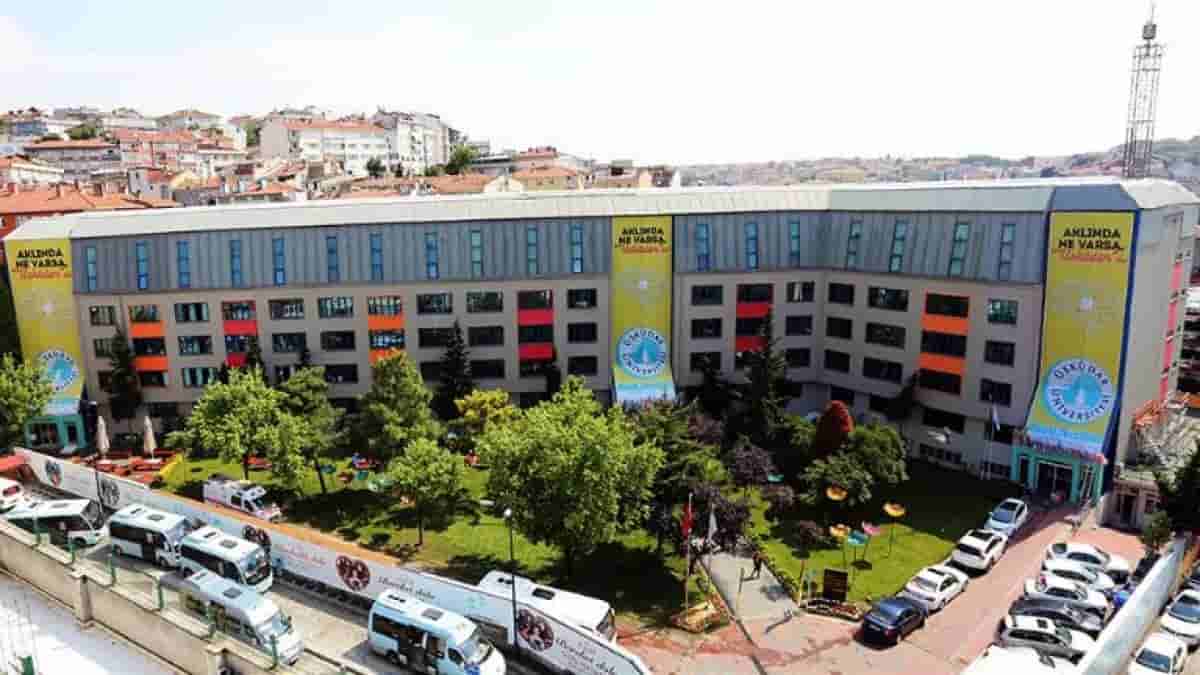
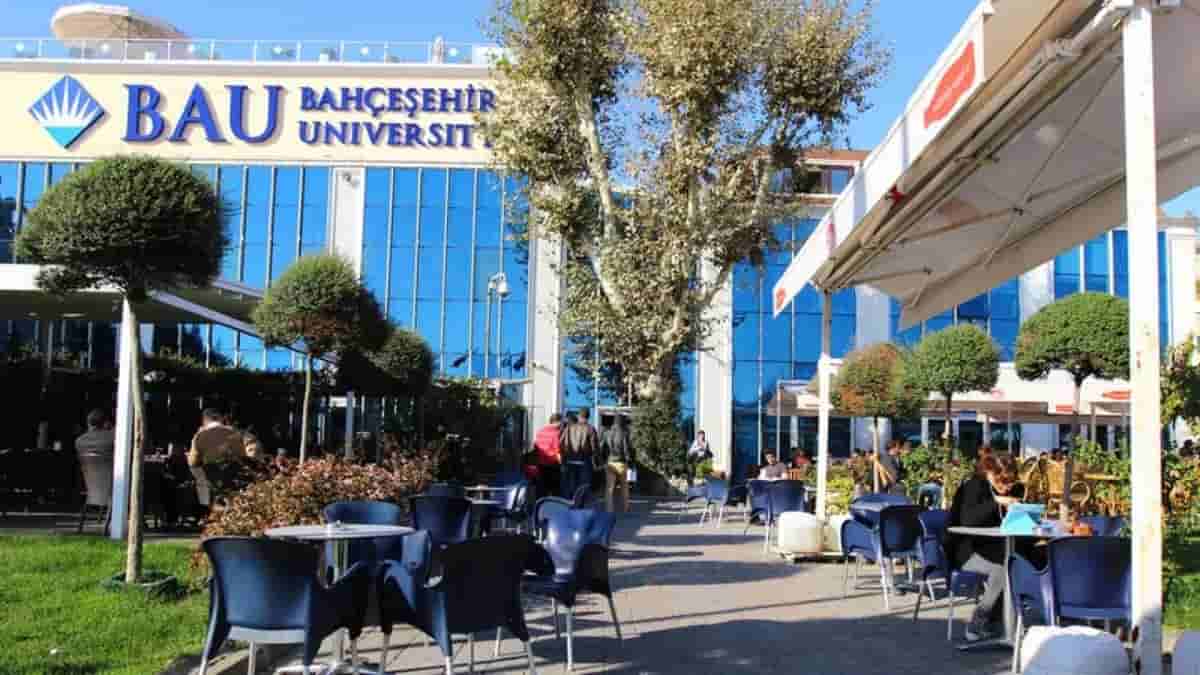
Turkey combines geographic accessibility, a multicultural academic environment, and a strong network of private institutions. Major cities such as Istanbul and Ankara host universities with international infrastructure and English medium programs. Institutions such as Bahçeşehir University, Istanbul Medipol University, Altınbaş University, Üsküdar University, and Istanbul Aydın University offer diverse faculties ranging from medicine and dentistry to international trade, engineering, communication, and aviation. English medium options increase accessibility for international applicants.
This pathway suits students who have completed prior education and prefer evaluation based on documented academic performance. It is particularly relevant for applicants who want a streamlined and coordinated international admission process. It may not suit students targeting public universities that require centralized testing systems or those unprepared for English or Turkish academic instruction.
Admission is documentation based and varies by faculty. Universities assess diplomas, transcripts, and identification documents before issuing acceptance letters.

Many private universities offer English medium instruction, especially in business, engineering, aviation, and health sciences. Turkish medium programs may require preparatory language study.
Academic preparation is critical. Faculties such as medicine, dentistry, and engineering require strong foundational knowledge. Early language planning ensures smoother academic integration.
Private university tuition varies by faculty, with health sciences generally positioned higher than social sciences. Engineering and aviation programs are typically mid to upper range.
Living expenses depend on city and lifestyle. Istanbul has higher housing and transportation costs compared to smaller cities. Students should plan for accommodation, food, insurance, and administrative expenses to avoid financial pressure during studies.
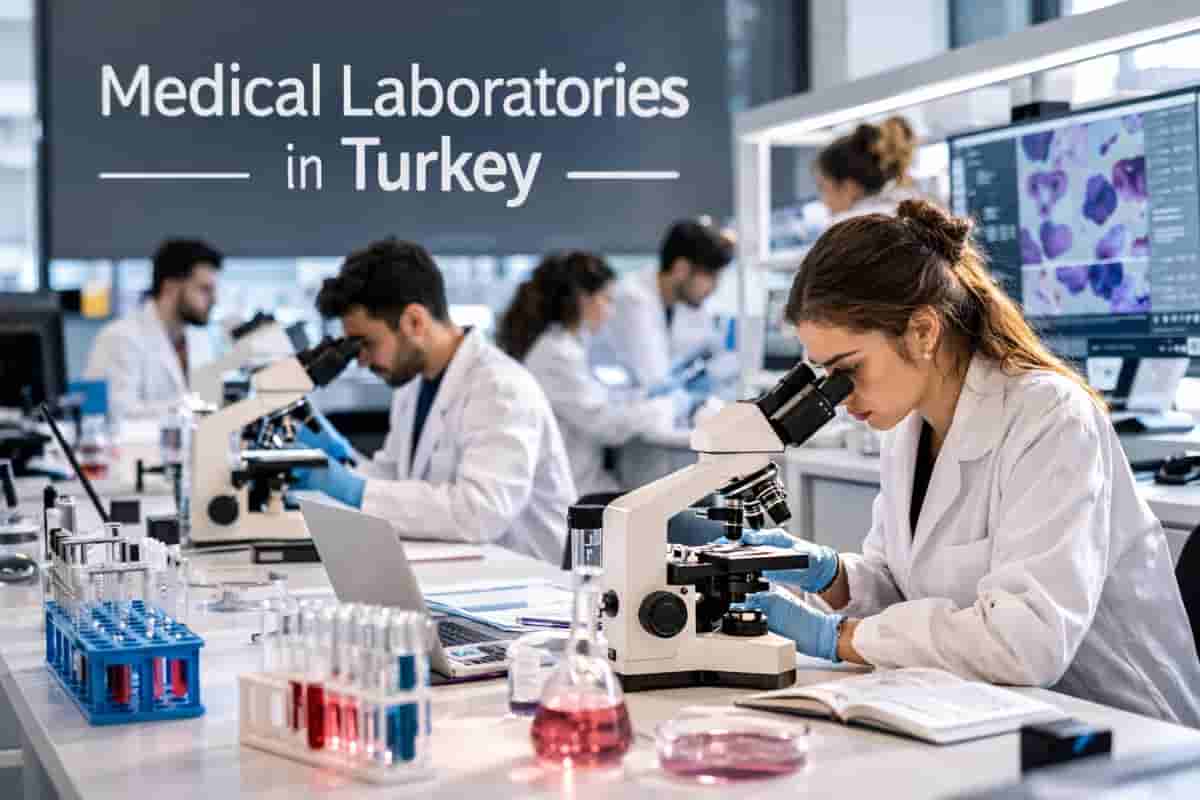
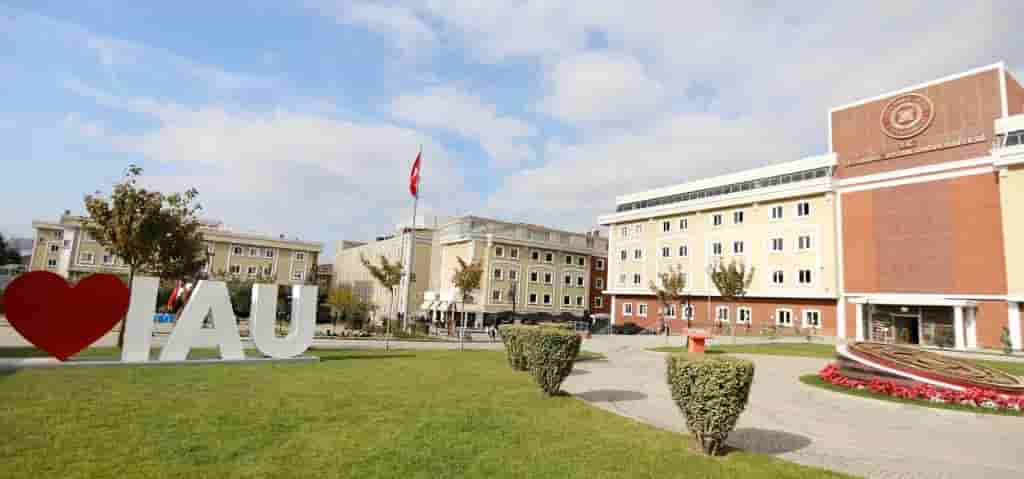
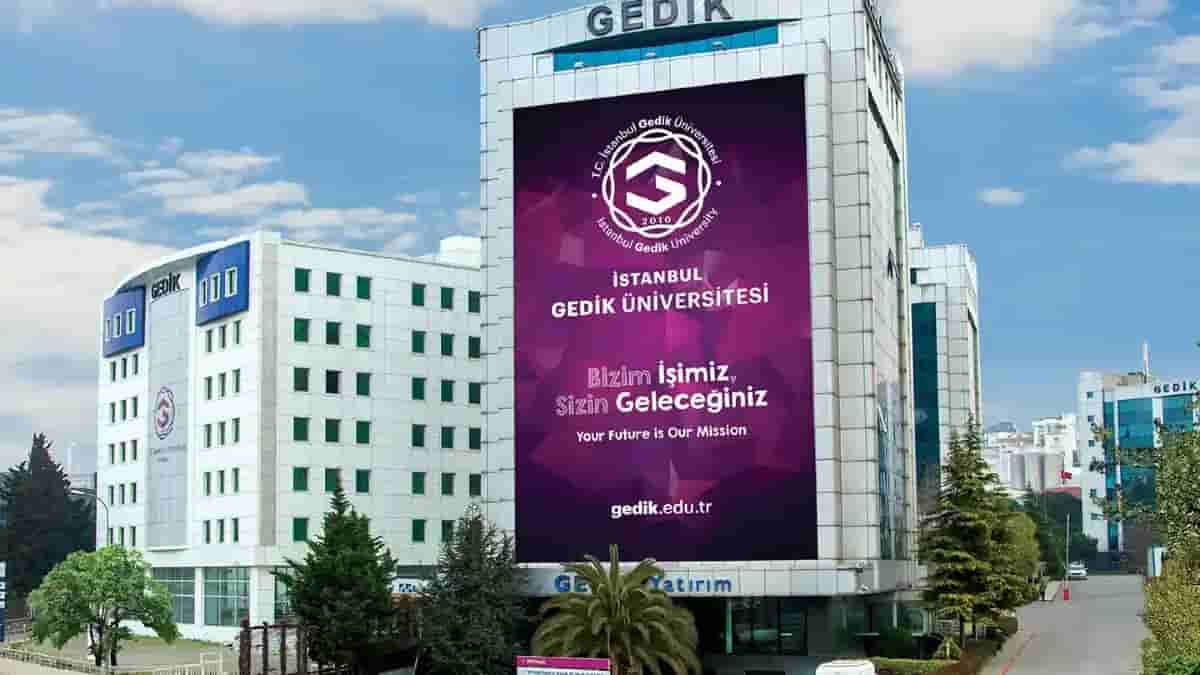
Private universities provide modern campuses, laboratories, research centers, and student clubs that support integration. International student communities are well established in metropolitan areas.
Accommodation options include university dormitories and private apartments. Adaptation challenges usually involve language, bureaucracy, and cultural adjustment, all manageable with preparation and support networks.
Graduates from recognized private universities can pursue regional and international career opportunities depending on their field. Engineering, aviation, health sciences, psychology, and international business remain aligned with labor market demand. Career outcomes depend on academic performance, internships, language skills, and professional networking rather than the admission structure itself.

Choosing based only on cost
Focusing only on tuition can lead to selecting programs without strong faculty infrastructure.
Academic quality and career alignment should guide decisions.
Ignoring language or academic readiness
Students who underestimate instruction language requirements face academic difficulty.
Preparation should be addressed early.
Relying on unofficial sources
Unverified intermediaries increase the risk of misinformation and document errors.
Structured institutional partnerships reduce this risk.
Missing deadlines
Although private universities may have rolling admissions, faculty capacity is limited. Early application secures preferred programs.
Underestimating living expenses
Inaccurate budgeting affects academic focus. A realistic financial plan should be developed before enrollment.
1. Identify Faculties and Universities
Select programs aligned with long term academic and career goals.
2. Prepare Documentation
Collect diplomas, transcripts, passport copies, and required translations.
3. Submit Application
Through Partnered Channels Ensure documents are complete before submission.
4. Receive Evaluation and Acceptance
Universities review documentation and issue conditional or final acceptance letters.
5. Finalize Visa and Accommodation
Arrange travel, housing, and administrative formalities after admission confirmation.
A structured preparation period of three to six months is recommended for smoother enrollment.
International higher education remains competitive and administratively complex. Private Turkish universities without additional entrance testing provide a regulated and efficient alternative for qualified students.
This pathway should be viewed as a strategic option rather than a simplified shortcut. Program selection, academic preparation, and long term planning determine outcomes. When implemented thoughtfully, it offers a stable and forward looking route within global education strategy.
Studying abroad is a long term decision that benefits from clear guidance and coordinated support. Using StudyLeo, with its direct university partnerships, free registration, transfer options where applicable, and visa guidance, helps students manage the process efficiently while focusing on choosing the right faculty and preparing for academic success.
Frequently Asked Questions and Answers
Look out blogs and aware of the latest trends and updates
Explore top universities offering quality education, modern facilities, and diverse academic opportunities for students worldwide




 Dormitory
Ankara, Turkey
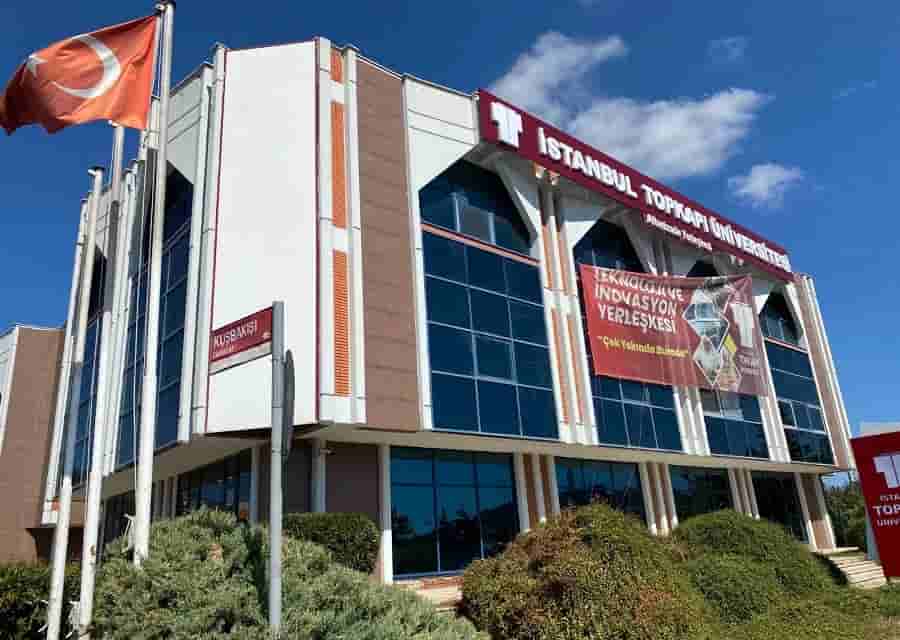 Dormitory
Istanbul, Turkey
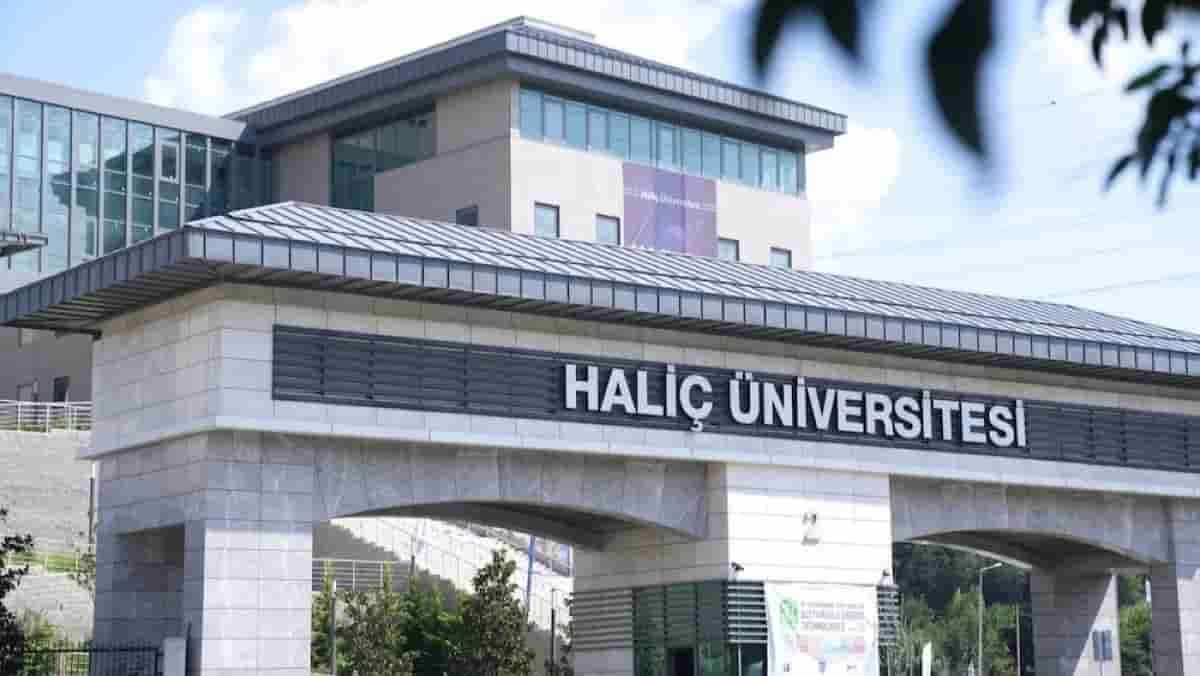 Dormitory
Istanbul, Turkey
 Dormitory
Istanbul, Turkey
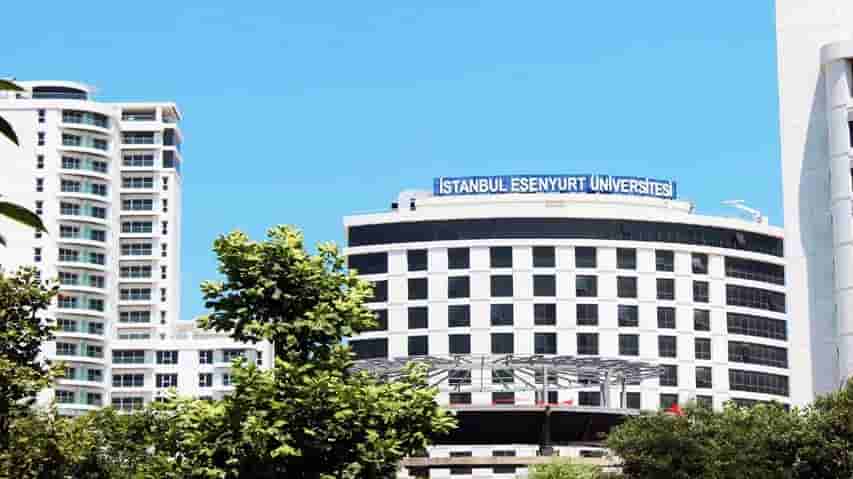 Dormitory
Istanbul, Turkey
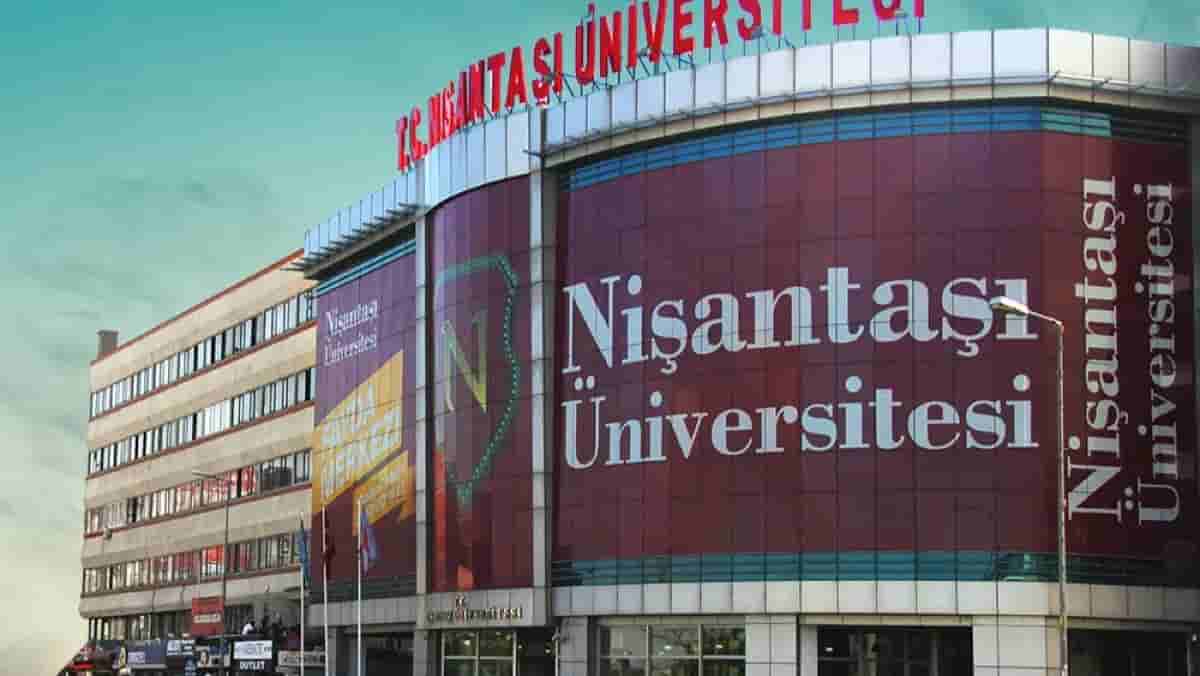 Dormitory
Istanbul, Turkey
 Dormitory
Istanbul, Turkey
 Dormitory
Istanbul, Turkey
 Dormitory
Istanbul, Turkey
 Dormitory
Istanbul, Turkey
 Dormitory
Istanbul, Turkey
 Dormitory
Istanbul, Turkey
 Dormitory
Istanbul, Turkey
 Dormitory
Istanbul, Turkey
 Dormitory
Istanbul, Turkey
 Dormitory
Istanbul, Turkey
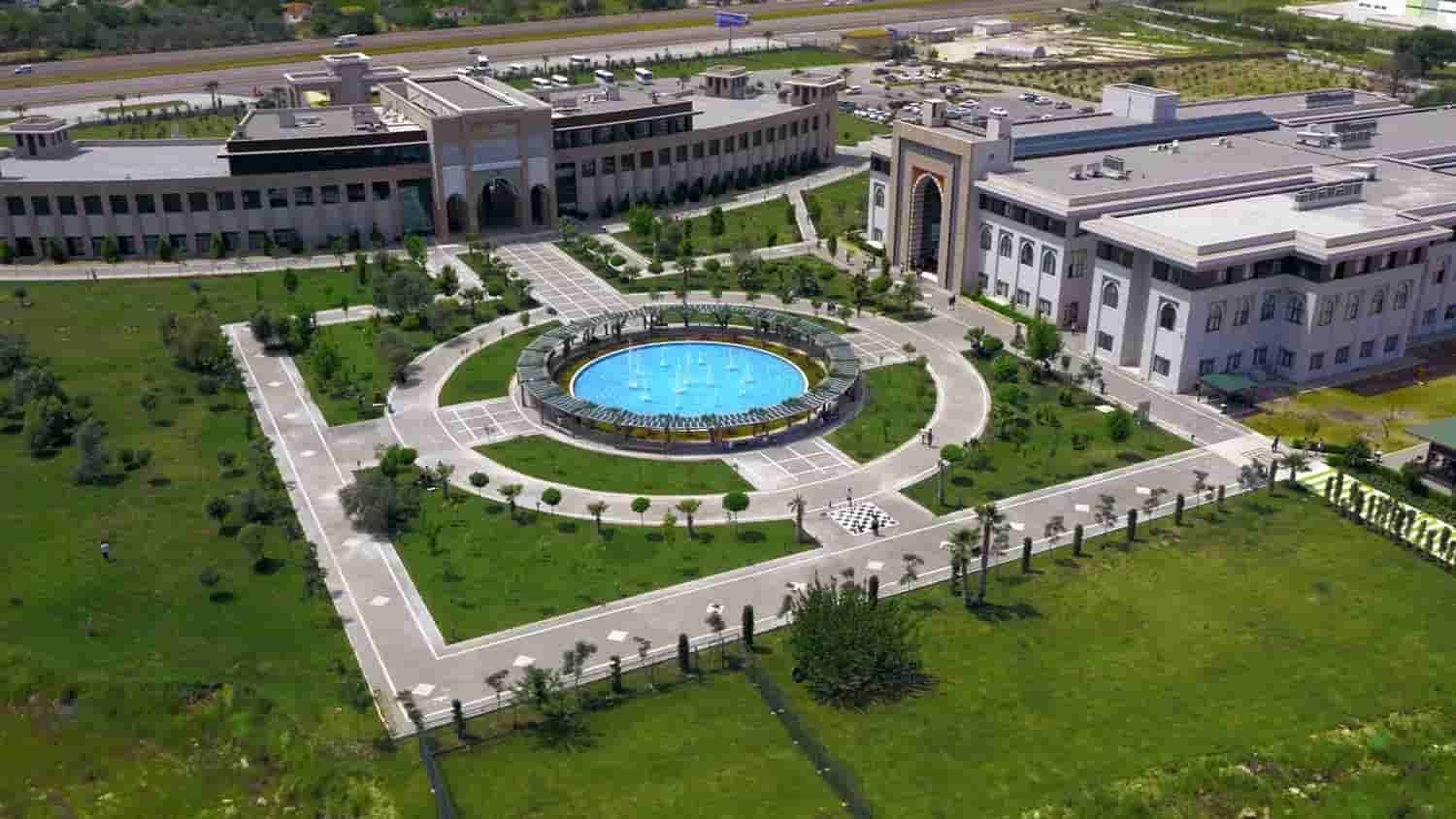 Dormitory
Antalya, Turkey
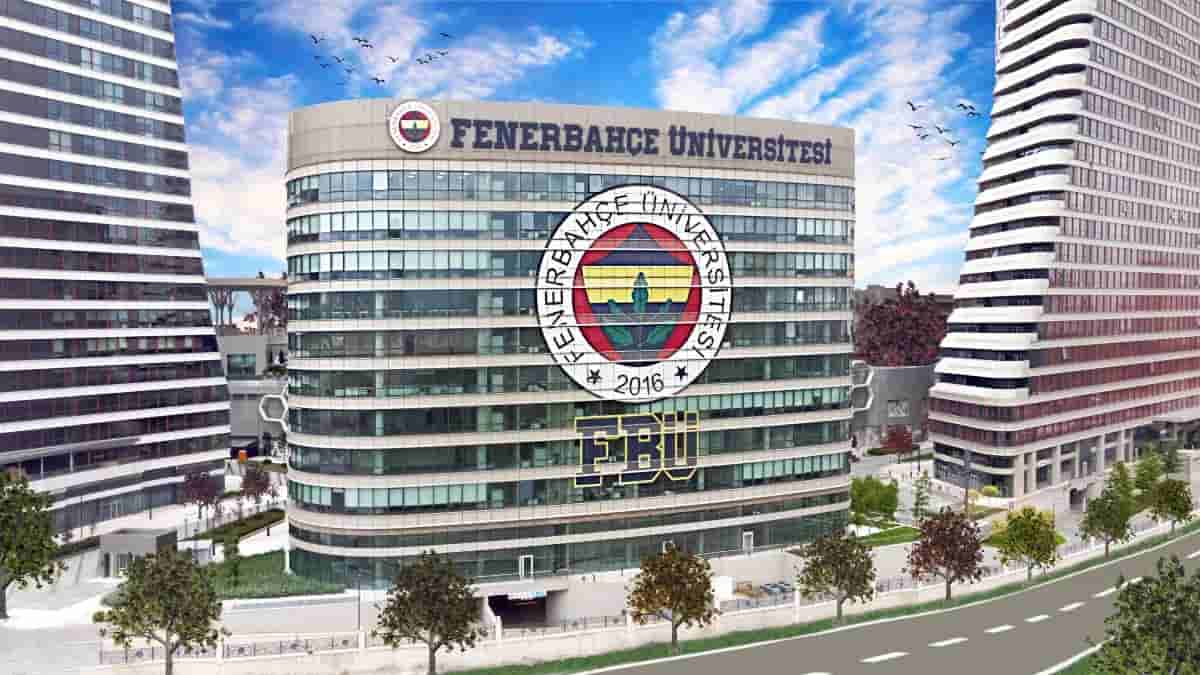 Dormitory
Istanbul, Turkey
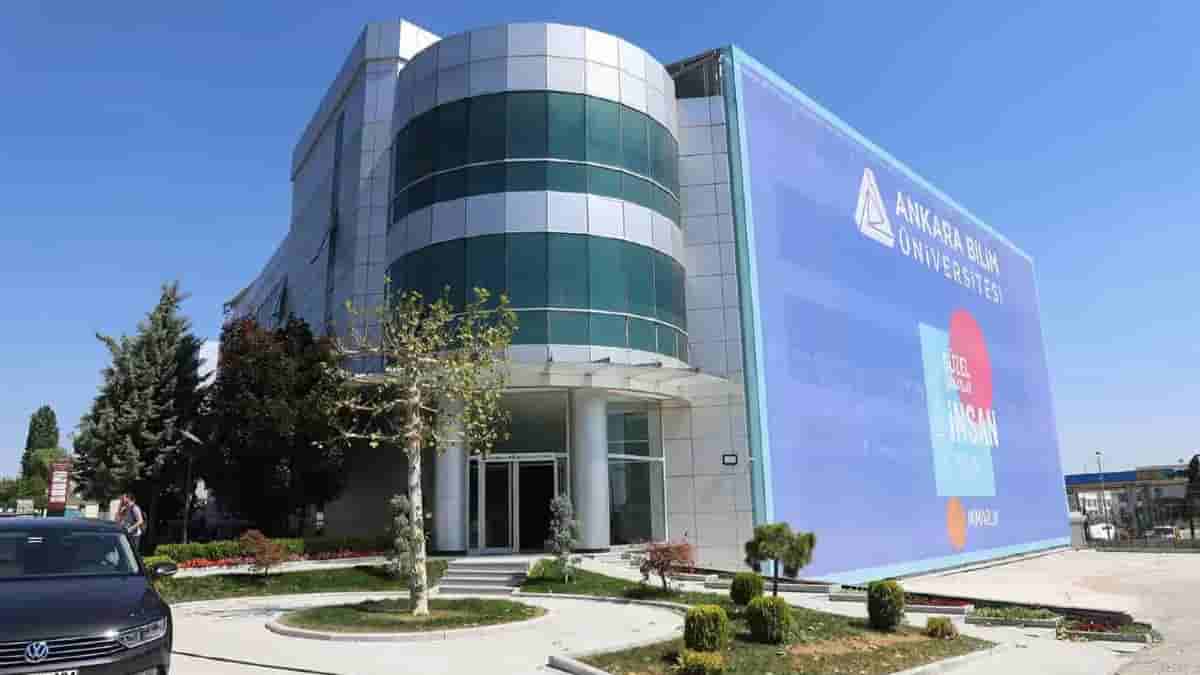 Dormitory
Ankara, Turkey
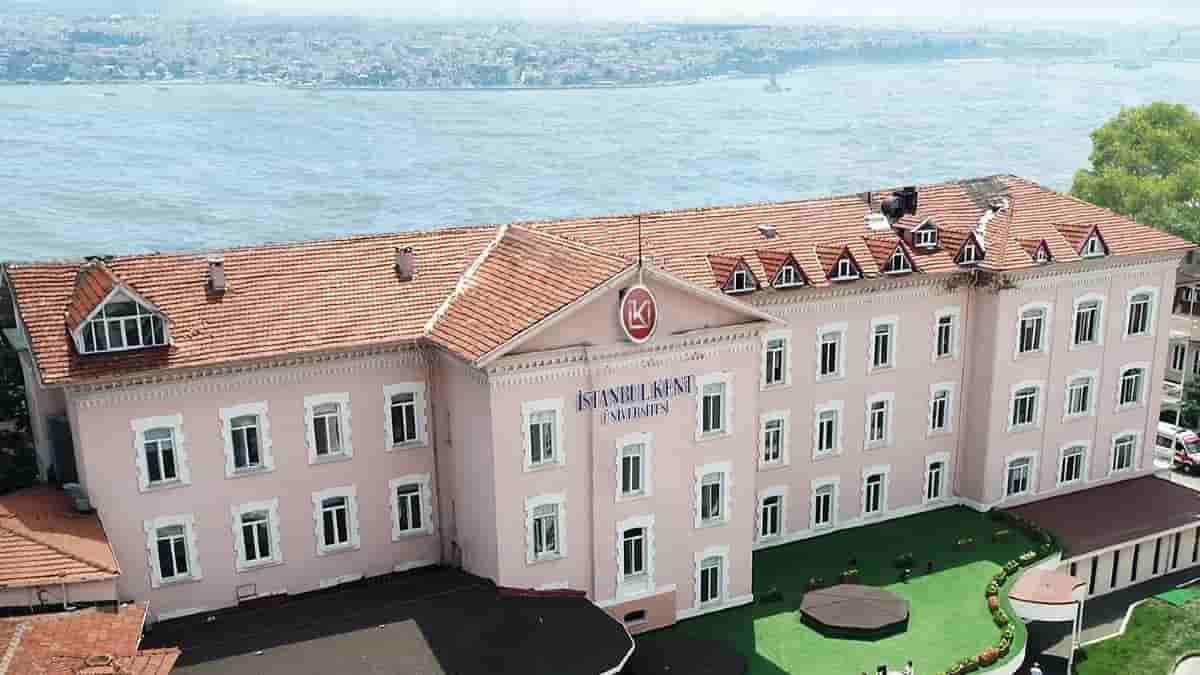 Dormitory
Istanbul, Turkey