


FAQs
Frequently Asked Questions and Answers

Academic freedom is a fundamental principle in higher education. It allows universities, researchers, and students to explore ideas, conduct research, and engage in intellectual debate without undue interference. In modern university systems, academic freedom is closely linked to institutional autonomy, research independence, and open academic dialogue.
In Turkey, higher education operates under a nationally regulated framework while universities maintain academic structures aligned with international standards. Understanding how academic freedom functions within this system requires examining both institutional governance and academic practice.

• Turkish universities operate under a centralized higher education framework
• Academic programs follow internationally aligned standards
• Research activity is supported across public and private institutions
• Institutional autonomy exists within national regulatory structures
All universities in Turkey operate under the supervision of the Council of Higher Education (YÖK). This centralized system ensures academic standardization across institutions. While policies and structural regulations are nationally coordinated, universities retain authority over curriculum design, faculty recruitment, and research priorities.
Private foundation universities, in particular, often demonstrate operational flexibility in program development, international collaboration, and research initiatives.
Turkey has invested significantly in expanding its research output over the past two decades. Universities actively participate in:
• International research collaborations
• Academic journal publications
• Conference presentations
• EU-supported research projects
Research centers and laboratories operate within many institutions, supporting innovation in medicine, engineering, social sciences, and technology.
• 200+ universities operate nationwide
• 70+ foundation (private) universities
• 300,000+ international students enrolled
• Thousands of peer-reviewed academic publications annually
• Participation in European Higher Education Area (Bologna Process)
These figures demonstrate the scale and structural integration of Turkish higher education within global systems. This section is suitable for comparative or analytical visuals.

While Turkey maintains centralized oversight through YÖK, universities manage:
• Curriculum development
• Faculty appointments
• Research project design
• International academic partnerships
This model aims to balance national educational standards with institutional-level academic planning.
Turkey’s participation in the Bologna Process ensures compatibility with European credit systems (ECTS). This allows:
• Credit transfer across European universities
• Recognition of degrees abroad
• Mobility programs such as Erasmus+
International academic exchange remains an important part of the higher education system.

Understanding academic systems, institutional structures, and program differences can be complex for prospective students. Evaluating academic environment alongside program quality is important.
StudyLeo provides structured guidance to help students understand university systems, compare institutions, and select programs aligned with their academic goals.

Academic freedom in Turkey operates within a nationally coordinated higher education framework. Universities maintain curriculum authority and research activity while adhering to centralized standards. With participation in international academic systems and ongoing research development, Turkey remains integrated into the broader European higher education landscape.
Frequently Asked Questions and Answers
Look out blogs and aware of the latest trends and updates
Explore top universities offering quality education, modern facilities, and diverse academic opportunities for students worldwide






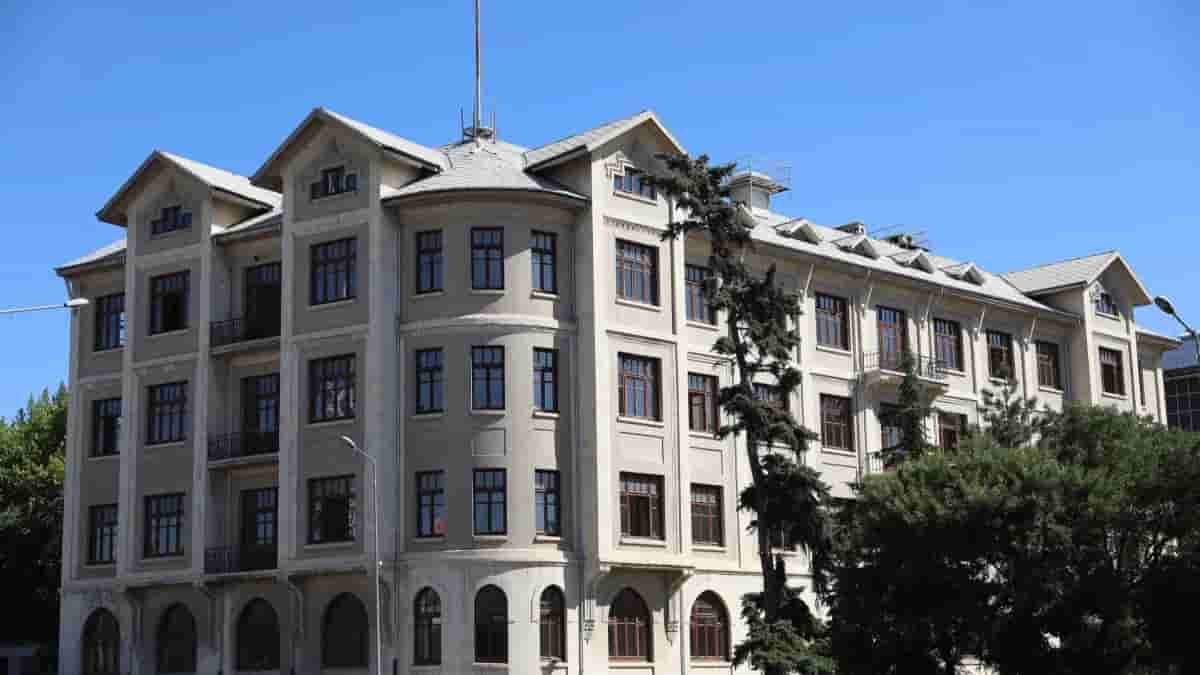 Dormitory
Ankara, Turkey
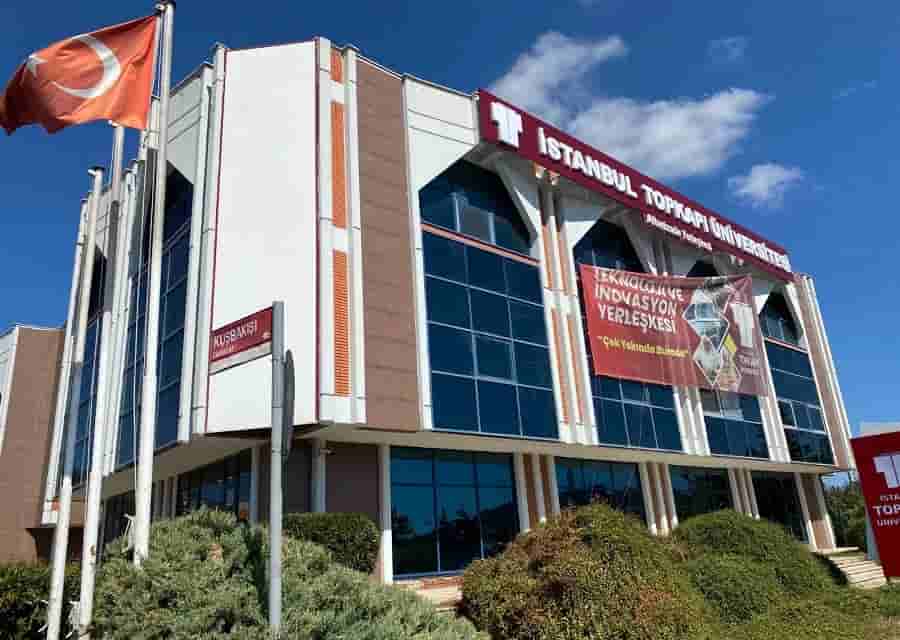 Dormitory
Istanbul, Turkey
 Dormitory
Istanbul, Turkey
 Dormitory
Istanbul, Turkey
 Dormitory
Istanbul, Turkey
 Dormitory
Istanbul, Turkey
 Dormitory
Istanbul, Turkey
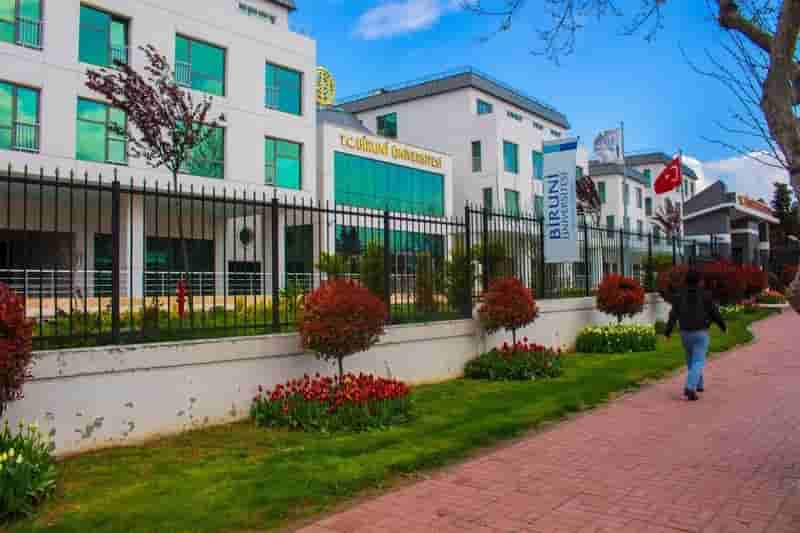 Dormitory
Istanbul, Turkey
 Dormitory
Istanbul, Turkey
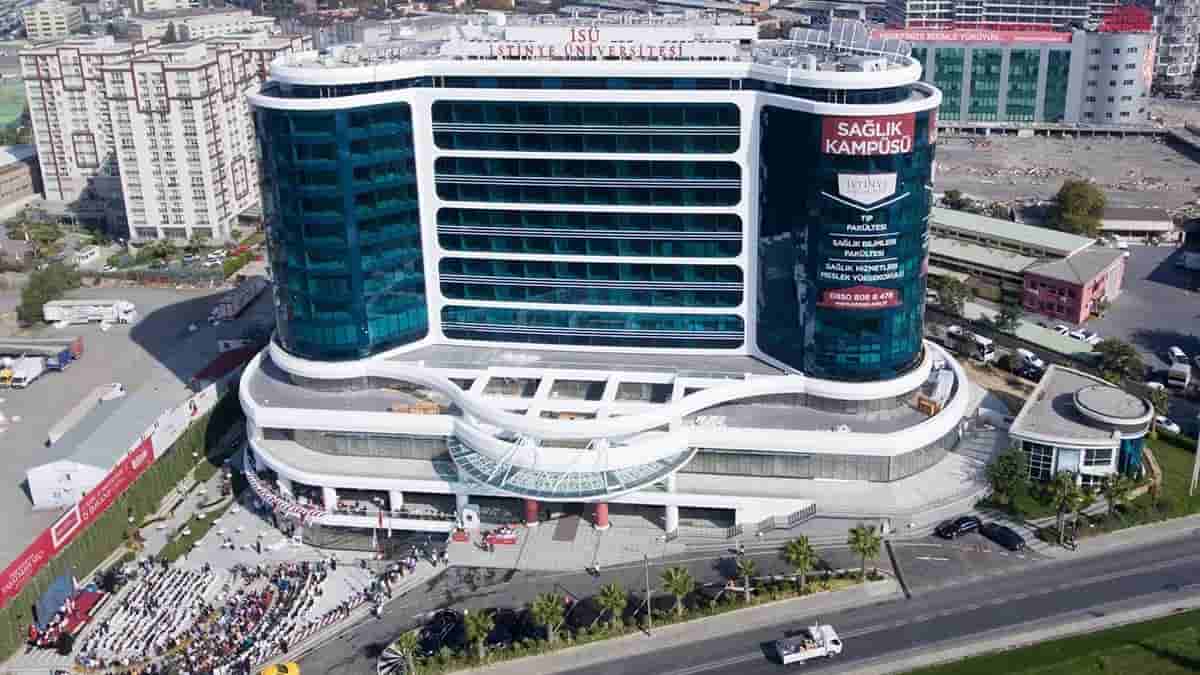 Dormitory
Istanbul, Turkey
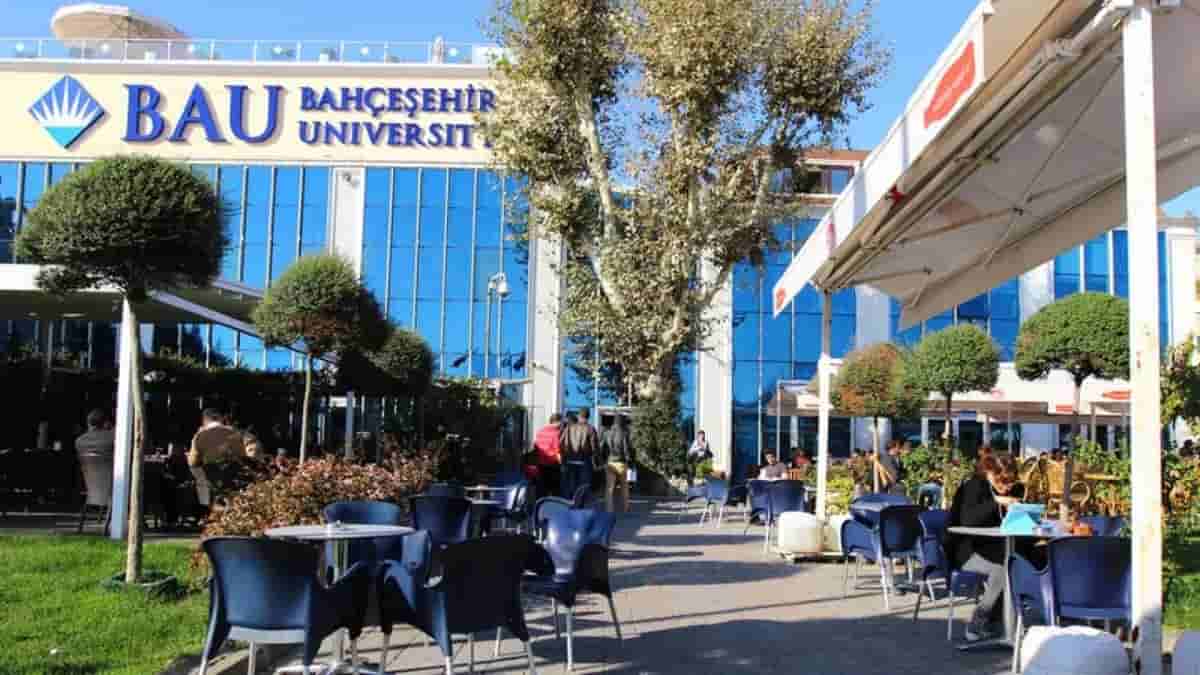 Dormitory
Istanbul, Turkey
 Dormitory
Istanbul, Turkey
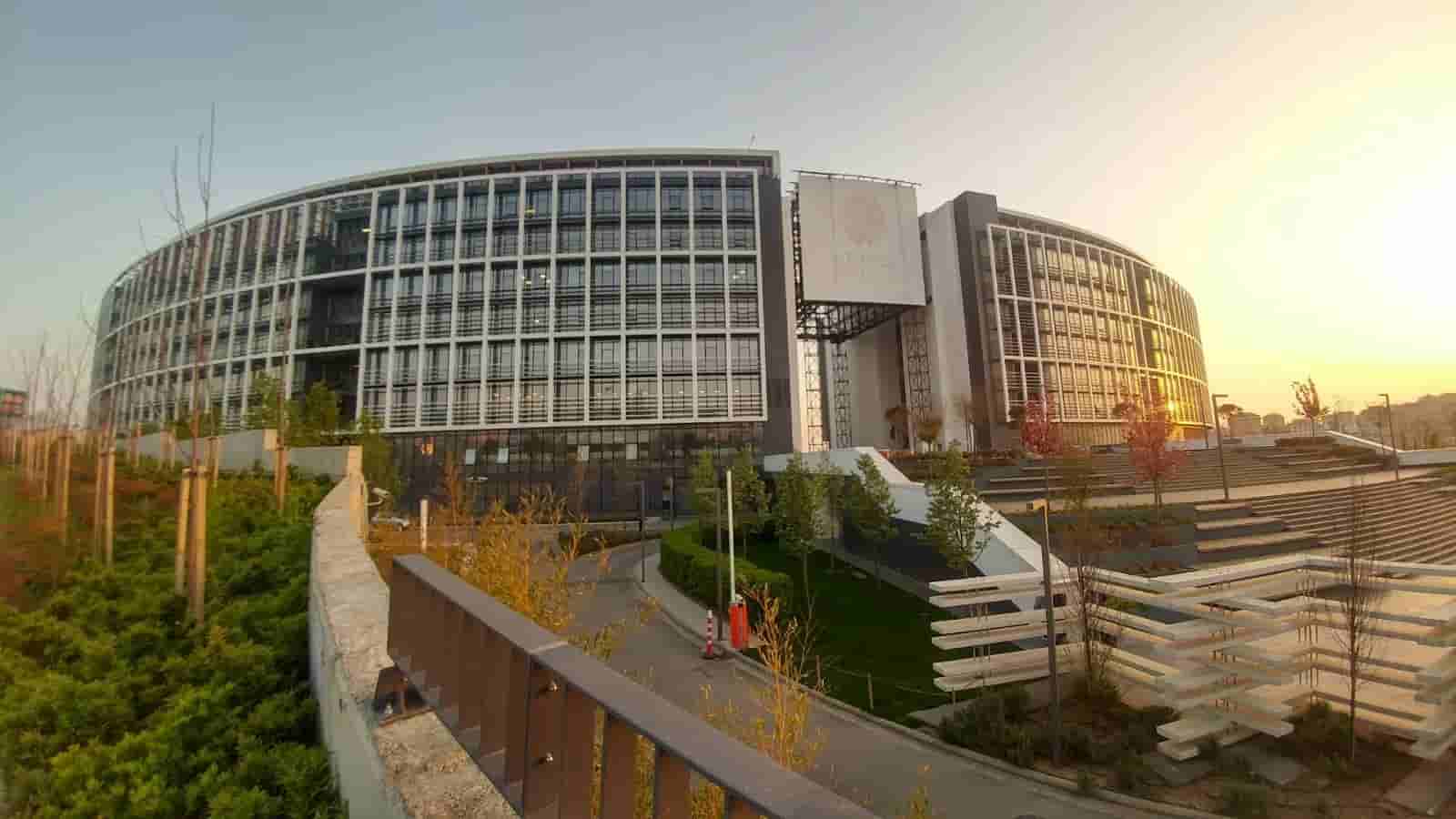 Dormitory
Istanbul, Turkey
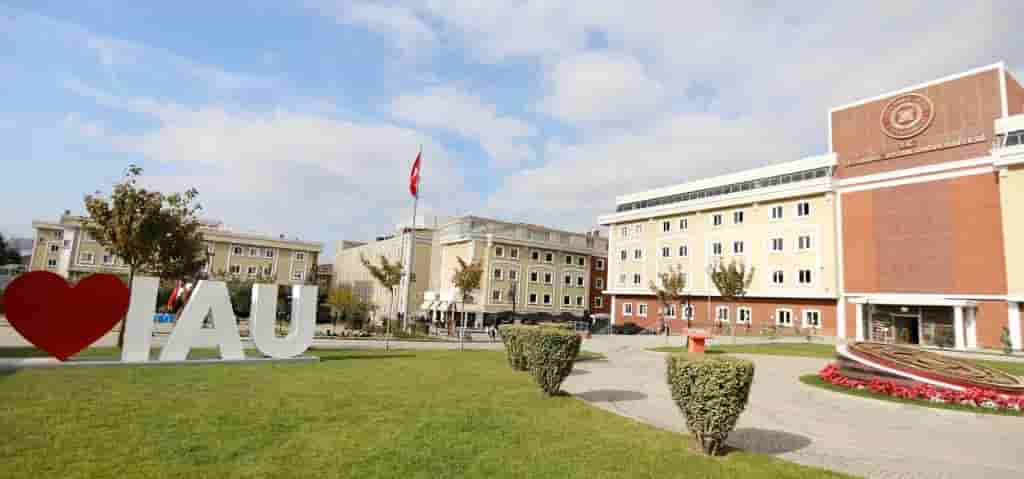 Dormitory
Istanbul, Turkey
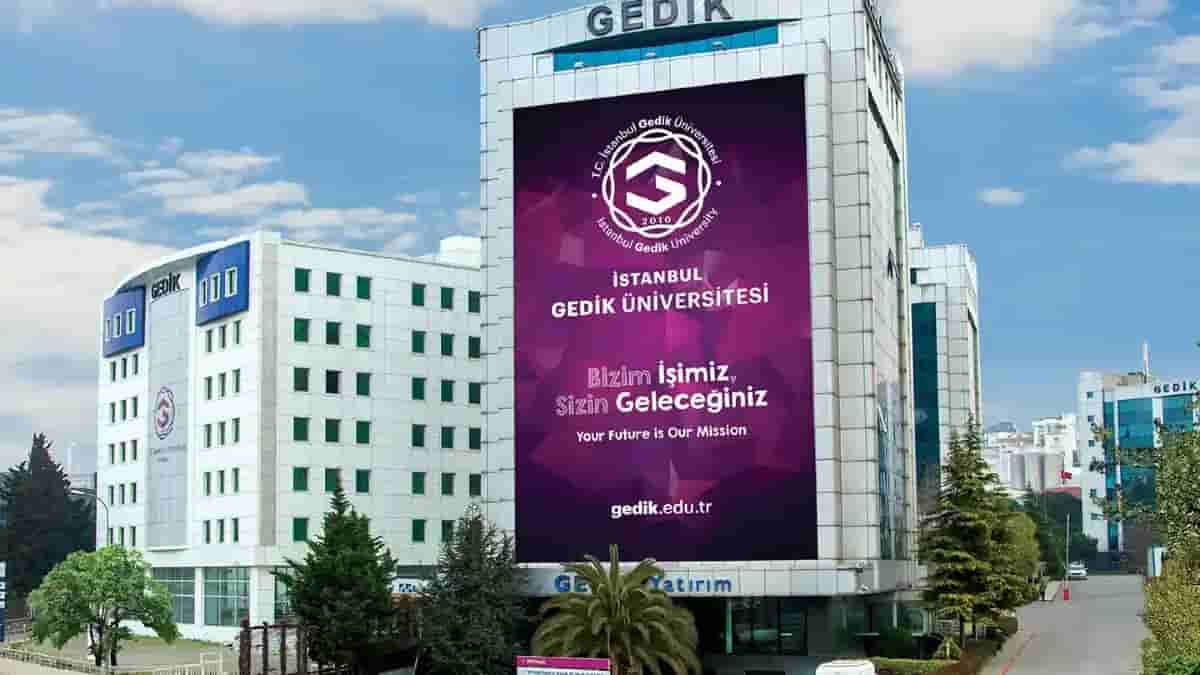 Dormitory
Istanbul, Turkey
 Dormitory
Istanbul, Turkey
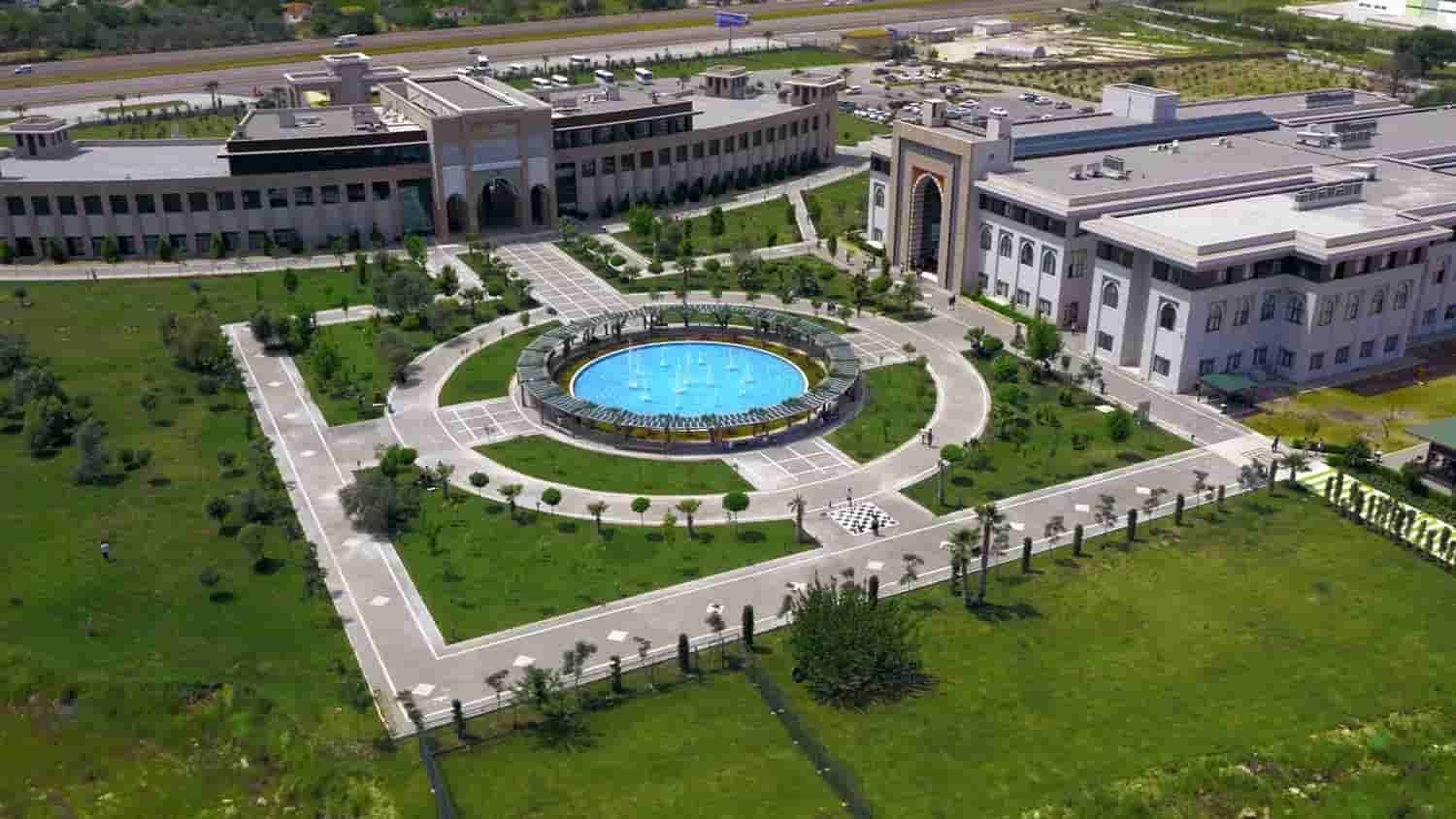 Dormitory
Antalya, Turkey
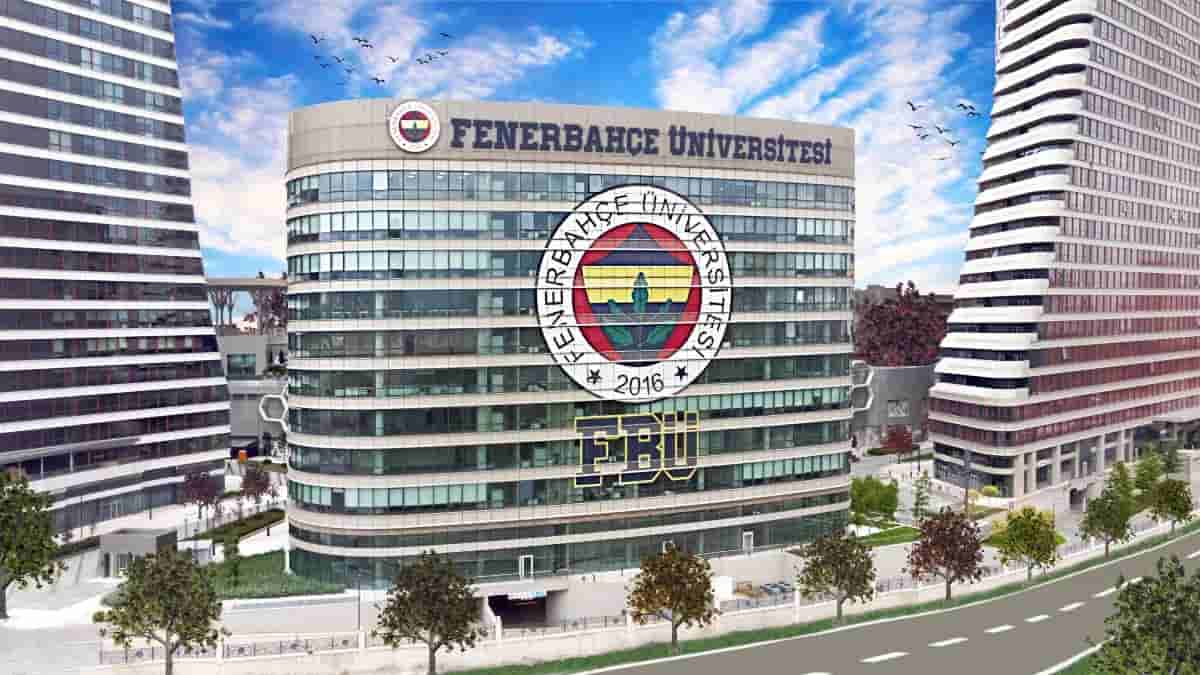 Dormitory
Istanbul, Turkey
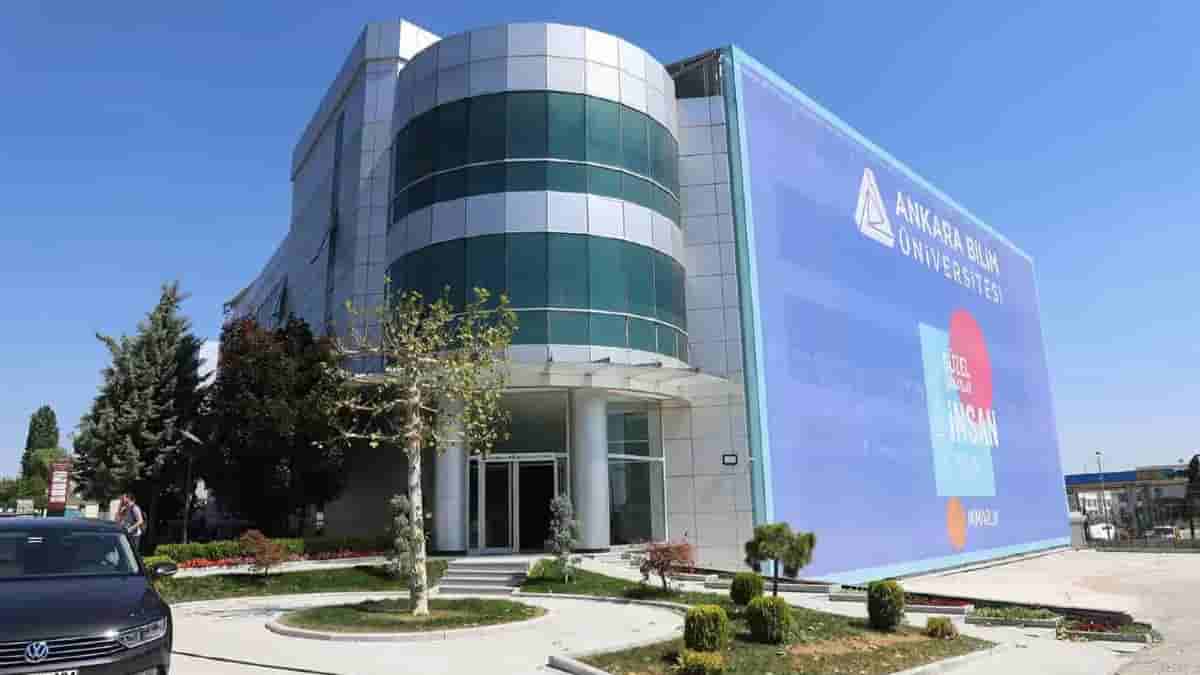 Dormitory
Ankara, Turkey
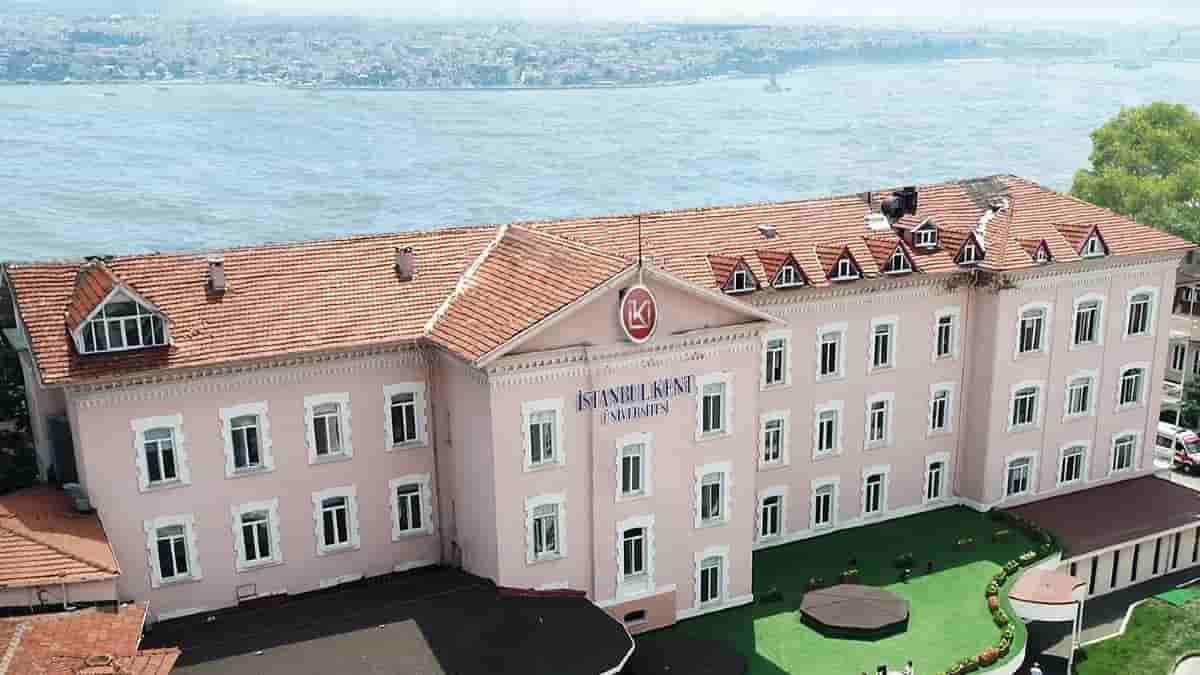 Dormitory
Istanbul, Turkey