
FAQs
Frequently Asked Questions and Answers
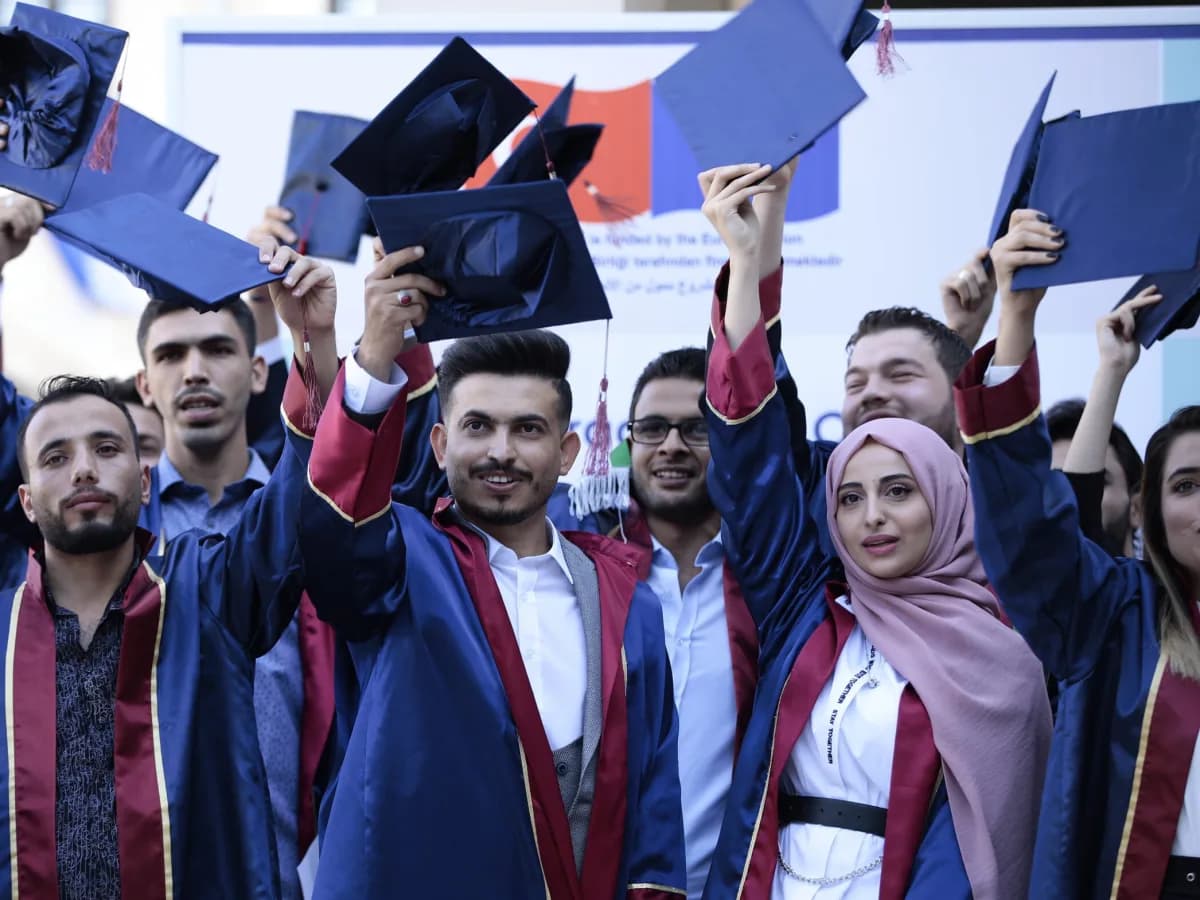
Studying in Turkey with an associate degree has become an appealing pathway for students who want to continue higher education in an internationally connected yet affordable system. With more than 8 million students enrolled in higher education, according to figures often cited by Turkey’s Council of Higher Education, the country ranks among Europe’s largest education hubs. Universities in cities such as Istanbul, Ankara, and Izmir attract students from Asia, Africa, and Europe, making Turkey a familiar name in global education discussions.
Studying in Turkey with an Associate Degree means continuing higher education after completing a two-year undergraduate program.
Students who already hold an associate qualification can:
Apply for vertical transfer into related bachelor’s departments
Enter advanced semesters if credits align
Graduate with a full four-year bachelor’s degree
This system upgrades academic level from short-cycle to full undergraduate status.

Turkey follows the Bologna Process credit system. As a result, universities evaluate coursework using ECTS standards.
Universities review:
Associate degree diploma
Transcript
Course compatibility
Field relevance
If the curriculum matches the bachelor’s program structure, students may transfer into the third year.
However, final placement depends on academic overlap. Therefore, detailed transcripts increase approval chances.
Several established institutions provide structured transfer pathways for associate graduates.
Examples include:
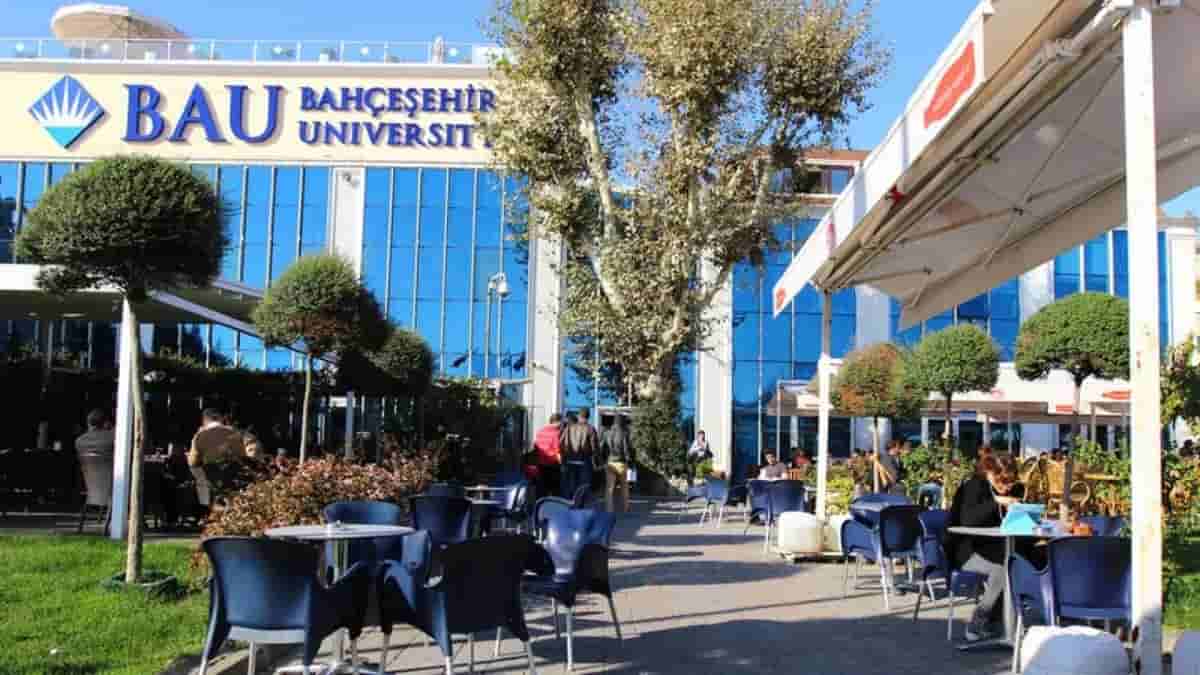
Bahçeşehir University
İstanbul Bilgi University
Yeditepe University
Özyeğin University
Çankaya University
Istanbul Aydın University
These institutions operate modern campuses and maintain organized academic evaluation procedures.
Students pursuing Studying in Turkey with an Associate Degree typically continue in related academic areas.
Associate Degree Field | Bachelor Continuation Option |
|---|---|
Business Administration | Business Management |
Computer Programming | Software Engineering |
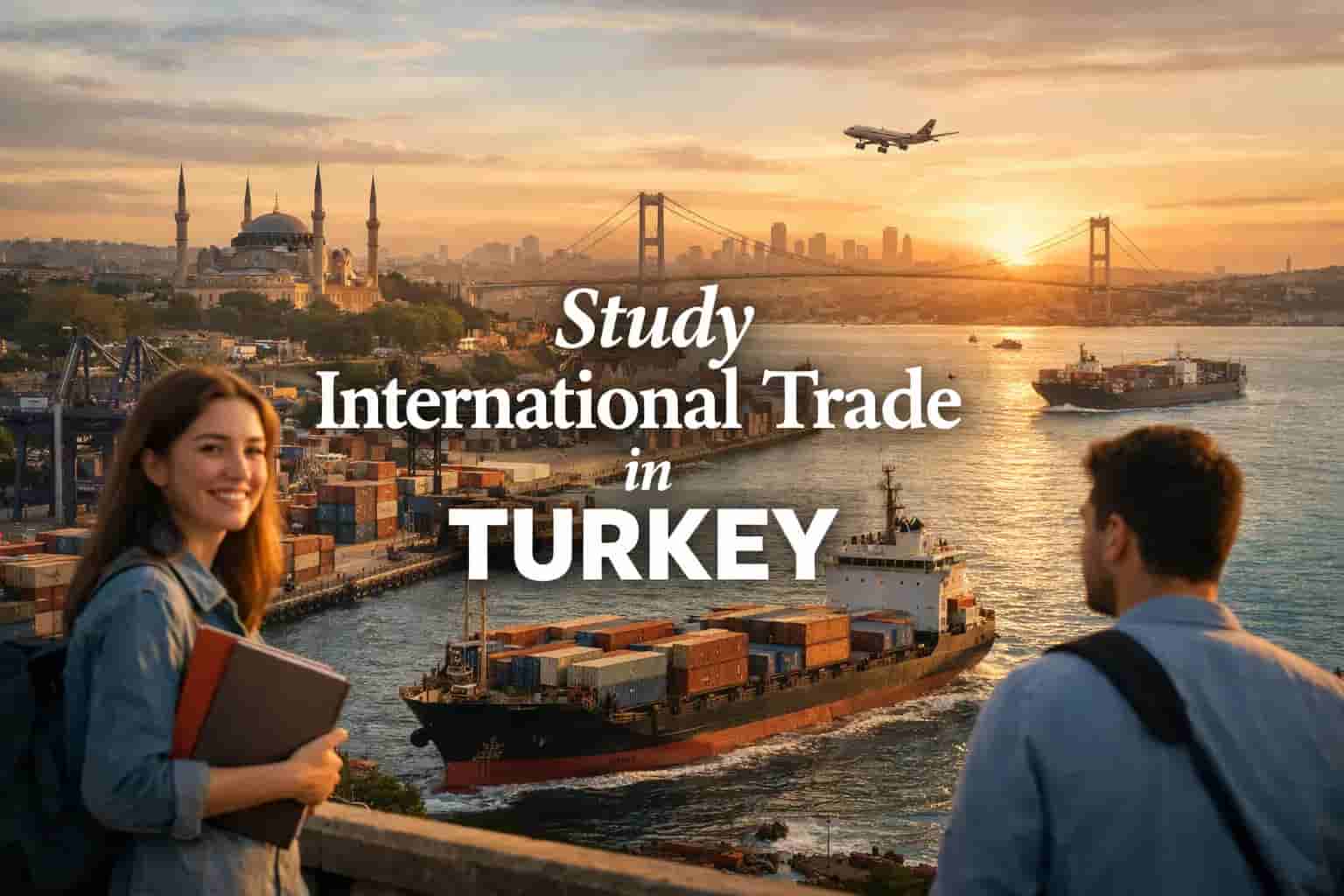
Logistics | International Trade |
Tourism | Tourism Management |
Graphic Design | Visual Communication Design |
Health Services | Healthcare Management |
Matching disciplines increase the likelihood of entering higher semesters directly.

Students who qualify for transfer do not begin from the first year.
In most cases, they:
Enter the third year
Complete remaining two years
Graduate with a bachelor’s degree
This structure shortens total study time. Therefore, students upgrade qualifications efficiently.
If course overlap remains limited, universities may require additional modules. However, full repetition of the program rarely occurs when fields align.
Bachelor’s tuition fees vary depending on institution and department. Most programs range between €2,000 and €8,000 per year.
Monthly living expenses generally fall between €350 and €800.
Istanbul often sits at the higher end of this range. Meanwhile, Ankara and other cities may offer lower accommodation costs.
This financial structure makes continuation manageable for many international students.
An associate degree provides technical readiness. However, a bachelor’s degree expands professional scope.
Graduates with a bachelor’s qualification gain:
Access to managerial roles
Higher promotion potential
Increased salary opportunities
Eligibility for postgraduate study
Therefore, studying in Turkey with an associate degree becomes a strategic academic investment rather than just a continuation step.
Employers often prioritize candidates with full undergraduate credentials, especially in competitive sectors such as business, technology, and healthcare management.
Modern Turkish universities invest heavily in infrastructure. Students benefit from digital libraries, innovation labs, and career development centers.
Furthermore, campuses host multicultural communities. International students build professional networks while adapting to new environments.
Because transferred students enter advanced classes, academic pace moves quickly. Therefore, strong preparation improves adjustment.

Credit compatibility remains the most important factor.
If previous coursework differs significantly from the target bachelor’s program, universities may request additional subjects.
Students should also prepare for a faster academic rhythm. Advanced-level modules require discipline and consistent study habits.
However, academic advisors and international offices support students during transition.
Turkey participates in the Bologna Process framework. This alignment ensures compatibility with European credit systems.
Graduates receive diploma supplements that detail coursework and credit distribution. Therefore, international recognition procedures become more structured.
This compatibility strengthens global mobility after graduation.
Studying in Turkey with an Associate Degree provides a structured and efficient pathway toward a bachelor’s qualification. It protects previous academic investment while accelerating professional advancement. Through organized credit evaluation and modern university infrastructure, Turkey enables associate graduates to move forward without starting over. Platforms like StudyLeo can help students compare universities and programs efficiently before making a final decision.

Frequently Asked Questions and Answers
Look out blogs and aware of the latest trends and updates
Explore top universities offering quality education, modern facilities, and diverse academic opportunities for students worldwide



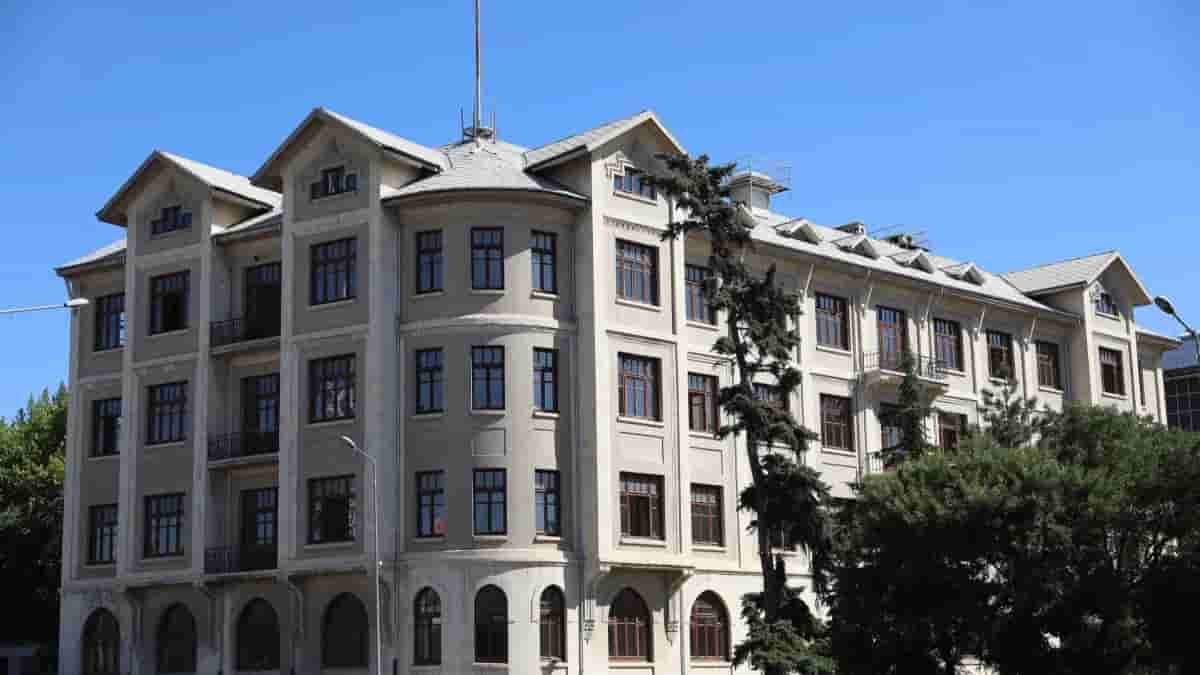 Dormitory
Ankara, Turkey
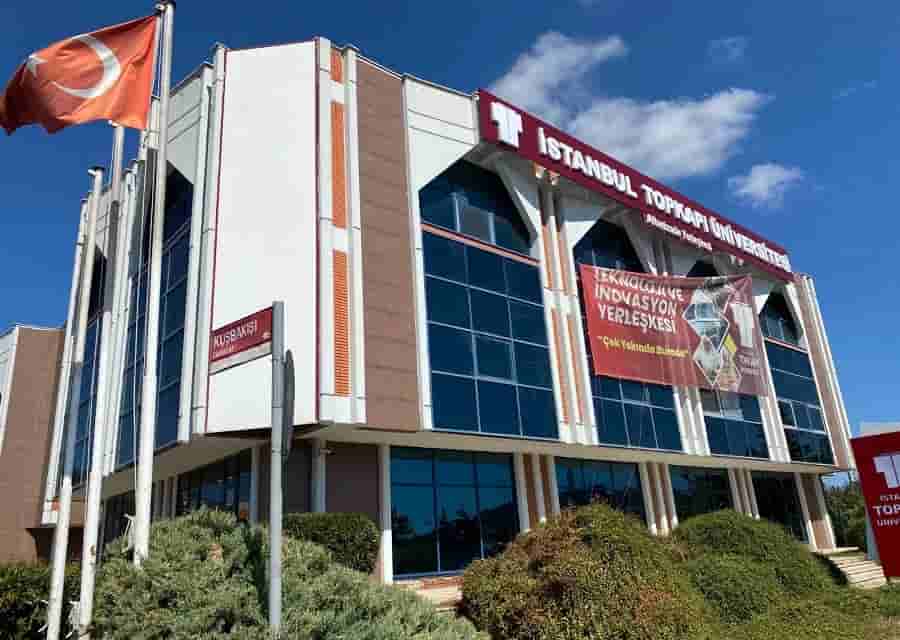 Dormitory
Istanbul, Turkey
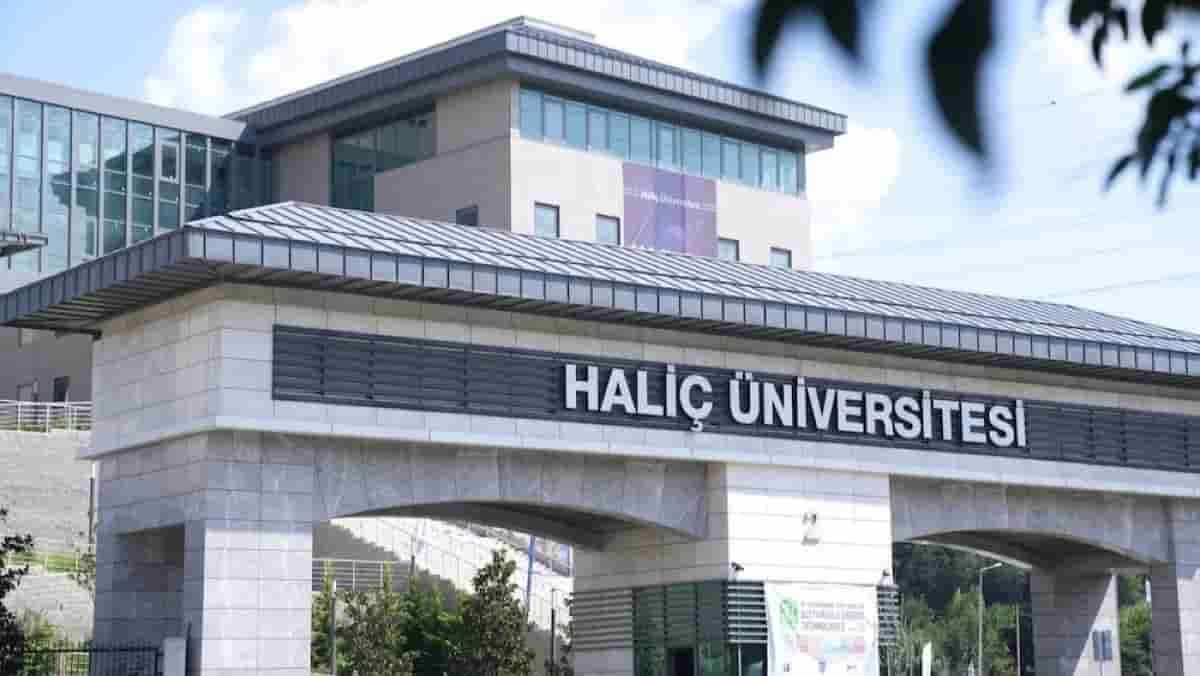 Dormitory
Istanbul, Turkey
 Dormitory
Istanbul, Turkey
 Dormitory
Istanbul, Turkey
 Dormitory
Istanbul, Turkey
 Dormitory
Istanbul, Turkey
 Dormitory
Istanbul, Turkey
 Dormitory
Istanbul, Turkey
 Dormitory
Istanbul, Turkey
 Dormitory
Istanbul, Turkey
 Dormitory
Istanbul, Turkey
 Dormitory
Istanbul, Turkey
 Dormitory
Istanbul, Turkey
 Dormitory
Istanbul, Turkey
 Dormitory
Istanbul, Turkey
 Dormitory
Antalya, Turkey
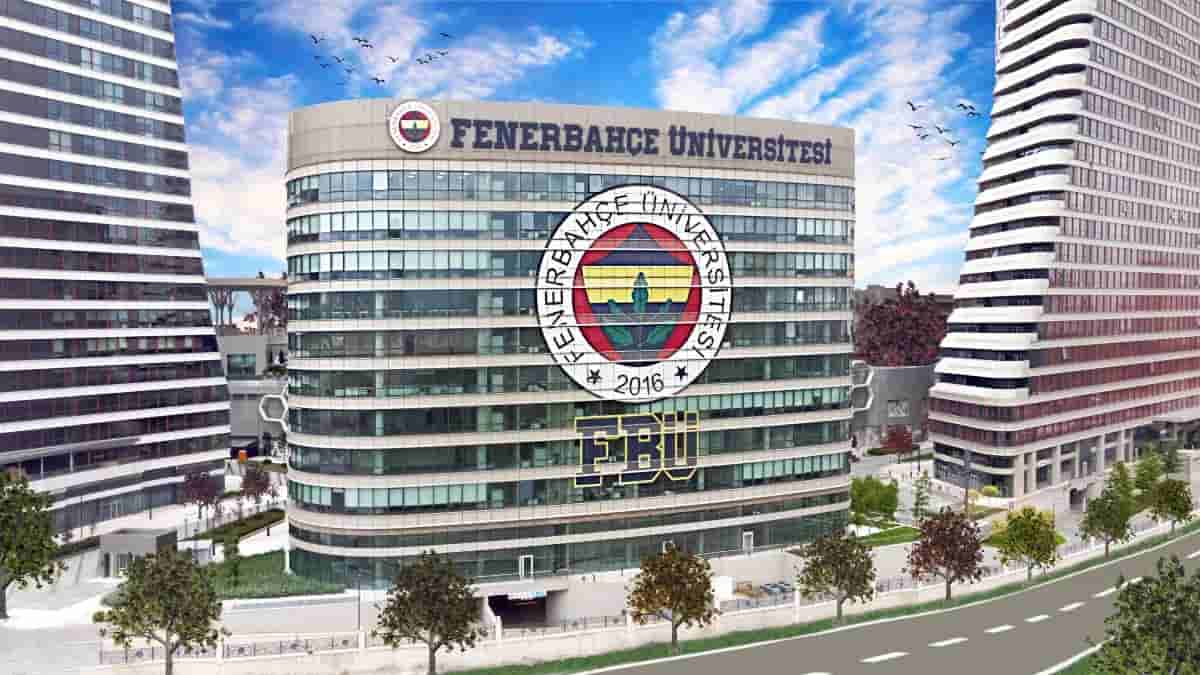 Dormitory
Istanbul, Turkey
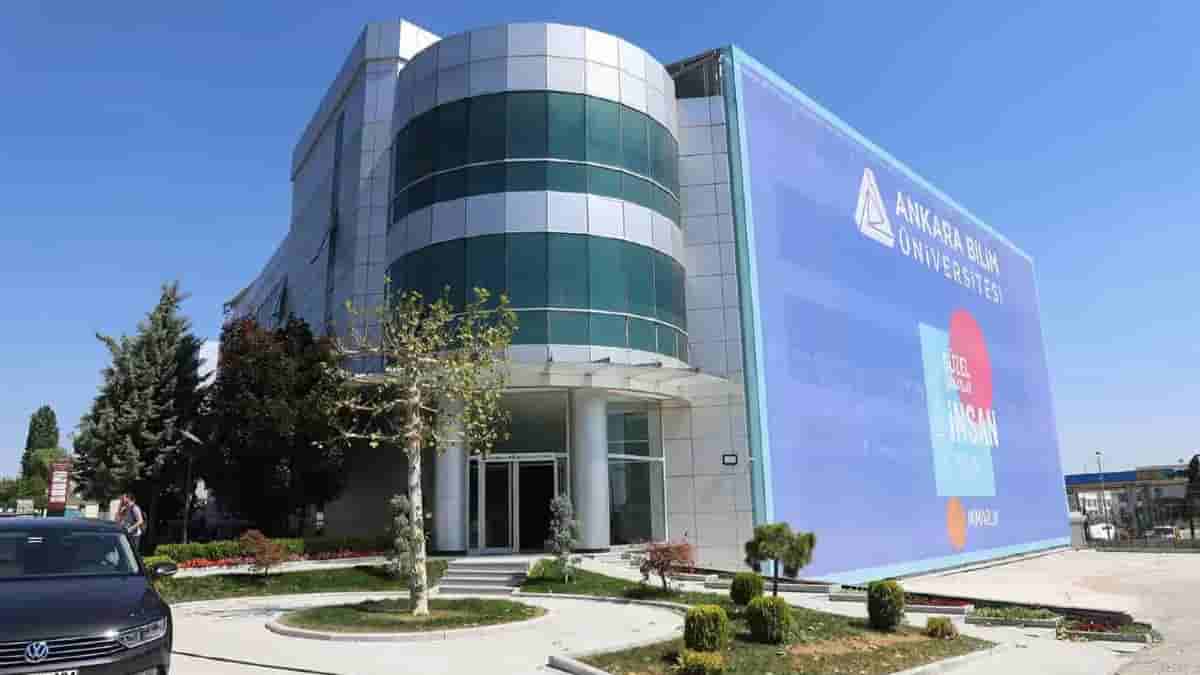 Dormitory
Ankara, Turkey
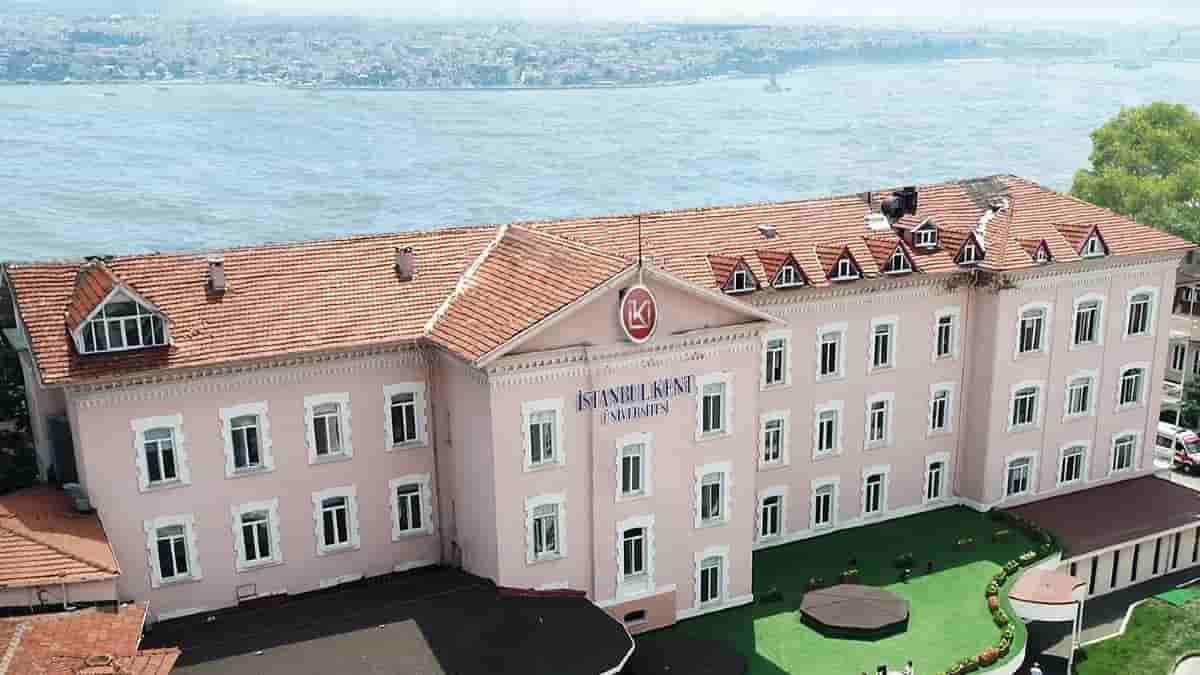 Dormitory
Istanbul, Turkey