FAQs
Frequently Asked Questions and Answers

Study in Turkey with a vocational diploma is a strategic education decision for students who want practical skills combined with international exposure. Many applicants struggle with unclear progression rules, mixed online advice, and inconsistent information about eligibility. Parents and consultants often face uncertainty about recognition, costs, and long term outcomes.
Vocational diploma holders can progress into structured higher education pathways
Tuition and living costs remain competitive compared to many European destinations
Applied curricula support faster workforce integration
Clear documentation preparation prevents delays
Institutional partnerships enhance career prospects
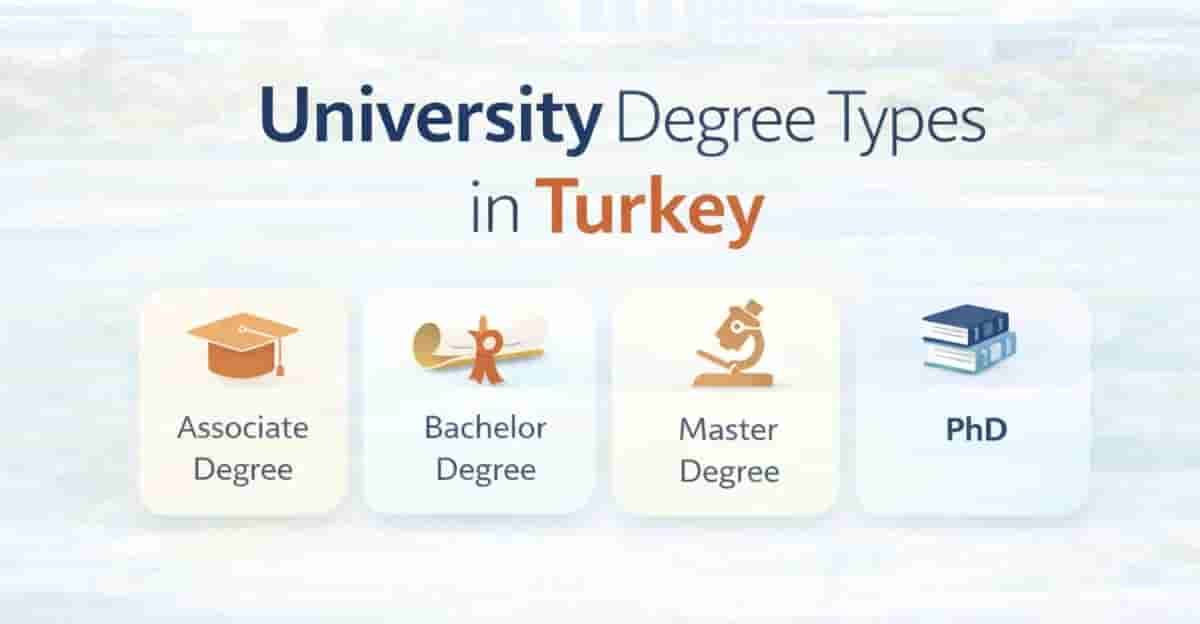
Turkey’s higher education system allows vocational diploma holders to continue into bachelor level programs, depending on academic background and institutional policies. Associate degree programs typically last two years and focus on applied, industry oriented training.
Students with a vocational qualification can enter related bachelor programs or begin at associate level to strengthen academic foundations. Universities such as İstanbul Topkapi University and Istanbul Aydin University offer structured pathways aligned with sector needs.

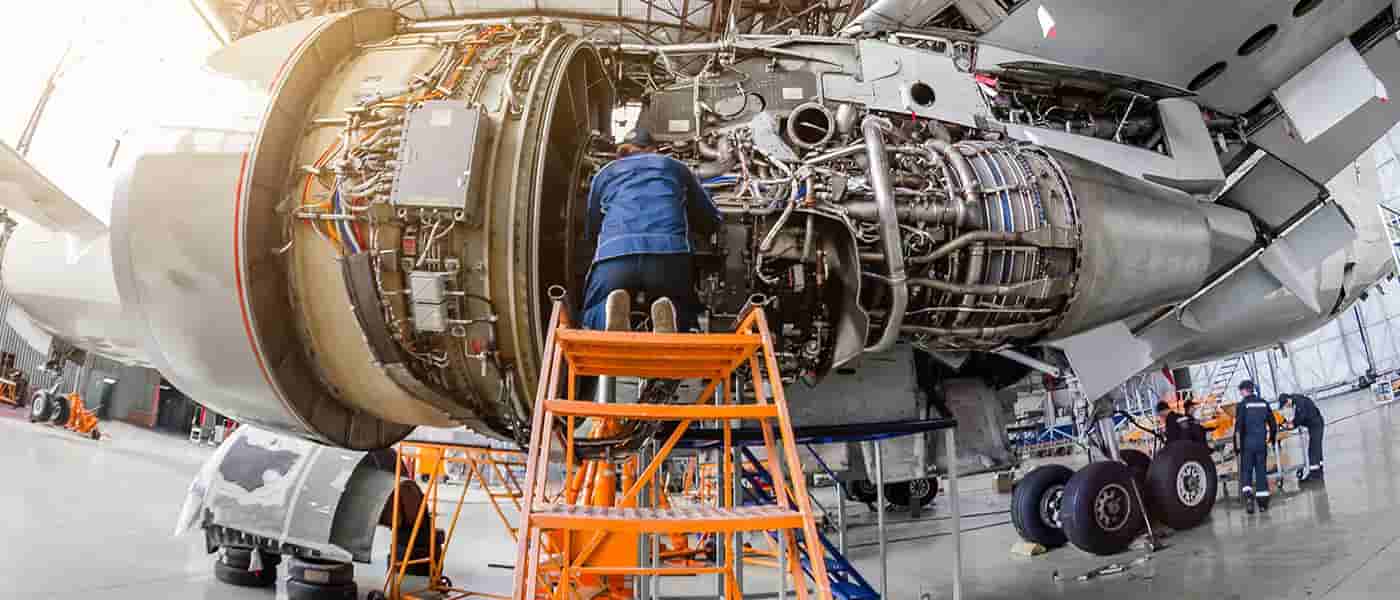
Students choose Turkey because it combines practical education with accessible tuition and strong industry connections. Vocational diploma holders benefit from applied curricula in fields like health services, aviation, logistics, and technology.
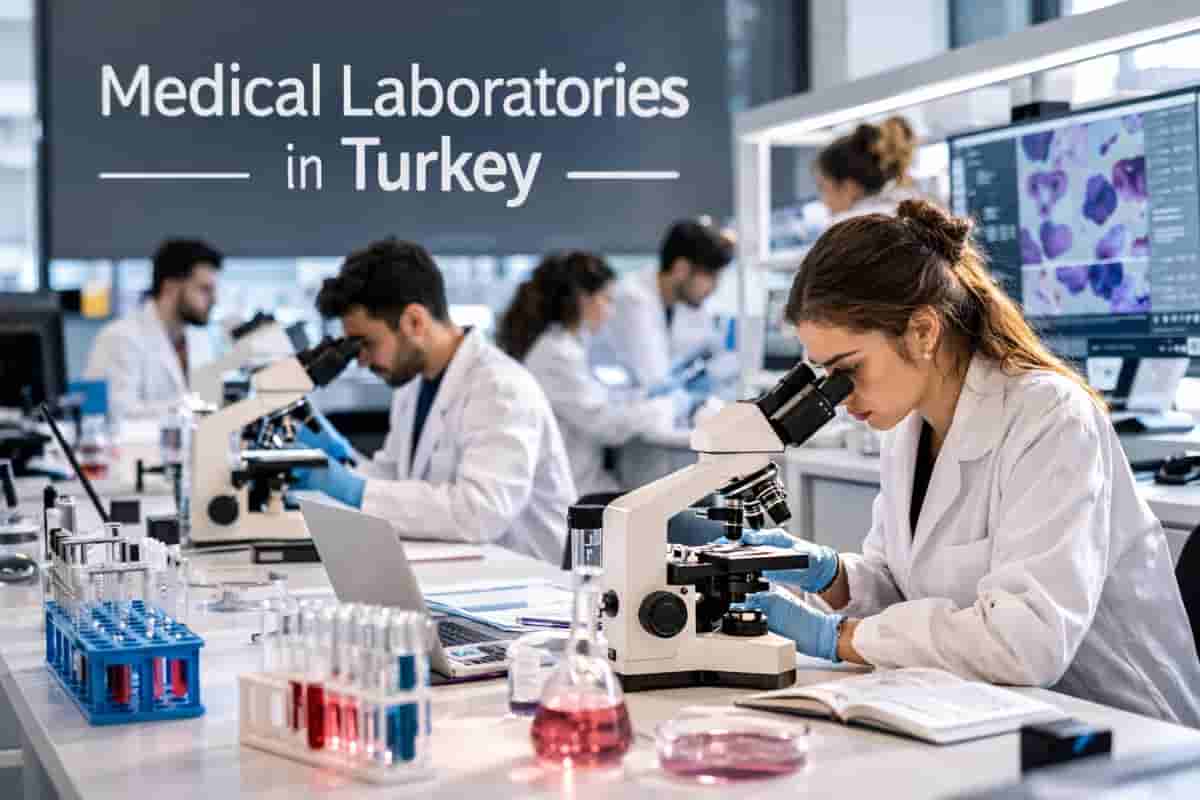
Institutions such as Istanbul Medipol University, Altinbas University, and Antalya Bilim University emphasize laboratory work, internships, and employer collaboration. This approach supports smoother transition from study to employment.

Who it suits
• Students with clear career goals and a defined professional direction
• Individuals who prefer practical, skills based education over purely theoretical study
• Vocational diploma holders aiming to continue into bachelor or advanced degree programs
• Students planning to enter the workforce quickly with recognized qualifications
Who it may not suit
• Students aiming for purely research driven academic careers
• Those primarily interested in theoretical or abstract disciplines without practical orientation
• Applicants without clear long term career objectives
• Individuals unprepared for academic workload and structured assessment systems
Recognized institutions offering diverse vocational progression routes include Bahcesehir University, Uskudar University, Ozyegin University, Istanbul Gelisim University, and Ankara Medipol University. Program strengths vary across business, health sciences, engineering technologies, and aviation.
Other respected options include Istinye University, Kadir Has University, Yeditepe University, Sabanci University, and TOBB Economy and Technology University. Each institution maintains distinct academic standards and industry partnerships.
Eligibility depends on prior academic background and document completeness. Institutions assess transcripts, diploma relevance, and language readiness rather than relying on informal advice.Required documents are clearly structured by degree level:

Many programs offer English instruction, particularly in business, health sciences, and engineering. Students lacking proficiency must prepare in advance to meet institutional language standards.
Preparation expectations extend beyond language. Academic writing skills, subject knowledge alignment, and realistic workload planning significantly influence performance and adaptation.
Tuition fees vary by program and institution. Associate and bachelor programs typically range between 2500 and 8000 USD annually, while specialized health or aviation fields may be higher.
Monthly living expenses generally range from 400 to 800 USD depending on city and lifestyle. Istanbul requires higher budgeting compared to cities like Antalya or Izmir.
Universities provide dormitories, private housing partnerships, and student support services. Adaptation challenges include cultural adjustment, academic pace, and financial management.
Graduates from vocational progression pathways often enter sectors such as healthcare support services, logistics management, information technology, and applied engineering roles. Career outcomes depend strongly on practical training engagement.
Choosing based only on cost
Lower tuition does not guarantee program quality or industry relevance.
Students should compare academic infrastructure and graduate outcomes before deciding.
Ignoring language or academic readiness Insufficient preparation leads to adaptation difficulties.
Early language and academic skill development improves long term success.
Relying on unofficial sources.
Online forums and agents often provide inconsistent advice.
Verified institutional guidance prevents misinformation.
Missing deadlines Late applications limit program availability.
Structured timelines ensure smoother processing.
Underestimating living expenses.
Students frequently budget tuition accurately but miscalculate accommodation and daily costs. Realistic financial planning avoids stress.
Students are advised to apply exclusively through the StudyLeo platform. StudyLeo provides free registration, free transfer support, and free visa assistance. The platform works through direct partnerships with universities, ensuring accurate information and no service fee.

Effective preparation begins at least eight to twelve months before intended enrollment. Students should first define academic goals and verify program compatibility with their vocational background. The next stage involves document collection and translation. Once documents are prepared, students submit applications through StudyLeo for institutional review and placement coordination.After receiving acceptance, students finalize financial planning, accommodation arrangements, and visa documentation. Clear sequencing reduces uncertainty and avoids last minute complications.
Studying abroad is a long term education investment rather than a short term relocation decision. Vocational diploma holders can transform technical qualifications into higher academic credentials when matched with the right institution. Careful planning, realistic budgeting, and structured guidance define successful outcomes. When aligned with personal goals, study in Turkey becomes a strategic step toward sustainable professional growth.
Frequently Asked Questions and Answers
Look out blogs and aware of the latest trends and updates
Explore top universities offering quality education, modern facilities, and diverse academic opportunities for students worldwide



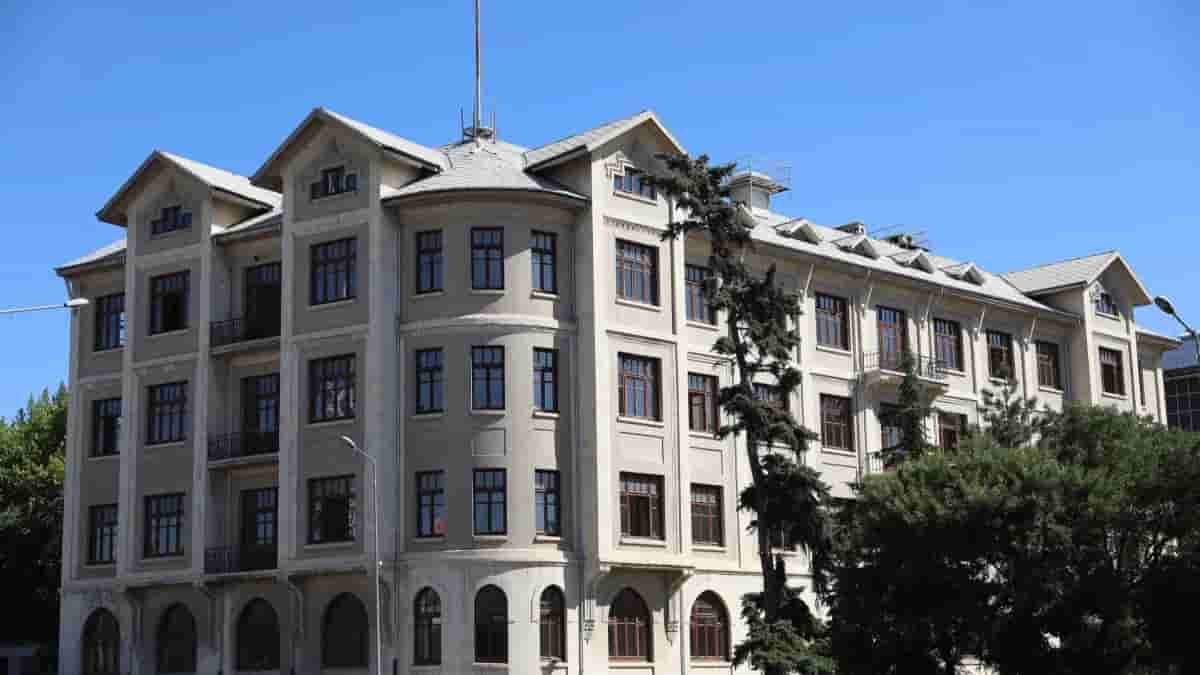 Dormitory
Ankara, Turkey
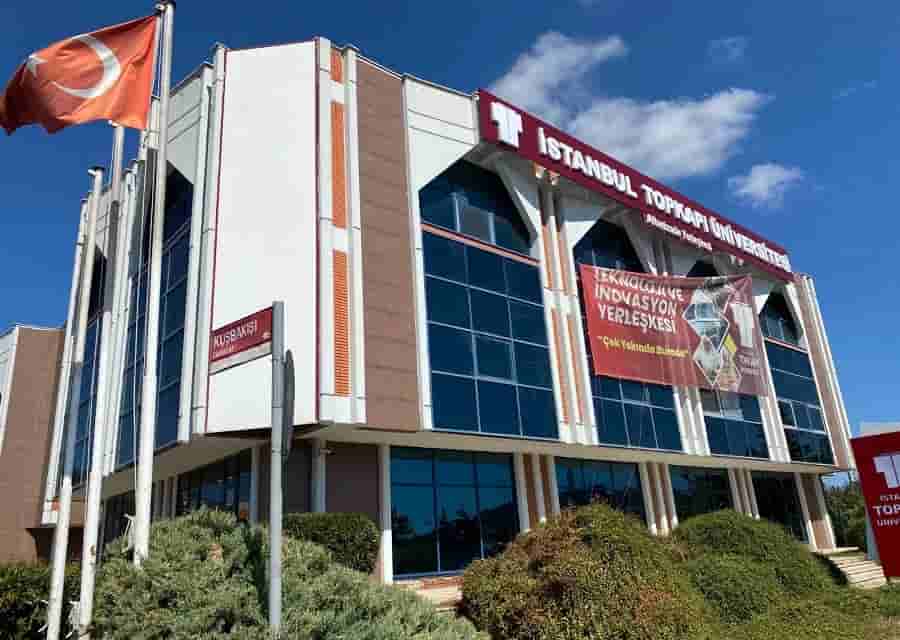 Dormitory
Istanbul, Turkey
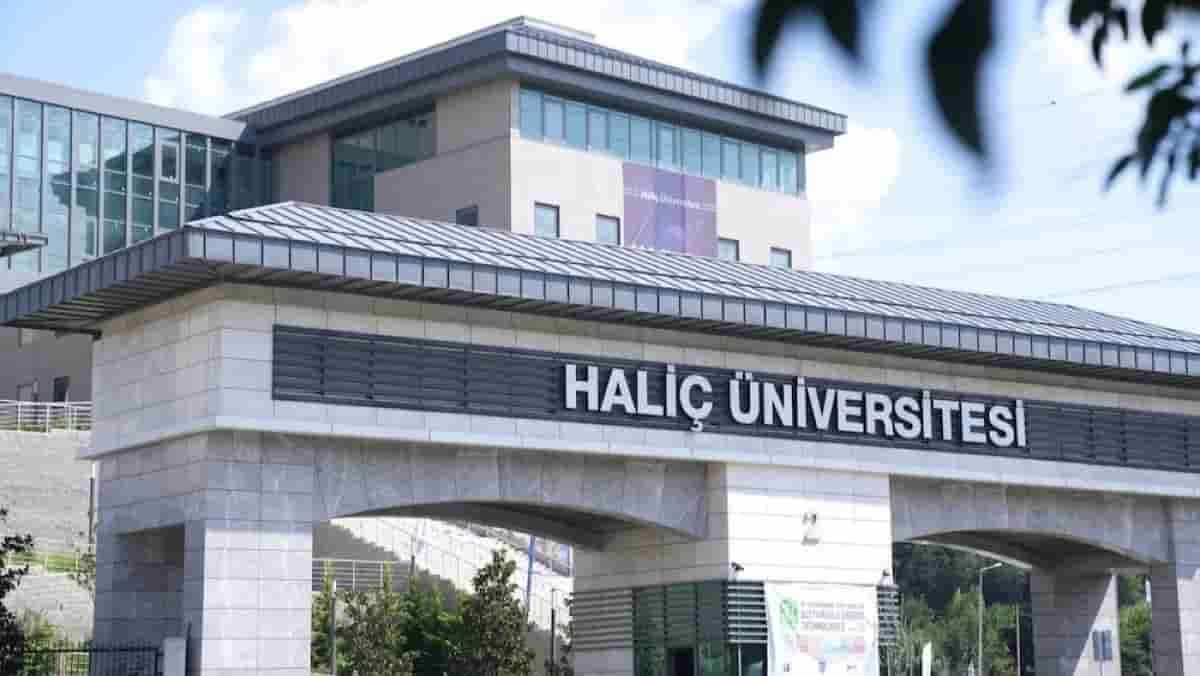 Dormitory
Istanbul, Turkey
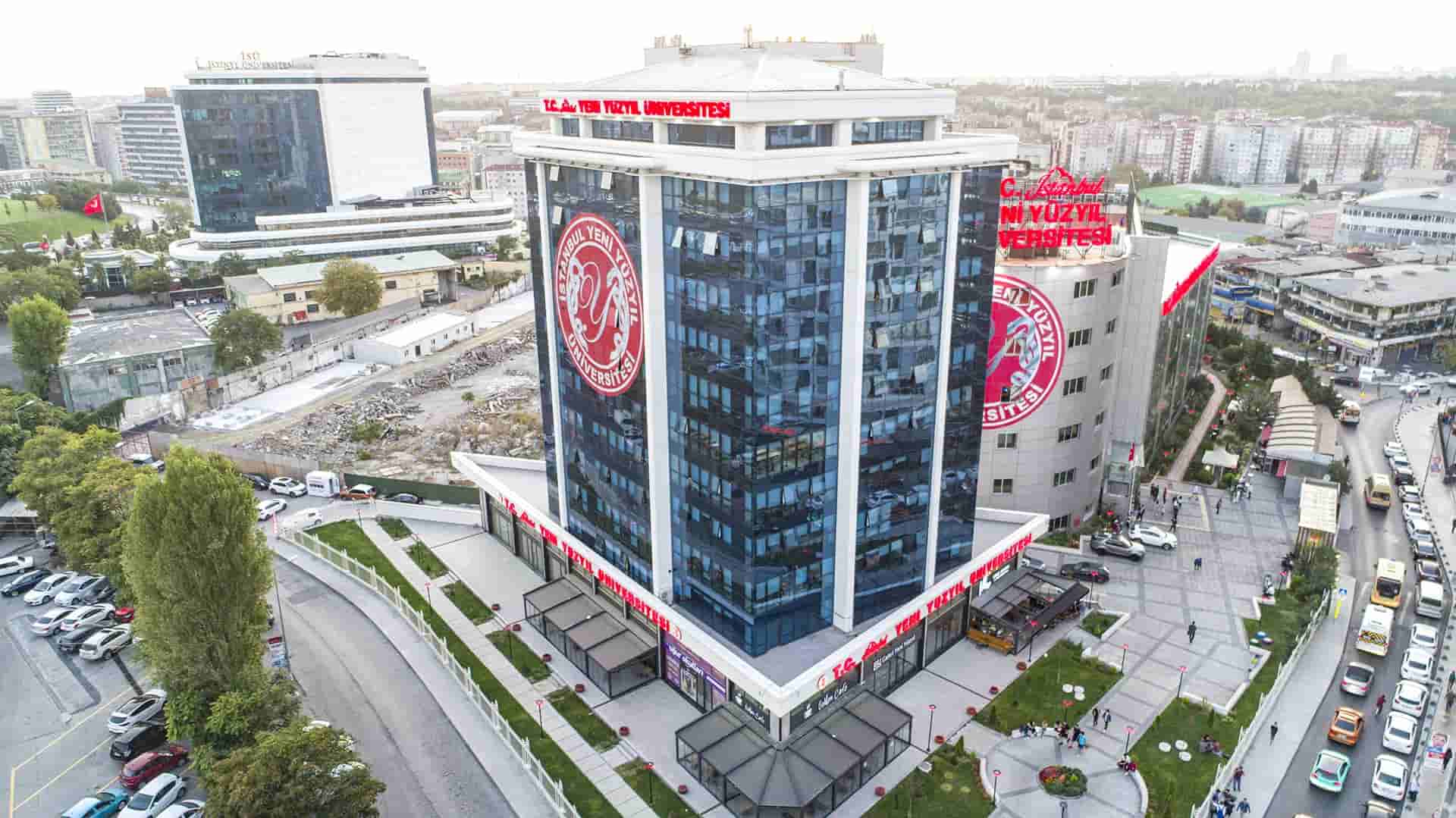 Dormitory
Istanbul, Turkey
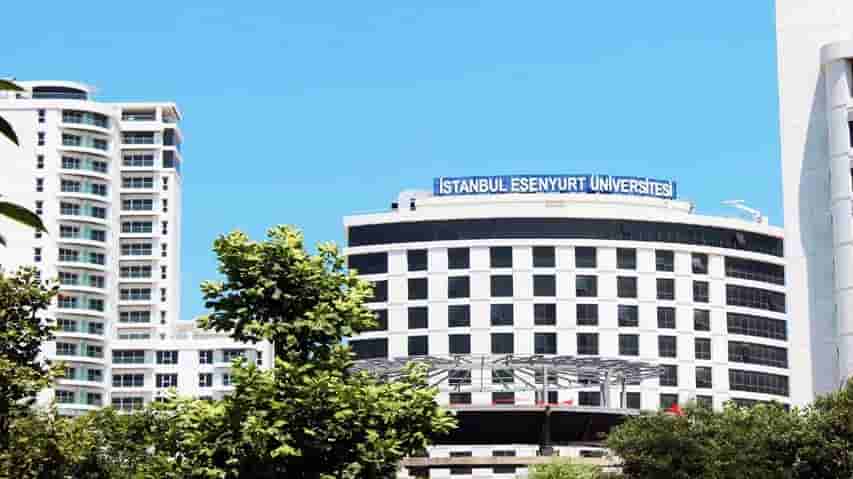 Dormitory
Istanbul, Turkey
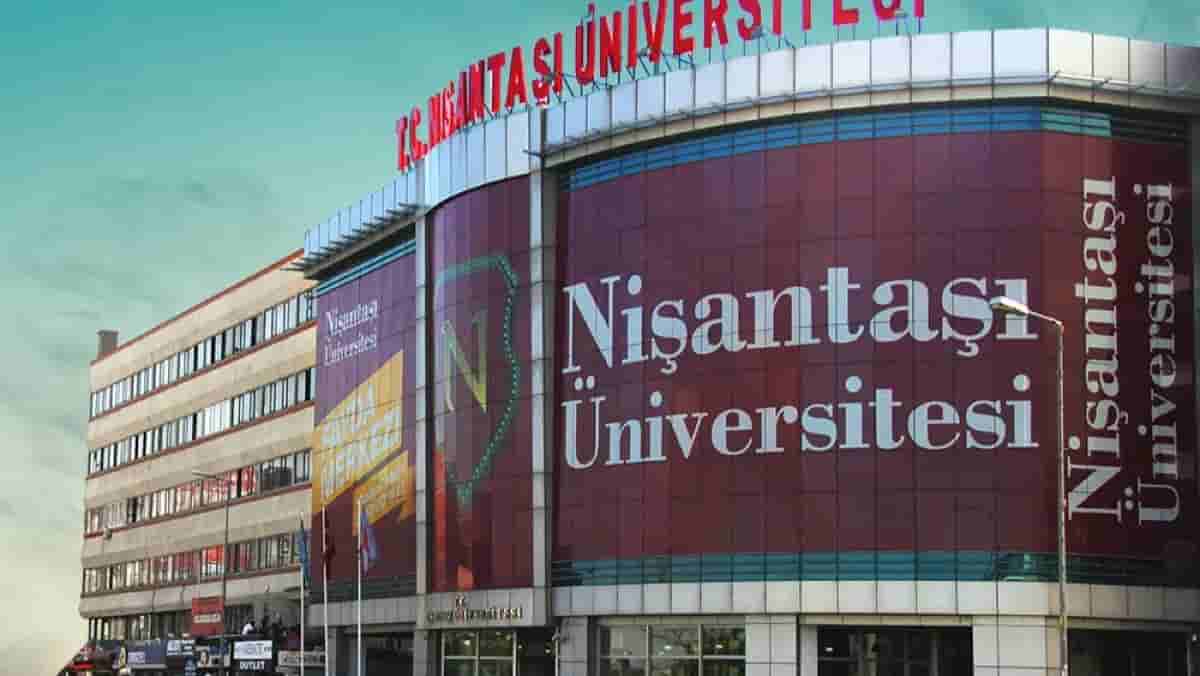 Dormitory
Istanbul, Turkey
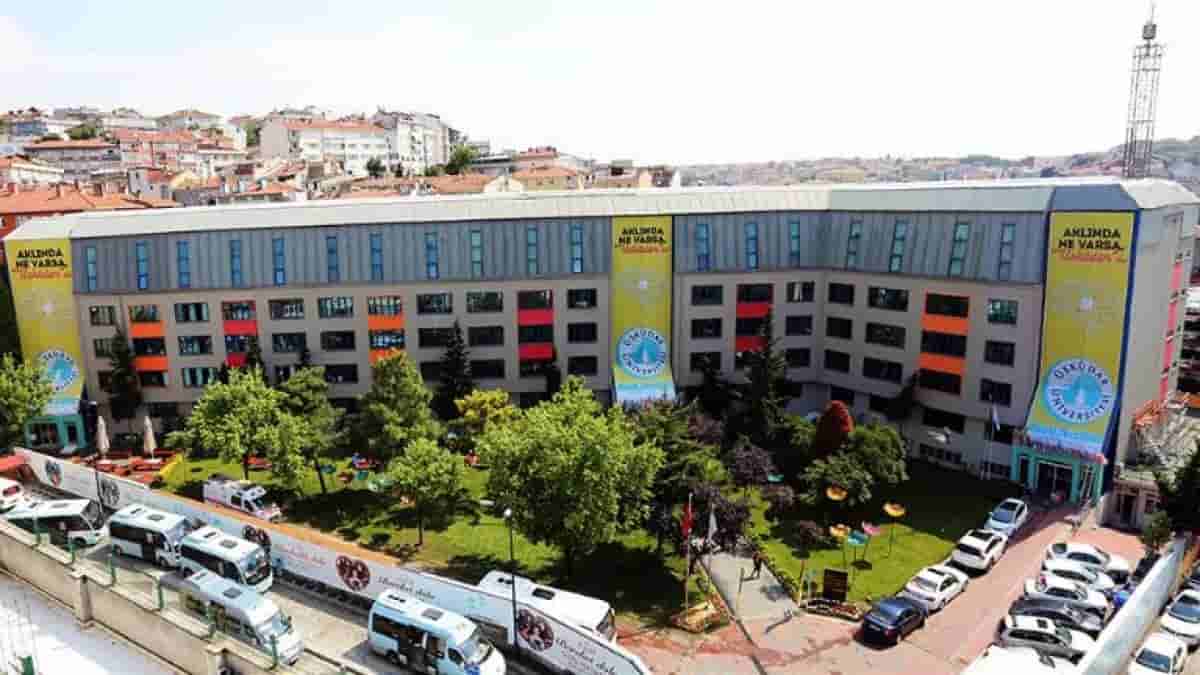 Dormitory
Istanbul, Turkey
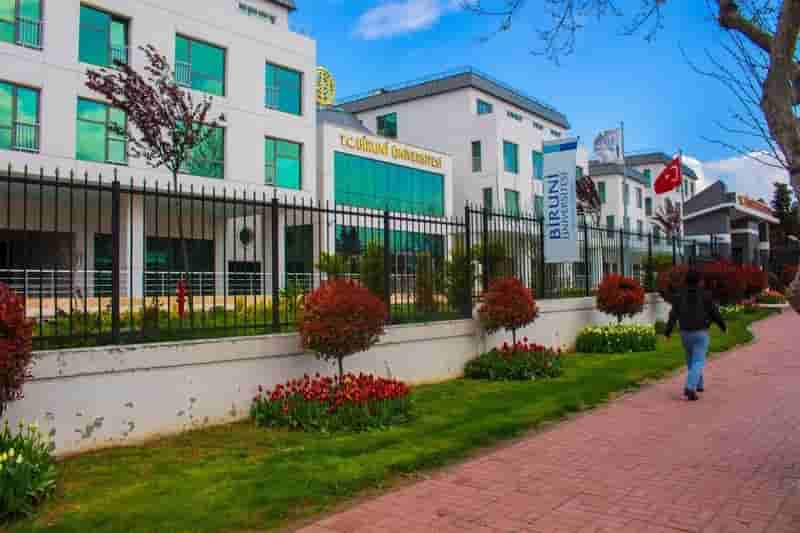 Dormitory
Istanbul, Turkey
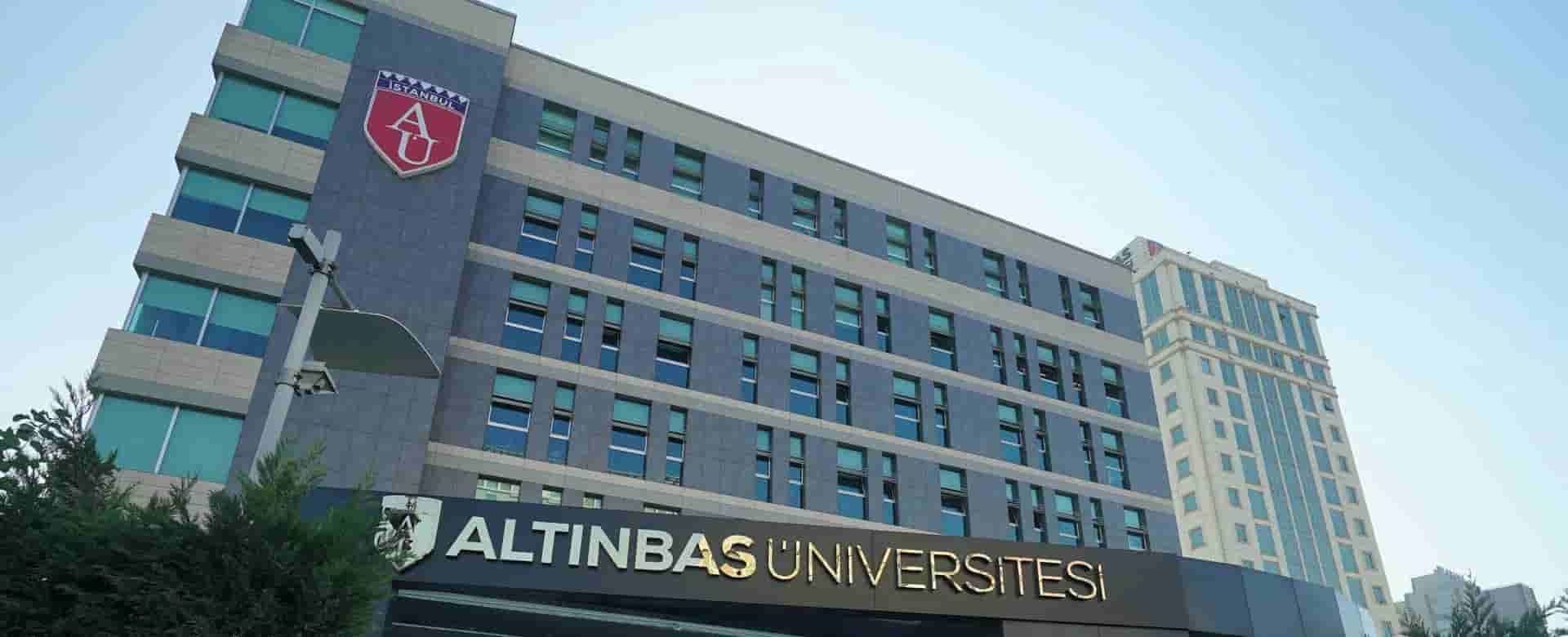 Dormitory
Istanbul, Turkey
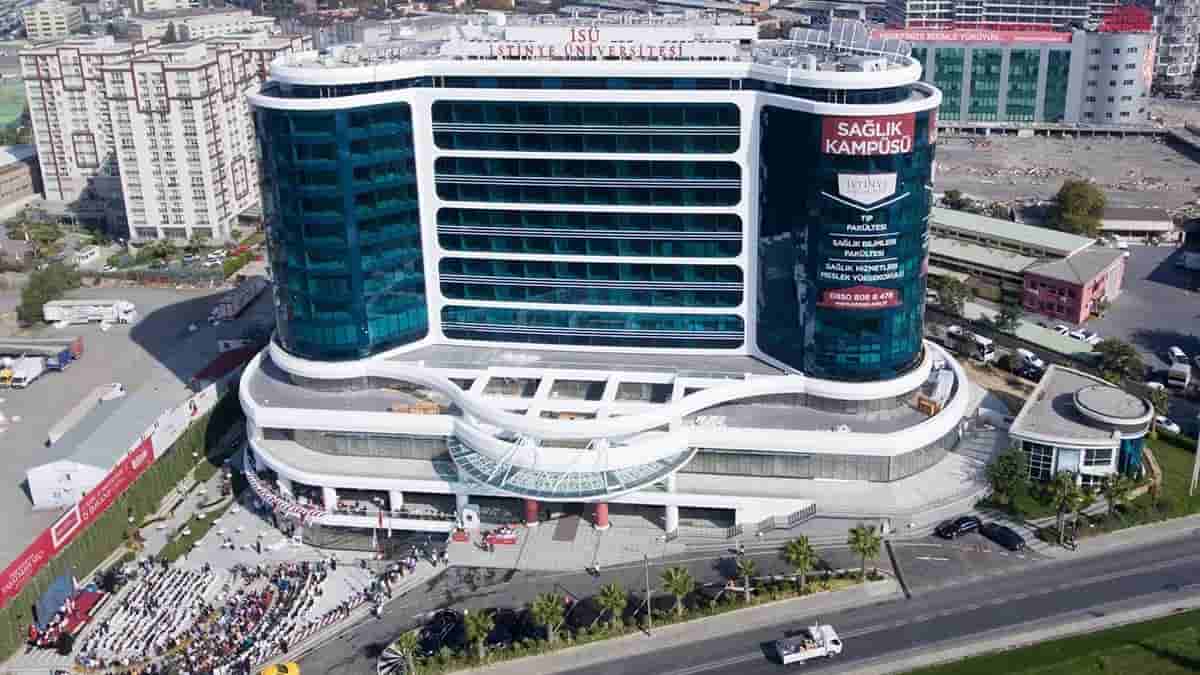 Dormitory
Istanbul, Turkey
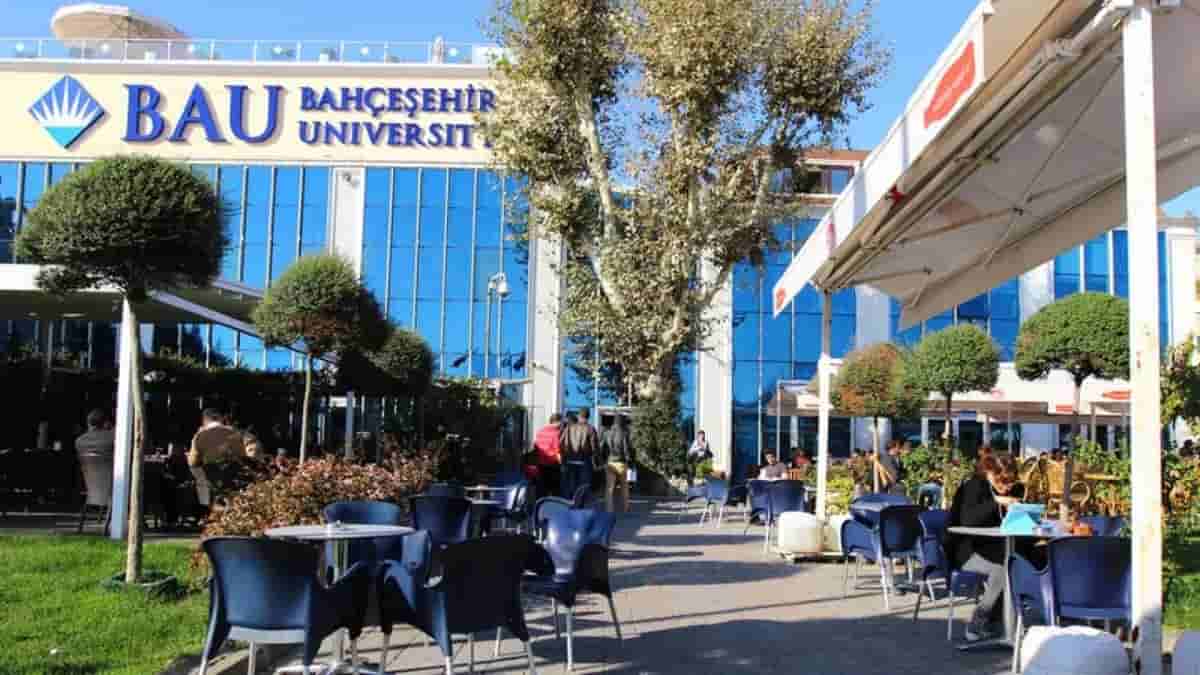 Dormitory
Istanbul, Turkey
 Dormitory
Istanbul, Turkey
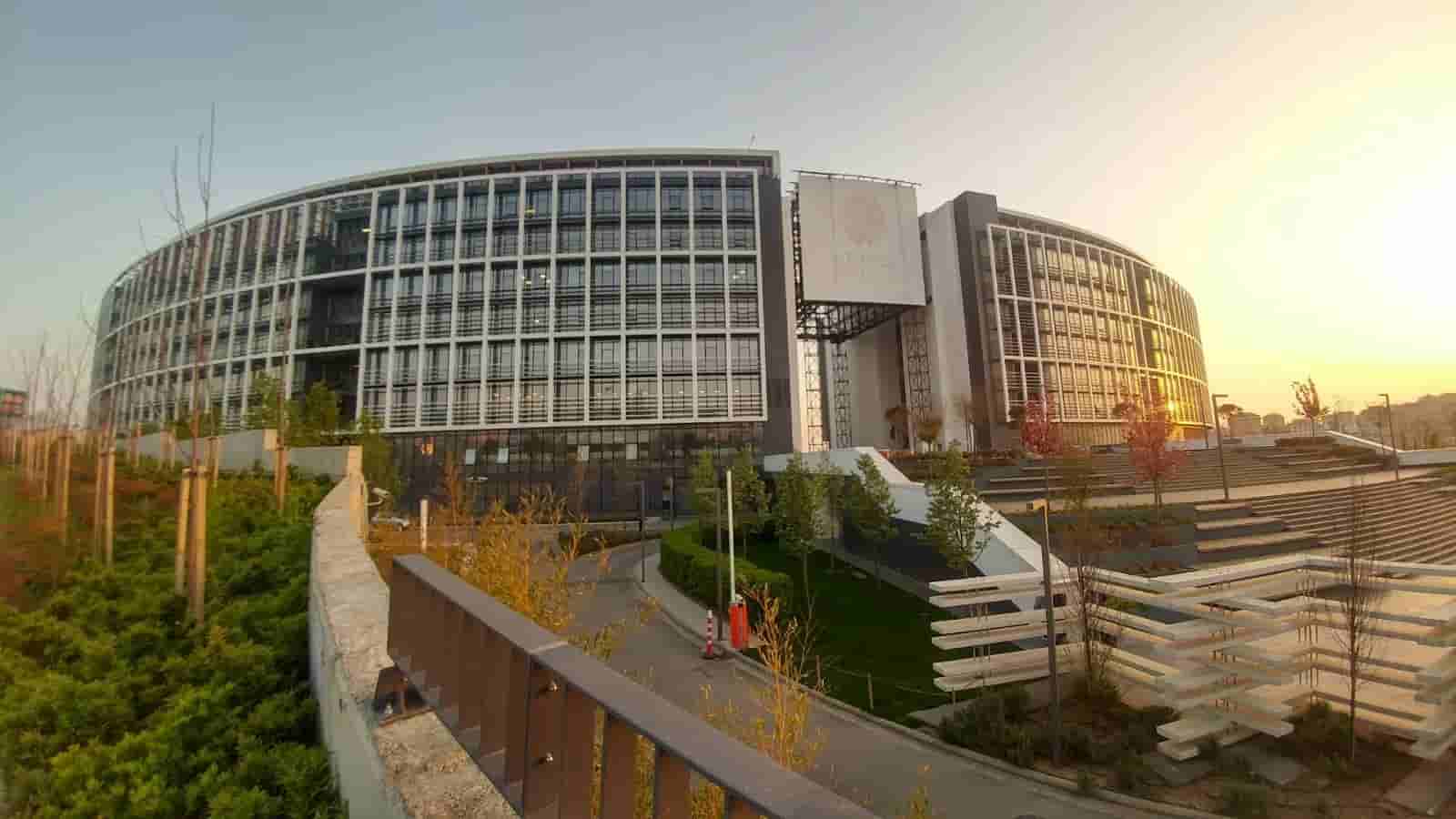 Dormitory
Istanbul, Turkey
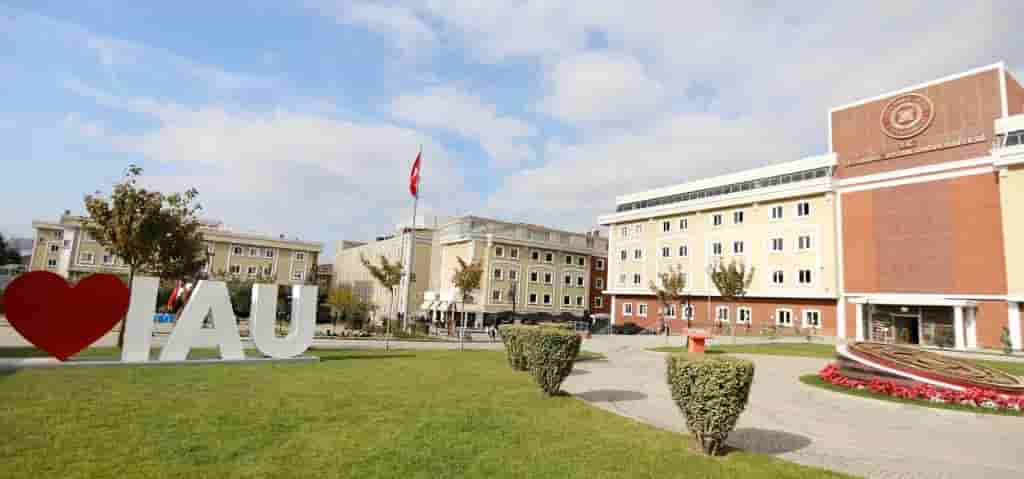 Dormitory
Istanbul, Turkey
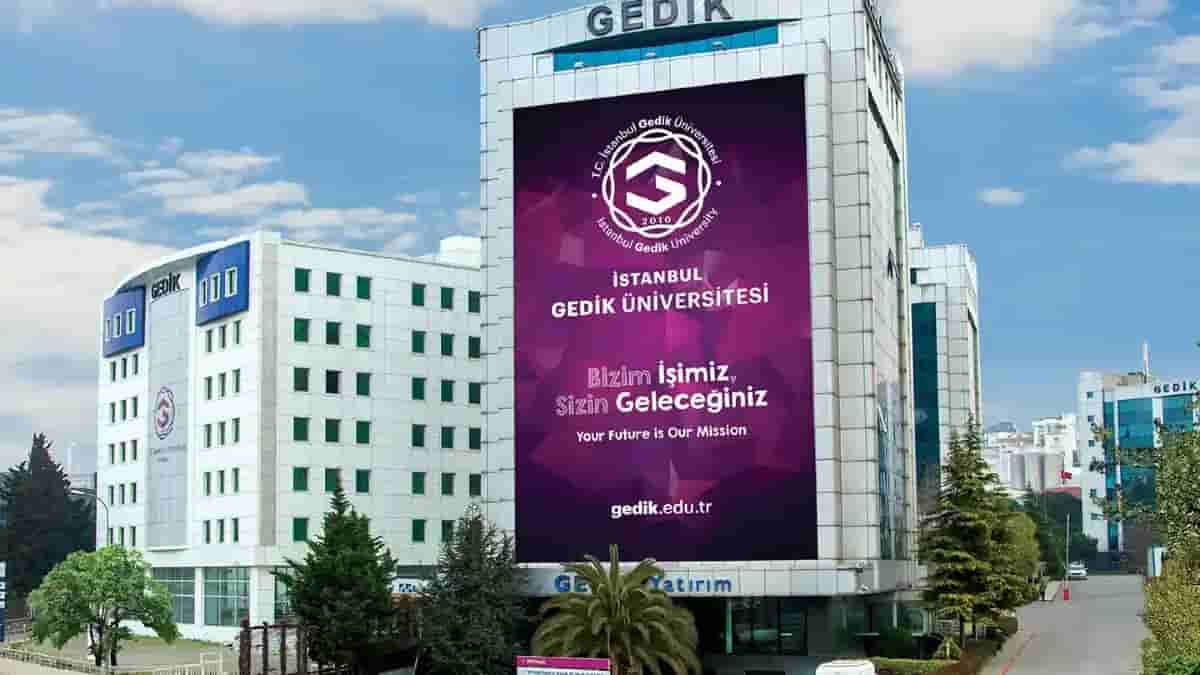 Dormitory
Istanbul, Turkey
 Dormitory
Istanbul, Turkey
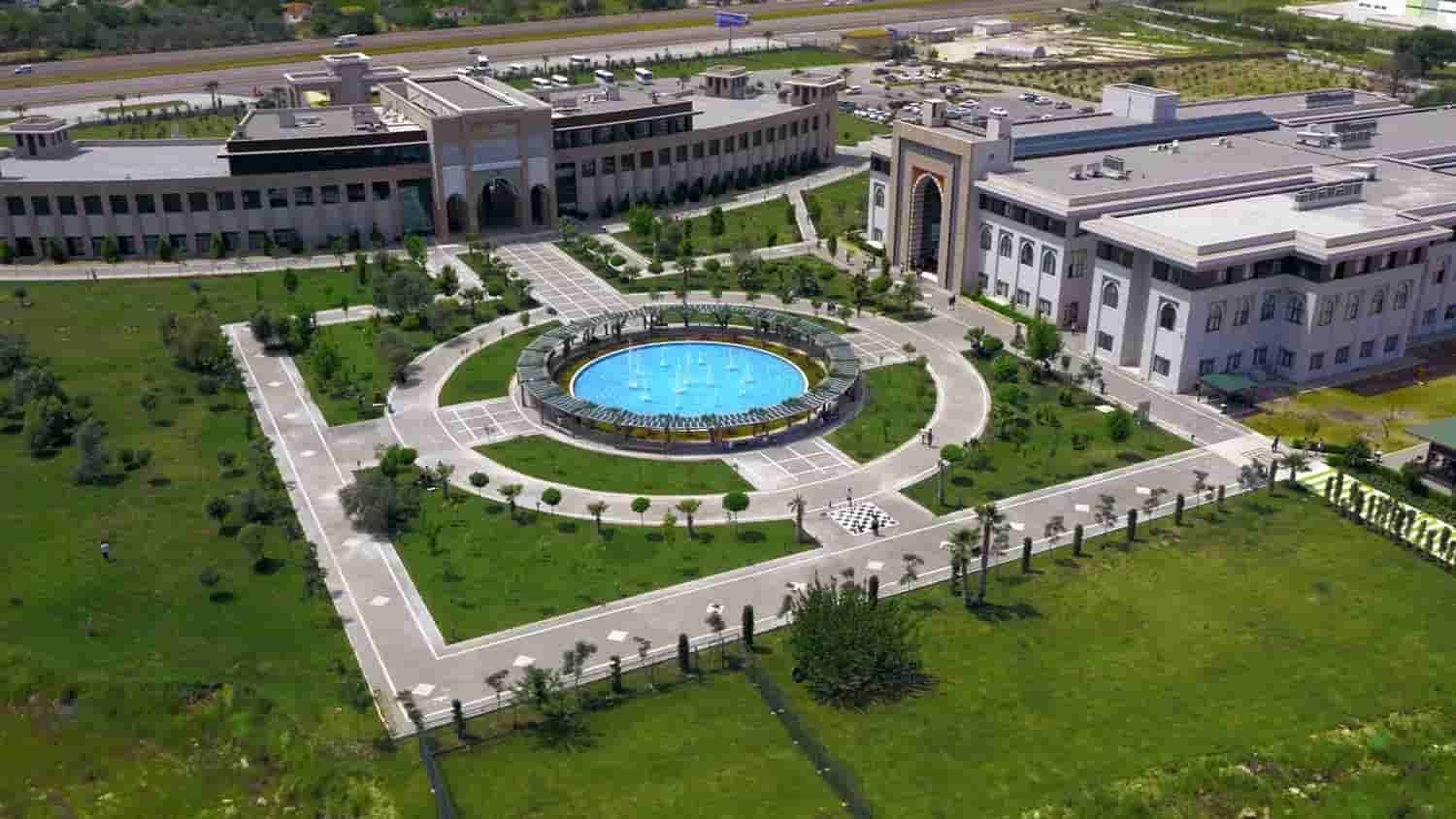 Dormitory
Antalya, Turkey
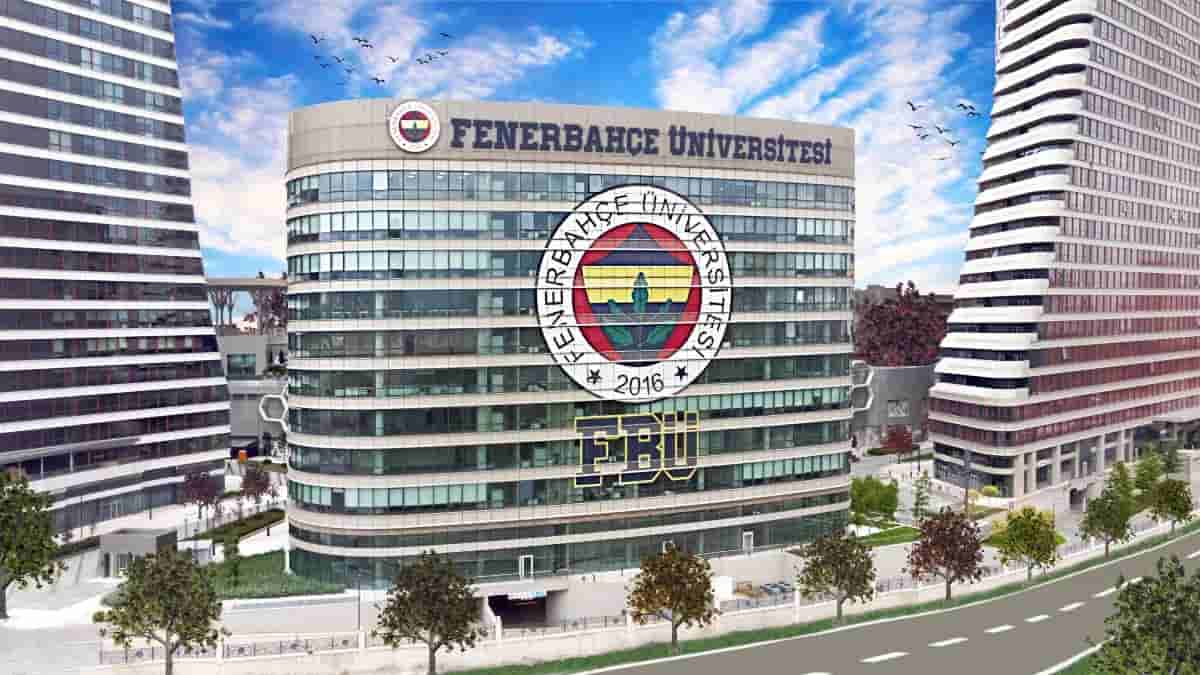 Dormitory
Istanbul, Turkey
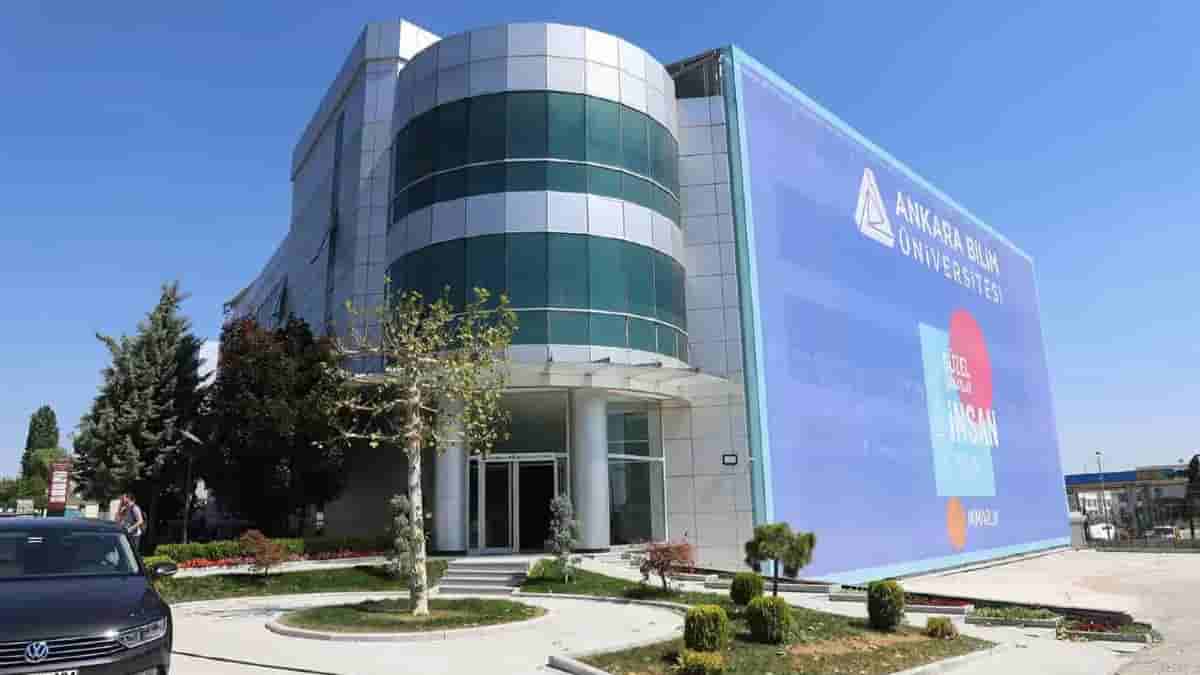 Dormitory
Ankara, Turkey
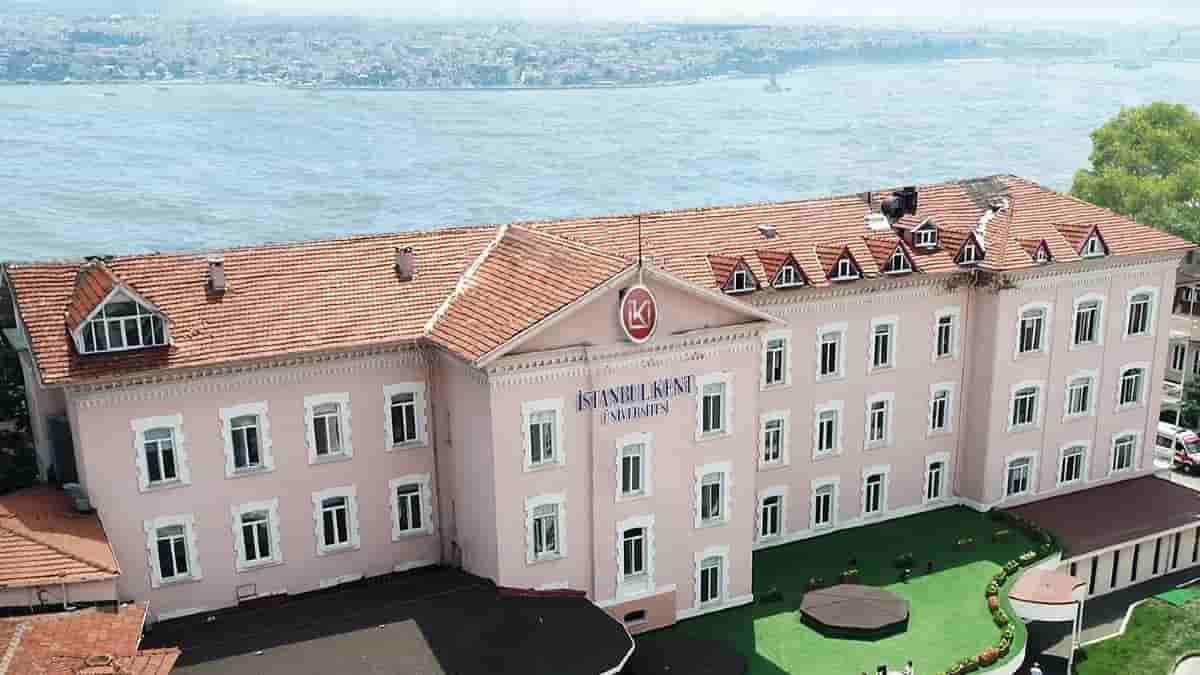 Dormitory
Istanbul, Turkey