

FAQs
Frequently Asked Questions and Answers
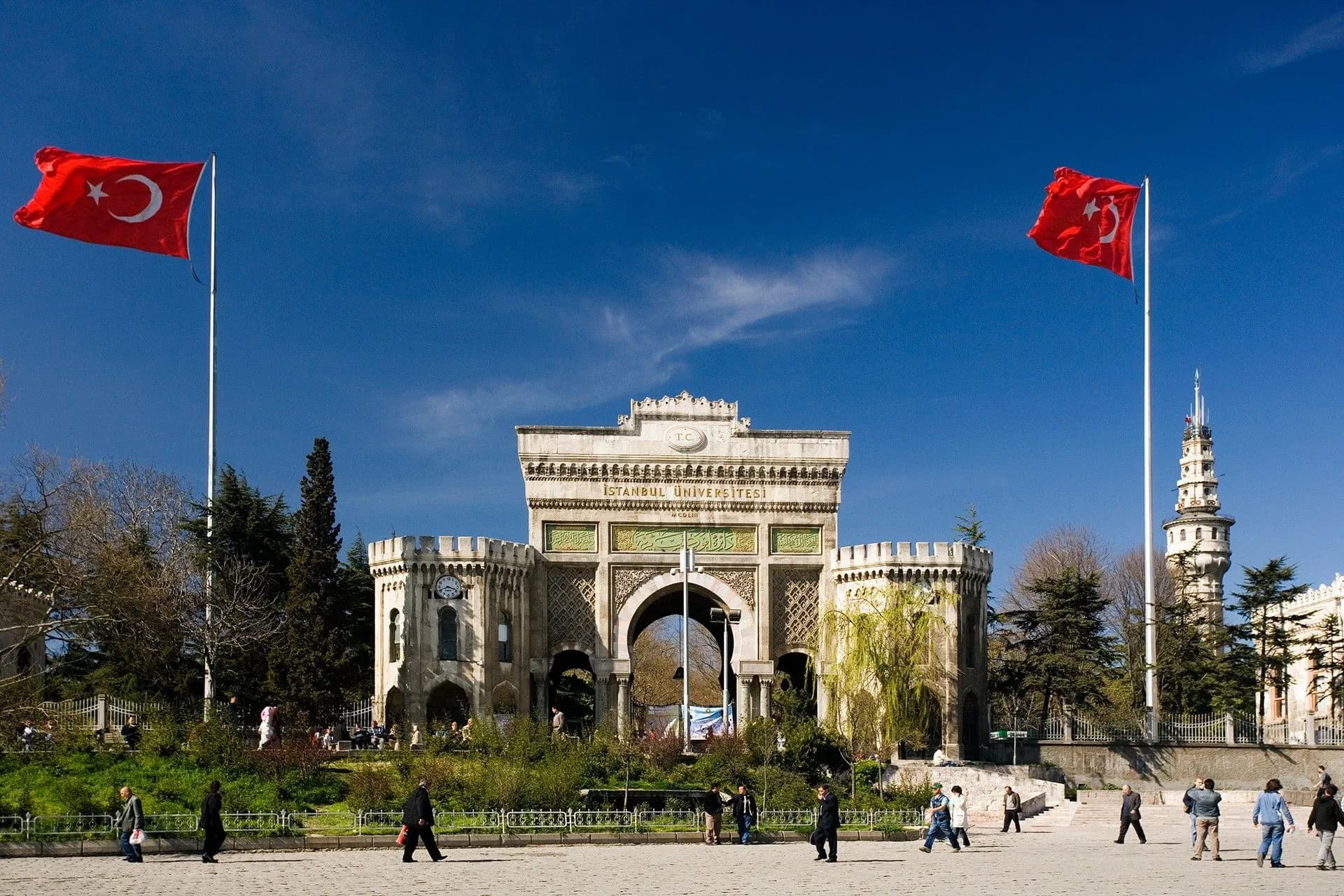
Over 300,000 international students are currently enrolled in Turkish higher education institutions, with private universities accounting for a growing share of English-medium programs. Despite this growth, academic information remains fragmented across different sources, making structured comparison difficult for applicants and consultants. Key differences in admission logic, program design, and institutional focus are often unclear without a consolidated overview. This guide focuses on practical academic structure and decision-relevant information for studying in Turkey.
Academic study in Turkey is organized under a standardized bachelor, master, and doctoral framework aligned with international credit systems. Universities generally operate with flexible curricula that allow students to engage with field-specific courses earlier than traditional rigid systems. This structure supports both theoretical learning and applied academic development depending on the program.
Fields such as engineering, business, health sciences, and social sciences often combine classroom learning with practical components. Institutions like integrating applied training elements into their academic structures. Program design varies by university, but most private institutions emphasize modular course progression and elective-based academic planning.

Students select Turkey for academic study due to the combination of structured education models and flexible program pathways. The system allows early specialization while maintaining internationally recognized academic frameworks. Another important factor is the diversity of academic institutions and program types within private universities.
Key reasons include:
Flexible program structures with early field specialization
Wide availability of English-medium academic programs
Balanced approach between theoretical and practical learning
Multiple university models ranging from research-focused to practice-oriented
Accessible academic entry process compared to highly centralized systems
Strong variation in program design across disciplines
These factors make Turkey a practical option for students who want adaptable academic planning without losing structural academic quality.
Universities in Turkey offer a wide academic spectrum, and each institution tends to develop its own academic focus based on faculty strength and industry orientation. Some universities are more research and theory-oriented, while others emphasize applied learning, professional training, or interdisciplinary education.
Bahçeşehir University
Yeditepe University
Istanbul Medipol University
Istinye University
Altınbaş University
Istanbul Aydın University
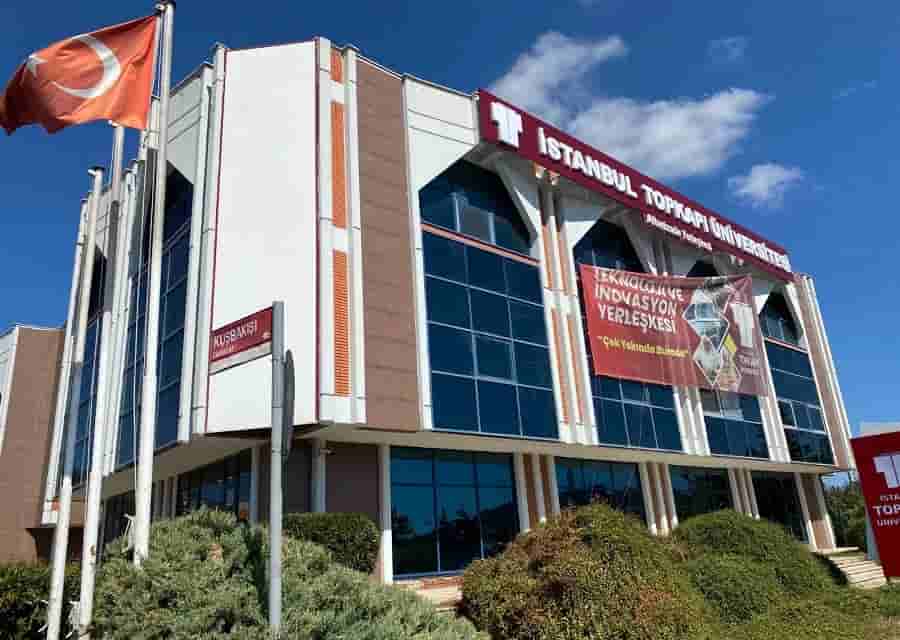
Istanbul Topkapı University
These universities collectively cover major academic fields such as business, engineering, health sciences, social sciences, and design. While all follow a structured higher education system, each institution differs in teaching approach, program intensity, and practical application level.
Admission to private universities in Turkey generally requires completion of previous academic education relevant to the target degree level.
Language requirements vary depending on the program structure. Some programs are delivered in English, while others follow Turkish-medium instruction. Universities offer a wide range of English-taught programs across different faculties, while also providing academic preparation support when needed.
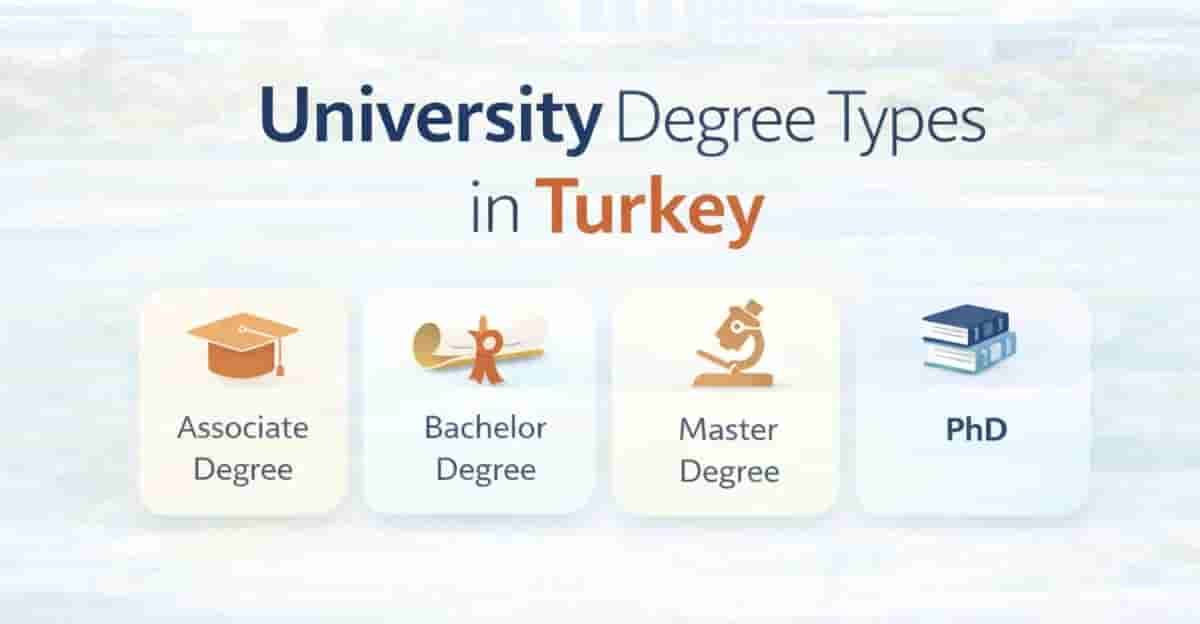
Study Level | High School Diploma | Graduation Certificate | Bachelor’s Diploma | Bachelor’s Transcript | Master’s Diploma | Master’s Transcript | Passport | Photo |
|---|---|---|---|---|---|---|---|---|
Associate | ✓ | ✓ | – | – | – | – | ✓ | ✓ |
Bachelor’s | ✓ | ✓ | – | – | – | – | ✓ | ✓ |
Master’s | – | ✓ | ✓ | ✓ | – | – | ✓ | ✓ |
PhD | – | ✓ | ✓ | ✓ | ✓ | ✓ | ✓ | ✓ |
StudyLeo functions as a centralized application platform for students applying to private universities in Turkey. Instead of submitting applications separately to each institution, students can manage program selection, application submission, and admission tracking through a single system.
The platform provides structured support including free registration, free transfer assistance, and coordinated application handling through direct university partnerships. This reduces administrative fragmentation and allows students to compare academic options more efficiently.
The process typically begins with program selection, followed by document submission and application processing through the platform. Once applications are evaluated, students proceed with enrollment coordination within the same system, ensuring a continuous academic planning structure.
Academic study in Turkey is defined by structured programs combined with flexible academic pathways across diverse private universities. The system allows students to align academic choices with career goals while maintaining internationally compatible education standards. The most effective decisions come from evaluating programs at the structural level rather than relying on general institutional reputation. Careful planning and clear program comparison remain the key factors in achieving long-term academic direction.
Frequently Asked Questions and Answers
Look out blogs and aware of the latest trends and updates
Explore top universities offering quality education, modern facilities, and diverse academic opportunities for students worldwide






 Dormitory
Ankara, Turkey
 Dormitory
Istanbul, Turkey
 Dormitory
Istanbul, Turkey
 Dormitory
Istanbul, Turkey
 Dormitory
Istanbul, Turkey
 Dormitory
Istanbul, Turkey
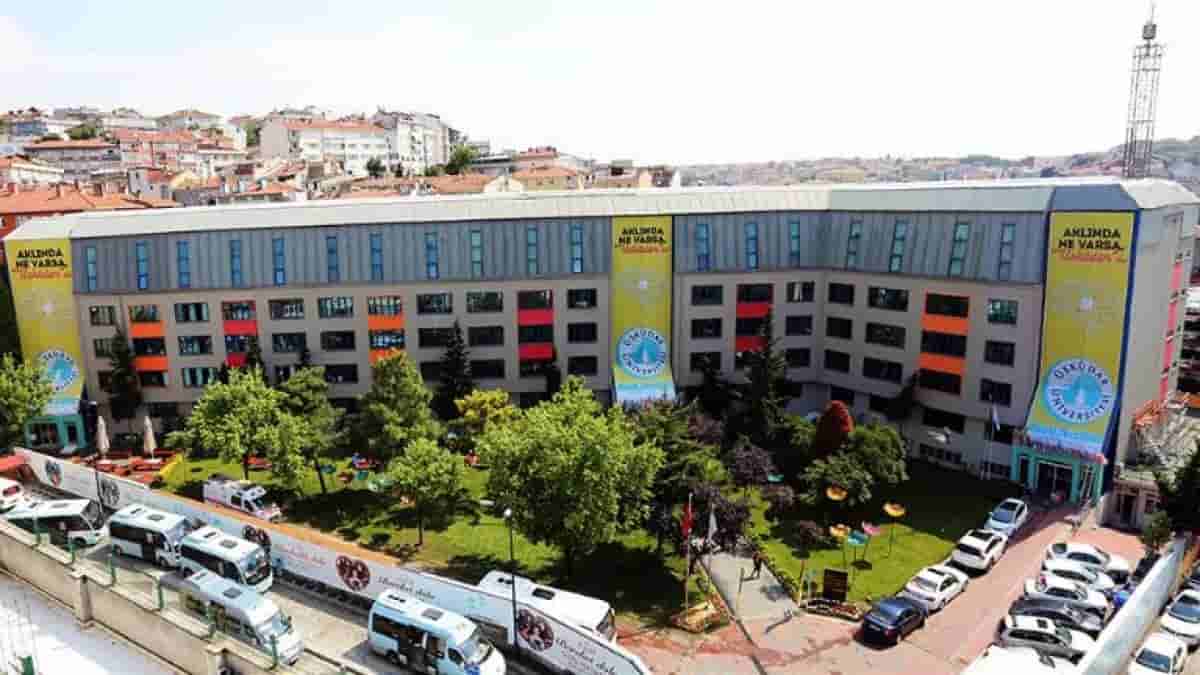 Dormitory
Istanbul, Turkey
 Dormitory
Istanbul, Turkey
 Dormitory
Istanbul, Turkey
 Dormitory
Istanbul, Turkey
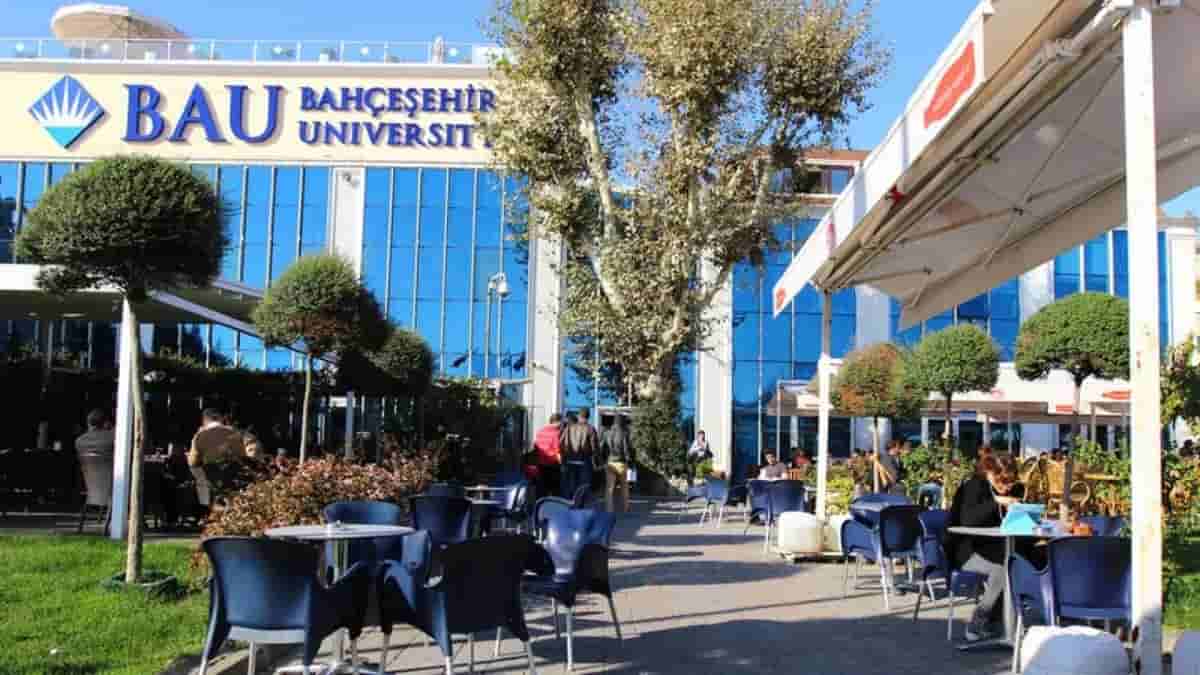 Dormitory
Istanbul, Turkey
 Dormitory
Istanbul, Turkey
 Dormitory
Istanbul, Turkey
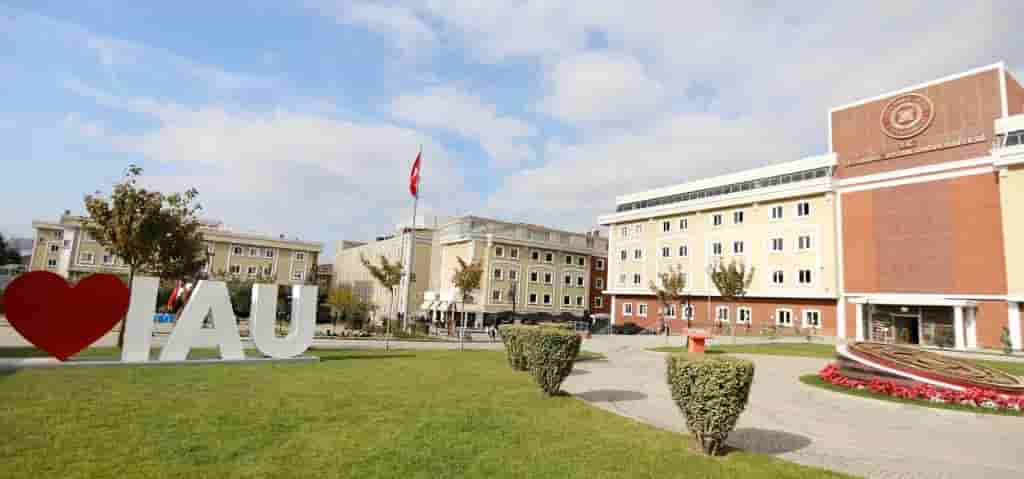 Dormitory
Istanbul, Turkey
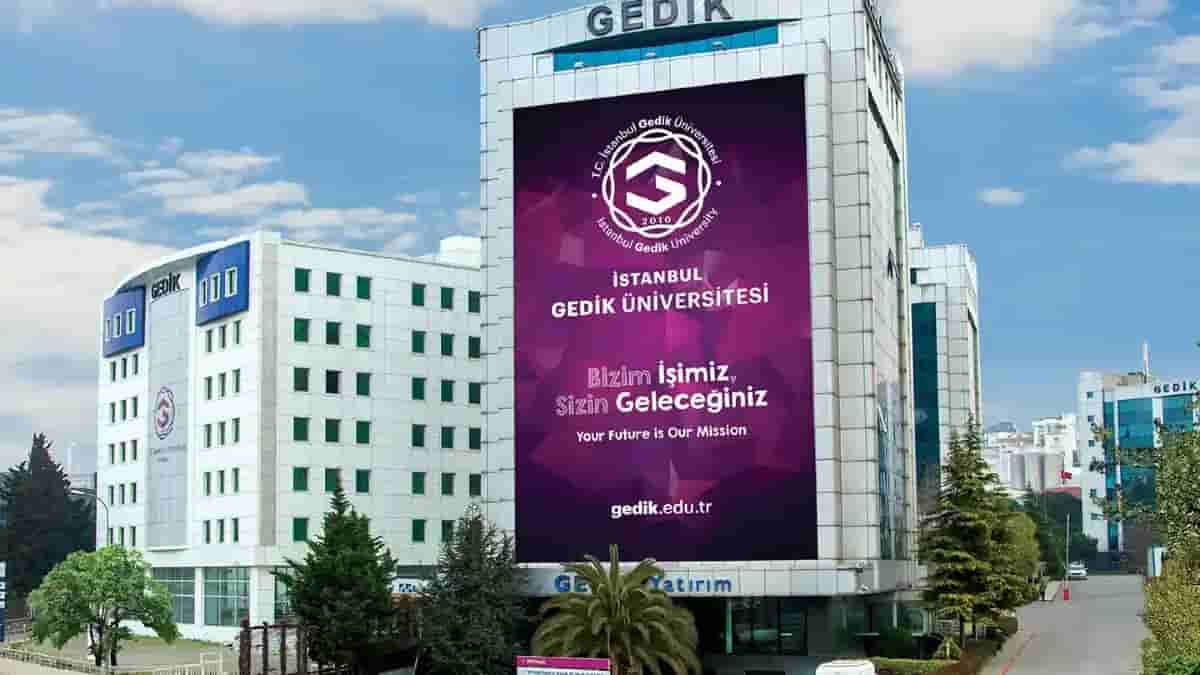 Dormitory
Istanbul, Turkey
 Dormitory
Istanbul, Turkey
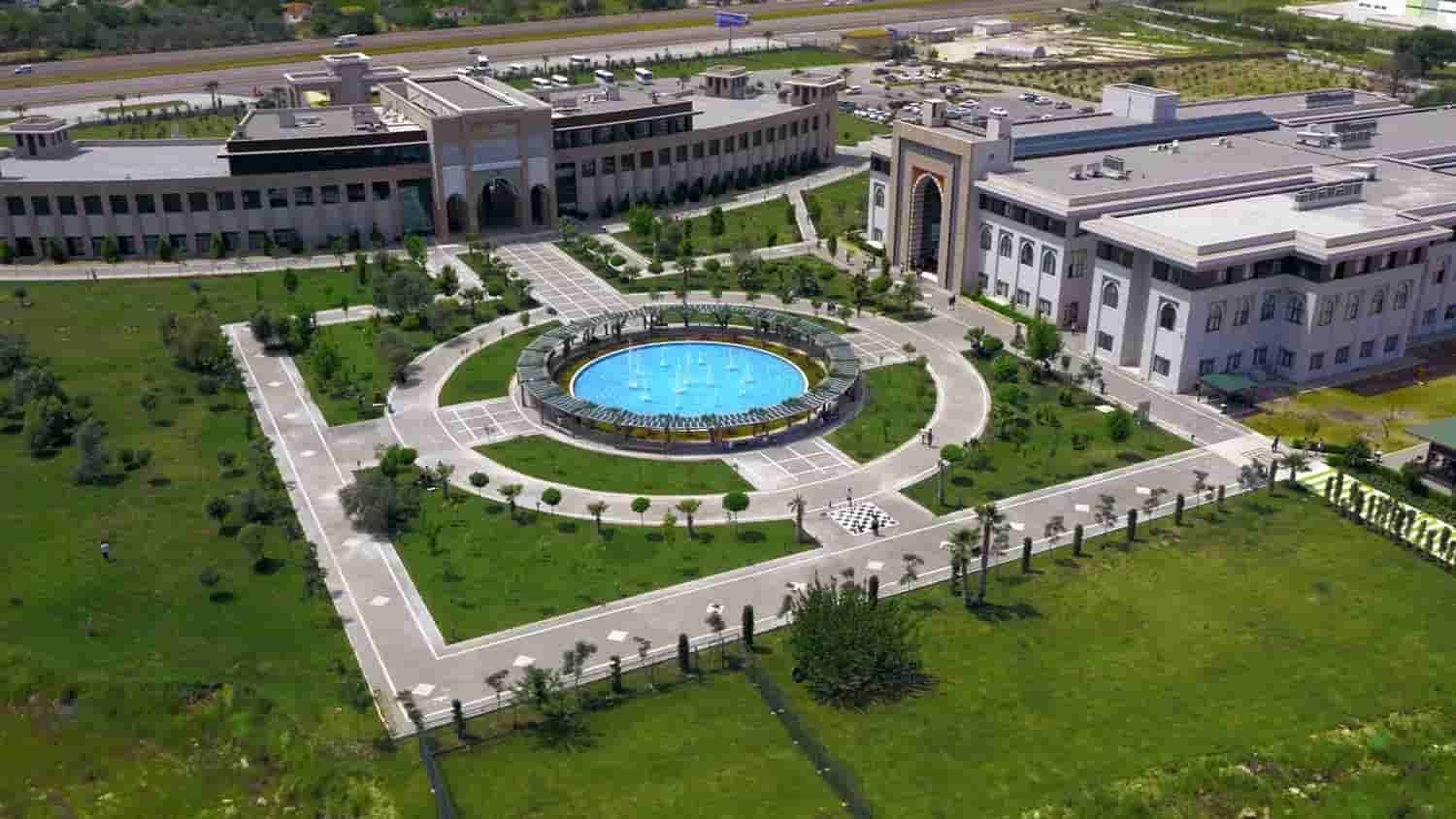 Dormitory
Antalya, Turkey
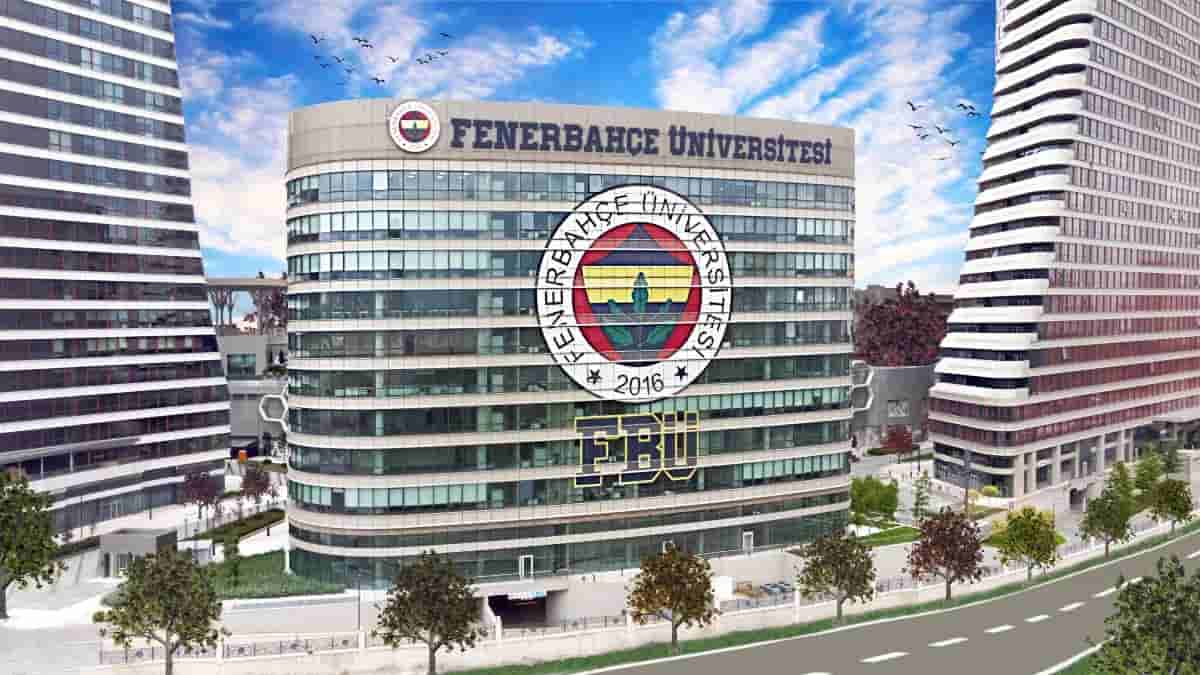 Dormitory
Istanbul, Turkey
 Dormitory
Ankara, Turkey
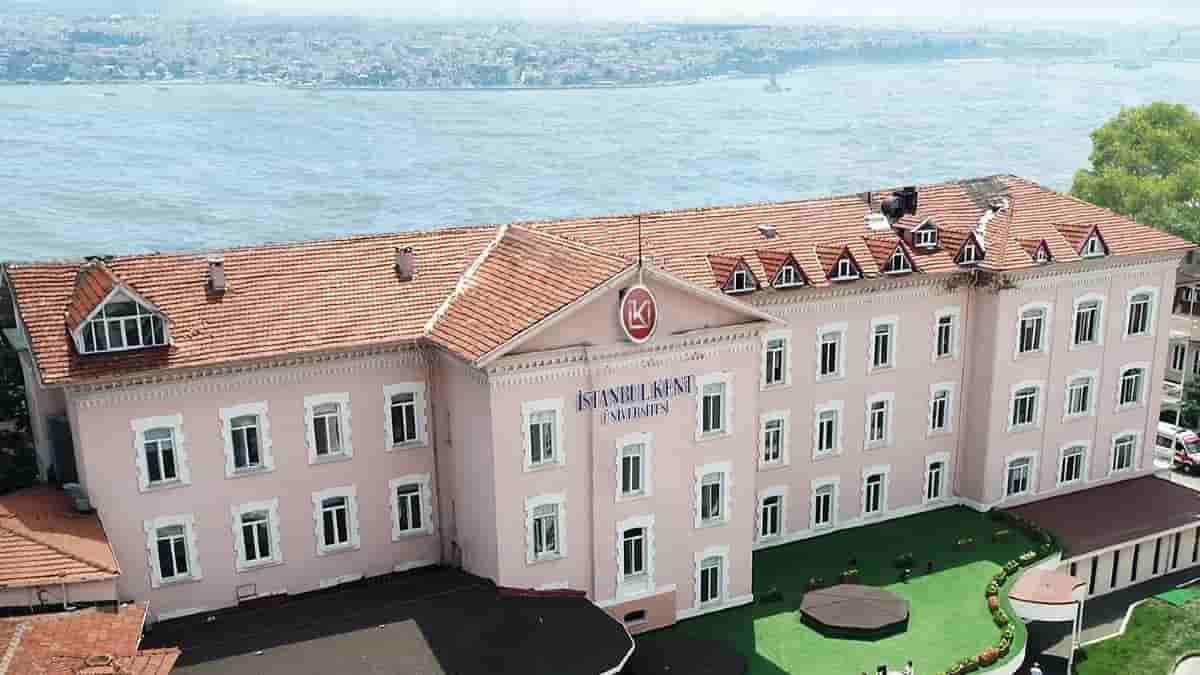 Dormitory
Istanbul, Turkey