


FAQs
Frequently Asked Questions and Answers

Mathematics degrees are often evaluated only by reputation, yet the real difference lies in curriculum depth, teaching approach, and academic environment. Many students struggle to compare programs in Turkey because information is scattered and overly generic. Without a clear structure, it becomes difficult to understand which universities actually support analytical and research-focused development. This guide focuses on how mathematics education in Turkey works in practice and how to choose the right option.
Strong focus on theoretical foundations with options to move into applied fields
Private universities offer more flexible, interdisciplinary study paths
Clear admission structure with predictable documentation
Wide career flexibility across data, finance, tech, and research
Program comparison tools reduce time spent on manual research
Mathematics programs in Turkey follow a structured four-year system with a clear progression from fundamentals to specialization. The first two years are theory-heavy, while later stages allow more flexibility.
Typical academic path:
Year 1–2: Calculus, linear algebra, discrete mathematics, probability
Year 3: Real analysis, abstract algebra, differential equations
Year 4: Electives such as statistics, optimization, cryptography, modeling
Some universities integrate applied components through collaborations with engineering or business faculties. This is important if you are aiming for data-driven or industry roles rather than pure academia.

Private universities differ more in teaching style than in course titles. The key difference is how they balance theory and application, and how accessible faculty support is.
Examples of relevant universities:
Bilkent University: Strong academic rigor, research-oriented environment
Özyeğin University: Focus on applied mathematics and interdisciplinary learning
Yeditepe University: Balanced curriculum with English instruction options
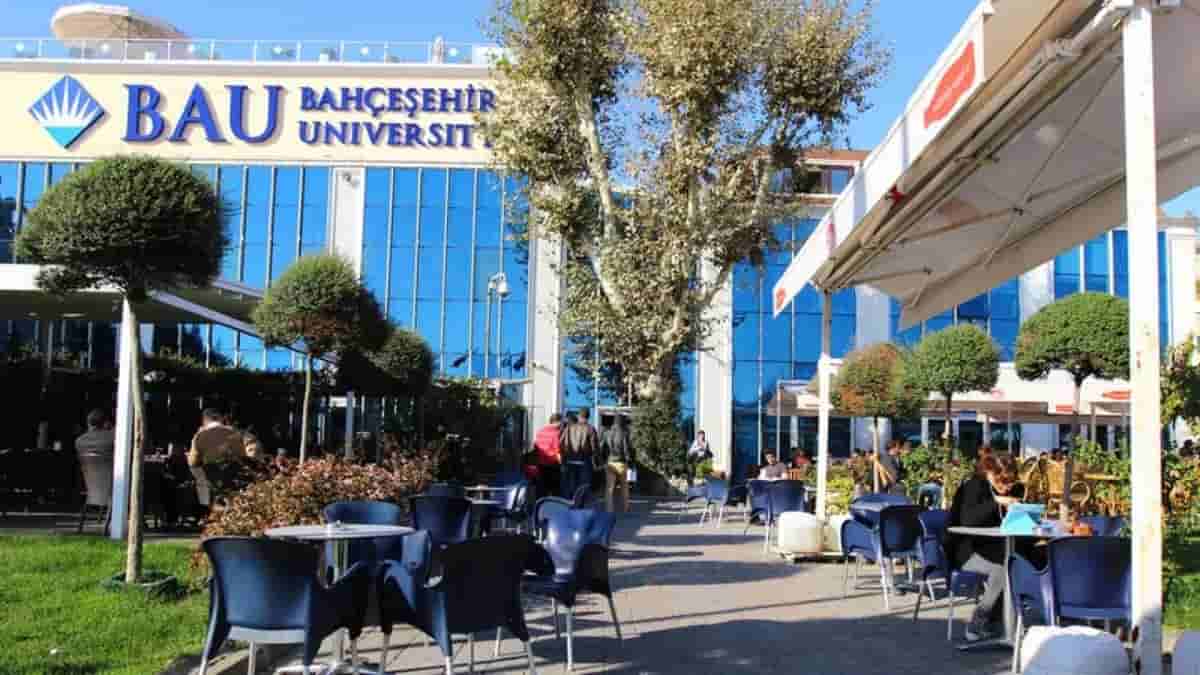
Bahçeşehir University: International environment with flexible electives
TOBB University of Economics and Technology: Integration with economics and industry
MEF University: Modern teaching methods, project-based approach
Instead of focusing only on names, students should look at:
Faculty background and research areas
Availability of applied courses
Class size and academic support
Admission is generally straightforward for students with a solid academic background in mathematics. Competitive universities expect stronger transcripts, but the structure remains consistent.
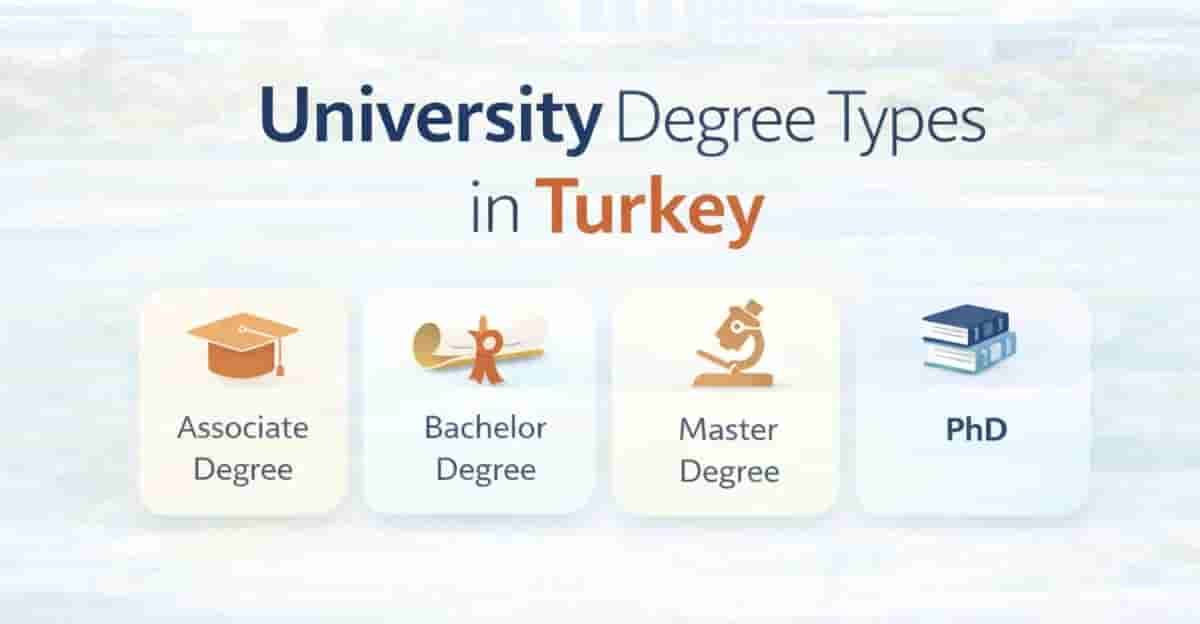
For bachelor’s degree:
High school diploma or graduation certificate
Transcript
Passport copy
Photo
For master’s degree:
Bachelor’s diploma and transcript
Graduation certificate
Passport copy
Photo
For PhD degree:
Bachelor’s diploma and transcript
Master’s diploma and transcript
Graduation certificate
Passport copy
Photo
Preparing documents early helps avoid delays and ensures smoother evaluation.
Mathematics programs in Turkey differ mainly in specialization paths rather than core structure. While all students study the same foundational subjects, the real difference appears in the final years through elective focus and academic direction.
Common branches within mathematics programs include:
Pure Mathematics (theory, proofs, abstract structures)
Applied Mathematics (modeling, optimization, real-world problem solving)
Statistics and Probability
Computational Mathematics and Data-focused tracks
Students should choose a program based on which direction they plan to follow after graduation. A theory-heavy program is more suitable for academic or research careers, while applied or computational tracks align better with industry roles.
To simplify selection, students can use the Program Filter available on the platform. This tool helps narrow options based on academic interests and study plans instead of reviewing each university separately.
A mathematics degree does not limit students to a single career path, but it requires a clear direction over time. Students who actively choose electives and build complementary skills tend to move into stronger positions after graduation. The field supports transitions into data-focused roles, finance, software development, and academic research depending on how the program is used.
This path is best suited for students who are comfortable with abstract thinking and can handle theory before seeing practical results. Those expecting immediate hands-on application without a strong theoretical base may find the program challenging. The long-term value of mathematics depends on patience, consistency, and the ability to connect theory with real-world problems.

StudyLeo simplifies the university selection and application process by bringing everything into one structured system. Instead of managing separate applications, students can review programs, compare options, and complete their application within a single platform.
The platform works directly with partner universities, which improves coordination and reduces unnecessary delays. Students also benefit from free registration, transfer support, and visa assistance. This approach allows applicants to focus on choosing the right academic path while the platform manages the technical side of the process.
Mathematics education in Turkey offers a solid academic foundation with flexible specialization options, but outcomes depend on how students approach their studies. Careful program selection and realistic expectations are key to long-term success. A structured decision, based on curriculum and personal goals, leads to more stable and valuable results over time.
Frequently Asked Questions and Answers
Look out blogs and aware of the latest trends and updates
Explore top universities offering quality education, modern facilities, and diverse academic opportunities for students worldwide





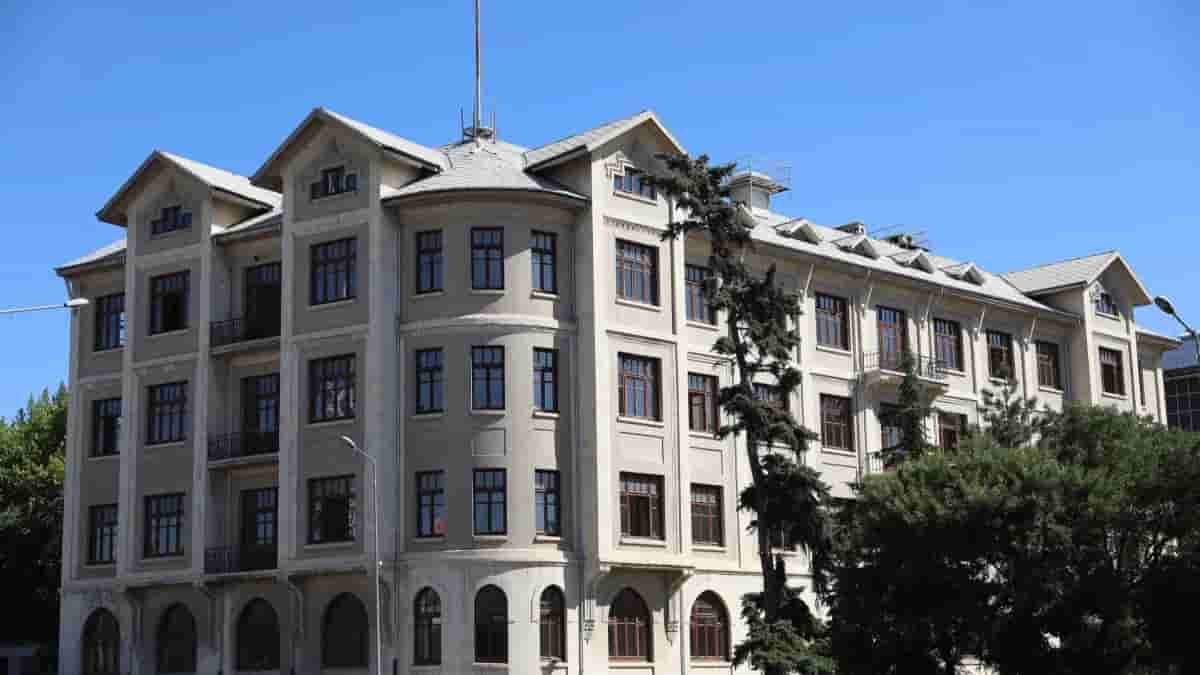 Dormitory
Ankara, Turkey
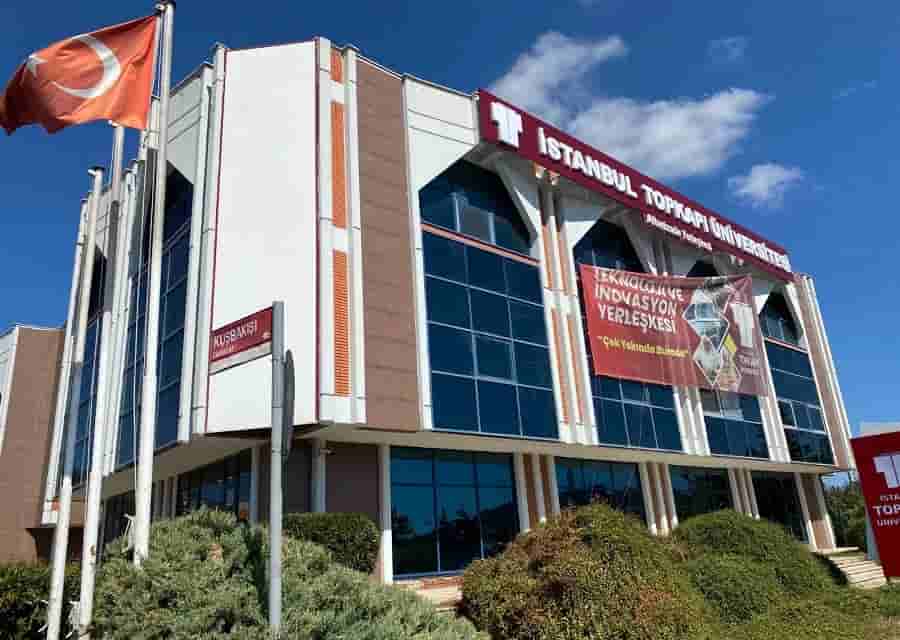 Dormitory
Istanbul, Turkey
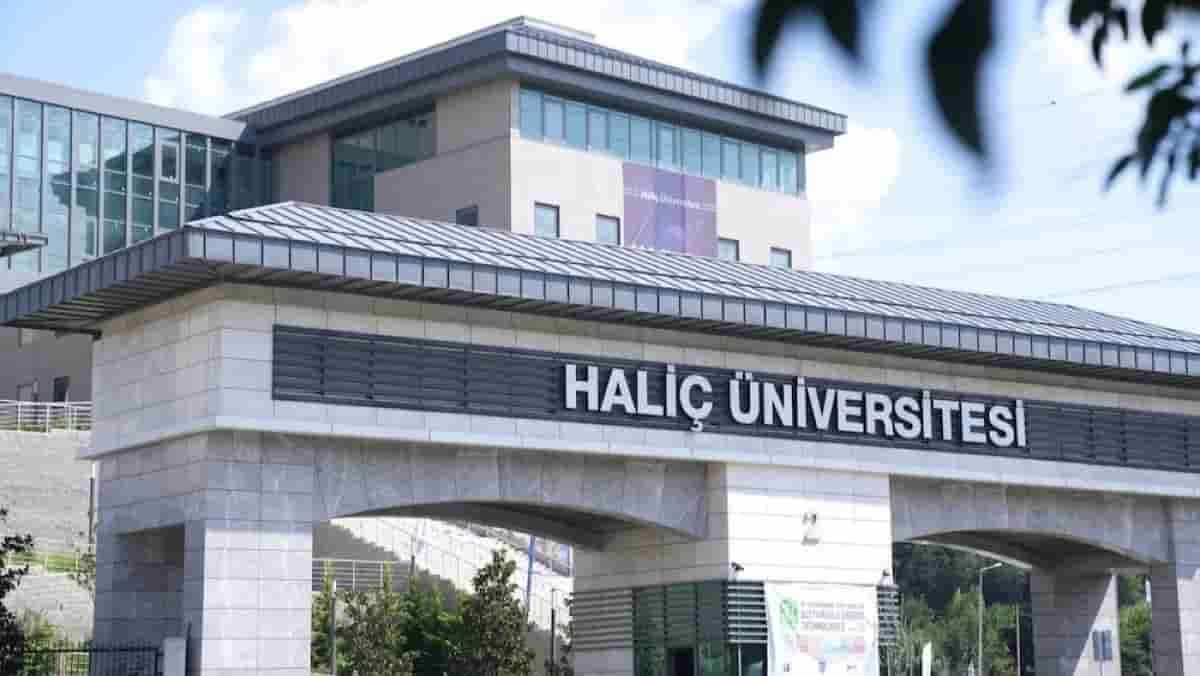 Dormitory
Istanbul, Turkey
 Dormitory
Istanbul, Turkey
 Dormitory
Istanbul, Turkey
 Dormitory
Istanbul, Turkey
 Dormitory
Istanbul, Turkey
 Dormitory
Istanbul, Turkey
 Dormitory
Istanbul, Turkey
 Dormitory
Istanbul, Turkey
 Dormitory
Istanbul, Turkey
 Dormitory
Istanbul, Turkey
 Dormitory
Istanbul, Turkey
 Dormitory
Istanbul, Turkey
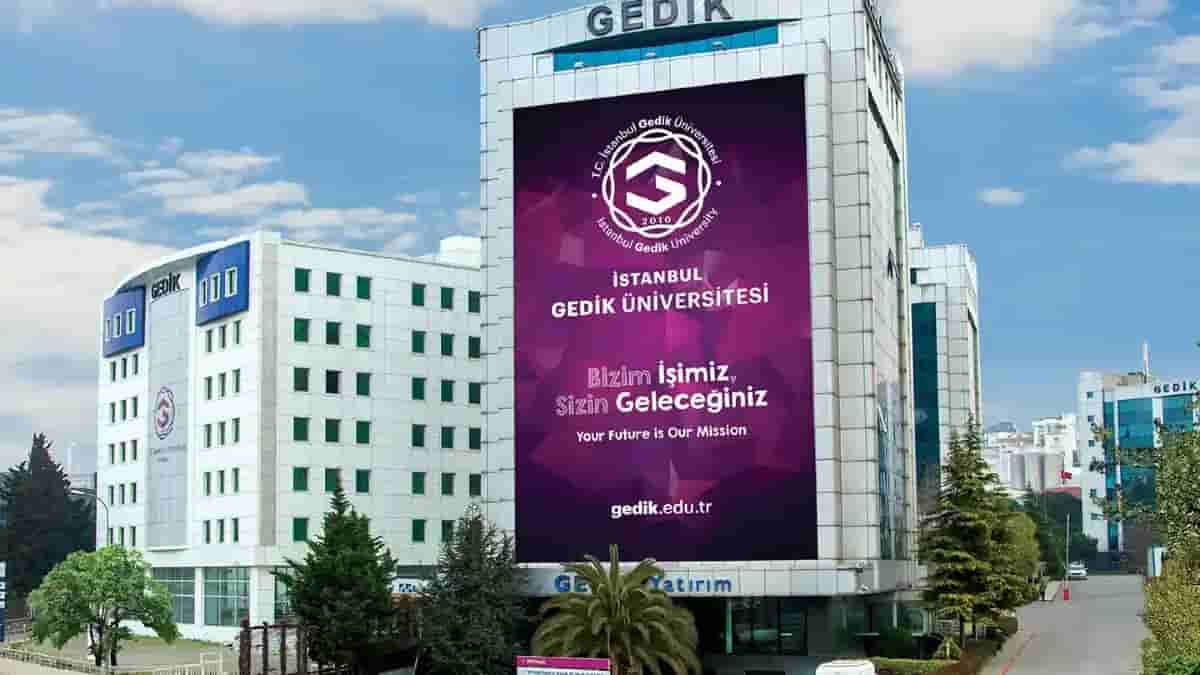 Dormitory
Istanbul, Turkey
 Dormitory
Istanbul, Turkey
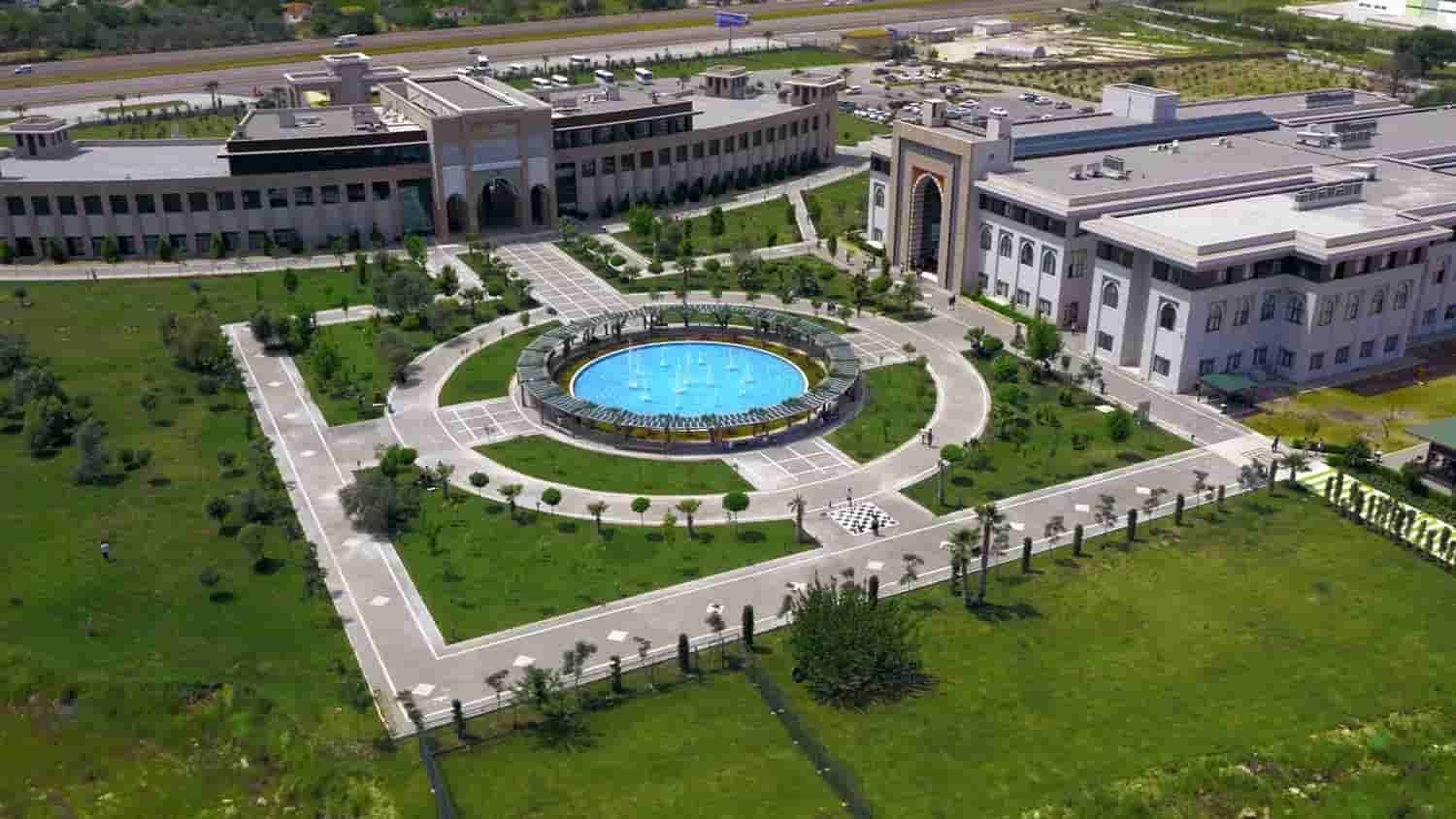 Dormitory
Antalya, Turkey
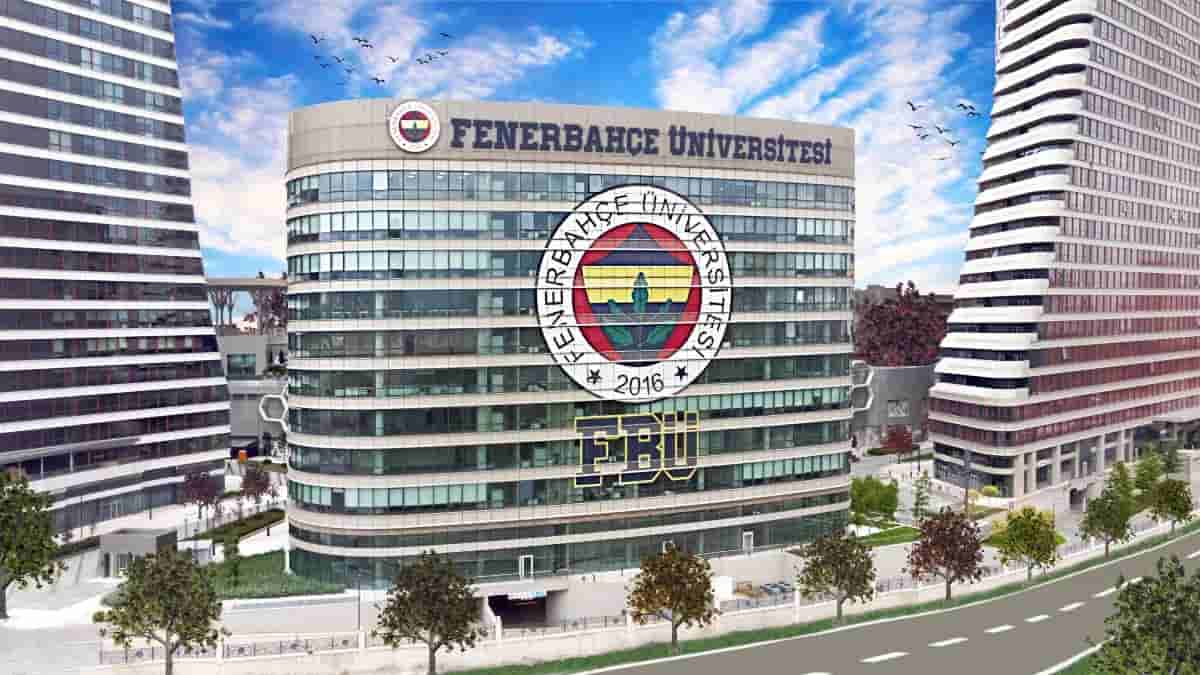 Dormitory
Istanbul, Turkey
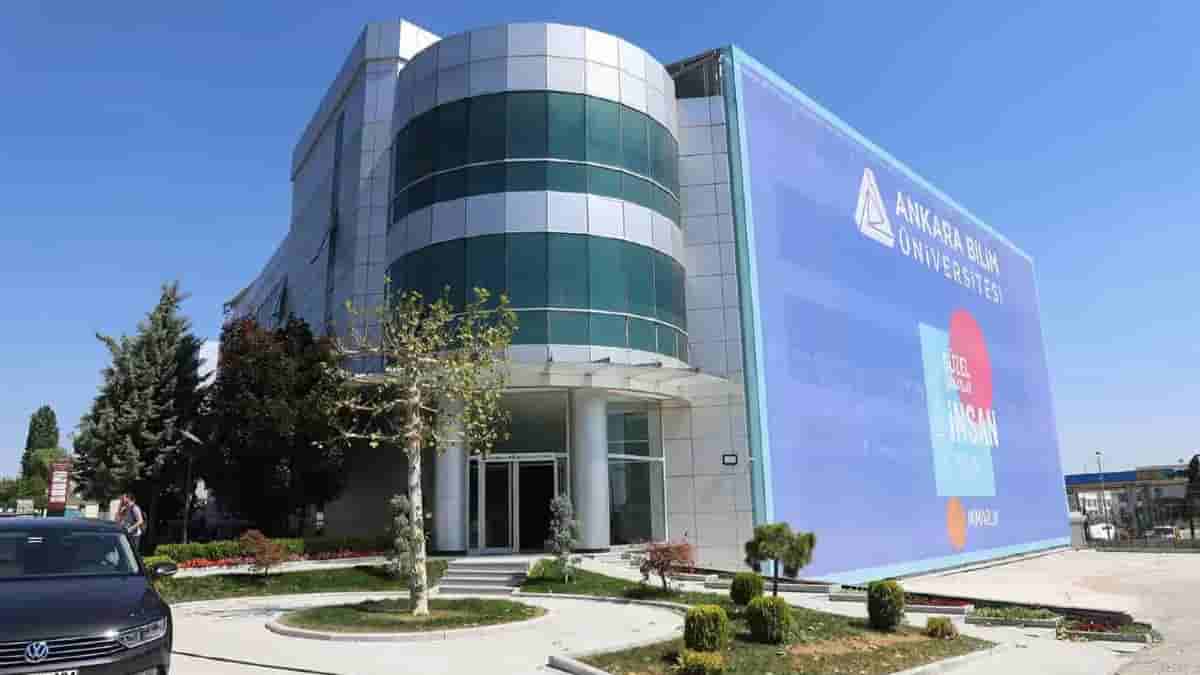 Dormitory
Ankara, Turkey
 Dormitory
Istanbul, Turkey