FAQs
Frequently Asked Questions and Answers
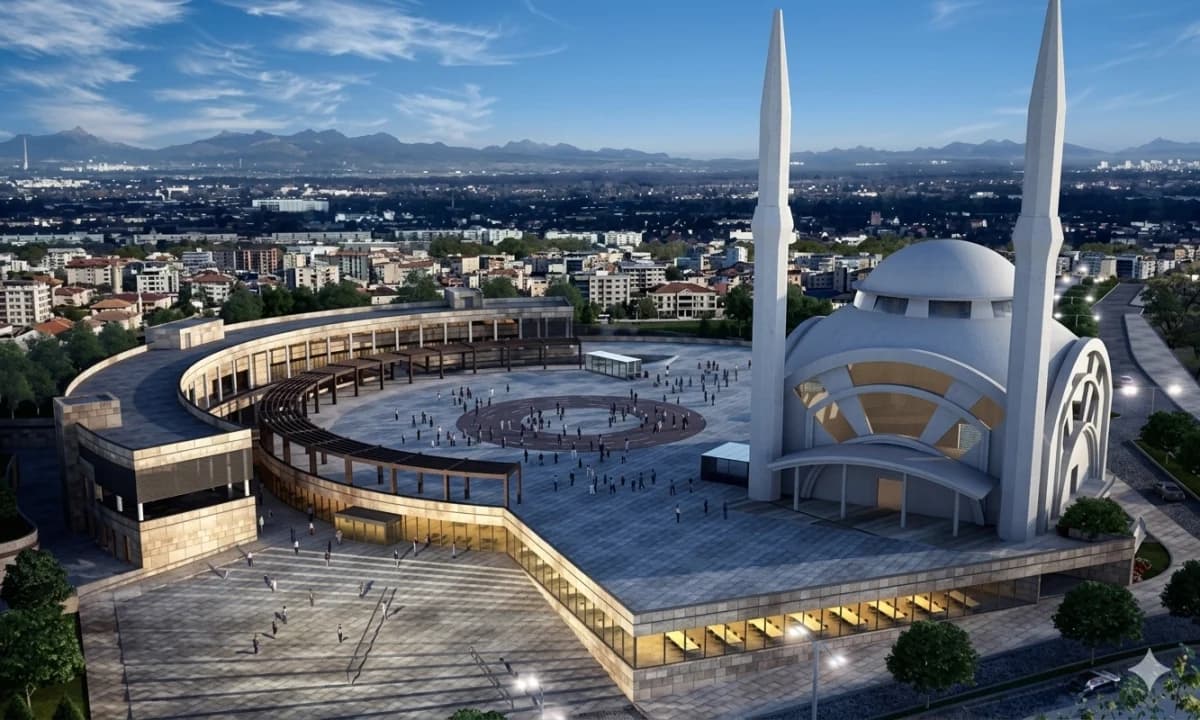
Students interested in Islamic studies often look for universities that combine traditional theological education with modern academic structure. Turkey has a long history of religious scholarship, and Islamic education is primarily offered through theology faculties within state universities.
Unlike some countries where standalone Islamic universities are common, in Turkey most Islamic education programs operate under public universities through faculties of theology known as Ilahiyat Faculties. These faculties integrate classical Islamic sciences with contemporary academic research.

• Islamic education in Turkey is mainly offered through theology faculties
• Most programs operate within government universities
• Curricula combine classical Islamic sciences and modern research
• Programs follow national higher education standards
Islamic education in Turkey is typically offered under Faculties of Theology. These programs include:
• Quranic studies
• Hadith studies
• Fiqh and Islamic law
• Tafsir
• Kalam and Islamic theology
• Islamic philosophy
• History of Islamic civilization
Programs are academically structured and supervised under national higher education regulations.
• Ibn Haldun University
• 29 Mayıs University
• Bezmialem Vakıf University
• 100+ theology faculties operate within public universities
• 4 years standard undergraduate theology duration
• Master’s and PhD programs available in Islamic sciences
• Thousands of students enrolled annually in theology programs
• Academic research published in national and international journals
These figures show that Islamic education in Turkey is integrated into the broader national university system. This section can be used for analytical or statistical charts.

Islamic faculties in Turkey combine:
• Traditional religious scholarship
• Academic research methodology
• Comparative religious studies
• Modern humanities integration
This approach aims to balance classical knowledge with contemporary academic standards.
• Strong historical religious scholarship tradition
• Structured national academic system
• Public university framework
• Postgraduate research opportunities
• Integration with modern academic disciplines
Turkey offers a formal and academically regulated model of Islamic higher education.

Choosing a theology faculty requires evaluating curriculum structure, academic staff, and postgraduate opportunities. Admission procedures may vary depending on the student’s academic background.
StudyLeo provides structured guidance to help students understand theology programs, compare universities, and manage application requirements efficiently.

Islamic universities in Turkey primarily function as theology faculties within public universities. With structured programs, historical scholarship traditions, and nationally regulated academic systems, Turkey provides a formal pathway for students interested in Islamic studies. Careful planning and academic evaluation remain essential before enrollment.
Frequently Asked Questions and Answers
Look out blogs and aware of the latest trends and updates
Explore top universities offering quality education, modern facilities, and diverse academic opportunities for students worldwide





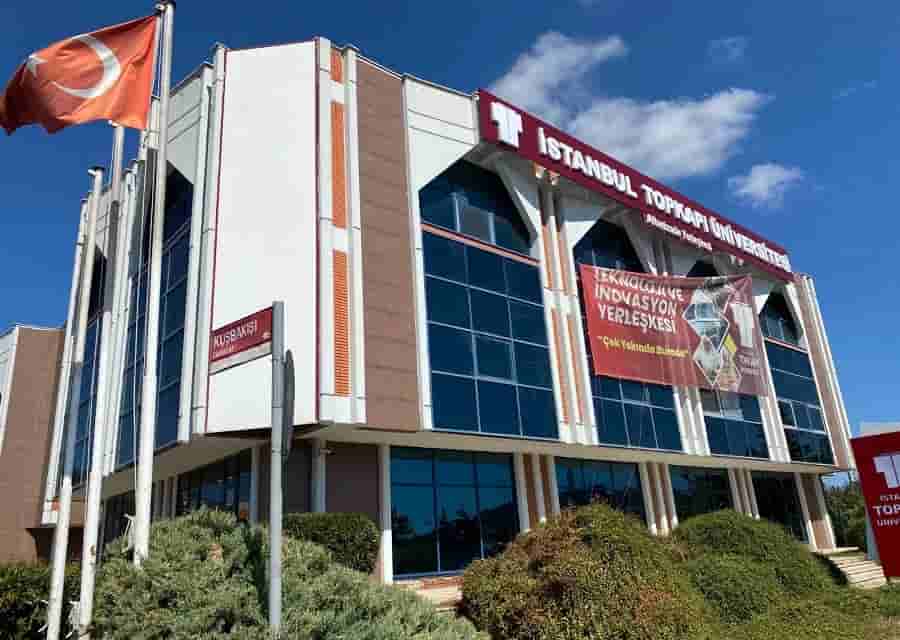
 Dormitory
Ankara, Turkey
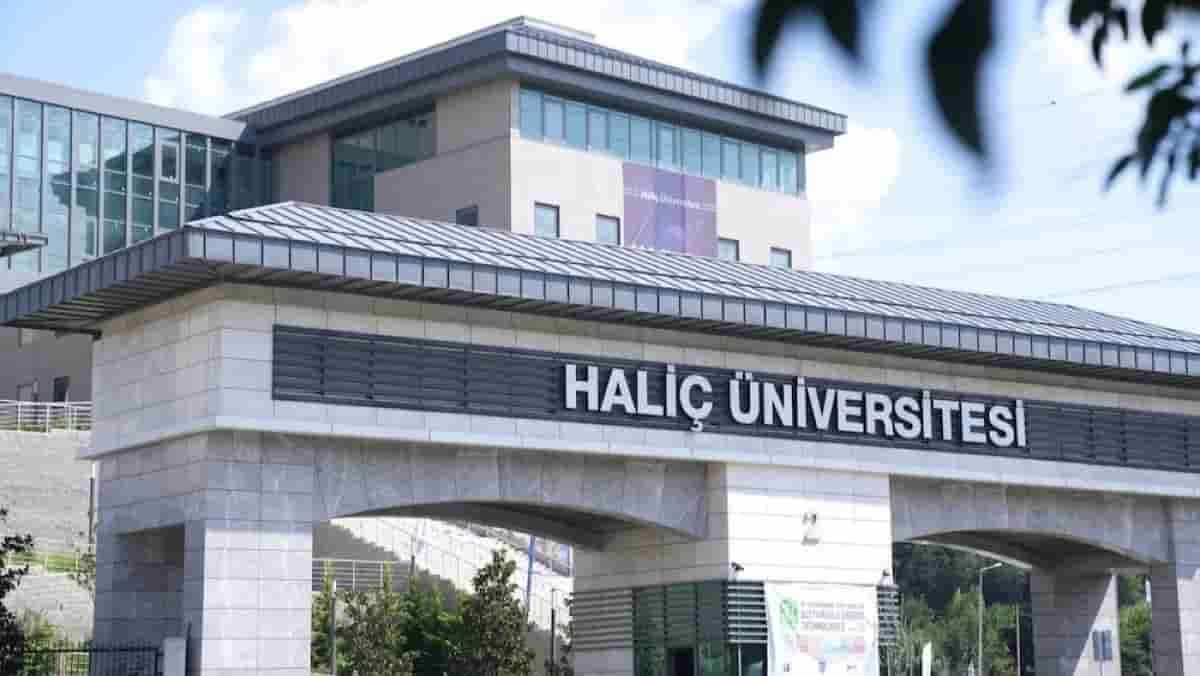
 Dormitory
Istanbul, Turkey
 Dormitory
Istanbul, Turkey
 Dormitory
Istanbul, Turkey
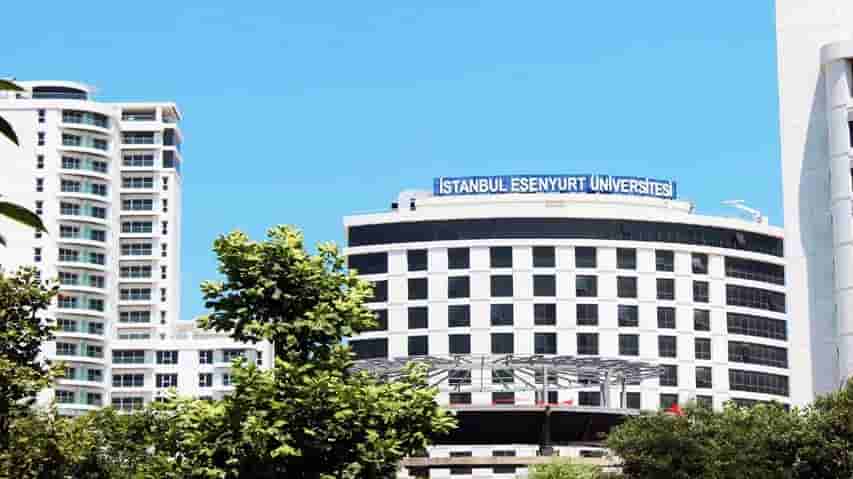 Dormitory
Istanbul, Turkey
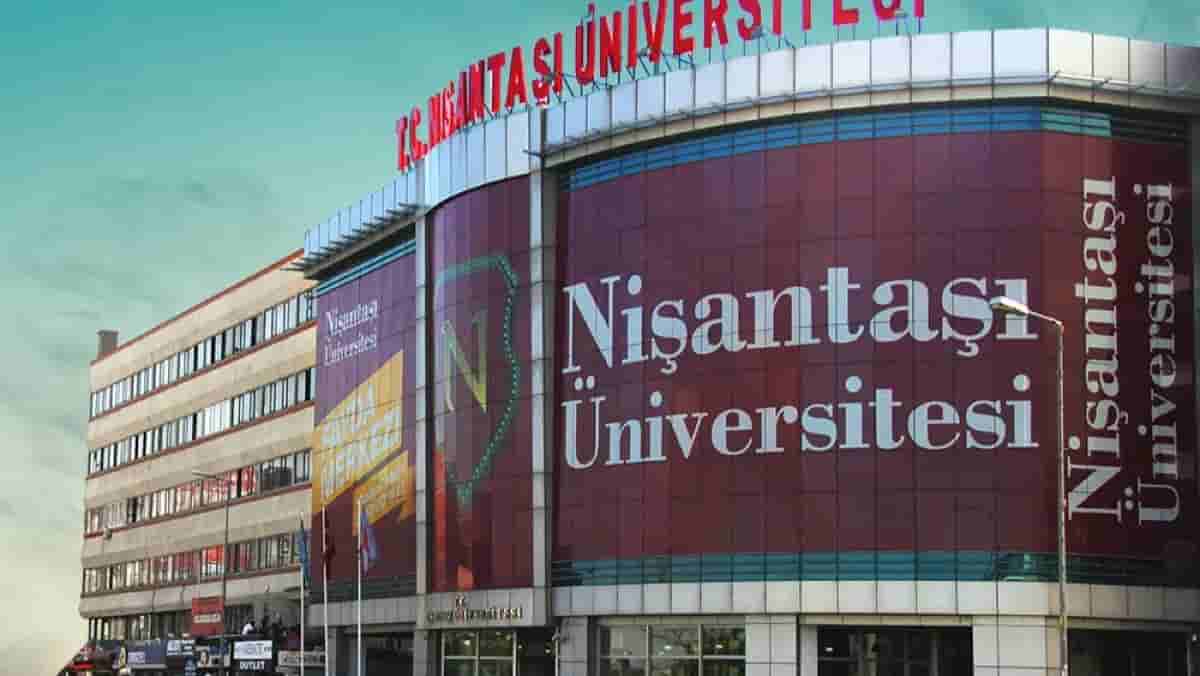 Dormitory
Istanbul, Turkey
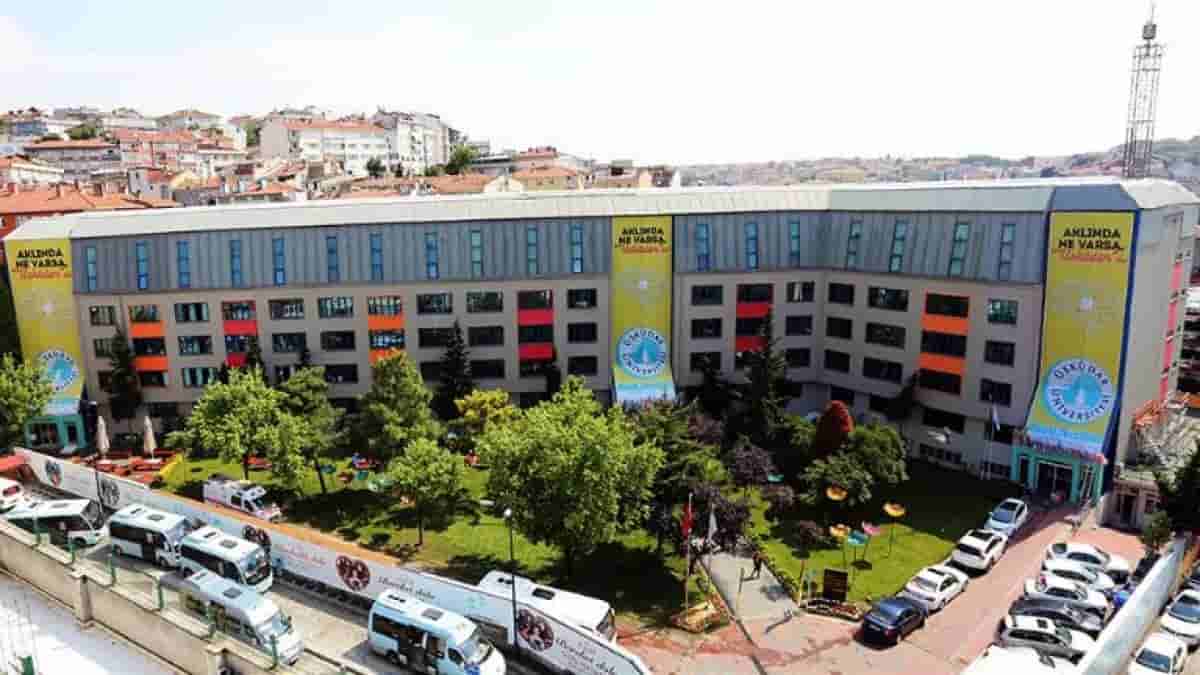 Dormitory
Istanbul, Turkey
 Dormitory
Istanbul, Turkey
 Dormitory
Istanbul, Turkey
 Dormitory
Istanbul, Turkey
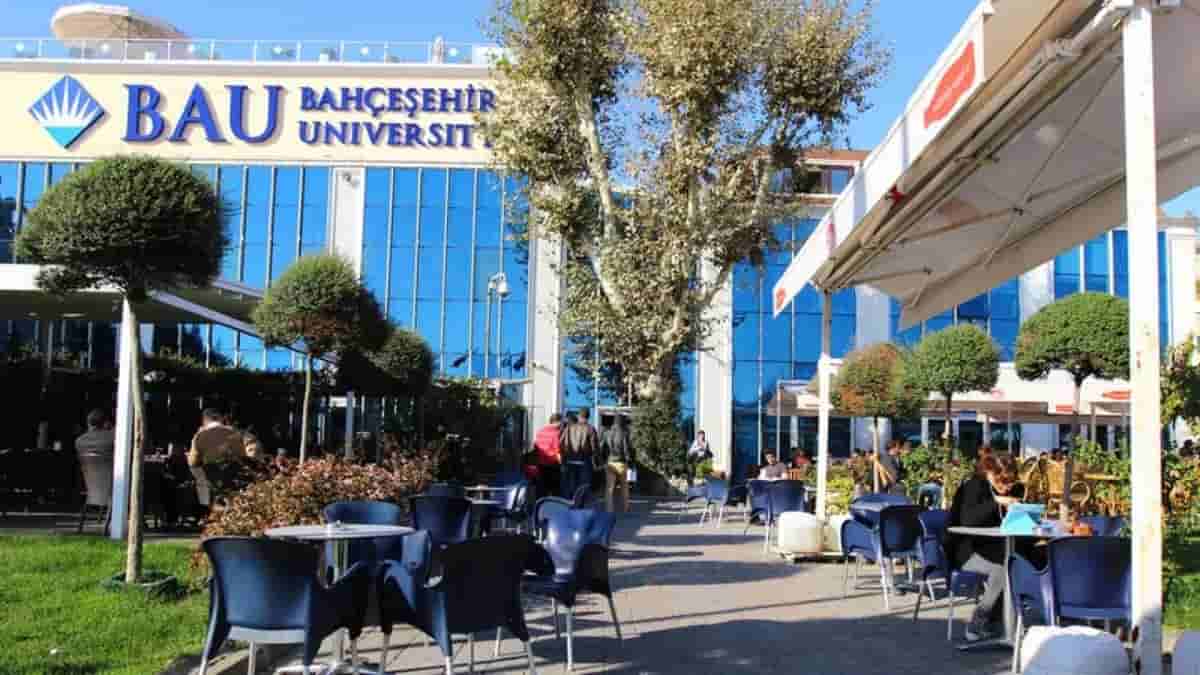 Dormitory
Istanbul, Turkey
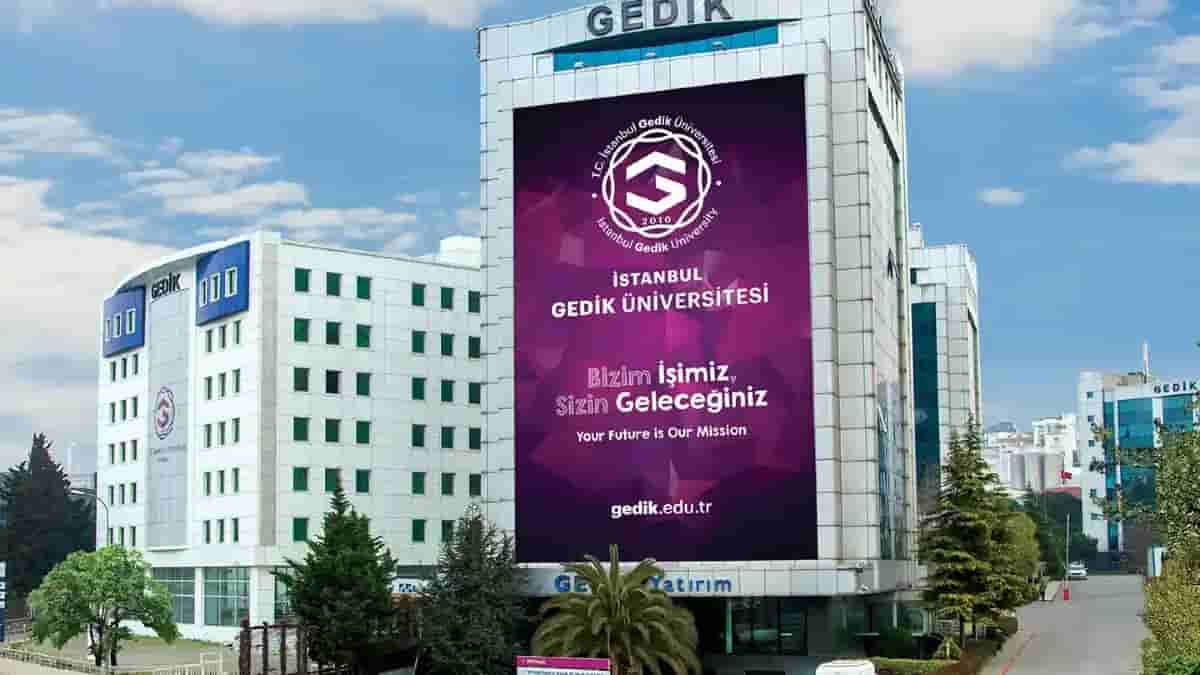 Dormitory
Istanbul, Turkey
 Dormitory
Istanbul, Turkey
 Dormitory
Istanbul, Turkey
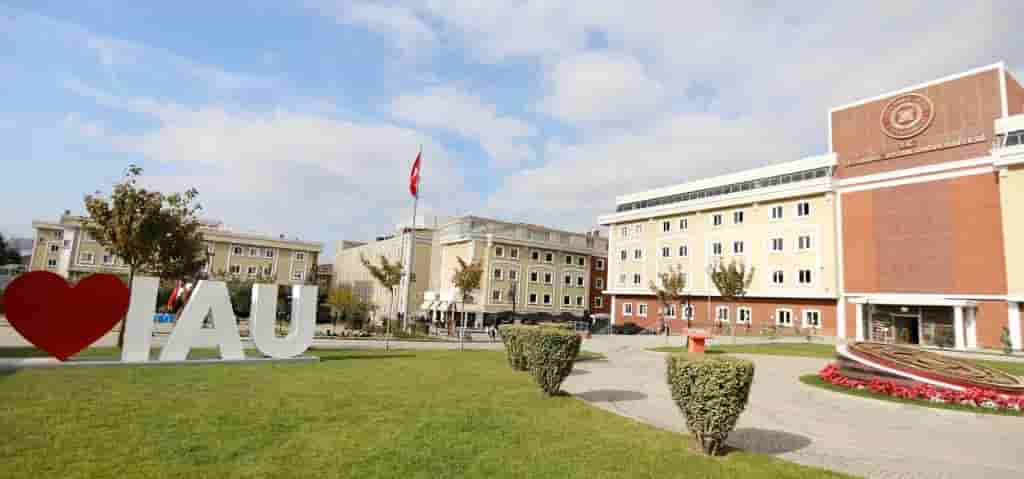 Dormitory
Istanbul, Turkey
 Dormitory
Istanbul, Turkey
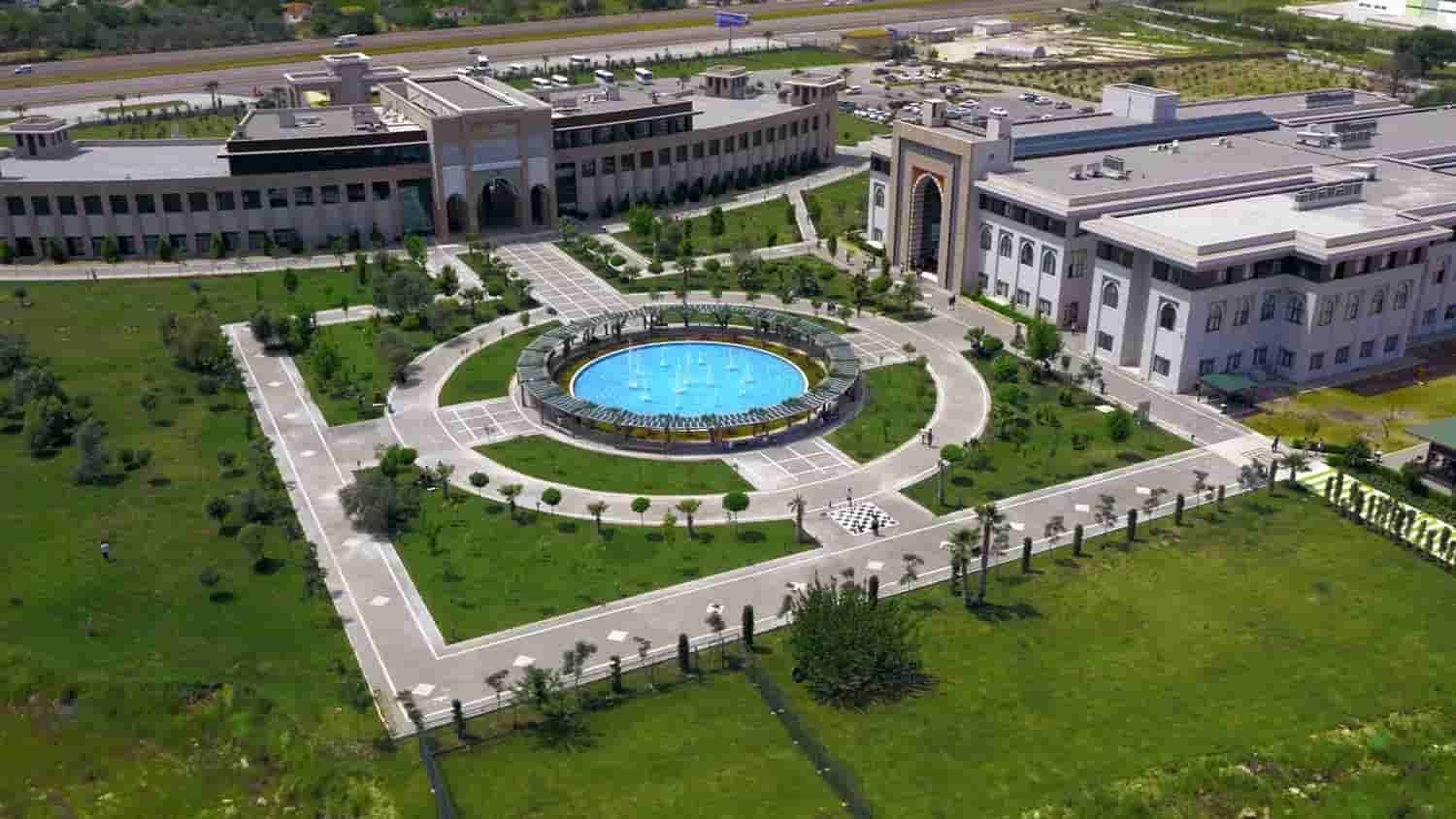 Dormitory
Antalya, Turkey
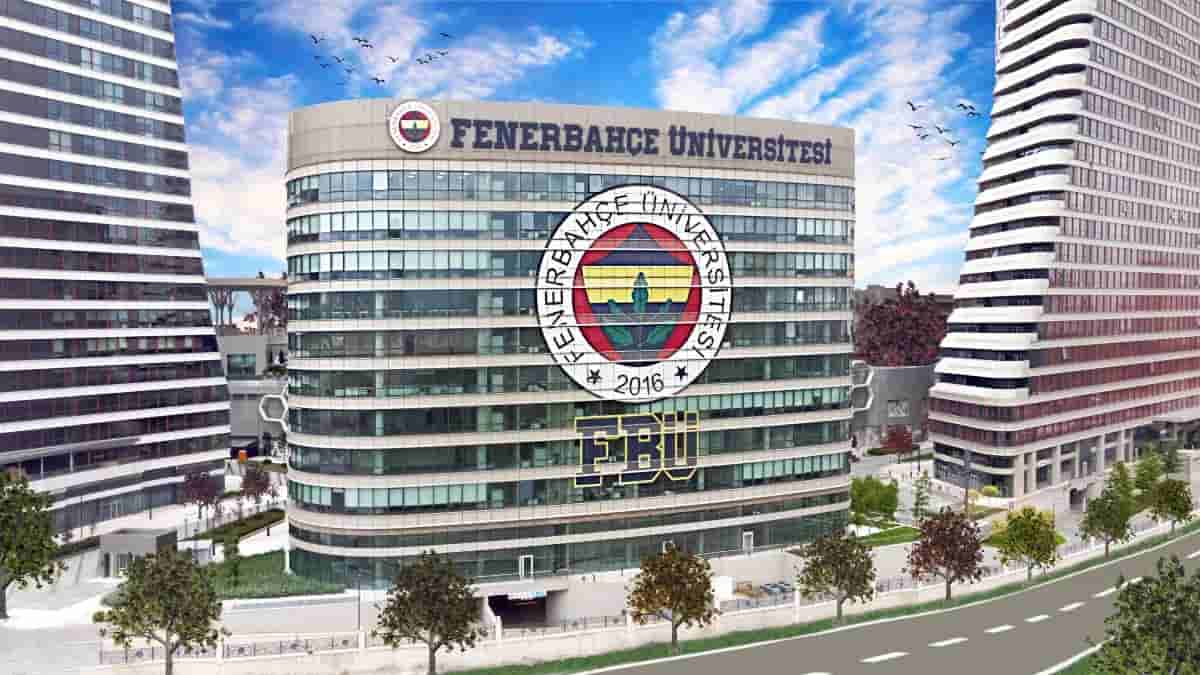 Dormitory
Istanbul, Turkey
 Dormitory
Ankara, Turkey
 Dormitory
Istanbul, Turkey