FAQs
Frequently Asked Questions and Answers

Studying art sounds exciting at first. Creativity, design, freedom of expression — it feels like the perfect academic path. But once students start researching universities, that excitement often turns into confusion. Every school promises modern studios, strong education, and successful careers, yet many graduates still struggle to build real portfolios or enter the industry. This leads to one uncomfortable question: is the university actually preparing you for the creative world, or just handing you a diploma?
Because of this uncertainty, students are now looking for more practical and career-focused options. Instead of chasing famous names, they want places where they can design, produce, and create from day one. In recent years, Turkey has quietly become one of those alternatives. Private universities have invested heavily in studios, technology, and project-based learning, making art education more hands-on and realistic than ever before.

• Most art and design programs in Turkey are offered by private universities
• Thousands of international students enroll in creative majors every year
• Many programs are taught fully or partially in English
• Studio-based, portfolio-focused education replaces theory-heavy systems
In creative fields, reputation alone is not enough. What really matters is how much practical experience students gain during their studies. Employers rarely focus on grades or exams. They care about what you can actually produce.
A strong art university gives students access to workshops, studios, and real projects that simulate professional work. Instead of memorizing theory, students constantly create, test, and improve their ideas. This hands-on structure helps them graduate with confidence and job-ready skills rather than just academic knowledge.
Several private institutions consistently stand out for their creative infrastructure and applied teaching models:
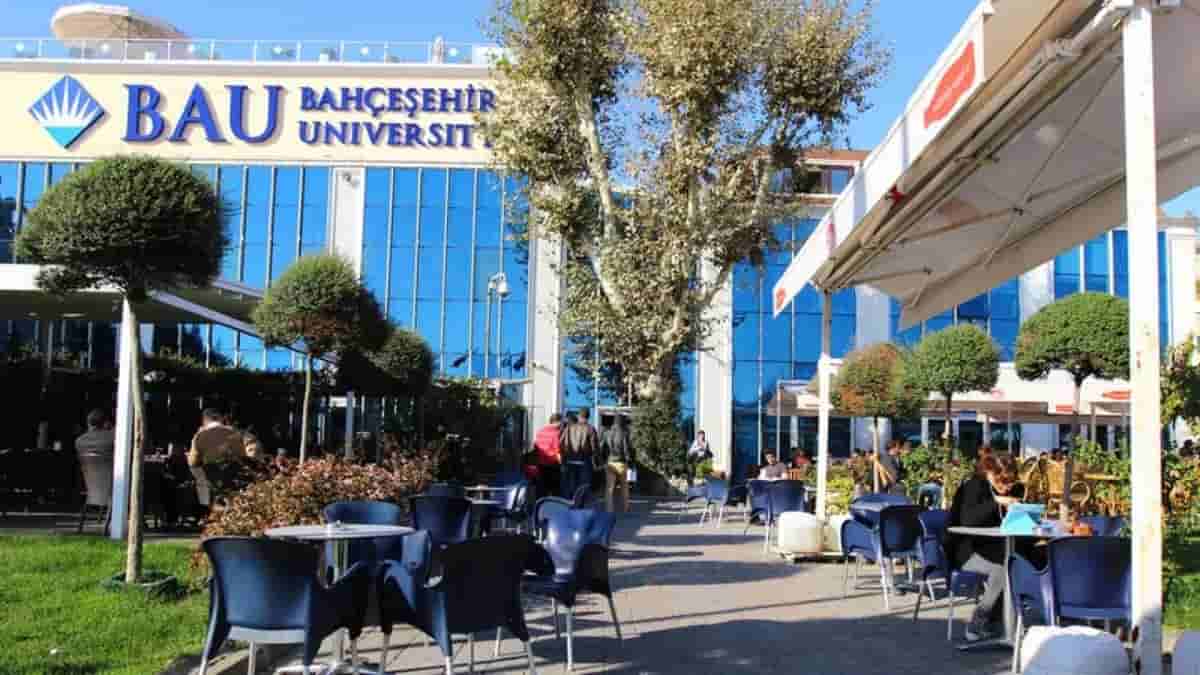
• Bahçeşehir University – visual communication, cinema, digital arts
• Istanbul Aydın University – fine arts, graphic design, interior architecture
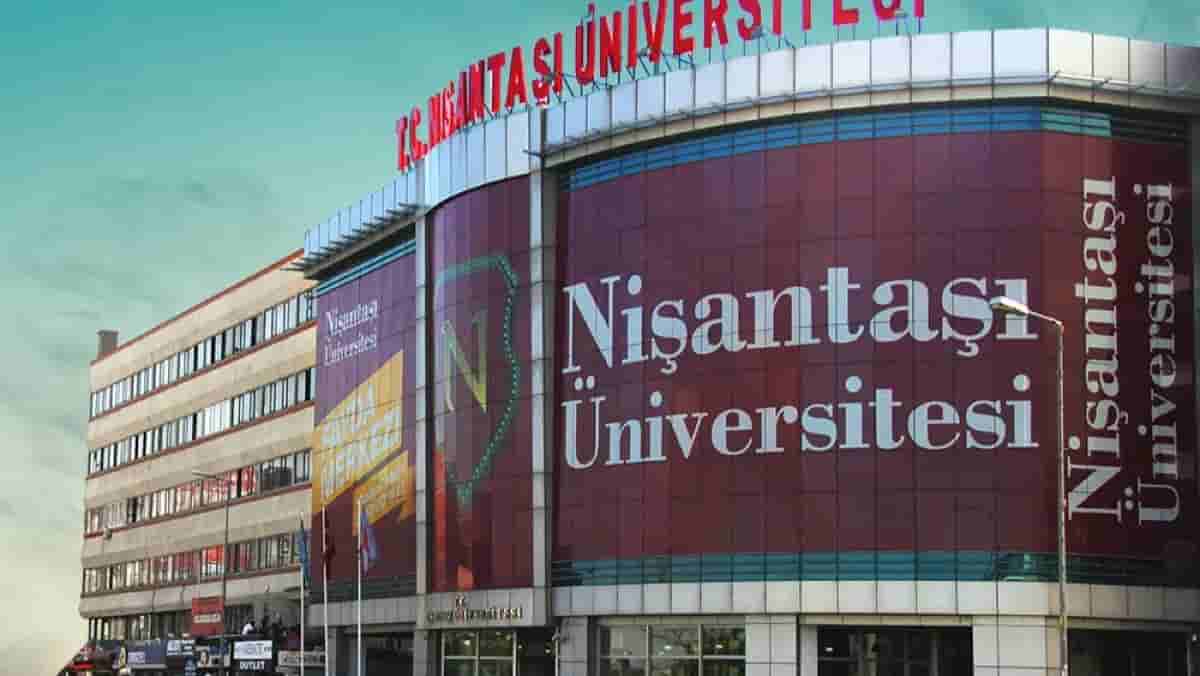
• Nişantaşı University – new media, advertising, creative industries
• Haliç University – studio-focused traditional and modern arts
These universities invest in production labs, design studios, and exhibition spaces, allowing students to graduate with strong professional portfolios instead of purely theoretical training.
Looking at the statistics makes the trend clear:
• 80+ private foundation universities operating nationwide
• 30,000+ students studying in art, design, and media faculties
• 100+ undergraduate programs focused on creative industries
• Over 60% of coursework in many faculties is project-based and practical
These figures show that art education in Turkey is not a small niche. It is a structured and growing sector, which also gives you strong data points for charts or infographics.

Students often choose specializations that match current industry demand:
• Graphic design and visual communication
• Interior architecture and spatial design
• Animation, game design, and digital media
• Fashion design, photography, and cinema production
This variety allows students to combine creativity with technology and build more versatile portfolios that open doors to multiple career paths.
Creative skills develop through practice, not lectures. That is why many private universities structure their programs around studios and workshops. Students spend most of their time producing real work rather than preparing for written exams.
They design campaigns, create short films, develop prototypes, and participate in exhibitions. By graduation, they already have professional-level projects to show employers. In creative industries, this practical experience often matters more than any transcript.
Students are increasingly choosing Turkish private universities for several practical reasons:
• English-medium learning environments
• Modern studios and digital equipment
• Portfolio-based evaluation systems
• Multicultural campuses with international classmates
These advantages make the transition from university to professional life smoother and more realistic.

Getting accepted is only the first step. Many students still struggle with paperwork, accommodation, airport pickup, and settling into a new country. Small delays or missing information can quickly turn an exciting opportunity into unnecessary stress.
That’s why StudyLeo provides structured support beyond admissions. From application guidance to housing and arrival assistance, students receive practical help at every stage, making the transition to university life smoother and more predictable.

Art education should prepare students for real careers, not just academic success. Turkey’s private universities are building systems that focus on production, creativity, and industry readiness. With modern facilities and applied learning, students gain both technical skills and professional confidence. With proper research and guidance from platforms like StudyLeo, choosing the right university becomes much easier. For many creative students, studying art in Turkey is not simply an alternative, but a smart and practical career decision.
Frequently Asked Questions and Answers
Look out blogs and aware of the latest trends and updates
Explore top universities offering quality education, modern facilities, and diverse academic opportunities for students worldwide





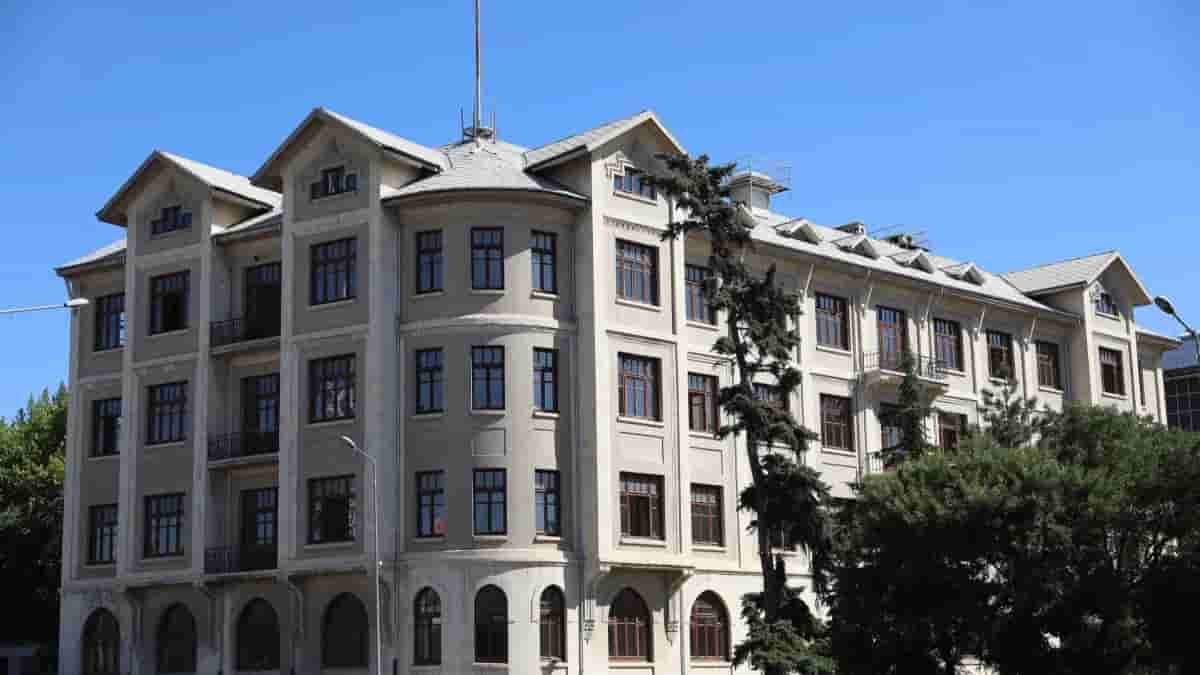 Dormitory
Ankara, Turkey
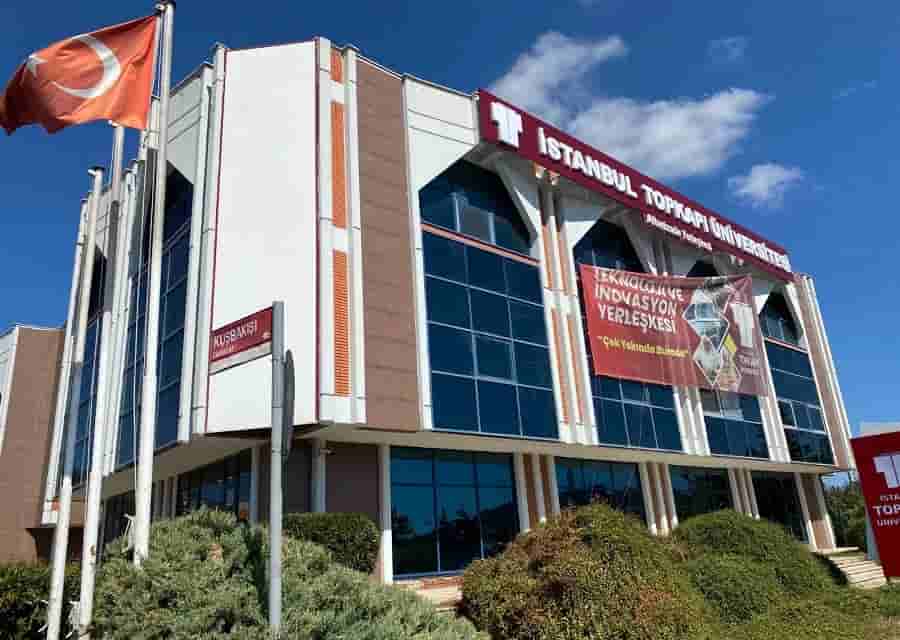 Dormitory
Istanbul, Turkey
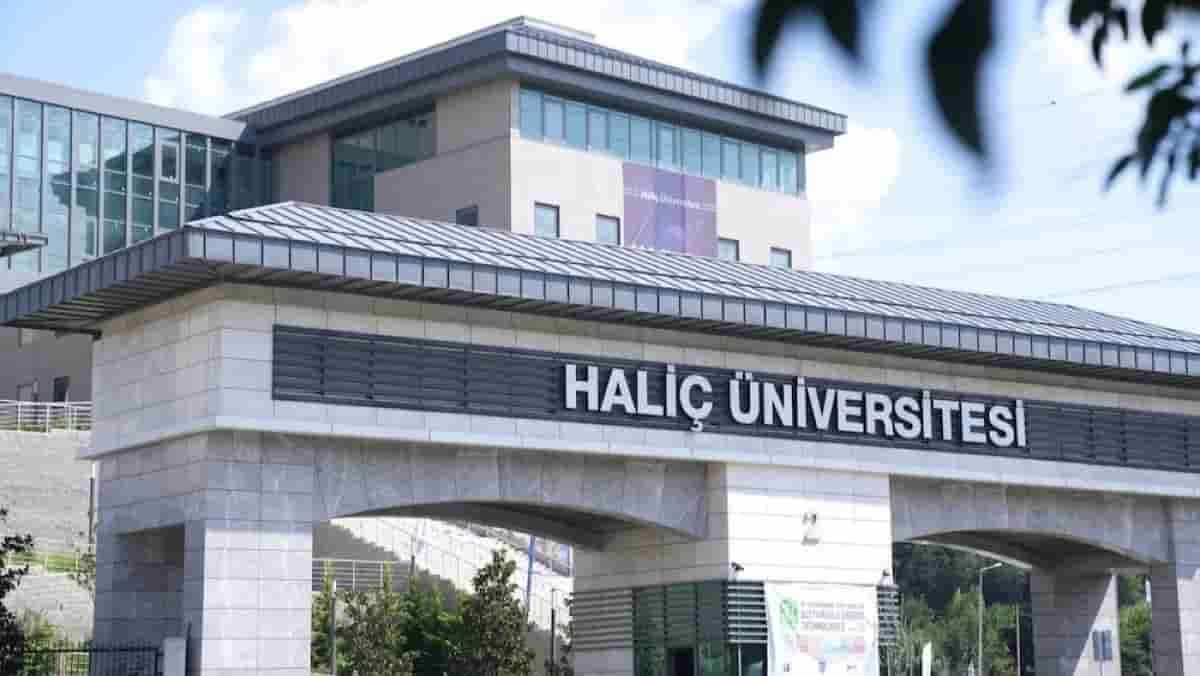 Dormitory
Istanbul, Turkey
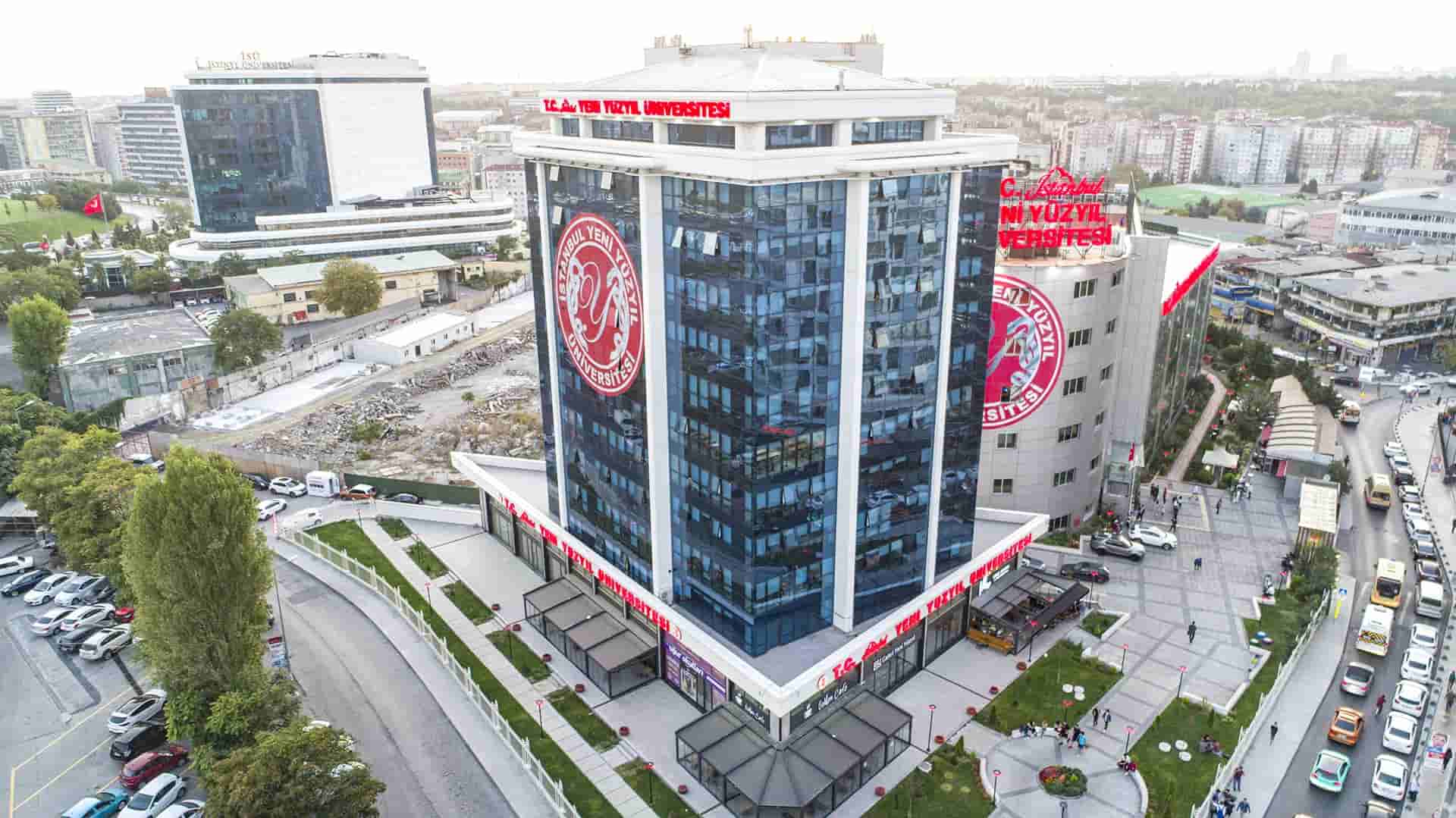 Dormitory
Istanbul, Turkey
 Dormitory
Istanbul, Turkey
 Dormitory
Istanbul, Turkey
 Dormitory
Istanbul, Turkey
 Dormitory
Istanbul, Turkey
 Dormitory
Istanbul, Turkey
 Dormitory
Istanbul, Turkey
 Dormitory
Istanbul, Turkey
 Dormitory
Istanbul, Turkey
 Dormitory
Istanbul, Turkey
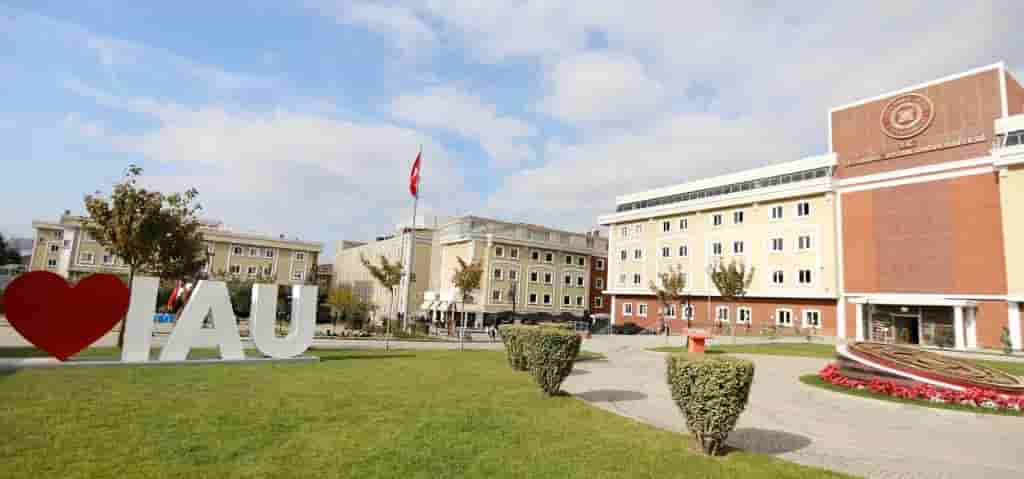 Dormitory
Istanbul, Turkey
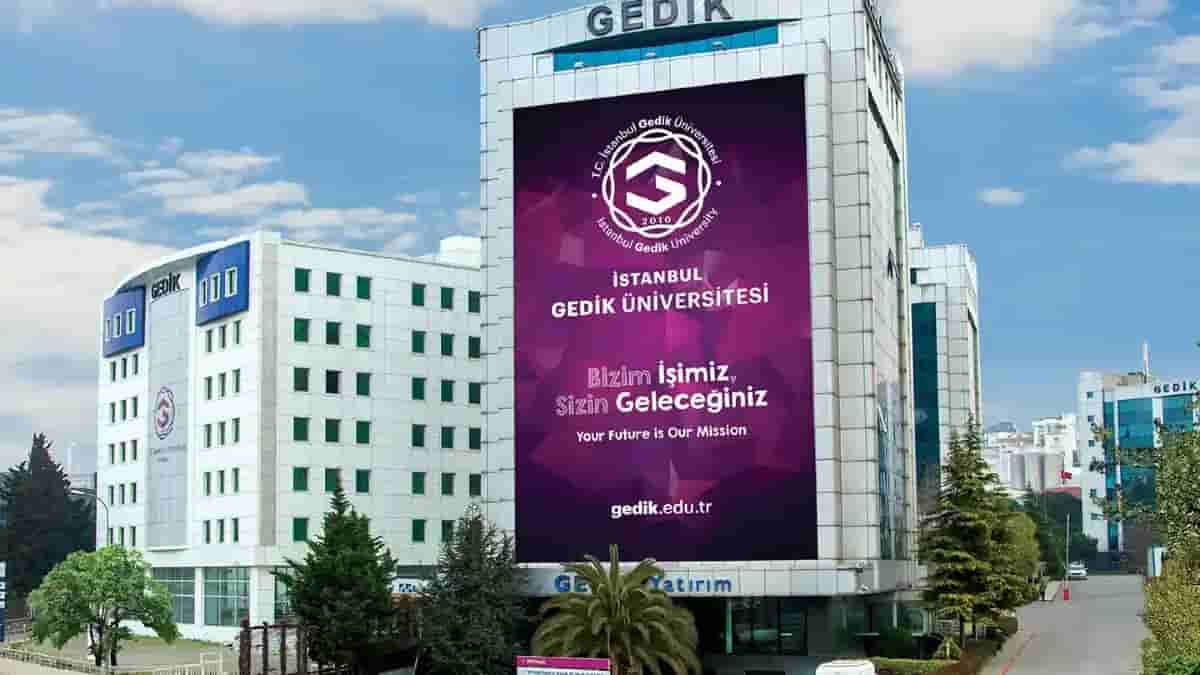 Dormitory
Istanbul, Turkey
 Dormitory
Istanbul, Turkey
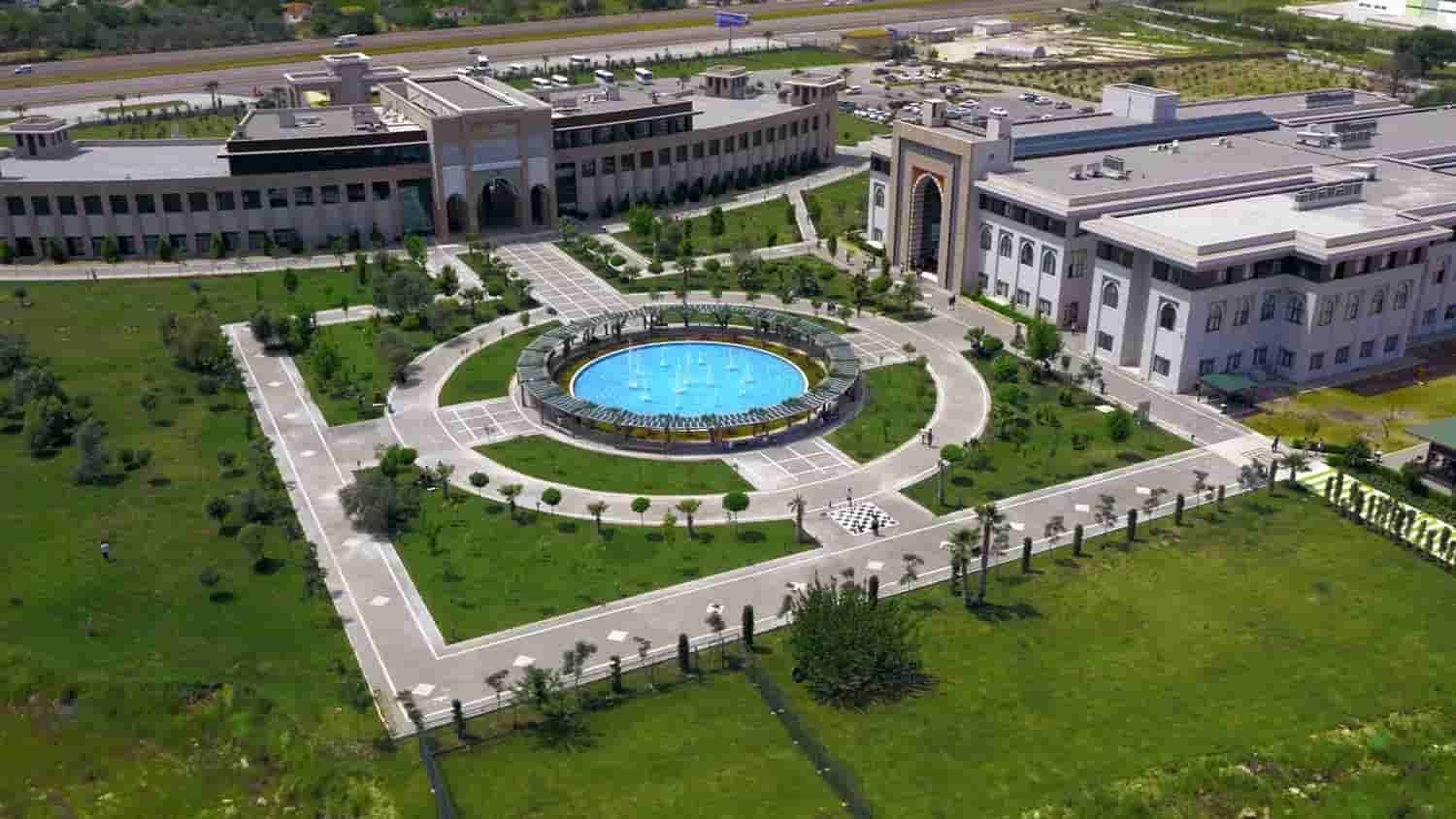 Dormitory
Antalya, Turkey
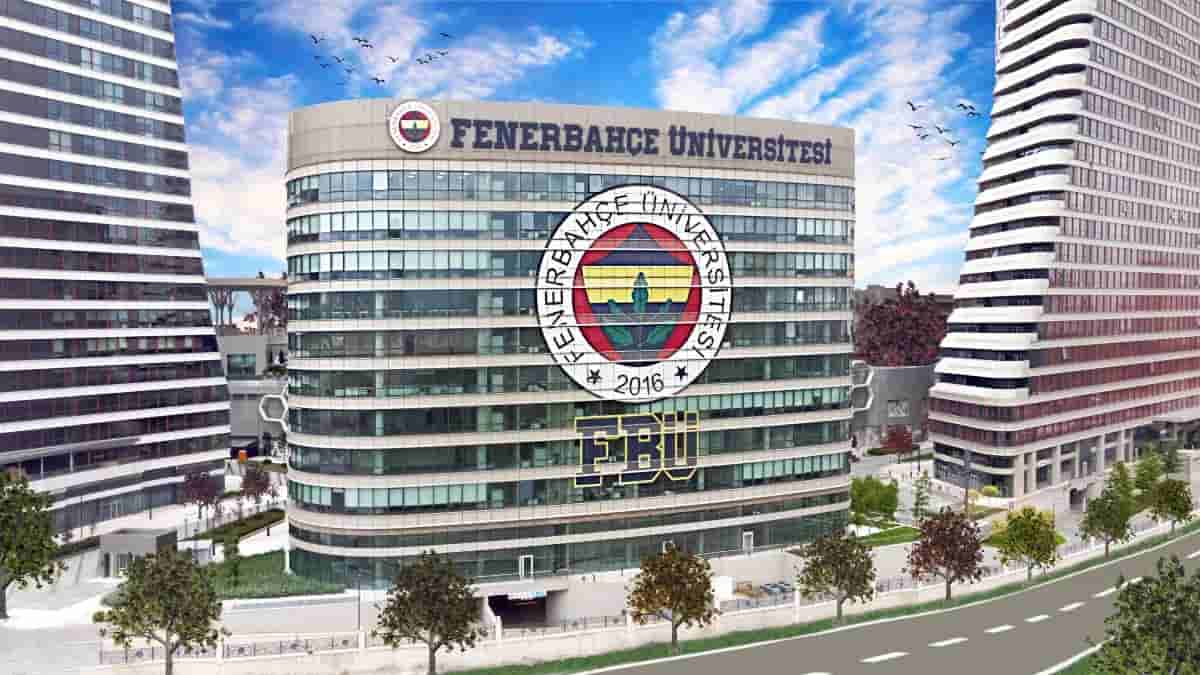 Dormitory
Istanbul, Turkey
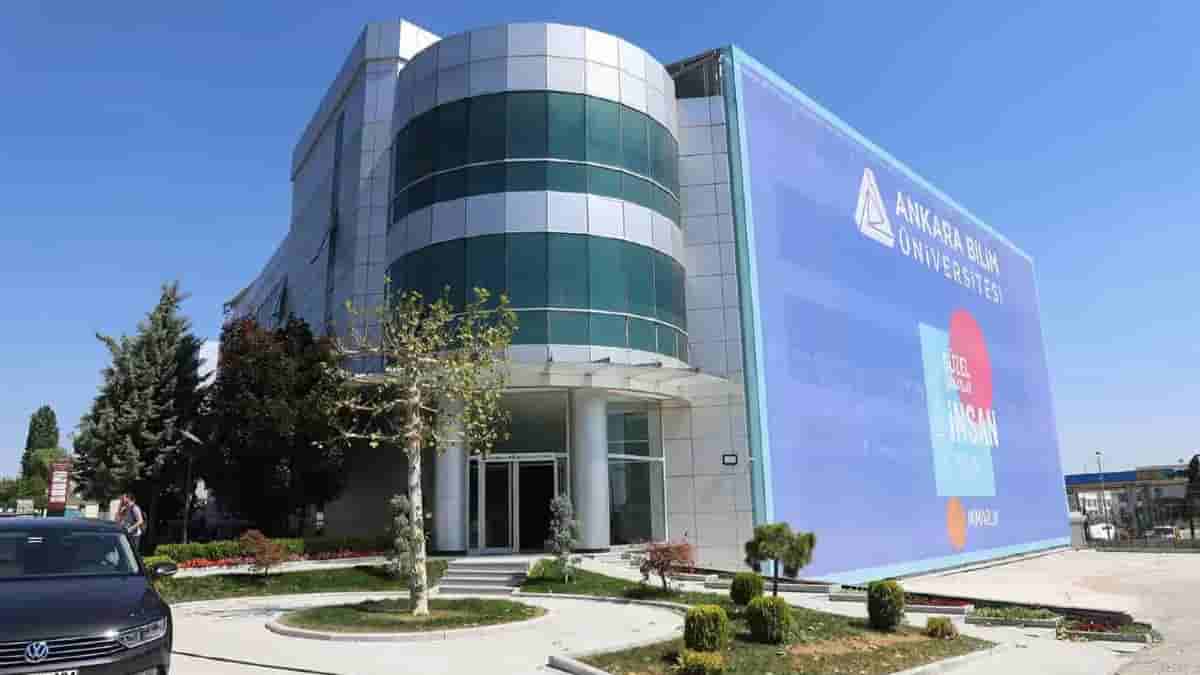 Dormitory
Ankara, Turkey
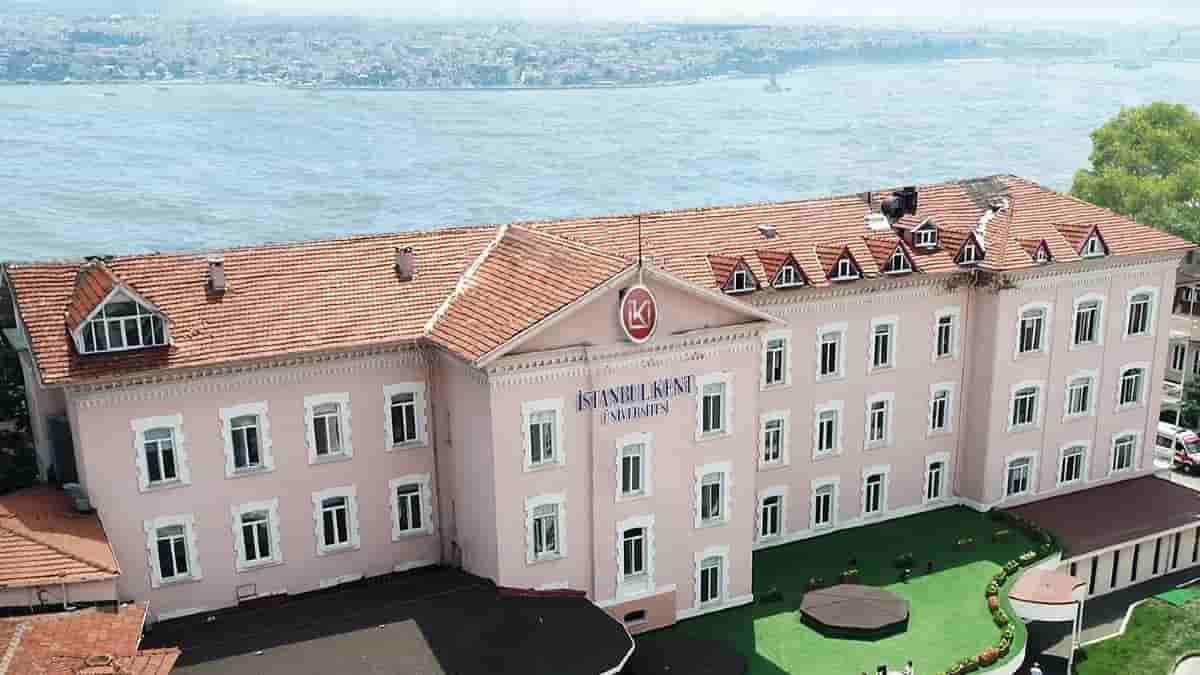 Dormitory
Istanbul, Turkey